
The most common birds nesting in roofs are House Sparrows, European Starlings, Common Swifts, Chimney Swifts, Rock Pigeons, and House Martins. Which one you're dealing with comes down to a handful of clues you can gather in about ten minutes: where exactly on the roof the activity is happening, what sounds you hear, what the birds look like going in and out, and what kind of mess they're leaving behind. Once you know the species, you'll know whether you're legally required to leave it alone right now, how long the nesting cycle will last, and what to do the moment the birds are done.
What Bird Is Nesting in My Roof? Identify and Act Safely

Maya Bennett
19 May 2026
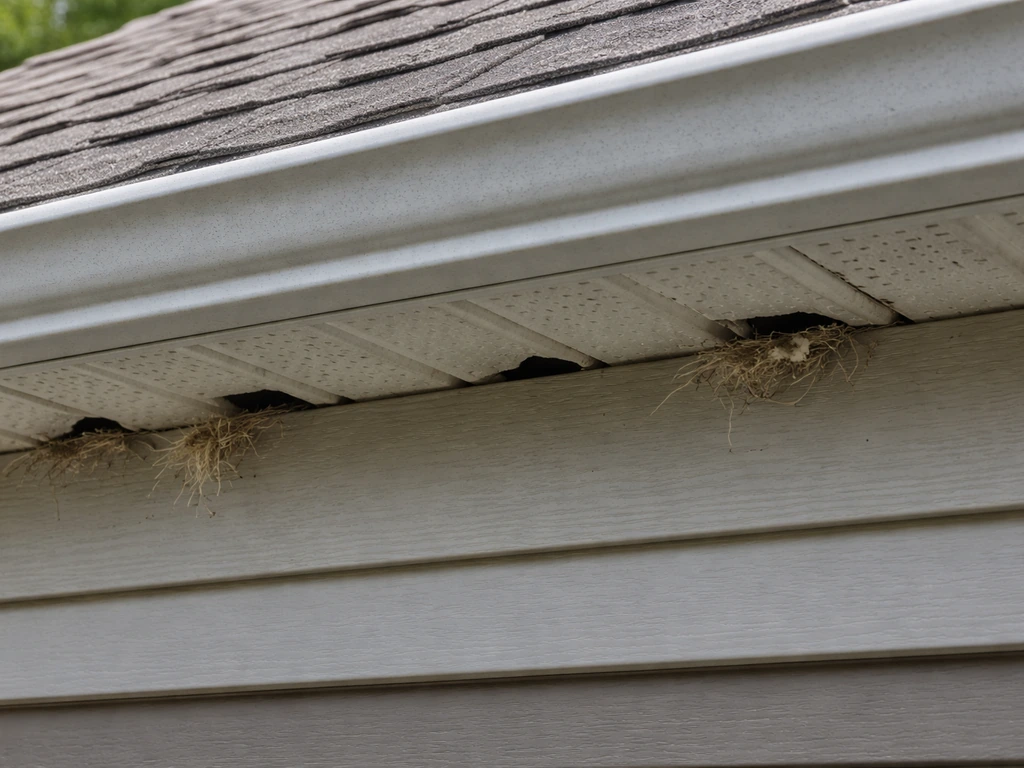
How to identify the bird from roof nest clues
You probably can't see the nest directly, but you don't need to. Watch from a comfortable distance (at least 10 feet) for 10 to 15 minutes during morning activity, roughly 7 to 10 a.m. Take a photo or two and jot down what you observe. Here's what to focus on:
Entry point location
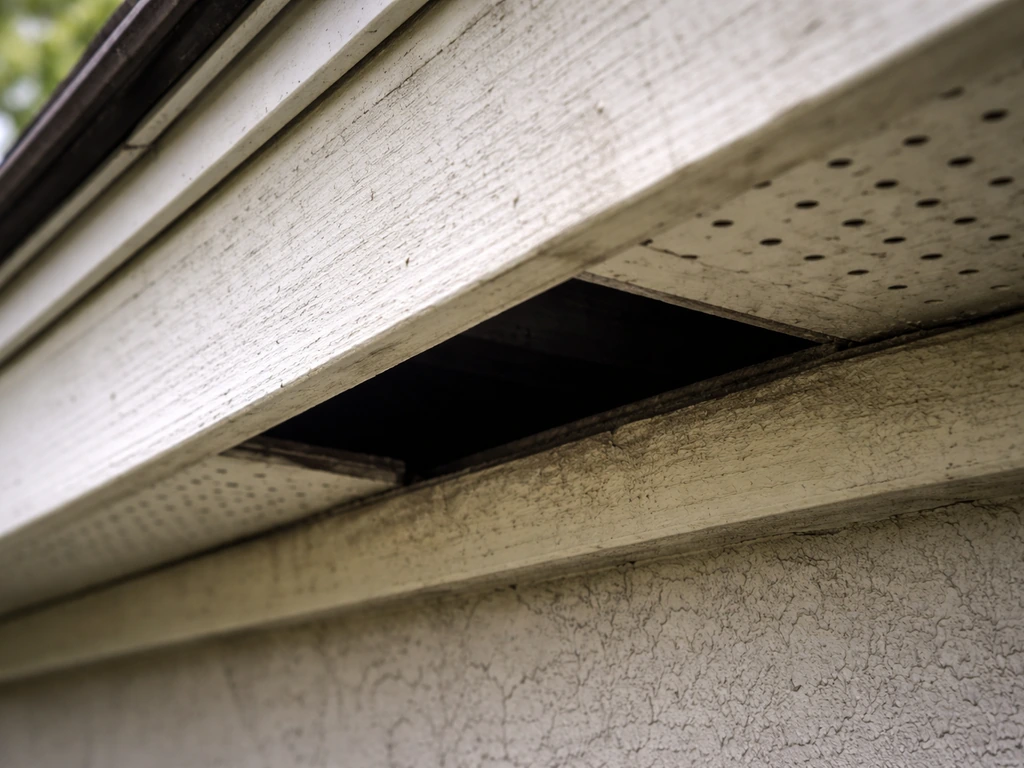
Where the birds are entering is your single best clue. Gaps under roof tiles or loose soffits typically mean House Sparrows or Starlings. A chimney opening means Chimney Swifts (North America) or Common Swifts (Europe/UK). A vent or exhaust pipe hole points to Starlings or House Sparrows. Pigeons almost always use flat or low-slope roof areas, gutters, or parapet ledges rather than cavity entrances. Swallows and House Martins prefer the junction between the fascia board and the soffit, or right under the roof overhang, and they build on the outside rather than inside.
Nest material and construction
If you can see any nesting material poking out of a gap, that tells you a lot. Loose, messy grass, feathers, paper scraps, and string stuffed into a cavity: House Sparrow. More compact grass or straw with a muddy cup lining pushed into a cavity: Starling. A shallow, flat platform of twigs and little else on a ledge: Pigeon. A cup of mud pellets mixed with dry grass, plastered to a vertical surface under the eave: House Martin or Cliff Swallow. Chimney Swifts build a tiny half-cup of twigs glued together with their own saliva, attached to the inside vertical wall of a chimney, roughly 3 to 4 inches across. You won't see a Swift nest without a camera lowered into the flue.
Bird size, color, and behavior going in and out
| Species | Size | Key field marks | Behavior at entry |
|---|---|---|---|
| House Sparrow | About 6 inches | Males have black bib, chestnut nape; females streaky brown | Frequent short trips in/out with grass or food; chattery chirping |
| European Starling | About 8.5 inches | Iridescent black, speckled in winter; yellow bill in spring | Carrying large food items; loud whistling and mimicry |
| Rock Pigeon | About 13 inches | Gray-blue with iridescent neck, variable plumage | Slow, deliberate; cooing; rarely enters tight gaps |
| Chimney Swift | About 5 inches | Sooty gray-brown; very long swept-back wings; no visible tail | Dives straight into chimney opening; loud chattering |
| House Martin | About 5 inches | Blue-black back, pure white underparts, white rump patch | Clings to mud cup on exterior; twittering calls |
| Barn Swallow | About 7 inches | Blue back, rusty-orange throat, deeply forked tail | Skims in under eave; mud-and-grass cup on beam or ledge |
Droppings and smell
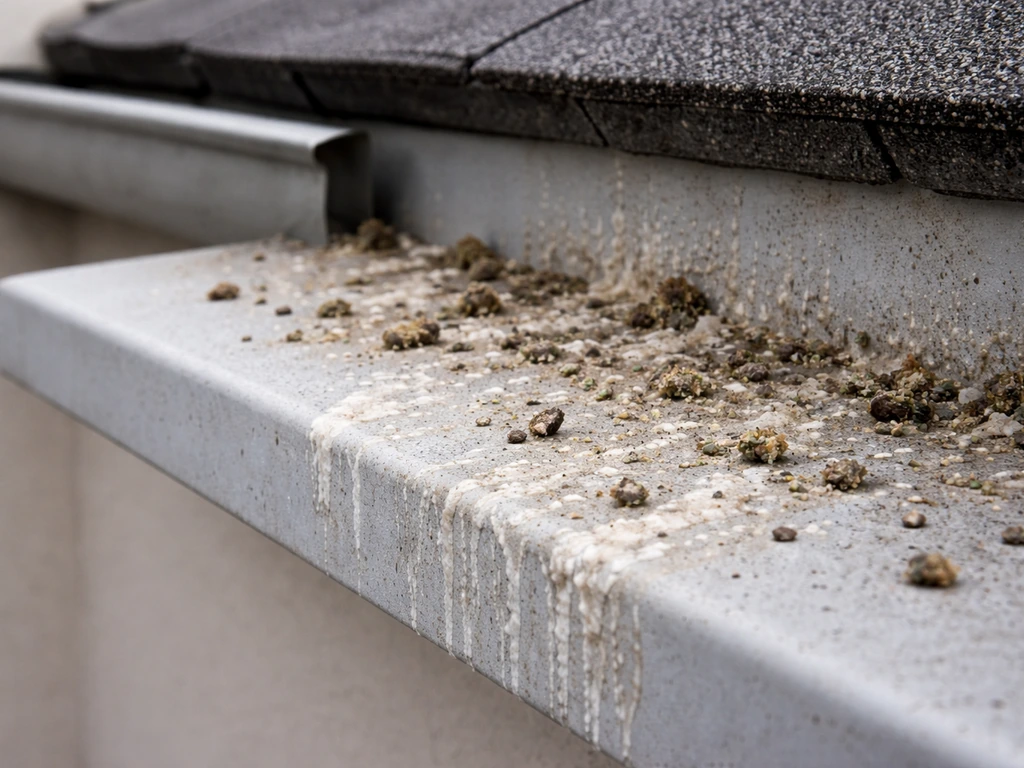
Pigeon droppings are large, whitish-gray, and accumulate fast, often leaving a visible crust on ledges, gutters, or walls below the nest site. Sparrow and Starling droppings are smaller and tend to collect directly below the entry gap. Swift droppings are tiny and mostly stay inside the chimney. A strong ammonia or musty smell near a vent or soffit gap, especially combined with insect activity, usually means a nest has been in place for more than one season. Martin and Swallow nests on exterior surfaces leave a streak of droppings below the cup.
Sound patterns
Early morning is the most useful time to listen. Repetitive chirping from inside the soffit or wall cavity, especially a begging call that sounds like a rapid high-pitched 'cheep-cheep-cheep,' almost always means chicks are present, which matters a lot for what you're allowed to do. Chimney Swifts make a distinctive loud, rapid chattering that carries clearly and is unlike anything else. Pigeons produce a deep, rhythmic cooing. Starlings often include copied sounds (car alarms, other birds) in their repertoire. If you hear nothing but see birds entering, the nest may be at the egg stage.
When to act vs. when to wait
This is the most important decision you'll make, and the law shapes it directly. In the United States, the Migratory Bird Treaty Act (MBTA) protects roughly 1,100 native species, including their active nests, eggs, and chicks. It is illegal to destroy, move, or interfere with a nest that contains eggs or chicks, or where young birds are still dependent on it. The rule is simple: if there are eggs or live chicks inside, you must leave the nest alone until the birds are done, regardless of where the nest is located. You can be fined for removing an active nest even when it's on your own property.
The MBTA technically does not prohibit removing an empty nest (no eggs, no chicks, no active use), but possession of nest material, feathers, or eggs is still regulated. Always check your state and local rules on top of the federal baseline. The UK has similar protections under the Wildlife and Countryside Act 1981, which protects all wild birds, their nests, and eggs while the nest is in use or being built.
A few species commonly found in roofs are not federally protected under the MBTA: Rock Pigeons, House Sparrows, and European Starlings are introduced, non-native species and are excluded from MBTA protection. Maryland DNR also notes that removing or moving nests with eggs or nestlings is illegal and that introduced species are not protected by federal law blank" rel="noopener noreferrer">introduced, non-native species and are excluded from MBTA protection. That said, many states do have their own regulations, and some localities protect even these species. More practically, removing a nest with eggs or chicks in it is still something most wildlife professionals advise against unless there is a genuine safety emergency. Check your state fish and wildlife agency rules before doing anything to a nest with eggs.
Quick decision guide
- Empty nest, birds not returning for days: You can remove it legally (MBTA species) after confirming it is fully inactive. Do it outside nesting season when possible.
- Nest with eggs, no chicks yet: Stop any roof work in that area. Wait. Incubation for most roof-nesting species takes 11 to 17 days.
- Nest with chicks (you can hear begging calls): Do not touch anything. Fledging typically happens 14 to 25 days after hatching for most cavity nesters.
- Birds still visiting but no sounds: Likely still in the egg stage. Observe for another few days before concluding it's abandoned.
- Nest abandoned mid-cycle (no activity for 5+ days, no sounds): May be a failed nest. Wait another week to be sure before treating as inactive.
- Immediate safety hazard (structural collapse risk, fire risk from chimney nest, aggressive bird injuring people): Call a licensed wildlife removal professional or your state wildlife agency before taking action.
Safety and ethics for homeowners
Most roof-nesting birds are not a direct danger to people, but there are some real risks worth knowing about and managing carefully.
Keeping a safe distance
During active nesting, keep at least 10 feet from entry points when doing routine outdoor tasks. Swallows and Martins can become defensive near their nests and will perform close fly-by passes (rarely making contact, but startling). Mockingbirds nesting in eaves can be actively aggressive toward people and pets. If a bird is dive-bombing you in your own yard, wearing a hat and avoiding the zone during peak early-morning feeding hours (6 to 9 a.m.) usually resolves the conflict for the few weeks until fledging.
What not to do
- Do not block or seal entry gaps while birds are actively using the nest. Sealing parents out with chicks inside will kill the chicks.
- Do not use pesticides or insecticides near active nests. Ectoparasites (mites, lice) from the nest are a nuisance but not an emergency during the nesting cycle.
- Do not use water, noise devices, or lights to drive a bird from an active nest with eggs or chicks.
- Do not handle eggs or move them. In addition to being illegal for protected species, it rarely results in successful relocation.
- Do not attempt to remove a chimney swift nest from inside a working chimney during nesting season. This requires a professional.
Health considerations
The two main health concerns with roof nests are droppings accumulation and ectoparasites. Pigeon droppings can harbor Histoplasma capsulatum, a fungal pathogen that causes histoplasmosis when dried droppings are disturbed and inhaled. If you're dealing with a significant pigeon accumulation (not just a few droppings, but a real buildup), wear an N95 mask and disposable gloves when cleaning, and wet the area lightly before sweeping to reduce dust. Sparrow and Starling nests can harbor nest mites, which occasionally migrate into living spaces after the birds fledge. This is more annoying than dangerous, but it's a good reason to do a prompt cleanup and seal gaps once the nest is inactive.
Preventing harm and deterring future nesting (without touching active nests)
The most effective prevention is physical exclusion, and the most ethical time to do it is in late summer or early autumn, after the breeding season has ended and before birds start scouting for next year's nest sites. Trying to deter birds during active nesting almost always causes more harm than good and risks violating the MBTA.
Exclusion methods that work
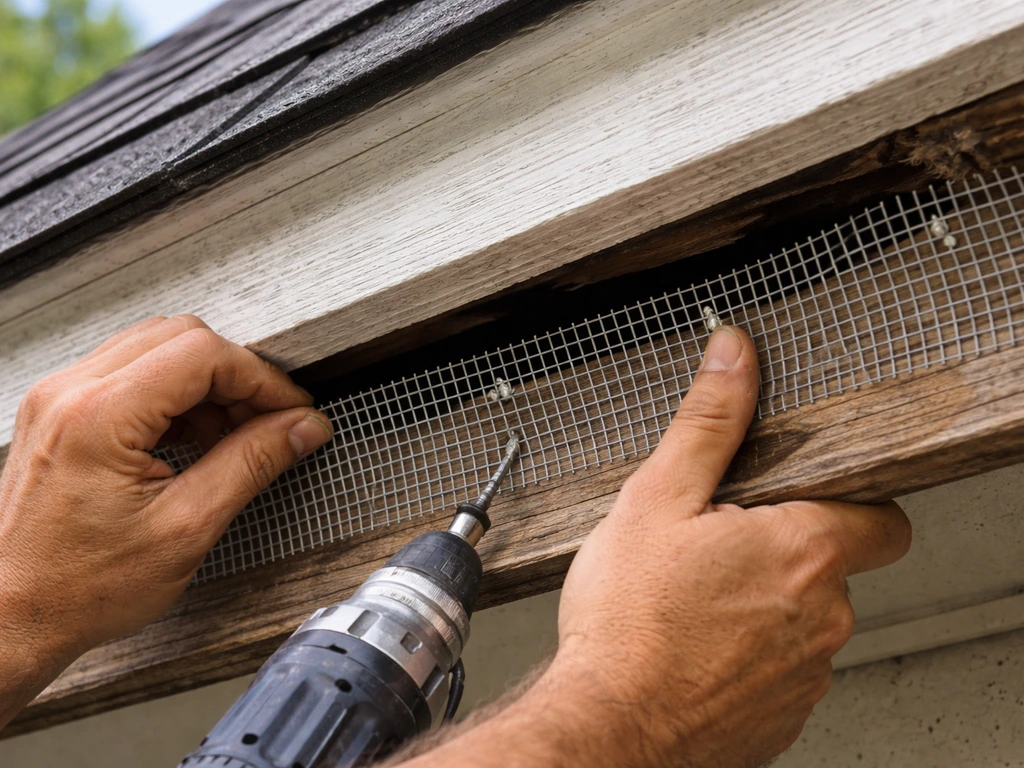
- Seal soffit gaps and fascia board gaps larger than 1.5 inches with galvanized hardware cloth or purpose-made cavity mesh after verifying no birds are inside.
- Install a chimney cap with a mesh side guard to exclude swifts and starlings while maintaining draft. Caps designed for swift exclusion have a mesh size of 1.5 inches or smaller.
- Use bird-specific soffit vent covers with built-in mesh on bathroom and kitchen exhaust vents, which are prime Starling entry points.
- For gutter areas favored by Sparrows, install gutter guards that eliminate the sheltered ledge effect.
- Roof-edge spikes on flat-roof parapets and ledges reduce Pigeon nesting on those surfaces, but only install them outside the nesting season.
Deterrents with limited effectiveness
Visual deterrents like reflective tape, predator decoys (fake owls or hawks), and hanging CDs are widely sold but have limited and short-lived effectiveness for roof nesters. Birds habituate to stationary objects within days to weeks. If you use them at all, move them frequently and combine them with physical exclusion for any lasting effect. Ultrasonic devices marketed for bird deterrence have very little scientific support.
Making your roof less attractive
- Trim back tree branches that overhang or closely approach the roofline. Branches within 4 to 5 feet of the roof provide an easy launch point for cavity-seeking birds.
- Keep gutters clean. Accumulated debris and standing water in gutters attract nesting material scouts in early spring.
- Repair loose or lifted roof tiles promptly in late winter, before birds begin prospecting (February through March in most of the U.S.).
- Remove any old nest material from vents and soffits in late autumn, as the scent of a previously used site is a strong attractor for the following season.
Step-by-step troubleshooting by season and bird behavior
Bird behavior on your roof will look different depending on the time of year. Here's how to interpret what you're seeing and what to do about it, season by season.
Late winter to early spring (February through April)
Birds are prospecting and building. You'll see Sparrows and Starlings carrying grass, feathers, and paper into gaps, sometimes for two or three weeks before any eggs are laid. This is your last window to legally and safely seal entry points before eggs appear. If you notice this activity and want to stop it, act within the first few days. Once you see birds carrying food rather than nest material, eggs are almost certainly present and you must stop.
Spring through early summer (April through July)
Peak active nesting. Most roof-nesting species in the U.S. have eggs or chicks from April through July, and many will attempt a second or even third brood. If you hear chick begging calls, the timeline to fledging is typically two to three weeks for small cavity nesters like Sparrows (about 14 to 18 days). Swifts take longer, around 28 to 30 days from hatching to fledging. Do not attempt any roof repairs on or near the nest area during this period. Document what you're seeing with photos and dates so you know when to expect the nest to go inactive.
Late summer (August through September)
Most species have finished their final brood by mid-August in the northern U.S. Watch for a clear stop in activity: no birds entering or exiting, no sounds for at least five to seven consecutive days. Chimney Swifts migrate south in August and September, leaving chimneys fully empty. This is the ideal window to do your first post-nesting inspection and plan any sealing or repairs.
Autumn and winter (October through January)
Nests are inactive. This is the best time to safely clean out old nest material, repair roof damage, install exclusion hardware, and do a full gutter-and-fascia inspection. Birds are not legally protected in inactive nests under the MBTA, so this is your lowest-risk window for remediation work.
Who to contact and what to do in an emergency
Most roof nest situations are not emergencies, they just feel urgent. But there are a handful of scenarios where you need outside help promptly.
Situations that genuinely need professional help
- A nest inside a working chimney flue (not the firebox, but the flue itself) creates a fire risk. Do not light the fireplace. Call a licensed chimney sweep who is also familiar with wildlife protocols, or contact your state wildlife agency for guidance before any action.
- A chick or adult bird has fallen from the nest and is injured or grounded. Contact your nearest licensed wildlife rehabilitator. The National Wildlife Rehabilitators Association (NWRA) and Wildlife Rehabber websites have locator tools.
- Structural damage appears to be worsening rapidly (water intrusion, sagging soffit) due to nest activity. Contact a wildlife-aware pest control company or a bird management specialist, not a general exterminator, as MBTA rules still apply.
- A large, aggressive colonial nesting situation (e.g., dozens of Starlings or a Pigeon colony) is creating a severe health hazard with significant droppings accumulation. Contact a licensed bird management professional who will apply for any necessary permits.
- You believe a protected raptor (such as an American Kestrel) is nesting in your roof. Contact your regional U.S. Fish and Wildlife Service office before doing anything at all.
Who to call
For wildlife emergencies and permit questions: your state fish and wildlife agency is the first call. For injured birds: a licensed wildlife rehabilitator. For nest identification help: your local Audubon Society chapter, many of which have free hotlines or email identification services. For safe, legal removal of inactive nests combined with exclusion work: a pest management professional who specifically lists bird management or bird exclusion as a service, and who can confirm they follow MBTA protocols.
After the chicks fledge or the nest fails: inspection, exclusion, and cleanup
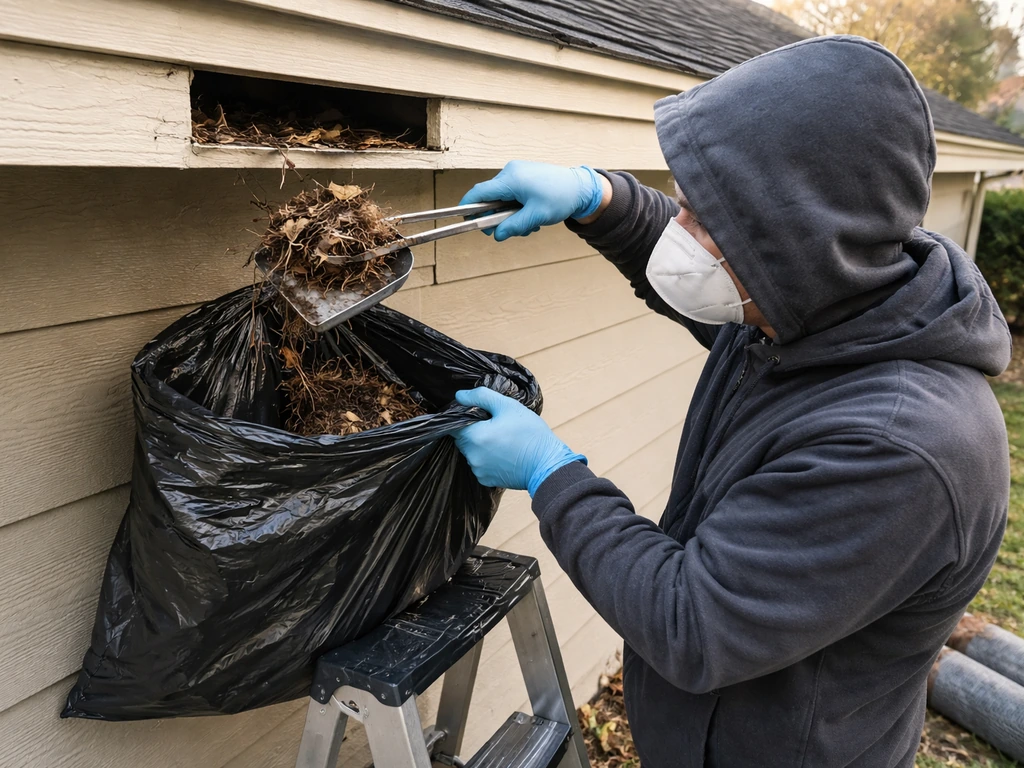
Once you've confirmed the nest is fully inactive (no activity for at least seven days, no sounds, no birds entering), here's a practical sequence for handling the aftermath and making sure you're not dealing with this again next spring.
- Confirm inactivity first. Watch the site morning and evening for a full week. A brief visit from a bird checking out an old site is not the same as active use.
- Do a visual inspection from the ground or a safe ladder position. Look for damaged soffit boards, cracked roof tiles, displaced vent covers, or gaps wider than 1.5 inches. Photograph everything.
- Remove old nest material if it's accessible and you can do so safely. Wear gloves and a dust mask. Double-bag nest material in sealed plastic bags for regular trash disposal. Do not compost it.
- Treat for mites if needed. A pyrethrin-based spray applied to the cavity or vent space after nest removal will address any remaining ectoparasites. Let it dry fully before closing up the space.
- Seal the entry point with galvanized hardware mesh or a purpose-made vent cover. For soffit gaps, use exterior-grade caulk or metal flashing in addition to mesh for gaps under 1 inch.
- Check adjacent gaps and vents within 10 feet. Birds that are excluded from one entry point will probe nearby gaps next season.
- Schedule a follow-up check in late February or early March, before the next nesting season starts, to make sure no new gaps have opened over winter.
If you're dealing with a nest in a garage or other outbuilding rather than the roof structure itself, the same sequence applies, but access and species are sometimes different. If you’ve noticed that there is a bird nest in my garage, the same identification and cleanup principles apply once you confirm it is inactive a nest in a garage. Nests in enclosed structures like garages can involve different bird behaviors worth understanding on their own terms. Similarly, if you've ever wondered what draws certain species to very specific locations like tree trunks, gourds, or even cacti, the nesting logic is consistent: birds pick cavities and sheltered spaces that match their body size, offer insulation, and reduce predator access. Some birds also choose gourds as nesting cavities, so it helps to know which species prefers that kind of spot. Roofs just happen to offer all of that in an easily exploited package.
The good news is that most roof-nesting situations resolve themselves within four to six weeks once eggs are laid. The nest cycle is finite, the birds have every incentive to fledge their chicks and move on, and once they do, you have a clear window to fix the problem for good. Knowing which species you're dealing with, and respecting the legal and ethical boundaries around active nests, is what gets you from frustration to resolution without anyone, bird or homeowner, getting hurt in the process. In some regions, the cactus wren is known for making nests in cacti.
FAQ
How can I tell if the nest is active without getting too close to the roof?
Use quiet, steady observation from at least 10 feet. Look for ongoing entry and exit during morning activity, and listen for repetitive begging calls or species-specific sounds. If birds stop using the entry for 5 to 7 consecutive days, that strongly suggests the nest is no longer active.
What should I do right now if I suspect eggs or chicks but I cannot confirm what I’m hearing?
Treat it as active until proven otherwise. Avoid any roof work, gap sealing, or cleanup near the entry point. Take dated photos of the entry area and keep watching for changes (carrying nest material versus carrying food).
Can I patch or repair the roof while birds are nesting if I avoid the entry hole?
It’s still risky if repairs disturb the nesting site or the cavity where the birds are. Even “minor” work, like lifting shingles near the gap, can count as interference if eggs or chicks are present.
Are House Sparrows and Starlings always legal to remove from my roof in the U.S.?
They are non-native, so they are excluded from federal nest protections under the MBTA, but many states or localities still have rules, and an active removal can create ongoing conflicts. Check your state fish and wildlife agency guidance before acting, especially if eggs or chicks are involved.
How do I identify the species if I only see droppings but not the entry gap?
Dropping location and size help. Small droppings that collect directly below a cavity gap usually indicate sparrows or starlings. Large whitish-gray buildup on ledges or gutters suggests pigeons, while tiny droppings mostly staying inside a chimney point toward swifts.
What if I find a nest after the breeding season, but I’m not sure whether it’s inactive?
Do not assume it’s inactive based on appearance alone. Confirm no birds entering or exiting and no sounds for at least 5 to 7 consecutive days. Only then plan cleanup and exclusion hardware installation.
How long should I wait after birds stop using the roof before cleaning droppings or removing old material?
Wait until you confirm inactivity for at least 7 days, then clean promptly. Delaying too long can expose you to more dust and odor from accumulated droppings, but rushing before inactivity increases the odds of disturbing active birds.
Is it safe to use a pressure washer to remove droppings from a roof nest area?
Generally avoid blasting, because high-pressure water can aerosolize contaminants and spreads droppings into more surfaces. If cleaning is permitted, lightly wet the area first, use gentle wiping or careful removal, and wear eye protection and a properly fitted respirator if buildup is significant.
How can I reduce the risk of mites or insects after nests are gone?
After the nest is inactive and cleaned, seal the original entry gaps and inspect nearby soffits, vents, and eaves for openings. Doing this promptly reduces the chance of leftover nest mites migrating into living spaces when temperatures change.
Do I need a permit to exclude birds or install mesh after nesting ends?
Often you can install exclusion hardware after confirming inactivity, but permit requirements depend on your location and the species involved. If you’re unsure whether the nest is protected locally, contact your state fish and wildlife agency before sealing gaps.
What if the birds are nesting in my chimney or near a flue opening, can I just close it?
Don’t close or block a flue while birds are actively using it. For chimneys, confirm swift activity carefully, because they can use vertical interior walls and their nests can be difficult to see. If active, leave it alone and seek help if you need to use the chimney.
When should I call a professional for a roof nest?
Call if you cannot confirm inactivity, if the nest is in a hard-to-access area, if birds are aggressive, or if you need structural roof repair close to the entry point. A wildlife-focused bird exclusion professional can confirm the active versus inactive status and handle exclusion in a way that avoids legal and safety problems.
Next Articles
Should I Let a Bird Build a Nest? What to Do Today
Decide if to let a bird nest, how to check activity, avoid disturbance, and handle conflicts safely and legally.
Can You Make a Nest for a Bird? Safe, Legal Steps
Learn safe, legal ways to help birds nest with proper materials and nest boxes, avoid active nests, and prevent harm.
Who Teaches a Bird to Make a Nest, and What You Can Do
Birds nest by instinct, not human training. Find who to contact and how to help nests safely and ethically.