Yes, in most cases it is illegal to move an active bird nest, and the risk goes up sharply when that nest contains eggs. In the United States, the United Kingdom, Canada, and many other countries, wildlife law specifically protects active nests, eggs, and the birds using them. Moving a nest without a permit can expose you to real legal consequences, even if your intentions are good and even if you had no idea the nest was there. Here is what you need to know right now, and what to do instead.
Is It Illegal to Move a Bird Nest With Eggs?

Maya Bennett
22 Mar 2026
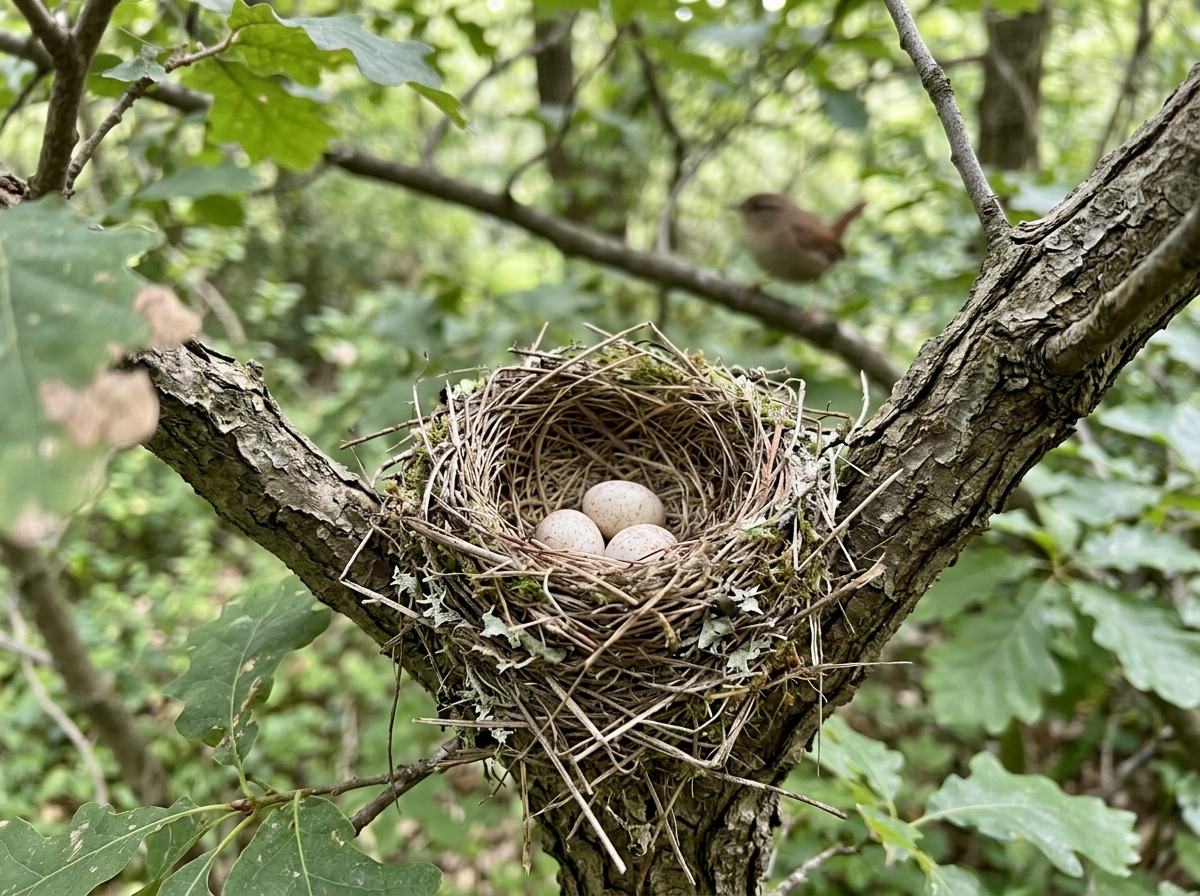
The short answer: illegal in most situations, especially with eggs
If there are eggs in the nest, stop. Do not touch it. In the United States, the Migratory Bird Treaty Act (MBTA), codified at 16 U.S. Code § 703, makes it unlawful to take, capture, kill, or possess a migratory bird or any part, nest, or egg of such a bird, unless you hold the proper federal permit. Misdemeanor violations under 16 U.S.C. § 707(a) are treated as strict liability offenses, meaning the government does not need to prove you intended to break the law. Moving a nest and disturbing the eggs inside is enough to trigger a violation.
In Canada, the Migratory Birds Regulations, 2022 (in effect since July 30, 2022) prohibit damaging, destroying, disturbing, or removing a migratory bird nest when it contains a live bird or a viable egg. In the UK, the Wildlife and Countryside Act 1981 makes it an offence to intentionally take, damage, or destroy a wild bird's nest while it is being used or built, or to intentionally take or destroy a wild bird's egg. For Schedule 1 species in the UK, even recklessly disturbing a bird at a nest containing eggs or young is a separate, more serious offence. The pattern is the same across jurisdictions: active nest plus eggs equals protected, and touching it without a permit puts you on the wrong side of wildlife law.
There is one narrow exception worth knowing in the U.S.: resident Canada geese. Under a USFWS depredation order, registered landowners and local governments can addle or destroy resident Canada goose nests and eggs between March 1 and June 30, under specific conditions. But this is a tightly scoped program that applies only to resident Canada geese. It does not cover other migratory bird species, and it does not authorize removal without registration.
Why the law is so strict about this
The strictness is not bureaucratic overreach. It reflects real conservation biology. Most wild bird populations are vulnerable at the egg and nestling stage. Disturbing an incubating adult can cause nest abandonment, leaving eggs exposed to temperature extremes within minutes. Handling eggs risks transferring scent, cracking fragile shells, or shifting the position of the developing embryo, which can be fatal to the chick. Moving a nest even a short distance often means the returning adults cannot locate it, especially in species that navigate by precise landmark memory.
The law also defines "take" broadly. Under MBTA policy, take includes acts that molest or disturb, not just physical removal. That means even repeated close approaches, loud work activity near an active nest, or blocking the flight path adults use to reach the nest can qualify as disturbance. USFWS guidance explicitly states that destruction of active nests, eggs, or nestlings can result in take, and that timing and buffer zones are the legally expected tools for managing conflicts, not removal.
How to check the rules for your exact location
Your legal exposure depends on where you are, what species built the nest, and whether the nest is active. Start by identifying your jurisdiction, then layer the relevant laws together, because federal or national law and state or provincial law often both apply.
In the United States
Search the USFWS website for "migratory bird permit" and "active nest removal." Then search your state wildlife agency site for "bird nest protection" or "nongame bird regulations." Some states add their own layers of protection beyond the federal MBTA, particularly for state-listed species. Your county or city may also have local ordinances, so a quick search of your municipality name plus "wildlife ordinance" or "bird nest removal" is worth doing.
In Canada
Start with Environment and Climate Change Canada (ECCC) and search for "Migratory Birds Regulations 2022" and "nest protection." Then check your provincial wildlife agency, since provinces like Ontario explicitly require ministry approval before you remove or disturb a wild bird's nest or eggs in some situations, layered on top of the federal rules.
In the United Kingdom
Search GOV.UK for "wild birds protection and licences" and check Natural England (England), NatureScot (Scotland), Natural Resources Wales, or NIEA (Northern Ireland) for your region. The RSPB website also has a clear summary of the Wildlife and Countryside Act 1981 that is worth reading before you do anything.
Everywhere else
Search your national environment or wildlife ministry website using terms like "wild bird nest protection," "migratory bird law," or "bird egg disturbance offence." Most countries that are signatories to international migratory bird treaties have some version of these protections in their domestic law.
What to do right now instead of moving the nest
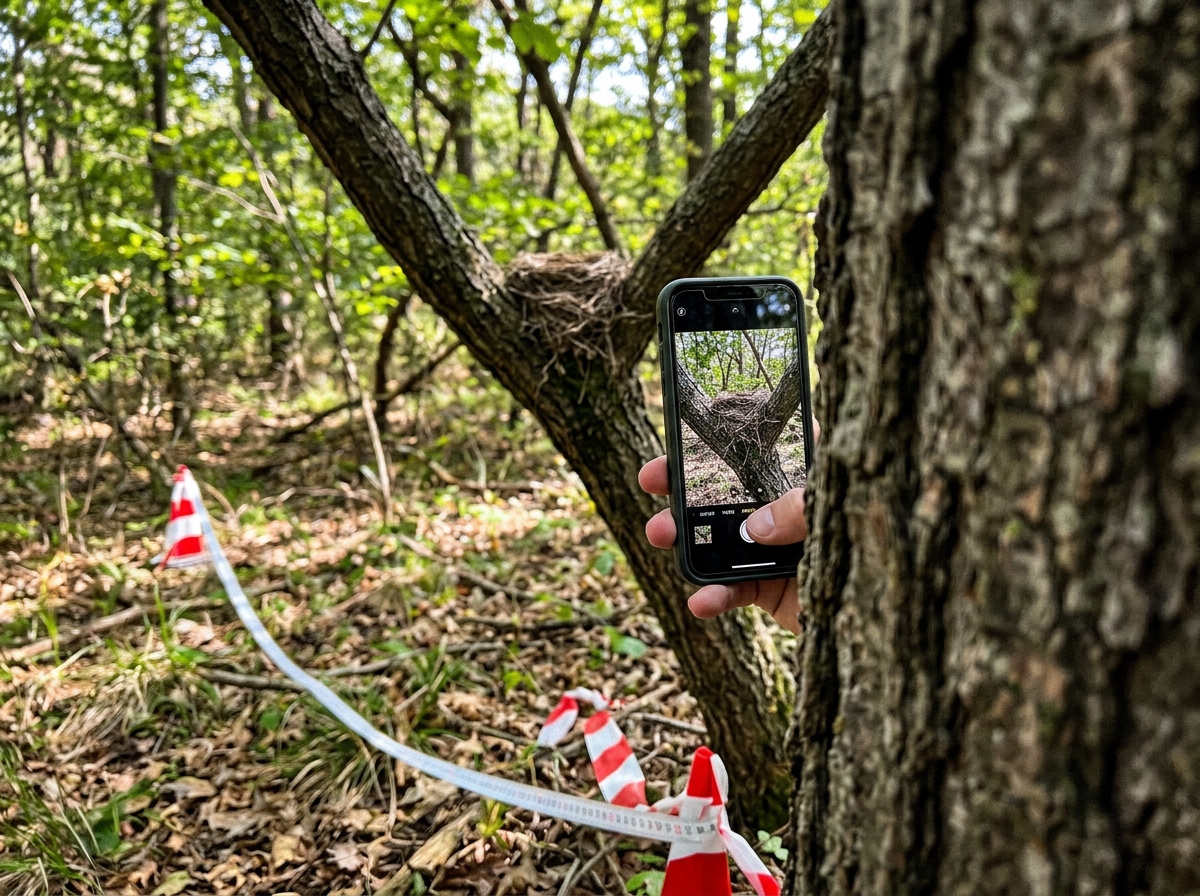
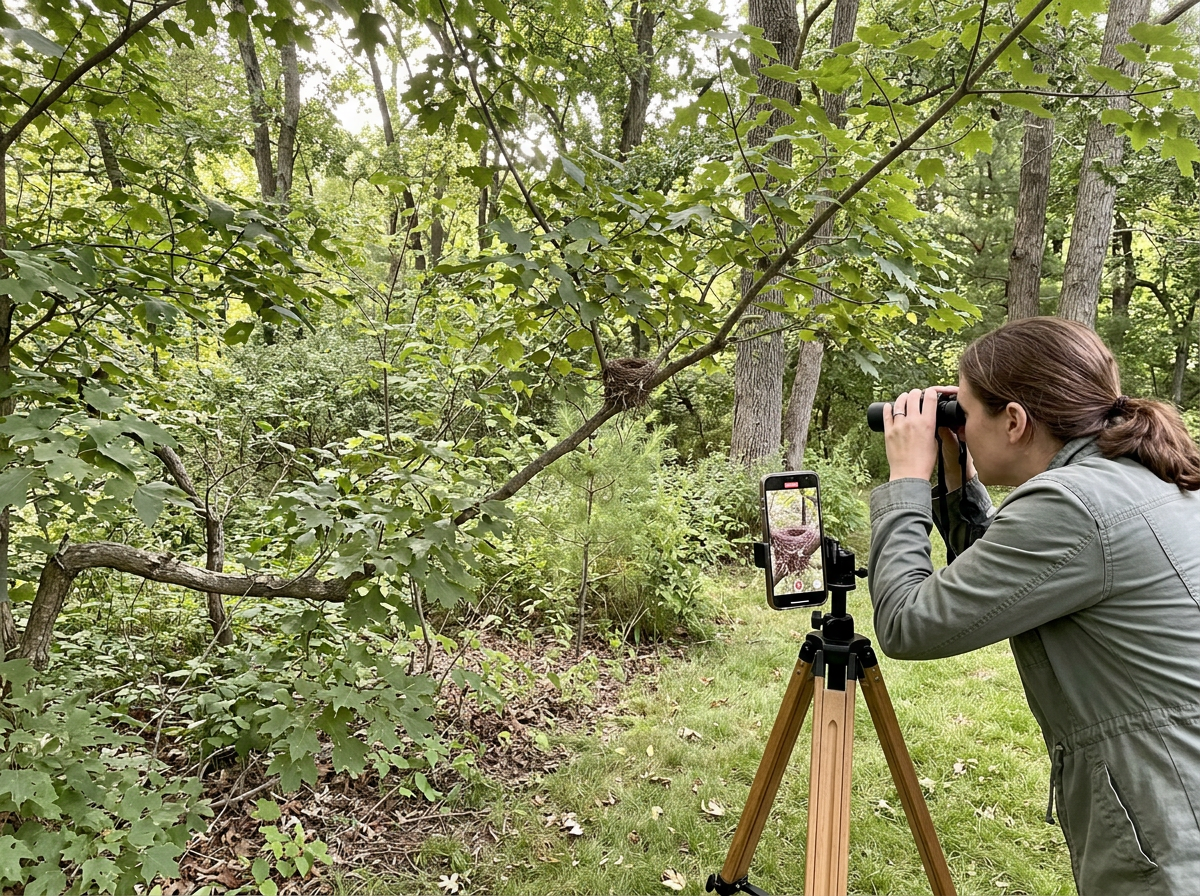
If you have found a nest and are tempted to move it, the safest first step is to do nothing physical and do everything observational. Here is a practical sequence:
- Back away from the nest immediately and give it at least 10 to 15 feet of clearance, more if the adult birds seem agitated or are alarm-calling.
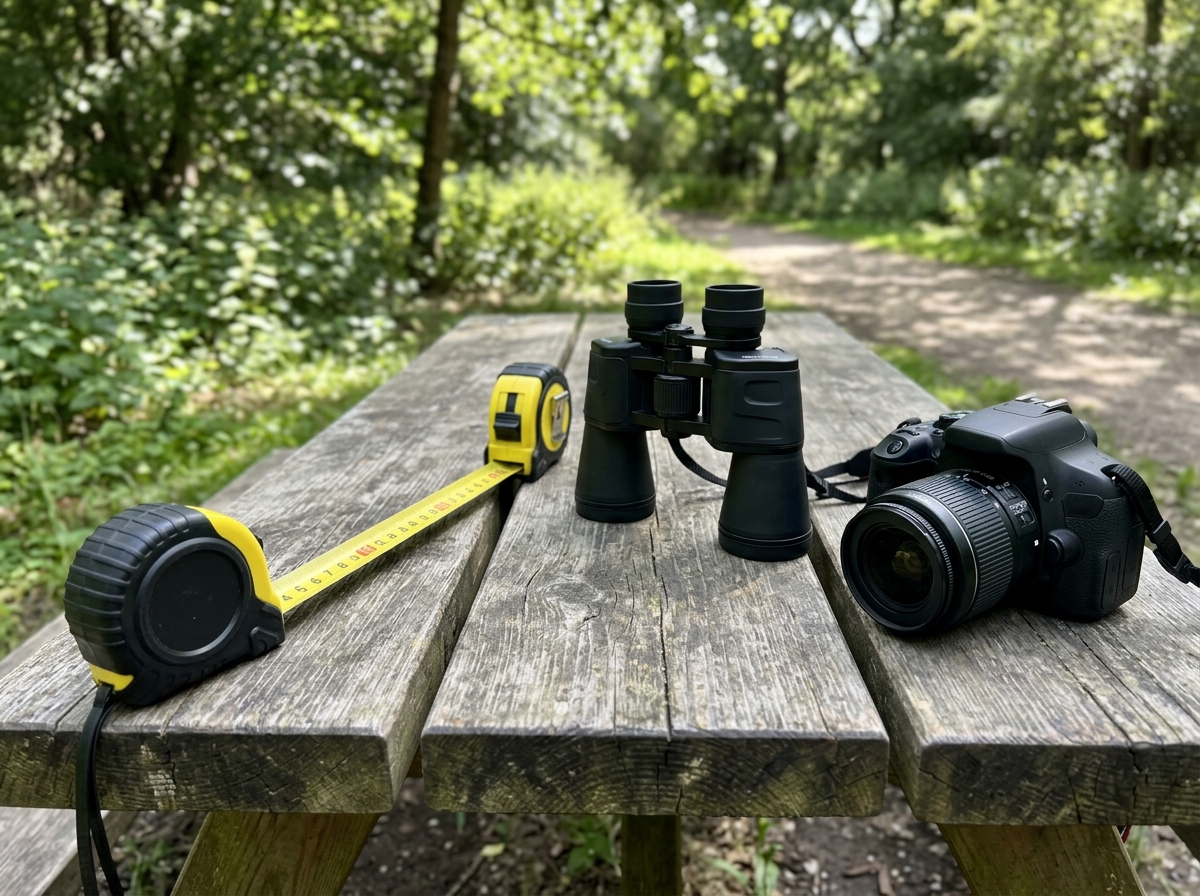
- Take a photo from a distance without approaching. You want to document the species if possible, whether eggs are present, and approximately how many eggs you can see. Do not lean in close to get the shot.
- Note the location: what surface the nest is on, what material it appears to be made of, and roughly what height it sits at. This information will be useful if you call a wildlife agency.
- Observe from indoors or at a distance for 30 to 60 minutes to see if an adult returns. Adults often leave temporarily but will return if they feel safe.
- Do not touch the eggs, move nesting material, or block the nest entrance. Do not try to "improve" the nest's location or add material to it.
- Identify the species if you can. Even a rough ID (sparrow-sized brown bird, robin-sized with orange breast, large black bird) helps you understand what level of legal protection applies and how urgent the situation is.
If you are unsure whether the nest is active, look for signs of incubation: an adult sitting on the nest for long stretches, eggs that look warm and whole rather than cracked or cold, or nestlings with visible movement or open beaks. An empty nest with no adult activity over several days is more likely inactive. A detailed guide to confirming whether a nest is active can help you make this call more confidently, and our related article on whether you can move bird nests covers that identification process in depth.
Non-invasive ways to protect the nest and solve the conflict
Most nest conflicts come down to location: the nest is somewhere inconvenient for construction, landscaping, vehicle traffic, a door people need to use, or a pet that has access to the area. In almost every case, there are non-invasive options that resolve the conflict without touching the nest.
Reroute foot and vehicle traffic
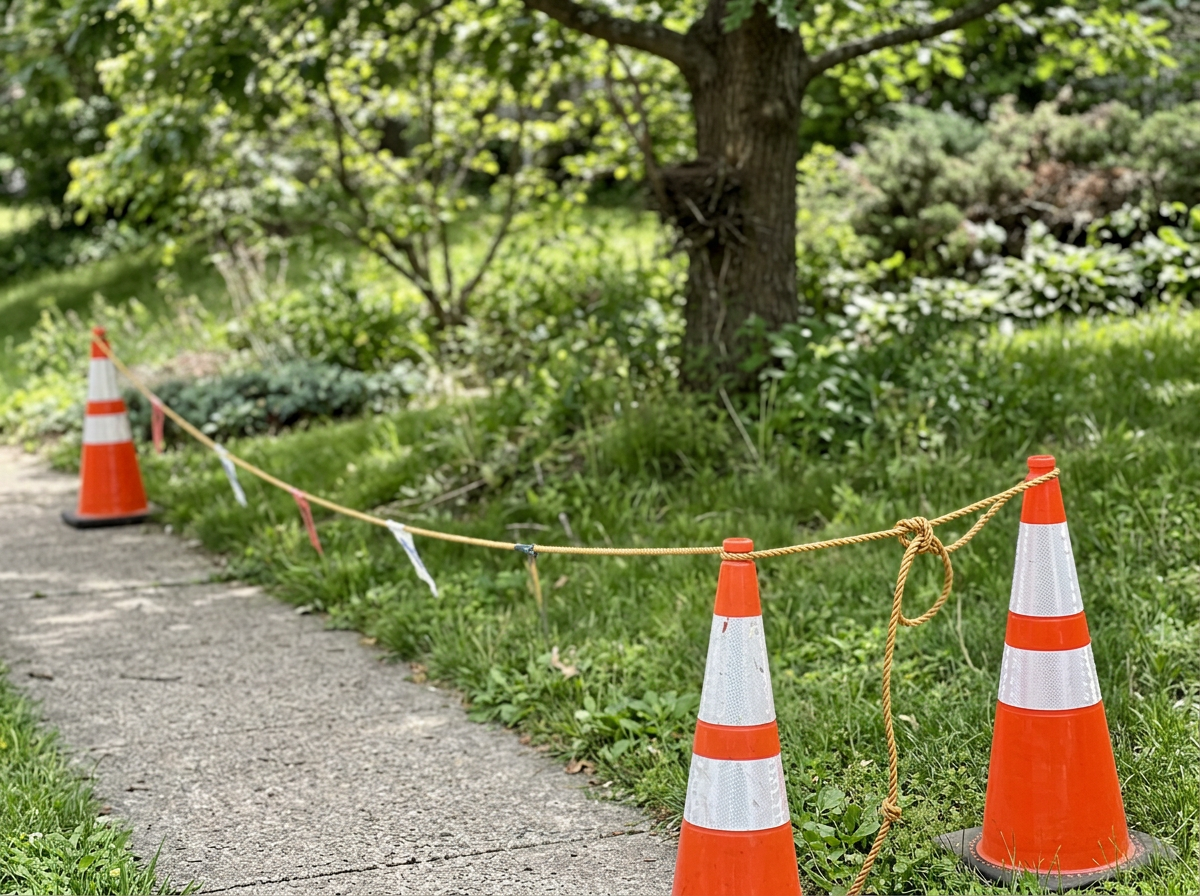
If a nest is near a path, gate, or parking area, use temporary fencing, cones, or rope barriers to redirect people and vehicles at least 10 to 15 feet away from the nest. This is the same principle the National Park Service uses when establishing wildlife protection zones around active nesting areas to prevent nest abandonment and prevent eggs from being accidentally crushed. A few caution cones and a polite sign asking people to use an alternate route is usually enough.
Delay work or construction
If a nest is in a tree, shrub, or structure that needs maintenance or removal, pause the work and wait for the nesting cycle to complete. Most songbird nests take 10 to 14 days of incubation and another 10 to 14 days for nestlings to fledge, so a total of roughly 3 to 4 weeks from eggs to an empty nest is realistic. USFWS guidance specifically recommends timing constraints and buffer zones as the primary legal compliance tool when nests are present in work areas.
Predator protection around the nest
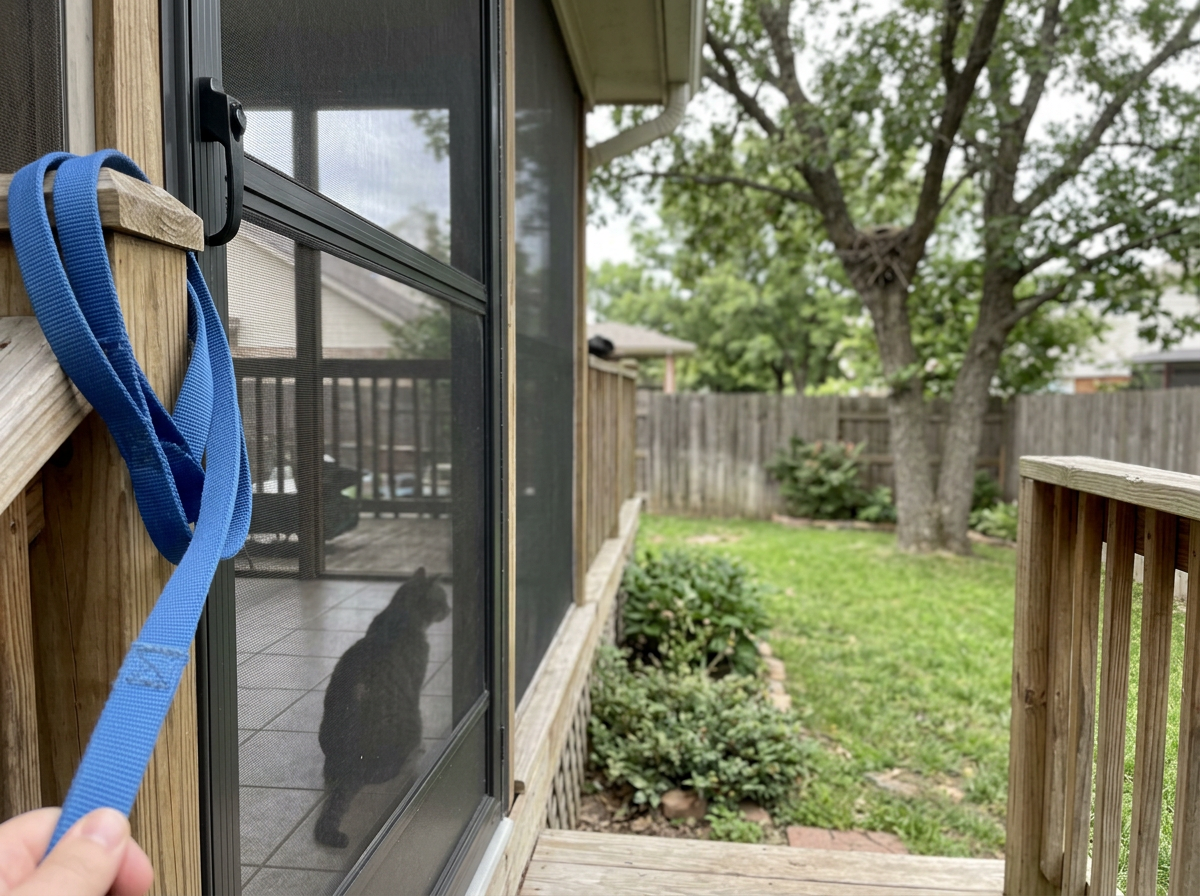
If you are concerned about a cat, dog, or other predator accessing the nest, focus your energy on the predator rather than the nest. Keep pets indoors or on a leash. You can place a temporary physical barrier (a ring of chicken wire or a garden fence panel) around the base of the plant or structure where the nest sits, far enough away that it does not disturb the adult birds but close enough to deter a ground predator. Never place the barrier so close that adults are blocked from landing and entering.
Reduce activity near the nest
Audubon guidance recommends keeping a respectful distance from any active nest and avoiding cutting, mowing, or loud activity in the sensitive area around it. If you have a nest near a doorway you use frequently, try to minimize the number of passes per day and move calmly rather than abruptly. Adults habituate to predictable, calm activity more readily than they do to sudden or unpredictable disturbance.
When to call in the professionals
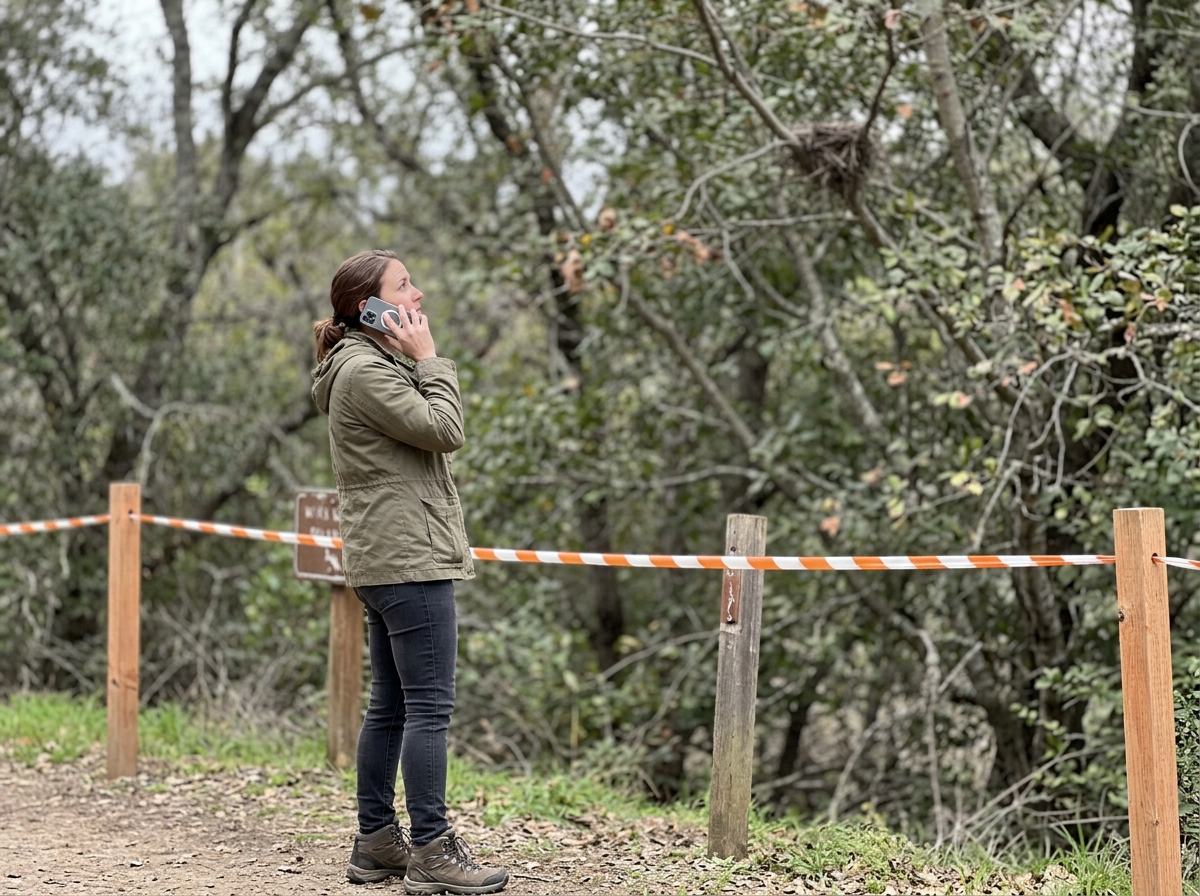
Some situations genuinely require expert help, and trying to handle them yourself can make things worse legally and physically. Call your local wildlife agency, a licensed wildlife rehabilitator, or a conservation organization in these situations:
- The nest is in an immediately dangerous location: directly in the path of construction that cannot be delayed, inside active machinery, or in a location where it will be destroyed in the next 24 to 48 hours regardless.
- You believe the eggs or nestlings are orphaned or injured (an adult has not returned after a full day, or nestlings are visible and distressed).
- The species appears to be a Schedule 1 (UK), federally threatened or endangered species, or another high-protection bird that triggers additional legal requirements.
- You need a permit to legally relocate or remove a nest and want to understand the process.
- You are unsure whether the nest is active or what species built it.
When you call, be ready to tell them: the location of the nest (address or GPS coordinates), what the nest looks like and what surface it is on, whether you can see eggs or young, your best description of the species, and what the conflict or urgency is. The more specific you are, the faster they can advise you. In the U.S., your first call should be to your state wildlife agency or a licensed wildlife rehabilitator. In Canada, start with ECCC or your provincial ministry. In the UK, call the RSPB Advice Line or your regional statutory nature conservation body. Audubon Great Lakes and similar regional Audubon chapters are also good contacts for U.S. residents who need guidance on active nest conflicts.
If you are considering moving a nest that contains eggs and someone has told you it is fine to just do it quickly, please make the call first. can you move a bird nest with eggs Rehabilitation professionals handle these situations regularly, and a five-minute phone call can tell you definitively what you can and cannot do in your jurisdiction. Our related articles on what to do when moving a bird nest with eggs and where to move a bird nest with eggs go deeper into the logistics if a professional does authorize relocation.
Quick decision checklist: should you move it, and what do you do today?
Use this checklist before taking any action involving an active nest. Answer each question honestly before moving to the next one.
| Question | If Yes | If No |
|---|---|---|
| Does the nest contain eggs or live young? | Stop. Do not move it. Call a wildlife professional. | Continue to the next question. |
| Is an adult bird actively using the nest (sitting on it, visiting regularly)? | The nest is active. Do not touch or move it without a permit. | The nest may be inactive. Observe for 24 to 48 hours before concluding. |
| Is the nest in immediate danger of destruction in the next 24 to 48 hours? | Call your wildlife agency or rehabilitator today for emergency guidance. | You have time. Use non-invasive solutions to protect and work around the nest. |
| Can you reroute traffic, delay work, or add a predator barrier? | Do it now. This is your primary legal and ethical option. | Contact a professional for site-specific advice. |
| Do you know what species built the nest? | Check its protection status before doing anything else. | Assume it is fully protected and act accordingly. |
| Have you been told you need a permit to remove it? | Apply for the permit before touching the nest. Do not act without it. | Verify with your local wildlife agency. Do not rely on secondhand information. |
Do's and don'ts at a glance
| Do | Don't |
|---|---|
| Observe from a safe distance of at least 10 to 15 feet | Touch or handle the eggs, nestlings, or nesting material |
| Photograph the nest from a distance for documentation | Disturb the adult bird or block its return path to the nest |
| Reroute foot traffic or delay work until the nest is empty | Move or reposition the nest without a permit |
| Contact your local wildlife agency or rehabilitator for guidance | Assume a nest is inactive after just a few hours without adult activity |
| Place predator barriers around (not directly against) the nest site | Assume all nests are the same: species, activity status, and jurisdiction all matter |
| Check your federal, state or provincial, and local rules | Act on advice from non-professionals without verifying with a wildlife authority |
The core principle here is simple: when in doubt, leave it alone and make a phone call. Wildlife law was written to protect birds at their most vulnerable moments, and an active nest with eggs is exactly that moment. Staying back, staying calm, and getting the right expert on the phone is nearly always the correct first move, and it keeps you on the right side of the law while giving those eggs the best possible chance.
FAQ
If I don’t touch the eggs, is it still illegal to move a bird nest?
Usually, no. If the nest is active, most jurisdictions treat “disturb” as part of the protected activity, so even partial movement (like shifting branches so a worksite is accessible) can count as molesting. The legal risk is not only about physically relocating eggs, it is about interrupting incubation or preventing adults from using the normal entry and exit routes.
What happens if I move the nest first and try to get a permit later?
Getting permission after the fact typically does not erase liability. If you moved or disturbed an active nest before receiving the required permit or written approval, enforcement can still treat it as unlawful regardless of intent. The safer approach is to pause immediately and contact the relevant wildlife authority first, then follow any written conditions they set.
How can I tell if a nest is considered active for legal purposes?
“Active” is not just whether eggs are visible. In practice, nests can be protected when there are eggs that appear viable, adults repeatedly sitting on the nest, or nestlings present. If you cannot confirm whether it is active, treat it as active and use barriers and timing changes until an expert confirms status.
Does “moving it a few feet” reduce the legal risk?
No, moving it “a short distance” is still likely a disturbance. Many birds rely on consistent landmark memory and scent cues, so shifting the nest even slightly can lead to abandonment or exposure of eggs. Legally, short-range relocation is still “taking” or “disturbing” in many enforcement interpretations.
Are there non-wildlife laws or local rules that can make nest moving illegal too?
Yes, other laws can apply even if the main wildlife statute is unclear for your species. For example, local wildlife or nuisance ordinances, forestry or land management rules, and building or landscaping permitting requirements can add additional restrictions. Also, if the nest is on protected habitat or public land, you may need a land manager approval even if you are not changing ownership-related plans.
Can construction or landscaping near a nest be illegal even if I leave it alone?
It depends on whether it creates a disturbance. For instance, loud equipment, repeated close passes, blocking flight paths, or fencing that forces adults to abandon entry routes can contribute to a “take” theory. Simple measures like rerouting traffic away from the nest and keeping predictable, low-noise access are usually safer than “temporary” disruption.
If a nest is in the way of a project, can I move my project schedule instead of the nest?
If the nest contains eggs, many protections still apply even if you plan to remove the nest after the breeding attempt is over. The key is timing and observation, because disturbing incubating adults can trigger violations. Use a distance buffer and only resume work after the nest is clearly inactive for a sufficient period per local guidance.
Is DIY relocation ever allowed if a friend says it’s harmless?
No, “relocation” generally means you have altered protected resources. In many places the only lawful relocation routes involve permits, pre-approved methods, or expert-led transfers when authorized. If someone tells you there is a simple DIY method, confirm with your wildlife agency that relocation is permitted for that exact species, location, and nesting stage.
Who should I call first, and does it change if it is on public versus private land?
Contacting a wildlife professional is usually the best first step, but the exact agency depends on your jurisdiction and land type. If you are in the U.S., start with your state wildlife agency or a licensed wildlife rehabilitator. If you are on public land, also notify the land manager, since site rules can restrict access and dictate safety buffers.
What if the nest is in immediate danger, like an active demolition zone or storm?
Yes, in many areas you should avoid handling even for “rescue.” Moving a nest that contains eggs or nestlings is often the scenario that creates the highest risk. If there is an immediate danger like fire, flooding, or a collapsing structure, call emergency wildlife or your local wildlife authority for instructions, since the legally appropriate response may involve rapid, species-specific expert action rather than moving the nest yourself.
Can I remove the nest after a day or two if adults stop showing up?
They can be, because nests sometimes appear inactive while still being used. For example, some species reuse structures, and eggs can chill if adults stop incubating. Before removal, confirm inactivity by continued lack of adult activity over multiple days, and if you are unsure, keep the area protected and request verification from an expert.
Next Article
How to Move a Bird Nest: Safe Steps and Where to Relocate
Step-by-step how to move a bird nest safely, choosing the right nearby habitat, staying legal, and preventing abandonmen