You can identify a wild bird egg by working through five observable traits in order: size, shape, color, surface texture, and markings. Then you layer in context: what does the nest look like, where is it located, what habitat are you in, and what time of year is it? That combination narrows your candidate species faster and more reliably than any single trait alone. Before you do any of that, though, you need to understand the rules around eggs, because getting this wrong legally is a real risk.
How to Identify Bird Eggs Safely and Ethically

Maya Bennett
11 Apr 2026
Before you look: safety, ethics, and the law
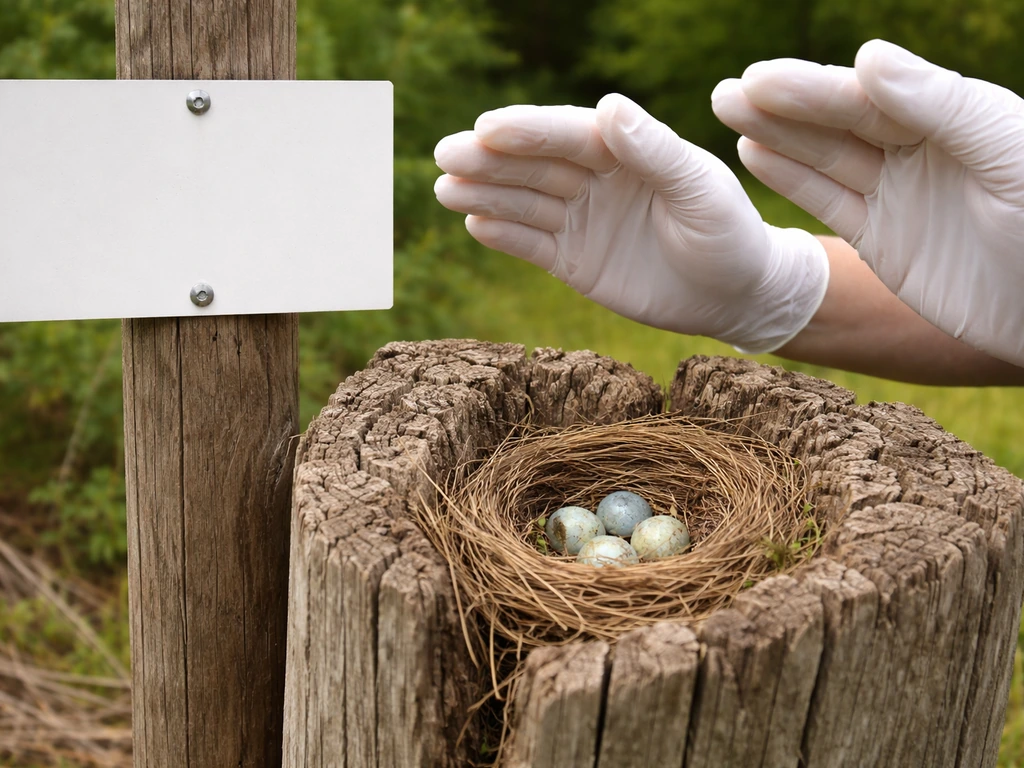
The Migratory Bird Treaty Act (MBTA) makes it unlawful to pursue, take, capture, possess, or transport migratory birds or any part, nest, or egg unless permitted by regulation. Violations are treated as a misdemeanor with fines up to $15,000 and up to six months in prison. That is not a technicality most people know about, and it applies to the vast majority of wild bird species in North America. The practical rule: do not pick up, collect, or keep a wild bird egg. Identification should always be done visually.
State law adds another layer. Pennsylvania, for example, prohibits taking, possessing, or interfering with any active nest or egg of a game or protected bird. Florida FWC directs people to the USFWS Migratory Bird Permit Office before any activity involving migratory bird nests or eggs. Most states follow the same basic framework: hands off, observe only, and contact your state DNR or local Audubon chapter if you have a conflict situation. If you find a nest in a problematic location, do not move it yourself.
Beyond legality, disturbance causes real harm. When wading birds are frightened off a nest, they can knock eggs or chicks out, leaving them exposed to temperature extremes and predators. Even brief, repeated close approaches add up. NestWatch, the Cornell Lab of Ornithology's nest monitoring program, instructs observers to keep visits to a minute or two, never force a sitting bird off the nest, and never handle birds or eggs. That is the standard you should hold yourself to.
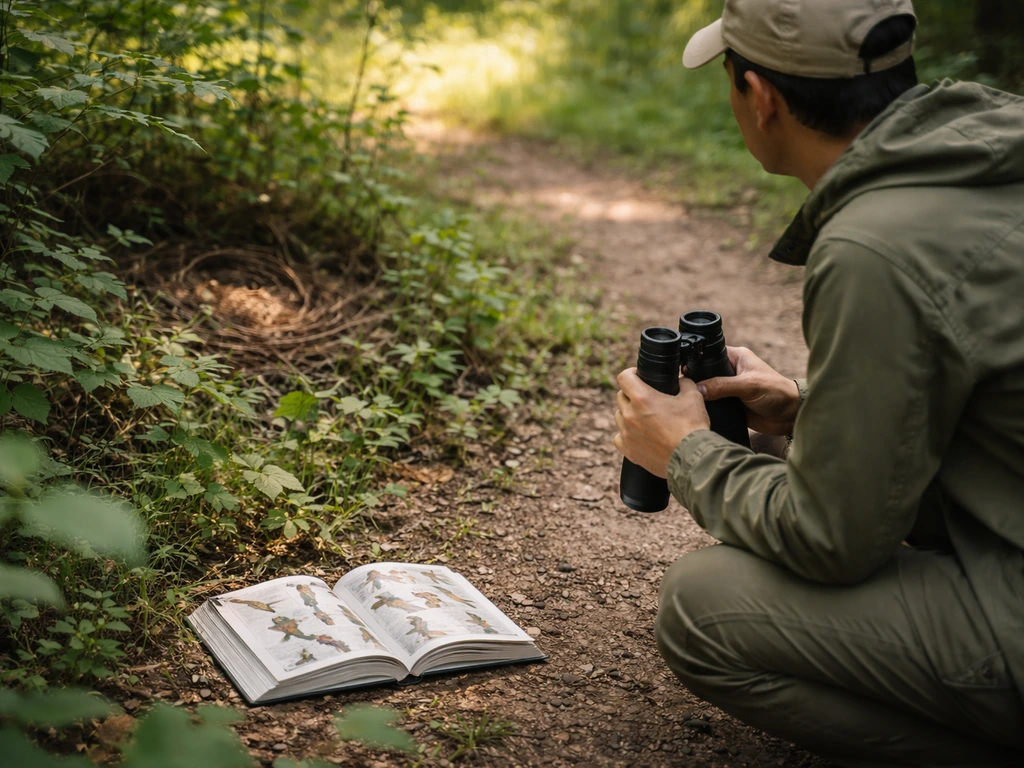
The safest way to observe is from a distance with binoculars, checking when adults have briefly left to feed. Take a photo of the nest location so you can return without a long search, which reduces disturbance on follow-up visits. If you want a structured way to contribute your observations, how to check bird eggs walks through a safe, non-invasive monitoring workflow that follows these principles.
Quick visual ID basics: size, shape, color, and markings
Start with size. Egg length and width are measured in millimeters, and most field references use length x width format. An Eastern Bluebird egg averages around 20.7 x 16.3 mm. A House Sparrow egg ranges roughly 20 to 22 mm long and 14 to 16 mm wide. Those two are close enough in size that size alone will not separate them. The point is that size is a starting filter, not a final answer, and species ranges overlap significantly. Measure consistently (longest axis for length, widest point for width) and treat the result as a probability range rather than a definitive match.
Shape is your next cue. Eggs fall roughly into four categories: spherical (nearly round), elliptical (symmetrical oval), pyriform (pear-shaped, pointed at one end), and subelliptical (the classic egg shape, slightly asymmetrical). Shorebird eggs are strongly pyriform, which keeps them from rolling out of cliff ledges. Owl eggs are close to spherical. Most passerine (songbird) eggs are subelliptical or elliptical. Knowing the shape category helps you eliminate large groups of species quickly.
Color and markings are where most beginners focus, and they are genuinely useful, but they vary more within species than people expect. Robins lay the famously unmarked blue eggs. Many sparrows lay whitish eggs with brown speckles. Wrens often lay pink-white eggs with reddish-brown spotting concentrated at the larger end.
Look for: ground color (the base color of the shell), the type of markings (spots, blotches, scrawls, streaks), the distribution of markings (even across the shell, concentrated at the larger pole, or forming a ring or cap), and whether markings appear to be on the surface or faintly beneath it. A guide to bird eggs can help you match these color and marking patterns to specific species once you have your initial observations recorded.
Shell details that most people miss
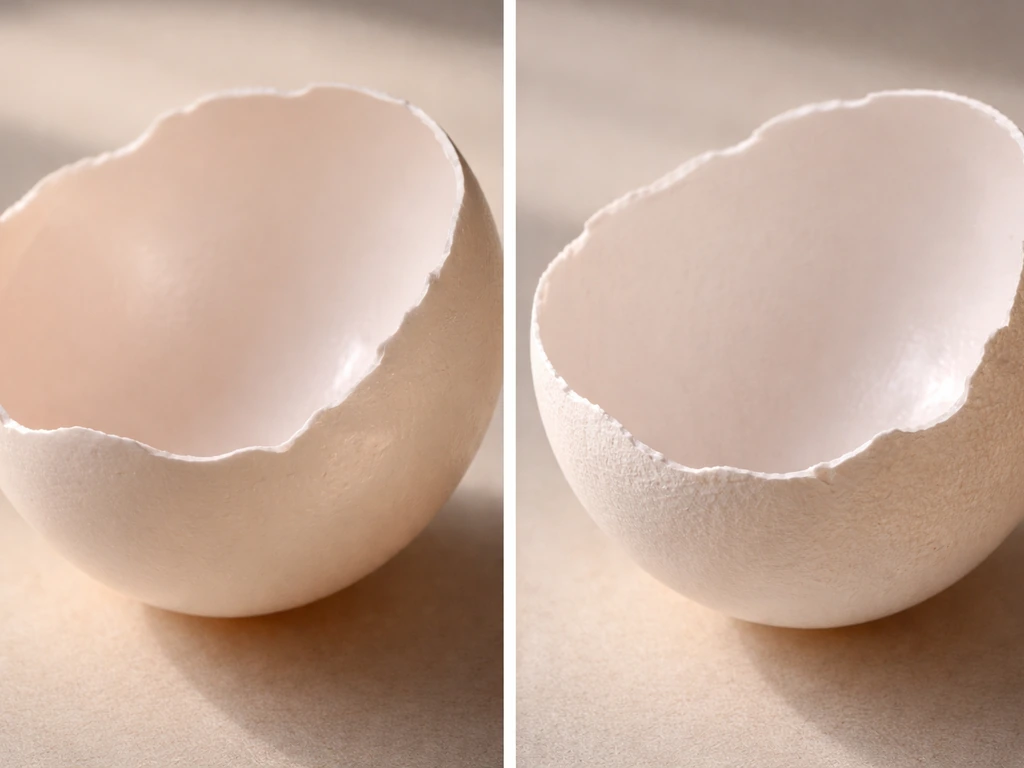
The shell surface itself carries information. Run through these traits visually or, if you are examining a broken shell on the ground, very carefully without picking it up:
- Gloss vs. matte: Some eggs have a high gloss (European Starling eggs look almost plastic-shiny), while others are completely matte. Many cavity-nester eggs are noticeably glossy. Sheen is a reliable trait that holds up even with photo documentation.
- Texture: Most songbird eggs feel smooth, but some species (like certain rails) produce eggs with a finely granular or slightly rough surface. Texture is easier to assess on a broken shell than on an intact one in a nest.
- Pores: All eggshells have pores, but density varies. High-pore eggs from species that incubate in humid environments (like ducks) look different under magnification than the dense shells of cliff-nesting species. You are unlikely to use this in field ID, but it matters if you are examining a shell fragment.
- Thickness: Thicker-shelled eggs come from species with heavier incubation loads or longer incubation periods. A broken fragment that feels dense and substantial suggests a larger species. This is a rough cue only.
- Inner surface color: On broken shells, a pale bluish or greenish inner surface points toward eggs with bile pigment in the shell matrix, which correlates with certain species groups. Many thrush species (including robins) show this.
Gloss in particular is underused by beginners. It is observable from a couple of feet away without touching anything and eliminates a surprising number of candidates quickly. An unmarked glossy blue-green egg is almost certainly from a starling or a member of the thrush family, and those two are easy to separate by size and nest type. If the gloss catches your eye first, use it.
In-nest vs. found egg: context changes everything
Where and how you encounter an egg matters enormously for identification confidence. An egg observed inside an intact, active nest gives you the full picture: you can assess the nest structure, the nest placement, the habitat, count the clutch size, and potentially observe or hear the parent. Your identification confidence is high because you are working with maximum context.
A found egg (on the ground, displaced, or isolated) is a much harder problem. You have lost most of the contextual data. Eggs on the ground are also more likely to have been exposed to weather and predator activity, which degrades shell color and markings faster than you might expect. Ground color can bleach or shift in days if the egg is exposed to sun. Markings can fade. A heavily weathered egg on the ground is genuinely difficult to identify to species, and your confidence should reflect that.
If you find an egg on the ground and the nest is visible and safely reachable, some sources suggest carefully placing it back, but this only makes sense if the egg is unbroken and you are certain it came from that nest. If you are not certain, leave it alone. Handling it is likely illegal, stresses the parents, and may not help anyway if the egg was rejected or pushed out by the parents for a reason. For a full breakdown of this scenario, what to do if bird eggs fell out of nest covers the decision tree in detail.
For in-nest identification, the practical approach is to observe from outside the nest zone, photograph what you can from a safe distance, and then do your identification work later using photos and notes. If you cannot see into the nest clearly, that is fine. Note what you can from below: nest shape, material, height off the ground, habitat. That information alone will take you a long way.
Narrowing candidates by nest context, habitat, and season
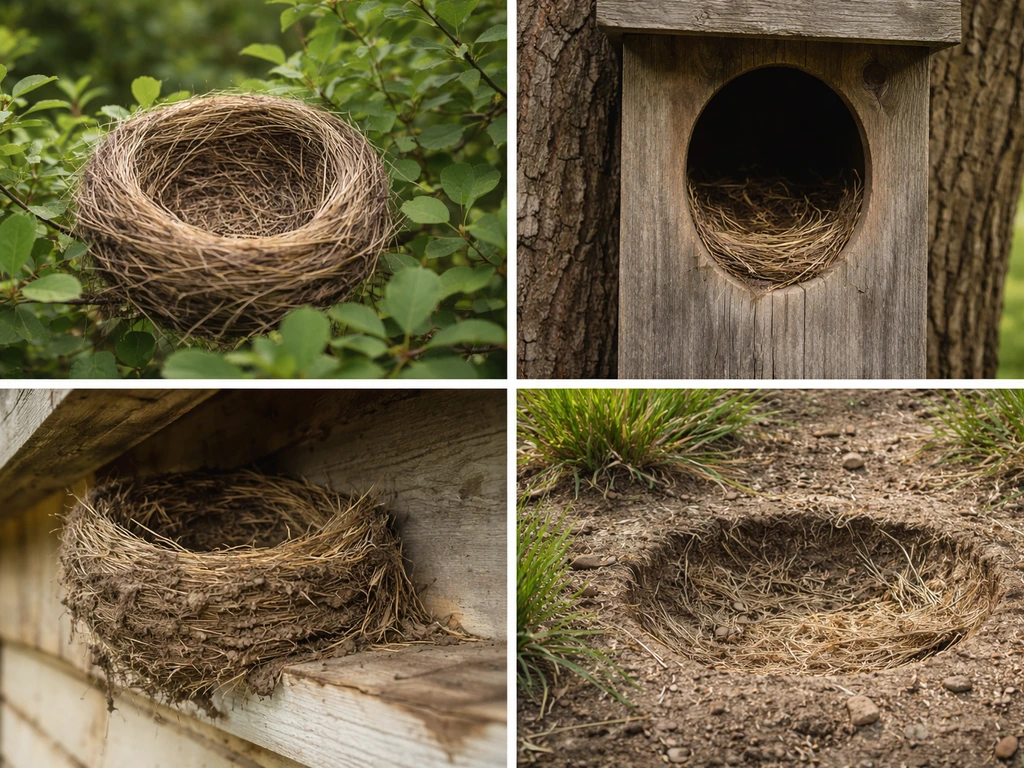
Nest type is one of the most powerful filters available. A woven cup nest in a shrub, a cavity in a tree or nest box, a mud-and-grass cup under an eave, and a scrape on the ground with no real structure are built by completely different groups of birds. Before you even look at the egg, the nest eliminates most of your candidate list.
| Nest Type | Common Examples | Egg Traits to Expect |
|---|---|---|
| Open cup in shrub or tree | American Robin, Song Sparrow, Cedar Waxwing | Blue, speckled, or streaked eggs; often 3 to 5 per clutch |
| Cavity (natural hole or nest box) | Eastern Bluebird, Tree Swallow, House Wren | Often pale blue, white, or pinkish; smaller clutch variation |
| Mud cup under eave or ledge | Barn Swallow, Cliff Swallow | White with brown spots; small elongated eggs |
| Scrape on ground (minimal lining) | Killdeer, many shorebirds | Heavily marked pyriform eggs; cryptic coloring |
| Platform or stick nest (large) | Osprey, Red-tailed Hawk, Great Blue Heron | Large, pale buff or bluish eggs; 2 to 4 per clutch |
| Hanging/woven pouch nest | Baltimore Oriole | Pale with dark scrawls or blotches |
Habitat layers on top of nest type. A cavity nest in a suburban backyard with nest boxes is not going to contain a Prothonotary Warbler (a swamp species), even though that species also uses cavities. The combination of nest type and habitat geography eliminates most of the remaining candidates. Then layer in season: knowing that most passerines in North America breed between April and July means an egg found in February is either from an unusual early breeder (like a Great Horned Owl or an American Robin in a warm southern location) or it is a cold-exposed old egg that has been on the ground for months.
If you are actively trying to find eggs to observe rather than reacting to a found egg, how to find bird eggs in your backyard gives practical guidance on locating active nests in a way that minimizes disturbance while maximizing your observation opportunities.
Using clutch size and incubation stage
Clutch size is another useful narrowing tool. Count the eggs in the nest if you can do so without disturbing it. American Robins typically lay 3 to 4 eggs. Carolina Wrens usually lay 4 to 6. Killdeer lay almost always exactly 4. A clutch count combined with egg appearance and nest type can reduce your candidate list to just a few species. Incubation period also correlates with egg and parent size, so if you know roughly when the eggs were laid (from a reliable prior observation), you can estimate how far along incubation is, which affects the appearance of the eggs over time.
Tools and methods for reliable identification
Your primary tool is a good field guide with dedicated egg coverage. The Peterson Field Guide to North American Bird Nests includes both nest and egg descriptions with photographs and is one of the most useful single references for this kind of work. Pair it with the Cornell Lab's All About Birds website, which includes nest and egg descriptions for most North American species and is free to use.
Photography is your documentation backbone. From a safe distance, photograph: the overall nest and its placement in the habitat, the eggs from above (if possible without leaning over the nest), any adult birds you observe near the site, and the surrounding habitat. Use something for scale in at least one photo (a ruler, a coin, your finger at the edge of frame without entering the nest zone). These photos let you do your identification work later at home, compare against reference images, and share with experts if you get stuck.
If you need measurements, use a ruler or calipers and measure from outside the nest if at all possible. Record length (longest axis) and width (widest point) in millimeters, and note the measurement was estimated or approximate if you could not get a direct reading. Consistency matters more than precision: a consistent measuring method lets you compare reliably against published size ranges.
Write down or voice-record the following immediately after your observation so you do not lose the details:
- Date, time, and GPS location (or a written location description specific enough to return to)
- Habitat type: suburban garden, deciduous forest edge, wetland margin, open grassland, etc.
- Nest height above ground (estimate in feet or meters)
- Nest type and visible materials: mud, grass, bark strips, moss, hair, spider silk, etc.
- Number of eggs (clutch count)
- Egg color, marking type and distribution, gloss level (shiny vs. matte)
- Estimated size (small/medium/large relative to a known reference, or measured mm if safe)
- Any adult birds seen or heard nearby
With those notes and your photos, you have everything you need to work through a field guide identification at home, post to a birding community like iNaturalist or a local birding Facebook group for expert input, or submit a NestWatch report. That platform also uses structured fields for height, habitat, dates, and egg counts, which makes your documentation directly comparable to a research-grade dataset.
Common look-alikes to watch out for
A few identification traps come up repeatedly for beginners. Unmarked pale blue eggs are easy to misidentify: American Robin (larger, cleaner blue), Eastern Bluebird (smaller, paler blue), and House Finch (very pale blue with sparse spotting) all produce eggs that beginners conflate. Separate them by size, nest type, and cavity vs. open cup placement.
Brown-speckled white eggs cover an enormous range of species from sparrows to wrens to thrushes to raptors, so do not stop at color. House Sparrow eggs and House Wren eggs look similar at a glance but differ in nest material and cavity preferences. European Starling eggs (pale blue-green, very glossy, unmarked) are sometimes confused with Bluebird eggs, but Starlings lay larger eggs (around 30 x 21 mm) and their nests are messier, often packed with feathers and green plant material.
Brown-headed Cowbirds complicate the picture further. Cowbirds are brood parasites, meaning females lay their eggs in other birds' nests. If you find a noticeably larger or differently colored egg in a small songbird's nest, you may be looking at a cowbird egg. Cowbird eggs are white or grayish-white with heavy brown spotting, and they tend to be larger than the host's eggs. This is one reason clutch context and nest-watching over time adds value: the cowbird egg is usually visible by comparison.
After identification: what to do next
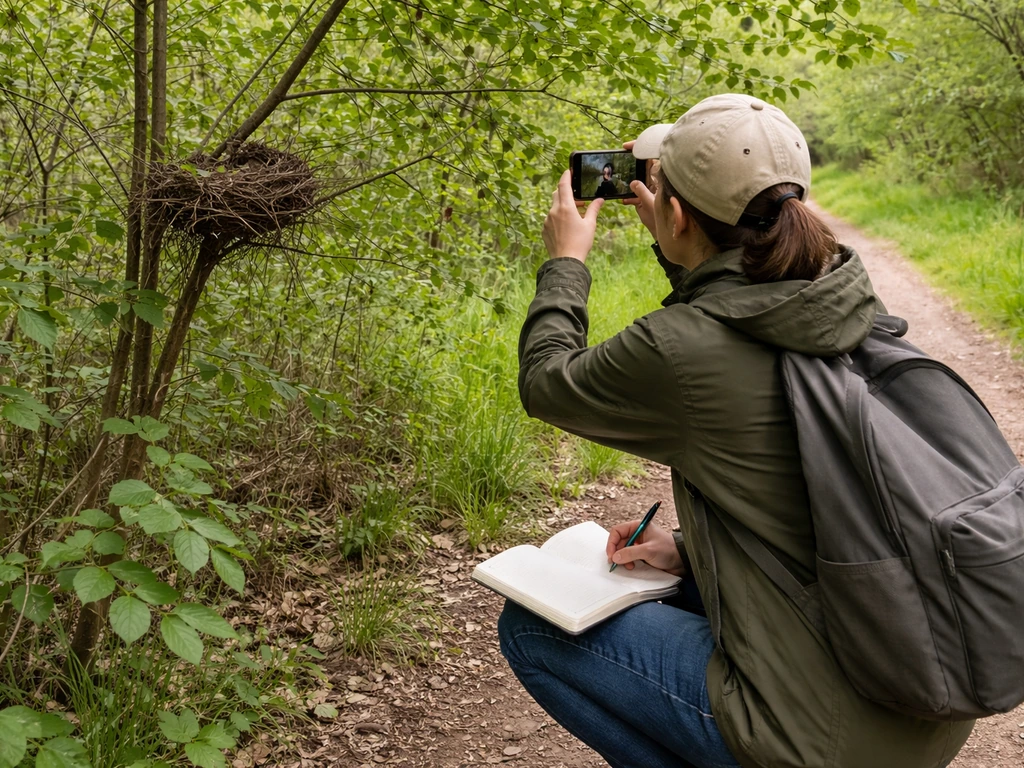
Once you have a likely ID, the most useful thing you can do is keep observing from a safe distance and track the nest through to hatching or failure. NestWatch's protocol provides a structured way to do this without excessive disturbance, and your data contributes to real conservation science. Record your visits, outcomes, and any changes you notice in the clutch count or egg condition.
If the nest appears abandoned (eggs cold, adults absent for more than a day or two, no activity over multiple observation sessions), do not intervene. Eggs that appear abandoned often are not, especially early in the incubation period when adults spend more time away. If you genuinely believe eggs or young are in danger (from a nest in a dangerous location, storm damage, or direct human threat), contact your state wildlife agency or local Audubon chapter. USFWS nest removal permits are issued only when a nest presents a genuine human health or safety concern, or the birds themselves are in immediate danger, so contact agencies rather than acting on your own.
If you want to build your identification skills more systematically before heading into the field, spending time with a dedicated reference is worth the effort. A thorough guide to bird eggs covering color plates and shell descriptions will train your eye faster than any amount of field fumbling. Combine that with the nest field guide and your own photo archive, and within a season you will be identifying most common backyard species confidently without needing to get any closer than a pair of binoculars.
FAQ
Is it ever okay to touch an egg to get a better look or make a measurement?
No. Even when identification seems simple, touching can be illegal and it often increases rejection or abandonment risk. If you need size, use photos taken from outside the nest zone and measure from a scale object in-frame, or use long-lens images so you never cross into the nest zone.
What should I do if I accidentally picked up an egg or moved a nest?
Stop further handling immediately and do not “fix” anything else. Record exactly where it came from, take photos from a distance, then contact your state wildlife agency or a local Audubon chapter for guidance on what reporting or permit steps (if any) apply in your area.
How can I tell whether an egg on the ground is fresh or an older, weathered egg?
Look for loss of sharp markings, chalky bleaching, cracked shell, and softness or discoloration patterns that suggest sun and exposure time. Fresh eggs usually retain clearer ground color and markings, while older eggs show more faded or altered appearance, reducing your confidence in species-level ID.
Can I use clutch size to identify the species if I cannot clearly see the whole nest?
Only cautiously. Partial views can hide eggs in the nest cup, and some birds lay fewer eggs in late or disturbed nests. If you cannot count reliably, record “minimum visible” and track over multiple safe observation sessions rather than forcing a single clutch number.
How long should I watch a nest to confirm my identification before leaving?
Plan for short, repeated windows rather than one long visit. A practical approach is a minute or two of observation, then step away and return later, checking whether adults resume normal activity and whether the nest remains in an active state.
Does the time of day affect egg observation or adult behavior for identification?
Yes. Adults may leave nests longer during feeding peaks or when disturbed, so an egg’s context can change from morning to evening. If possible, use binoculars to confirm adult presence or normal incubation behavior across at least one additional visit before you treat the nest as settled.
What if the egg color in my photo looks different than what the field guide shows?
Lighting and white balance often shift shell color in photos. Capture at least one image in diffuse light (not harsh direct sun), avoid heavy shadows, and rely more on relative traits like marking distribution and gloss plus your nest context rather than the exact blue, green, or cream tone.
How do I handle nests in dangerous locations like cliffs, busy roads, or storm damage?
Do not approach closely or attempt any repositioning. Document from a safe vantage using zoom and scale in photos, then contact your local wildlife agency or Audubon chapter if you believe the birds are in immediate danger. If there is human safety risk, agencies are better positioned to assess permits and interventions.
Are there common cases where I should avoid trying to identify to species-level?
Yes. If the egg is heavily weathered, broken, missing most markings, or you cannot confirm nest type and habitat, species-level confidence will be low. In those cases, identify to the most reliable grouping you can support (like “thrush-like glossy blue” based on gloss plus nest placement) and flag the uncertainty in your notes.
What’s the fastest way to reduce misidentifications for pale blue or white eggs?
Combine at least two non-handling filters that usually stay stable: nest type and placement (cavity versus open cup versus ground scrape) plus egg shape category. Then use size measured from photos with scale, and treat color as a secondary check rather than the primary decision tool.
Next Articles

Should I Let a Bird Build a Nest? What to Do Today
Decide if to let a bird nest, how to check activity, avoid disturbance, and handle conflicts safely and legally.
Can You Make a Nest for a Bird? Safe, Legal Steps
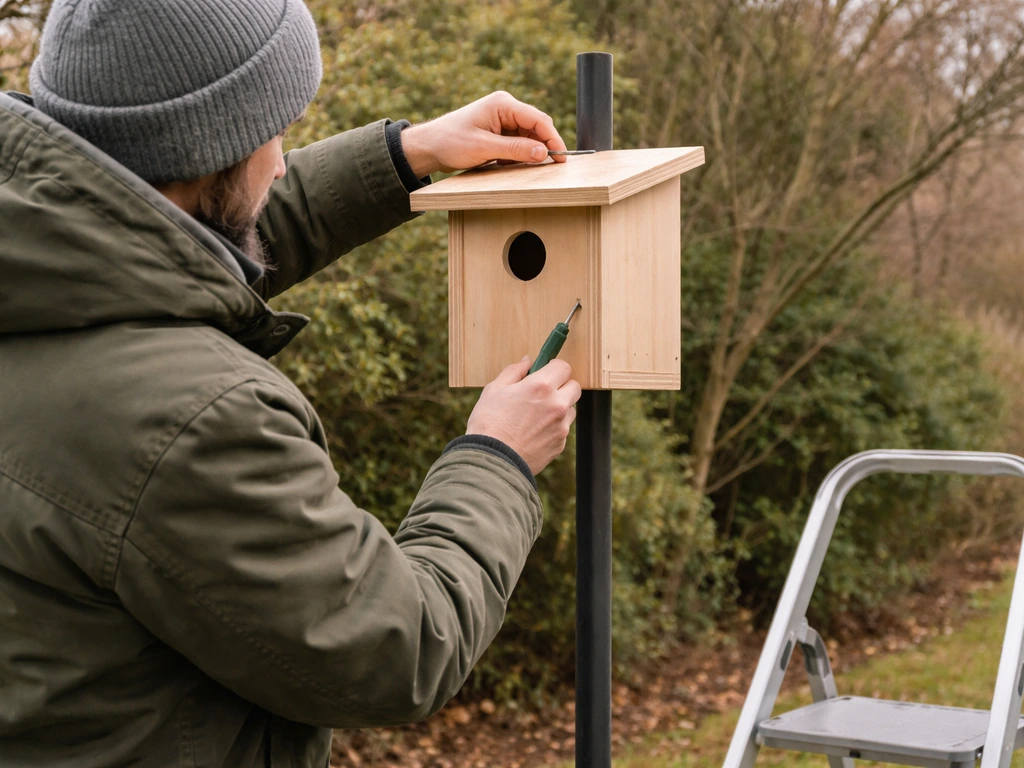
Learn safe, legal ways to help birds nest with proper materials and nest boxes, avoid active nests, and prevent harm.
Who Teaches a Bird to Make a Nest, and What You Can Do
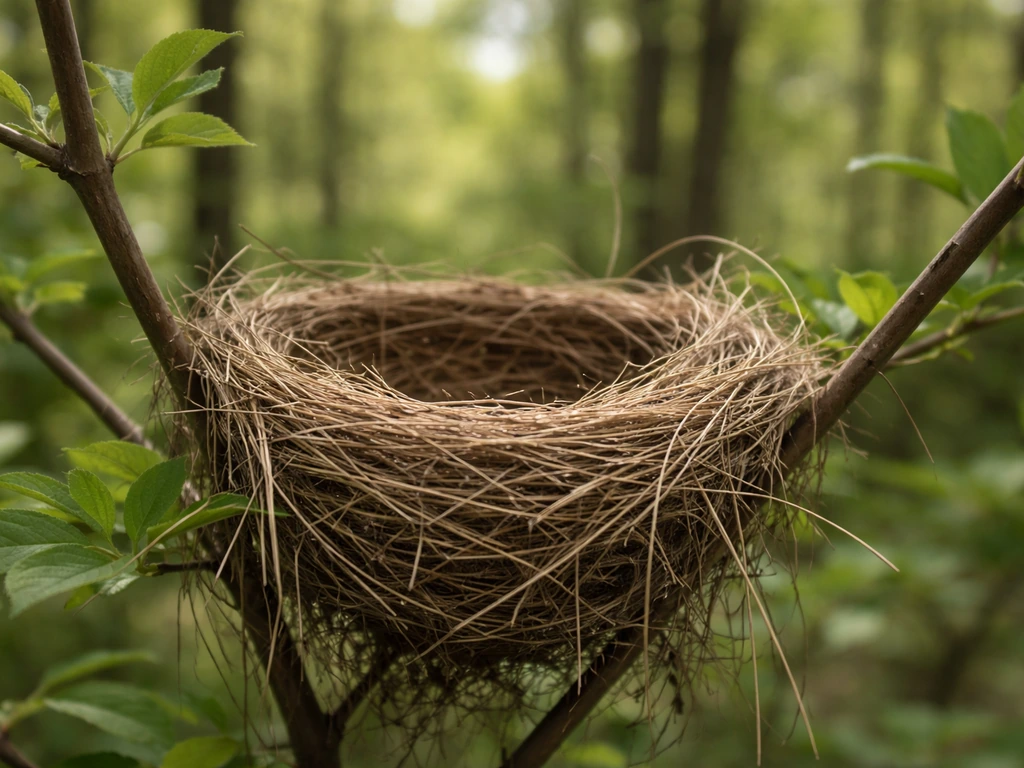
Birds nest by instinct, not human training. Find who to contact and how to help nests safely and ethically.