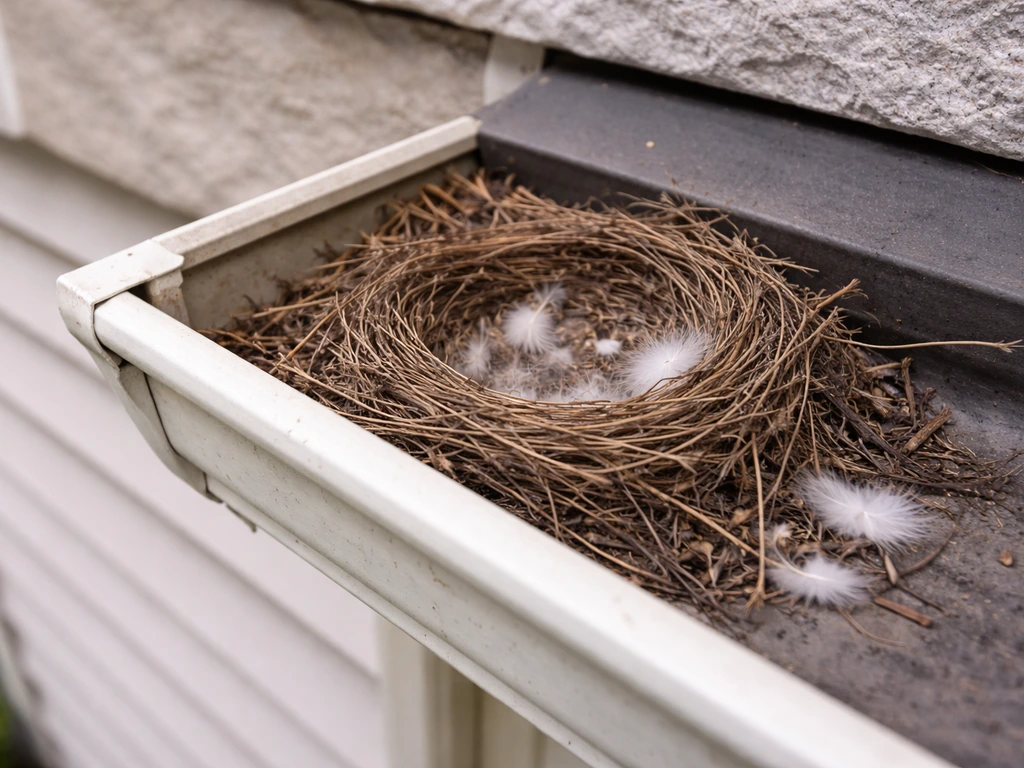
Quick answer: can you remove a bird nest?
It depends on one thing above everything else: whether the nest is active. If it has eggs or live chicks in it, you almost certainly cannot legally remove it in the U.S. or Canada without a federal permit. If it is empty and the breeding season is over, you can generally remove it without any permit at all. That is the core rule. Everything else in this article is about figuring out which situation you are actually in right now, and what to do based on that answer.
Under the U. S. Migratory Bird Treaty Act (MBTA), it is illegal to destroy, move, or disturb a nest that contains eggs or chicks, or where fledged young are still dependent on the nest. The U.
S. Fish and Wildlife Service will issue permits to remove an active nest only when it poses a direct human health or safety concern, and even then the bar is high. In Canada, regulations updated in July 2022 similarly prohibit damaging, destroying, disturbing, or removing any migratory bird nest that contains a live bird or viable egg. In Canada’s Migratory Birds Regulations, 2022, “[egg or nest destruction permits](https://laws-lois.
justice. gc. ca/eng/regulations/SOR-2022-105/section-70. html?
txthl=land)” can be issued when the Minister believes destruction or removal is necessary to reduce or prevent danger to human health or public safety or to prevent likely damage to agricultural, environmental, or other interests. [Some Canadian Schedule 1 species get year-round protection on their nests even when those nests are empty. ](https://www. canada.
ca/en/environment-climate-change/services/migratory-bird-permits/faq-migratory-birds-regulations-2022. html) So before you do anything physical, you need to know exactly what you are dealing with.
Active vs. abandoned: how to tell before you touch anything
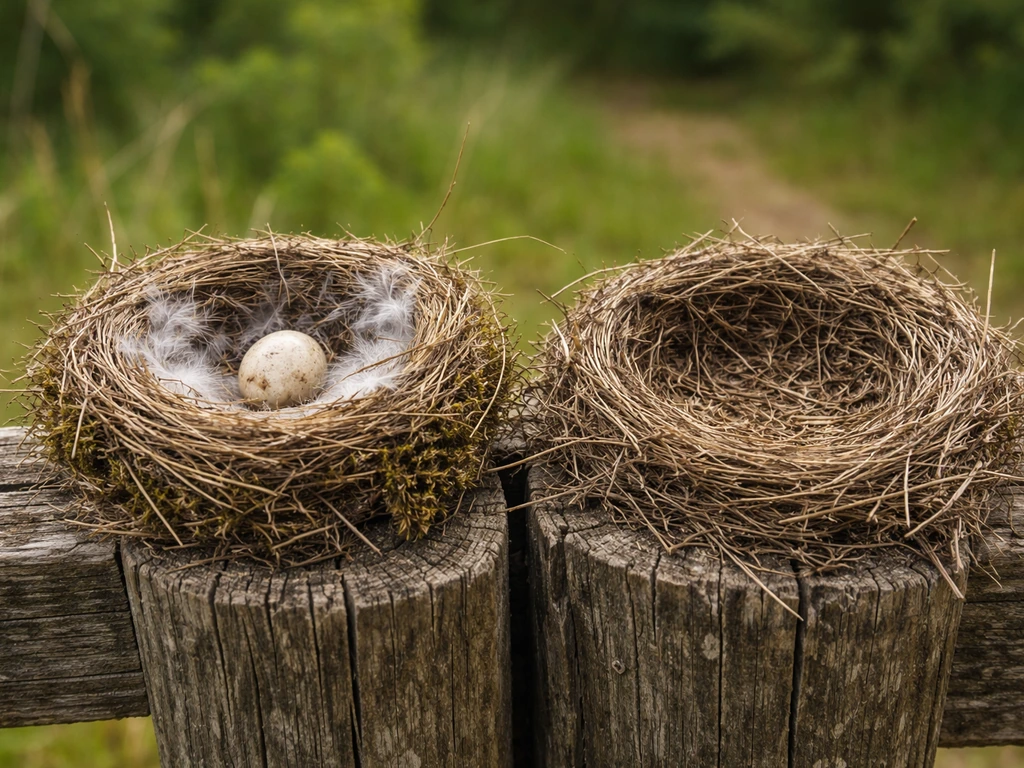
The legal definition of "active" is more specific than most people expect. According to FWS policy, a nest becomes active the moment the first egg is laid. It stays active until the fledged young are fully independent and no longer returning to the nest. A nest that is being built but does not yet have a single egg in it is technically inactive under federal definitions, though disturbing nesting birds at that stage still risks legal gray areas and is worth avoiding.
Your job right now is to observe without interfering. Do not touch the nest, reach into it, or shake the structure it sits on. Instead, stand back 10 to 15 feet and spend a couple of minutes watching. Here is what to look for:
- Adult birds returning regularly to the nest, especially carrying food
- Visible eggs (even one is enough to make it legally active)
- Chicks: you may hear cheeping before you see them
- Fecal sacs being carried away by parents (a reliable sign of nestlings)
- A warm, slightly sunken cup of material that looks recently used vs. a flattened, weathered, debris-covered structure
If you see none of the above over two to three observation windows spread across a day, the nest is likely abandoned or post-breeding. Take a photo from a distance before you do anything else. Document the date, location ("in the gutter above the garage door," for example), and what you observed. This record protects you legally if the situation becomes complicated later. If you are unsure whether the season is right for active nesting in your region, timing your nest removal correctly is a critical step that can save you from an accidental violation.
The legal picture: what 'allowed' actually means
In both the U.S. and Canada, "removal" is not one single act in the eyes of the law. It covers a range of activities: moving the nest, destroying it, disturbing the birds around it, or even possessing nest materials. Each of those can carry separate liability under migratory bird law. Here is a plain breakdown of where the lines sit:
| Nest Status | U.S. (MBTA) | Canada (Migratory Birds Regulations 2022) |
|---|
| Active (eggs or live chicks present) | Illegal to remove, destroy, or disturb without a federal permit | Prohibited to damage, destroy, disturb, or remove |
| Being built, no egg yet | Technically inactive; removal is lower legal risk but still ethically discouraged | Generally permitted but disturbing nesting birds can still cause issues |
| Empty, breeding season ongoing | Use caution; birds may return to reuse the nest | Caution advised; verify birds are fully done with the site |
| Empty, breeding season clearly over | Generally permitted without a permit (no possession of birds or eggs) | Permitted; no prohibited content present |
| Schedule 1 / specially protected species (Canada) | Check for additional state or species-specific protections | Year-round protection applies even when nest is unoccupied |
State and provincial laws can add another layer on top of federal rules. Some states protect raptors, certain swallows, or colonial nesting species with stricter local rules. If you have any doubt about the species involved, identifying the bird first is worth a few minutes of effort. A nest's size, shape, materials, and location are usually enough to narrow it down. If you are weighing the pros and cons of acting at all, it is worth reading a detailed discussion of whether you should remove a bird nest before making a final call.
What you can do right now instead of removing it

If the nest is active and legal removal is off the table, you still have real options that protect both the birds and your property. The most important thing is to reduce your disturbance footprint around the nest site while you wait. Canada's wildlife guidance specifically recommends avoidance measures until young birds have naturally and permanently left the area, and that is practical advice for U.S. homeowners too.
- Delay construction, roof work, gutter cleaning, or tree trimming on or near the nest site until fledging is complete. Most songbirds fledge in 10 to 21 days from hatching.
- Redirect foot traffic or equipment away from the nest zone to reduce stress on the parents, which can cause nest abandonment.
- If the nest is inside a structure (vent, dryer exhaust, eave), block adjacent access points that do not contain the active nest to limit the birds from expanding into other areas.
- Photograph the nest regularly from a safe distance to track progress. You will know fledging is complete when adults stop returning and the nest is quiet for 48 hours or more.
- If the nest is in a spot that creates a hazard (live electrical panel, blocked emergency exit), contact a licensed wildlife professional or your state wildlife agency immediately rather than acting alone.
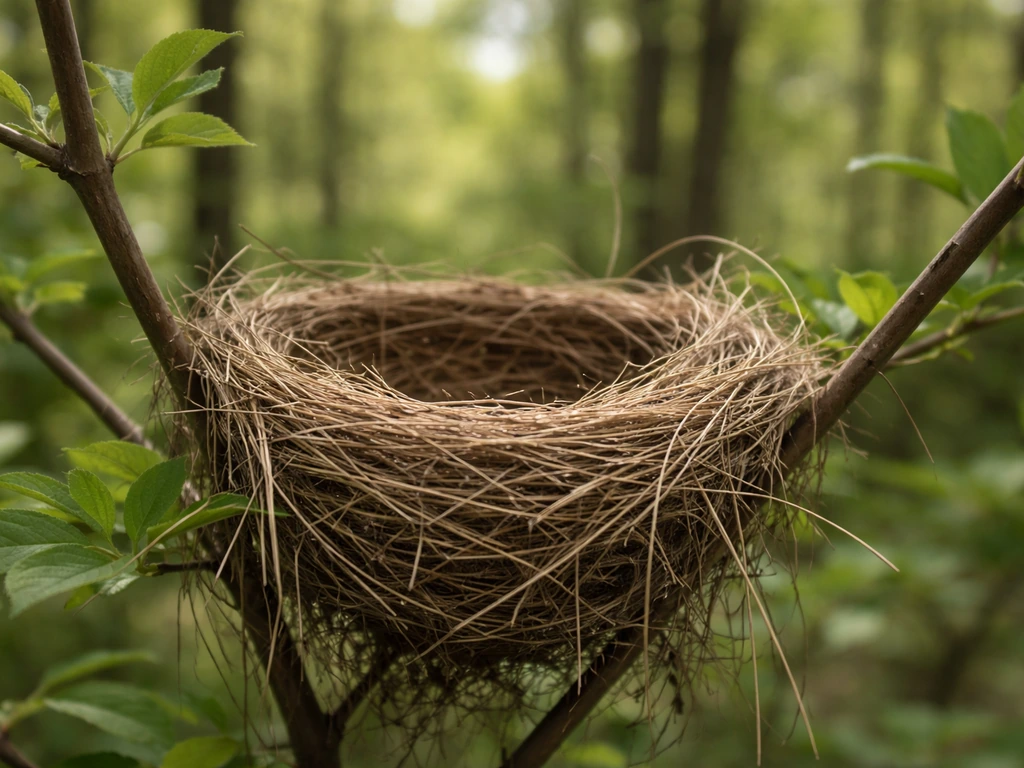
After the birds leave, you do have choices about what to do with the empty structure. For nests in trees specifically, the decision is more nuanced than most people assume, and thinking through whether to remove old bird nests from trees can help you weigh the benefits of leaving them versus clearing them out for pest and disease prevention.
When to call a professional and what kind of help you need
Some situations genuinely require outside expertise, and trying to manage them yourself can make things worse legally and practically. Here are the scenarios where professional involvement is not just helpful but necessary:
- The nest is in a location that creates an immediate safety risk (active electrical box, blocked HVAC exhaust, fire hazard) and the nest is currently active
- You suspect a federally or state-protected species like a raptor, swift, or colonial waterbird is involved
- You are a contractor or property manager with a project start date that conflicts with an active nest, and you need documented guidance to comply with permit requirements
- The nest is associated with a pest problem (rodents attracted to nesting debris, mites, or parasites affecting the building interior)
- You are in Canada and dealing with a Schedule 1 species whose nest has year-round protection
"Professional help" in this context means different things depending on the problem. A licensed wildlife rehabilitator handles injured or abandoned chicks. A nuisance wildlife control operator handles exclusion and removal of nests in structures after they are inactive. Your state or provincial wildlife agency can issue guidance or emergency permits for active nests that pose genuine safety concerns. Knowing who the right contact is saves time, and a detailed breakdown of who removes bird nests professionally can help you sort out the right person for your specific situation.
If you have never navigated this process before, it can feel overwhelming to figure out who to call first. A good starting point is understanding who to contact for bird nest removal in your area, whether that is your local FWS field office, a state wildlife agency hotline, or a certified nuisance wildlife control operator.
Your step-by-step decision checklist for today
Work through these steps in order. Stop as soon as you hit a "wait" or "call for help" instruction and do not skip ahead.
- Observe from 10 to 15 feet away without touching anything. Spend at least 10 minutes watching across two separate times of day (morning and midday work well).
- Take a clear photo of the nest from a safe distance. Note the date, time, exact location, and any birds or eggs you can see.
- Ask: are there eggs, chicks, or adult birds actively using this nest right now? If yes, stop. You cannot legally remove it in the U.S. or Canada without a permit. Move to step 5.
- Ask: is the nest empty and is the local breeding season clearly over? If yes, you can typically remove it without a permit. Wear gloves, use a bag to contain the material, and dispose of it in the trash. Do not keep nest material, as possession of nest contents can still raise legal questions.
- If the nest is active and poses a safety emergency (blocked exhaust, electrical hazard), do not act alone. Contact your state wildlife agency or U.S. Fish and Wildlife Service field office to request an emergency permit or guidance. In Canada, contact Environment and Climate Change Canada.
- If the nest is active but not an emergency, mark your calendar for the expected fledge date (10 to 21 days from hatching for most songbirds, longer for raptors) and plan your work around it.
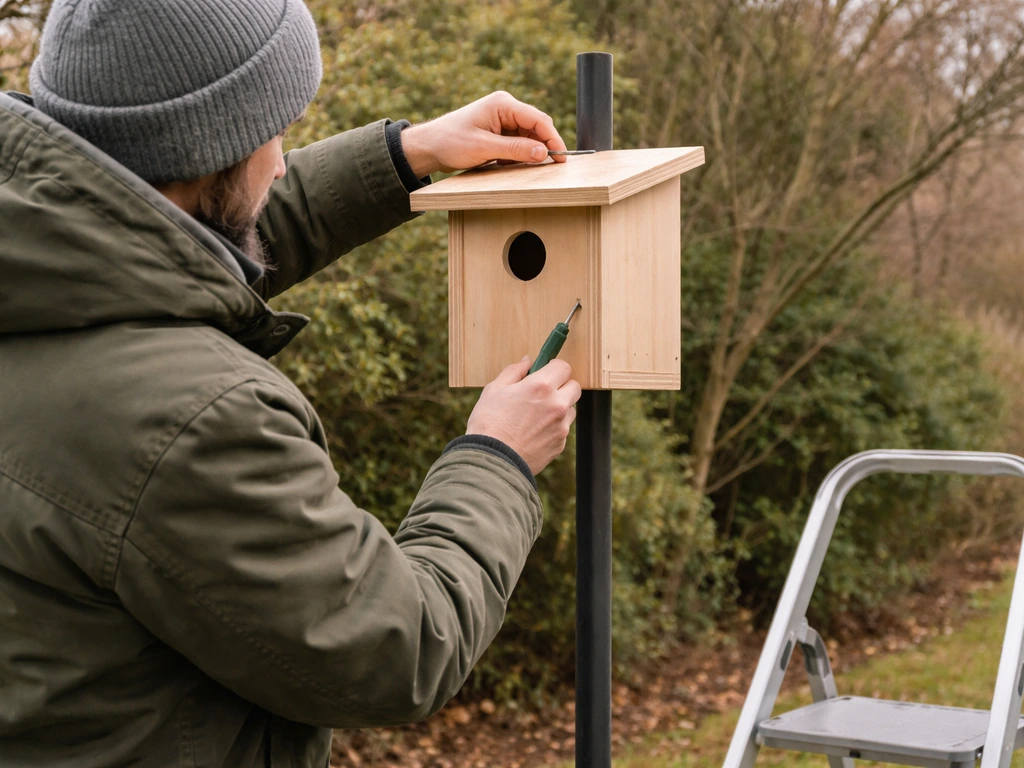
- Once the nest is confirmed empty and abandoned, decide whether to remove it or leave it based on location, pest risk, and species. Block access points to prevent reuse in the same spot next season.
- If you are unsure about species identification, nest status, or local law at any point, call your local wildlife agency before acting. A five-minute phone call is far less costly than a federal violation.