For a single nest in an easy-to-reach spot, expect to pay $150–$300 for removal only, or $250–$750 for a full-service job that includes cleanup and basic prevention. Hard-to-reach locations like attics, rooflines, or multiple vents push that range to $500–$2,000+, and the national average across all job types sits around $600. Those numbers assume the nest is inactive and legal to remove. If it is active, containing eggs or chicks of a protected species, you may not be able to remove it at all without a permit, which changes both the timeline and the cost significantly.
How Much Does Bird Nest Removal Cost? Prices and Factors

Maya Bennett
5 May 2026
Typical price ranges at a glance
Pricing for bird nest resolution falls into a few tiers depending on scope. Here is how the numbers break down across common scenarios:
| Job type | Typical cost range |
|---|---|
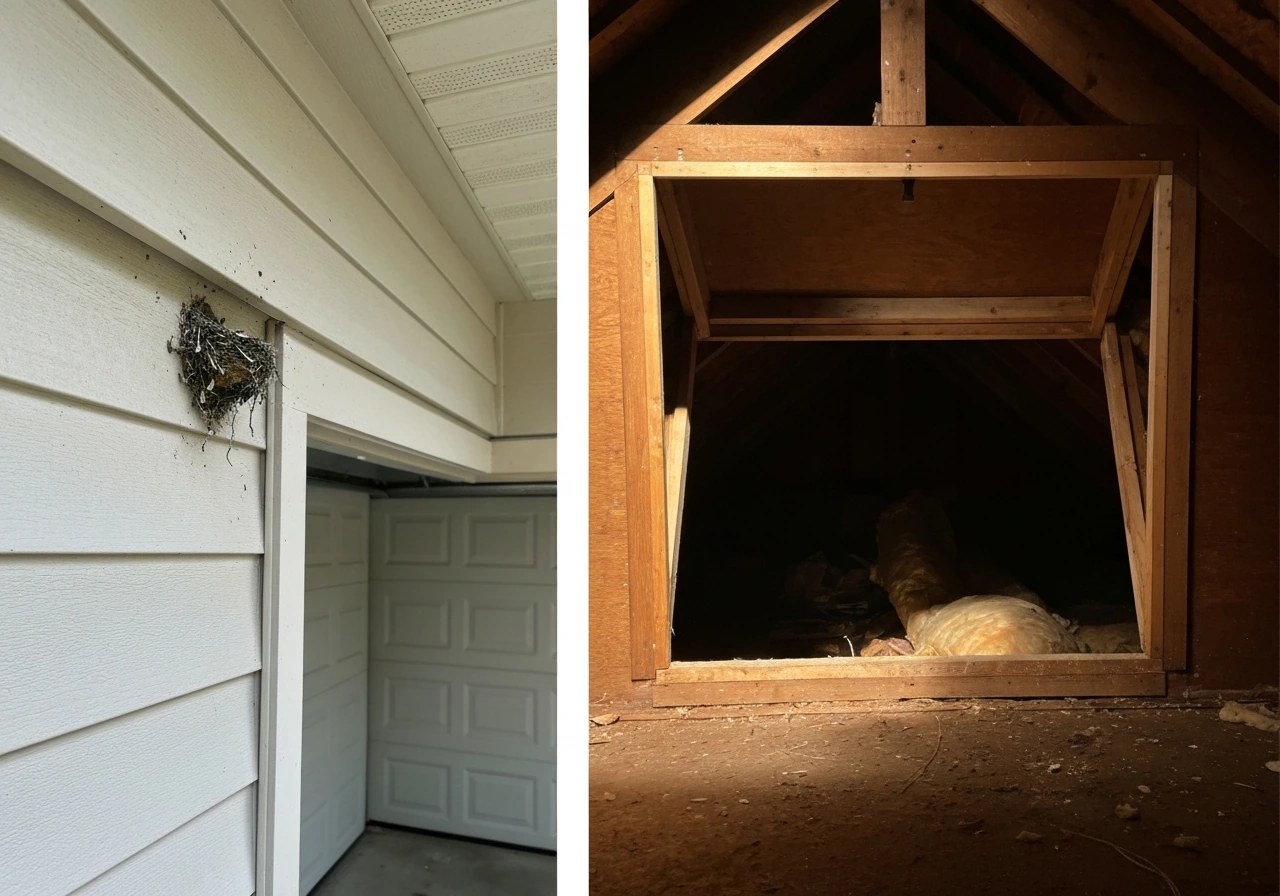
| Removal only, easy access (eaves, garage, low exterior) | $150–$300 |
| Removal only, difficult access (attic, roofline, chimney) | $500–$900 |
| Full service: removal + cleanup + basic prevention | $250–$750 |
| Full service, major job (multiple sites, structural sealing) | $1,000–$2,000+ |
| Vents (per vent) | $150–$500 |
| Eaves / roof overhang | $300–$1,000 |
| Chimney | $175–$800 |
| Attic | $200–$2,000+ |
| Roof | $300–$2,000 |
| Gutters (per 200 sq ft) | $1,350–$1,700 |
| Garage (simple exterior nest) | $100–$300 |
These figures come from aggregated national pricing data (2025–2026) and reflect what licensed wildlife or pest control contractors typically charge in the US. Costs in high-labor-cost metro areas will run toward the top of each range; rural markets often come in lower.
What actually changes the price
No two nest jobs are identical, and contractors price based on a handful of real variables. Understanding these before you call means you can gather the right info and avoid surprises on the invoice.
Bird species and protection status
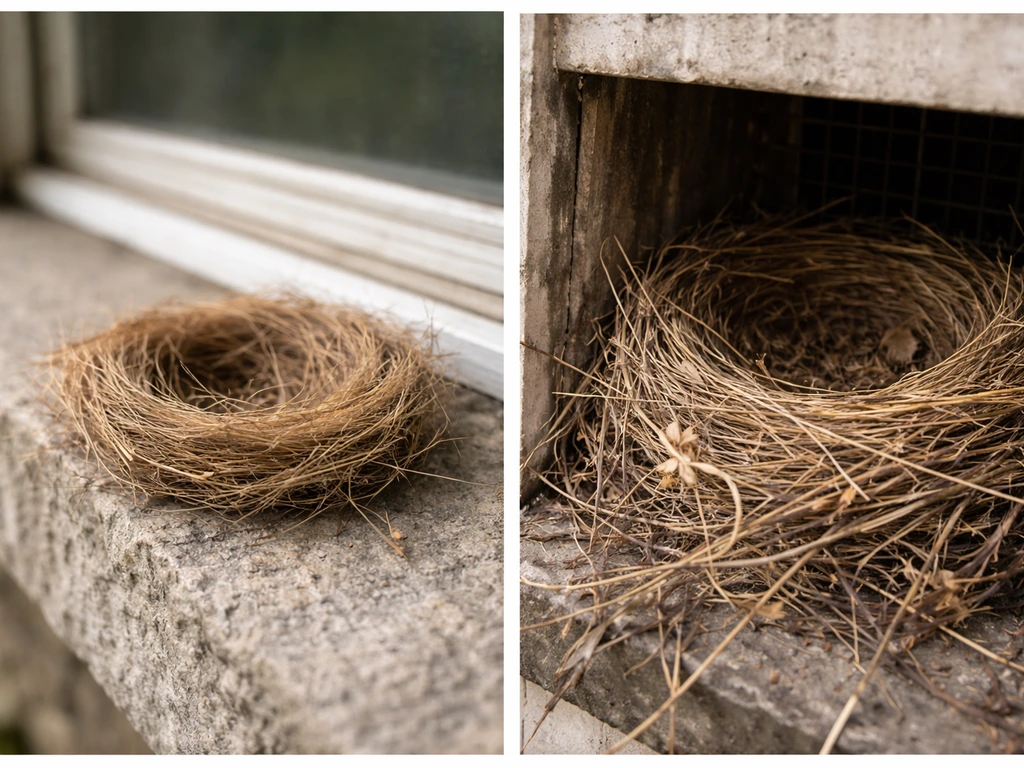
This is the single biggest legal and cost variable. The Migratory Bird Treaty Act (MBTA) protects most native North American bird species, meaning active nests with eggs or dependent young cannot be disturbed without a federal permit. The CFR explains the MBTA-related regulatory scope for nests and eggs, including limits on possession, transport, and sale without proper authorization active nests with eggs or dependent young cannot be disturbed without a federal permit. That permit is rarely issued for standard homeowner situations. The practical effect: a contractor working with a protected species like barn swallows or house finches may need to schedule around the breeding cycle, adding weeks to the timeline and sometimes returning visit fees. European starlings and house sparrows, two of the most common urban nuisance nesters, are not protected under the MBTA, so removal of their nests is generally simpler from a compliance standpoint and faster to execute. Pigeons occupy a gray area (state rules vary), so always confirm status before assuming. If a raptor like an osprey has nested on your property, state-level permits with defined seasonal windows may apply on top of federal rules.
Nest type, size, and materials
A compact cup nest on a ledge takes minutes to bag and remove. A large, multi-season accumulation of nesting material packed into a dryer vent, chimney, or attic corner is a different story. Dense, compacted nests in enclosed spaces require more labor to extract safely and generate more debris to decontaminate. Large colonial nesters like starlings can fill vents with surprising amounts of material, and that volume directly drives cleanup time and cost.
Location and access difficulty
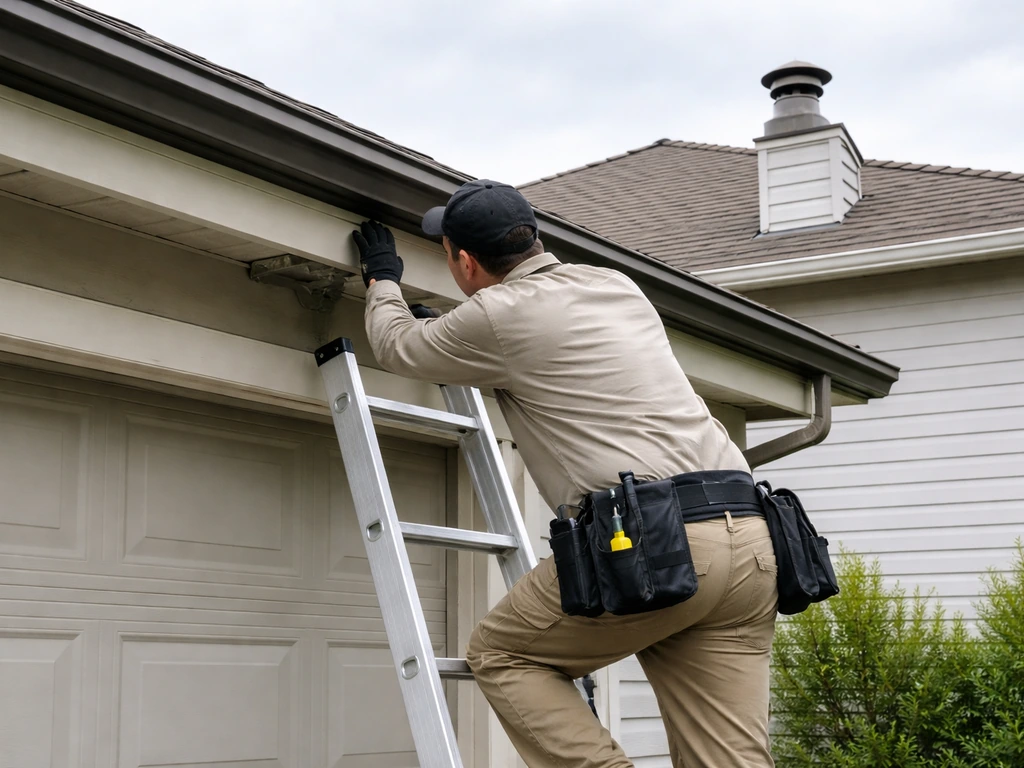
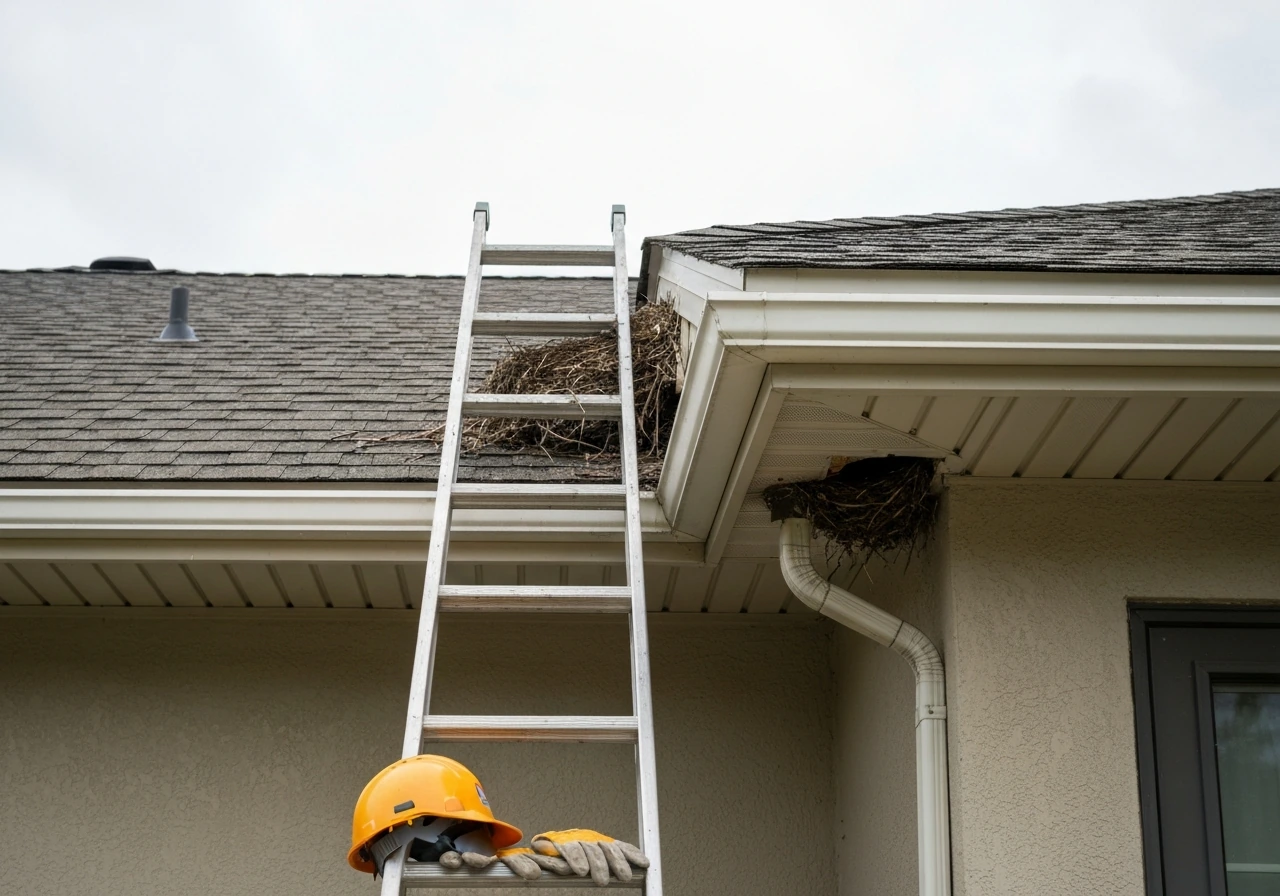
A nest on a low garage eave that a person can reach from a six-foot ladder is about as straightforward as it gets. A nest in a second-story vent, inside a chimney flue, or deep in an attic cavity requires ladders, safety equipment, confined-space work, or specialized tools, all of which add labor hours and cost. Vents are particularly expensive per unit because the technician often needs to clear the nest, clean the duct, and install a proper vent guard to prevent re-entry, each as separate line items.
Timing and season
Calling in spring during active breeding season is the most constrained time. If birds are nesting, protected species cannot legally be disturbed, so the contractor's options shrink. Off-season jobs (late fall through early winter for most species) are simpler, faster, and cheaper because nests are inactive, making removal straightforward and legally unambiguous. Urgency also matters: if you need emergency service because a vent blockage is creating a fire or health hazard, expect a premium over a scheduled job.
Damage repair and add-on services
Basic removal is just step one. Most full-service jobs include some or all of the following as separate line items: inspection and species ID (sometimes free, sometimes $0–$49); debris and droppings cleanup and decontamination ($75–$300+); entry-point sealing or exclusion hardware installation ($250–$950+); and deterrent installs like spikes, netting, or one-way exclusion doors. If the birds caused structural damage, such as chewing through vent screens or leaving droppings that damaged roofing material, repair costs stack on top. Always ask what is and is not included in a quote.
Removal, exclusion, or waiting: what the law and your wallet say
When most people search for 'bird nest removal,' they assume removal is the obvious solution. It often is not, for legal, ethical, or practical reasons. Here are your real options:
- Wait for the nest to become inactive. Under the MBTA, this is usually the required path for protected species. Waiting costs nothing, and once the nest is confirmed empty with no dependent young, a contractor can remove it cleanly. Breeding cycles for common species typically run 4–6 weeks from egg-laying to fledging, so the wait is real but finite.
- Exclusion (one-way devices). A one-way door or exclusion device lets birds leave but not re-enter. This is especially effective for vent and attic situations. Maine wildlife guidance recommends leaving exclusion devices in place for at least seven days, longer in cold or rainy weather, to ensure all birds have exited before sealing. This is the humane standard and what ethical contractors do.
- Exclusion at the right time. Exclusion devices should only be installed when young birds are capable of flight; sealing birds in is both inhumane and, for protected species, a legal violation. A good contractor will not rush this step.
- Permitted removal of an active nest. Possible only in limited circumstances, typically a documented health or safety hazard. Permits are rarely issued for routine homeowner situations and require USFWS involvement. Do not expect this to be your fast track.
- Deterrents and prevention. After a nest is removed or becomes inactive, installing physical deterrents (spikes, netting, slope strips, vent covers) prevents re-nesting. This is almost always the smartest long-term investment and is included in most full-service quotes.
The legal framework here matters. The MBTA sets the federal floor, and state rules typically add more layers rather than reduce them. Violating the MBTA by disturbing an active nest of a protected species can result in misdemeanor or even felony penalties. Most bird nests are protected under the blank" rel="noopener noreferrer">Migratory Bird Treaty Act (MBTA), so destroying a nest with eggs or chicks, or disturbing dependent young, is illegal except as authorized by a valid permit. This is not a formality; it is why reputable contractors do a species and activity check before touching anything. For a deeper look at what is and is not permitted under federal law, the related topics on MBTA permits and federal bird nest law cover the regulatory detail. For more on federal law bird nests, see the details on MBTA permits and what activities are allowed.
How to identify the nest and whether it is active or protected
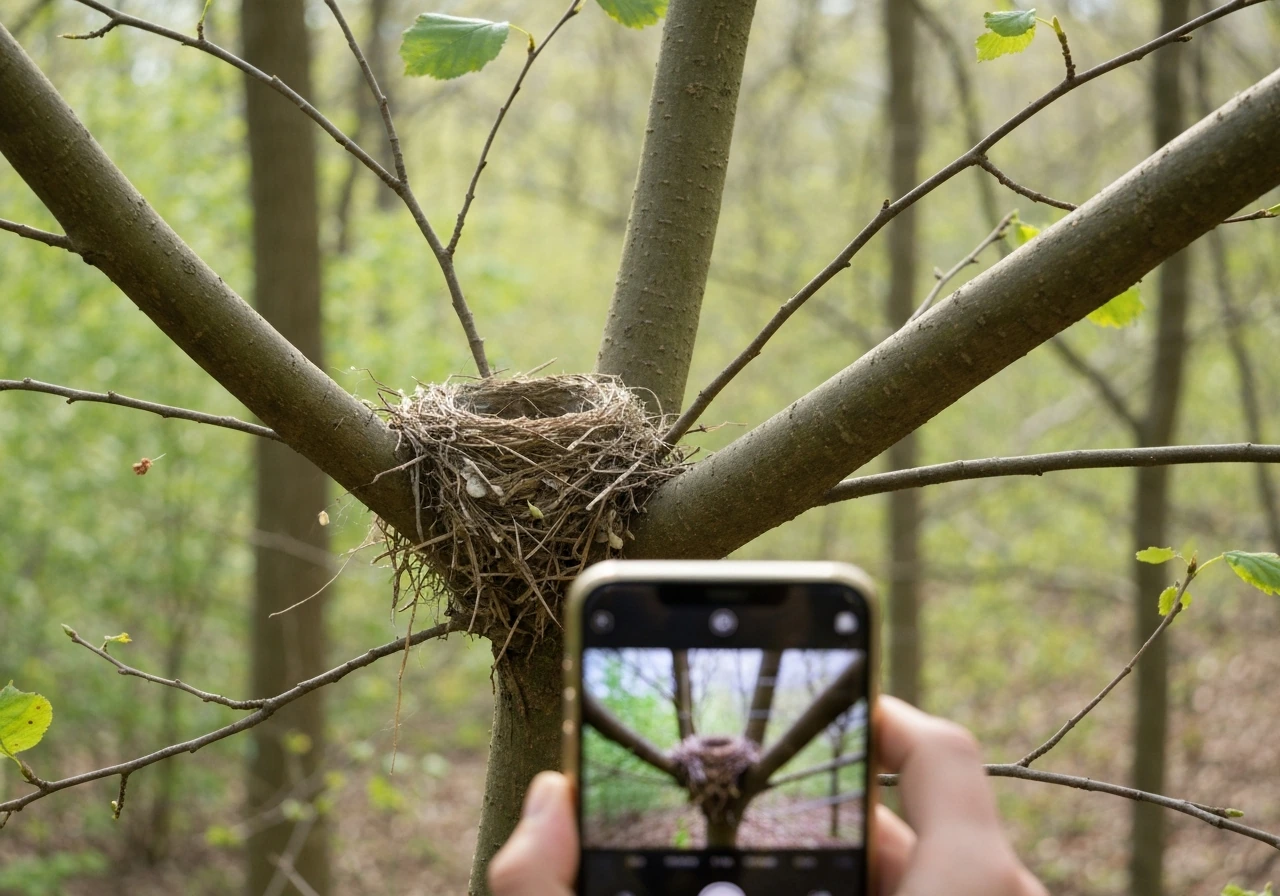
Before you call anyone, spend five minutes gathering basic information. This will speed up every subsequent step, including getting an accurate quote. Here is a practical sequence:
- Photograph the nest from a safe distance. Use your phone's zoom rather than approaching closely. Capture the nest structure, its location on the building, and any visible entry/exit points.
- Note the location precisely: eave, vent (dryer, bathroom, or HVAC), chimney, attic, garage rafter, or roof edge. Write down the height from the ground and whether it is inside an enclosed space or exposed.
- Look for signs of activity without disturbing the nest. Adults flying to and from the site, visible eggs, or chick sounds all indicate an active nest. A nest with no adult visits over several days and no audible chicks is likely inactive, though confirm before acting.
- Try to identify the bird species. Common urban/suburban nesters include house sparrows (small, streaky brown, cavity nesters), European starlings (glossy black, often in vents or holes in siding), pigeons (larger, gray, often on ledges or in attics), house finches (reddish head on males, open cup nests on ledges), and barn swallows (mud nests on exterior overhangs). Cornell Lab's All About Birds is a free, reliable ID tool if you have a photo.
- Check protection status. House sparrows and European starlings are not protected under the MBTA. Almost every other common native songbird, swallow, swift, and raptor is protected. If you are unsure, assume protected and treat accordingly.
- Record the date you first noticed the nest and any changes you have seen (eggs appearing, chicks hatching, adults stopping visits). This timeline helps a contractor assess the breeding stage and compliance requirements.
If the nest is in a dangerous location, such as a blocked dryer vent creating a fire risk, document that specifically. A documented health or safety hazard is the strongest grounds for requesting an emergency permit if one is needed for a protected species.
What a professional bird nest removal actually looks like
Reputable wildlife control and bird exclusion contractors follow a structured process. Here is what you should expect when you hire someone who knows what they are doing:
- Inspection and species ID. The technician assesses the site, identifies the species, confirms whether the nest is active, and checks compliance requirements (MBTA status, state permits). This may be included in the service fee or charged separately at $0–$49.
- Compliance check and timeline planning. For protected species with active nests, the contractor will advise waiting until the nest is inactive or, where appropriate, recommend exclusion timing that avoids trapping birds. A contractor who offers to remove an active nest of a protected species immediately and without mentioning permits is a red flag.
- Removal or eviction. For inactive nests, physical removal is straightforward. For occupied locations, one-way exclusion doors are installed to allow birds to leave without returning. The exclusion device stays in place for a minimum of seven days (per wildlife agency guidance), often longer in cooler weather.
- Cleanup and decontamination. Bird droppings can carry bacteria and fungal spores (including Histoplasma, associated with pigeon and starling droppings). Professional cleanup includes bagging and disposing of nest material, scrubbing surfaces, and applying decontamination treatment. Do not power-wash droppings before the contractor inspects, as this destroys evidence and can aerosolize contaminants.
- Entry-point sealing and exclusion installation. Once the birds are confirmed out and the nest is removed, the contractor seals or screens every entry point. For vents, this means installing proper vent guards, not just stuffing steel wool into the opening.
- Deterrent installation (optional add-on). Spikes, netting, slope strips, or reflective deterrents are installed where birds were roosting or nesting to prevent return.
- Follow-up inspection. Better contractors offer a return visit to verify the exclusion held and no birds were trapped. Ask whether this is included.
Total project timelines vary. A simple inactive nest on an eave can be handled in a single visit lasting under an hour. An attic with multiple nesting sites, a one-way exclusion process, and full cleanup might span two to three weeks from the first visit to final sealing. Factor that into your scheduling, especially if a vent blockage is involved.
How to get an accurate quote and avoid overpaying
Getting two or three quotes is standard for any wildlife job. To make those quotes meaningful and comparable, come prepared with the information below.
Information to have ready before you call
- Photos of the nest and its location on the building
- The species (or your best guess) and whether you believe the nest is active
- Exact location: vent type, height, interior or exterior, enclosed or open
- Number of nests or problem areas you have identified
- How long the nest has been there and any signs of activity you have observed
- Whether you have noticed any structural damage, droppings accumulation, or odor
- Your timeline: is this urgent (blocked vent, health concern) or can it wait?
Questions to ask every contractor
- Are you licensed for wildlife removal in this state, and do you carry liability insurance?
- Have you handled this species before, and are you familiar with MBTA requirements?
- Does your quote include inspection, removal, cleanup, and exclusion, or just one of those?
- If the nest is active, what is your recommended approach and timeline?
- Will you install exclusion hardware to prevent re-entry, and what type?
- Is a follow-up visit included, or is it an additional charge?
- What does your cleanup process involve, and will you decontaminate the area?
- Do you handle any required permits, or is that my responsibility?
A contractor who gives you a firm price over the phone without asking about species, nest activity, or location is likely not accounting for the real scope of the job. Expect a reputable company to ask for photos or schedule a brief on-site assessment before quoting, especially for attic or vent situations. Some companies charge for the inspection; many do not. Either way, that assessment step is worth it.
If you want to understand whether the contractor you are considering has the right approach to legal compliance, the topics on bird nest removal law and migratory bird nest removal permits are worth reading before you make that call. A migratory bird nest removal permit is typically only relevant when the nest is active and involves a protected species.
DIY considerations: what is safe, what is not, and when to step back
There are situations where handling a nest yourself is perfectly legal and reasonable. There are others where DIY is unsafe, illegal, or both. Here is how to tell the difference.
When DIY removal is reasonable
- The nest is clearly inactive (no eggs, no chicks, no adult activity for several days) and belongs to a non-protected species (house sparrow, European starling).
- The nest is in an easily accessible, low-risk location (a garage shelf, a low exterior ledge) where you can reach it safely without a ladder above six feet.
- You can handle disposal cleanly: gloves, a sealed bag, and washing your hands and any exposed skin afterward.
When to stop and call a professional
- The nest belongs to a protected native species, or you cannot confidently ID the species.
- The nest is active (eggs, chicks, or adults visiting regularly).
- The location requires working at height, inside a duct, or in a confined space like an attic.
- There is significant droppings accumulation: dried droppings can release airborne pathogens when disturbed and should be handled with respirators and proper PPE.
- You are not sure whether the nest is active or inactive. When in doubt, wait and watch for a few days before touching anything.
- The nest is in a chimney, vent, or enclosed wall cavity where you cannot see the full extent of the blockage.
Critical don'ts near any active nest
- Do not seal any opening until you are certain every bird (including fledglings) is out. Trapping birds inside is inhumane and, for protected species, a legal violation.
- Do not power-wash droppings before a professional assesses the site. This destroys information and can aerosolize pathogens.
- Do not remove a nest that contains eggs or chicks of any native species without a permit. This applies even if the nest is in an inconvenient location.
- Do not assume a nest is abandoned just because you have not seen adults in a day or two. Some species feed young in concentrated bursts; absence for 24 hours does not mean the nest is inactive.
- Do not block a vent with just steel wool, foam, or tape as a temporary fix. These materials fail, and birds will be back quickly. Use proper vent guards.
If you are dealing with a species like barn swallows building mud nests on your porch, or a chimney swift that has taken up residence in your chimney flue, the most practical and legal approach is almost always to let the current nesting cycle complete, then work with a contractor in the off-season to install exclusion measures before next spring. The short-term inconvenience is real, but it is far less expensive than the penalties and ethical problems that come from unlawful removal.
FAQ
Does the cost include exclusion so birds do not come back right away?
Yes, some companies separate “removal” from “exclusion.” If the nest is removed but the entry point is not sealed or guarded, birds often re-nest quickly. Ask whether your quote includes inspection to identify the entry location, cleaning of the surrounding duct or ledge, and installation of exclusion hardware (guard, one-way device, or spikes).
What if the nest looks inactive, but the contractor discovers eggs or chicks?
If it is inactive but contains fully occupied active areas nearby, some contractors treat it cautiously until they confirm activity with photos or an on-site check. The cleanest approach is to request a site assessment and include a condition in the quote that pricing may change if eggs or dependent young are found.
How much does timing change the price for protected, active nests?
For protected species that are active, many homeowners cannot obtain the permit in time or practically, so the contractor schedules around the breeding window and charges for site visits and final exclusion. Plan for at least two visits, an inspection fee (if applicable), and a final sealing or guard installation charge.
What add-on charges most often increase the final bill?
Ask for a line-item breakdown, not a single number, especially for vent or attic jobs. Common add-ons that change totals include droppings cleanup and decontamination, installing a proper vent guard after removal, replacing damaged screening or roofing material, and any follow-up visit to confirm exclusion success.
Will bird nest removal cover repair if the birds damaged my roof or vents?
Not usually. Many “removal” quotes assume the nest is accessible and that no structural repairs are needed. If birds damaged vent screens, insulation, soffits, siding, or roofing, you may need a separate scope (handyman, roofer, or general contractor) and the wildlife company might list repairs as exclusions from their price.
Is droppings cleanup and decontamination included, or is it billed separately?
Call it a “damage due to wildlife” question. Even when removal is included, disinfecting, deodorizing, or repairing compromised surfaces is often separate. Clarify whether the contractor will replace any removed vent components, how they handle contaminated insulation, and whether they dispose of debris as biohazard-like waste if required.
Do European starlings and house sparrows cost less because they are unprotected?
Some nuisance species are easier to remove because they are not protected under the same federal framework, but local rules can still apply and timing restrictions may exist. For pigeons, for example, state rules vary, so ask the contractor to identify the species and confirm current status before any disturbance.
When is DIY actually legal and reasonable, and when is it a bad idea?
DIY can be legal only if the nest is not active and the species is not protected, and if you avoid disturbing nesting materials during the prohibited period. Also consider safety, access, and health risks from droppings. If it is a vent blockage, DIY often misses the exclusion step and leaves the blockage hazard unresolved.
How can I tell if a contractor’s job is complete, not just a removal-and-leave?
You can request a “re-entry prevention” checklist. Minimum good practice is removal, cleaning of the nesting debris, installing the correct guard or exclusion method for that specific entry point, and sealing gaps. If they do not discuss exclusion hardware or follow-up verification, expect the job to be incomplete and the cost to rise later from repeat infestations.
Do emergency bird nest removals cost more, and what counts as an emergency?
Yes, but it is not only about season. Emergency premiums are common when there is a health or fire hazard (for instance, a blocked dryer vent) or when access is needed urgently to prevent further damage. Ask how they define “emergency,” what timeframe they guarantee, and whether emergency pricing also applies to the follow-up exclusion visit.
What information should I gather so I get accurate quotes?
Most reputable contractors will want photos from multiple angles (inside and outside, if possible) and at least approximate measurements of access height and the entry route (vent size, chimney type, attic location). If they quote without any of this for an attic or vent, it is a warning sign because dense nesting material and duct cleaning often drive the real cost.
If a permit is required, what should I ask the contractor to handle versus what I handle?
If you will ask for a permit, request the contractor’s plan for compliance timing and how they document species identification and nest activity. Even if the permit cannot be obtained easily, good contractors document what they observed and schedule the exclusion hardware installation at the right time, which helps prevent illegal disturbance.