Yes, you can help a bird build a nest, but the best help you can offer is indirect. Set out safe natural materials, provide good habitat features like shrubs and brush piles, and reduce disturbance around the area where a bird is building. What you should not do is touch the nest, move eggs, or try to guide the bird toward a spot you prefer. Once a nest is active, your job is mostly to stay out of the way.
Can You Help a Bird Build a Nest How to Guide
Maya Bennett
2 May 2026
What counts as helping vs. interfering
Helping means making conditions better so a bird can do the work itself. That includes offering suitable nesting materials nearby, keeping cats and dogs away from the area, avoiding loud landscaping work during nest building, and making sure a nest box or hedge is in good shape before the season starts. Interfering means physically touching the nest, repositioning eggs, adding materials directly into the nest cup, or trying to force a bird toward a location you find more convenient. The line is simple: if you are doing something to the nest or its contents, you have crossed from helping into interfering, and under laws like the U.S. Migratory Bird Treaty Act (MBTA) and the UK Wildlife and Countryside Act 1981, that can be illegal. The Cornell Lab of Ornithology's NestWatch program puts it plainly in its code of conduct: do not handle birds or eggs, and minimize disturbance at the nest.
Figure out what bird you are dealing with first
Before you do anything, identify the species if you can. Audubon Vermont points out that birds are often far more specific about nest location, height, and materials than most people realize, and what helps one species can be completely irrelevant to another. A House Wren needs a small-cavity nest box with a 1.25-inch entrance hole and will build a twig foundation topped with soft grass and feathers inside it. A Robin builds an open cup nest in a fork of a tree or shrub, roughly 5 to 15 feet off the ground. A Killdeer makes a bare-ground scrape with no structure at all. Getting these details right means your support actually matches what the bird needs.
When you are watching a bird scout or build, take a few quick notes or photos: how high off the ground is the activity, is it in a cavity or an open cup, what habitat surrounds it (dense shrubs, open lawn, tree canopy), and what materials is the bird already carrying? NestWatch's monitoring protocol uses exactly these attributes, including height above ground and cavity orientation, to track nests. Those same details will tell you whether a nest box, a brush pile, or a specific material offering makes any sense for your situation.
Common nest types and their site preferences
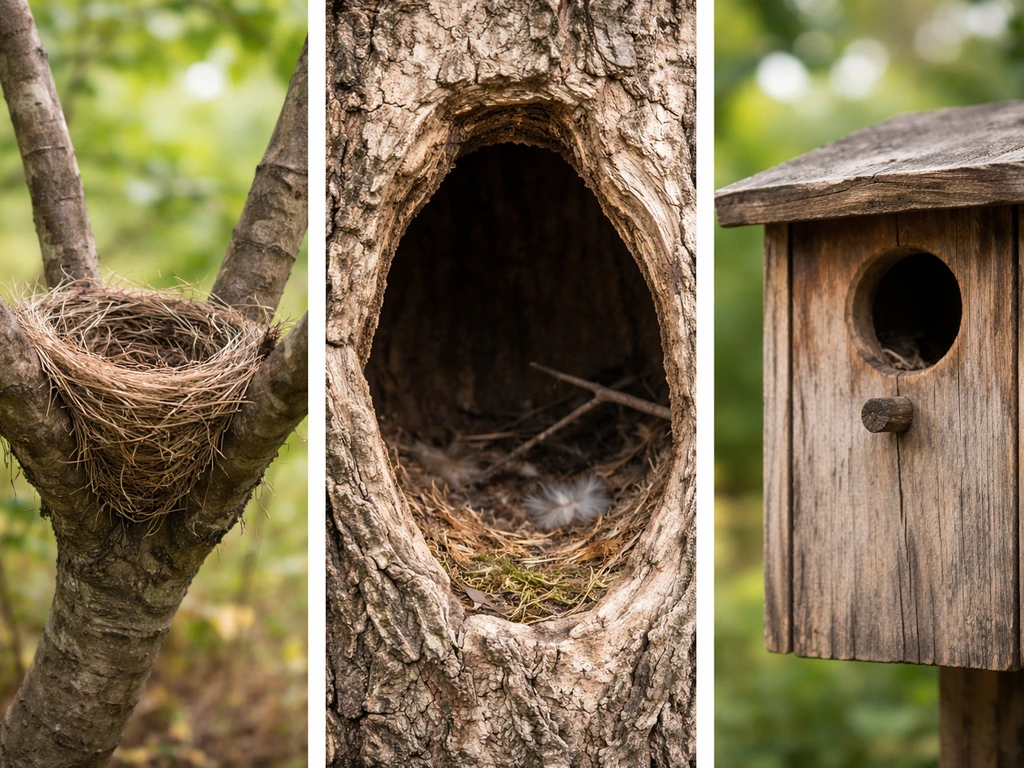
| Nest Type | Typical Placement | Examples |
|---|---|---|
| Open cup | Tree fork or shrub, 5–25 ft up | American Robin, Song Sparrow |
| Cavity | Tree hole, nest box, building crevice | House Wren, Bluebird, Chickadee |
| Ground scrape | Bare ground or short grass | Killdeer, most shorebirds |
| Mud cup on structure | Under eaves or overhangs, high on buildings | House Martin, Cliff Swallow |
| Platform/large stick | Tall trees, poles, cliff ledges | Osprey, Great Blue Heron |
Safe, ethical things you can do right now
The most effective support happens before or during the early nest-building phase, roughly March through August in the Northern Hemisphere. Here is what actually makes a difference.
- Put up a nest box suited to your target species before nest-building starts. Clean out old nesting material from previous years and mount the box at the right height for the species. A House Wren box works well at 5 to 10 feet; a bluebird box does better in open habitat at 4 to 6 feet.
- Create or maintain dense shrub cover. Native shrubs give cavity and cup-nesting birds protected spots to build. If you have existing hedges, leave them alone from March through August.
- Leave a brush pile in a quiet corner of the yard. A loose pile of sticks, twigs, and dried leaves provides both shelter and raw nesting material that birds can take what they need from.
- Set out a shallow dish of clean water. Birds use water for nest building, especially mud-cup builders like House Martins, who need a reliable mud supply nearby.
- Stop or delay lawn mowing, hedge cutting, and hard landscaping in areas where birds are actively building. The RSPB recommends avoiding hedge and tree cutting between March and August specifically for this reason.
- Add a predator guard to any nest box already in place. A baffle on the mounting pole dramatically improves nest success, according to NestWatch research.
Nesting materials: what to put out and what to keep away
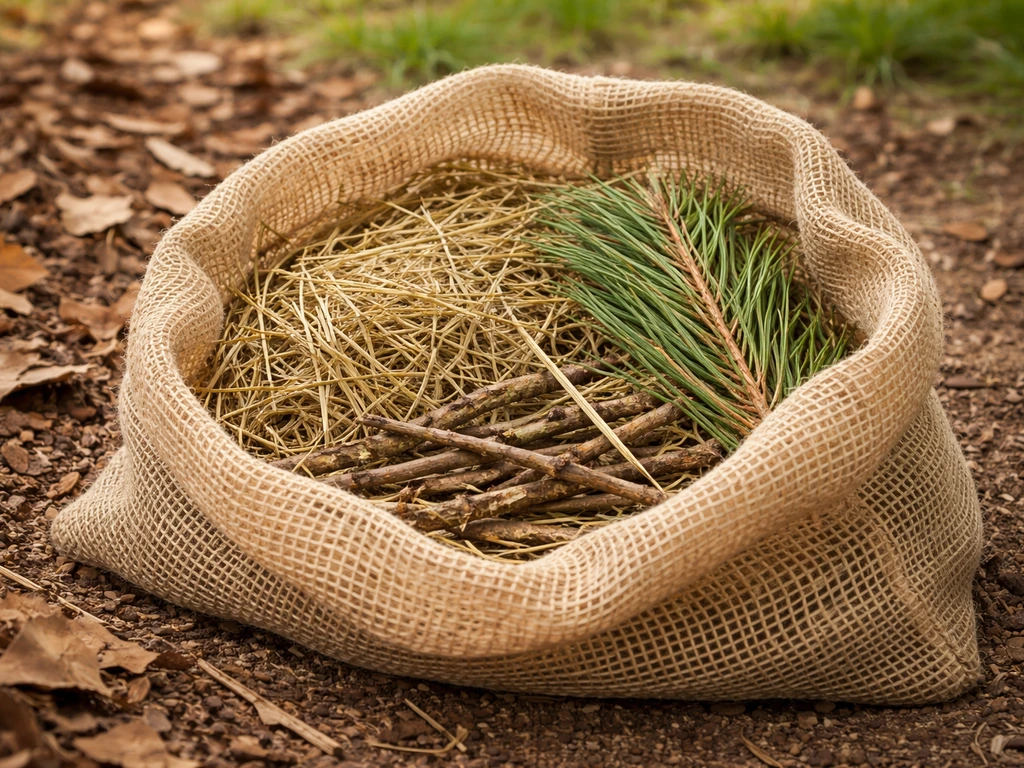
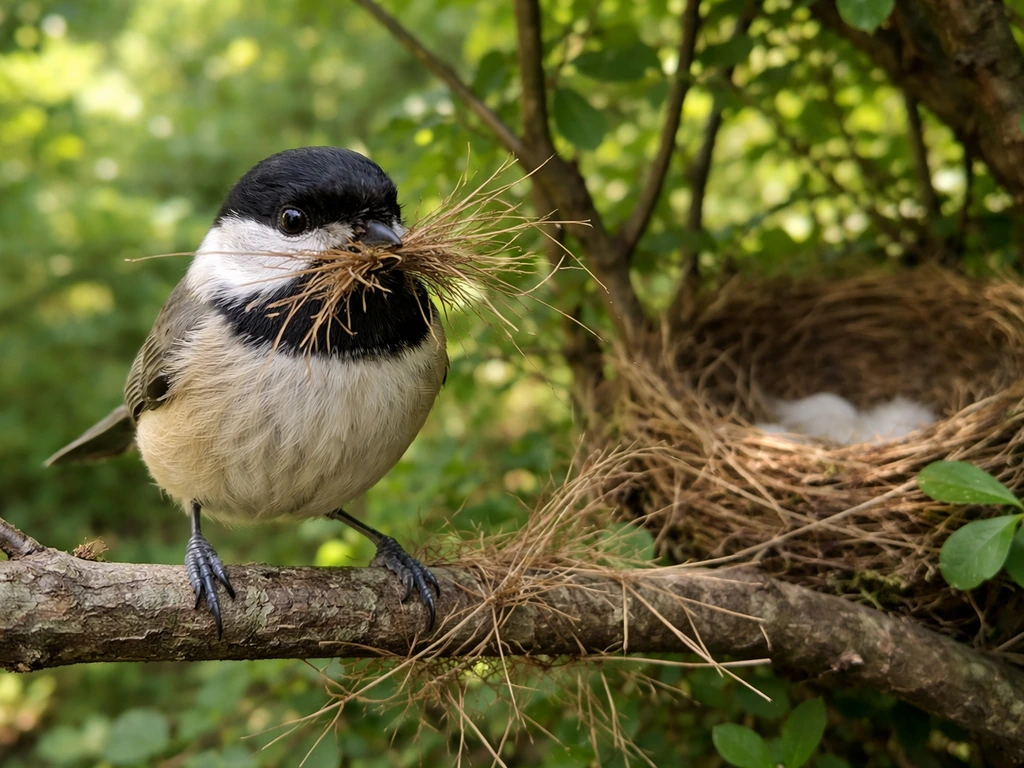
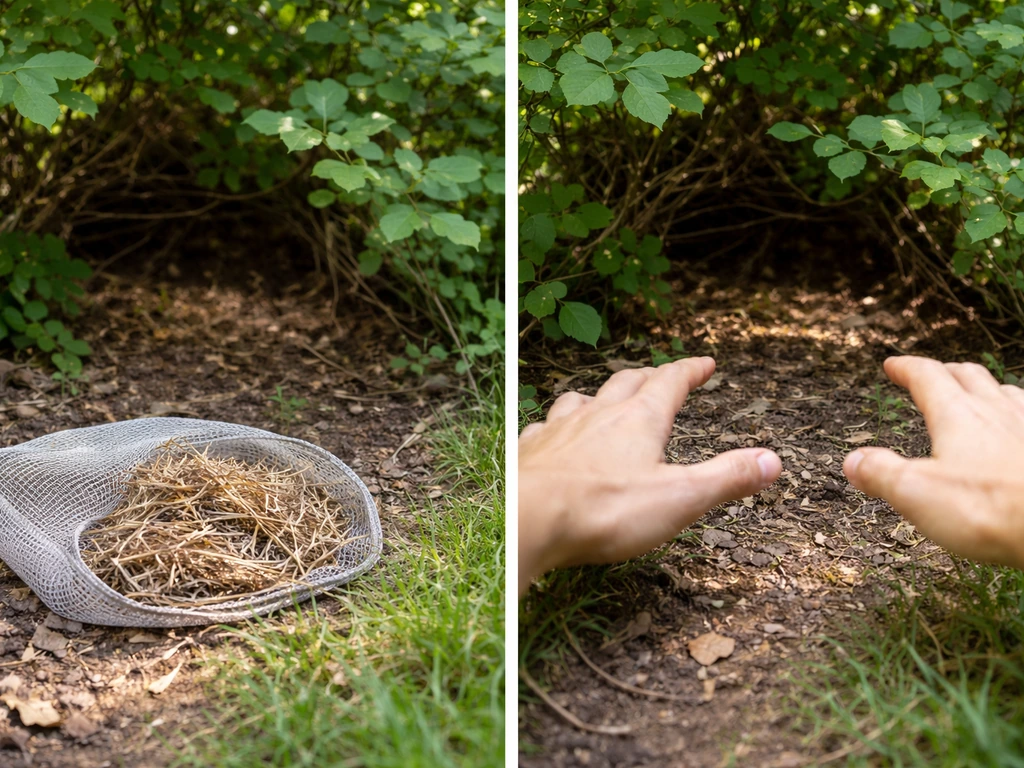
Offering natural nesting materials is one of the easiest and most genuinely helpful things you can do. The Canadian Wildlife Federation recommends stuffing a mesh bag (like an onion bag) with natural items and hanging it where birds can pull from it freely. The offering period that matters most is March through August, when most species are actively building.
Safe materials to offer
- Dead twigs and small sticks (chemical-free)
- Dry grass clippings (not treated with herbicides or pesticides)
- Pine needles
- Fallen leaves
- Feathers (naturally shed, not dyed or treated)
- Moss
- Strips of natural plant fiber (e.g., dried plant stems)
Materials you must avoid
Several commonly suggested materials are genuinely dangerous. The U.S. Fish and Wildlife Service, Audubon, and the Canadian Wildlife Federation all flag the same culprits. String, twine, yarn, and loose thread can wrap around legs, wings, or necks of nestlings and cause injury or death. Dryer lint is a double problem: it can contain residual chemicals harmful to birds, and it loses all structural integrity when wet, which can collapse the nest cup around chicks. Pet hair and human hair carry the same entanglement risk as string. Avoid all of these, even when advice elsewhere suggests they are fine.
| Material | Safe to Offer? | Why |
|---|---|---|
| Dry grass (untreated) | Yes | Natural fiber, widely used by many species |
| Dead twigs | Yes | Foundation material for most cup nests |
| Feathers (natural) | Yes | Soft lining, especially for cavity nesters |
| Moss | Yes | Good insulating material |
| Dryer lint | No | May contain chemicals; collapses when wet |
| Yarn or string | No | Entanglement risk for birds and nestlings |
| Pet or human hair | No | Can wrap around limbs and cause injury |
| Synthetic fiber | No | Does not break down; entanglement risk |
Keeping disturbance low and predators away
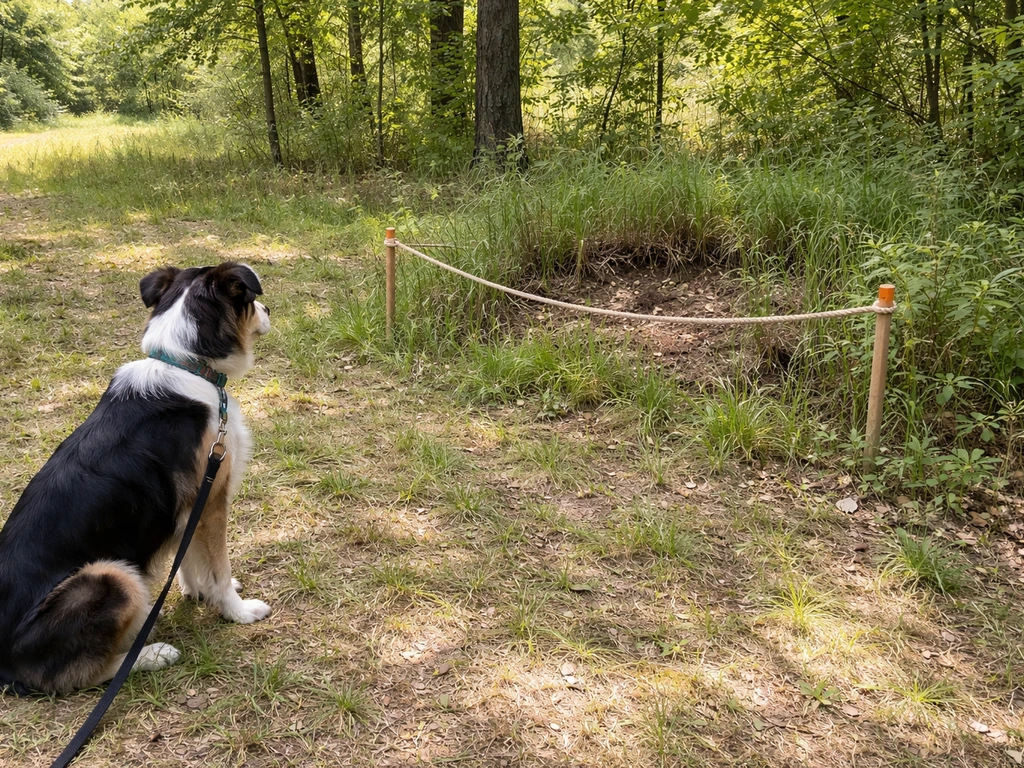
Disturbance is the single biggest threat to an active nest after predation. Audubon is direct about this: never move or remove anything around a nest once it is active, because even modest disturbance can cause a bird to abandon eggs or chicks. This applies to you, your kids, your pets, and anyone doing work on your property.
- Keep dogs on a short lead near known nesting areas from March through August. The RSPB specifically advises giving ground-nesting birds a wide berth during this period.
- Keep cats indoors or supervised, especially during the fledgling period when young birds are on or near the ground.
- Mount a baffle or predator guard on any nest box pole. Raccoons, squirrels, snakes, and cats are the most common nest-box predators, and a quality baffle significantly reduces their access.
- Do not use flagging tape or bright markers near a nest. NestWatch explicitly warns against flagging because it can attract predators to the nest location.
- Pause any garden machinery within about 10 to 15 meters of an active nest during incubation and brooding. Vibration and noise alone can cause abandonment.
- If you need to check a nest box, visit briefly, once or twice a week at most, and do not linger. NestWatch's monitoring protocol is designed around minimizing this risk.
When things go wrong: troubleshooting
The bird is ignoring everything you have set up
This is normal. Birds are not obligated to use what you provide. Check whether the nest box entrance hole matches the species, whether the box is mounted at the right height, and whether the location is exposed or too close to human activity. Sometimes the issue is timing: if you put up materials or a box in mid-June, the bird may already be committed to a site. Plan earlier next season, ideally before March.
The bird has chosen an inconvenient spot
This comes up often: a nest in a vent, a gutter, a hanging plant, or a door wreath. Audubon's consistent advice is to leave it undisturbed until the eggs hatch and the young fledge. Because a nest is a home for a bird, it is important to leave it undisturbed until the eggs hatch and the young fledge is a nest a home for a bird. In most cases a full nest cycle from egg-laying through fledging takes only three to six weeks depending on the species, and the best outcome for both you and the bird is patience. If the location is genuinely hazardous (blocking a gas vent, for example, or creating a fire risk), contact a local Audubon chapter or wildlife rehabilitator for situation-specific guidance rather than acting unilaterally.
The nest seems stuck or abandoned
NestWatch notes that if you see no adult activity and no visible progress for four or more weeks, the nest may be abandoned. But it also cautions that eggs can appear inactive for stretches and still hatch normally, so do not assume failure too quickly. Watch from a distance for several days before drawing any conclusions. If you are certain the nest has failed and the birds have moved on, you can then clear out old nesting material from a box to prepare it for a second brood attempt.
The legal side: what you can and cannot do
The legal framework around active nests is not ambiguous. In the United States, the Migratory Bird Treaty Act makes it illegal to disturb, collect, possess, or relocate the active nest of a native migratory bird without a federal permit. The U.S. Fish and Wildlife Service notes that removal permits are typically only issued for genuine human health or safety emergencies. In the UK, the Wildlife and Countryside Act 1981 makes it an offence to intentionally take, damage, or destroy an active wild bird nest. Maryland DNR adds that it is also illegal to attempt to incubate or keep wild bird eggs. These laws apply to virtually all common backyard and garden species you are likely to encounter.
A quick do and do-not list
| Do | Do Not |
|---|---|
| Offer natural nesting materials in a mesh bag nearby | Place materials directly into an active nest |
| Install predator guards on nest boxes | Relocate or move an active nest |
| Avoid cutting hedges March–August | Handle eggs, chicks, or nesting adults |
| Give ground-nesting birds a wide berth with dogs on lead | Use flagging or markers near the nest |
| Contact a wildlife rehabilitator if a nest is in a dangerous location | Remove an active nest without a permit |
| Pause landscaping machinery near active nests | Offer dryer lint, yarn, string, or pet hair |
Timing your help: a seasonal calendar
Most of your useful action happens before nesting season peaks, not during it. Here is a rough calendar for temperate Northern Hemisphere readers.
| Period | What to Do |
|---|---|
| January–February | Clean and repair nest boxes; plan habitat improvements like shrub planting |
| March | Put up nest boxes and predator guards; begin offering nesting materials in mesh bags; stop hedge cutting |
| March–August | Keep disturbance minimal; do not cut hedges or conduct hard landscaping near active areas; keep pets controlled |
| April–July | Peak nesting: observe only from a distance; check nest boxes briefly once or twice a week if monitoring |
| August–September | Most broods fledged; resume garden maintenance; clean out nest boxes for any late-season attempts |
| October–February | Off-season; repair habitat features, plant native shrubs, plan next year's setup |
The biggest takeaway from all of this is that birds are remarkably capable nest builders on their own. No one needs to teach a bird to make a nest, but you can support the process by setting up safe materials and low-disturbance conditions. They do not need you to build for them, only to make the conditions around them a little safer and a little better stocked. Whether you are wondering whether to let a bird build where it has chosen, or thinking about what you could put out to make the process easier, the answer almost always comes back to the same principle: prepare the environment, then step back and let the bird do its job. A bird will also look for a safe place to make a home for the night as it chooses its nesting and shelter spots make a home for the night as a bird might.
FAQ
Can you help a bird build a nest by moving fallen leaves, twigs, or branches closer to where you see it working?
Usually, yes only if you are not touching the actual nest site or nest contents. If the bird is already using a spot, avoid rearranging anything within the immediate area the bird is actively inspecting. Instead, add materials nearby in another safe location (for example, a brush pile a few yards away) and then step back.
Is it okay to add nesting material directly into the nest cup to “help” it along?
No. Putting material into the cup crosses into interfering because you are altering nest contents and structure. If you want to offer help, place suitable materials nearby and let the bird select, carry, and arrange them.
What should I do if the bird is building in a spot that blocks a walkway or where it would be impossible to keep people away?
Do not relocate the nest or move eggs. The practical option is to reduce access by creating a temporary exclusion zone (barriers, signage, keep-out distance) until eggs hatch and young fledge. If the location is truly unmanageable or dangerous, contact a local wildlife rehabilitator or the appropriate authority for guidance specific to that site.
Can I mow, trim hedges, or do landscaping near an active nest if I’m careful and keep distance?
Avoid it. Even if you stay far from the nest, landscape work can cause repeated disturbance and vibrations that trigger abandonment. Plan these tasks for outside the nest-building and fledging window, and pause work in the surrounding habitat once a nest is active.
If I find a nest and I think the birds are abandoned, can I safely remove it and clean up right away?
Wait longer than you think. Eggs may pause in activity and still hatch normally, and a lack of adult visits is not the same as failure. Watch for several days, and do not clear the nest until you are confident it has ended. If you are unsure, ask a local wildlife group before removing anything.
How far should I keep people and pets away from an active nest?
Use a conservative “buffer” because disturbance can be visual, auditory, and close-range. If you cannot reliably prevent pets from approaching, leash them, bring them indoors, and restrict foot traffic near the nest until fledging. If you need an exact distance for your yard layout, a local wildlife organization can advise based on species and habitat.
What if the nest is in a house area I use constantly, like a vent, gutter, or door wreath?
Leave it alone until the eggs hatch and the young fledge. Do not attempt to cover it, remove it, or move the nest materials. If there is a real safety issue (for example, a gas vent obstruction or an electrical hazard), contact a wildlife rehabilitator so they can advise the safest way to handle the conflict.
Can I install a nest box during the same season the birds are already nesting?
It can work, but it is often too late if birds are already committed. If a species is actively nesting in your area, install or repair nest boxes before the season peaks so birds can choose among options. If you must act mid-season, expect that birds may ignore new boxes that do not match their existing site choice.
Are all mesh-bag nesting material offerings safe to hang near birds?
They are generally safer than loose string or yarn, but use only natural, untreated items and ensure the bag cannot become entangled in wind-blown hazards. Hang it so birds can pull from it freely without snagging on nearby structures. Avoid anything that can fray into long fibers.
What are the most common harmful materials people accidentally offer?
String, twine, yarn, loose thread, and human or pet hair are risky because they can wrap around birds and cause injury. Dryer lint is also a problem because it may contain chemical residues and collapses when wet. Stick to coarse, natural fibers that birds would plausibly pull and build with, and skip anything that sheds long strands.
If I want to help, should I try to guide the bird to the “right” spot, like a specific nest box location?
No. Do not try to direct the bird, reposition its activities, or make repeated attempts to lure it to a preferred site. Help by improving surrounding habitat and offering suitable materials, then allow the bird to choose the final location.
How do I tell whether a bird is actually nesting versus just exploring?
Track whether there is consistent nest construction, carried building material, and adult presence at the same spot over time. Exploration may look busy for a short period, but real nesting usually includes repeated activity at the same height and structure. If you are unsure, observe from a distance and avoid any actions that might disturb the site.