
Stop, step back, and do nothing destructive yet. If you just found a bird nest in your garage, the single most important thing you can do right now is leave it alone until you know what life stage the birds are in and whether the nest is protected by law. In most cases in the U. S.
There Is a Bird Nest in My Garage: What to Do Today

Maya Bennett
21 May 2026
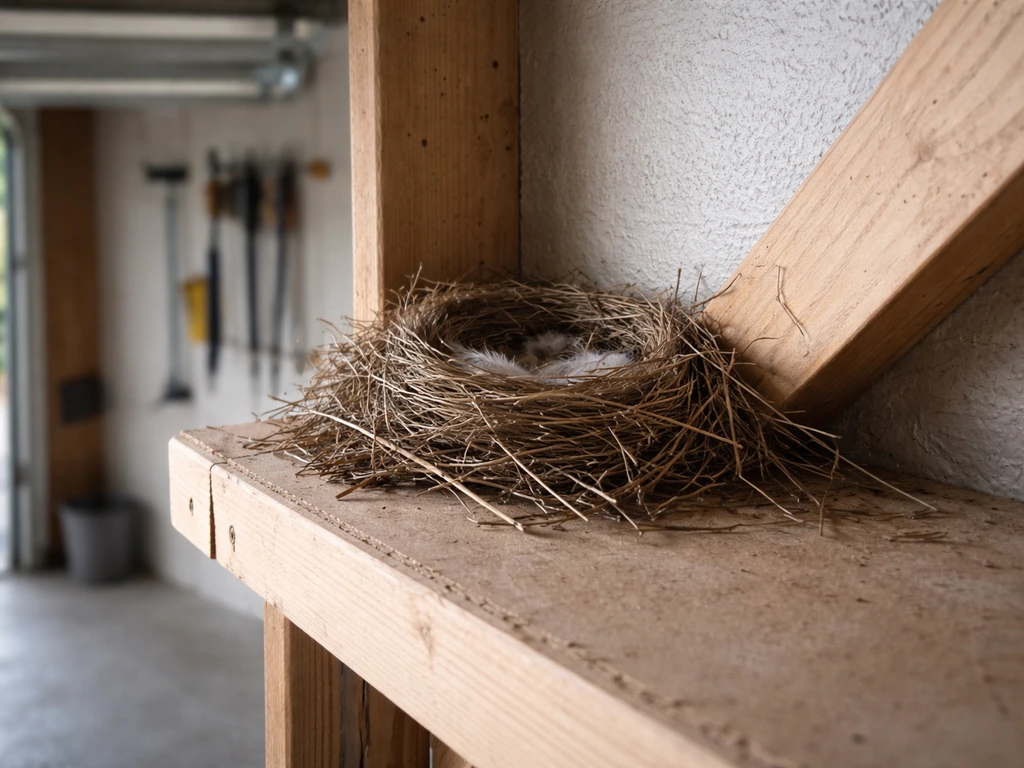
, disturbing or removing an active nest is illegal under the Migratory Bird Treaty Act, and the smart move is to take a quick look, snap a photo, then give the birds space while you figure out your next steps. This guide will walk you through exactly what to assess, what the law requires, how to coexist for the short time the birds need, and how to safely clean up and prevent a repeat once they have fully left.
Stop here first: what to do (and not do) right now
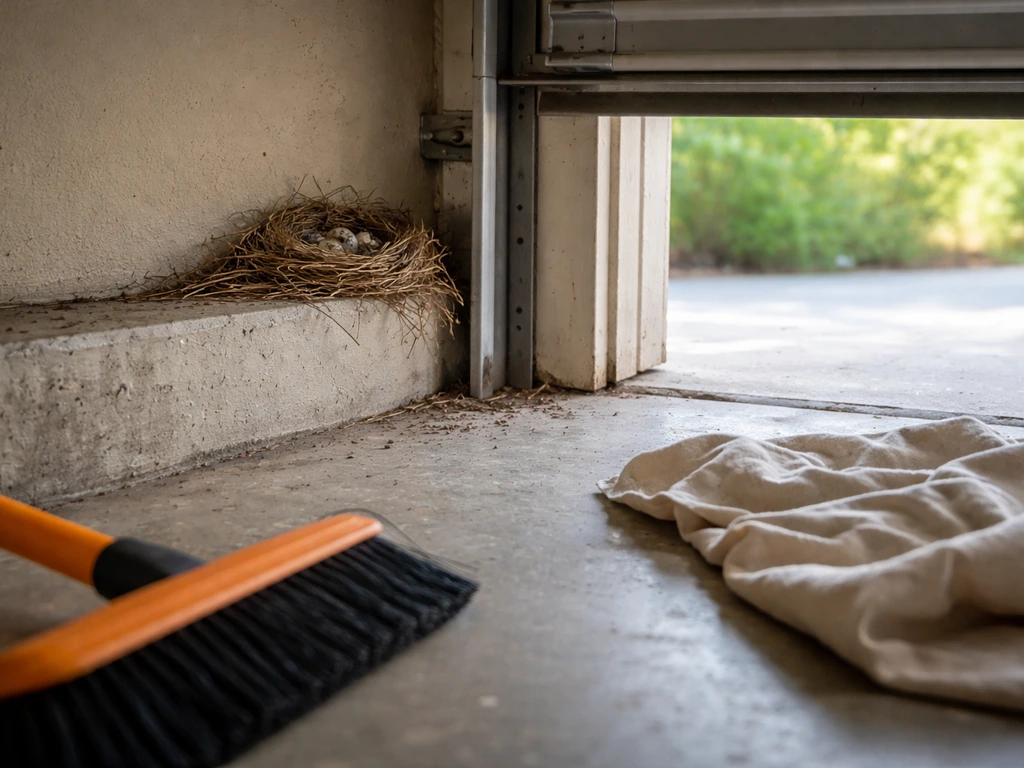
Before you grab a broom or close the garage door for good, run through this quick checklist. The decisions you make in the first few minutes matter a lot, both for your legal standing and for the birds' survival.
- Do not touch, move, or cover the nest. Even well-intentioned handling can cause parent birds to abandon eggs or young.
- Do not seal the garage shut. If parent birds are actively tending the nest, sealing the space traps them or cuts off their access entirely.
- Do not spray pesticides or use smoke, repellent sprays, or loud noise to drive the birds away from an active nest.
- Do take a photo right now, from a safe distance. This helps you identify the species and life stage, and documents what you found.
- Do note whether you see eggs, naked or downy nestlings, feathered chicks, or adult birds flying in and out.
- Do reduce foot traffic and loud noise near the nest for now. Park outside if you can and limit activity in that part of the garage.
If a bird appears injured, is lying on the ground, or a nestling has clearly fallen from the nest and is not feathered, jump ahead to the section on calling a professional. For everyone else, your first job is simply to observe and identify.
Identify the nest: what you are looking at and who built it
Garage nests appear in a handful of predictable spots: on top of a shelf or beam, tucked into the corner of a rafter, balanced on a light fixture, or wedged into a gap in the wall. Where the nest sits, what it is made of, and how it looks will usually tell you the species. Take your photo and check these details.
Common garage-nesting species and what their nests look like
| Species | Typical location | Nest materials and shape | Eggs or young to expect |
|---|---|---|---|
| House Wren | Any sheltered cavity, shelf, or open container | Loose pile of sticks with a softer cup of grass and feathers inside; looks messy and improvised | 5–8 small white eggs with reddish-brown speckles; tiny pink nestlings |
| House Sparrow | Beam corners, light fixtures, gaps in siding near the roofline | Bulky, domed or messy mound of grass, feathers, paper, and string | 4–6 whitish eggs with gray-brown spots; feathers appear quickly on young |
| Barn Swallow | Flat ledge or rafter, often near an open door or window | Cup of mud pellets mixed with grass, lined with feathers; attached to a vertical surface | 4–5 white eggs with rust-brown spots; nestlings have wide yellow gapes |
| American Robin | Flat shelf or beam with some overhead cover | Sturdy mud cup reinforced with grass, lined with fine grass; very tidy | 3–5 bright blue eggs; nestlings are naked at first, then develop quickly |
| European Starling | Any hole, gap in eaves, or open pipe opening | Loose, smelly pile of grass, leaves, and feathers stuffed into an enclosed space | 4–6 pale blue or greenish eggs; loud, hissing nestlings |
House Wrens and House Sparrows are by far the most common garage nesters because they actively seek enclosed, human-structure spaces. Barn Swallows pick garages with doors left open during the day. Robins favor any flat, sheltered ledge. If you have a gap near your roofline that opens to the interior, starlings may have moved in. Note that starlings and House Sparrows are non-native, invasive species in the U.S. and are not protected under the Migratory Bird Treaty Act, which does change your legal options slightly (more on that below).
Identify the life stage before you do anything else
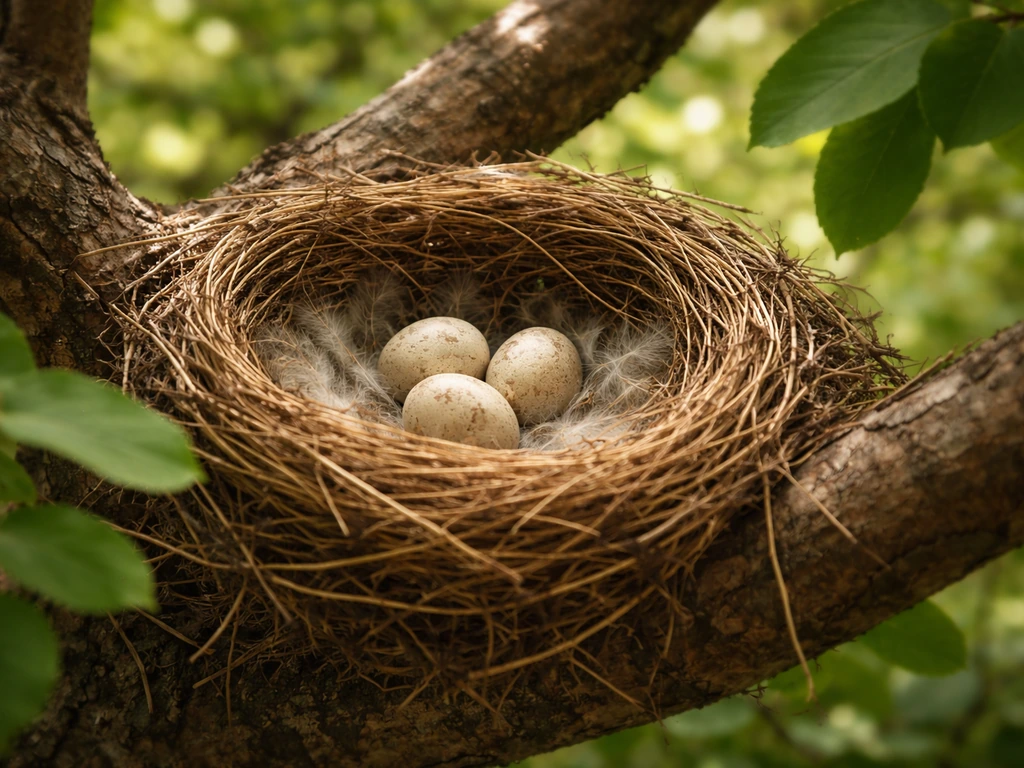
The life stage of the nest determines everything: what the law requires, how long you need to wait, and what actions are even safe to take. Look carefully from a respectful distance and match what you see to one of these stages.
- Empty nest under construction: Parent birds are carrying materials in. No eggs yet. This is the one moment where exclusion is legally simplest for protected species, though you should still act quickly and calmly.
- Eggs present: The nest is active and fully protected. Do not touch it. Incubation periods vary by species but typically run 10–15 days for common garage nesters.
- Nestlings (hatchlings): Naked or downy chicks that cannot yet regulate temperature or leave the nest. Fully protected. They are dependent and completely immobile.
- Fledglings: Feathered young birds that may be hopping around the garage floor or fluttering short distances. They still depend on parent birds for food and guidance. Do not assume they are abandoned just because they look 'lost'.
- Inactive nest: No eggs, no chicks, no adult birds returning. Nest has been unused for at least several days. This is when legal cleanup becomes straightforward for most species.
The legal and ethical rules every homeowner needs to know
The Migratory Bird Treaty Act makes it illegal in the United States to destroy, move, or disturb a nest that contains eggs or chicks, or that young birds are still depending on for survival. The U.S. Fish and Wildlife Service is clear: you generally must wait until a nest is fully inactive before removing or destroying it. Inactive means no eggs, no live chicks, and the birds are no longer using it. A permit can be issued for removal of an active nest, but only when the nest is creating a genuine human health or safety hazard, and even then, waiting for inactivity is usually required first.
In practical terms, this means the vast majority of garage-nest situations require you to simply wait. The typical nesting cycle for common garage species runs a few weeks from egg-laying to fledging, which is genuinely not a long time. The exceptions that might justify faster action are: an active nest directly above electrical wiring creating a fire risk, a nest in a location where droppings are contaminating food, or a situation involving a species not covered by the MBTA.
Species that are not protected under U.S. federal law
House Sparrows and European Starlings are not native species and are explicitly excluded from MBTA protection. This means their nests, eggs, and young can legally be removed in the U.S. without a federal permit. That said, some individual states have their own protections or regulations, so check your state wildlife agency's rules before taking action. Even when it is legal, waiting until a nest is empty is still the more humane approach if the situation is not urgent.
A word on local and state rules
Federal law sets the floor, but states can go further. Before removing any nest, even one you believe is inactive, take five minutes to check your state wildlife agency's website or call them. Some states protect additional species beyond the federal list. If you are in Canada, the Migratory Birds Regulations similarly prohibit damaging or destroying nests that contain a live bird or viable egg, and the same general principle of waiting for inactivity applies.
How to peacefully coexist while the birds finish nesting
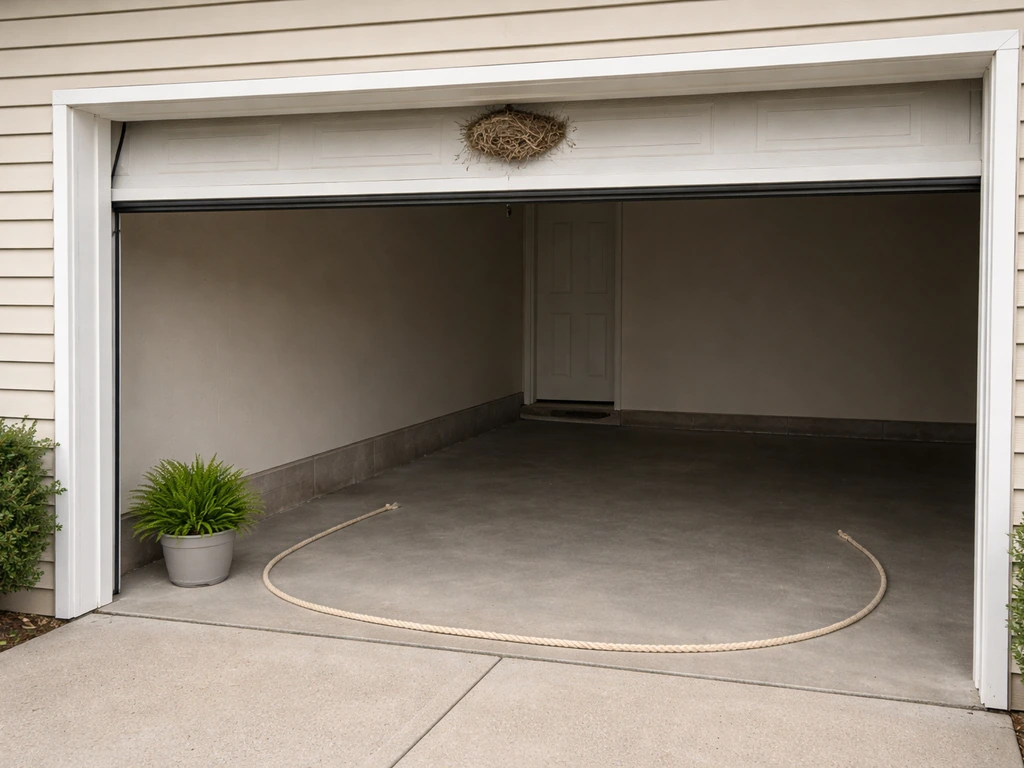
Coexisting with a garage nest for a few weeks is easier than it sounds. The birds mostly want to be left alone, and the less you disturb them, the faster the cycle completes and the sooner you can reclaim your space.
Managing garage access
If the nest belongs to Barn Swallows or another species that needs to fly in and out, leave the garage door open at predictable times: early morning and late afternoon are when parent birds are most active. If you can, prop a small gap open rather than the full door to reduce how much the space feels like a thoroughfare. For species nesting inside a wall cavity or gap, the birds have their own entry point and the garage door itself is less relevant.
Try to keep your routine as consistent as possible. Birds are more stressed by unpredictable changes (sudden loud sounds, the garage door slamming repeatedly) than by routine human activity. If you normally park a car in the garage, moving it outside during the nesting period is the most considerate option and reduces your daily disturbance significantly.
Deterrents you can use without destroying the nest
You cannot use deterrents that disturb an active nest, but you can use them to protect the area around the nest from predators or to discourage birds from landing on adjacent surfaces. Reflective tape or hanging strips near the garage entrance can deter some species from choosing neighboring spots. A motion-activated light aimed away from the nest can discourage raccoons or cats that might approach at night. Do not place sticky traps, snap traps, or poison anywhere near a nest.
One-way exclusion doors: when and how they work
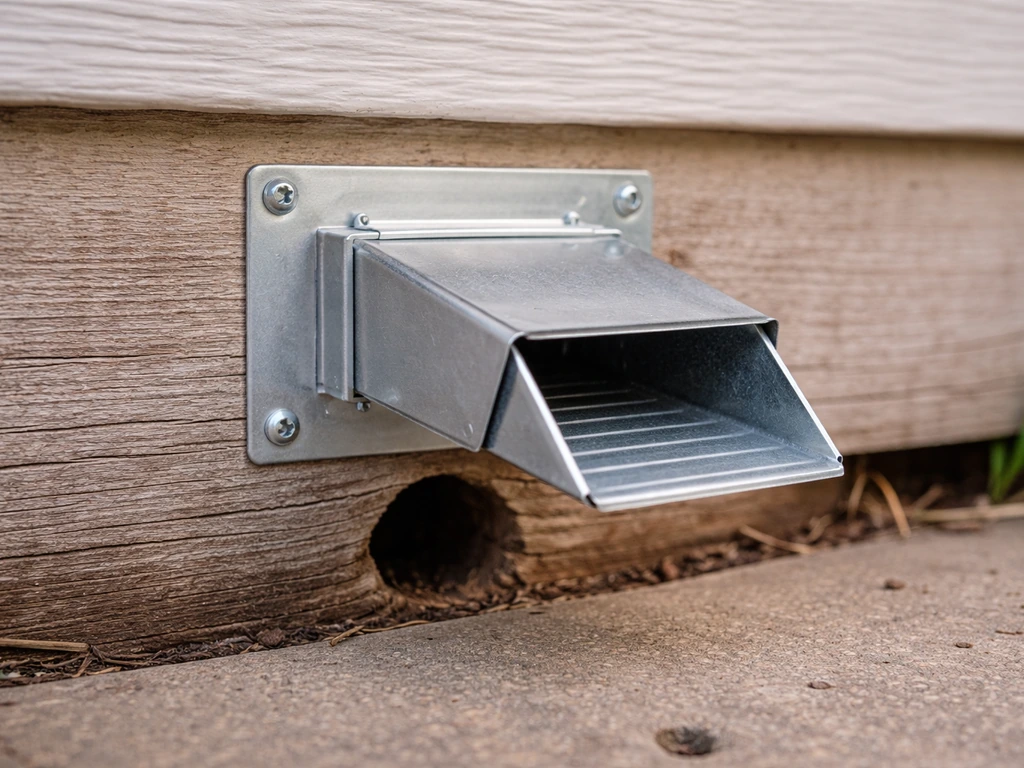
One-way exclusion devices are mechanical tunnels or flap doors placed over a bird's entry hole that allow birds to exit but not re-enter. These are legitimate tools for specific situations, but they have an important rule: never install a [one-way door](https://www. idph. state.
il. us/envhealth/pdf/BirdControlManual. pdf) while eggs or nestlings are in the nest, because you will seal the parents out and the young will die. One-way exclusion is only appropriate once you have confirmed the nest is at or past the fledgling stage and young birds are mobile enough to exit on their own.
You also need to seal all other entry points at the same time, or the birds will simply use a different gap. If you are unsure about timing or have multiple entry points to manage, this is worth handing to a professional.
When to call a wildlife rehabilitator or bird control professional
Most garage nest situations do not require professional help, but some do. Call a licensed wildlife rehabilitator if you find a nestling on the ground that appears injured, cold, or clearly abandoned (parent birds have not returned in several hours during daylight). Call a professional bird control company if you are dealing with a large colony of roosting birds generating heavy fecal contamination, if the situation involves an aggressive predator (like a raccoon that has found the nest), or if you genuinely cannot identify the species and are uncertain about legal status.
If a nestling has simply hopped or fallen out of the nest and you can see the nest, you can gently place it back. The widely repeated myth that parent birds reject young touched by humans is not accurate for most species. Use gloved hands and work quickly. If the nest itself is inaccessible or destroyed, contact a rehabilitator for guidance on a surrogate nest.
- Call a wildlife rehabilitator: injured bird, nestling that has been alone for hours with no parent return, bird that appears sick or disoriented
- Call a bird control professional: large accumulation of droppings creating health risk, colony situation (many birds, not one nest), uncertain species or legal situation, aggressive predators making the nest inaccessible
- Contact your state wildlife agency: you need a permit to remove an active nest due to a genuine safety hazard, or you want legal clarity on a specific species
- Call a pest control or hazardous waste company: the volume of droppings is significant enough to require professional remediation (see the cleanup section below)
How long will this actually take: eggs, nestlings, and fledglings by the calendar
One of the most common questions homeowners have is simply: how long do I need to wait? The honest answer is that it depends on the species, but for the birds most likely to nest in your garage, the window from egg-laying to the young leaving is typically four to six weeks total. Here are realistic timelines for the most common garage-nesting species.
| Species | Incubation period | Nestling period | Approximate total from first egg to fledging |
|---|---|---|---|
| House Wren | 9–16 days (often ~13 days) | 15–17 days | About 4–5 weeks |
| House Sparrow | 10–14 days (average ~11 days) | 10–16 days (average ~14 days) | About 3–4 weeks |
| American Robin | 12–14 days | 9–16 days | About 3–4 weeks |
| Barn Swallow | 13–17 days | 18–23 days | About 5–6 weeks |
| European Starling | 11–15 days | 20–23 days | About 5–6 weeks |
The peak nesting season for most migratory birds in North America runs roughly May 15 through July 15, though species and regional climate adjust those dates. Since today is May 21, if you are finding a nest right now, you are right at the height of nesting season. A nest with fresh eggs discovered today could have fledglings ready to leave by late June. Many species also attempt two or even three broods per season, so do not be surprised if the same pair returns to the same spot later in summer.
The best way to get an accurate timeline for your specific nest is to identify the species and look up the life history on a resource like Cornell Lab's All About Birds or NestWatch. Both provide incubation and nestling periods by species so you can calculate a realistic exit date for the birds in your garage.
After the birds leave: cleanup, sanitation, and stopping it from happening again
Once you are confident the nest is fully inactive, meaning you have not seen the adult birds return for several days and there are no eggs or chicks remaining, you can move forward with cleanup and exclusion. Do not rush this step. Wait a few extra days past when you last saw activity to be sure.
Safe cleanup of the nest and droppings
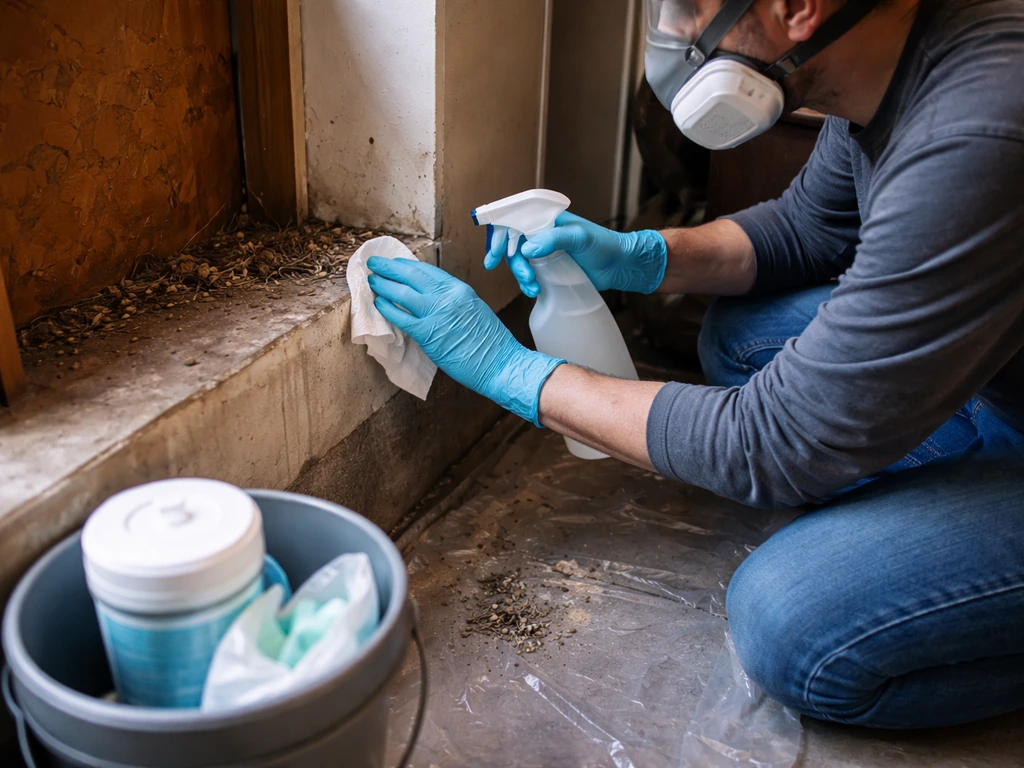
Bird droppings can carry fungal spores that cause histoplasmosis, a respiratory illness. The CDC and NIOSH recommend preventing droppings from accumulating in the first place, but once you are dealing with cleanup, the right protective gear matters. Wear disposable gloves, a NIOSH-certified N95 respirator or better, and eye protection. Dampen dry droppings with water before handling to prevent dust from becoming airborne, then scoop and bag the material rather than dry-sweeping or vacuuming.
A vacuum cleaner designed for dry debris can be used if it has a high-efficiency filter, but standard household vacuums are not appropriate for large amounts of dried droppings. If the accumulation is significant, treat the cleanup as hazardous waste and consider hiring a professional company that specializes in this work. In some cases, [large amounts of bird or bat droppings should be cleaned up by a professional company specializing in hazardous waste handling](https://www. cdc.
gov/niosh/histoplasmosis/prevention/index. html), according to CDC (NIOSH).
After removing the nest and droppings, clean the surface with a diluted bleach solution (one part bleach to ten parts water works for most hard surfaces) or an enzyme-based cleaner that breaks down organic matter. Let the surface dry completely before applying any sealant or paint. This step also addresses odor, which can otherwise linger and attract other birds to the same spot.
Preventing re-nesting next season
Birds return to successful nesting sites. Many of these same steps apply if you are trying to figure out which bird makes nest in cactus plants instead of a garage. If a pair fledged young in your garage this year, there is a good chance they or their offspring will attempt the same spot next spring. The time to act is now, after the birds have fully left, not in the middle of next April when a new nest is already under construction.
- Seal all gaps, cracks, and openings larger than half an inch in the garage walls, eaves, and roofline. Use hardware cloth, caulk, or foam sealant depending on the size and location of the gap.
- Install bird netting or wire mesh over open rafters or shelving areas where the nest was built, before next spring.
- Keep the garage door closed whenever the space is not in active use, especially during April through July.
- Remove any flat ledges, loose debris, or stored items that create inviting nest platforms on shelves and beams.
- If Barn Swallows are the issue, install physical exclusion (netting or angled boards) under eaves and along ledges before February or March, before they scout nesting sites.
- For recurring sparrow or starling problems inside wall gaps, seal every opening after the current brood has fledged and confirm no birds remain inside before sealing permanently.
It is worth noting that the same principles apply to birds nesting in other parts of your home. If you are also dealing with birds getting into your roof or eaves, the identification and exclusion approach is nearly identical, though roofline work usually requires more access and sometimes professional help. The key habit is the same: wait for inactivity, then seal.
The whole process, from discovering the nest today to finishing cleanup in a few weeks, is genuinely manageable. The birds need a short window of time and minimal disturbance. Give them that, stay legal, and you will have a clean, properly sealed garage before summer is out. Some birds also nest in gourds, so the same basic identification and legal-protection rules apply what bird nests in gourds.
FAQ
I saw the adults leave the garage for a bit. Does that mean the nest is safe to remove now?
Not necessarily. Adults often pause while foraging, so use a more conservative test: wait until you have no evidence of eggs or live chicks and you have not seen adult returns for several days. If you can, look at the nest location from the same angle over multiple days before touching anything.
The nest looks abandoned, but I still hear chirping sometimes. What should I do?
If you hear any persistent begging calls or see chicks moving, treat it as active. Do not clean, block, or install exclusion devices, because partial activity usually means the nest is still protected and the young may still depend on adults to feed them.
Can I close the garage door to keep birds from getting in and out?
During the active nest period, avoid actions that trap or restrict adult access, such as repeatedly closing the door during peak feeding times. Instead, use a controlled opening strategy (when needed) that keeps a predictable route for the parents, then switch to closing only after the nest is fully inactive.
What if the nest is in a place I must access daily, like a light fixture or above a door track?
Minimize disruption and plan around your entry. For example, reduce slamming or loud movements, park and open the garage door consistently, and keep traffic away from the nest area. If the location creates a genuine safety issue you cannot manage with simple behavior changes, contact a licensed wildlife professional to assess legal options.
Is it okay to relocate the nest to another spot inside my garage?
No, relocating an active nest generally counts as disturbing it and can be illegal for protected species. Even if you think the birds will “adapt,” moving the nest can injure chicks, expose eggs to damage, and violate federal rules. The safer path is waiting for inactivity, then cleaning and sealing.
Does the rule apply to any birds, or only to certain species?
The federal protection framework depends on species and nest status. In practice, if you cannot confidently identify the bird, assume you must follow the “do not disturb active nest” approach until you verify whether the species is protected and whether the nest is inactive.
I’m worried about fire risk because the nest is near wiring. Can I remove it immediately?
If there is an immediate electrical hazard, you may need urgent action, but do it in a way that does not disturb eggs or chicks unless you have professional guidance. The typical approach is to secure the area (turn off power if safe to do so), contact an electrician or wildlife professional, and determine whether you must wait for inactivity or can address the wiring without touching the nest.
Can I use a ladder, scrape, or vacuum to remove nesting material while the birds are still around?
Avoid scraping, vacuuming, or removing nesting material during activity. Even if adults are absent for a moment, eggs or chicks may still be present. Also, vacuuming can spread contaminated dust if droppings are involved, so cleanup should wait until inactivity and use appropriate PPE and methods.
If I find a fallen nestling, is it always okay to put it back?
Put-back guidance only applies when the nestling is not injured and the nest is accessible. If the nestling is cold, bleeding, obviously injured, or if parents have not returned for several hours during daylight, contact a wildlife rehabilitator instead of attempting to re-nest it.
How do I confirm the nest is “fully inactive” before cleanup?
Use more than one check. You generally want no eggs or live chicks present and no adult returns over multiple days (not just overnight). If you see any new nest building, egg handling, or feeding behavior, treat it as active and postpone cleanup.
I want to prevent next year’s nesting. What should I do after the birds leave?
After inactivity, remove nest material and clean thoroughly, then seal the specific entry gaps you suspect. Common fixes include repairing soffit or roofline openings, closing small cracks with durable materials, and restoring damaged screens. Check again after weather changes, because new gaps can appear as structures expand and contract.
Will cleaning with bleach attract birds back because of the smell or residue?
Proper drying and thorough surface cleaning help reduce lingering odor. Let the area fully dry before sealing or painting, and avoid leaving residues that create odors or food-like scents. If the spot still draws birds after cleanup, revisit whether all entry routes were truly sealed.
What if the nest keeps happening every spring, and I cannot seal everything before nesting starts?
Consider a “monitor then seal” plan. During early nesting season, monitor the spot from a distance without disrupting birds, then once the nest fully finishes, do a detailed sealing job promptly. If you have multiple entry points, address them all at once during the inactive window so the birds cannot switch to a nearby gap.
Next Articles
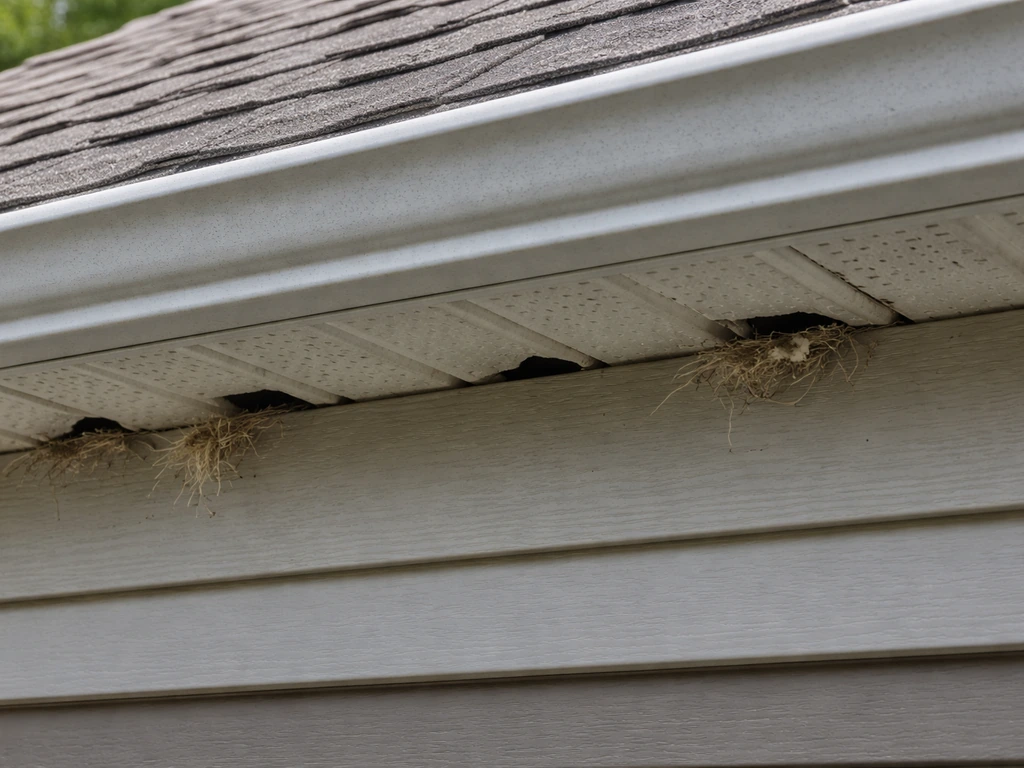
What Bird Is Nesting in My Roof? Identify and Act Safely
Identify roof nesters, assess if active, stay safe, and use humane deterrents and prevention after fledging.
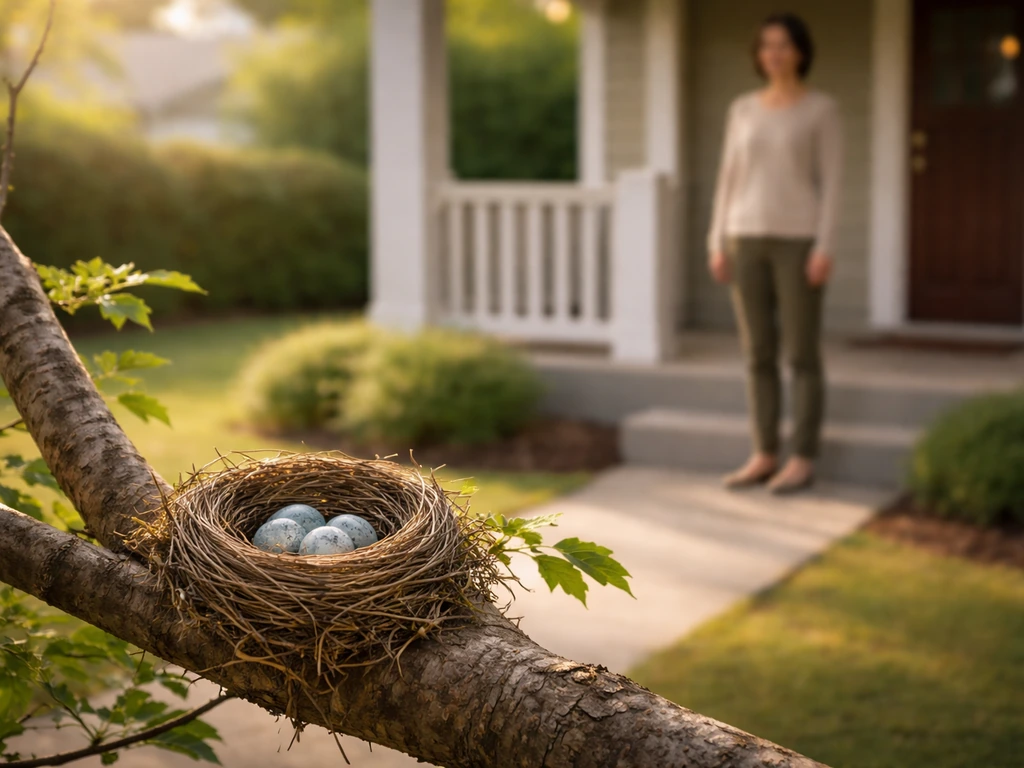
Should I Let a Bird Build a Nest? What to Do Today
Decide if to let a bird nest, how to check activity, avoid disturbance, and handle conflicts safely and legally.
Can You Make a Nest for a Bird? Safe, Legal Steps
Learn safe, legal ways to help birds nest with proper materials and nest boxes, avoid active nests, and prevent harm.