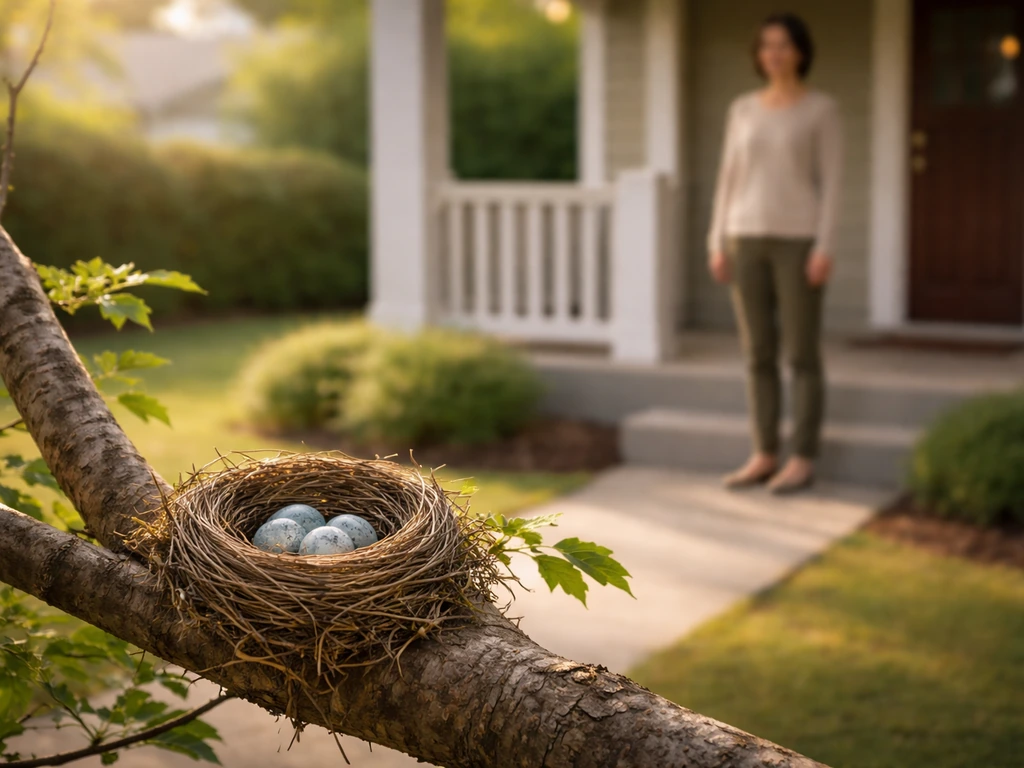
If you've found an active bird nest and you're worried about predators, the good news is there are safe, effective steps you can take today. The approach depends on three things: whether the nest is truly active, what kind of predator is the threat, and where the nest is located. Get those three pieces of information right, and the rest falls into place.
How to Protect Bird Nest From Predators: Step-by-Step

Maya Bennett
12 Apr 2026
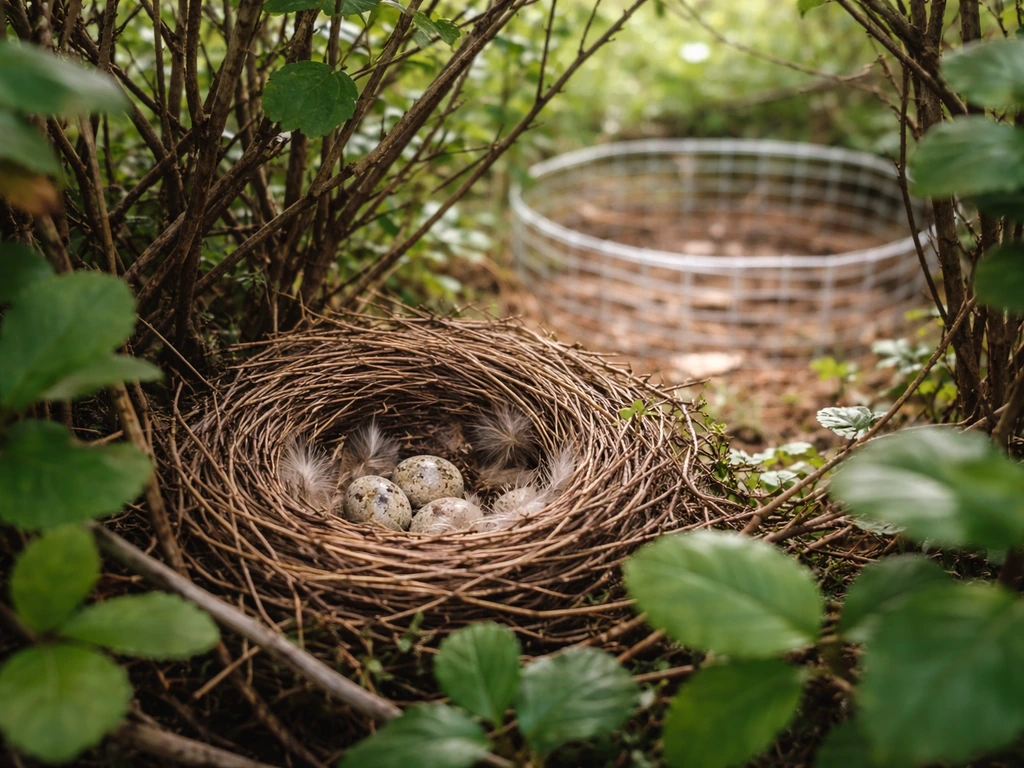
First things first: is the nest active and what are you dealing with?
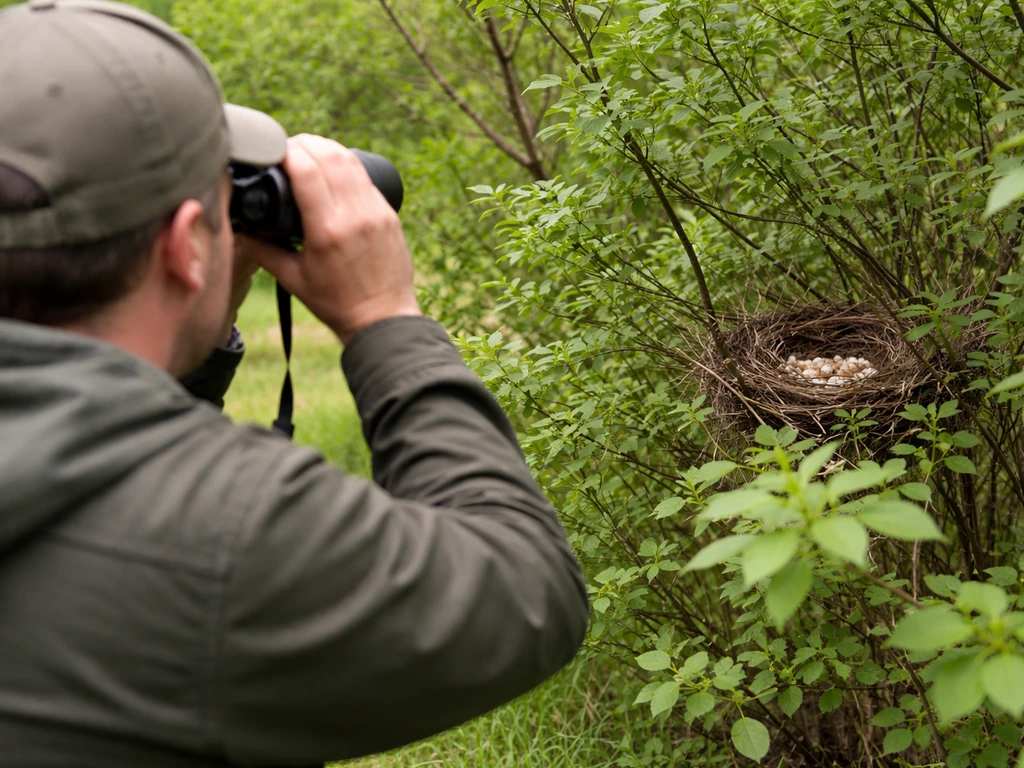
Before you do anything else, confirm the nest is actually active. This matters legally and practically. Under the Migratory Bird Treaty Act (MBTA), it is illegal to destroy, move, or interfere with a nest that contains eggs or chicks, or young birds still dependent on it for survival. Violations can carry real criminal penalties. So your very first step is to verify what you have.
Use binoculars from at least 15 to 20 feet away. Watch for adults returning to incubate or feed. A nest that looks empty may simply have a female sitting low inside, or adults may only visit once in the early morning. NestWatch specifically warns that people frequently misclassify active nests as abandoned because adults aren't visible every hour. Eggs can still hatch and chicks can still fledge from a nest that looked unattended for hours. If you're unsure, wait and watch over a full morning before drawing conclusions.
While you're observing, note the nest's location and construction. A cup nest woven into a shrub about 4 feet off the ground is in very different predator territory than a cavity nest inside a wooden birdhouse mounted on a post. How bird nests stay together can actually tell you a lot about what species built it and what kind of exposure it was designed to handle. Mud-reinforced cups suggest robins or swallows; loosely woven grass cups suggest sparrows; bark and lichen exteriors suggest vireos. Species identity helps you predict which predators are most likely attracted to it.
Identify the likely predator and understand what 'exposed' really means
Not all predator threats look the same, and your countermeasures should match the actual threat. Ground and climbing mammals, aerial predators, and nest-raiding birds each require a different response.
Mammals: cats, raccoons, squirrels, and opossums
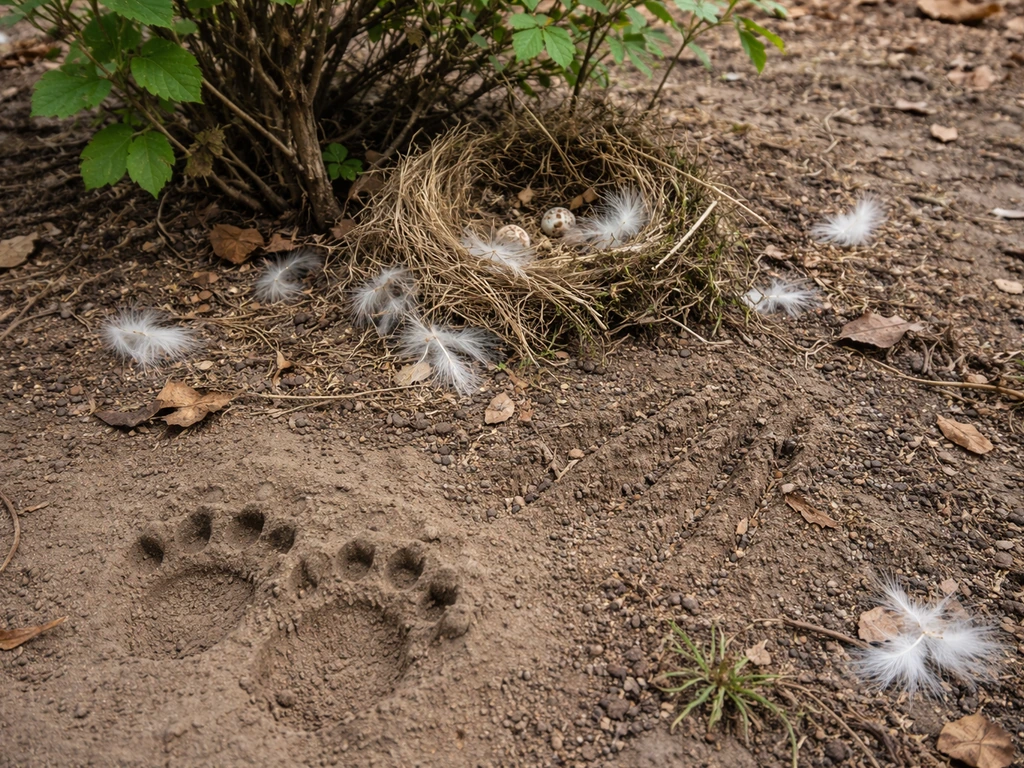
These are usually the top threat for nests in low shrubs, on porches, in nest boxes on wooden posts, and on the ground. Signs include disturbed nest material, missing eggs, or claw marks on nearby surfaces. House cats are a significant and well-documented threat, especially for nests below 6 feet. Raccoons are capable climbers and have long enough arms to reach into a standard 1.5-inch birdhouse entrance hole.
Snakes
Snakes are a major nest predator that many people overlook. They can climb wooden fence posts, tree trunks, and even metal poles if given enough grip. If you've noticed snake activity in your yard, or if eggs are disappearing without obvious signs of mammal activity, a snake may be the culprit. You can learn more about this specific threat in our guide on how to keep snakes away from bird nests, which covers species-specific behavior and targeted deterrent options.
Aerial predators: hawks, crows, and jays
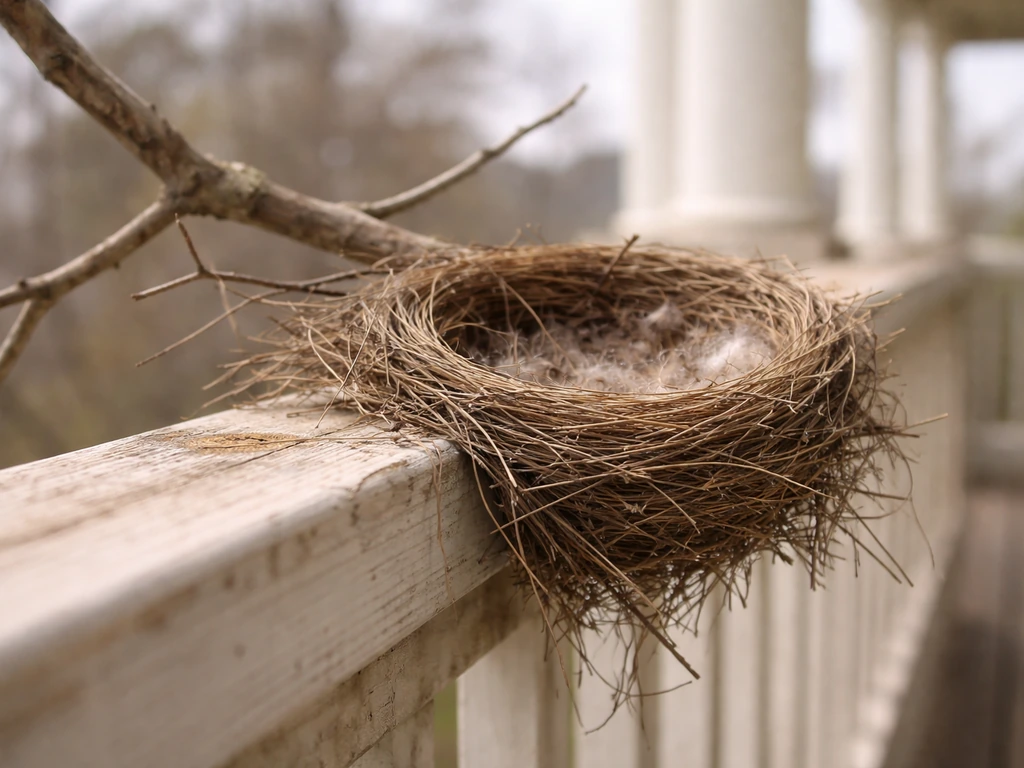
Open-cup nests in exposed locations, especially those on porch railings, fence tops, or bare branches, are most vulnerable to aerial predation. Crows and jays are intelligent, persistent nest raiders. Hawks tend to be more opportunistic. Signs of aerial predation include missing eggs or chicks with no nest damage, or adults giving loud alarm calls repeatedly throughout the day.
What 'exposed' means in practice
A nest is truly exposed when it lacks overhead cover, has a clear approach path from multiple directions, sits on a surface accessible from the ground, or is visible and reachable from a nearby structure. A nest tucked deep inside a dense holly bush is significantly less exposed than one sitting on top of a hanging basket on a sunny porch. The more exposed the nest, the more urgent the intervention.
Non-invasive steps you can take right now
Start with the things that have zero risk to the birds and can be done immediately, before you install anything physical.
- Keep cats indoors during the entire nesting period. A fenced yard alone will not stop cats or most other predators. If it's a neighbor's cat, have a direct conversation and explain the situation.
- Remove food attractants from the area. Unsecured trash, open compost, pet food left outside, and accumulated birdseed under feeders all draw raccoons, opossums, and other mammals. Rake up soggy seed under feeders and move compost bins away from nesting areas.
- Temporarily take down or move bird feeders near the nest. Feeders concentrate bird activity and that activity attracts predators. This is especially important if crows or jays are regulars at your feeders.
- Reduce your own disturbance. Every time you approach the nest, you risk stressing the parents into flushing, which can expose the eggs or chicks. Stress-related nest abandonment is a real outcome, and even well-intentioned visits add up.
- Keep dogs leashed or confined when near nesting areas. Even a dog investigating a hedgerow can flush a ground-nesting bird and expose a nest to aerial predators.
One thing that surprises people: if you have bird feeders or a birdbath on a pedestal near the nesting area, you may be making things worse. Concentrated bird activity near a pedestal birdbath, for example, can attract both cats and corvids. Consider relocating feeders and birdbaths at least 30 feet from the nest zone for the duration of the nesting cycle, which typically runs 4 to 6 weeks from egg-laying to fledging depending on the species.
Physical protection: barriers, covers, and placement fixes
Physical deterrents are the most effective tool in your kit, but they have to be installed correctly and matched to the nest type. The wrong barrier can actually trap or injure birds.
For cavity nests and nest boxes
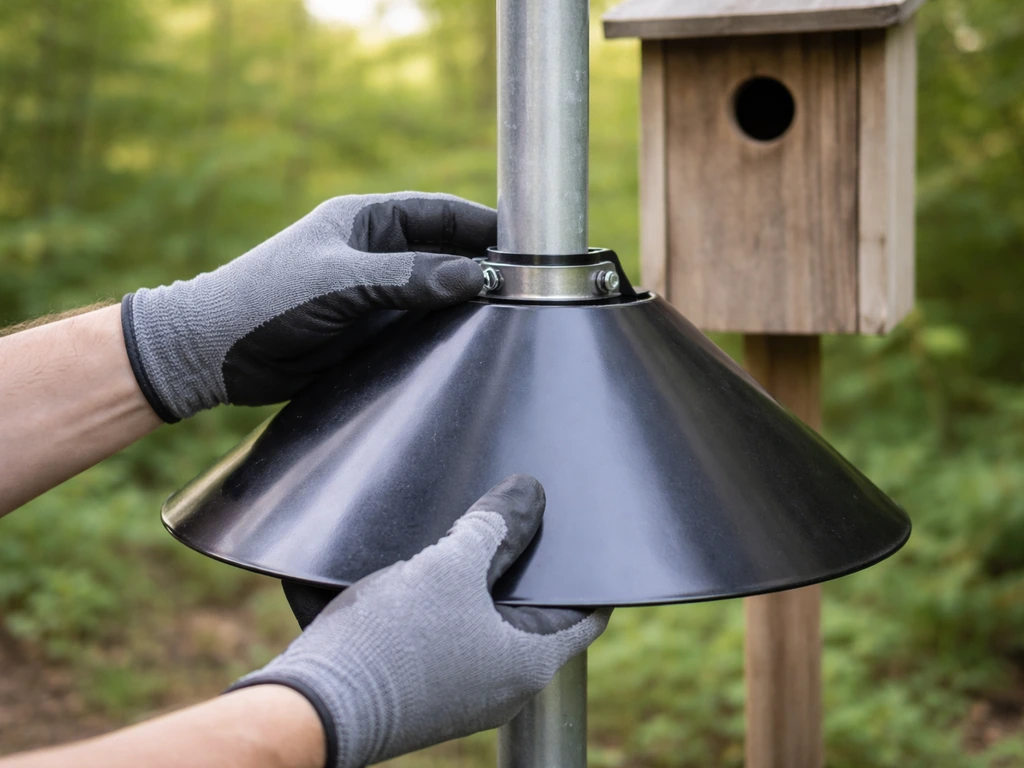
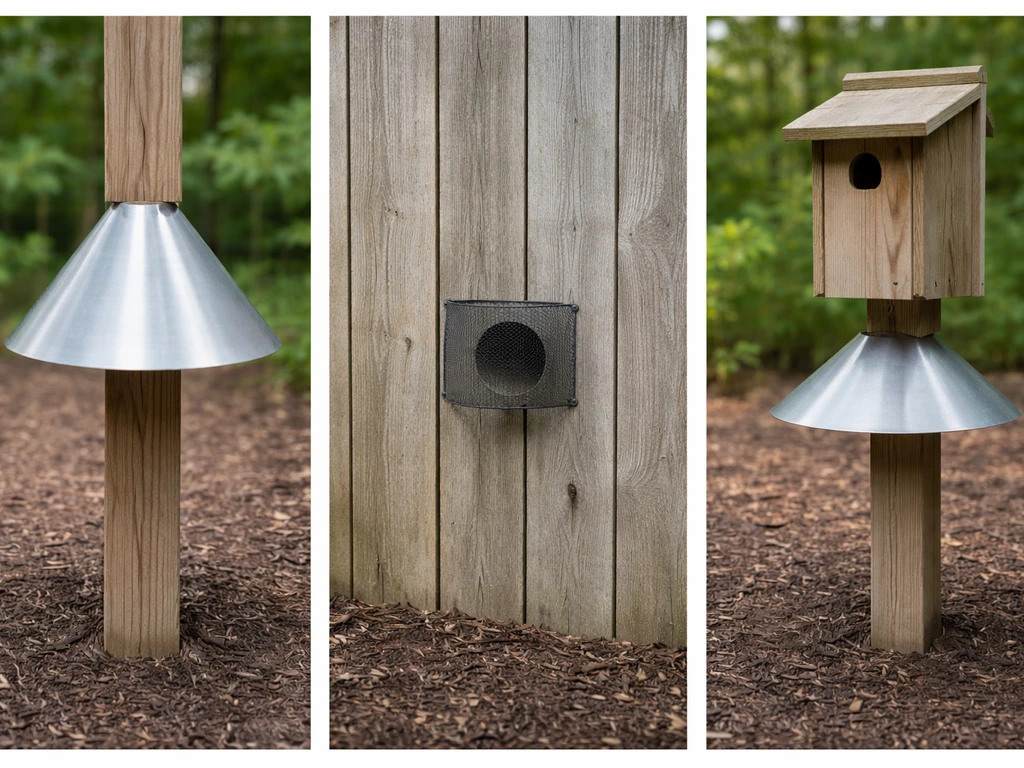
Nest boxes are the easiest situation to address. The two most effective tools are a predator baffle on the mounting pole and a hole guard at the entrance. A baffle is a cone or cylinder (typically 24 inches in diameter for raccoon prevention) placed on the post below the box, preventing climbing mammals from reaching the box at all. Hardware cloth entrance guards made from 1/2-inch mesh wire can be formed into a short tunnel (about 3 inches deep) around the entrance hole, preventing raccoons and cats from reaching in and raking out eggs or nestlings. This type of guard, sometimes called a Noel guard after its original designer, is a proven, widely used option in the bluebird conservation community. Some nest box programs also use a plastic tube or cylinder fitted around the entrance hole to prevent foreleg reach-in.
For pole-mounted boxes, switching from a wooden post to a smooth metal conduit pole (at least 1 inch diameter, 5 feet tall) dramatically reduces snake and mammal access, especially when combined with a baffle. If your box is currently mounted on a wooden fence post or tree, that's the highest-priority fix.
For open-cup nests in shrubs or trees
This is trickier because you cannot move or alter the nest itself without risking abandonment and potentially violating the MBTA. Your options are environmental: prune back any low branches or structures that give mammals a "bridge" to the nest, and add physical deterrents to the trunk or main branch leading to the nest. Wrapping the tree trunk with a smooth metal collar or baffle (at least 24 inches wide, positioned about 4 feet off the ground) can block climbing. Avoid wrapping the trunk so tightly that it damages the bark or restricts growth.
For exposed nests on porches, railings, or low structures
If a nest is on a porch rafter or beam, you can add overhead cover by loosely draping a piece of burlap or canvas above and to the sides, far enough away that adults can still approach and depart easily. The goal is to break the sight line from above for aerial predators and to make the approach less accessible. Do not enclose the nest, do not add any material that could entangle birds, and do not use netting. Loose netting is one of the most dangerous things you can place near an active nest. Birds, especially fledglings making their first flights, can become entangled and die. Any cover you add should be secured firmly so it cannot fall or shift onto the nest.
Weather can also compound the problem when a nest is in an exposed spot. Nests on porches, fences, or open branches are often hit by driving rain in addition to predator pressure. If that's a concern for your situation, our guide on how to protect a bird nest from rain walks through overhead cover options in more detail, and many of those solutions double as partial predator screens.
For ground nests
Ground nests are the most vulnerable. If you can identify the nest's location, mark the perimeter with small stakes and bright flagging tape so you, your family, and any contractors don't accidentally walk through it. Keep a 10-foot buffer. If cats or mammals are the known threat, a temporary wire exclusion cage made from 1/2-inch hardware cloth placed loosely over (not touching) the nest can provide real protection, with an opening large enough for the adult to enter and exit freely. Check that the adults are still using the nest after installation before walking away.
Deterring other birds that threaten the nest
Nest predation by other birds, particularly crows, blue jays, house sparrows, and European starlings, is common and frustrating. The good news is there are legal, non-harmful approaches. The bad news is none of them are perfect.
For corvids (crows, jays, and magpies), visual deterrents like reflective tape or hanging CDs near the nest can work for a few days, but corvids are smart and habituate quickly. More effective is removing what's attracting them to your yard: stop leaving out food scraps, move feeders away, and reduce any open compost. Corvids are also territorial, so if a nesting pair of the same corvid species is already present in your yard, other corvids will often be driven off by them naturally.
For house sparrows and starlings targeting nest boxes, the species-specific approach is your best tool. If you're monitoring a bluebird or tree swallow box and house sparrows are competing aggressively, you can remove a house sparrow nest from the box (house sparrows and European starlings are not protected under the MBTA, as both are introduced, non-native species). Do not remove any native bird's nest under any circumstances. If the species isn't clear to you, err on the side of caution and contact a local birding group or wildlife agency.
For situations where you have multiple nest boxes or want to manage nest site competition across your yard, our overview of how to keep bird nests away from certain locations covers placement strategies that reduce conflict without harming any birds.
There is one thing that occasionally helps with aerial harassment: the presence of nesting mockingbirds, kingbirds, or red-winged blackbirds nearby. These species are famously aggressive defenders of their territories and will actively mob and chase off crows, hawks, and other large birds. You can't exactly invite them in, but keeping your yard habitat-rich increases the chance they'll set up nearby.
Things that will make the situation worse, not better
Some of the most common instincts people have when they find a threatened nest are either legally risky, actively harmful to the birds, or both. Here's what to avoid.
- Do not move or relocate the nest. Even moving it a few inches can cause abandonment. Moving it more than a foot or two almost guarantees it. Adults locate the nest by its exact position relative to surrounding landmarks, not by smell.
- Do not use loose netting or bird netting over or near the nest. Birds and fledglings become fatally entangled. If you want to read more about safe versus unsafe uses of netting around birds, the RSPCA's guidance covers this clearly.
- Do not use chemical repellents near or on the nest. Sticky compounds, mothballs, and aerosol deterrents can poison nestlings directly or make adults reluctant to return.
- Do not use decoys or fake predators without rotating them. A plastic owl placed 10 feet from the nest sounds useful but becomes invisible to local wildlife within a day or two. Corvids in particular learn quickly that it doesn't move.
- Do not approach the nest repeatedly to check on it. Every visit is a stressor. More than one visit per day is too many. Use binoculars.
- Do not use drones or cameras on extensions to peer into the nest. The close approach stress can cause adults to flush, and repeated flushing can result in eggs cooling, chick abandonment, or premature fledging, all of which reduce survival odds significantly.
- Do not assume a nest is abandoned after a short watch. As noted above, adults may only visit once in the early morning. Wait a full day before drawing any conclusion.
The legal dimension here is real. In a deleted Reddit thread about MBTA nest interference, commenters echoed the common understanding that it is blank" rel="noopener noreferrer">illegal to interfere with a nest containing eggs or young birds. blank" rel="noopener noreferrer">The MBTA makes it illegal to destroy, move, or possess a native migratory bird nest that contains eggs or live young. The law covers take broadly, and disturbance that causes young birds to leave the nest prematurely and die can technically constitute take. Homeowners who inadvertently destroy an active nest during construction or landscaping have faced this issue. If you're managing a situation where a nest is in a location that must be addressed (a construction project, a light fixture that needs servicing), stopping work is the right call until the nest is vacated. If you're dealing with nests on fixtures like light fittings, our guide on how to keep bird nests off light fixtures</invoke> covers the legal-safe prevention methods to use once the current nest cycle is complete.
A quick comparison of physical barrier options
| Barrier Type | Best For | Predators Addressed | Key Considerations |
|---|---|---|---|
| Pole baffle (cone or cylinder, 24" diameter) | Nest boxes on posts | Raccoons, cats, squirrels, snakes | Must be placed at least 4 ft high; ineffective if box is near tree branches |
| Hardware cloth entrance guard (Noel guard) | Cavity nest boxes | Raccoons, cats | Use 1/2" mesh; form into 3" tunnel around entrance hole; check adults still enter |
| Metal trunk collar (smooth, 24" wide) | Open-cup nests in trees | Squirrels, raccoons, cats | Do not over-tighten; remove after nesting season to prevent bark damage |
| Wire exclusion cage over ground nest | Ground nests | Cats, raccoons, opossums, crows | Opening must allow adult to pass freely; monitor adoption immediately after install |
| Overhead burlap/canvas cover on porch | Nests on rafters, beams, railings | Hawks, crows, jays | Must be secured tightly; never use loose netting; ensure adults can approach freely |
| Reflective tape or flash tape nearby | Open-cup nests, any location | Crows, jays (short-term) | Habituate quickly; rotate or remove after 3 to 5 days; not a stand-alone solution |
Monitoring without causing more harm
Once you've taken protective steps, the instinct is to check constantly to see if they're working. Resist it. Set a fixed schedule: once per day, from a distance, using binoculars, for no more than 5 to 10 minutes. Morning is best because adults are most active early and you'll see feeding or incubation behavior quickly. Keep a simple log: date, time, what you observed (adults present, feeding, incubating, alarm calls, or nothing visible). This record helps you detect real problems, like a suddenly quiet nest that's showing no adult activity over two consecutive mornings, without over-interpreting normal behavior.
If you want to monitor without any physical presence at all, a trail camera placed at least 10 feet from the nest and aimed at the general area (not pointed directly into a cavity) is a reasonable tool. Position it before the nesting season if possible, so birds habituate to its presence. Avoid using flash. Many trail cameras have infrared night modes that work without visible light.
Timing matters. Most songbirds complete a full nesting cycle, from first egg to fledging, in 4 to 6 weeks. If you can identify roughly when eggs were laid, you have a window. Incubation takes 11 to 14 days for most small songbirds, and nestling development takes another 10 to 17 days before fledging. Once birds fledge, the nest is no longer active and is not protected under the MBTA. At that point, you can address the underlying issue that made the location attractive in the first place, whether that's a light fixture, a porch rafter, or an overly accessible shrub.
One thing many people don't realize: snake activity often spikes once nestlings are large enough to be noisy, because the calls attract attention. If you notice a sudden increase in snake presence near an active nest, that's a signal to act quickly. Our article on whether bird nests attract snakes explains the behavioral connection and what you can realistically do about it in real time.
When to stop DIY and call a professional
There are situations where the right answer is to hand this off to someone with the right credentials and legal authority. Here are the clearest signs it's time to make a call:
- You find a nestling or fledgling on the ground and cannot locate the nest. Do not attempt to raise it yourself. Contact a federally licensed wildlife rehabilitator immediately.
- The nest has been partially destroyed by a predator and there are surviving eggs or chicks. A rehabilitator may be able to advise on whether the nest can remain functional or whether eggs need emergency care.
- Adults have not returned to the nest for more than 24 to 48 hours and the eggs or chicks are still alive. This is a potential abandonment situation that needs professional assessment.
- A construction deadline, utility repair, or similar situation requires disturbing a location with an active nest. A wildlife agency can advise on legal options, including whether a permit is needed.
- You're not sure what species built the nest, and the nest appears active. Species confirmation matters because legal protections vary: house sparrows and European starlings are not covered by the MBTA, but virtually all other wild bird nests are.
Your starting points for professional help are NestWatch (run by the Cornell Lab of Ornithology), your state wildlife agency, and local Audubon chapters. All of them can connect you with licensed rehabilitators and provide species-specific guidance. If a bird appears injured in addition to the nest being threatened, a federally certified wildlife rehabilitator or avian veterinarian is the right call, not a DIY fix.
The bottom line: most nest protection situations are manageable with the right barrier, a bit of predator-attractant removal, and a commitment to watching from a distance rather than hovering. Start with the least invasive steps, match your physical deterrent to the actual predator and nest type, and don't let urgency push you into actions that end up doing more harm than the predator would have. The nest has made it this far; your job is to give it a better chance without making things worse.
FAQ
Is it ever okay to move a nest if a predator keeps coming back?
In general, no. Moving or destroying a native bird nest with eggs or live young can be illegal. Instead, focus on removing access routes and habitat attractants (like feeders, open garbage, or climbing bridges) and install the correct barrier matched to the nest type and likely predator.
How can I tell if the nest is active if I rarely see the adults?
Use binocular checks at consistent times (for example, early morning and again later that same day) and look for repeated incubation or feeding behaviors. A nest can look abandoned for hours, so if you are uncertain, wait through a full morning before taking action.
Will removing nearby branches or plants count as “interfering” with the nest legally?
It can, especially if the nest is active and the work causes disturbance or changes access. If you must prune, do the least possible pruning, avoid touching the nest, and stop work if adults are not tolerating normal proximity. When in doubt, contact a local wildlife professional before you start.
What should I do if I’m working around the nest for construction, landscaping, or maintenance?
Stop the project or reroute access until the nest becomes inactive (after fledging). Even non-direct contact can cause premature departure if it results in repeated disturbance or blocked routes. Plan the work for a time when the nest is no longer in the active stage.
Are reflective tape, CDs, or fake owls safe and effective for aerial predators?
They are usually short-term and may fail once predators habituate. For corvids, the more reliable long-term approach is reducing attractants (food scraps, uncovered pet food, unsecured compost) and placing deterrents as a supplemental measure, not as the only protection.
If I have pets, how do I prevent cats from reaching the nest without stressing the birds?
Keep cats indoors during the nesting period, especially for nests below about 6 feet. Also remove outdoor cat attractants (food bowls, hiding cover), and if you install a temporary exclusion cage, verify adults continue using the nest after placement before you leave it unattended.
Can I trap or relocate a predator animal if I know what’s attacking the nest?
Typically no as a DIY move. Trapping or relocating wildlife can be regulated and may increase risk to the birds. The safer path is prevention, like baffles, entrance guards, smooth pole mounting, or collars, and then contacting wildlife authorities if the predator is persistent.
What’s the safest way to temporarily protect a ground nest from mammals?
Use a temporary hardware cloth exclusion cage that is loosely placed so it does not touch the nest, with an entrance size that allows adult entry and exit. After installing, watch from a distance to confirm adults are still visiting normally, then keep foot traffic away with a clear buffer (and flagging) for family and contractors.
Are there any “do not use” materials I should watch out for?
Yes. Avoid netting and anything that can entangle birds, including loose mesh near an active nest. Also avoid tight wrapping that damages bark or restricts growth when using trunk collars or baffles.
If the nest is in a tree, is it safe to wrap the trunk with a metal barrier?
It can be safe when done correctly, but keep it broad (at least about 24 inches wide) and positioned around 4 feet off the ground. Do not wrap tightly enough to injure the tree. Combine with removal of low “bridge” access points like nearby branches that enable climbing.
How long should I keep monitoring after installing deterrents?
Check on a fixed, limited schedule, once per day from a distance for 5 to 10 minutes, and use observations to confirm the deterrent is working (for example, adult presence and feeding). If you see two consecutive mornings with no adult activity, reassess and consider contacting a wildlife professional.
Do I need to stop using trail cameras or video if I notice adults changing behavior?
If adults appear disturbed or the nest becomes less active after camera setup, pause further monitoring and switch to non-invasive observation from a distance. Cameras should be placed at least about 10 feet away, aimed at the general area rather than directly into enclosed cavities, and flash should be avoided.
When can I make changes to the nest location, like cleaning up branches or relocating lights and fixtures?
Wait until the young have fledged and adults have stopped using the nest. Once fledging occurs, the nest is no longer considered active, and you can address the underlying attractant or exposure that made the site easy for predators.
If eggs or chicks are missing but I see no mammal signs, what should I suspect?
Aerial predation by corvids or similar nest-raiders is a common possibility, especially if there is no obvious nest-site damage. Look for patterns like repeated adult alarm calls throughout the day and missing nestlings or eggs, then match deterrents to that likely predator type.
When is it best to call a professional instead of trying more barriers?
Call for help if a nest is in an unavoidable construction or hazardous location, if birds appear injured, or if you cannot reliably identify the nest activity status and predator pattern. A licensed wildlife rehabilitator, state wildlife agency, or authorized local organization can provide species-specific guidance and ensure actions stay legal and safe.
Next Article
Should I Let a Bird Build a Nest? What to Do Today
Decide if to let a bird nest, how to check activity, avoid disturbance, and handle conflicts safely and legally.