The safest, most effective nesting materials you can put out today are dry grass clippings, small twigs (under 6 inches), moss, leaves, plant down like cattail fluff or dandelion seed fluff, and clean animal fur from a brush (dog or cat hair without flea treatment). These are what birds would find on their own, and they work across the widest range of species. If you want the best bird nesting material, stick with dry grass clippings, small twigs, moss, leaves, plant down, and clean animal fur. Put them in a mesh bag, suet cage, or loose pile near shrubby cover, and most cavity nesters and cup-nesters in your yard will find them within a week during spring.
What Can I Put Out for Bird Nesting Material Safely
Maya Bennett
25 Apr 2026
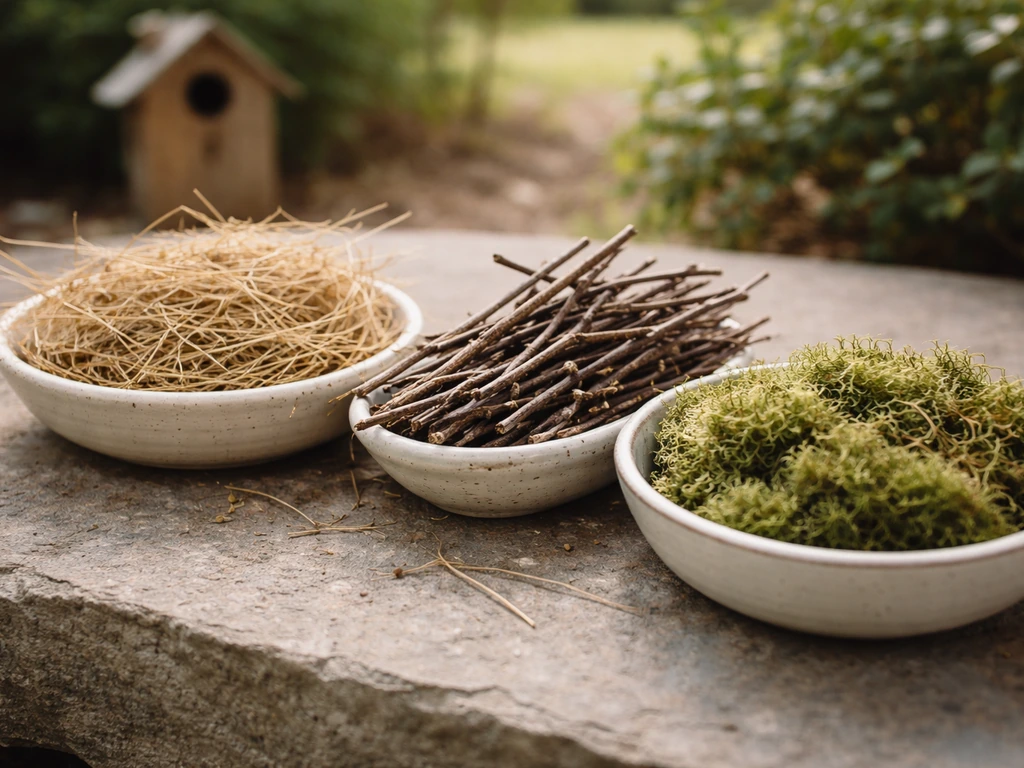
Quick way to choose the right material for the right bird
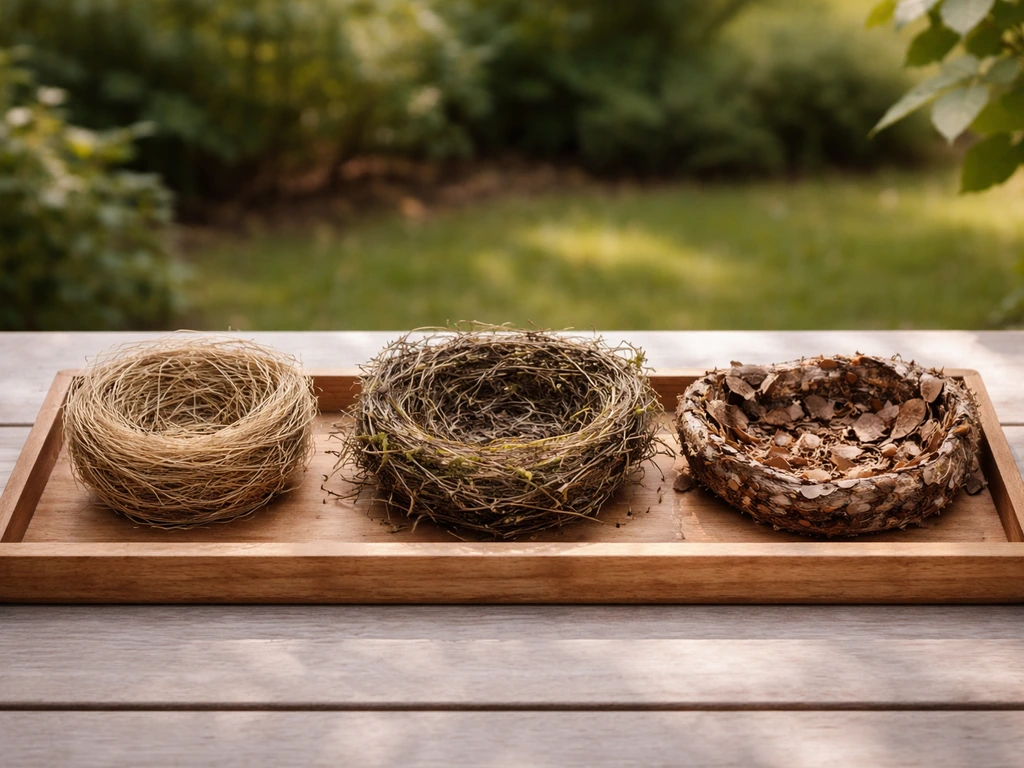
You don't need to know the exact species visiting your yard to make a good choice. You just need to notice two things: where birds in your yard tend to hang out (in dense shrubs, up in tree canopies, low in grass, or inside nest boxes), and what type of nest you've seen them build or attempt before. That tells you whether you're dealing with a cup-nester, a cavity-nester, or a ground-nester, and each group has slightly different preferences.
| Nesting style | Where they nest | Best materials to offer |
|---|---|---|
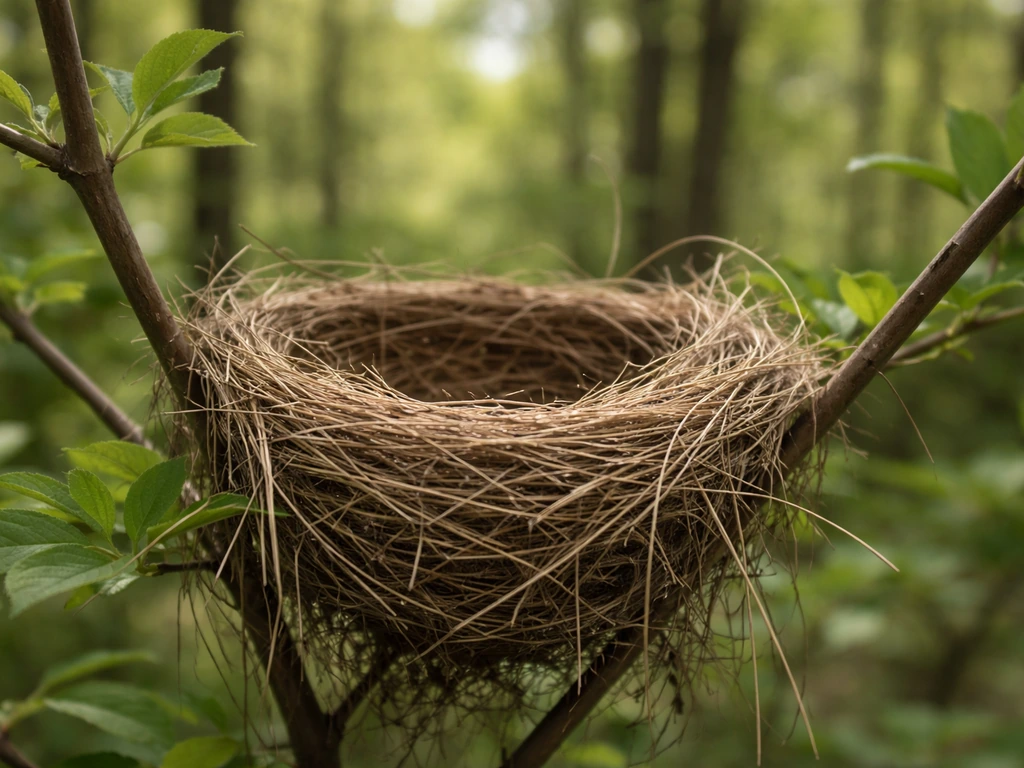
| Cup-nesters (robins, finches, sparrows, warblers) | Shrubs, tree forks, ledges | Dry grass, rootlets, moss, plant fibers, mud (nearby puddle works) |
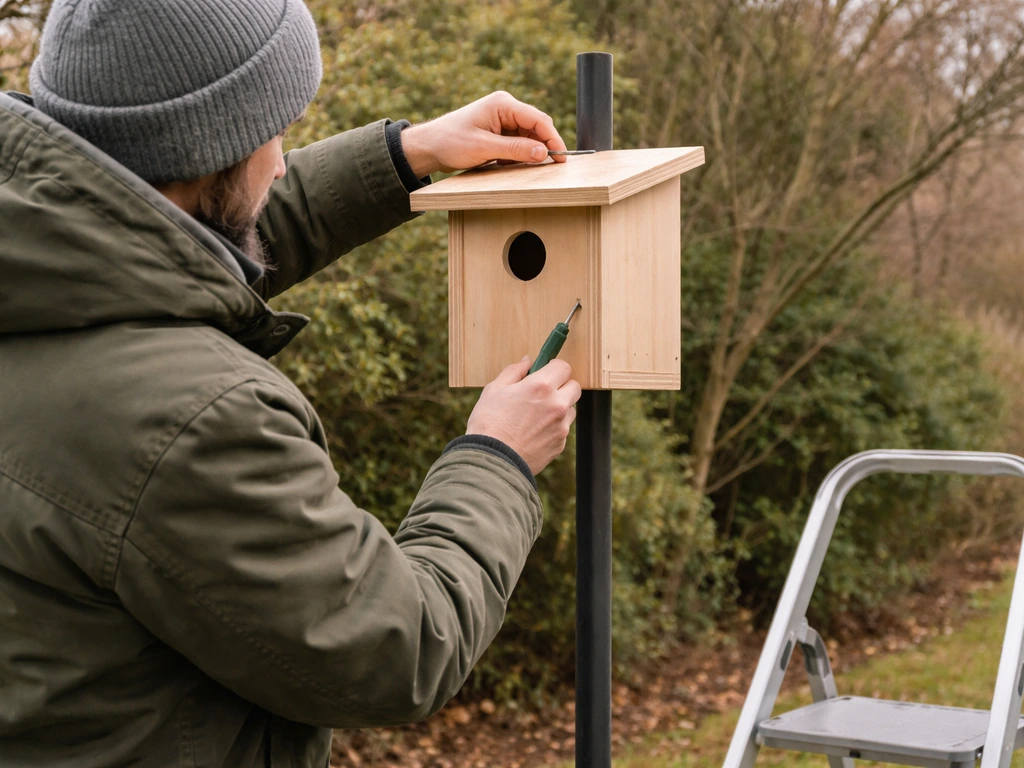
| Cavity-nesters (bluebirds, chickadees, wrens, swallows) | Nest boxes, tree holes | Fine dry grass, pine needles, feathers, soft plant down |
| Ground-nesters (towhees, some sparrows, killdeer) | Low scrub, bare ground, lawn edges | Dry leaves, coarse grass, small twigs — leave natural debris piles |
| Colonial/open-cup nesters (barn swallows, phoebes) | Ledges, barns, under eaves | Mud access nearby, dry grass, feathers |
If you have nest boxes up, you're almost certainly attracting cavity nesters, so focus on fine, soft materials. If you watch birds disappearing into dense shrubs carrying grass, offer cup-nest materials. When in doubt, a mixed offering of dry grass, moss, and plant down covers the majority of common backyard species.
Safe materials to put out (and what to avoid completely)
Materials that are safe and effective
- Dry grass clippings (let them dry out before putting them out; fresh wet clippings can mold)
- Small thin twigs and sticks, ideally under 6 inches and pencil-thin or smaller
- Moss (dried or fresh, birds use it for both structure and insulation)
- Dead leaves (oak and beech leaves hold shape well and are popular with thrushes)
- Plant down: cattail fluff, dandelion seed heads, milkweed fibers, thistle down
- Natural animal fur from brushing a dog or cat (only if the animal has NOT been treated with topical flea/tick medication in the past few weeks)
- Feathers (clean, natural feathers found outdoors; avoid feathers from birds protected under the Migratory Bird Treaty Act — don't collect them yourself)
- Pine needles (used heavily by pine warblers and some sparrows for cup linings)
- Bark strips from naturally peeling trees like birch or grape vine
- Short lengths of undyed, unbleached natural fiber like raw wool or cotton fiber (under 4 inches)
What to avoid, these can injure or kill birds
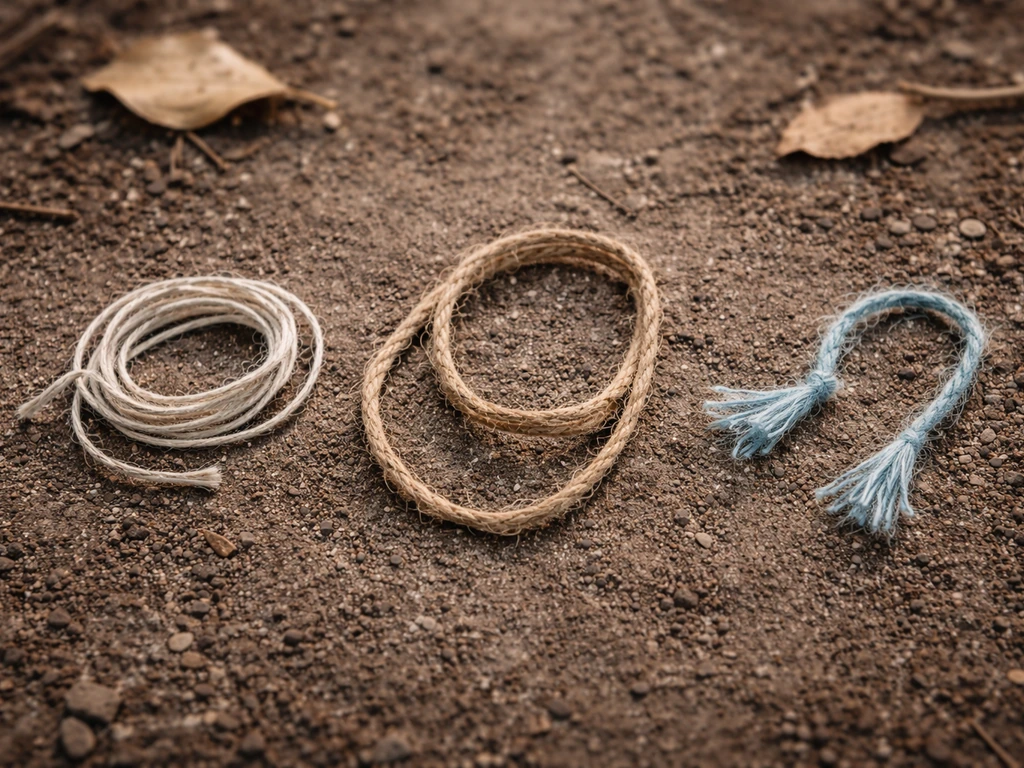
The U.S. Fish and Wildlife Service specifically calls out blank" rel="noopener noreferrer">string, twine, and yarn as dangerous because birds can get their legs, necks, or wings entangled, sometimes fatally. Dryer lint seems fluffy and soft, but Audubon flags it as problematic because it collapses and loses all insulating structure when wet, essentially turning into a damp mat around nestlings. If you're wondering are cotton balls good for bird nests, the short answer is that you should be careful because they can clump and break down when wet. It can also contain synthetic fibers, detergent residues, and microplastics. Here's the full avoid list: If you are wondering what to leave out for bird nests, focus on safe, natural fibers and avoid string, twine, and yarn that can tangle around birds.
- String, twine, yarn, thread, or fishing line of any length — entanglement risk
- Dryer lint — loses structure when wet, may contain chemicals
- Human hair — can wrap and tighten around limbs like a tourniquet
- Pet fur from animals treated with topical flea or tick medication
- Plastic strips, shredded plastic bags, or foil
- Treated, painted, or chemically processed wood chips or sawdust
- Synthetic batting, polyester stuffing, or pillow fill
- Straw treated with pesticides or herbicides (untreated straw is fine)
- Anything with sharp edges, dyes, or artificial fragrances
How to actually offer nesting material so birds use it
Placement
Location matters more than most people realize. Put materials within about 10 to 30 feet of where you've seen birds foraging or perching, but not so close to a nest box or active nest site that you disturb an already-building pair. Good spots include: hanging a wire suet cage filled with loose materials on a fence post, shrub branch, or low tree limb at eye level; placing a small loose pile on a flat surface like a garden wall or stump; or tucking moss and grass into a basket or mesh bag hung where birds can pull fibers free easily. Avoid placing materials on the ground in open areas where cats or other predators have easy access.
Timing
In most of the continental U.S., put materials out starting in late February or early March for the earliest nesters (house finches, mourning doves), and keep them available through July for second broods. Right now in late April, you're in the thick of the first nesting wave, so getting materials out this week is perfectly timed. Birds are actively building or on early eggs, and a second wave of late-season nesters is just starting to set up. Timing guidance is covered in more detail in related content about when to put out nesting material, but the simple rule is: earlier is better, and you're not too late.
How much to offer
Less is more to start. Fill a suet cage or mesh bag about halfway (think a loose handful per material type), and replenish it when birds start emptying it. Offering too much at once can attract pests or get moldy before birds use it. Rotate materials every 5 to 7 days if they haven't been touched, especially in damp weather, to keep them fresh and mold-free.
Keeping materials dry and accessible
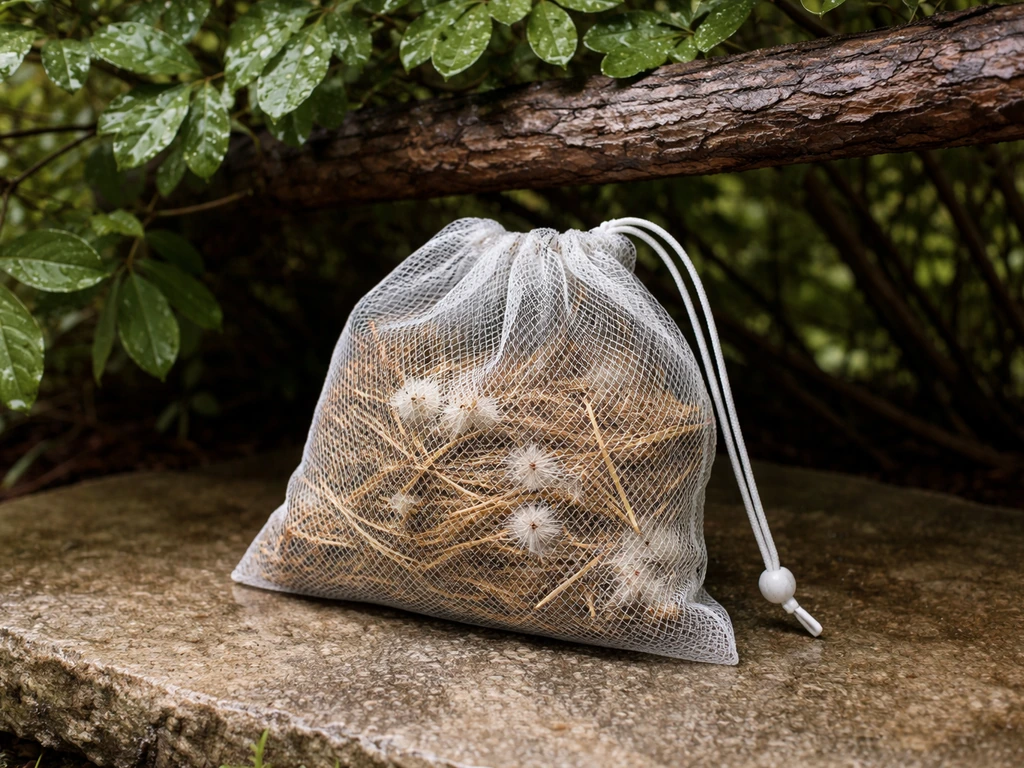
Wet nesting material is worse than none at all. If you're using a mesh bag or open basket, position it under a natural overhang like a dense shrub or porch roof, or use a small covered feeder-style holder designed for nesting material. After a rain, squeeze out any wet clumps and let them air dry before refilling. Never offer soaking wet grass or moss directly into a nest box.
What specific species prefer: matching materials to common backyard nesters
Most of the guidance on best bird nesting material gets generic fast, but here are concrete preferences for the species you're most likely to see using what you offer:
| Species | Preferred nesting materials | Notes |
|---|---|---|
| American Robin | Mud, dry grass, rootlets, leaves | Needs access to damp soil or mud for cup structure; leave a muddy patch near the offering |
| House Finch | Dry grass, plant fibers, string (danger!), feathers | Highly adaptable; avoid offering any string — they'll use it but risk entanglement |
| Bluebird (Eastern/Western) | Fine dry grass, pine needles | Keep offering simple and dry; they reject most soft synthetics |
| Carolina / Black-capped Chickadee | Moss, animal fur, plant down, feathers | Prefer soft lining materials; love dog fur if flea-treatment-free |
| Barn Swallow | Feathers, dry grass | Primarily mud-builders; toss feathers loosely in an open area and they'll find them |
| House Wren | Small twigs, dry grass, feathers | Males build 'dummy nests' of sticks first; offer fine grass for female lining phase |
| Dark-eyed Junco / Song Sparrow | Coarse grass, rootlets, moss, animal fur | Cup-nesters; appreciate a variety mix near low shrubs |
| Mourning Dove | Small twigs, pine needles, grass stems | Minimal nest builders; offer loose thin twigs near flat ledges or platform feeders |
If you're not sure which species you have, just watch for 10 minutes in the morning. Note what materials the bird already carries when foraging. That tells you what to offer more of.
Managing real risks: predators, entanglement, disease, and weather
Predator attraction
Nesting material stations can attract squirrels and, occasionally, raccoons investigating the smell of fur or feathers. Mount your material holder on a smooth pole with a baffle, or use a location that's inaccessible to climbing predators. Don't place material stations directly under or beside nest boxes, as frequent human or animal visits to the material source can tip off predators to where the nest itself is located.
Entanglement
This is the most underrated danger. Any fiber longer than about 4 inches, or any material that can wind into a loop, is a potential ligature around a chick's leg or a parent's wing. Cut all fibers short before offering them. If you offer fur, pull it apart so there are no matted clumps. Check your dispenser periodically for tangled strands stuck in the wire mesh, which can catch birds trying to pull material free.
Disease and sanitation
Old, unused material sitting in a damp dispenser can grow mold and become a disease vector. Empty and clean your material holder every 1 to 2 weeks with a light rinse and air dry. Don't handle nesting material with bare hands if you're then going to touch your face; most people won't have issues, but good hygiene applies. Never take material from a used or abandoned nest and recycle it for birds to use again, as those materials can carry parasites and bacteria from the previous brood.
Weatherproofing your setup
A covered dispenser, or one positioned under shrub canopy, makes a big practical difference in wet climates. In areas with frequent spring rain, a small roof over the material holder (even a piece of slate or cedar board propped on top) keeps materials dry enough to be useful between fills. In very hot, dry climates, lightly moistening moss before offering it can make it more immediately appealing to robins and thrushes.
Legal and ethical lines: when to help and when to step back
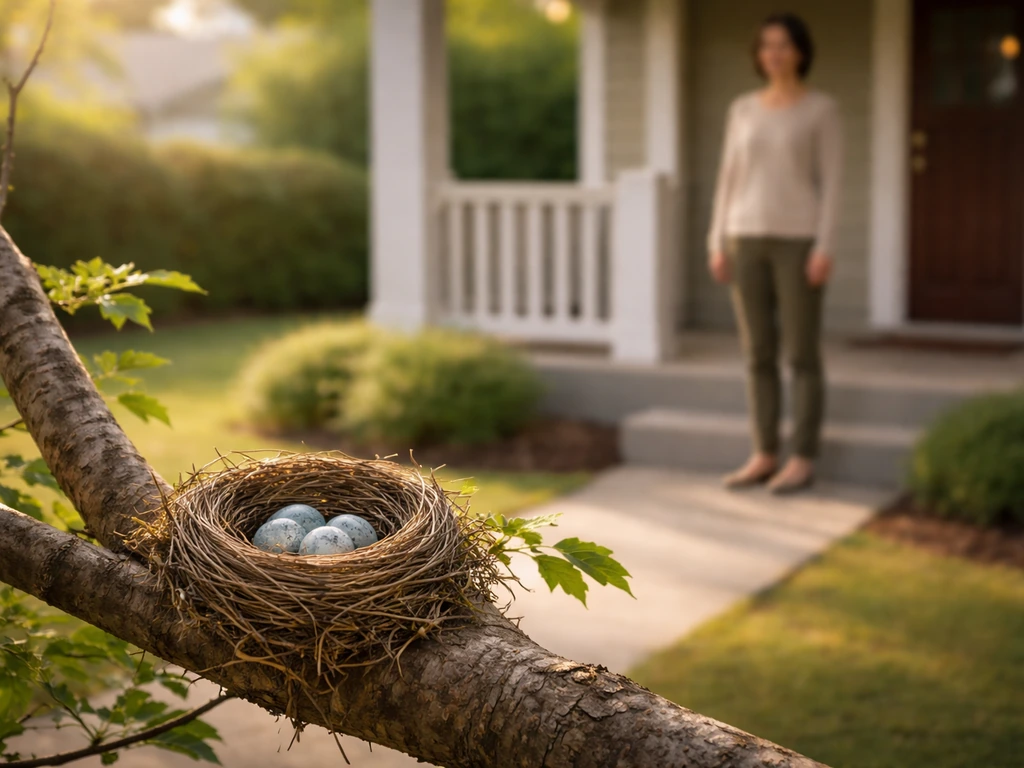
Offering nesting material at a station is entirely legal and encouraged. Where you have to be careful is once a nest is active. In the U.S., almost all native birds are protected under the Migratory Bird Treaty Act, which means you cannot move, disturb, or destroy an active nest (one with eggs or live young) without a federal permit. Canada has equivalent protections, and its guidance explicitly states that avoiding the immediate area until young have naturally left is the best approach during breeding season.
In practice, this means: once birds have started building at a location, stop approaching within a few feet of that spot. Don't refill a material dispenser that's very close to an active nest if doing so disturbs the nesting bird. If a bird has built somewhere inconvenient (a wreath, a dryer vent, a car engine), the ethical and legal call depends on whether eggs or chicks are present. Related content on nest relocation rules covers those scenarios in detail, but the short version is: an empty nest can be moved; one with eggs or young cannot without a permit.
Also worth knowing: possessing wild bird feathers (even ones you find on the ground) is technically restricted under the Migratory Bird Treaty Act for most native species. Offering feathers you've collected yourself is a gray area, so the safest approach is to use commercially sourced, legally obtained feathers or simply skip feathers and rely on fur and plant materials instead.
Seasonal calendar and what to do when birds ignore the material
Month-by-month window
| Month | Activity level | What to do |
|---|---|---|
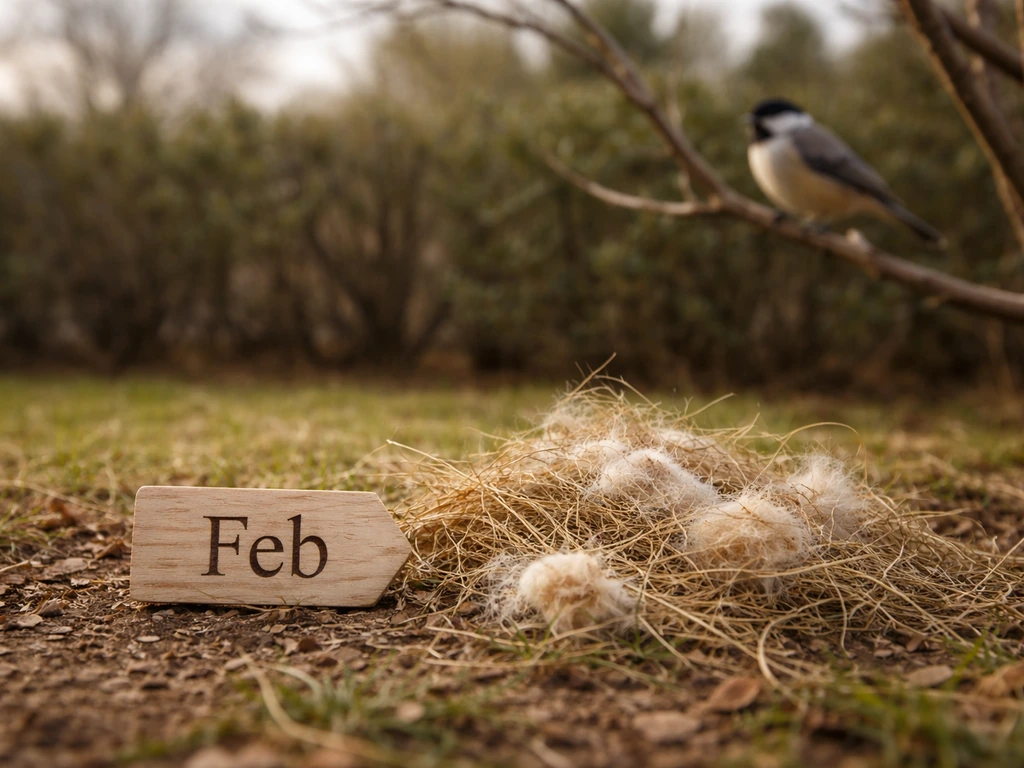
| February | Early nesters scouting (doves, house finches in South) | Put out first materials; keep small and fresh |
| March | Building begins across most of U.S. | Full offering in place; all material types available |
| April | Peak first-brood nesting | Actively replenish; this is the highest-use window |
| May | First broods hatching; second brood starts | Keep materials out; many species start second nest |
| June | Second and sometimes third broods | Reduce offering slightly as activity slows in some areas |
| July | Late nesters finishing; fledglings everywhere | Wind down; remove dispenser mid-to-late July |
| August–January | Non-breeding season | No need to offer nesting material; focus on food and water |
Troubleshooting when birds won't touch the material
If you've had materials out for two or more weeks with zero interest, work through this checklist before giving up:
- Wrong timing: If it's before late February or after mid-July in most regions, birds simply aren't in nesting mode. Wait for the season.
- Wrong placement: Materials too close to foot traffic, a busy feeder, or a predator patrol zone will be ignored. Move the dispenser to a quieter spot near natural cover.
- Wrong material: If only synthetic or very coarse materials are on offer, birds may not recognize them. Switch to dry grass and moss as a baseline.
- Too wet: Wet, clumped material looks unappealing and smells off. Dry everything out and restart.
- No birds nearby: If you're not seeing birds in the yard at all, nesting material won't help. Focus first on water, native plants, and reducing outdoor cat access to build bird activity generally.
- Material hidden or inaccessible: Wire mesh with openings too small can frustrate birds trying to pull fibers. Use mesh with openings at least 1 inch wide, or a loose open basket.
- Too early in the morning check: Bird nest-building activity peaks in the first two hours after dawn. Check your camera or watch the station from 6 to 8 a.m. before assuming nothing is happening.
Encouraging bird nesting more broadly, such as planting native shrubs, providing water sources, and reducing pesticide use, creates the habitat conditions that make your nesting material offering part of a welcoming whole rather than an isolated gesture. The material station is one piece of the picture, and when birds are already comfortable in your yard, they find it fast.
FAQ
Is it okay to put out dryer lint as bird nesting material?
Yes, but use caution. Dryer lint can be soft, yet it tends to clump and loses insulation when it gets wet, which can leave nestlings exposed. If you try it anyway, offer only a small amount in a way that stays dry (under shrub canopy or a covered holder) and remove it promptly if it becomes damp or stuck together.
Are cotton balls good for bird nests?
Avoid it. Even if it seems natural, cotton products can clump, break down when wet, and may contain synthetic fibers or residues from processing (detergents, additives, or plastics). If you want a similar “fluffy” option, use plant down like cattail fluff or dandelion seed fluff instead.
How do I make sure the nesting material is safe for birds?
Don’t offer long strands or anything that can form a loop. The safety target is fiber length under about 4 inches, and you should pull animal fur apart so it is not matted. Also check the dispenser every visit for tangles caught in mesh or wire that could snag a bird’s leg, wing, or neck.
What should I do if the nesting material gets wet after rain?
Use a station that keeps it from getting soaked, especially in rain. Put material holders under dense shrub cover or a roofed porch area, or use a small covered feeder style holder. If materials get wet, squeeze out clumps and let everything air dry before refilling.
Can I refill the nesting material once birds start building?
Yes, but only if it does not disturb an active nest. If birds are actively building at or near a nest site, stop approaching and avoid refilling or placing stations within a few feet of the active area. Refill only when it won’t cause repeated visits or disruption that could draw predators.
Will a nesting material station attract squirrels or raccoons?
It depends on how accessible it is to climbing predators. If you use a suet cage or mesh bag, mount it on a pole with a baffle or place it where raccoons and squirrels cannot reach. Never place it directly under or beside a nest box, because frequent traffic to the station can inadvertently reveal the nest location to predators.
Can I reuse materials from an old or abandoned nest?
No, don’t. Materials pulled from an abandoned nest can carry parasites and bacteria from the previous brood, even if they look clean. Instead, offer only fresh natural materials from safe sources and clean your dispenser regularly.
How should my material choices change if I have nest boxes up?
In many yards, yes. If you already have nest boxes up, you are more likely to attract cavity nesters, and they typically do better with finer, softer fibers. If birds are repeatedly carrying grass into dense shrubs, lean more toward cup-nester materials like dry grass clippings and leaves.
How often should I clean the nesting material holder?
For safety and hygiene, set a cleaning schedule. Empty and lightly rinse the dispenser every 1 to 2 weeks, then air dry fully before refilling, especially if you live in a damp area. Moldy material should be discarded immediately.
Is it safe to put nesting material directly on the ground in my yard?
You can, but avoid putting loose materials in open ground where cats and other predators can ambush birds. Better options are hanging stations or small loose piles placed near dense cover (shrubs, low limbs, or a sheltered wall area) while still keeping distance from any active nest site.