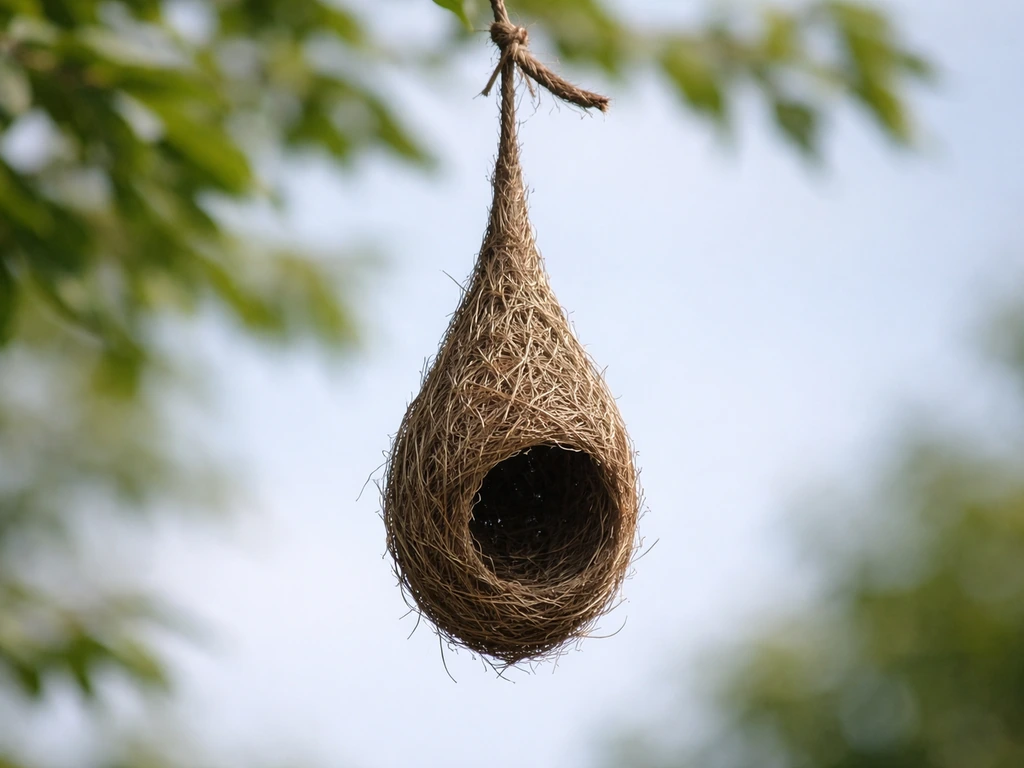
The bird that makes the 'best' nest depends entirely on what you need 'best' to mean. If you are watching a nest in your yard and wondering who built it, or trying to figure out how to support the bird doing the building, the answer starts with four practical criteria: structural stability, concealment from predators, thermal insulation, and whether the nest gets reused across seasons. Once you define what you are looking for, the field narrows fast, and you can move from curiosity to confident, responsible action.
Which Bird Makes the Best Nest Learn to Identify and Help

Maya Bennett
22 Apr 2026
What 'best' actually means for a bird nest
Most people default to 'best looking' when they first ask this question, but birds are not building for aesthetics. They are solving four engineering problems at once, and the species that solves all four well is the one that consistently fledges more chicks.
- Stability: Can the nest hold eggs and growing nestlings through wind and rain without collapsing? Large, well-anchored structures like those built by raptors and herons score high here. Studies on nest quality in birds like Bonelli's Eagle show that larger, more substantial nests provide better structural and thermal buffering.
- Concealment: Is the nest hard for a crow, snake, or raccoon to find? Research consistently shows that vegetative concealment is one of the strongest predictors of nest survival. A cup nest tucked deep in dense shrubs outperforms an exposed platform nest at the same height.
- Insulation: Does the nest keep eggs and chicks at a stable temperature? Enclosed and domed nests provide measurably greater thermal benefits than open cup nests, which matters most at high elevations, in cold springs, or during late-season breeding attempts.
- Reusability: Some birds, especially raptors, return to the same nest for decades and add material each year. This saves energy but carries a trade-off: reused nests can accumulate parasites and old debris, which research has linked to increased predation risk if the pile becomes more visible over time.
Practically speaking, there is no single bird that wins on all four criteria everywhere. An American Robin's cup nest in a lilac bush is beautifully insulated and well-concealed, but it is not reused. A Bald Eagle's platform nest is extraordinarily stable and reused for years, but it is highly visible. A wren's cavity nest inside a nest box checks insulation and concealment simultaneously. The right answer depends on your specific yard, region, and what you are hoping to support or identify.
Common nest types and the birds that build them
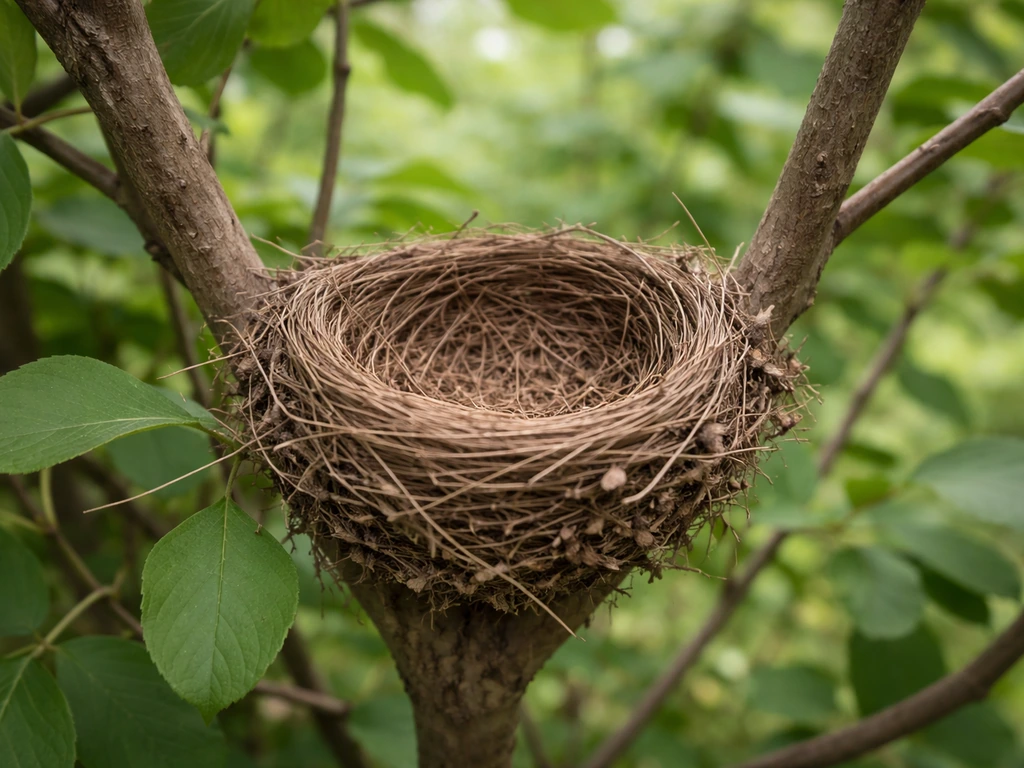
If you already have a nest in front of you, use this section to match the structure to a likely builder. Pay attention to location, height, materials, and shape. Take a photo before you do anything else.
Cup nests
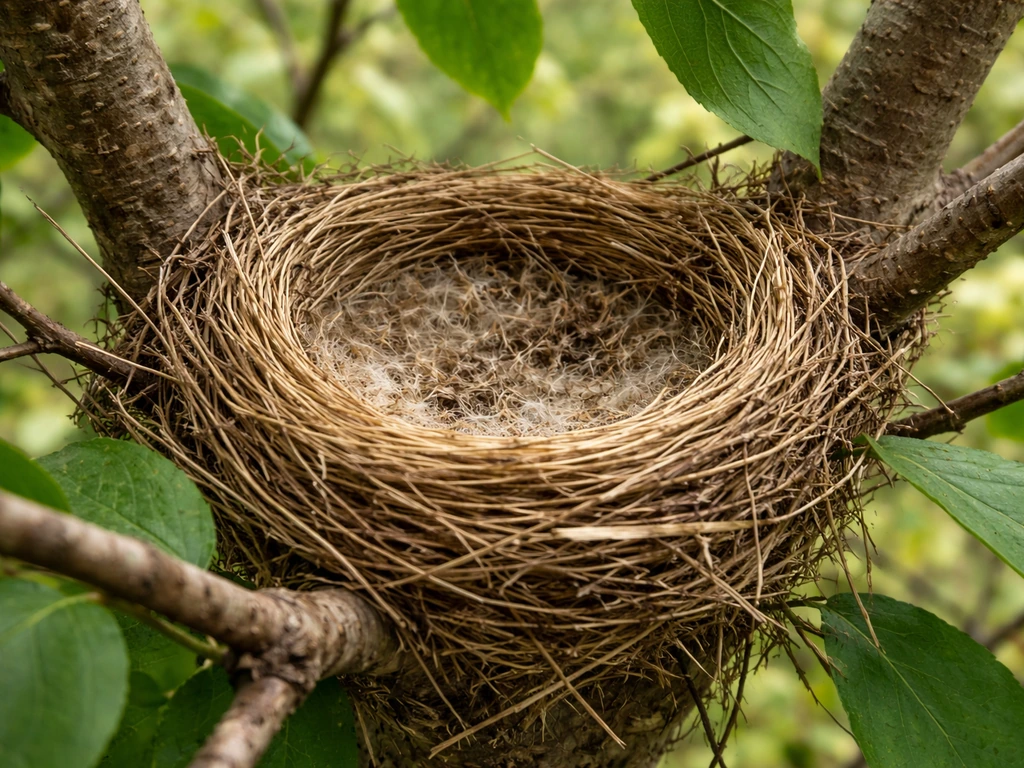
The cup nest is the most common nest type in North America. It is open at the top, roughly bowl-shaped, and usually wedged into a branch fork or shrub. Robins, Song Sparrows, Wood Thrushes, and many warblers build cup nests. A Robin's cup is a good example of high-quality construction: the outer layer is coarse grass and twigs, a middle layer of wet mud dries hard for structural rigidity, and the inner cup is lined with fine dry grass. That mud layer is what distinguishes a Robin's nest from a sloppier version built by a House Sparrow. If you see a neat mud rim on the inside wall, you are almost certainly looking at a Robin's work. A messy nest can be a clue that you are looking at a House Sparrow, which often builds rougher cup nests than robins what bird makes a messy nest.
Platform nests
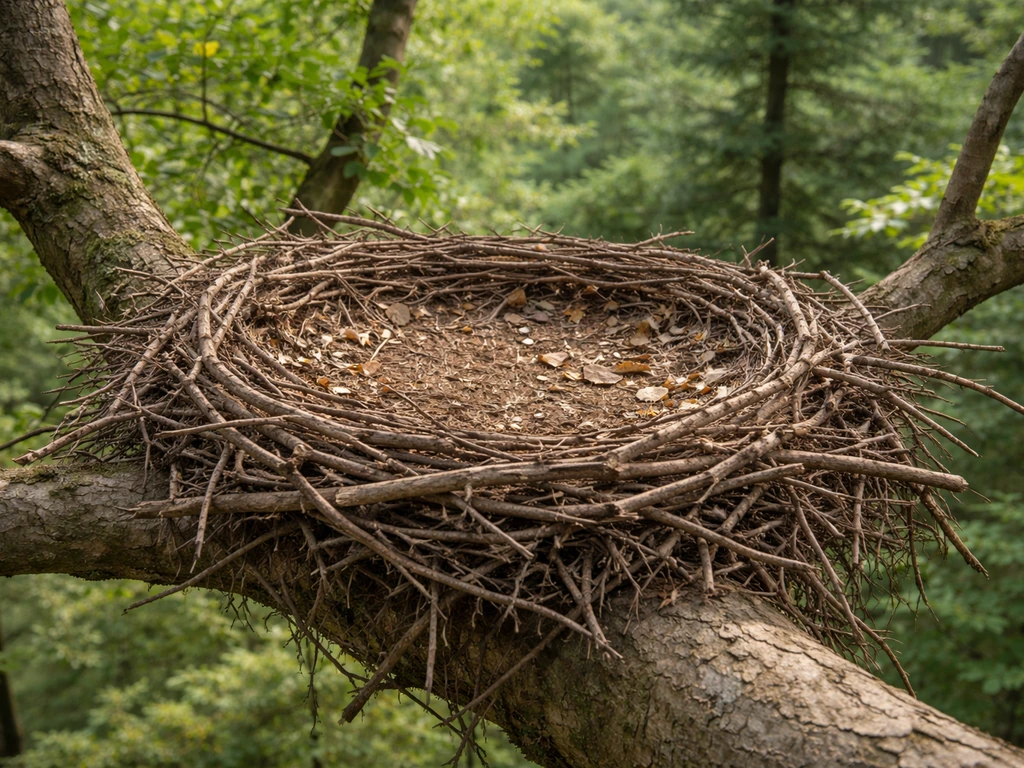
Platform nests are large, flat-to-shallow structures built by raptors (Ospreys, Bald Eagles, Red-tailed Hawks) and colonial waterbirds (Great Blue Herons, Cormorants). These are the nests that get reused and expanded year after year. An Osprey nest can grow to over six feet across and weigh hundreds of pounds after a decade of additions. The trade-off is visibility: a massive stick platform in the top of a dead snag is easy for any predator with eyes to spot. These birds compensate through size, aggressive nest defense, and in colonial species, the safety-in-numbers effect.
Cavity nests
Cavity nesters (woodpeckers, chickadees, titmice, bluebirds, wrens, some owls, and others) use holes in trees or nest boxes. The cavity itself provides insulation and concealment simultaneously, which is why cavity nesting is considered one of the most effective nest strategies for predator avoidance and thermal regulation. The entrance hole size is the key design variable: a 1-1/8 inch diameter entrance excludes House Sparrows and Starlings and works well for chickadees, while a 1-1/2 inch entrance suits Eastern Bluebirds. Woodpeckers excavate their own cavities; secondary cavity nesters use what is already available or accept a well-placed nest box.
Hanging and woven nests
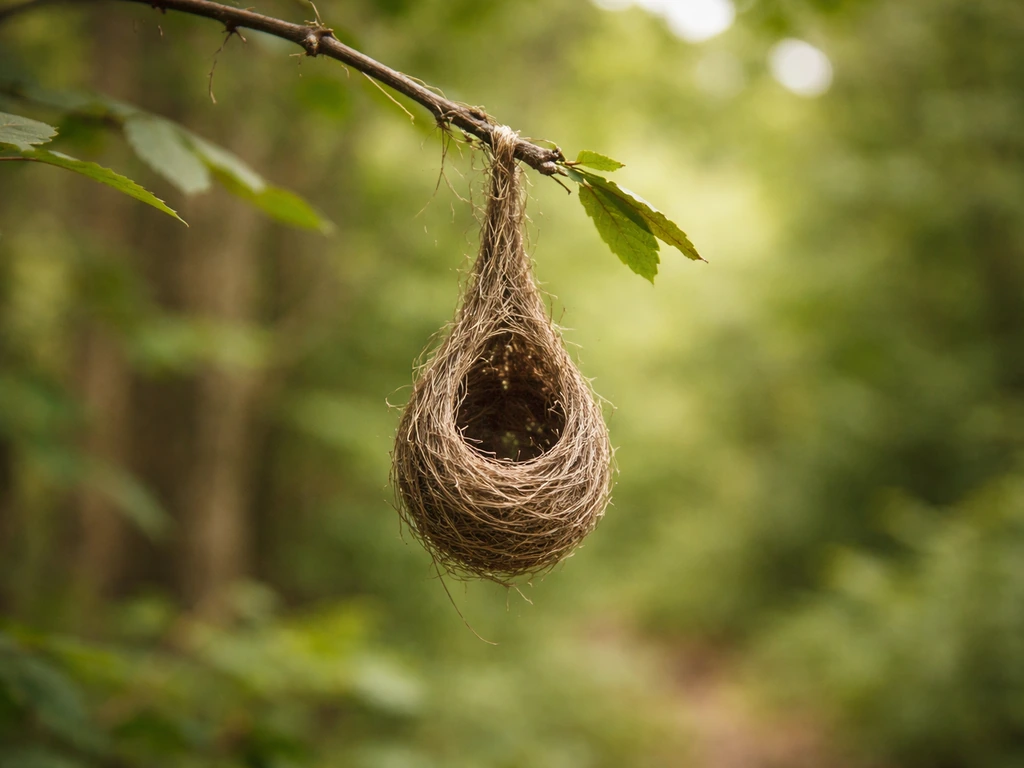
Baltimore Orioles, Orchard Orioles, and the various weaver species (which give their name to the technique) build pendant or hanging nests suspended from the tips of drooping branches. Baltimore Orioles are the classic example of what bird makes a hanging nest. This placement strategy is an active defense: the swinging motion and inaccessible perch point make it physically difficult for most predators to reach the nest. Baltimore Orioles weave plant fibers, hair, and string into a deep pouch that can take a week or more to complete. Weaver species are the ones you are most likely asking about when you wonder which bird can weave a nest. These are genuinely impressive structures and worth identifying if you find one in a deciduous tree near forest edge.
Ground nests
Killdeers, Meadowlarks, many sparrows, Ovenbirds, and waterfowl like Mallards nest on or very close to the ground. Quality here is almost entirely about concealment and camouflage rather than structural complexity. A Killdeer scrape nest is literally a shallow depression with pebbles around it, but the cryptic egg coloration and the bird's broken-wing distraction display substitute for structural defense. Ground nests are the most vulnerable to domestic cats, lawn mowers, and dogs, which is worth knowing if you find one.
What a genuinely high-quality nest looks like up close
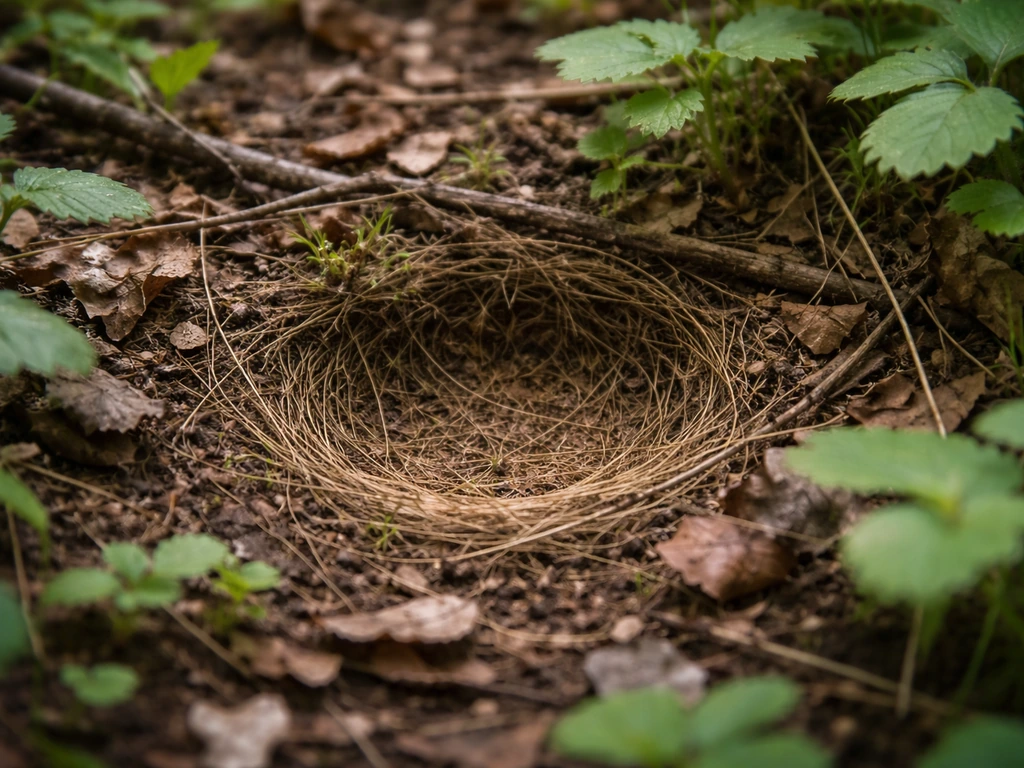
Across all nest types, the markers of quality follow a consistent pattern. Here is what to look for when evaluating any nest you find.
| Quality Marker | What to Look For | Why It Matters |
|---|---|---|
| Outer structure | Coarse twigs, bark strips, or plant stems woven tightly; no visible gaps in walls | Structural integrity in wind and rain |
| Inner lining | Fine grass, feathers, fur, moss, or plant down pressed smooth against the cup | Thermal insulation for eggs and chicks |
| Attachment | Nest wedged firmly in a branch fork, saddle, or cavity opening; no wobbling | Prevents collapse during storms |
| Camouflage materials | Lichen, bark pieces, or spider silk binding outer surface to nearby bark | Reduces visual detection by predators |
| Entrance design (cavity/dome) | Tight hole just large enough for the builder; no rough edges or excess space | Excludes larger predators and competing species |
| Placement height | Above typical predator reach for the habitat; dense surrounding cover | Concealment and access difficulty for predators |
| Depth (cup nests) | Deep enough that eggs and chicks are not visible from below | Reduces detection from ground-level predators |
One detail worth noting: birds like the American Robin and many warblers use spider silk as a binding material. Spider silk is elastic, so it stretches as nestlings grow rather than cracking and failing like dried mud alone. If you see a nest with a slightly glossy, smooth exterior, look closely for silk threads. It is one of the clearest signs of a skilled builder.
Among North American backyard birds, the Baltimore Oriole's hanging pouch and the Black-capped Chickadee's insulated cavity nest are probably the two strongest all-around performers by the criteria above. Orioles score highest for concealment through placement and structural ingenuity. Chickadees score highest for insulation and predator exclusion. If you are thinking about 'best nest' in the broadest sense and want to know which species to specifically support, these two are excellent starting points, along with Eastern Bluebirds for open-country nest-box programs.
Supporting the best nesting in your area
Once you know which birds are likely nesting near you (or which ones you want to attract), there are concrete things you can do right now to improve their odds. The three levers are: vegetation structure, nest box placement, and avoiding practices that disrupt active nesting.
Planting and habitat structure
Dense shrubs in the 4 to 8 foot height range are the single most valuable planting you can make for cup-nesting birds. Native shrubs like elderberry, dogwood, hawthorn, and spicebush offer both nesting structure and food. Taller canopy trees support orioles, tanagers, and warblers. Leave some dead snags standing if it is safe to do so: they are irreplaceable for cavity nesters, and a single standing dead oak can host multiple species in the same season. Denser structural cover consistently reduces nest predation rates, so more layered planting translates directly to better nesting outcomes.
Nest box basics
Nest boxes work well for cavity nesters in areas lacking natural tree holes, but they only help if the dimensions match the target species. Use untreated wood: pressure-treated lumber contains pesticides and fungicides that can harm both adults and nestlings, and it should be avoided entirely. A few key specs to get right before you mount anything:
| Species | Entrance Hole Diameter | Floor Size | Mounting Height | Preferred Habitat |
|---|---|---|---|---|
| Eastern Bluebird | 1.5 inches | 4 x 4 inches | 4 to 6 feet | Open fields, lawns, scattered trees |
| Black-capped/Carolina Chickadee | 1.125 inches | 4 x 4 inches | 4 to 8 feet | Woodland edges, shrubby areas |
| House Wren | 1.25 inches | 4 x 4 inches | 5 to 10 feet | Gardens, woodland edges |
| Tree Swallow | 1.5 inches | 5 x 5 inches | 5 to 8 feet | Open areas near water |
| Eastern Screech-Owl | 3 inches | 8 x 8 inches | 10 to 30 feet | Woodlands, large trees |
Mount boxes on metal poles with a baffle when possible. A roof overhang of at least 2 inches reduces the ability of raccoons and cats to reach in from above. The habitat and vegetation around the box matters as much as the box itself: a bluebird box mounted at the right height in a dense shrubby tangle is in the wrong habitat, and a bluebird is unlikely to use it no matter how well-built the box is. Place bluebird boxes in open, short-grass areas with a clear flight path to the entrance.
Seasonal timing
If you mow, delay it. Mowing lawns or meadow areas during peak nesting season (roughly May through mid-July for most of the continental U.S.) destroys ground nests and kills fledglings that have left the nest but cannot yet fly well. Waiting until late July or early August before mowing low-traffic areas gives most species time to complete at least one breeding cycle. This single change makes a bigger difference than almost anything else you can do in a typical suburban yard.
When to leave it completely alone
This is the part most people skip, and it is the most important part of the whole topic. If a nest is active, your legal and ethical baseline is: do not touch it, do not move it, and do not disturb the bird on the nest.
The Migratory Bird Treaty Act (MBTA) is the governing federal law in the United States, and it makes it unlawful to take, possess, destroy, or move the nests or eggs of migratory birds without authorization. A 2025 USFWS memorandum clarified that destroying an in-use nest (one with eggs or nestlings) requires MBTA authorization, and that even relocating an inactive nest of a migratory species technically requires authorization. This applies to the vast majority of backyard birds: robins, sparrows, swallows, warblers, orioles, wrens, chickadees, and hundreds of others are all covered. The practical rule is simple: if there are eggs or chicks in it, leave it where it is.
An 'active' nest, for monitoring purposes, means a nest that contains eggs or nestlings, or one that is still under construction with a bird returning regularly to add material. If you are not sure whether a nest is still active, watch from a distance of at least 30 to 50 feet for 20 to 30 minutes before drawing any conclusion. Keep pets indoors or leashed during this observation. Cats and dogs near a nest will cause nest abandonment even if they never directly disturb the eggs.
A few situations people commonly misread: a nest that looks abandoned after fledging is still a protected structure if the species is migratory. A nest built in an inconvenient location (inside a porch light, on a ledge above a door) is still protected if active. If you are genuinely in a situation where a nest is causing a safety hazard or must be removed, contact your state wildlife agency or USFWS regional office before doing anything. Do not assume you can act first and ask questions later.
A practical step-by-step for right now
Here is a simple process you can run through today whether you have found a nest, are trying to attract better nesters, or just want to know what is happening in your yard.
- Photograph it first. Before anything else, take two or three clear photos: one showing the full nest in context (how it is attached, what surrounds it), one showing the nest materials and exterior texture, and one showing the interior cup or cavity if visible without disturbing the bird. This gives you a record and makes identification much easier.
- Note the location details. Write down or voice-memo the height off the ground, the type of support (branch fork, cavity, hanging from a twig tip, on the ground), the surrounding vegetation density, and how far the nest is from the nearest edge (forest edge, open area, water). These details narrow the builder to a short list.
- Check for activity from a distance. Step back at least 30 to 50 feet and watch for 20 minutes. Is the bird returning? Are there eggs or chicks visible from your position without disturbing the nest? If yes, it is active. Write down what you see and stop there for today.
- Match the nest type to a likely builder. Use the section above: open cup in a shrub fork, cavity in a tree hole, pendant bag hanging from a branch tip, flat platform on a snag, scrape on bare ground. Cross-reference with the birds you have seen in the immediate area in the last week.
- Assess your support role. If the nest is active: do nothing except watch from a distance and keep pets away. If the nesting season is approaching and you have a good habitat for cavity nesters: put up one appropriately sized nest box in the right habitat before eggs are laid. If you have no suitable shrub structure for cup nesters: plan a fall or early spring planting of native dense shrubs.
- Check the legal baseline if you need to act. If the nest is in a location that creates a genuine problem (a safety issue, a home repair that cannot wait), check with your state wildlife agency or USFWS before removing or relocating anything. Do not act on guesswork around MBTA-protected species.
- Log your observation. If you want to contribute what you find to science, NestWatch (Cornell Lab of Ornithology) accepts nest monitoring data from anyone, from nest building through fledging. It takes about five minutes to submit an entry and adds real value to long-term population research.
The bigger picture: quality nesting and what it tells you about your yard
Finding a well-built nest in your yard is a good sign. It means the bird assessed the structural cover, food availability, and predator pressure in your space and decided it was worth committing to. A tightly woven cup nest with a mud ring and a feather-lined interior in a dense native shrub is a direct indicator that your habitat is doing something right. A poorly concealed platform nest on a low fence rail with no surrounding cover is a sign the bird is working with what it has, and that a few targeted plantings might significantly improve outcomes next season.
If you are curious to go further, the related questions of which birds build the biggest, smallest, most beautiful, or most structurally unusual nests (including woven and hanging types) reveal a huge range of architectural strategies that birds use to solve the same core problems in very different ways. The question of which bird makes the most beautiful nest often comes down to what beauty means to you and which nest style you’re seeing. Which bird builds the smallest nest can vary by region and nest type, but the smallest nesters are often cavity or ground specialists that put safety and concealment first. If you want the quick answer to what bird builds the biggest nest, it depends on whether you mean overall size, mass, or height and reuse over many seasons which birds build the biggest nest. Each nest type tells you something specific about the builder's priorities, habitat, and predator pressure. The more time you spend observing actual nests in the field, the faster these patterns become obvious.
FAQ
If a nest looks abandoned, can I clean up or move it?
Do not assume you can. If the nest is still in use, covered birds (most backyard species) are protected even if you believe the nest looks abandoned or you cannot see eggs. The safest approach is to treat any nest with an actively visiting adult, fresh material added, or recent construction as active and leave it alone.
What should I do if a nest is in the way, like on a porch light or near a walkway?
A good rule is to watch without interacting, then reduce disturbance rather than removing. If you need access for safety, keep people and pets away, wait until the birds have completed nesting, and contact your state wildlife agency for guidance on how to handle the situation lawfully and safely.
How can I tell a Robin nest from a House Sparrow nest from a distance?
Not necessarily. Robin, sparrow, and other cup nests can look similar to House Sparrow cups, but the clearest distinguishing detail mentioned is the mud-based structure and the overall neatness of the mud rim. If you cannot clearly see materials or shape, rely on placement and microhabitat (dense shrubs, branch forks, and height) plus an in-person photo taken from a safe distance.
How do I know whether the same bird reuses a nest year after year?
Some birds reuse parts of nests or rebuild in the same location, which changes what “best” means over time. Look for signs of carryover, like a nest that grows across seasons in the same spot (common with platforms), versus a completely rebuilt cup in a new spot (common with many cup nesters).
Will cameras or frequent checking cause nest abandonment?
It can. For many backyard species, nest disturbance and pet activity can cause abandonment even without direct egg damage. Keep pets indoors or leashed during observation and avoid repeated visits, because frequent approach can stress birds enough to stop returning to the nest.
What happens if my nest box is the wrong size for the species I want?
Yes, if the dimensions do not match the target species, the box may remain unused or attract the wrong birds. The article emphasizes matching entrance size and using untreated wood, so the practical next step is to confirm the specific box specs for your desired species before mounting or adjusting anything.
When is it safe to clean out a nest box after a breeding attempt?
Avoid cleaning or sealing while it is active. Once nesting is over, you can clean and sanitize between cycles if local rules allow and after all birds have left, then prepare for the next season. If you are unsure whether birds are still using it, use a longer observation period before doing any maintenance.
If I do not mow over the nest, can mowing still harm ground nesters?
It depends on the species and the nest type. Ground-nesting birds may be harmed by mowing even when you do not “touch” the nest, because lawn care can destroy nests and injure fledglings. If you have frequent ground-nester activity, identify and delay mowing in those exact low-traffic areas.
Can I legally remove an inactive nest if it is on my property and causing a safety issue?
Yes. The article notes both legal and practical protection, including that relocating inactive nests of migratory species can still require authorization. If you believe removal is necessary for safety, the correct next step is contacting your state wildlife agency or the appropriate federal office before acting.
How long should I keep pets away from a nest, even after the nest is no longer “active” to me?
When a nest contains eggs or nestlings, the key variable is how long it will remain protected and how quickly birds will attempt a second nesting attempt. If you want to manage risks (like cats), focus on deterrence and habitat changes rather than nest removal, because timing changes the chance of abandonment or fledgling survival.
Does a well-built-looking nest always mean high nesting success?
A nest can be “high quality” structurally but still fail if predators repeatedly find it or if weather stresses the nest. Your best evidence is not only nest construction quality, but also whether the birds can successfully fledge chicks across the season, which reflects the full suite of stability, concealment, insulation, and reuse.
What are the most effective yard changes I can make this season versus waiting for next year?
Yes for many cases, especially for cup nesters and cavity nesters, but choose the right planting structure and timing. The article highlights dense shrubs at specific heights and delaying mowing through mid-July, so your next step is to adjust vegetation and yard practices around your local nesting season, not just add random plants.
Next Article
What Bird Makes a Hanging Nest? Identify the Culprit Fast
Learn which bird makes a hanging nest and how to ID it fast by shape, placement, materials, and safe next steps.