The best thing you can use for bird nesting depends on what you're actually trying to do. If you want to attract cavity-nesting birds like bluebirds or chickadees, a correctly sized and mounted nest box with no added bedding is your best move. If you want to offer nesting material for open-cup nesters like robins or finches, short natural fibers like dried grass clippings, plant fluff, and small twigs placed loosely in a mesh feeder or wire suet cage work well. What you must avoid is just as important as what you use: string, yarn, dryer lint, and pet hair are all genuinely dangerous and should never go out for birds.
What to Use for Bird Nesting: Safe Materials and Setup
Maya Bennett
6 May 2026
First: figure out what you're actually trying to do
"Bird nesting" covers a few very different situations, and the right approach depends on which one you're dealing with. Getting clear on your goal first saves a lot of trouble and means you won't accidentally harm a bird or break federal law.
- You want to attract birds to nest in your yard: You'll either put up a nest box or improve habitat so birds choose to nest naturally in shrubs, trees, or on the ground.
- You want to offer nesting material: You're giving birds loose fibers, plant matter, or fluff so they can build or line their own cup or platform nests nearby.
- You have an active nest right now and you're not sure what to do with it: This is a legal and ethical situation, not a materials question. The answer is almost always: leave it completely alone.
- You have a nest box or platform you want to prepare or clean: This is a maintenance task with a specific checklist and seasonal timing.
- You have a nest in a bad location (in a dryer vent, inside a wall, on a car engine): This is a wildlife conflict situation that may require calling a licensed wildlife rehabilitator.
Most of this article focuses on the first two situations because they're where you have the most room to help. The last three are covered in the ethics and troubleshooting sections below, because getting those wrong can have real consequences for both the birds and you.
Match your materials and setup to the species you actually have
Different birds build very different nests, and the materials or setup that works for one species can be completely wrong for another. The first step is figuring out what birds are likely in your yard right now, then working backwards to what they need.
Cavity nesters (nest boxes)
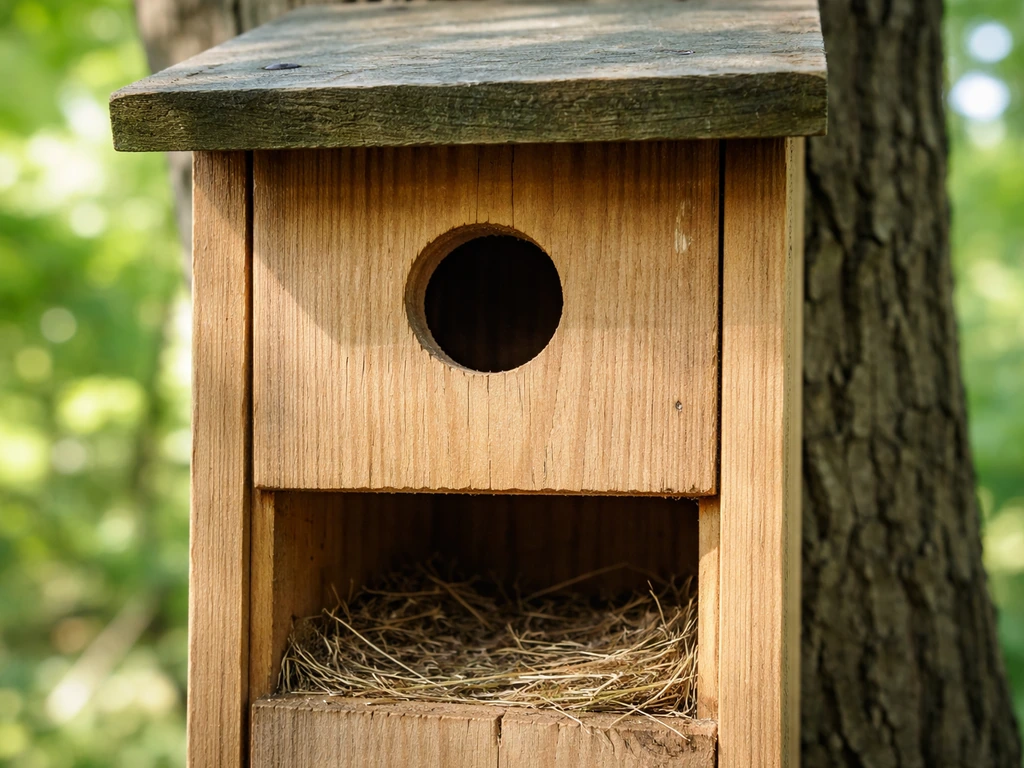
Cavity nesters include Eastern and Western Bluebirds, Black-capped and Carolina Chickadees, House Wrens, Tree Swallows, Prothonotary Warblers, and various nuthatches and woodpeckers. These birds need an enclosed space with a specific entrance hole diameter. Bluebirds need a 1.5-inch hole; chickadees need 1.125 inches; Tree Swallows need 1.5 inches. Get the hole wrong and you'll attract the wrong species or give House Sparrows easy access. Critically, most cavity nesters do not want you to add bedding. They will build their own nest inside the box using material they find themselves. Your job is to provide the right box in the right place, clean it between seasons, and stay out of the way.
Open-cup nesters (shrubs and trees)
Robins, Song Sparrows, Chipping Sparrows, Cardinals, Goldfinches, and most warblers build open cup nests in shrubs, on tree branches, or in dense vegetation. These birds actively collect nesting material and are the species most likely to use what you put out. They build with grass, plant fibers, spider silk, mud, moss, and small twigs. Offering short lengths of dried natural grass, plant fluff from cattails or milkweed, or thin natural twigs (under 6 inches) can genuinely help them.
Platform nesters
American Robins, Barn Swallows, and Mourning Doves will sometimes use a mounted nesting platform (a flat or shallow-cupped shelf). Robins and Barn Swallows use mud as a structural component, so they need a wet area or mud source nearby. Providing a shallow dish of moist soil or clay-heavy garden soil within about 50 feet of the platform is one of the best things you can do for these species.
Ground nesters
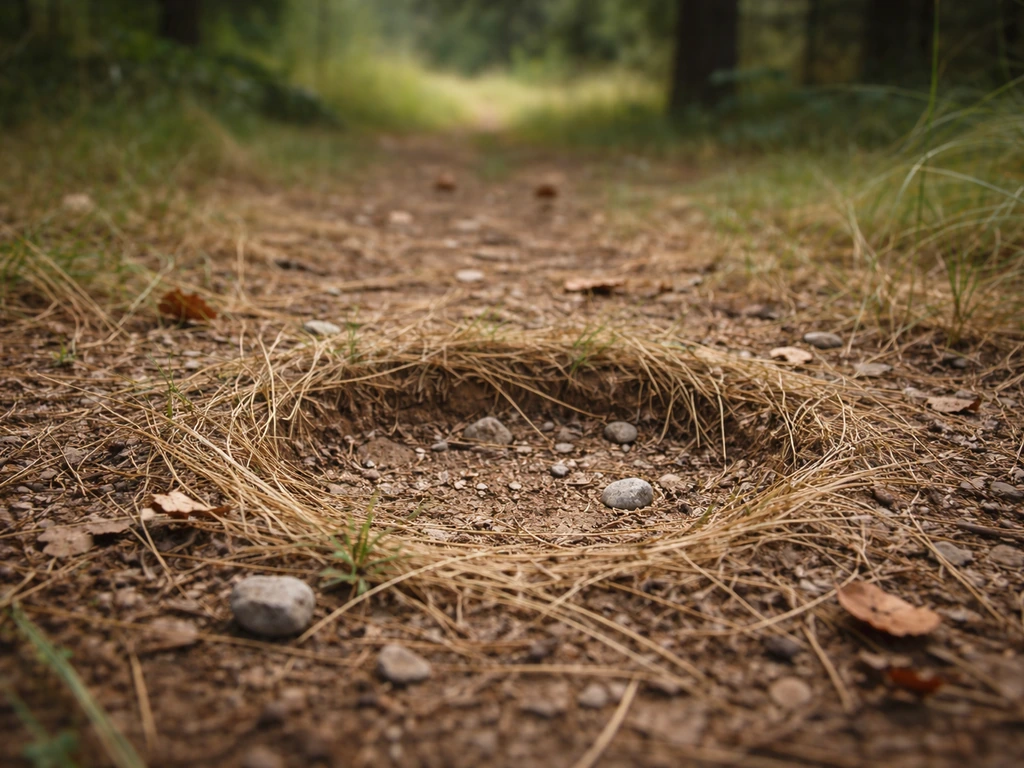
Killdeers, Dark-eyed Juncos, Ovenbirds, and some sparrows nest on or very close to the ground. There's almost nothing to "provide" here in terms of materials. The most helpful thing you can do is leave patches of leaf litter undisturbed, avoid mowing large sections of lawn during breeding season (roughly April through July in most of the U.S.), and keep cats and dogs out of those areas. Ground nests are extremely vulnerable and the best conservation act is simply not disturbing them.
Safe nesting materials to offer (and how to offer them)
If you want to put materials out for open-cup nesters, stick to natural, short-fibered, chemical-free options. The key word is "short" because long fibers, including anything over 4 to 6 inches, can wrap around legs, wings, or necks and cause injury or death.
| Material | Works for | How to offer it | Notes |
|---|---|---|---|
| Dried grass clippings | Most cup nesters, sparrows, finches | Loose in a mesh suet cage or wire basket | Must be untreated, no pesticides, cut short |
| Plant fluff (milkweed, cattail, dandelion) | Goldfinches, warblers, hummingbirds | Loose in an open basket or stuffed loosely in wire feeder | Naturally short and light, safe for lining |
| Small natural twigs (under 6 inches) | Robins, doves, larger cup nesters | Scatter on the ground near shrubs | Thin diameter, no sharp edges |
| Dry leaves (crumbled) | Wood Thrushes, ovenbirds, sparrows | Leave in piles near leaf litter | Best just left in place naturally |
| Spanish moss or dried moss | Many cup nesters, gnatcatchers | Hang loosely in a basket | Must be unbleached and untreated |
| Undyed wool fleece (raw) | Chickadees, nuthatches, titmice | Small amounts in a mesh feeder | Must be truly raw, unspun, and undyed |
| Moist soil or mud patch | Robins, Barn Swallows | Shallow dish or natural wet area | Keep within 50 feet of nest site |
The easiest and safest way to offer most of these is a small wire suet cage hung from a branch or shepherd's hook at about 4 to 5 feet off the ground. Birds can pull out what they need without getting tangled. Refresh the material every few days during peak nesting season, which runs roughly March through July across most of the continental U. S.
For more detail on timing and quantities, the topic of when to put out bird nesting material is worth exploring separately. If you're wondering what the best bird nesting material is, start with the timing so the material is available when birds are ready to build when to put out bird nesting material. For guidance on when to put out bird nesting material, follow the timing tips in the timing matters more than you think section.
For more detail on timing and quantities, see the section on when to put out bird nesting material.
What to avoid: materials that hurt birds, not help them
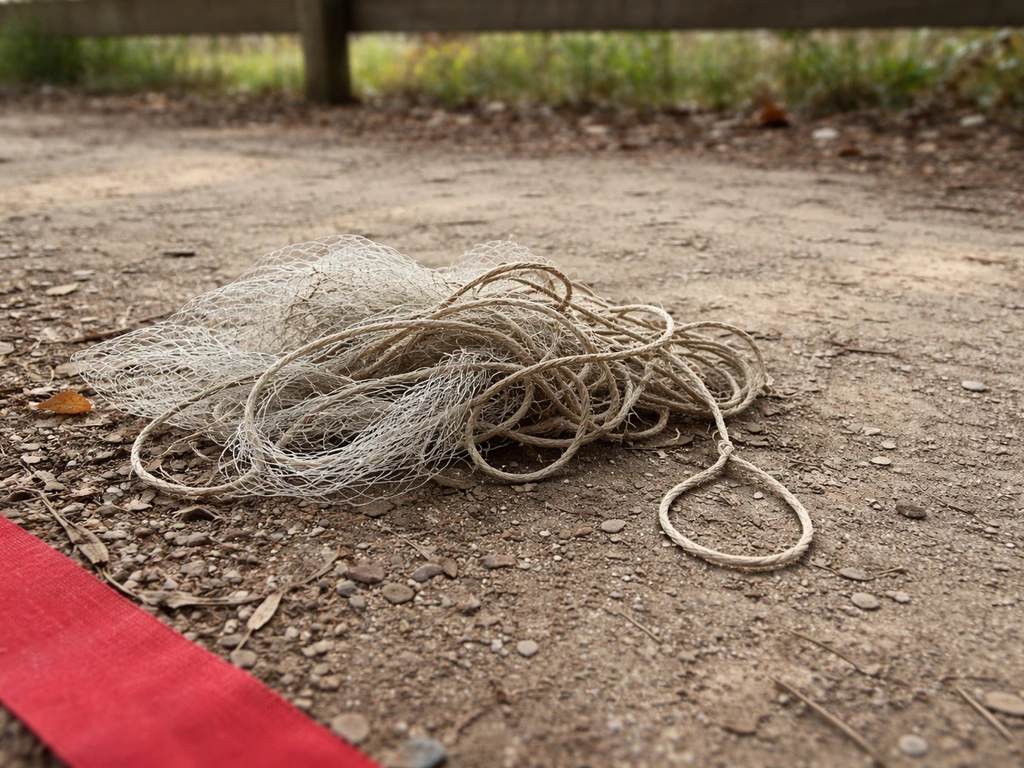
This is the section that matters most, because several very common "helpful" offerings are actually hazardous. The U.S. Fish & Wildlife Service also warns against offering blank" rel="noopener noreferrer">dryer lint, string, twine, or yarn because they can wrap around birds’ legs or necks and contribute to injury or death, and dryer lint may contain harmful chemicals. If you are wondering what to leave out for bird nests, this is a good place to start, because many “helpful” materials are actually hazardous. The U.S. Fish and Wildlife Service, Audubon, and Cornell Lab's NestWatch all specifically flag the same short list of materials as harmful.
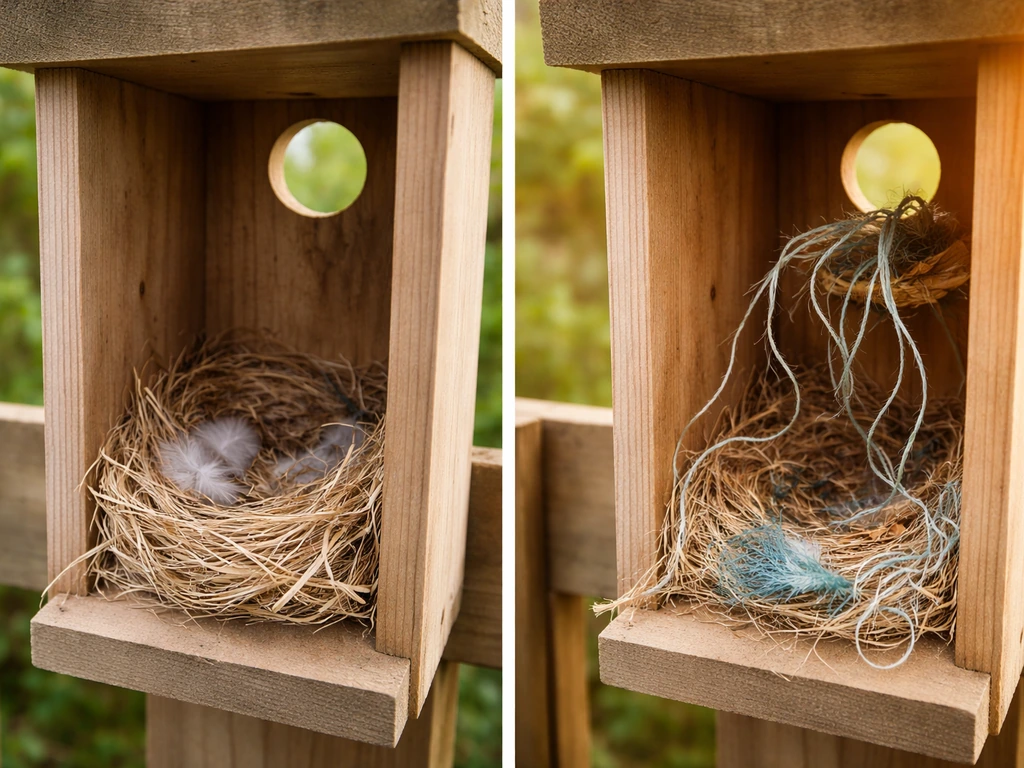
- String, twine, and yarn: These can wrap around legs, wings, and necks. Even short pieces become dangerous when woven into a nest because nestlings can get limbs caught in loops. This includes decorative garden twine, kitchen string, and kite string.
- Dryer lint: It feels soft but it's a trap. It holds structure when dry, but collapses and becomes dense when wet, which can trap chicks or cause hypothermia. The National Park Service and NestWatch both explicitly advise against it.
- Human or pet hair: Can wrap around legs like a tourniquet. Dog and cat fur is especially risky for nestlings.
- Synthetic fibers (polyester stuffing, pillow fill, plastic mesh): These don't break down, can trap birds, and have no insulating value for a nest.
- Treated or dyed materials: Any fiber that has been treated with fire retardants, bleach, dyes, or pesticides is a chemical hazard for developing chicks.
- Straw with pesticide residue: If it came from a farm field, it may carry chemical residue. Use only straw you know is pesticide-free.
- Anything over 6 inches long: Length is the primary tangle risk. Cut or break any natural fiber to under 6 inches before offering it.
- Moss from garden centers: Often treated with fungicide or preservatives. Use naturally sourced, untreated moss only.
The question of whether cotton balls are safe comes up a lot, and the answer is no. Raw cotton pulls apart into long thin fibers that act like thread and are an entanglement risk, especially for nestlings. The topic deserves its own detailed treatment, but the short version is: skip the cotton balls entirely.
Setting up your nest site correctly
Cleaning and preparing nest boxes
If you have an existing nest box, early spring (late February to mid-March in most of the U.S.) is the time to clean it out before residents arrive. Remove all old nesting material completely. Old nests harbor mites, lice, blowfly larvae, and pathogens that will affect the next clutch. Use a stiff brush and a dilute bleach solution (1 part bleach to 9 parts water), scrub the interior, rinse thoroughly, and let it air-dry completely before closing it up. Do not add fresh bedding after cleaning. Leave the box empty. Cavity-nesting birds want to start fresh and will bring their own material.
Mounting and placement for nest boxes
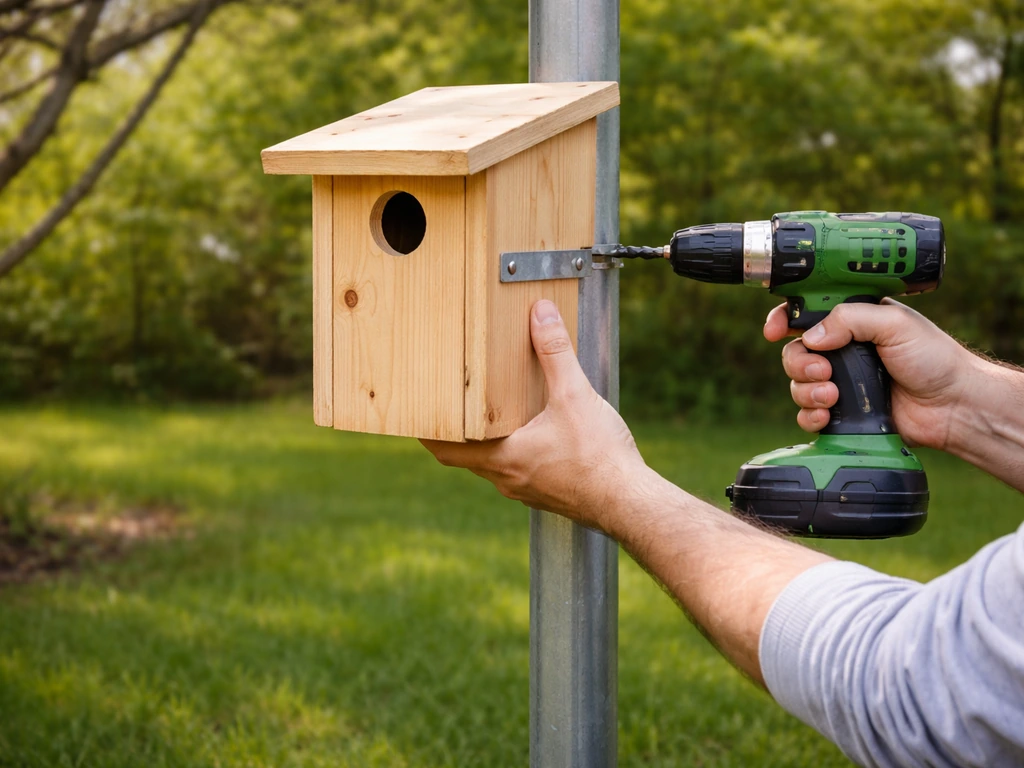
Placement is just as important as the box itself. Here are the practical rules that actually make a difference:
- Height: Mount most small nest boxes 5 to 8 feet above the ground. Bluebird boxes can go as low as 4 to 5 feet on a pole.
- Pole vs tree: Mounting on a smooth metal pole with a baffle (a cone or cylinder that blocks climbing predators) is far safer than mounting on a tree. Raccoons, snakes, and squirrels can easily scale tree bark.
- Predator baffle: A conical or cylindrical baffle placed 3 to 4 feet below the box entrance is essential if you're serious about protecting occupants.
- Entrance direction: Face the entrance hole away from prevailing wind and rain (often southeast to east in much of North America). Avoid south-facing in hot climates where the box can overheat.
- Distance between boxes: Do not mount two boxes of the same size within 100 feet of each other unless you're targeting two different species. Most cavity nesters are territorial.
- Nearby perch: A small branch or wooden perch stub within 10 to 15 feet gives fledglings a safe first landing spot.
- Distance from feeders: Keep nest boxes at least 25 feet from feeding stations to reduce traffic and harassment from non-nesting birds.
Timing matters more than you think
May is an active nesting month across most of the U.S. right now. Bluebirds may already be on a first clutch; Tree Swallows are actively prospecting; House Wrens are arriving. If you're putting up a box in early May, there's still a realistic window to attract late-arriving species or catch a second clutch from early nesters. Put it up now rather than waiting. Nesting material should also go out now if it isn't already, and can stay out through late July in most regions.
Ethics and the law: what you can and cannot do
This is non-negotiable territory. In the U.S., almost all wild birds (with very few exceptions) are protected under the Migratory Bird Treaty Act. This means it is illegal to take, possess, destroy, or move an active nest, eggs, or chicks without a federal permit. "Active" means a nest that has eggs or live chicks in it. Even if a nest is in an inconvenient location, like on your porch light or inside a dryer vent, you cannot legally remove it while it is active.
What you can legally do varies by situation:
- Empty nests (no eggs, no chicks): These can be removed once the breeding season is clearly over, typically after late August or September. An empty nest with no recent activity is generally considered inactive.
- Nest boxes you own: You can monitor and clean nest boxes between uses, and you can open a box to check on it. Opening a box during active nesting is discouraged but not illegal, though it can cause abandonment if done repeatedly.
- House Sparrows and European Starlings: These two species are not protected under the MBTA because they are non-native invasive species. You can legally remove their nests and eggs. Many bluebird trail managers do this routinely to protect native species.
- Nests in unsafe structures: If a nest is in a location that poses an immediate safety hazard (like inside a working dryer vent), contact a licensed wildlife rehabilitator or your state wildlife agency. They can advise whether a legal exception applies.
- Nest relocation: Attempting to move an active protected nest yourself is illegal and almost always results in nest abandonment regardless. Do not try it.
When in doubt, call your state wildlife agency or a licensed wildlife rehabilitator before doing anything to an active nest. Fines for MBTA violations can exceed $15,000 per offense. The practical rule is simple: if there are eggs or chicks in a native bird's nest, leave it completely alone until all young have fledged.
Troubleshooting: when things don't go as planned
No birds are using the box or the material you put out
Give it time first. Birds scout for days or weeks before committing. Check placement: is the box in a spot with no clear flight path to the entrance? Too close to heavy cover where predators can hide? Too far from the open foraging habitat the species prefers? Bluebirds want open grassland or lawn within about 100 feet of the box. Tree Swallows want open areas near water. Chickadees prefer edges of wooded areas. If the box has been up for a full season with no takers, move it. There's no shame in experimenting with placement.
The wrong species moved in
If House Sparrows have claimed your bluebird box, you have options because House Sparrows are not protected. Remove their nest material before eggs are laid, or remove the eggs and nest together if they've already laid (this is legal for this species). Repeated removal eventually discourages them, though they are persistent. If House Sparrows are a persistent problem, switch to a box design specifically built to deter them, such as the Peterson bluebird box with its angled roof and smaller entrance.
A nest failed mid-cycle (abandoned eggs, dead chicks)
Nest failure is common and natural. Causes include predation, weather, disease, parasites, and simple inexperience from first-year breeders. Do not remove an abandoned nest during the breeding season unless you're certain it's fully inactive, because the parents may still return or the nest may be reused for a second clutch. If chicks are clearly dead and the parents have not returned in 48 hours, you can clean the box out and let it air. If you find a fallen chick that is alive and uninjured, the "put it back" rule applies: place it back in the nest if you can safely reach it. Parent birds do not reject chicks touched by humans.
Predators are a repeated problem
A predator baffle on the mounting pole is the single most effective tool you have. If you already have one and predators are still getting in, check that the baffle is tight against the pole with no gap, that the pole is at least 4 feet from any branch or structure a raccoon or squirrel could jump from, and that the box itself has no cracks or damaged wood that snakes can exploit. Adding a hardware cloth "entrance guard" (a 2-inch-thick wooden or metal block over the entrance hole) makes it harder for raccoons to reach in and extract eggs or chicks. Cats are a significant threat to fledglings on the ground: if you have outdoor cats or neighbors with them, keeping cats inside for the 2 to 3 weeks after fledging makes a real difference.
Disease concerns
Old nesting material is the primary disease vector in nest boxes. Blow fly larvae, mites, and bacteria accumulate in used nests. Cleaning boxes every season (and mid-season if a clutch fails and another is expected) is the most important disease prevention step you can take. Wear gloves when handling old nesting material and wash your hands thoroughly afterward. Do not compost old nest material; bag and dispose of it.
FAQ
Can I put nesting material directly into a nest box (for example, grass or cotton-free materials)?
No. If your goal is cavity nesting, skip any added bedding or nest material in the box, because most species will not use it and it can increase parasite load. If your goal is open-cup nesting, offer only short, natural, chemical-free fibers (for example short dried grass or plant fluff) in a mesh feeder or wire cage, and remove any that smell sour or get moldy.
How much bird nesting material should I put out at once?
Use a small amount that birds can easily tug out, then refresh on a tight schedule during peak nesting (about every few days). Overfilling usually leads to wet, compacted material that nestlings cannot handle well and can also attract pests. If you see clumps forming, remove the clumps and replace with loose, dry material.
Should I offer multiple types of nesting material in the same area?
Plan for one material source per feeder type. For open-cup nesters, a single wire suet cage or mesh feeder is typically enough, then keep it consistent. Multiple offerings can cause birds to mix incompatible materials or spend extra time sorting. If you add more than one, place them close enough to be convenient but not so close they tangle together.
If birds do not use my nest box, when should I move it and how do I decide what to change?
Start by confirming whether birds are using it as a nest site or just perching or caching food. If nothing is being used after a full season, you can move the box, but adjust one variable at a time (height, orientation, and distance to foraging). Avoid frequent moving within the same breeding attempt because birds often return to known sites.
Can I clean a nest box any time, or only in early spring?
Yes, but do it when you are sure the nest is not active. For cavity nest boxes, early spring cleaning (late February to mid-March in many areas) is meant for empties before residents arrive. If you find an active nest, wait until all young have fledged before cleaning, even if you think the birds will move on.
What should I do if the nesting material gets wet or develops mold?
For open-cup nesters, keep offerings dry and loose. If the material gets damp, it can mildew and increase risk to nestlings. Remove visibly moldy material promptly, then replace with fresh dry fibers.
What if I find an open-cup nest I did not notice earlier, can I move it because it’s in an inconvenient spot?
Often, but with a key distinction. If you have a suspected active cavity nest, do not remove it. If you are dealing with an open-cup nest that you can’t easily confirm for activity, the safer move is to avoid interference and contact your state wildlife agency for guidance. If the nest contains eggs or live chicks, removal is generally not allowed.
My nest box is still getting raided, what changes should I make first?
If you suspect a predator issue, do not rely on just adding material. The most effective fixes are physical: tighten the predator baffle with no gap, ensure the pole is positioned so raccoons cannot launch from nearby branches, and check for cracks or damaged wood. Then use an entrance guard for additional protection, especially when raccoon predation is common.
If the wrong species keeps using my nesting setup, can I fix it with different materials?
It depends on the species and how the birds respond. For cavity nesters, design and hole size matter more than any bedding, so you cannot “compensate” by adding different material. If birds keep taking over a box meant for another species, you may need a box designed to deter the offender, and you should adjust placement to match the target species’ preferred habitat.
When should I take nesting material down after the breeding season?
Do not leave out nesting material for extended periods without maintenance during nesting season. Take it down after late July in most regions, and clean up any material that becomes damp or heavily soiled. Leaving it all year can attract unwanted species and pests, and it reduces your ability to identify when birds are actively building.
What should I do if I find a chick on the ground under a nest box?
If a fallen chick is alive and you can do so safely, place it back in the nest when possible. Parent birds generally will not abandon chicks just because a human touched them. If the chick is dead, or parents do not return for about 48 hours, then cleaning may be appropriate.
I have pets nearby, how do I protect birds if I want to help with nesting materials and boxes?
Yes, and it changes what you should prioritize. If cats are present, preventing access during the weeks after fledging is one of the biggest impact actions you can take (typically 2 to 3 weeks). Also consider restricting access to ground nesting habitat, because ground nests and fledglings are especially vulnerable to cats and dogs.