
Yes, you can keep an old bird nest in many cases, but whether it's legal, safe, and a good idea depends on a few things you need to check first: is the nest truly inactive, is it from a protected species, and how do you plan to handle it? Get those three questions answered and the rest is straightforward.
Can I Keep an Old Bird Nest? Safe, Legal Options

Maya Bennett
23 Apr 2026
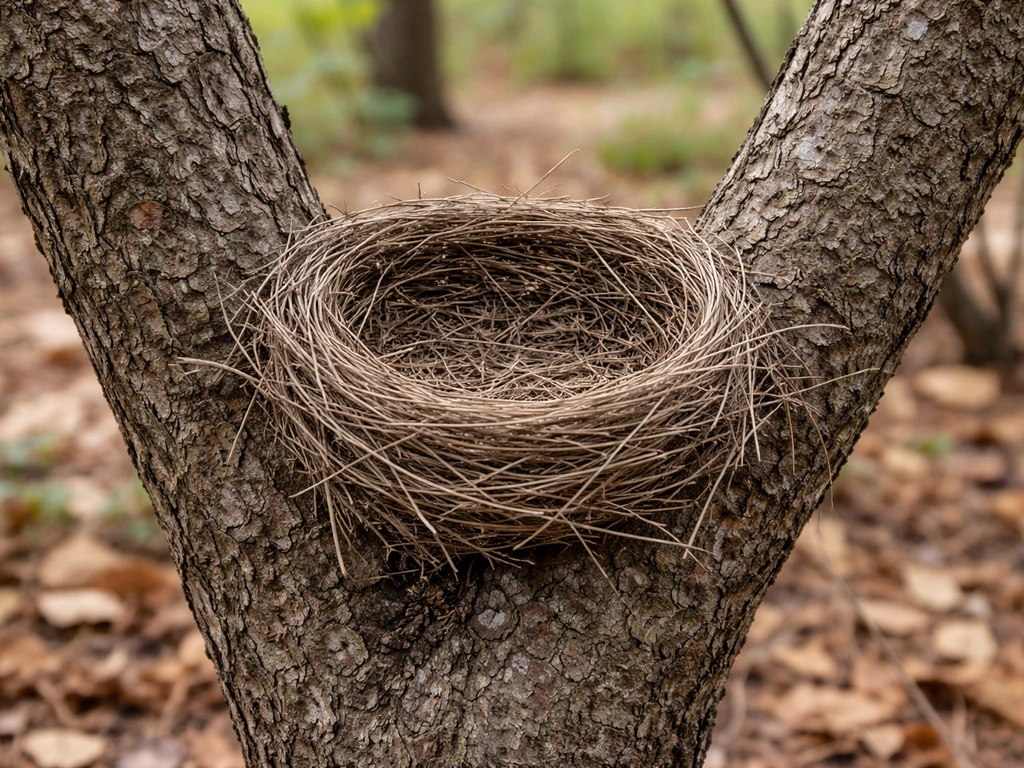
Is the nest actually inactive? Here's how to tell
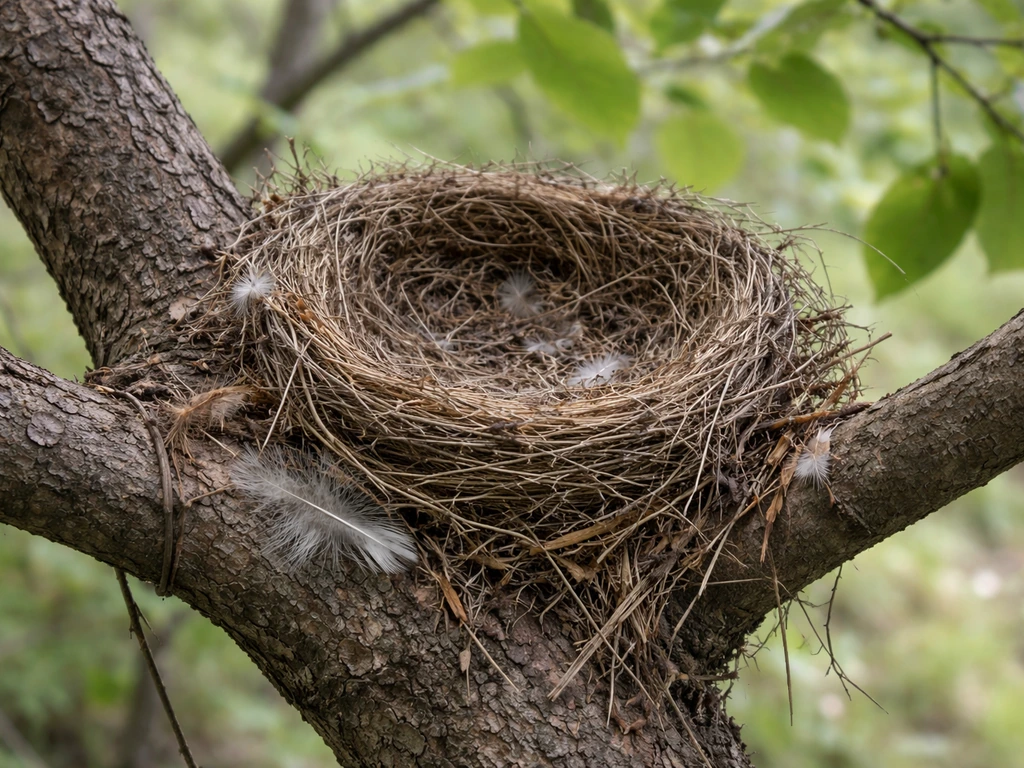
This is the most important step, and it's easy to get wrong. A nest is legally "active" from the moment the first egg is laid until fledged young are no longer dependent on it, according to U.S. Fish and Wildlife Service (USFWS) definitions. That window can be longer than it looks from the outside, especially for cavity-nesting species where chicks may still be dependent even after they've left the cup.
NestWatch monitors have made the mistake of assuming a nest was abandoned, only to find that eggs later hatched because adults were quietly coming and going the whole time. Don't rely on a single glance. Spend 15 to 20 minutes watching from a distance of at least 10 feet before you touch anything.
Here's what to look for when assessing whether a nest is inactive:
- No adult birds visiting, brooding, or calling from nearby perches after a sustained watch period
- No eggs or chicks visible inside the cup
- Nest materials look weathered, compressed, or partially disintegrated (fresh nests are tight and springy)
- Droppings on the rim or surrounding branches are dry and crusted, not fresh white
- Feathers inside the cup are faded or missing entirely
- The structure has visible damage from weather, wind, or predators that would make it unusable
If you spot any eggs, stop. Eggs that look abandoned may still be viable, or may be in a late-stage incubation where adults are taking brief breaks. Wait at least 48 to 72 hours of consistent inactivity before drawing conclusions. If you're unsure, photograph the nest and note the date, then check again in a few days.
The legal side: what you can and can't do
The Migratory Bird Treaty Act (MBTA) protects the vast majority of wild birds in the United States, including their nests and eggs. Under the Migratory Bird Treaty Act, it is generally unlawful to possess migratory birds, or any part, nest, or egg of such birds, unless permitted by regulations or permits generally unlawful to possess any migratory bird, or any part, nest, or egg. The good news is that the MBTA does not prohibit destroying or removing a nest that is genuinely inactive, meaning no live birds, no viable eggs, and no continuing dependency by fledged young. But the law is strict about what "inactive" means, and you are responsible for getting that determination right.
There is one hard exception: bald and golden eagle nests cannot be removed at any time of year, active or not, without a federal permit from USFWS. No exceptions, no gray area. If you're looking at an eagle nest, call your regional USFWS office.
State law can tighten things further. Florida's administrative code, for example, defines inactive nests narrowly and indicates that even onsite destruction may require federal authorization in some cases. Other states have similar overlapping protections. The safest move is to check with your state wildlife agency before removing any nest you're uncertain about.
When to contact authorities before touching a nest:
- The nest belongs to an eagle, osprey, or other large raptor
- You can see eggs or young, active or not
- The nest is in a location that creates a genuine safety hazard (structural, electrical) and you need to act quickly
- You're in a state with stricter-than-federal protections and aren't sure of local rules
- The nest involves a Canada goose or other federally managed species with specific management frameworks
For emergency or safety situations involving nests on buildings, USFWS has a permit pathway for relocation or removal of migratory bird nest contents. Contact your regional USFWS Migratory Bird Program office. They're used to these calls and will tell you what's allowed.
Leave it or remove it? The real trade-offs
Leaving an old nest in place has genuine ecological value. Old nest structures act as what NestWatch researchers call "biological museums," preserving ecological information and habitat structure over time. Certain species reuse nests or build on top of existing ones. Northern flickers, for instance, reuse the same cavity in roughly 40% of cases depending on whether the previous nest was depredated. Other songbirds return to productive sites year after year, sometimes for four or more consecutive seasons.
That said, reuse isn't always a good thing for the birds. A peer-reviewed study in Oecologia documented what researchers call the "paradox of nest reuse": old nests can accumulate parasites, mites, and predator scent cues that increase the risk of nest failure. So leaving a nest isn't automatically the conservation win it might seem.
Here's a practical breakdown of the trade-offs:
| Factor | Leave the nest | Remove the nest |
|---|---|---|
| Habitat value | Supports reuse by same or other species | Removes a potential nesting resource |
| Parasite load | Mites and lice can persist and harm future nesters | Eliminates ectoparasite reservoir |
| Predator attraction | Scent and visual cues may attract predators | Reduces predator habituation to the site |
| Structural safety | Fine if nest is stable and away from people | Necessary if it's near HVAC, wiring, or entryways |
| Allergens/odor | Can cause issues if near windows or vents | Eliminates the problem at source |
| Legal ease | No action needed, no legal risk | Requires confirmation nest is truly inactive |
In most cases, if a nest is in a tree or shrub away from foot traffic, leaving it alone through the off-season is the lowest-effort, lowest-risk option. Remove only when there's a real reason to.
How to handle, clean, and dispose of a nest safely
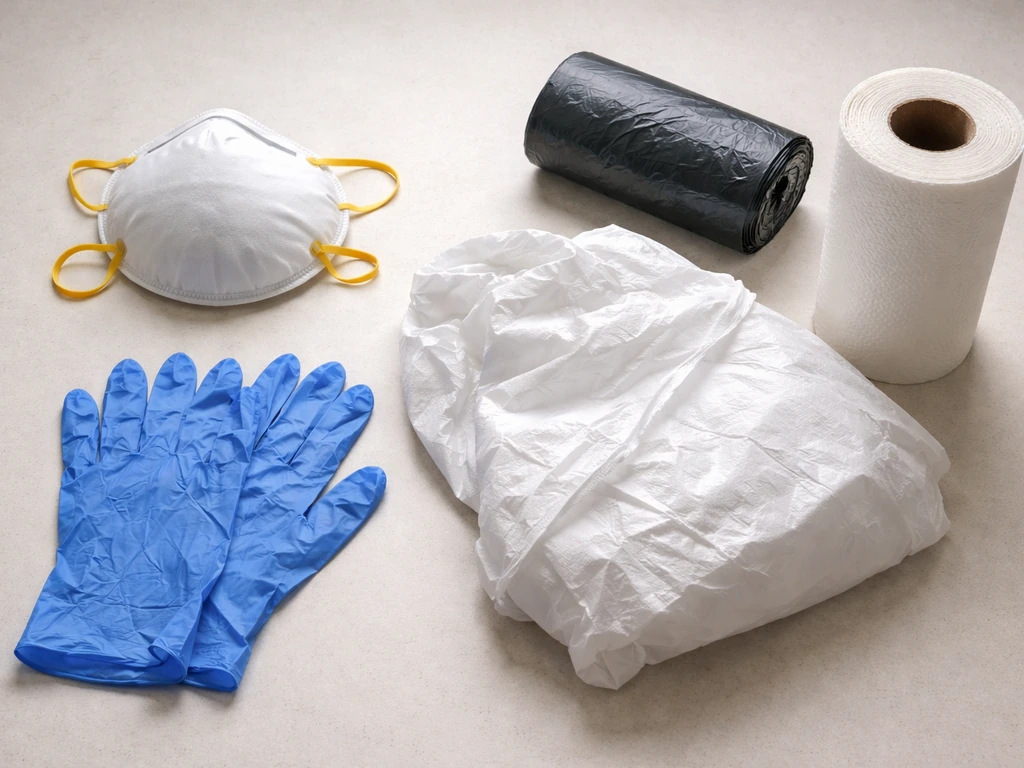
Old bird nests can carry fungi, bacteria, mites, and dried feces that pose real health risks if disturbed without protection. Histoplasma capsulatum, the fungus behind histoplasmosis, can be present in accumulated bird droppings and becomes dangerous when dust is aerosolized. The CDC recommends that large accumulations of droppings be handled by professional hazardous-waste removal companies. For a single small nest, you can handle it yourself if you use proper PPE and avoid creating airborne dust.
What to wear before you touch anything
- N95 respirator (minimum): standard paper dust masks are not sufficient for Histoplasma spores or dried fecal particulates
- Nitrile or rubber gloves: double-glove if the nest is heavily soiled
- Safety glasses or goggles if the nest is overhead or crumbling
- Long sleeves you can bag and wash immediately, or disposable coveralls
Step-by-step removal and disposal
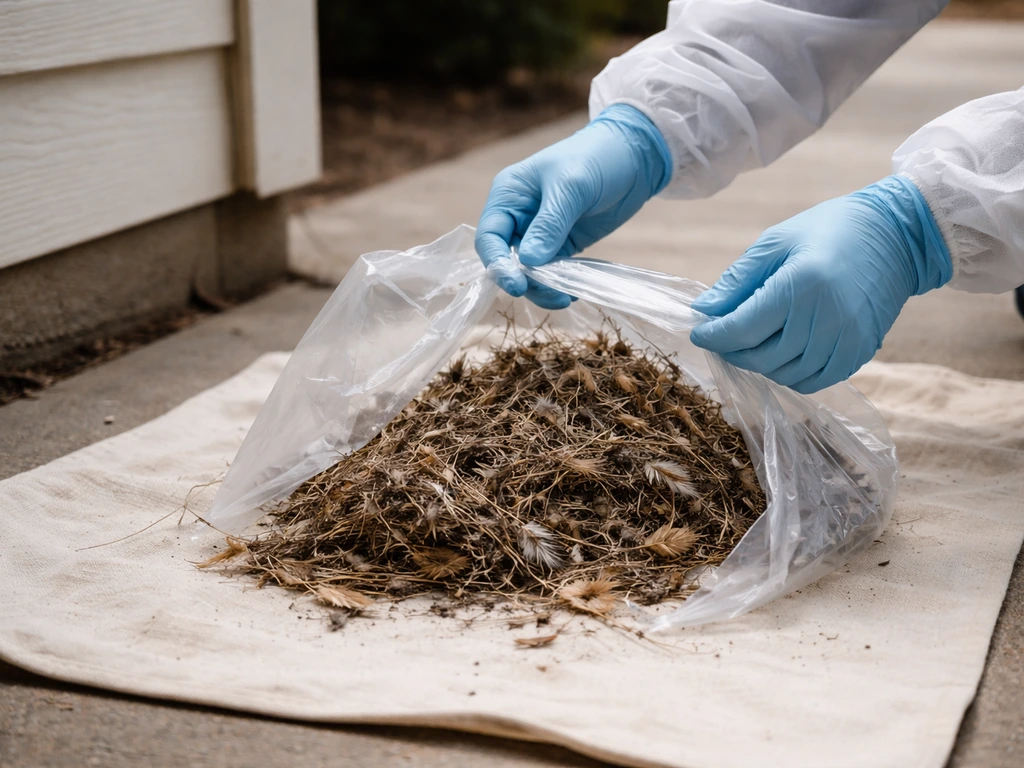
- Confirm the nest is inactive (watch from a distance for at least 15 to 20 minutes, check for eggs or young)
- Put on all PPE before you get within arm's reach of the nest
- Lightly mist the nest with water or a dilute disinfectant spray to reduce dust aerosolization (do not use a dry brush or vacuum)
- Place the nest directly into a sealed plastic bag without shaking or compressing it
- Tie the bag, place it inside a second bag, and seal again
- Dispose in your outdoor trash bin, not indoor waste
- Remove gloves by peeling inside-out, bag them too
- Wash hands thoroughly with soap and water for at least 20 seconds
- If you plan to keep the nest for display, see the cleaning and preservation section below
Do not dry-sweep, vacuum, or blow compressed air around a nest or the surface beneath it. All three methods push particulates into the air. The CDC's psittacosis and histoplasmosis guidance both flag dry disturbance as a primary exposure risk.
What to do when the nest is on your property
Timing matters enormously here. Most songbirds in North America nest between April and August, with peak activity from May through July. If you're reading this in spring or early summer and a nest appeared on your house, porch, or near an entryway, there's a real chance it's active or about to be. The safest rule: if you discover a nest in the building season and aren't sure of its status, hold off until late August or September before taking any action.
For nests discovered in fall or winter (October through February in most of the U.S.), the probability of activity is very low for most species. This is the ideal window to remove, relocate, or clean out nests from problematic locations without legal or biological risk.
Nests near doorways, vents, or HVAC systems
These locations create the most legitimate case for removal. Nests near dryer vents or HVAC intakes can introduce mites, debris, and fungal spores directly into your home. Nests above entryways concentrate bird droppings on surfaces people touch. If the nest is currently inactive, remove it following the steps above, then install a physical deterrent (a vent cover with mesh, a spike strip, or bird netting) before the next nesting season. If the nest is inactive and properly handled, you can still ask whether you can put a bird back in its nest or provide an appropriate alternative. Do not wait until birds are already back and laying eggs, because once that first egg appears, your hands are legally tied.
Thinking about relocation rather than disposal?
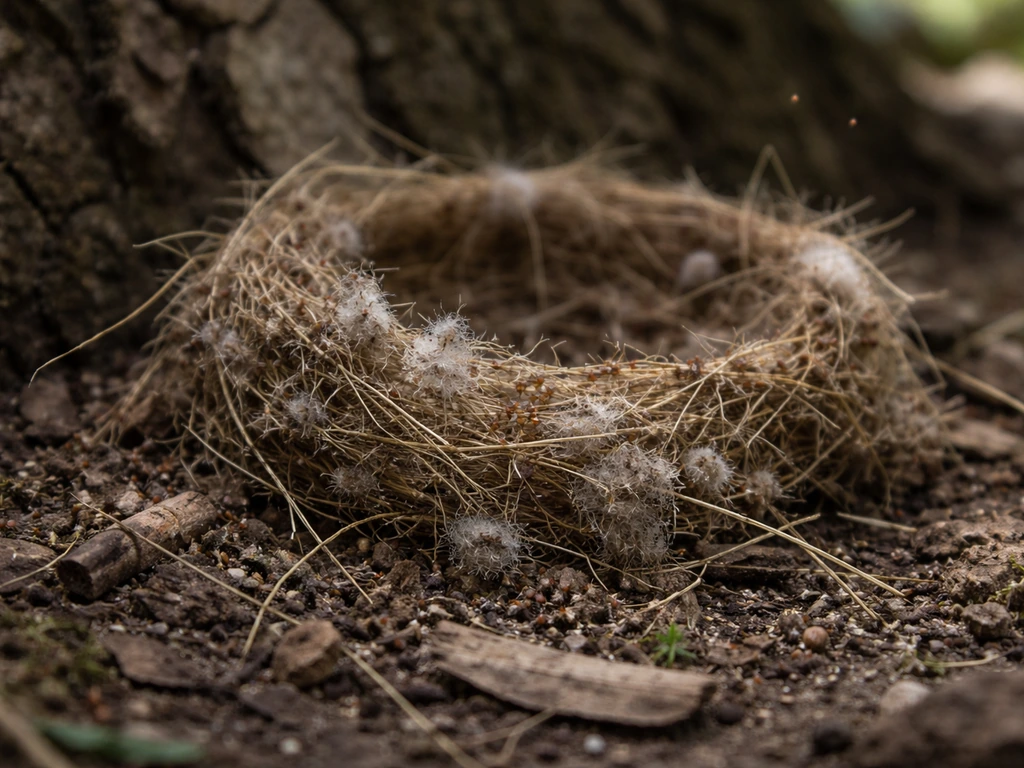
Relocating a nest works best when it's still structurally intact and you're moving it only a short distance (within the same yard or tree line). If you are wondering can a bird nest be relocated, the safest approach is to confirm it is truly inactive and keep the move as short as possible. Whether a bird will return to a moved nest is a separate question worth understanding before you invest effort in careful relocation. Whether a bird will find its nest again after it is moved depends on how close the relocation is and how confident the birds can be that the new spot matches the old location Whether a bird will return to a moved nest. The short version: adults navigate by location, so moving a nest more than a few feet significantly reduces the odds they'll find it. Moving a nest more than a few feet can also break the birds' expectations about where their nest will be, so they may not return or could choose a new site. If the nest is already inactive, relocation is really more about your preferences than the birds' needs.
Pest concerns
Old nests can harbor bird mites, carpet beetle larvae, blowflies, and other insects even after the birds are long gone. If you find a nest that's been sitting in an enclosed space like an attic, porch roof cavity, or garage rafter, treat it as potentially infested. Bag and remove it promptly rather than leaving it in place, and inspect the surrounding area for signs of mite activity (tiny crawling specks near the nest base or on adjacent walls).
Keeping a nest for display or preservation: what's worth doing
Displaying a found nest is a genuinely beautiful thing to do, and it's legal as long as the nest is from a non-protected species (like house sparrows or European starlings, both of which are invasive and not covered by the MBTA) or is an inactive nest from a protected species that you've handled properly. Nests from active nesting periods, or nests with eggs still attached, carry legal risk under MBTA possession provisions. When in doubt, photograph rather than possess.
Practical preservation options
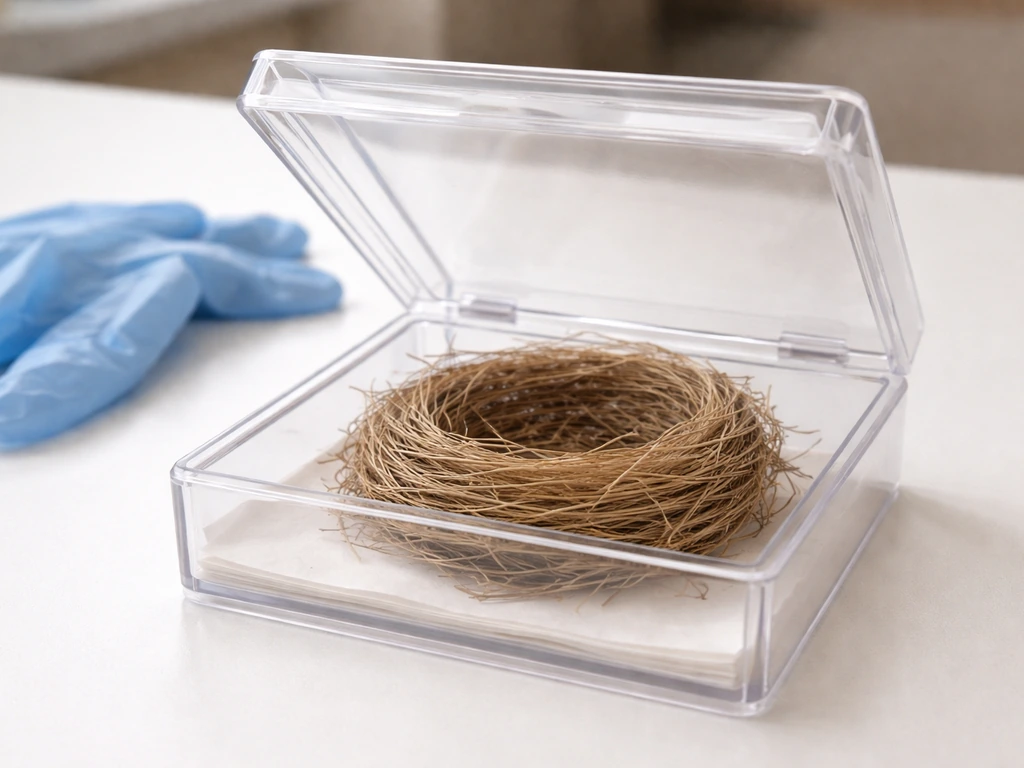
- Air-dry the nest fully (at least 48 hours in a dry, ventilated space) before bringing indoors
- Freeze it for 72 hours at 0°F to kill mites and beetle larvae before display
- Display in a sealed glass cloche or shadow box to keep dust contained and prevent further fragmentation
- Spray lightly with a clear matte fixative (the type used for artwork) to hold fragile materials together without altering the look
- Photograph the nest in detail before and after cleaning: document materials, size, shape, and where you found it
- Label with species (if known), location, and date found, and keep notes alongside it
What not to do
- Do not keep a nest with eggs still attached, even empty or broken shells from a protected species, without checking your state's specific rules
- Do not use nests from active nesting periods in crafts or décor even if you believe the birds are "done"
- Do not sell nests or eggs from protected species, even informally, as this creates additional MBTA liability
- Do not bring a nest indoors without the freeze treatment described above; mites can infest furniture and soft furnishings quickly
- Do not display nests in high-humidity areas (bathrooms, kitchens) where mold can grow on remaining organic matter
The most responsible and lasting way to "keep" a nest is to photograph it thoroughly and leave it where it is. A well-documented photo series captures every material, strand, and layer without any legal or sanitary risk, and the nest stays available for wildlife that might reuse it.
Troubleshooting: common situations and quick answers
Can I keep a nest indoors?
Yes, with preparation. Freeze the nest for 72 hours, let it dry completely, and display it in an enclosed case. Small nests from finches or warblers are stable enough to sit in a bowl or on a shelf if they've been treated. Larger nests from robins or mourning doves shed more material and do better in a sealed display.
Allergies and odor
If a nest is causing allergy symptoms or an unpleasant smell, remove it immediately. Allergens from feathers, dander, mites, and fecal material can persist long after the birds leave. If the nest is near a window or vent, those particles may already be entering your living space. Wear your N95 during removal, bag the nest outdoors, and wipe down the surrounding surface with a damp cloth and dilute disinfectant.
Will leaving the old nest attract birds again?
Probably, yes, especially if the site worked well before. NestWatch documented a case where birds returned to and reused the same site across four consecutive years. If you want to discourage renesting in a problematic location, remove the nest after the season ends and install a physical deterrent before February, well before most species begin scouting nest sites. If you want to encourage return visits, leaving the old nest (or the cavity/structure that held it) in place is one of the best things you can do.
What if I'm not sure it's from a protected species?
Assume it is. The MBTA covers nearly all native North American songbirds, waterfowl, and migratory species. House sparrows and European starlings are the main common exceptions. If you can't identify the builder with confidence, treat the nest as protected and follow the inactive-nest rules before doing anything with it.
The nest is on or inside a building and causing a structural or safety concern
If it's truly inactive, you can remove it yourself using the steps above. If you have any doubt about its status, or if the situation involves an electrical panel, HVAC system, or fire risk, contact USFWS before touching it. They have a permit process specifically for this, and a quick call can save you from legal exposure. Document everything with photos and timestamps before and after.
Your decision path at a glance
- Watch the nest from a distance for 15 to 20 minutes to confirm no adult activity
- Check for eggs, chicks, or signs of active use before getting any closer
- If any doubt exists, come back in 48 to 72 hours and reassess
- Once confirmed inactive, check whether you're dealing with a protected species (call USFWS or your state wildlife agency if unsure)
- Decide: leave it for ecological value, remove it for safety/pest reasons, or preserve it for display
- If removing: put on PPE, mist lightly, bag and seal, discard in outdoor trash
- If keeping: freeze 72 hours, dry thoroughly, display in an enclosed case
- Install deterrents in problem locations before the next nesting season begins (February is not too early)
FAQ
If I only take a quick photo, can that count as “possessing” the nest under the MBTA?
Photos are generally safer than keeping the physical nest, but avoid bringing nest material indoors or storing it. If you plan to collect samples (twigs, feathers, eggshells), that creates possession risk, so stick to photographing and leaving everything in place when the species or status is uncertain.
How can I tell whether a nest is truly inactive if it’s in a busy area, like under a porch or eaves?
Use a longer observation window than a single glance. Watch from at least 10 feet away for 15 to 20 minutes, then re-check after 48 to 72 hours. If you see any adults returning, carrying food, or sitting on the nest, treat it as active and wait until the off-season.
Can I clean out an old nest later in the season, even if I see no birds right now?
Only if you can reasonably confirm inactivity. An “empty” nest in spring or early summer can still contain eggs that hatch later. If there were any eggs present, re-check for 48 to 72 hours of consistent inactivity before removing anything.
Do I have to wait until October through February to remove nests, even if the nest is small?
Not always, but timing is the biggest safety valve. In the May to July peak, the chance of dependency is higher, even for cavity nests. If you are in the nesting season and unsure, hold off until late August or September, or contact USFWS for guidance.
What should I do if a nest is inside an HVAC intake, dryer vent, or near electrical wiring?
Treat these as higher-risk situations. Do not attempt DIY removal if there is electrical, airflow, or fire risk. Contact the appropriate wildlife authority (USFWS Migratory Bird Program pathway) before disturbing nest contents so they can advise on permitted options.
Is it safe to bag and throw away a nest in the regular trash?
If it is inactive and you are handling a single small nest, bagging outdoors and containing dust is usually the practical approach. Do not dry-sweep or vacuum. If the nest is in an attic or shows signs of infestation or heavy droppings, consider professional hazardous-waste or pest handling rather than routine disposal.
Can I keep the nest as a souvenir in a sealed box or display case?
You can only do this if it is from a non-protected species or it is an inactive nest from a protected species that you properly handled. If it was collected during nesting season, or any uncertainty remains about eggs or dependency, it is safer to photograph it and avoid keeping physical material.
Does freezing the nest for 72 hours always make it safe to handle later?
Freezing helps with some pests, but it does not eliminate health risk from dried feces, feathers, and disturbed particulates. Still use protective equipment, bag it carefully, and avoid actions that aerosolize dust, like shaking, dry-sweeping, or compressed-air cleaning.
If I remove an old nest to stop birds from returning, when is the latest I should act?
Remove it after the nesting season ends, then install deterrents before most species start scouting again, well before February. If you wait until birds are already searching and building, you can trigger legal risk if the nest is still active or about to be used.
If a nest was reused by birds, does that mean my old nest is likely to be active again soon?
Reuse patterns raise the odds of return, but do not rely on history alone. You still need to assess current inactivity using observation and timing rules. Some species reuse cavities year after year, but others shift sites, so confirm rather than assume.
What if I can’t identify the bird species that made the nest?
When you cannot identify the builder with confidence, treat it as protected and follow the inactive-nest approach. If you are in the nesting season, err on the side of waiting or contacting USFWS, because misidentifying the species is one of the most common mistakes.
Are bird mites and droppings always present in old nests?
Not every nest has a heavy pest load, but enclosed locations like attic cavities and porch roofs can concentrate mites and other arthropods. If you see tiny crawling specks or fresh-looking debris, consider professional help and do not disturb the area without protection.