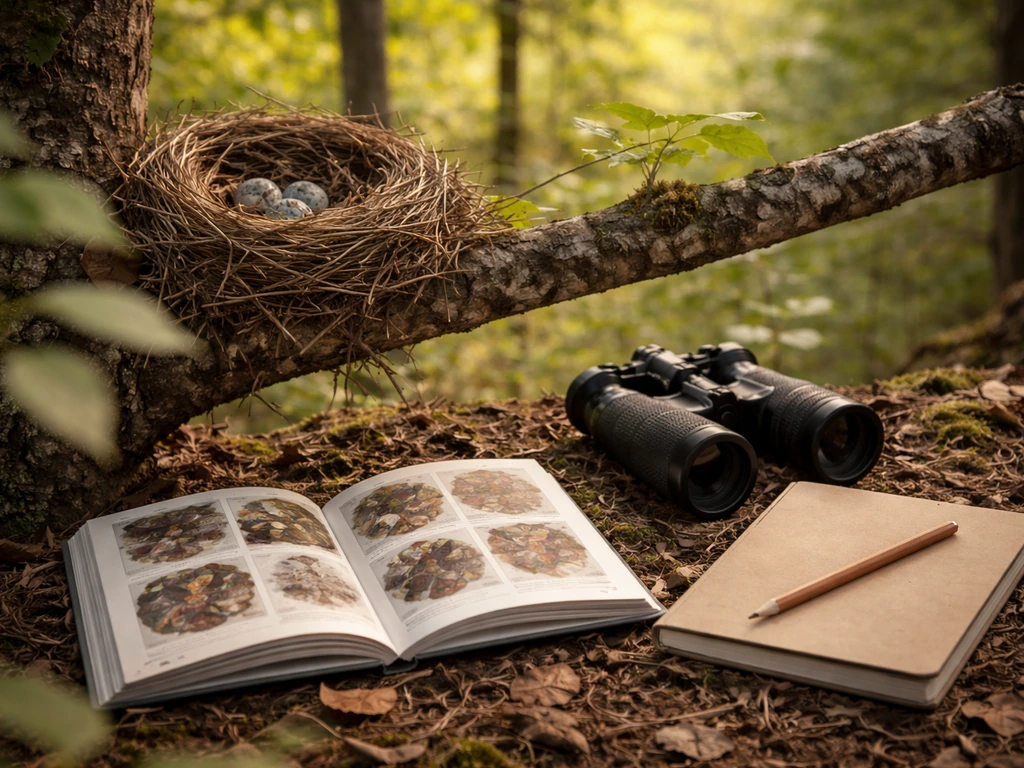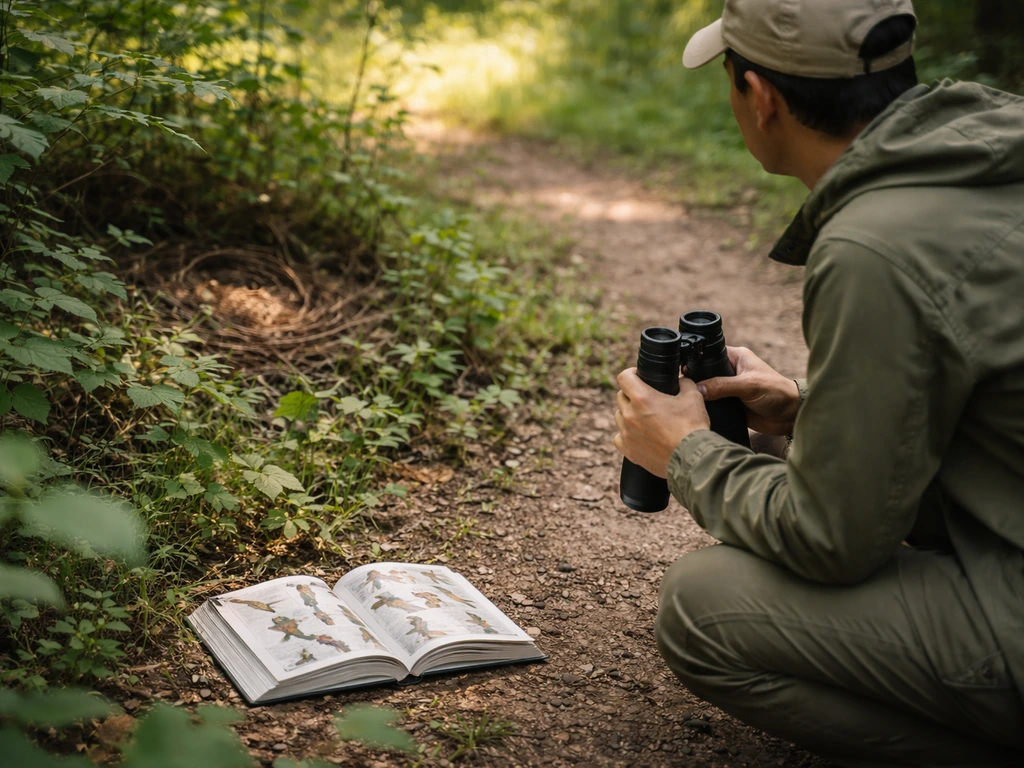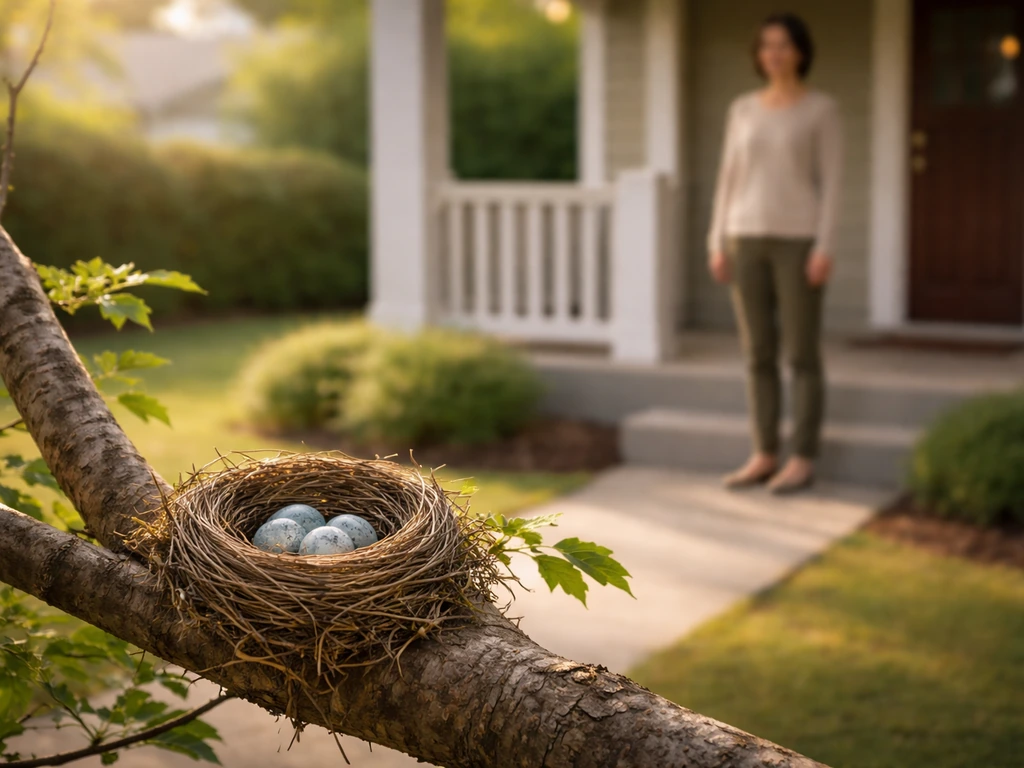
If you find bird eggs on the ground, pick them up gently with clean hands or gloves, assess whether the nest is still intact and nearby, and if it is, place the eggs back as quickly as possible. For species-specific identification and nest structure, a peterson field guide to north american bird nests can help you confirm what kind of nest you are dealing with. That's the single most useful thing you can do.
What to Do If Bird Eggs Fell Out of the Nest

Maya Bennett
29 Apr 2026
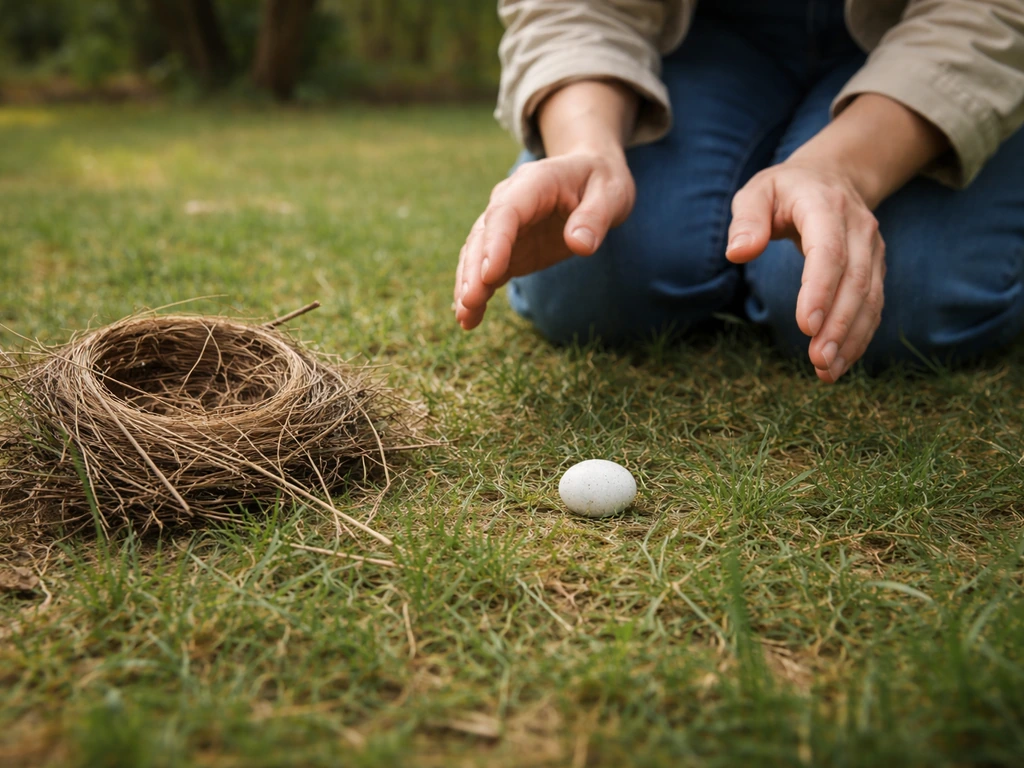
The old myth that a parent will reject a touched egg is false. Birds don't abandon eggs because of human scent. What actually threatens viability is time, temperature, and damage. An egg left on cold ground loses heat fast, and once an embryo chills or the shell cracks, the odds of survival drop sharply.
So the faster you act, the better. If you want a complete guide to bird eggs, including what to do at each stage, follow the step-by-step checks below.
First: is the egg actually viable and was the nest active?
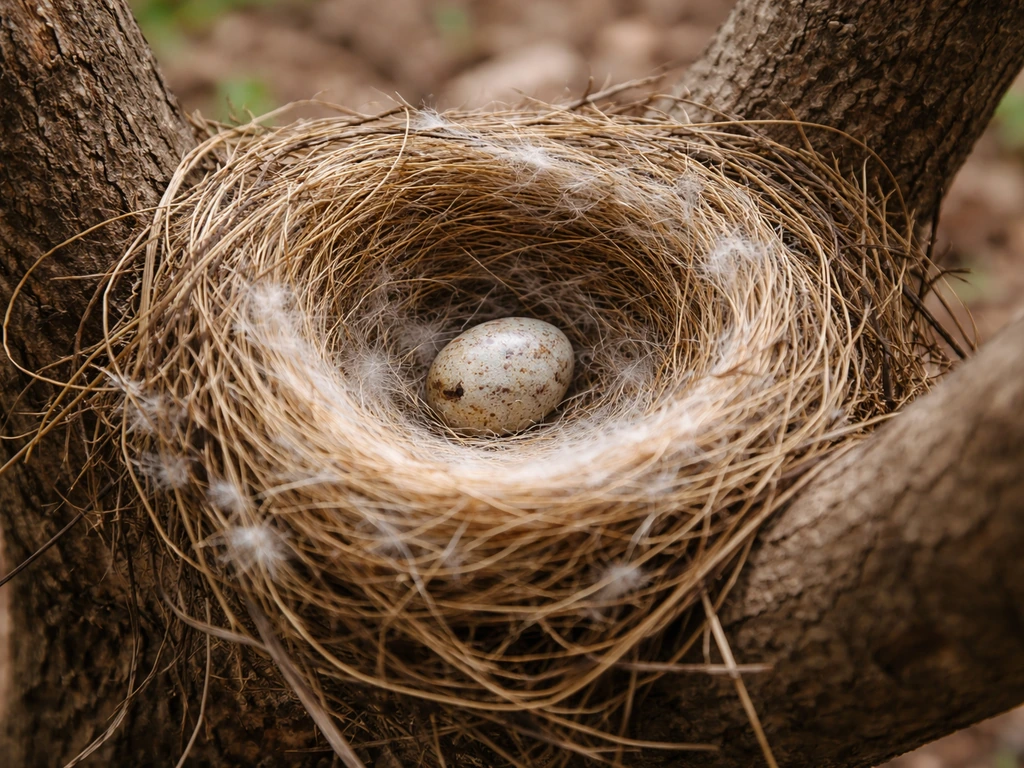
Before you touch anything, take 30 seconds to observe. Look for signs that the nest was recently occupied: fresh nest materials (no mold, no debris settling into the cup), a nest structure that still holds its shape, and eggs that are clean or only slightly dirty. If you can safely reach the nest, check whether it feels warm. An egg that's warm to the touch is almost certainly in an active incubation cycle. A cold egg that's been on the ground for an unknown period of time may still be viable if incubation hadn't started yet, but your window is narrowing.
Incubation typically runs 11 to 14 days for most songbirds, with nestlings taking another 10 to 18 days before they can leave the nest. If you know roughly when eggs appeared in a nest, that timeline helps you estimate where things stand. An egg in the first few days before incubation began has more tolerance for a brief temperature drop. An egg that was mid-incubation when it fell is much more vulnerable. If the egg is cracked, leaking, or has a foul smell, viability is gone. Stop there and don't attempt a return.
Also scan the area for adult birds. Are parents calling nearby or hovering? That's a strong sign the nest is still active and they want to resume care. If you've been watching for 20 to 30 minutes and see no adults and no activity at the nest site, that could indicate a predation event wiped out the adults, or the nest was already failing. Two hours of no adult activity is a useful threshold many rehabilitators use before classifying young as truly orphaned.
Immediate safety steps for you, your pets, and disease control
Before handling any wild bird egg, put on gloves if you have them. If you don't, you can use a cloth or handle the egg gently bare-handed, but wash your hands thoroughly with soap and water immediately afterward. Wild birds can carry avian influenza and other pathogens. The CDC recommends minimizing direct contact with wild birds and washing hands after any handling. Avoid touching your face, eyes, or mouth until you've washed up. This isn't about the bird rejecting you. It's about your own health.
Keep pets, especially cats and dogs, away from the area immediately. A cat that finds eggs on the ground is a problem for two reasons: it can damage or destroy the eggs, and a cat that returns to an active nest site will stress or kill adults and nestlings. Even a brief cat-contact event is serious enough that rehabilitators treat it as a medical emergency for any bird involved. If your cat already batted at an egg, handle the egg as gently as possible and proceed with returning it if it's uncracked, but know that a cat-caught nestling needs a rehabilitator even if it looks unharmed.
Don't try to feed or water an egg or a hatchling you find alongside it. Don't keep it in a heated box for longer than necessary. Minimize handling time and noise around the nest area. The goal is to get the egg back to the nest and then step back so adults feel safe returning.
Decide what to do based on the egg's likely stage
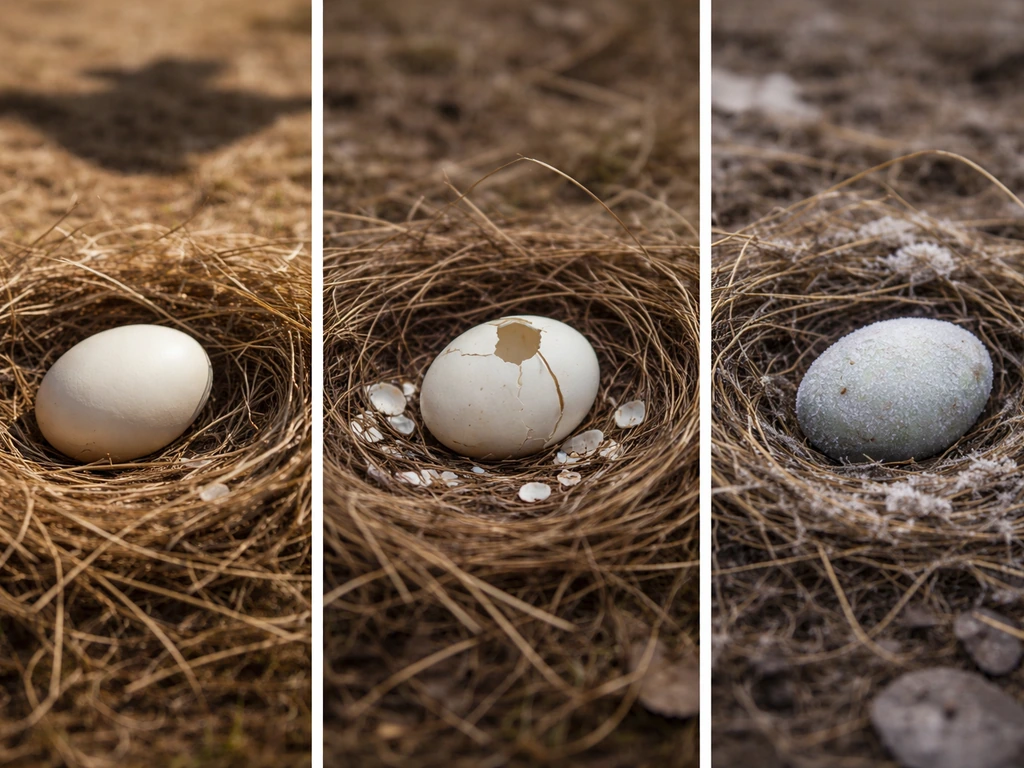
Your next action depends on three things: whether the nest is accessible and intact, whether the egg appears undamaged, and whether adults are likely to return. Here's how to think through it.
| Situation | What to do |
|---|---|
| Nest is intact and reachable, egg is uncracked, adults are present or expected | Return the egg to the nest immediately. Place it gently, oriented the same way if possible. Step back and observe from a distance. |
| Nest is partially intact, egg is uncracked, adults seem present | Gently reshape or prop the nest cup if needed, return the egg, and step back. Monitor from a distance for 2 hours. |
| Nest is destroyed or gone, egg is uncracked | Construct a small substitute nest (see below), place it close to original location, return the egg, and watch for adult activity. |
| Egg is cracked but not leaking, adults are present | Return it carefully. A hairline crack doesn't automatically mean failure, but monitor closely. |
| Egg is cracked and leaking, or has a foul odor | The egg is not viable. Do not return it. Dispose of it away from the site. |
| No adults seen for 2+ hours, egg is uncracked | Contact a licensed wildlife rehabilitator before taking further action. |
On warming: do not try to incubate an egg yourself at home unless a rehabilitator instructs you to as a temporary measure. Successful egg incubation requires controlled temperature, humidity, and turning schedules that are genuinely difficult to replicate without equipment. Eggs that have been dropped and then improperly incubated carry a real risk of deformity even if they hatch. The best warming you can offer is getting the egg back into a functioning nest as quickly as possible.
How to legally and ethically return or relocate eggs
Here's the legal picture you need to understand before you do anything beyond a simple return: in the United States, the Migratory Bird Treaty Act protects roughly 1,100 native bird species, including their eggs and active nests. It is a federal offense to destroy, move, or tamper with an active nest without a permit. The U. S.
Fish & Wildlife Service explains that most bird nests are protected under the Migratory Bird Treaty Act, including prohibitions on taking, possessing, transporting, or destroying nests with eggs or chicks unless you have a valid permit It is a federal offense to destroy, move, or tamper with an active nest without a permit. .
An active nest is defined as one with eggs or chicks present. This means that even with good intentions, moving eggs from one location to an entirely different nest site or discarding eggs from a protected species can put you in violation of federal law. State-level rules layer on top of this.
California, Florida, and Maryland all have their own restrictions, and Florida's FWC has stopped issuing state permits for active nest removal of non-listed species, meaning federal MBTA rules govern.
Returning eggs to the exact nest they fell from is not a violation. That's restoration, not disturbance. What you cannot legally do without authorization is destroy the nest, permanently relocate eggs to a different nest or location, or keep eggs in your possession beyond what's needed to facilitate an immediate return. If you genuinely cannot return the eggs and need to hold them briefly while arranging a hand-off to a rehabilitator, that's a defensible emergency action. But contacting a licensed wildlife rehabilitator first, or at the same time, is the safest legal position.
If you need to physically move eggs a short distance (for example, because you're relocating a damaged nest a few feet to a safer spot on the same tree or fence), do it carefully and keep the move minimal. A nest relocated more than a few feet from its original position may be abandoned because adults navigate back to a specific point. Returning the nest and eggs to within a foot or two of the original location is far better than moving them across the yard.
Species and nest type considerations that change the math
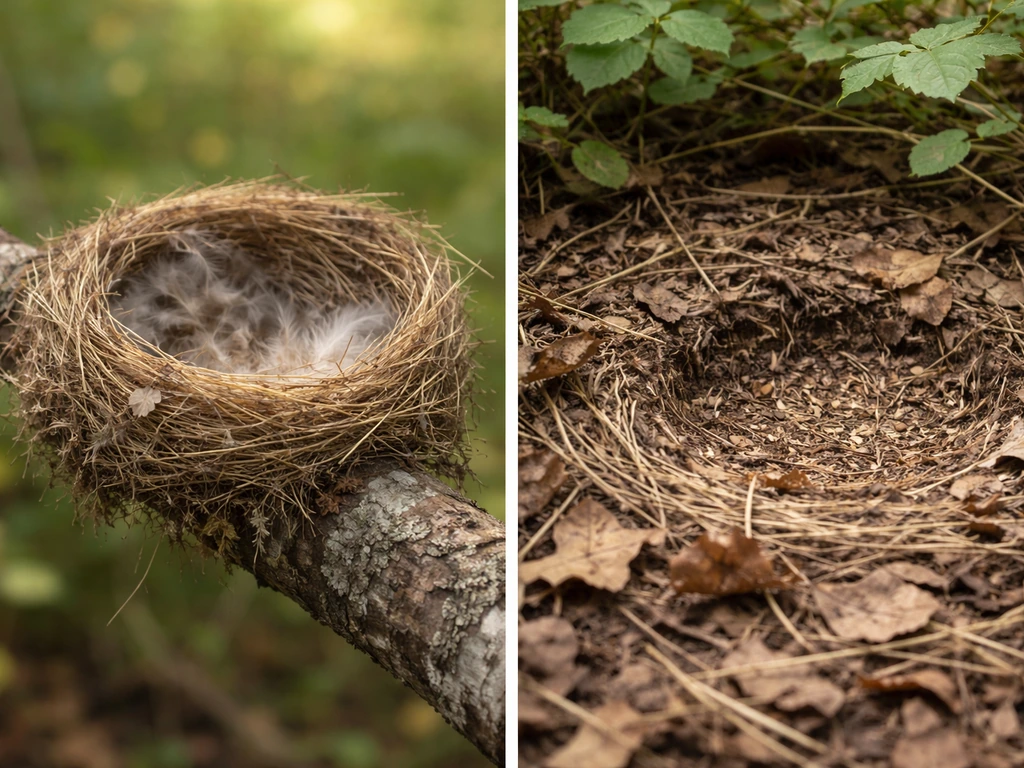
Not all fallen egg situations are the same. The species involved and the nest type matter in practical terms. Here's what to look for.
Nest materials and placement as quick ID clues
A cup nest made of grass, mud, and feathers on a tree branch is typically a songbird nest. If you want to pinpoint what you are seeing, learn how to find bird eggs in your backyard by observing nest placement and local nesting behavior. Robin eggs are a recognizable blue-green. Mourning dove nests are famously flimsy, just a few sticks, and eggs fall more easily from them than from most.
If you find a pale, spotted egg on the ground near a poorly constructed stick platform, it's likely a dove situation and the nest may not have been disrupted by a predator at all. Wind and rain are sometimes enough. Cavity nests, like those in nest boxes or tree holes, rarely have eggs fall out unless something disturbed the box directly.
If you find eggs on the ground under a nest box, check whether the box is tilted, whether a predator accessed it, and whether the other eggs inside are still there. If you need a quick guide, this article explains how to check bird eggs and what to do next.
Ground-nesting species like killdeer lay eggs directly on gravel, bare soil, or grass with little or no nest structure. If you find what looks like a random egg on the ground with no visible nest above it, you may actually be looking at a ground nest in situ. Before picking it up, scan carefully for a shallow scrape or ring of pebbles and grass nearby. Killdeer are notorious for their broken-wing distraction display, which they'll perform if you get too close to eggs. Knowing your egg identification basics can save you from accidentally moving an egg that was never in danger.
Handling and concealment differences by nest type
Open cup nests in shrubs and trees are the easiest to return eggs to. Cavity nests require you to open the box or peer into a hole, which can be stressful for any remaining adults. If the nest box opens from the side or top, do it quickly, place the egg, and close it. Suspended or colonial nests (like orioles' hanging pouches) are harder to access and you may not be able to return the egg safely. In that case, a rehabilitator is your best next call. For concealment, once you've returned an egg to a nest, don't add camouflage material that wasn't there before. You could inadvertently mark the nest for predators or change the scent profile around it.
If you can't return the egg: your fallback options
If the nest is completely destroyed and unreconstructable, if the adults are confirmed gone, or if you're dealing with a species you suspect may be rare or endangered, your best move is to contact a licensed wildlife rehabilitator. In the US, federally permitted migratory bird rehabilitators are legally authorized to accept orphaned or imminently threatened eggs and chicks. They have the equipment to attempt incubation if the egg is viable and the training to assess whether trying is worth it at all.
It's worth being honest about what rehabilitators can do with a fallen egg. Many wildlife rehab centers will tell you upfront that they often cannot successfully incubate a single dropped egg. The Cornell Lab's All About Birds notes that eggs handled or fallen from nests are unlikely to remain viable, and that deformities are a real risk even in cases where incubation succeeds. The rehabilitator will make that call based on what they see. Your job is to get the egg to them quickly, safely, and warm.
To transport an egg to a rehabilitator, place it in a small container lined with soft cloth or paper towel. Do not use cotton balls, which can snag. Do not add water or food. If the weather is cold, you can place a hand warmer wrapped in a cloth at the side of the container, not touching the egg directly. Provide ventilation. Call the center before you arrive so they can prepare and guide you on the best route.
To find a licensed rehabilitator near you, try the National Wildlife Rehabilitators Association directory, your state's fish and wildlife agency website, or the Wildlife Rehabilitation Information Directory. Mass.gov also notes that wildlife rehabilitators who care for migratory birds must have a federal Migratory Bird Rehabilitation permit, and it provides a way to locate appropriate rehabilitators. In California, your regional CDFW office can direct you. In Florida, FWC handles referrals. Most rehabilitators prefer a phone call first so they can triage the situation and tell you whether to come in or wait and watch.
How to stop this from happening again
Prevention starts with understanding why eggs fell in the first place. The most common causes are predator raids (squirrels, crows, raccoons, and snakes are frequent culprits), severe weather, structural nest failure, and physical disturbance from humans or construction activity. Each cause has a different fix.
Predator deterrents that actually work
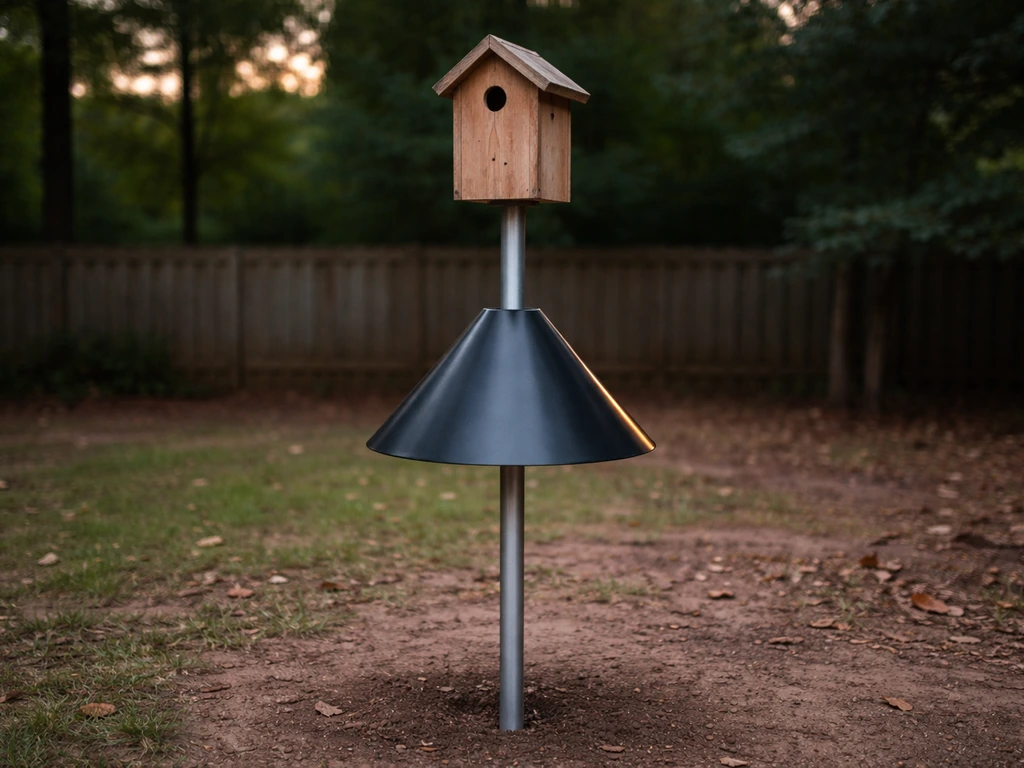
- Install a baffle below any nest box mounted on a pole. A cone-shaped or stovepipe baffle at least 18 inches in diameter is effective against squirrels and raccoons.
- Keep nest boxes away from fences and tree branches that give predators a jump-off point. At least 10 feet of clear space around the box helps.
- For nests in shrubs or low trees, consider a temporary predator guard around the base of the plant during nesting season. Hardware cloth in a cylinder shape works well.
- Remove bird feeders temporarily during active nesting. Feeders attract squirrels and corvids that will raid nearby nests.
- Keep cats indoors during nesting season, especially from April through July in most of North America.
Nest structural support
If you've noticed that a particular nest location is exposed to strong wind or rain, you can install a simple windbreak without disturbing the nest. A wooden board or bracket attached above the nest site on a fence or building can reduce rain impact. Don't enclose the nest or build over it. Parents need clear flight lines in and out. For nest boxes, ensure the box is level or tilted very slightly forward so water drains away from the entrance hole.
Reducing disturbance during nesting season
Once you know a nest is active in or near your yard, mark the area mentally and reduce activity within about 10 feet of it. Avoid pruning, trimming, or doing loud yard work near the nest until you're confident the young have fledged. If you're doing construction or renovation work near a known nest site, check the nest status before starting. Active nests with eggs or chicks cannot legally be removed without a permit, and disturbing them can cause parents to abandon. Timing your projects to avoid the peak breeding window, typically March through August across most of North America, is the simplest prevention strategy available.
If you're interested in actively monitoring nests in your yard over time, keeping a simple log with dates, egg counts, and notes on adult activity helps you spot problems earlier. Knowing that a nest had four eggs on Monday means you'll notice immediately if one is missing on Wednesday. That kind of early awareness gives you more options and more time to act. It also connects well to the broader practice of ethical nest observation, something worth building if you spend time in your yard during breeding season.
FAQ
What should I do if the nest is too high or unsafe to reach after I find eggs on the ground?
If an egg appears intact and you can still reach the nest safely, return it right away and then stay back. If the nest is high, unstable, or you cannot get to it without causing more disturbance, call a licensed wildlife rehabilitator instead of improvising a “better” spot.
Should I clean a fallen bird egg before putting it back?
Do not wash the egg. Wiping or rinsing can remove protective material and increase contamination risk. Handle with clean gloves or a cloth, return it quickly, and focus on temperature and minimal handling time.
How long should I watch for parent birds before deciding the eggs are truly abandoned?
If you see adults actively feeding, brooding, or calling nearby, it is a good sign the nest is still functioning and a return is appropriate if the egg is uncracked. If there are no adults after a sustained check (for example 20 to 30 minutes) and the nest was recently occupied, assume the situation may be more serious and contact a rehabilitator.
What if the egg looks cracked, sticky, or smells bad when I find it?
If the egg is cracked, leaking, severely dirty with odor, or clearly damaged, do not attempt to return it. In that case, the best next step is to contact a rehabilitator, because the egg may not be viable and handling attempts can increase stress or injury.
What is the safest way to transport an egg to a wildlife rehabilitator if I have to drive or walk a distance?
For transportation, a small ventilated container lined with soft cloth or paper towel is better than a closed plastic tub. Avoid airflow blockages, keep it out of direct sun, and keep the egg warm indirectly (for example, a hand warmer wrapped in cloth placed alongside the container, not touching the egg).
Can I feed or water a fallen egg or a hatchling I find near it until help arrives?
Feeding is only a concern for nestlings, but for eggs, do not add water, food, or “make it hatch.” For a hatchling you find without a parent present, the safest action is to contact a rehabilitator immediately, because the wrong diet and temperature can cause rapid deterioration.
What should I do if I’m sure the parents are gone but I still have eggs in my yard?
If you have reason to suspect the parents are absent due to predation or nest failure, collecting eggs and keeping them is not the goal. The more urgent priority is arranging a handoff to a rehabilitator as quickly as possible, since they can advise whether any intervention is likely to help.
Is it okay to add extra nesting material or camouflage after I return the egg?
You generally should not move an egg just to “cover” it or to place it in different nesting material, especially adding camouflage or stuffing the nest. Returning the egg to the same nest, as close to the original position as possible, is safer than modifying the setup.
If eggs keep falling from the same nest location, how can I prevent it without disturbing the birds?
If the egg was likely displaced by wind or rain from an exposed spot, returning it can be enough, but you should also address the ongoing exposure. Use non-intrusive measures such as a simple windbreak or adjusting water drainage on nest boxes, without building a structure that blocks the entrance or changes access for the parents.
What if I can only return the egg to a nearby spot, not exactly where it fell?
If you relocate eggs yourself, even a “temporary” move to a nearby branch, you can unintentionally cause abandonment because many adults navigate back to a specific point. If moving is unavoidable, keep it extremely close, within about a foot or two, and then leave the area.
I found eggs near my property and want to help, but I’m worried about legal issues. What’s the safest rule of thumb?
If you suspect a protected species, treat the situation as federally regulated even if you are doing everything “right.” In the US, destroying or relocating an active nest without proper authorization can violate federal law, so the practical approach is to return to the same nest when safe and otherwise contact a rehabilitator.