
Yes, a mother bird can often find a moved nest, but whether she returns depends heavily on how far it was moved, what stage the eggs or chicks are at, and how much the nest itself was disturbed. The short answer: if the nest was only shifted a few feet and is still intact, your odds are reasonably good. Move it more than a few feet, change the habitat around it, or handle it repeatedly, and the chances drop fast. Here is what is actually happening biologically, what the law says about all of this, and exactly what you should do right now.
Will Mom Bird Find a Moved Nest? What to Do Now

Maya Bennett
21 Apr 2026
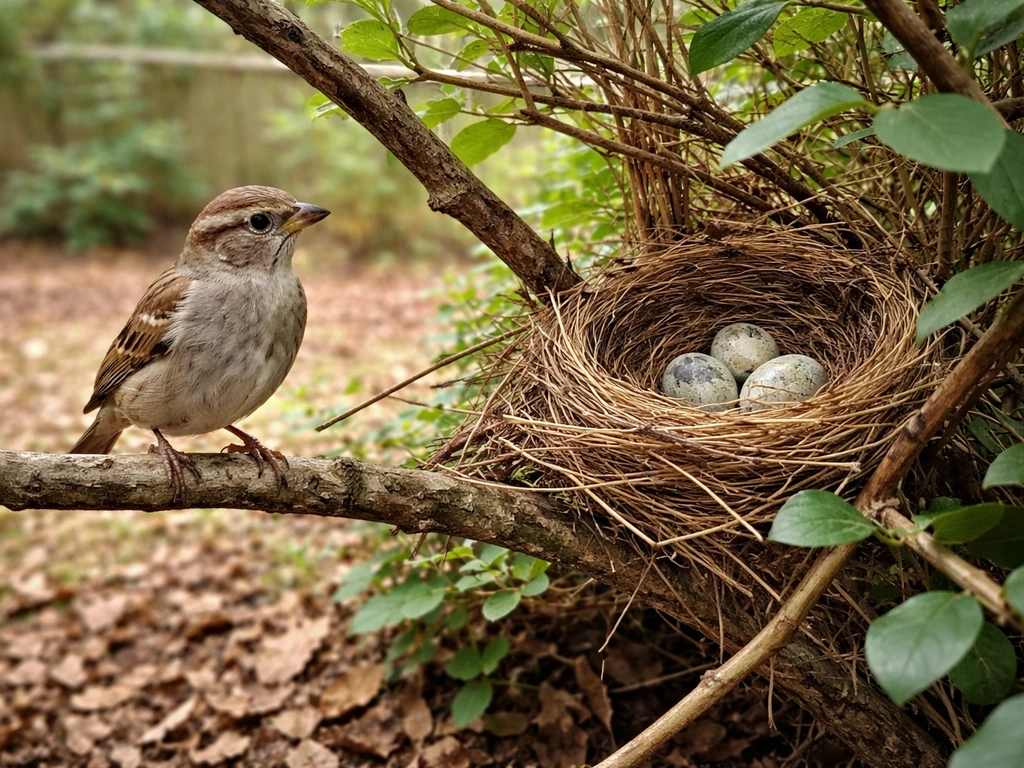
What usually happens after a nest is moved
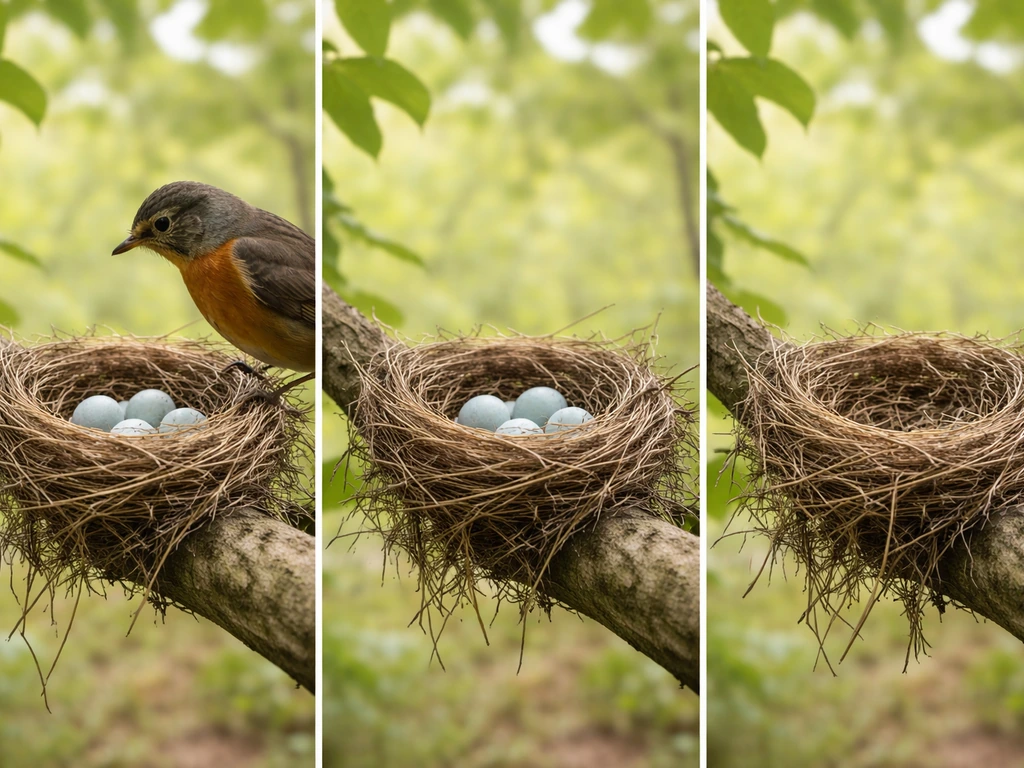
Birds navigate to their nests primarily by memorizing landmarks, not by smell. Audubon notes that the idea birds locate things by smell is debated and points to early experiments suggesting some birds do not rely on smell in those contexts Birds navigate to their nests primarily by memorizing landmarks, not by smell.. That is an important starting point, because it means the common fear that a parent will abandon a nest simply because a human touched it is largely a myth. What actually drives abandonment is something more practical: the parent returns, looks for the nest in the spot she memorized, and cannot find it. If the nest has been moved even a foot or two out of her visual field, she may hover around the original location, confused and stressed, for minutes to hours. Some birds give up at that point. Others search more broadly and locate the nest again, especially if it is within their immediate territory and still looks structurally familiar.
The three most common outcomes after a nest is moved are: the parent returns and resumes incubation or feeding, the parent abandons this nest but re-nests nearby later in the season, or the parent abandons entirely, particularly if chicks or eggs are cold for too long. Which outcome you get depends on species temperament, the phase of the breeding cycle, the distance moved, and whether the nest itself is still usable. Robins, house sparrows, and mourning doves tend to be relatively tolerant. Warblers, thrushes, and many cavity nesters are far more sensitive and likely to abandon after disturbance.
When mom bird is likely vs. unlikely to return
Timing in the breeding cycle makes a significant difference. A bird that has just finished building a nest but has not yet laid eggs has invested less energy and is more likely to abandon and start fresh. Once eggs are laid, the biological drive to incubate kicks in strongly, and many species will persist through considerable disturbance to protect their clutch. Birds in the feeding stage, when chicks have hatched and are demanding food every few minutes, are often the most motivated returners because the hunger calls from the chicks actively pull parents back.
| Breeding stage | Likely to return? | Key factor |
|---|---|---|
| Nest built, no eggs yet | Lower likelihood | Low investment; may re-nest nearby |
| Eggs recently laid (days 1-3) | Moderate likelihood | Drive to incubate is building |
| Eggs mid-incubation | Higher likelihood | Strong hormonal drive; eggs viable if kept warm |
| Chicks just hatched (nestlings) | Highest likelihood | Hunger calls draw parents back |
| Chicks near fledging (feathered) | High likelihood | Parents still feeding; chicks mobile soon |
Distance matters just as much. A nest moved 1 to 2 feet within the same shrub or on the same branch has a good chance of being found. Moved across the yard, even 10 to 20 feet, puts you in genuinely uncertain territory. Moved to a different structure or a different part of the property entirely, the odds of return drop sharply. The practical rule of thumb used by many wildlife rehabilitators: keep the nest within 5 feet of its original spot whenever possible, and preferably within the same plant or structure it came from.
Seasonal timing also matters. Early in spring, many species have enough season left to attempt a second or even third clutch, so abandonment is a setback but not a total loss. Late summer nests, especially in species that only attempt one clutch per year, represent the birds' only reproductive chance for that season. This is when getting the nest back in place quickly counts the most.
Immediate do and don't steps to take today
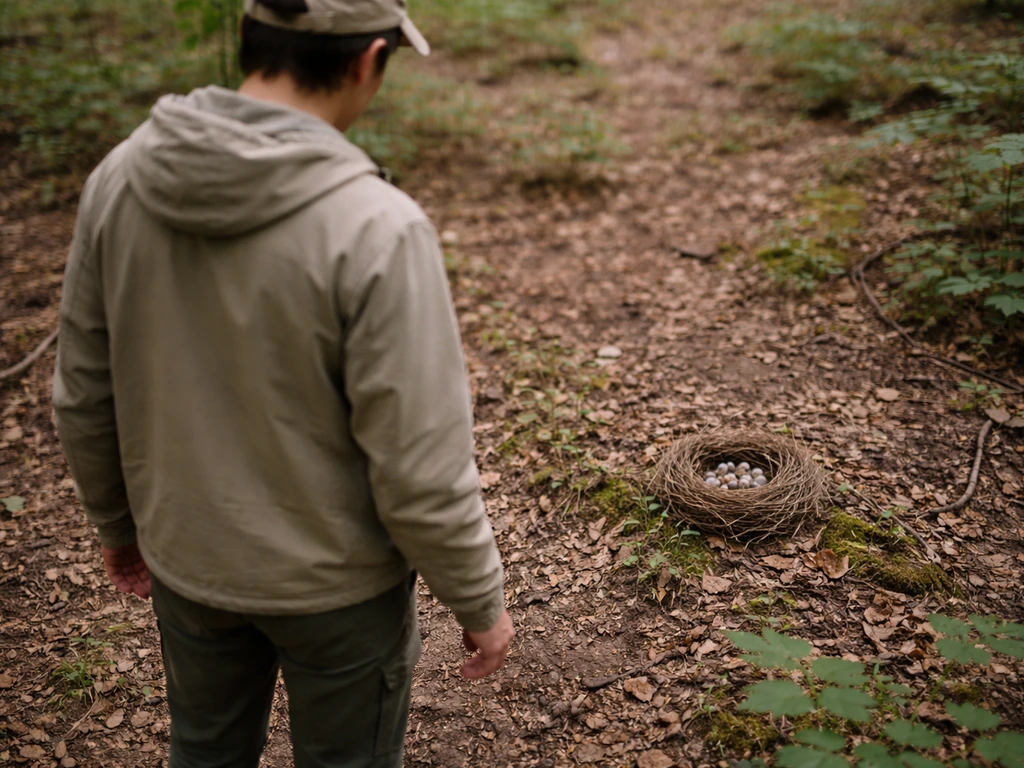
The most important thing you can do right now is stop moving the nest and step back. Every additional relocation or handling event makes things worse. Here is a clear action list for the next hour and the next few days.
Do this
- Move away from the nest immediately and give the area at least 30 to 60 minutes of complete quiet. Parents will not return while you are standing nearby.
- If the nest was moved accidentally (by a pet, falling branch, lawn equipment, or well-meaning hands), try to return it as close as possible to its original location, ideally within 1 to 2 feet.
- Use gloves if you must handle the nest, not because the parent will smell you (birds have a poor sense of smell), but to protect yourself and avoid compressing or reshaping the nest structure.
- Photograph the nest, its contents, and its location before and after any movement. This documents the situation and helps you remember exactly where things were.
- Keep pets and children away from the area for at least 48 to 72 hours after repositioning.
- Watch from a window or a distance of at least 15 to 20 feet to see if the parent returns within a few hours.
Do not do this
- Do not move the nest a second time unless it is in immediate danger (sitting in water, on a hot surface, or in the direct path of machinery).
- Do not add supplemental heat to eggs, such as a heating pad, unless you are a licensed wildlife rehabilitator. Improper temperatures kill embryos.
- Do not keep checking on the nest every 30 minutes. Repeated visits stress the parents and can trigger abandonment on their own.
- Do not place the nest in a completely different habitat type, such as moving a ground nest into a shrub or a tree nest to a fence post.
- Do not assume the nest is abandoned after a few hours. Many birds will not return until they feel the area is safe, which can take several hours after disturbance.
How to handle eggs or chicks, and whether to put the nest back
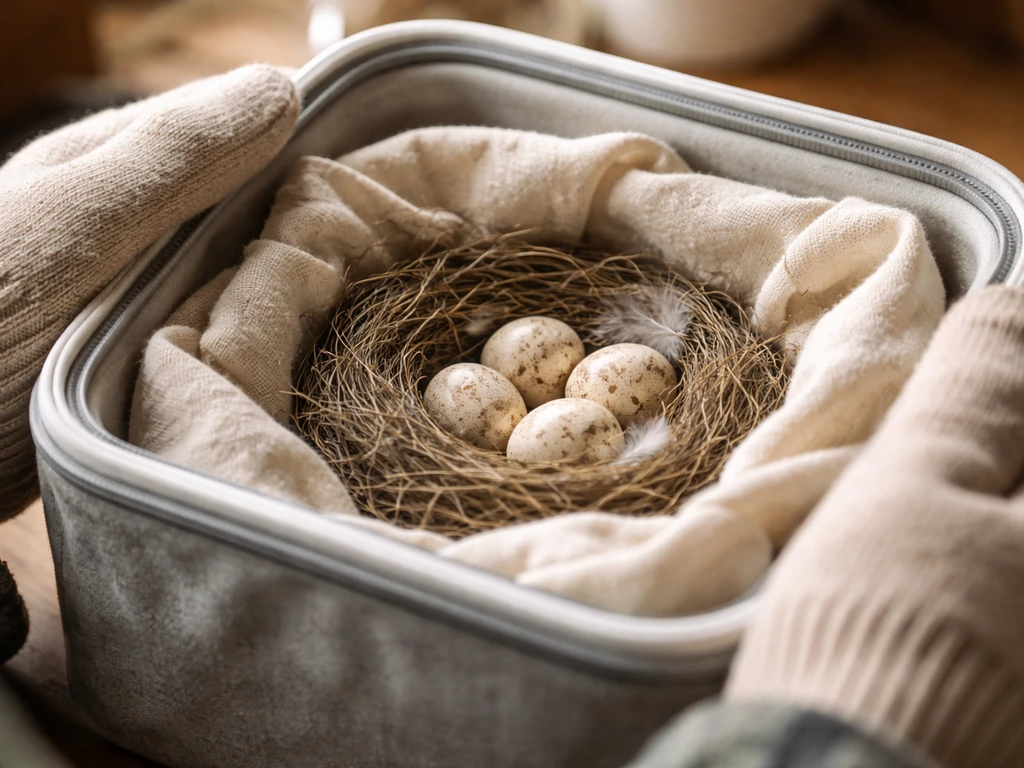
If the nest contains eggs, your first goal is to keep those eggs warm and undamaged. Eggs that have been cold for more than 30 to 45 minutes have declining viability, so speed matters here. If the nest fell from a tree or shrub, gently place it back in the closest available crook or branch using gloves. You can use a small plastic container (a cottage cheese or deli container works) with drainage holes punched in the bottom as a substitute cradle if the original nest is too damaged to hold its shape. Line it with some of the original nest material if you can gather it, and wedge it securely so it will not tip.
If the nest contains chicks, the urgency is even higher. Nestlings without feathers cannot regulate their body temperature and will die of hypothermia quickly in cool weather. Get the nest back to the original location, or as close as possible, as fast as you can. If chicks have fallen out of the nest, you can pick them up and place them back in. This is one of the clearest cases where the 'do not touch' instinct actually works against the bird. A parent that returns and hears her chicks calling will resume feeding even after human handling.
The question of whether to put the nest back is almost always yes, provided it can be secured in a close, stable location. The exception is a nest that is so badly damaged it cannot hold eggs or protect chicks from weather. In that case, use a substitute container as described above, keep as much of the original nest material as possible, and position it within a foot or two of where the nest was. The parent's spatial memory will still bring her back to the right zone.
The ethical and legal side of moving a nest
This is where a lot of well-meaning people run into trouble without realizing it. In the United States, the Migratory Bird Treaty Act of 1918 (MBTA) protects roughly 1,100 native bird species, including their active nests and eggs. NestWatch, which follows USFWS guidance, is explicit: it is illegal to handle or remove a native bird's nest while it is still active. In particular, the U.S. Fish & Wildlife Service explains that under the Migratory Bird Treaty Act (MBTA) it is illegal to destroy a nest that has eggs or chicks in it (or young still dependent on the nest) it is illegal to handle or remove a native bird's nest while it is still active. An active nest, by USFWS definition, is one that is occupied from the time the first egg is laid until all fledged young are no longer dependent on that nest.
If the nest was moved accidentally, you are not automatically in legal jeopardy for trying to restore it. The intent and the action of returning the nest to its original location are considered responsible behavior. What can create legal problems is deliberately removing or relocating an active nest without authorization, for example, to clear a construction site or remove a nest from inconvenient location. If you are in that situation, the responsible step is to contact a licensed wildlife rehabilitator or your state wildlife agency before doing anything further. Do not assume that 'moving it somewhere nearby' is a legal workaround. It typically is not.
Non-native invasive species like European starlings and house sparrows are not protected under the MBTA, which means their nests can legally be removed. But if you are not 100 percent certain of the species, treat it as protected. Misidentification is common, and the legal and ethical default is protection.
How to check if the parents came back without making things worse
The single best monitoring tool you have right now is a window, binoculars, and patience. Position yourself inside your home or at least 15 to 20 feet from the nest and watch during the morning hours, typically between 6 and 10 a.m., when parental activity is highest. If you see an adult bird sitting in or hovering near the nest within 24 to 48 hours of repositioning it, that is a strong sign the parent has returned. If you are seeing an adult bird sitting on the nest for extended periods (not just landing and leaving in seconds), incubation or brooding is almost certainly happening.
NestWatch's Code of Conduct is a useful benchmark here: visits to any nest should last no longer than one minute. For a disturbed nest, I would go even shorter. Approach, take a quick visual check or a single photograph from the closest safe distance, and leave. Do not linger. Repeated close checks are one of the main reasons parents abandon nests that would otherwise have been fine.
If you want to set up a camera to monitor the nest passively, that is a smart option, but ideally it should be installed before birds show interest in the nest, not after. Installing a camera on an occupied nest with eggs or chicks is another form of disturbance. If you do it, do it once, quickly, and do not return to adjust it for at least 48 hours. A small trail camera set to motion trigger and placed at a stable distance can tell you within a day or two whether the parents are actively coming and going.
If you see zero activity at the nest after 48 hours, including no adult birds in the immediate vicinity, and eggs are present, they are likely cold and non-viable. At that point, contact a licensed wildlife rehabilitator to confirm. Do not attempt to incubate eggs yourself.
Preventing future problems: predator barriers, habitat fixes, and cleanup
Once this immediate crisis is resolved, there are practical changes you can make to protect nests through the rest of this breeding season and into the next. The goal is to reduce the chance you or a predator will displace a nest again, without creating new disturbances.
Predator barriers
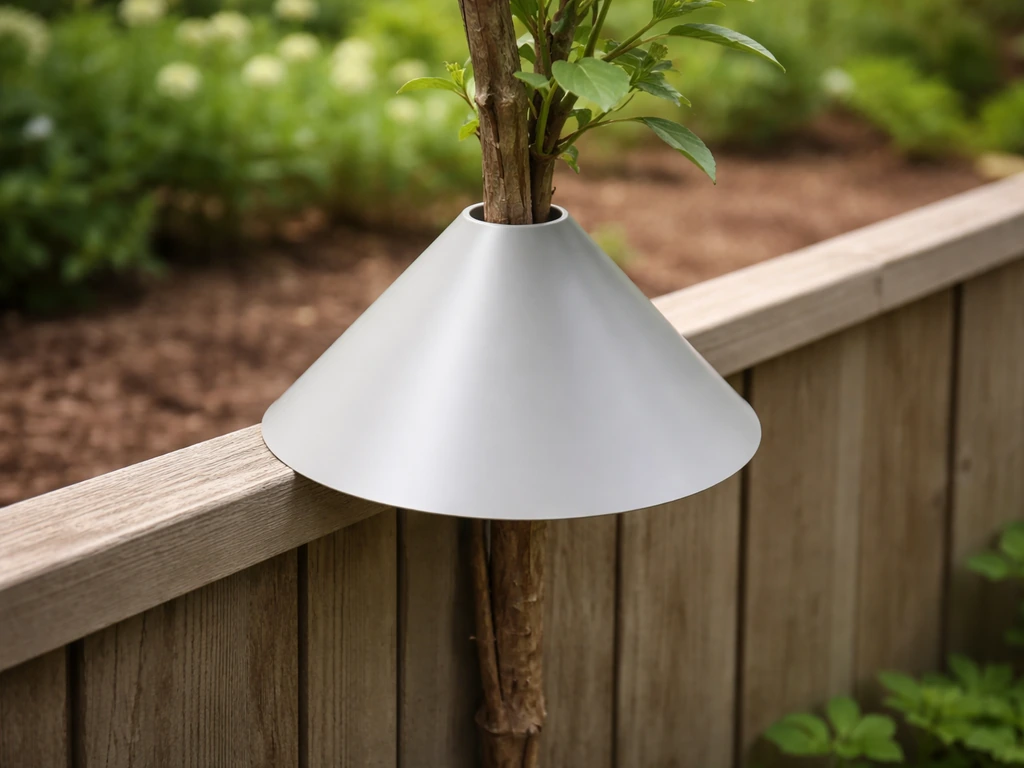
If a cat (yours or a neighbor's) is the reason the nest was moved, a baffle on the plant or structure the nest is in is the most effective solution. A smooth metal or plastic cone baffle placed on a post or trunk below the nest prevents climbing predators from reaching it. For nests in open shrubs, a temporary ring of chicken wire or hardware cloth around the base of the plant, about 18 inches high, can deter cats and raccoons without blocking the parent birds' access from above. Do not install these barriers while the parent is actively at the nest. Wait for a period when she is away foraging.
Habitat adjustments
If the nest was disturbed by lawn equipment or routine yard maintenance, mark the nest site clearly before your next mowing or trimming session. A few small flags or stakes placed 3 to 4 feet around the nest zone, not so close as to alarm the birds, are enough to remind yourself and any landscape crew to work around it. Schedule any heavy trimming, pruning, or pressure washing for late fall or early winter, after the breeding season ends (typically October through February in most of the continental U.S.). Doing this kind of work during that window means you are almost never dealing with an active nest.
Nest cleanup after the season
Old nests, once they are confirmed inactive (no eggs, no chicks, no adult activity for several weeks), can be removed to help discourage parasites and encourage fresh nest building the following year. If you are wondering about the legal and ethical considerations around keeping or removing old nests, that is a separate question worth thinking through carefully, since the rules around what you can do with an inactive nest differ from those governing active ones. If you are dealing with an inactive or empty nest, the rules can be different than for active nests, so it helps to know your options before you touch anything keeping or removing old nests. The same applies to the related question of whether and how a nest can be formally relocated, which involves its own set of legal considerations depending on species and circumstance.
Your decision checklist for right now
Use this checklist to figure out your next step based on where things stand today.
- Step back and give the area 30 to 60 minutes of complete quiet right now, before doing anything else.
- Assess the nest: Is it intact? Does it contain eggs or chicks? Photograph it immediately.
- If the nest was moved more than 2 feet from its original position and still contains eggs or chicks, return it as close as possible to the original spot using gloves. Secure it so it will not fall.
- If the nest is damaged beyond use, create a substitute cup from a small container with drainage holes, fill it with the original nest material, and place it within 1 to 2 feet of the original location.
- Keep pets and people away from the area for 48 to 72 hours.
- Monitor from a distance of at least 15 feet during morning hours over the next 24 to 48 hours. Look for an adult sitting on or near the nest.
- If no adult activity is observed after 48 hours and eggs or chicks are present, contact a licensed wildlife rehabilitator in your area.
- Do not attempt a second relocation, supplemental heating of eggs, or self-incubation under any circumstances.
- After the nesting season ends, remove old nest material, install predator baffles if needed, and schedule any major pruning or yard work for the off-season.
The honest truth is that outcomes vary. Some parents are persistent and will find a repositioned nest within hours. Others are more cautious and may not return. What you can control is minimizing additional disturbance from this point forward, getting the nest back to the closest safe location immediately, and then stepping away. Doing less, not more, is almost always the right call once the nest is back in place.
FAQ
If I moved a nest, will mom bird come back the same day?
Yes, if you returned the nest quickly and it is still in a recognizable spot, parents may continue returning the same day or within the next 24 to 48 hours. If you are not seeing activity by then, it does not automatically mean the nest will be abandoned, because some species pause briefly between feeding bouts, especially in cooler weather.
How can I tell whether mom bird has found the moved nest versus just checking nearby?
A hovering parent is not the same as incubation. Look for repeated entries to the nest, adults spending longer stretches sitting (not just landing and leaving), and chicks begging calls if chicks are present. If you see only occasional brief visits, it may be exploratory behavior around the old landmark area.
What if I am not sure where the nest originally was, can I still relocate it?
If you do not know the original location, focus on the closest stable spot that matches the nest’s original “microhabitat” (same shrub, same branch height, similar cover). Put the nest back in that zone rather than guessing a different structure, because parents rely on landmarks and the correct visual zone more than scent.
Is it okay to keep checking the nest to make sure she returned?
Avoid rechecking frequently. If you need to confirm activity, do a brief look once, then give it time. Multiple close inspections are a common trigger for abandonment even when the nest is physically intact, so use a distant view (or passive camera) instead of repeated yard visits.
If the nest looks damaged, what should I do if I cannot place it exactly back where it was?
If eggs or chicks are in your care because the nest is damaged, you should prioritize keeping them warm and stable immediately, then restore them to the closest correct location as fast as possible. Do not try to “protect” the birds by carrying them to a new area, because changing locations can break the parent’s ability to find the nest zone.
Should I ever relocate eggs or chicks elsewhere instead of restoring the nest spot?
In general, it is better to move the nest back than to move the birds away from the nest site. For eggs, prolonged cooling is the bigger risk, for chicks, hypothermia is the bigger risk. Both are time-sensitive, so the decision should be “restore to the closest safe zone quickly,” rather than experimenting with multiple placements.
What if I suspect the nest is from an invasive bird, can I handle it to be safe?
If you can identify it as an invasive species with confidence (and most people cannot without experience), the legal rules can differ. If you are not 100 percent certain, treat it as protected and act as though the nest is active until a wildlife rehabilitator or your state agency confirms the species and status.
Will putting out food help mom bird return to a moved nest?
Do not feed the adults to encourage return. Additional human cues and traffic can increase disturbance, and the parent still needs the correct nest zone. Instead, keep pets inside and reduce foot traffic around the nest for a few days, because calmer conditions help parents resume normal incubation or feeding.
When should I install a cat barrier after the nest was moved?
If a cat or raccoon is involved, barriers work best when installed during a time window when the parent is away foraging, and they should not block the bird’s access from above. If you notice the parent is actively at the nest, pause and wait before adding hardware cloth, cones, or baffles.
How many times can I adjust a substitute nest container before mom gives up?
Yes, but only as a last resort and only to restore the nest to a close stable location, and you should avoid repeated repositioning. Use the original nest materials if available, wedge securely so it cannot tip, and keep handling time short. Frequent adjustments often cause more abandonment than the initial placement.
What should I do if there is no activity at all after 48 hours?
If you truly see no adult activity and eggs are present after 48 hours, the eggs may be cold and non-viable, but do not incubate them yourself. Contact a licensed wildlife rehabilitator for guidance, because they may need to assess temperature exposure, species, and whether any safe intervention is appropriate.
Next Articles
Can a Bird Nest Be Relocated? Legal and Safe Options
Learn if relocating a bird nest is legal and safe, and what to do instead for active, abandoned, or protected nests.
Can You Put a Bird Back in Its Nest? Plus Egg Return Guide
Decision guide on can you put a bird back in its nest or return eggs, with legal safety steps and monitoring.
Should I Let a Bird Build a Nest? What to Do Today
Decide if to let a bird nest, how to check activity, avoid disturbance, and handle conflicts safely and legally.