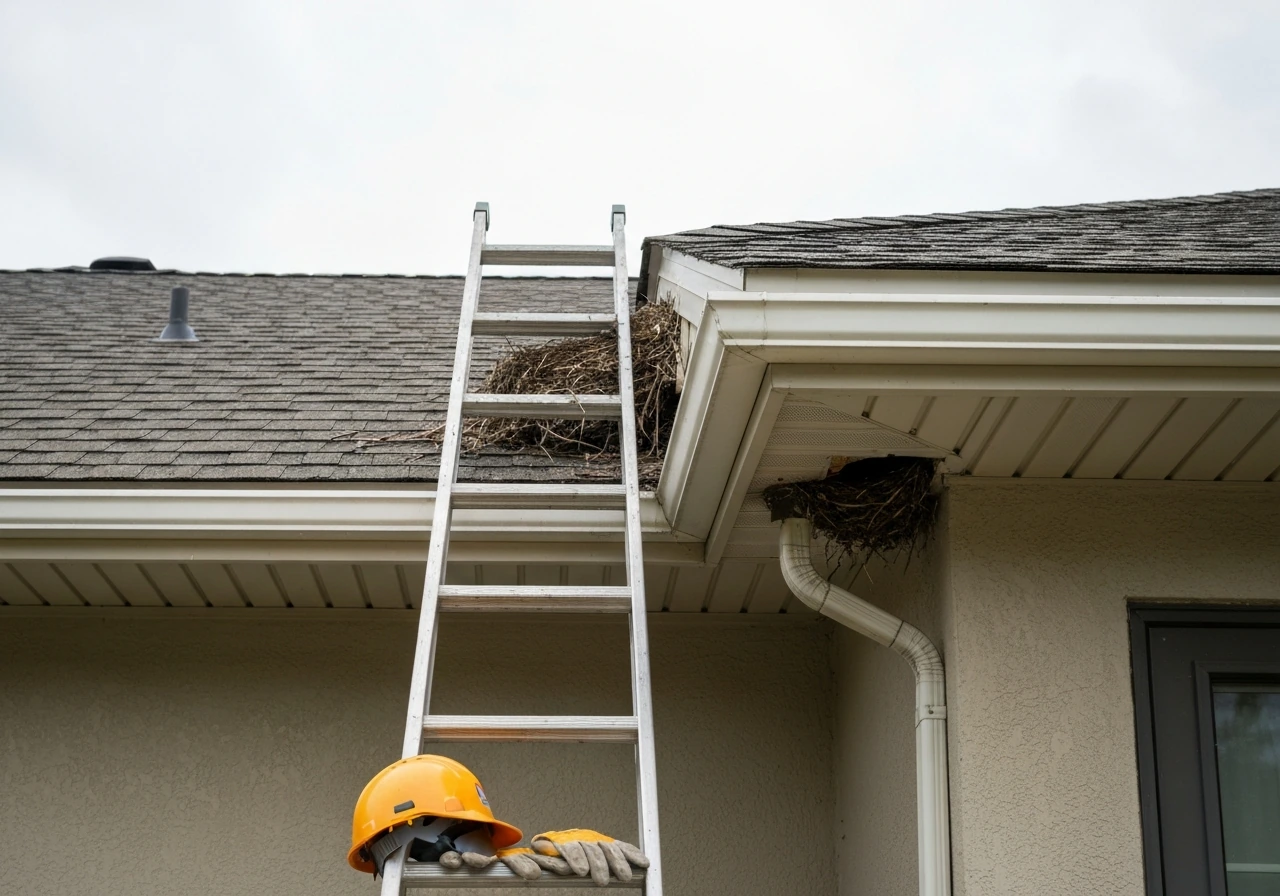
In the U.S., there is no single permit called a 'migratory bird nest removal permit,' but the Migratory Bird Treaty Act (MBTA) makes it illegal to destroy, move, or disturb a nest that contains eggs or live chicks without federal authorization. If the nest is empty and no longer being used for breeding, you can remove it without any permit at all, as long as you don't keep it. That one distinction, active versus inactive, decides almost everything about your legal path. If the nest is active and removal is genuinely necessary for health or safety reasons, your route goes through the U.S. Fish and Wildlife Service (USFWS), and in some cases through USDA APHIS Wildlife Services.
Migratory Bird Nest Removal Permit: Step-by-Step Guide

Maya Bennett
12 May 2026
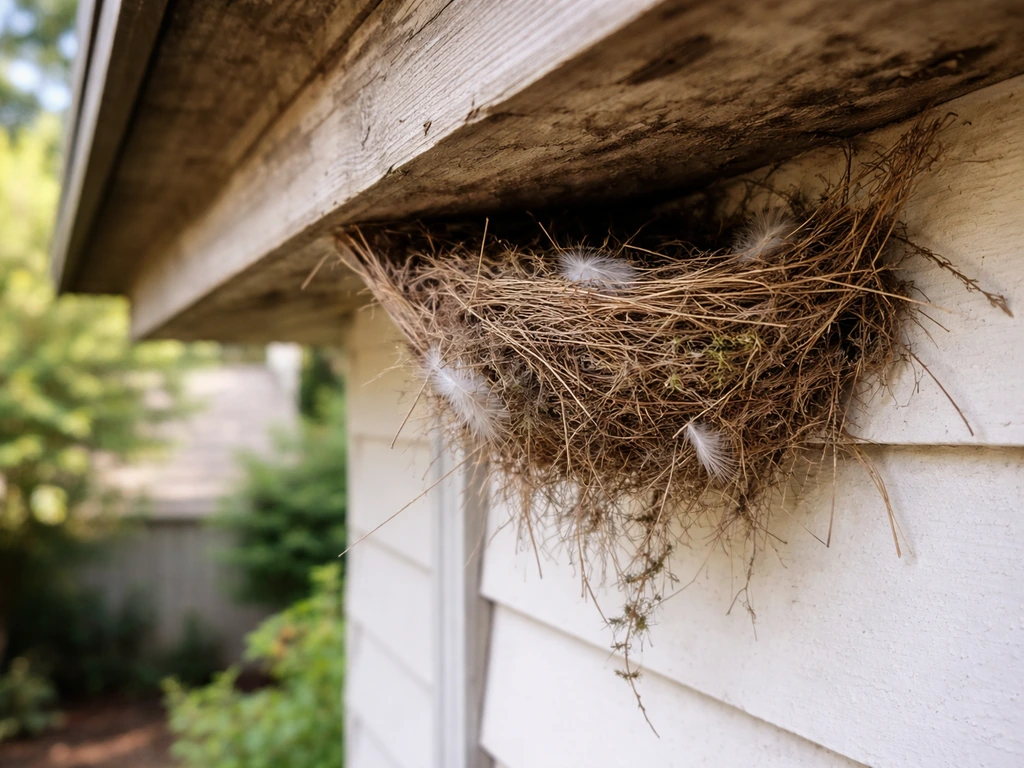
What 'migratory bird nest removal permit' actually means in U.S. law
The MBTA, passed in 1918 and still the governing federal law, protects most native migratory birds, their nests, and their eggs. The law covers 'take,' which broadly means killing, capturing, possessing, or destroying birds and their nests. Under 50 CFR § 10.13, USFWS maintains an official list of every bird species protected by the MBTA, which runs to over a thousand species including common ones like robins, swallows, sparrows, and warblers. GovInfo provides the official regulatory text for 50 CFR § 10.13, including the MBTA-protected birds list 50 CFR § 10. 13. The 2025 MBPM-2 Nest Memorandum from USFWS updated guidance on how the agency applies the MBTA to nest take, reinforcing that active nests are protected and that authorization is required before disturbing them.
There is no one standard permit form you fill out and receive back called a 'nest removal permit.' What actually happens is that USFWS can issue a depredation permit or a special purpose permit that authorizes take of a nest when a documented public health or safety concern exists or when birds are in immediate danger. For common problem scenarios like nesting in a dryer vent or on construction equipment, the authorization path typically runs through your USFWS Regional Migratory Bird Permit Office and, for some depredation situations, through USDA APHIS Wildlife Services, which can issue a WS Form 37 when a biologist determines it is justified. Because the bird nest removal law can vary by situation and species, make sure your plan matches the correct permit pathway before you act. Removal without that authorization when eggs or chicks are present is a federal violation regardless of where the nest is located on your property.
If you are not in the U.S., the rules differ significantly. Canada's Migratory Birds Regulations 2022 tie protection to whether a nest is currently occupied or viable, use a schedule-based exception system, and have their own permit pathway through Environment and Climate Change Canada. Other countries have their own frameworks entirely. This article focuses on U.S. federal law, but wherever you are, confirm your local authority before acting.
Active vs. inactive: the most important distinction you'll make
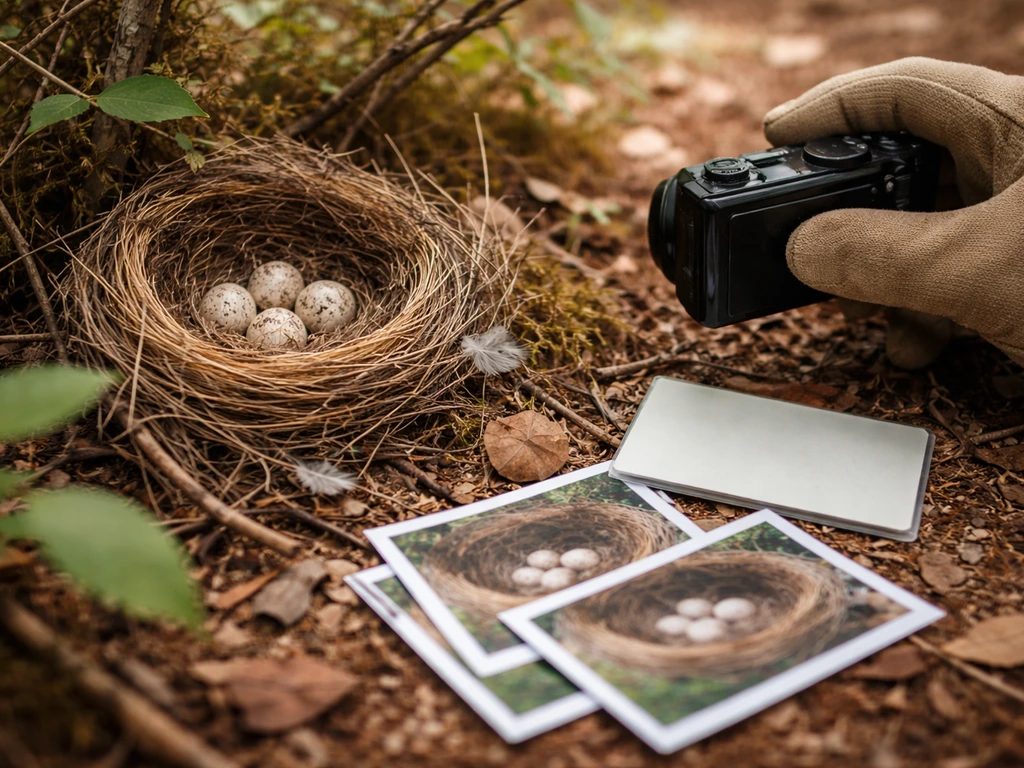
Under current USFWS guidance, a nest becomes active the moment the first egg is laid. It stays active until fledged young are no longer dependent on it. A nest that is still being built but has no egg yet is technically inactive, but the moment that first egg appears, the MBTA protection kicks in fully. A nest is considered inactive when it is empty with no eggs or chicks, contains only non-viable eggs (cracked, cold, or otherwise not capable of hatching), or is clearly abandoned and not being used for a current breeding attempt.
The practical test is simple: look carefully before you touch anything. If you see eggs, live chicks, or adult birds actively brooding or feeding young, stop. That nest is active and federally protected. If the nest is empty and has been empty for several weeks after what appeared to be a completed nesting cycle, you are likely looking at an inactive nest. USFWS is clear that you do not need a permit to remove an inactive nest, provided you destroy it rather than keep it. If you are asking whether Orkin removes bird nests, the same rule applies: confirm whether the nest is active before any removal attempt does orkin remove bird nests. Keeping nest material from a protected species requires a separate possession permit.
| Nest Status | What You See | Permit Required? | What You Can Do |
|---|---|---|---|
| Active | Eggs or live chicks present, adults brooding or feeding | Yes, federal authorization required | Stop work; contact USFWS regional office |
| Under construction, no egg yet | New nest material, no eggs | No (technically inactive) | Can remove, but exclusion before this point is better |
| Inactive / abandoned | Empty nest, no eggs or chicks, no recent activity | No | Remove and destroy (do not keep) |
| Non-viable eggs only | Cracked, cold, or obviously non-viable eggs | No (with documentation) | Remove and destroy; document findings |
Identify the species first, before you do anything else
Species identification matters for two reasons. First, it confirms whether the bird is on the MBTA-protected list. Second, some species carry additional protections, most notably Bald and Golden Eagles under the Bald and Golden Eagle Protection Act, which has its own stricter permit rules under 50 CFR § 22.27. Eagles require notification of USFWS at the earliest opportunity even in genuine emergencies before any nest action is taken.
You don't need to be a birder to get a working ID. Start by photographing the adults if you can see them, the nest structure itself (size, shape, materials, placement height), and any eggs (color, size, number). Note the location type, such as a building eave, dryer vent, tree cavity, or open cup on a ledge. Then cross-reference what you see with a field guide app like Merlin Bird ID or eBird, both free from the Cornell Lab of Ornithology. If you're unsure, post photos to a local birding group or contact your nearest Audubon chapter for a quick ID.
Once you have a species name, verify MBTA protection status against the official USFWS list (50 CFR § 10.13). You can also use USFWS's IPaC tool (Information for Planning and Consultation) to generate a list of migratory birds and other trust resources documented near your property's coordinates. This is especially useful if you're unsure which species use your area and want a documented record for a permit application.
- Photograph the adults, the nest, and any eggs or chicks before touching anything
- Note exact location: building feature, height off ground, compass direction facing
- Record dates: when you first noticed nest activity, when eggs appeared, any changes
- Use Merlin Bird ID or eBird for a quick free species ID
- Cross-check species against the USFWS MBTA protected species list (50 CFR § 10.13)
- Run your property coordinates through USFWS IPaC for a location-specific species list
- If you see a very large nest or a raptor (hawk, owl, eagle), treat it as high-risk and call USFWS before doing anything
The step-by-step permit path for active nests

If the nest is active and you have a legitimate reason you cannot simply wait it out, here is the realistic process. Most homeowners will find that USFWS authorizations for active nest removal are reserved for genuine health and safety situations, not general inconvenience. That said, the process is straightforward if your situation qualifies.
- Stop all work or activity that would disturb the nest immediately. Federal liability starts the moment you disturb an active nest, not after you apply for a permit.
- Document everything now: date, location (address and specific spot on the structure), species ID with photos, current nest status (eggs visible, chicks present, approximate age of young), and the specific reason removal is necessary (e.g., fire hazard in a dryer vent, critical construction timeline, structural safety).
- Contact your USFWS Regional Migratory Bird Permit Office. There are eight regional offices across the U.S. Find yours at the USFWS website by searching 'regional migratory bird permit office.' Call or email with your documentation ready.
- For depredation situations or larger-scale conflicts (geese, starlings, etc.), also contact USDA APHIS Wildlife Services for your state. Their district biologist can assess whether a federal Migratory Bird Depredation Permit is appropriate and can issue a WS Form 37 if the situation qualifies.
- Be prepared to describe: the species (confirmed or best ID), the nest's exact location, what work or situation is creating the conflict, when the conflict becomes critical, and what alternatives you have already considered or tried.
- While waiting for a response, protect the nest from disturbance as best you can. If work can be physically shielded from the nest, do that. Oregon DOT guidance and similar agency frameworks recommend shielding active nests from nearby activity so adults can continue tending eggs and chicks during unavoidable nearby operations.
- If a genuine emergency exists (imminent safety hazard such as a nest blocking a gas vent or posing an active fire risk), call your regional USFWS Migratory Bird Permit Office immediately and explain the emergency. For eagle nests specifically, 50 CFR § 22.27 requires notifying USFWS at the earliest opportunity before removal even in emergencies.
- Follow whatever conditions the authorization specifies: typically a date window, a requirement to destroy rather than keep the nest, and sometimes a follow-up report.
One realistic note: for most small songbird nests in inconvenient spots, USFWS will generally advise you to wait. Breeding cycles for common species like American robins, house finches, or barn swallows typically run three to four weeks from egg to fledging. That wait is usually far shorter than the permitting timeline. If waiting is physically possible, it is almost always the fastest path to legal removal.
Better options than removal: exclusion, timing, and habitat fixes
Removal gets all the attention, but exclusion is almost always more effective, cheaper, and legally risk-free. The best time to block a nesting site is before the birds claim it, ideally before April 1 in most of the continental U.S., before peak nest-building begins. If you know barn swallows have nested in your carport eaves for three years running, put up physical exclusion netting or polycarbonate shields in February or March. If house sparrows have used a particular vent, cap it with a proper vent cover before they return in spring.
If birds are actively nesting in a cavity (a vent, a gap in siding, a nest box), the timing of exclusion matters critically. Massachusetts Audubon guidance is direct on this: once young have left the cavity, block the opening immediately because adults can return for a second brood within days. Don't wait a week, do it the same day you confirm the nest is empty and all young have fledged.
For Canada geese and other ground-nesting species that come back to the same location year after year, USFWS recommends habitat management and hazing before they establish a nest rather than trying to deal with the nest afterward. The USFWS 3-200-13 application page explains the purpose of the Migratory Bird Depredation Permit and when to apply, including after deterrents or hazing have been tried. If geese have already started a nest, egg oiling or egg addling under a Resident Canada Goose registration is a legal alternative to nest destruction, and USFWS notes the most effective time to treat eggs is after the full clutch is laid and incubation has begun.
- Install physical exclusion (netting, hardware cloth, vent caps) before April 1 to block return nesters
- Cap open vents, gaps in soffits, and structural cavities during fall and winter when nests are inactive
- For cavity nesters, block entry points the same day you confirm all young have fledged
- Use visual deterrents (reflective tape, predator decoys, motion-activated sprinklers) to discourage site selection before birds commit
- For geese, contact USFWS about Resident Canada Goose registrations that allow egg treatment under federal authorization
- Trim back overhanging vegetation that creates attractive sheltered ledges where open-cup nesters build
- Document the date exclusion measures were installed so you can demonstrate good-faith compliance if questioned
Safety and conservation practices while dealing with a nest problem
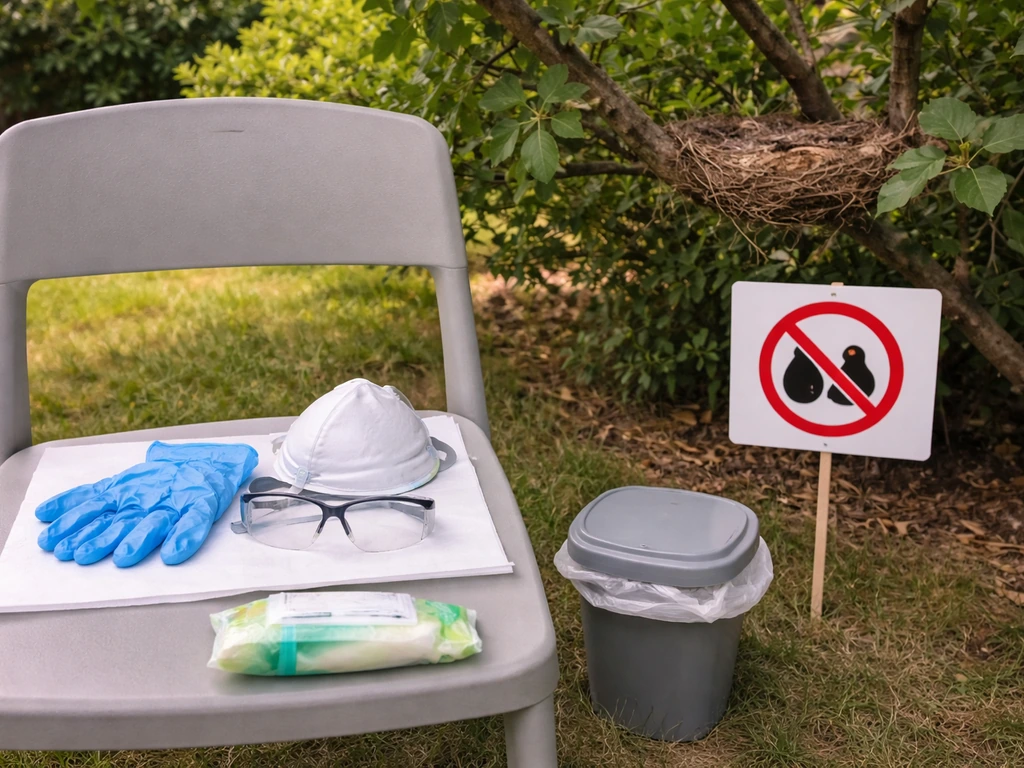
Direct contact with wild bird nests carries some real health considerations. Many nest materials harbor mites, lice, and bacteria. If you are removing an inactive nest, wear disposable gloves, a dust mask (N95 if the nest is in an enclosed space like an attic or vent), and eye protection. Place the nest material directly into a sealed plastic bag for disposal. Wash your hands and forearms thoroughly afterward. Do not shake or blow nest material loose in an enclosed space.
Never handle eggs or chicks directly unless you are a licensed wildlife rehabilitator or have been specifically instructed to do so by USFWS or a licensed rehabber. The common belief that adult birds abandon chicks touched by humans is largely a myth, but handling chicks unnecessarily stresses them and risks injury. If a chick has fallen from an active nest and the nest is accessible, you can gently place it back without worrying that the parents will reject it.
From a conservation standpoint, the goal isn't just legal compliance but genuinely minimizing harm. If you are running construction or maintenance work near an active nest you cannot remove, shield the work area from the nest's line of sight and sound where possible, minimize noise and vibration during peak brooding hours (dawn to mid-morning), and designate a clearly marked no-work buffer around the nest. The basic principle from USFWS compliance guidance translates cleanly: see a nest, stop, assess, report if needed, and then continue with appropriate precautions in place.
Your immediate next steps, in order
Here is the short checklist to work through right now, regardless of your specific situation.
- Stop any work near the nest and do not disturb it until you know what you're dealing with.
- Take clear photos of the nest, any eggs or chicks, and the adult birds if visible.
- Identify the species using Merlin Bird ID or eBird, and confirm MBTA protection status on the official USFWS list.
- Determine nest status: active (eggs or chicks present) or inactive (empty, no breeding activity).
- If inactive: you can remove and destroy it now without a permit. Wear gloves and a mask, bag and dispose of it.
- If active and you can wait: mark the area, protect it from disturbance, and check back every few days. Most songbirds fledge within three to four weeks of hatching.
- If active and you genuinely cannot wait: contact your USFWS Regional Migratory Bird Permit Office with your documentation (species, photos, location, reason for urgency) and ask about authorization options.
- For depredation or conflict situations involving larger numbers of birds, contact USDA APHIS Wildlife Services in addition to USFWS.
- Once the nest is gone, install exclusion measures immediately so the same spot isn't reoccupied next season.
Federal bird nest law can feel complicated at first glance, but the core rule is simple: if eggs or chicks are present, don't touch it without authorization. Everything else flows from that. The federal bird nest removal cost question, the broader details of federal bird nest law, and species-specific removal rules all build on this same foundation, and getting the active versus inactive call right is what keeps you on the right side of all of it.
FAQ
If I remove an inactive nest, can I keep the nest material as a souvenir?
No. For MBTA purposes, keeping nest material from a protected species can be treated as possession of a protected nest/eggs. The safer approach is to dispose of it promptly and seal it for trash or approved disposal, rather than storing it.
What if the eggs are cracked or cold, but I am not sure they are non-viable?
When viability is uncertain, treat the nest as active. The MBTA risk is tied to whether eggs or live chicks are present and whether the nest is being used or could be viable, so you should avoid removal until you can confidently confirm non-viable eggs and no current breeding attempt.
Does the rule apply to nests on my balcony, in my yard, or on neighboring property?
Yes. MBTA authorization concerns the nest and its contents, not whose yard it is in. If eggs or chicks are present, you should not disturb removal regardless of location, and you should coordinate with the neighbor so the action is consistent.
Can I hire a contractor or pest company to remove the nest for me without a permit?
They still need to follow the same MBTA compliance standard. Even if you hire a pro, you should ask whether the nest is confirmed inactive and what their process is for documenting active versus inactive status, especially if eggs, chicks, or brooding adults are present.
What documentation should I gather before contacting USFWS for an authorization?
Collect clear photos showing the exact site, nest contents, and adult behavior (brooding or feeding), plus dates and times you observed the nest active. Also note site type (vent, eave, tree cavity), access constraints, and what safety hazard requires action, since authorizations usually depend on a specific, documented problem.
If I use exclusion, how do I handle the risk of trapping or blocking birds that are already there?
Do not install permanent barriers while young are still dependent. Exclusion timing matters for cavity nesters, and the practical rule is to block only after you have confirmed fledging and the nest is empty, then recheck the area before sealing permanently.
Is it legal to spray or physically clean a nest area that has been abandoned but recently?
Often it is safer to wait until the nest is clearly inactive, but the key is that you should not disturb any nest that still has eggs or chicks, or that appears to be part of an ongoing breeding attempt. If you are unsure whether it is recent use, treat it as active and delay cleaning until confirmed empty for long enough to conclude the nesting cycle is complete.
What about nests in winter, when birds are not present?
Many nests may be empty outside the breeding season, but you still need to confirm they were not recently used for an active brood. If there are no eggs or chicks and no signs of current use, removal may be permissible, but the safest practice is to document emptiness and avoid disturbing areas where a second brood or late breeding attempt is plausible.
How does the process change if the nest is in a building cavity or attic?
Cavity locations raise safety and contamination concerns, and you should consider whether you can fully exclude access to the birds without disturbance. Also avoid aggressive vacuuming or blowing debris, because disturbing enclosed spaces can increase exposure and does not remove MBTA compliance risk if the nest is active.
What if a nest is an emergency risk, like an electrical hazard or fire risk?
Emergency situations still require the correct authorization path if eggs or chicks are present. For true electrical or structural danger, prioritize immediate hazard control, then coordinate with USFWS or an appropriate wildlife authority on the nest portion so you do not solve the hazard by illegally disturbing protected breeding.
Next Article
How Much Does Bird Nest Removal Cost? Prices and Factors
Bird nest removal cost ranges, key factors, legal limits, and safer alternatives like exclusion or waiting.