
Bird nesting is the full process by which a bird selects a site, builds or occupies a nest, lays eggs, incubates them, and raises chicks until they are ready to leave. It is not just the physical nest you find in a tree. It is an active biological event that can span several weeks and involves very specific behaviors you can learn to recognize. Whether you are a backyard birdwatcher, a homeowner dealing with a nest in an inconvenient spot, or someone who just found eggs under their porch eave, understanding what nesting actually means will help you respond the right way, legally and ethically.
What Is Bird Nesting? Stages, Signs, Types, and Help

Maya Bennett
22 Mar 2026
What bird nesting actually means
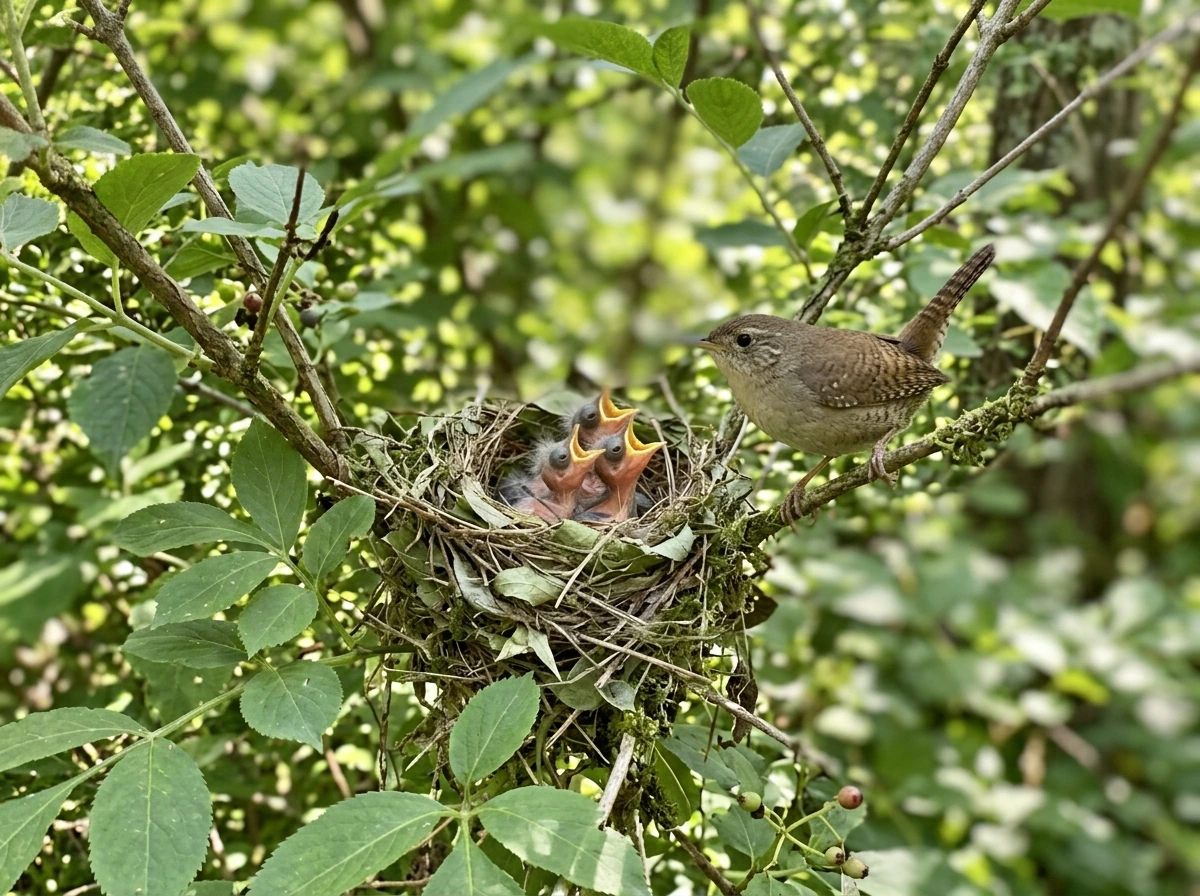
In everyday language, people usually use "bird nesting" to describe either a bird sitting in a nest or the act of building one. In a more complete natural-history sense, nesting is the entire reproductive cycle: site selection, nest construction (or cavity claiming), egg laying, incubation, brooding, and chick-rearing through fledging. Some birds skip building entirely and use natural cavities, old woodpecker holes, or even cliff ledges. The nest itself is not the point. The nest is just a safe structure that supports the reproductive process, and under U.S. federal law, the Migratory Bird Treaty Act (MBTA) protects that entire process, not just the physical cup of twigs.
It is worth noting that "bird nesting" can mean something completely different outside of natural history. In family law and co-parenting contexts, for example, what is bird nesting in marriage refers to an arrangement where children stay in the family home and parents rotate in and out. If that is what you were searching for, that topic is covered separately on this site. This article is focused entirely on birds. what is bird nesting co parenting. bird nesting welding definition bird nesting welding definition
How to tell if a nest is actively in use
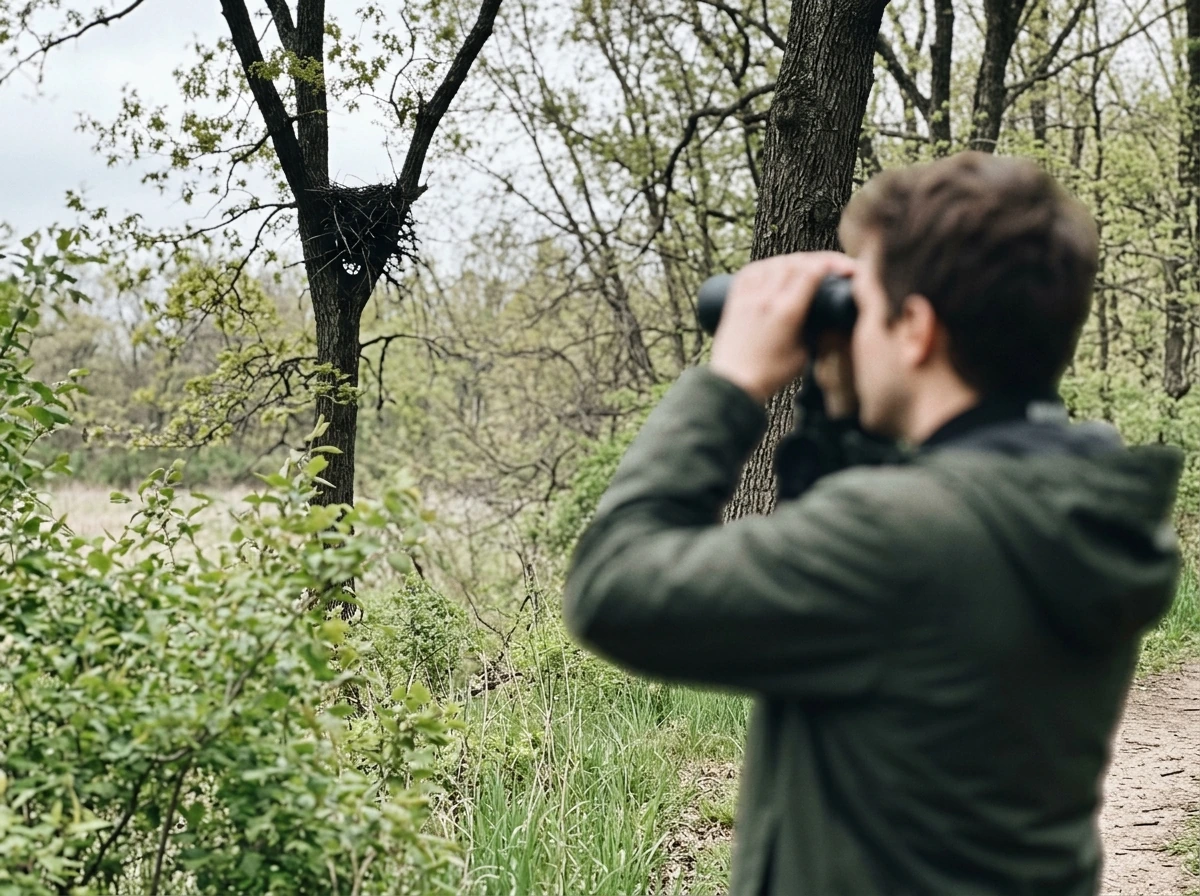
This is where most people get into trouble. A nest that looks quiet or abandoned often is not. Adults frequently leave nests temporarily during incubation, and a single short observation can easily lead you to the wrong conclusion. Cornell Lab's NestWatch program specifically warns that people assume nests are abandoned and later realize eggs were still being incubated the entire time. Before you do anything with a nest, you need to properly assess whether it is active.
The most reliable approach is to watch from a distance for at least 20 to 30 minutes. Do not stand next to it. Do not touch it. Use binoculars or a camera with a zoom lens. What you are watching for:
- An adult sitting low and still in the nest (incubating eggs or brooding chicks)
- Adults making frequent short trips to the nest carrying food items in their bill
- Adults leaving the nest carrying small white objects (fecal sacs, which are the mucus-encased waste packages that nestlings produce and adults remove to keep the nest clean)
- Visible movement or gaping beaks inside the nest cup
- Parent birds perching nearby and calling alarm notes if you are too close
blank" rel="noopener noreferrer">Fecal sac removal is one of the clearest signs that chicks are present. Audubon describes these as small white or pale parcels that adults carry away from the nest, often flying some distance before dropping them. If you see an adult leaving the nest with something white in its bill, chicks are in there.
A nest is likely inactive if: it has no eggs or young after several days of monitoring, it is visibly deteriorating with no repair activity, and no adults visit during extended observation windows at dawn or dusk, which are peak activity periods. Even then, err on the side of leaving it alone until you are certain.
What birds build: nest types, materials, and locations
Not all nests look like the classic woven cup. Understanding the main nest types helps you quickly identify what species you might be dealing with and what behavior to expect.
The four main nest types
| Nest Type | Description | Common Builders | Typical Location |
|---|---|---|---|
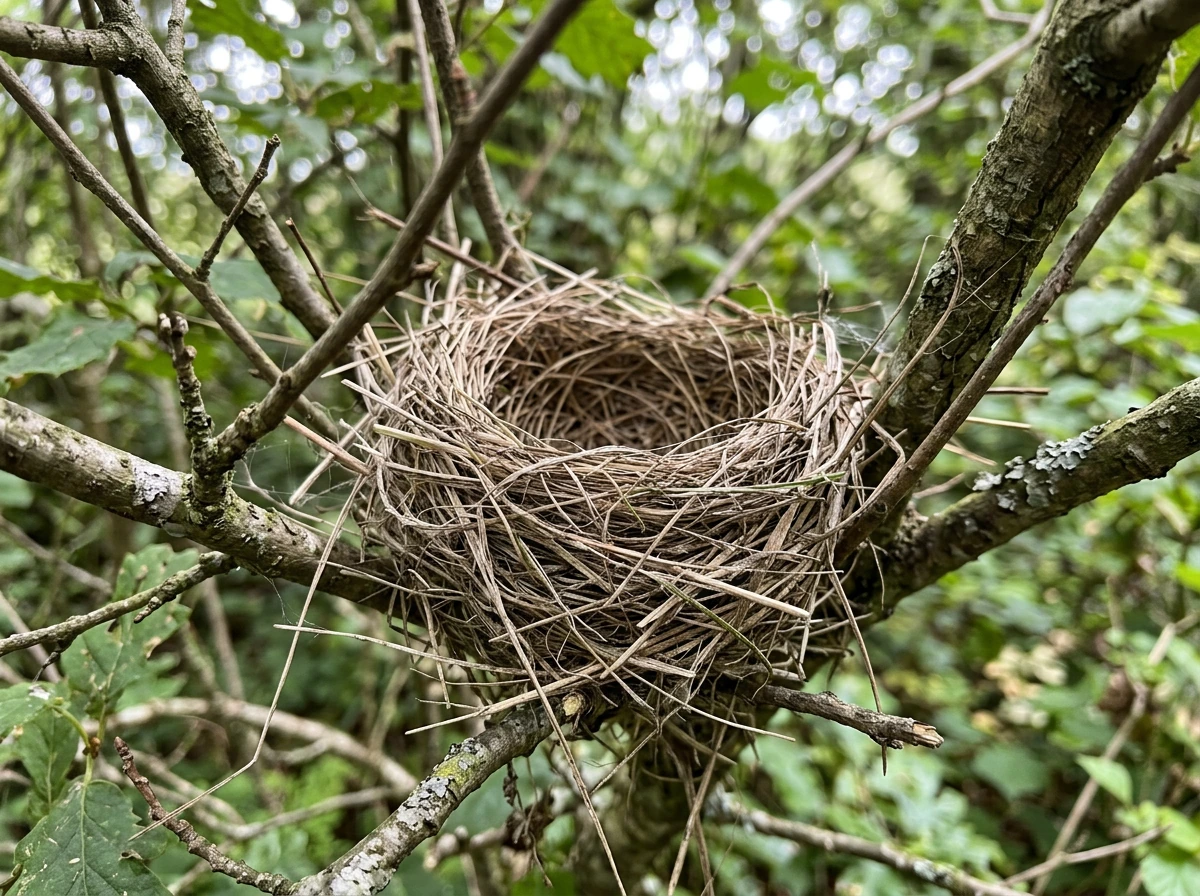
| Cup nest | Rounded bowl built from plant fibers, mud, grass, or spider silk; most common type seen in shrubs and trees | Robins, sparrows, warblers, finches | Tree branches, shrubs, eaves |
| Cavity nest | Uses a hole in a tree, post, or structure; bird may or may not add lining material | Chickadees, bluebirds, woodpeckers, owls | Tree trunks, nest boxes, fence posts |
| Platform nest | Large, flat structure of sticks; can be on the ground or high in a tree canopy; often reused and added to each year | Ospreys, herons, eagles, hawks | Tall trees, cliff edges, power platforms |
| Scrape nest | Minimal or no structure; a shallow depression in soil, sand, or gravel, sometimes lined with pebbles or feathers | Killdeer, plovers, terns, nightjars | Open ground, gravel rooftops, beaches |
Materials vary enormously. Bird nesting welding definition refers to how the term is used when people describe welding-related activity in relation to an active nest. Common building components include dry grass, plant stems, bark strips, moss, mud, feathers, animal hair, and spider silk. Spider silk is used by hummingbirds and some warblers because it is both strong and elastic, allowing the nest to expand as chicks grow. When you find a nest, noting the materials and rough dimensions (most songbird cup nests are 3 to 5 inches across) can help narrow down the species significantly.
Locations cover more ground than most people expect. Nests turn up in tree canopies, dense shrubs, hollow snags, cliff faces, building eaves, dryer vents, hanging flower baskets, ground cover, gravel driveways, and on ledges of bridges or barns. Ground nesters like killdeer are particularly easy to accidentally disturb because there is no obvious structure to signal their presence.
When to leave it alone and when you can act
The default answer is almost always: leave it alone. Under the U. S. Migratory Bird Treaty Act, it is illegal to destroy, move, or significantly disturb a nest that contains eggs or dependent chicks.
The same protection applies through fledging. A nest is legally "in use" from the moment viable eggs are laid until the young no longer depend on it. Audubon notes that nest activity can be inferred from evidence such as a nestling ejecting a fecal sac, which may be dropped as the chick exits the nest [Bird Nests Tell Extraordinary Stories, If You Learn How to Read Them](https://www. audubon.
org/magazine/spring-2023/bird-nests-tell-extraordinary-stories-if-you). The penalties are real: fines for MBTA violations can be substantial, and the USFWS requires a federal permit before you can disturb most native bird nests. Canada has similar protections under the Migratory Birds Convention Act, and in the UK, the Wildlife and Countryside Act protects active nests year-round.
Here is a practical decision framework for homeowners:
- Is the nest active (eggs or chicks present, or adults actively visiting)? If yes, stop. Do not touch it, move it, or continue any work nearby. This is both a legal requirement and the ethical choice.
- Is the nest empty and the breeding season clearly over in your region? An empty nest with no sign of activity after several weeks of observation may legally be removed in many jurisdictions, but check your local state or provincial rules first.
- Is the nest in a genuinely dangerous location (inside a gas vent or dryer exhaust, for example)? Contact a licensed wildlife rehabilitator or your state wildlife agency for guidance. Do not attempt removal yourself without advice.
- Is construction or pruning work creating a conflict? Portland's environmental services guidance is direct: if you find a nest with eggs or young in a work area, stop work immediately and contact a wildlife biologist. Schedule future work outside breeding season to avoid the problem entirely.
Audubon's guidance for anyone who finds a surprise nest in an inconvenient location is simple: leave it be. Most nesting cycles for small songbirds last only 4 to 6 weeks from egg laying to fledging. Waiting that out is almost always the most practical and legally safe option.
Safe and legal next steps for homeowners and birdwatchers
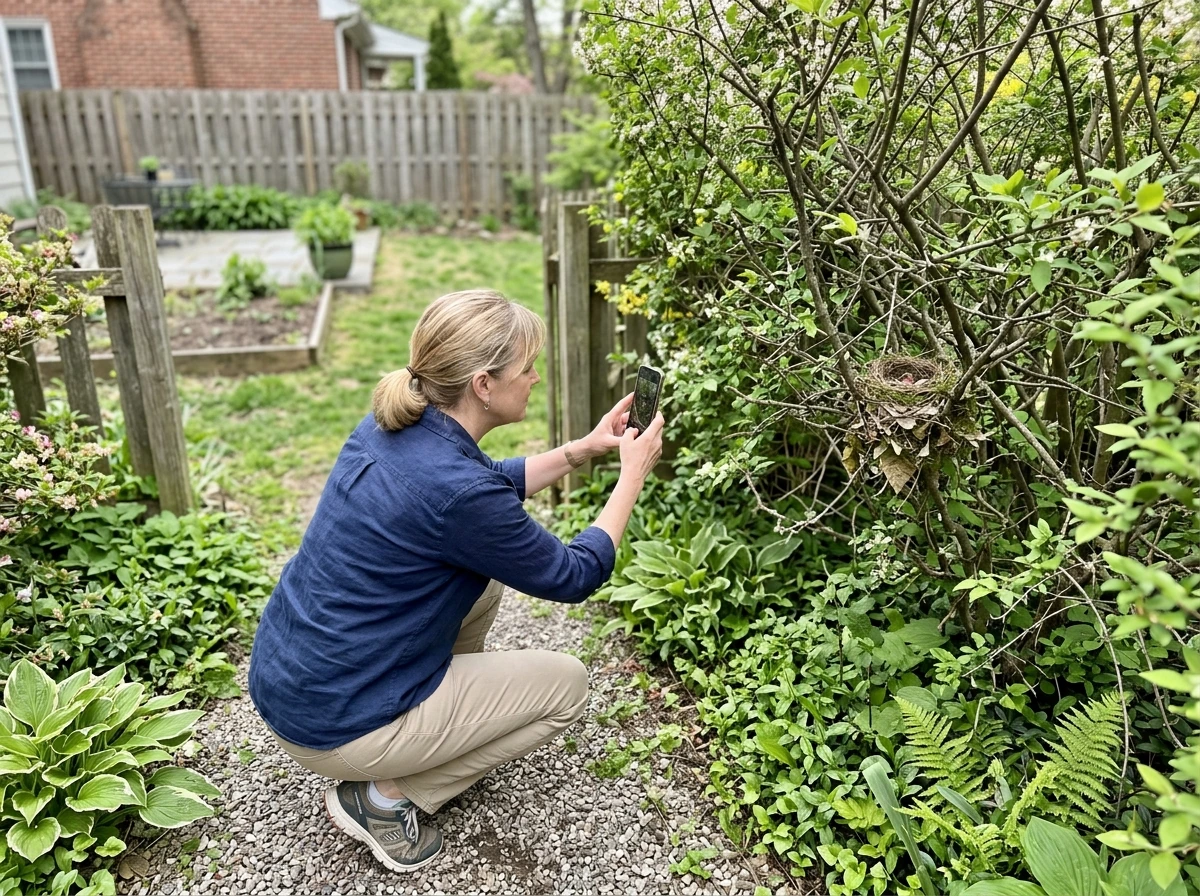
If you have found a nest and are not sure what to do next, here is what actually helps:
- Photograph the nest from a distance. A clear photo helps you identify the species and stage of nesting without any physical disturbance. Document the date as well.
- Note the location precisely: height from ground, substrate (branch fork, wall ledge, ground), and any identifying features of the nest materials.
- Keep a simple observation log. Even three or four entries noting adult presence or absence over several days gives you a much more accurate read on whether a nest is active than a single visit.
- Contact your state wildlife agency or a licensed wildlife rehabilitator if the nest appears damaged, if chicks have fallen out, or if you believe the nest is in immediate danger. Do not attempt to repair or handle it without guidance.
- If the nest is in a spot where you must eventually do work, such as pruning a hedgerow or removing a tree, plan that work for outside the nesting season in your region. For most of the continental U.S., that means waiting until late August or September at the earliest.
- For birdwatchers: Audubon advises never positioning yourself close enough that you could touch the nest. If parents stop returning after you arrive, you are too close. Back up and use optics.
Reducing predation and human disturbance
Human presence and domestic animals are two of the most significant causes of nest failure. Florida Fish and Wildlife Conservation Commission research on wading birds found that when adults are frightened off nests, they can knock eggs or chicks to the ground and leave young exposed to temperature extremes. Even brief, repeated disturbances compound the risk.
Practical steps to reduce disruption around a known nest:
- Keep cats indoors during nesting season. Outdoor and feral cats are responsible for enormous nest predation losses and can disturb ground nests even without making a kill.
- Avoid mowing directly under or near known nest sites during active periods. If you must mow, do it quickly and only when adults are seen foraging away from the nest.
- Redirect foot traffic away from known nest areas using temporary fencing or simple rope barriers. Even a low barrier signals to visitors that an area is off-limits.
- Do not trim or prune shrubs and trees from March through August in most of North America unless you have confirmed no active nests are present. Canada's national guidelines specifically recommend avoiding harmful activities during the breeding season as the primary way to prevent illegal disturbance.
- Install predator baffles on nest box poles if you have nest boxes. Raccoons, squirrels, and snakes are the most common nest box predators. A metal cone baffle 18 inches or wider, mounted at least 5 feet up the pole, is effective.
- Reduce reflective surfaces and window strike risks near known nest sites during the nesting period.
If you notice a nest has been partially damaged by weather or predators but still contains live eggs or chicks, do not attempt repairs on your own. Call a licensed wildlife rehabilitator. They can advise on whether intervention is appropriate and, in some cases, can legally handle the situation in ways that private citizens cannot.
How nesting unfolds through the seasons
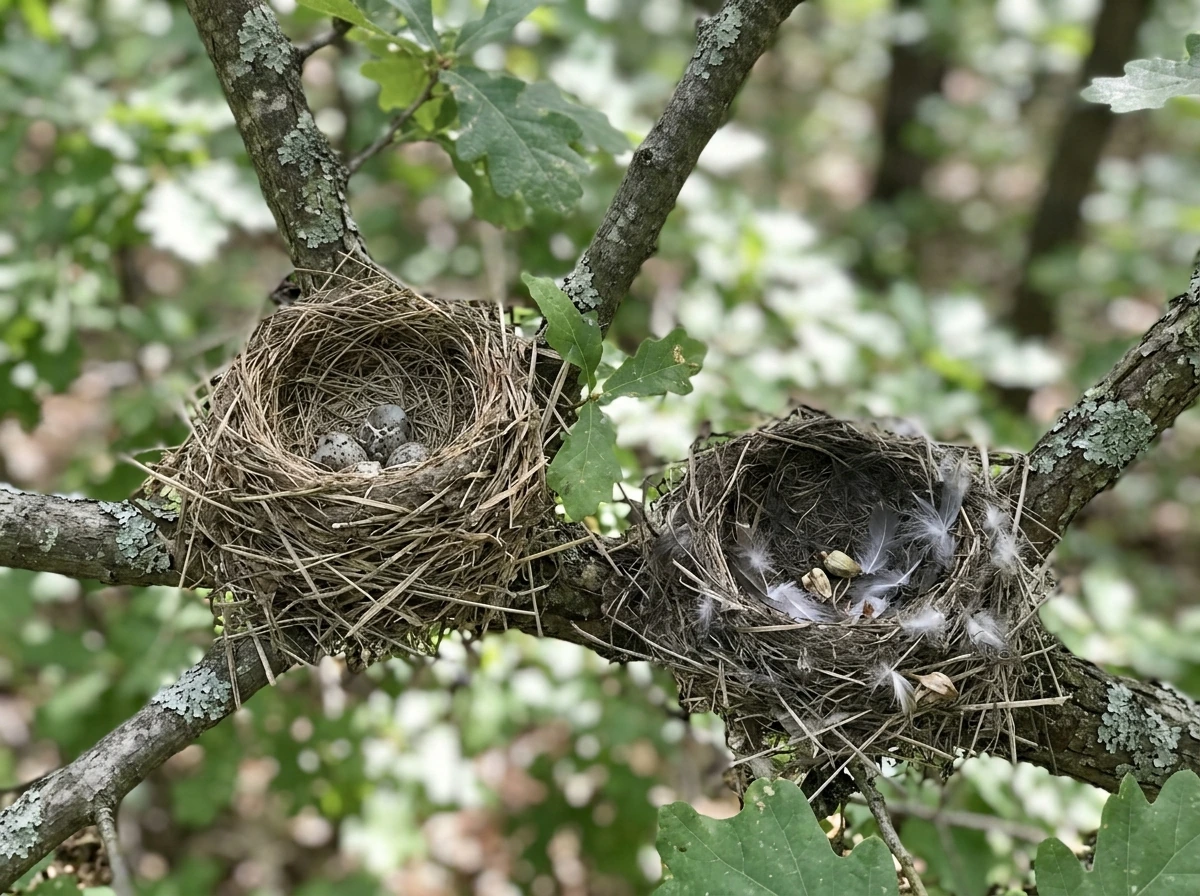
Nesting is not a single moment. It plays out over several months, and knowing what stage is most likely right now helps you interpret what you are seeing and decide what to do. Keep in mind that timing varies significantly by species and latitude. Incubation periods alone can range from under 10 days in some small songbirds to more than a month in larger raptors. Nestling periods show the same variability.
| Season / Month Range | Typical Nesting Stage | What You Might Observe | What This Means for You |
|---|---|---|---|
| Late February to March | Site selection and nest building | Birds carrying grass, bark, or moss; repeated visits to one location; singing and territorial display near the site | Avoid pruning or disturbing the area. Do not remove any partial nest structure you find. |
| April to May | Egg laying and incubation | Adult sitting low and still in nest for long periods; brief departures and returns; alarm calls if approached | Greatest legal and ethical risk for disturbance. Absolutely do not approach or work nearby. |
| May to July | Chick rearing (nestling stage) | Frequent adult trips carrying food; fecal sacs being removed; audible begging calls from nest; visible movement inside cup | Maintain a buffer of at least 50 feet for ground nesters, farther for colonial nesters. Keep pets away. |
| Late June to August | Fledging and post-fledge dependence | Young birds on low branches or ground, still being fed; parents calling nearby; fledglings may appear to be 'abandoned' but usually are not | Leave fledglings on the ground. They are not lost. Adults are still feeding them nearby. |
| September to February | Non-breeding season | Empty nests; possible re-use of cavities for winter roosting; some species begin early nest prep in late winter | Lowest-risk window for any necessary site work, but always verify nests are empty before acting. |
One of the most common homeowner mistakes in summer is finding a fledgling on the ground and assuming it needs rescue. Fledglings are supposed to be on the ground. They are in the post-nest stage of dependence, still being fed by parents who are watching from nearby cover. Unless the bird is visibly injured or a cat is present, the right move is to walk away and leave it alone.
If you are reading this in late March, which is right now in the 2026 season across most of the continental U.S., nest building is underway or just beginning for many early species including robins, mourning doves, and house finches. This is the ideal window to make management decisions before eggs appear, to install nest boxes, and to schedule any necessary tree or shrub work before breeding activity peaks. Once eggs are laid, your options narrow considerably under both law and basic ethics.
The single most useful thing you can take away from all of this: when in doubt, watch and wait. If you are dealing with welding near any birds, the same idea of nesting applies, so it helps to understand what is bird nesting in welding before taking action. Most nesting conflicts resolve themselves within a few weeks. The law, the birds, and your conscience will all thank you for the patience.
FAQ
How can I tell if a bird nest is active if the parent is not sitting on it right now?
“Active” does not mean you must see a bird constantly on the nest. Many adults leave briefly during incubation or when bringing food. That is why short checks often mislead people, and you should monitor from a distance for 20 to 30 minutes at peak times (around dawn and dusk).
What should I do if I find an egg nest that looks abandoned or deserted?
If you find eggs or a nest that seems recently abandoned, the safest approach is to assume it is still in use until you confirm otherwise. Look for repeated adult visits over multiple observation windows before concluding failure, since adults can take temporary absences and still be incubating or brooding.
Can I remove or relocate a nest on my property if it is causing problems?
For most native species covered by the Migratory Bird Treaty Act, you generally cannot disturb an active nest, even if it is on your property. A federal permit is usually required for many actions, and the exact steps you are allowed to take can depend on how the nest is affected (for example, mowing nearby versus moving the nest).
What changes can I make around a nest that are usually allowed, without breaking the rules?
Yes, but only when you are reducing disturbance, not when you are causing it. The common “do not touch” rule still applies, but you can usually keep people and pets away, adjust traffic patterns, or postpone landscaping until you have confirmed the nesting period is over.
If I do not see chicks, does that mean the nest is inactive?
Do not assume a nest is empty just because you do not see chicks. For example, fecal-saccarrying is a strong sign of nestlings, but older nestlings can be harder to detect visually. If you are unsure, watch from a distance and avoid repeated close visits.
I found a baby bird on the ground, should I rescue it?
In many cases, a fledgling on the ground is normal. If it appears uninjured and no cat is involved, the recommended action is to keep pets away and let parents continue feeding from nearby cover. Intervention is more appropriate when there is visible injury, heavy bleeding, or an immediate threat.
What if the nest looks broken or damaged but there are still eggs or chicks?
If a nest is partially damaged (from weather, predators, or falling branches) but still has live eggs or dependent young, repairs done by homeowners can make the situation worse and may increase disturbance. A licensed wildlife rehabilitator can advise whether intervention is needed and, in some cases, can legally handle the case.
What is the best time to do yard work or install a nest box so I do not disrupt nesting?
Yes. Some species breed early, but timing varies by species and location. If you have early activity, you can plan ahead by installing nest boxes before eggs appear and scheduling major yard work outside the active nesting window. Waiting until after eggs are laid usually limits what you can do.
How close can I get to “check” on a nest without harming the birds?
Repeated disturbance increases failure risk, including when people or pets repeatedly approach to “check progress.” The practical rule is one-time assessment from a distance, then minimal interference. If animals are a risk, use barriers and supervision rather than coming back frequently.
I think a ground-nesting bird is nesting near my walkway. How do I avoid disturbing it?
Yes. Ground-nesting birds can have little or no obvious structure, so people may walk into active nesting areas. If you notice unusual adult behavior such as repeated distraction or aggressive defense, treat the area as potentially active and keep foot traffic away.