The short answer: in most songbird species, the female does the majority of nest building, but there are plenty of common exceptions where the male builds first, both sexes share the work, or the male handles material delivery while the female does the actual construction. There is no single universal rule, but "female builds, male assists or guards" covers a solid majority of the species most backyard watchers and homeowners are likely to encounter. Read on for the breakdown by species, how to figure out who is doing what at a specific nest you are watching today, and what you should (and legally cannot) do once you find an active nest.
Does Male or Female Bird Build the Nest? Easy Guide

Maya Bennett
11 Apr 2026
Which sex builds the nest: the general rule
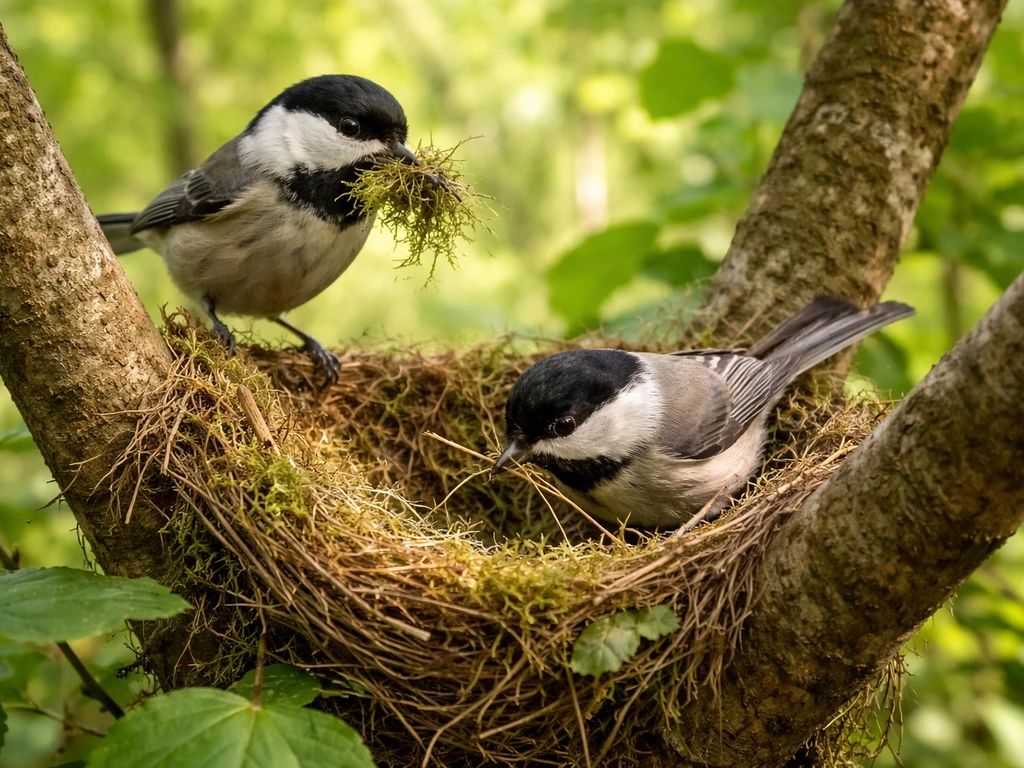
Ornithologists categorize nest-building contribution into three broad buckets: male builds alone, female builds alone, or both build together. When researchers code behavior across large numbers of species, the female-only or female-dominant category turns out to be the most common, but it is far from universal. Think of it as a strong tendency rather than a law of nature.
The female building the nest makes intuitive sense from an energy-investment standpoint: she is also going to incubate the eggs, so being intimately familiar with the nest structure and choosing exactly how it is constructed gives her a direct reproductive advantage. why a bird builds a nest at all comes down to the same core driver: protecting offspring. Both the "who" and the "why" trace back to that.
Species-by-species: common birds and who actually builds
Here is how some of the most frequently observed North American species actually divide the work. You will notice the pattern is messier than a simple male/female split.
| Species | Who Builds | Key Notes |
|---|---|---|
| Eastern Bluebird | Female only | Male carries material to attract female to site; female does all construction |
| American Robin | Female (with some male help) | Female does most building; male may contribute some material |
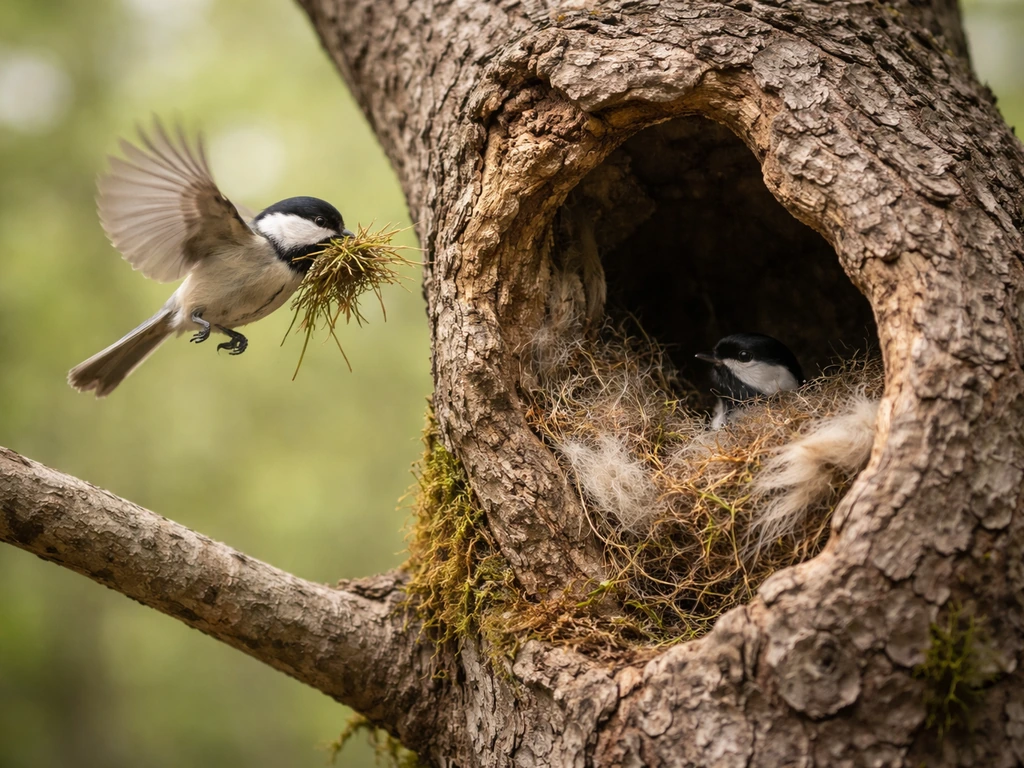
| Black-capped Chickadee | Female builds cup | After cavity is excavated, female builds the cup with moss and soft lining like rabbit fur |
| House Wren | Male then female (two stages) | Male builds the bulky twig platform first; female builds the softer inner lining before egg laying |
| Carolina Wren | Both sexes | Male and female build together; female lines the inner bowl and may add material after incubation begins |
| Mourning Dove | Male delivers, female builds | Male gathers and brings material to the female, who assembles it into the nest |
| Baya Weaver | Male builds partial nest first | Male constructs a 'helmet' structure; female inspects and accepts it; male then completes the nest |
| Northern Mockingbird | Both sexes | Both participate in building; female incubates while both help with other nesting phases |
The eastern bluebird is a good case study in how misleading the male's behavior can look. The male carries nesting material into the box and fans his wings to signal the site to a female. It looks like he is building. But once the female arrives and accepts the site, she takes over completely and does all the actual construction. This divide between "male advertises the site" and "female builds the nest" is common enough that it is worth keeping in mind any time you see a male hovering around a nest site with material in his bill.
House wrens flip the script in an interesting way. The male builds a substantial bulky mass of twigs that fills the cavity, which ornithologists describe as the platform stage. Then, separately, the female builds the soft inner lining before egg laying begins. If you are watching a wren box and see a bird stuffing it with twigs, that is almost certainly the male. If you see a bird carefully arranging soft grasses and feathers inside, that is most likely the female. Both actions are "nest building" in the broad sense, but they happen at different times and by different individuals.
How to tell who is building when you are watching right now
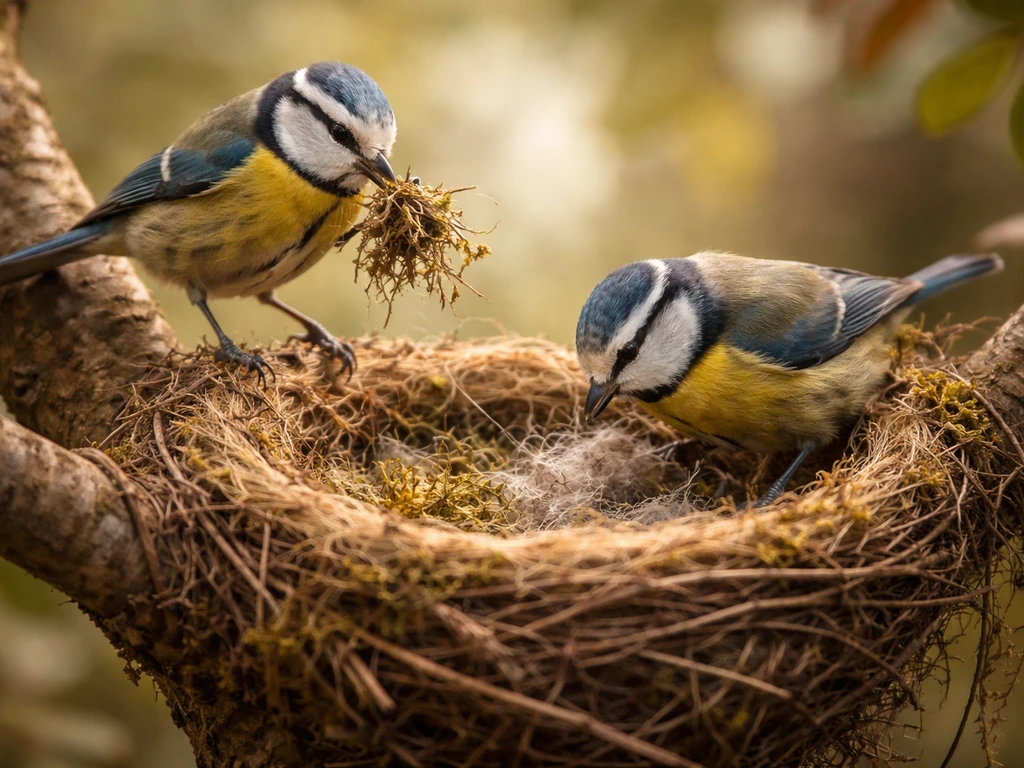
The most reliable field method is to follow the material, not the bird. NestWatch at Cornell recommends watching for birds carrying grass, twigs, plant down, and other nesting material and following them back to the nest site. Once you have the site located, watch for a few minutes from a comfortable distance and note which individual is actually placing and shaping material inside the nest structure, versus which one is delivering material and leaving, or just perching nearby.
Here are the observable cues that help you sort out sex roles in the field:
- Who stays at the nest site and shapes material: this bird is almost always the primary builder, and in most songbirds that is the female
- Who delivers material and then leaves: in species like mourning dove, this is typically the male playing a delivery role without doing the construction
- Plumage differences: in species with visible sexual dimorphism (bluebirds, cardinals, house finches), you can often directly confirm the sex of the bird at the nest
- Timing within the season: early-stage nest activity dominated by a single drab bird usually points to female; a brightly colored bird repeatedly visiting but not staying points to male
- Who is being fed at the nest: if one bird sits while another arrives and feeds it, the sitting bird is likely incubating, which is a post-building stage (usually the female)
Timing is also a useful cue at a broader level. how long nest building takes varies a lot by species, but most songbird nests are completed in two to five days of active work. If you are watching in early April and see intense back-and-forth material delivery over a short window, you are likely watching the main construction phase. Later visits that involve less carrying and more sitting indicate the transition to incubation.
Beyond "building": the other roles people often mix up
A lot of the confusion around who "builds" the nest comes from lumping together several distinct behaviors that happen at the nest site but are not the same thing as construction. Understanding these roles also helps you interpret what you are seeing during a watch session.
Lining vs. building
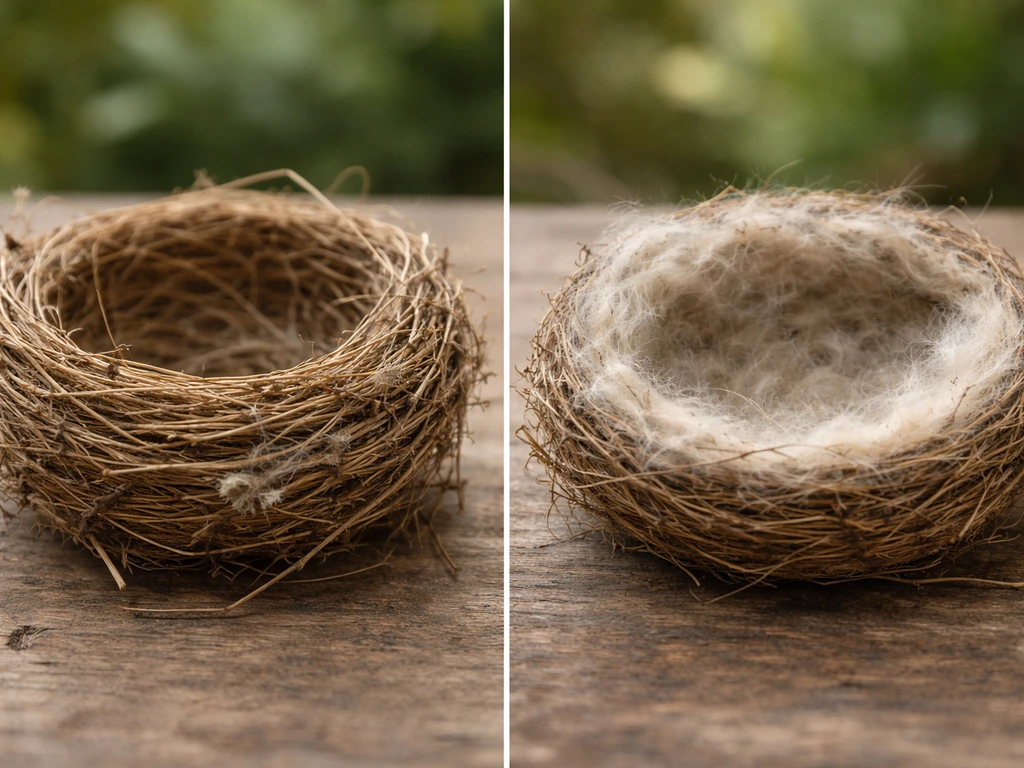
In many species, the outer structure and the soft inner lining are built by different individuals or at different times. With Carolina wrens, both sexes build the outer nest, but the female handles the inner bowl lining and may even add material after incubation has already started. Audubon's field guide description for Carolina wrens puts it simply: both sexes help build, but the female adds most of the lining. In black-capped chickadees, the female builds the cup using moss as a foundation and then lines it with soft material like rabbit fur. If you see a bird adding fine, soft material late in the construction sequence, you are almost certainly watching the female.
Incubation and brooding
Once eggs are laid, the sitting behavior begins. In most songbirds, incubation is done by the female. Smithsonian guidance notes that most songbirds begin incubating the day before the last egg is laid, so the transition from building to sitting can happen quickly and is easy to miss if you are not watching closely. A bird sitting motionless in a nest is not building; she is incubating. The male bird you see hovering nearby or arriving with food is not building either; he is feeding the incubating female. whether nest building is instinct is a fair question here too, since incubation is just as instinctive as construction, even though it looks completely different.
Mate guarding and site defense
Males often spend significant time near the nest site during egg laying and incubation in behaviors that look alert and territorial. This is mate guarding, not building. NestWatch notes that courtship feeding is prominent during certain breeding stages, and that parental behavior during egg laying includes mate-guarding responses. Seeing a male repeatedly land near the nest, look around, and then leave is normal territorial behavior, not nest construction.
Nest repair and second clutches
After the first brood fledges, many species go straight into a second nesting attempt. With eastern bluebirds, Audubon's nest box guidance notes that the male continues to assist fledglings from the first brood while the female begins building a second nest, often starting about a week after the first brood has fledged. If you see what looks like fresh building activity at a nest that already produced young, it may well be the female starting over on a new nest nearby while the male manages the fledglings.
What to do when you find an active nest
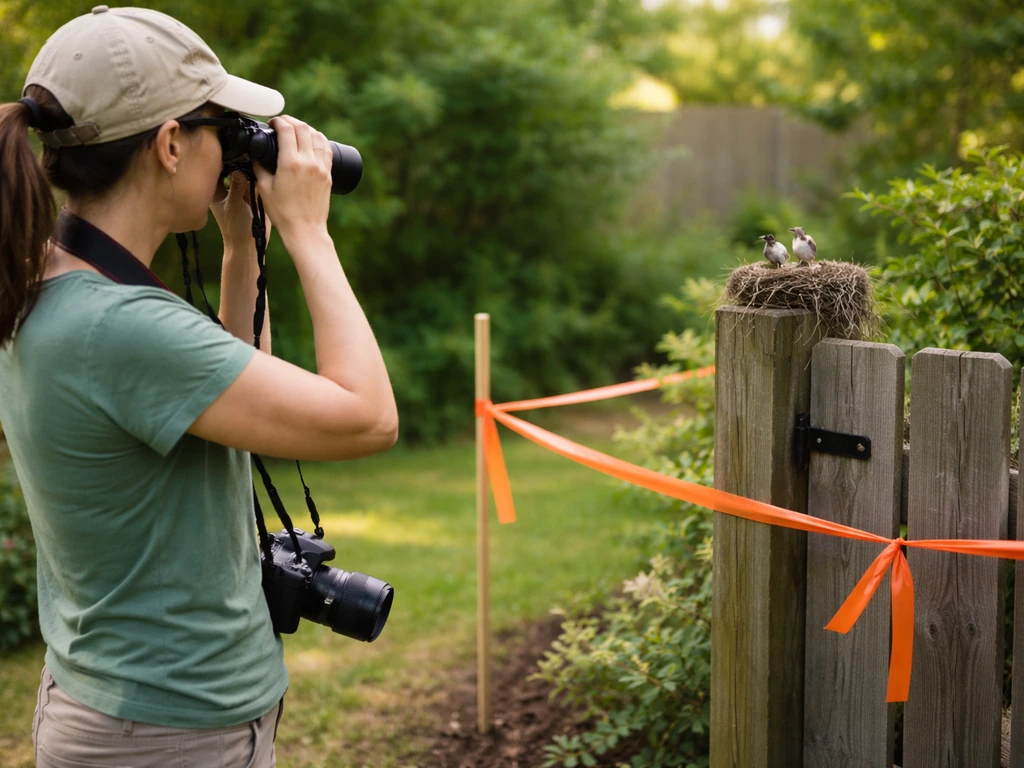
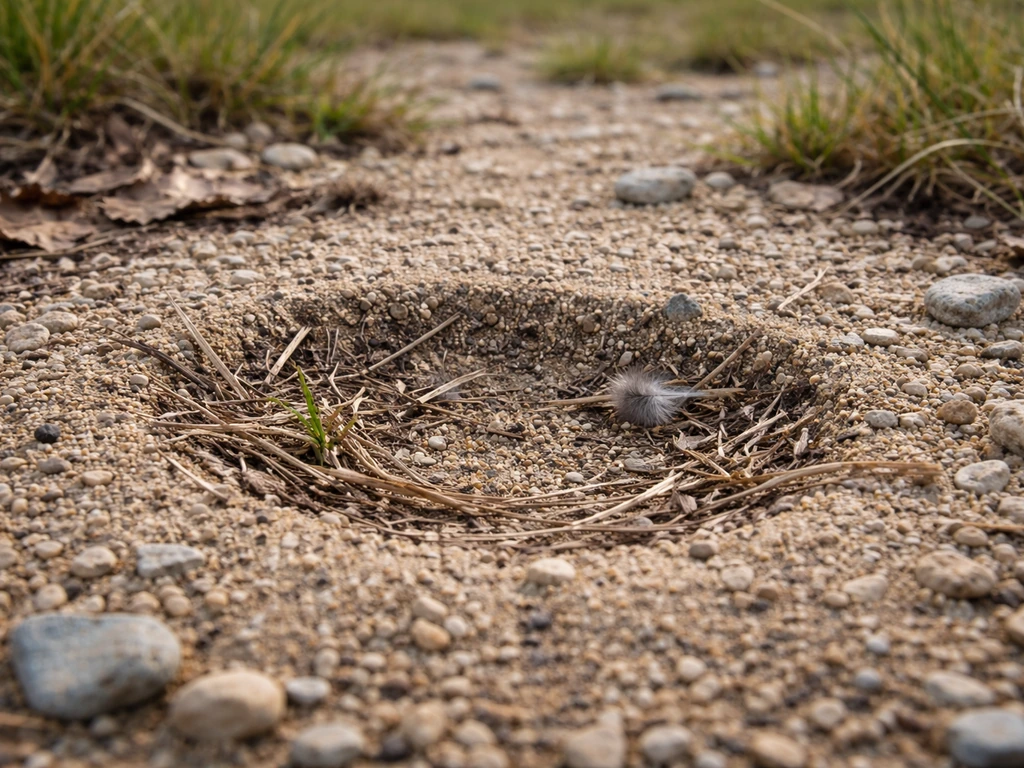
Finding a nest, whether in your yard, on your house, or in the field, comes with real legal and ethical responsibilities. The Migratory Bird Treaty Act defines an active nest as one that contains viable eggs or chicks, and in most cases it is illegal to physically disturb, relocate, or destroy such a nest without federal authorization. This applies to the vast majority of songbirds you are likely to encounter. ground-nesting birds get overlooked especially often because people do not recognize a scrape in the grass as a nest at all, and accidental disturbance is common.
Here is the practical guidance, broken into clear steps:
- Keep your distance: a minimum of 10 to 15 feet is a reasonable starting point for small songbird nests; larger birds or ground nesters may need more. Massachusetts wildlife ethics guidance recommends keeping a reasonable distance and leaving pets at home to reduce disturbance.
- Do not touch or handle eggs, nestlings, or nesting material: handling is illegal for active migratory bird nests and can cause adults to abandon. If a sitting bird does not leave the nest on its own, do not force it off.
- Limit your visits: NestWatch recommends no more than about 10 total visits per nest and spending no more than 60 seconds per check. Even well-intentioned frequent visits stress the adults.
- Photograph rather than handle: a phone camera with a zoom gives you all the documentation you need without any nest contact. Write down what you see: who is building, which sex, what materials.
- Contact a wildlife agency if you are unsure whether a fledgling or nestling needs help: North Carolina Wildlife and similar state agencies consistently advise leaving young birds alone unless they are visibly injured or in immediate danger, and to call before intervening.
- For predator protection, focus on habitat and physical barriers away from the nest: baffles on nest box poles, trimming nearby branches used as launching points. Avoid placing anything directly on or around an active nest structure.
NestWatch's code of conduct is clear that nest monitoring should never jeopardize birds' well-being, and that the spirit of citizen science data collection is only valuable if it does not harm the very animals being observed. If you are ever in doubt about what is and is not allowed, the U.S. Fish and Wildlife Service guidance on the Migratory Bird Treaty Act is the authoritative source for what constitutes an illegal disturbance of an active nest.
Seasonal timing: when to expect what, and where
Nesting activity is not evenly distributed across the year, and knowing what phase you are in helps you interpret what you are seeing at a nest today (April 11, 2026, in much of the continental U.S., puts you squarely in early-season breeding activity for many species).
| Season / Period | Typical Activity | Who to Watch For |
|---|---|---|
| Early spring (March to mid-April) | Nest site selection, early construction begins | Males advertising sites, females inspecting and beginning to build |
| Mid-spring (mid-April to May) | Active construction, egg laying begins | Female building cup and lining; male delivering material or guarding |
| Late spring to early summer (May to June) | Incubation, brooding, nestling care | Female incubating; male feeding female and later the nestlings |
| Summer (June to July) | Fledglings leave; second clutch begins for many species | Female building second nest; male managing fledglings from first brood |
| Late summer (August) | Most passerines wrapping up; late nesters still active | Reduced building activity; focus shifts to fledgling independence |
| Fall and winter | No active nesting for most species in temperate regions | Old nests visible but inactive; useful for identification and research |
Virginia DCR's bluebird monitoring calendar is a good model for this kind of seasonal tracking: it specifies that the female starts building in early April, begins brooding when all eggs are laid, and that the male feeds the fledglings for the next two to three weeks after they leave the nest. Having that kind of timeline in mind for your target species makes it much easier to interpret the behavior you are actually seeing on any given day.
Habitat matters too. Open-country and grassland species tend to nest earlier than forest-interior birds. how fast a bird can build a nest also shifts with habitat: cavity nesters in already-available boxes or holes can move much faster than birds constructing a full open-cup nest from scratch in exposed locations. If you are watching a nest box today and it looked empty yesterday, do not be surprised if there is already a platform of twigs inside by tomorrow morning.
One final point worth making: whether nest building is primarily a solo female effort or a collaborative one, the behavior itself is a combination of hard-wired instinct and learned refinement. whether nest building is a learned behavior is genuinely nuanced: young birds show innate building impulses but get better with practice, which is part of why older, more experienced females tend to produce structurally tighter, better-insulated nests than first-year birds. When you watch a bird carefully shaping and pressing material into a cup with her body, you are watching millions of years of evolution expressed in a few days of work.
FAQ
If I see a male bringing twigs, does that always mean he is building the nest?
Yes. In many species, what looks like “nest building” by a male is actually courtship or mate guarding, so the safest cue is whether the bird is actively placing and shaping material inside the structure. If the bird repeatedly lands near the entrance, looks around, and leaves without adding material, assume guarding or feeding rather than construction.
Can I tell which bird built the nest by watching who arrives first?
Not reliably. The direction of “who enters first” can be misleading because some males advertise the site before the female begins construction, and some species start with a platform stage then switch to lining later. Use a time sequence (what changes over the day) plus the material-following method rather than just which sex is present first.
Do males ever do most of the work even in species where females are usually the main builder?
Sometimes. A male may do more work during the early platform stage in some cavity- and cavity-adjacent nesters, or help with outer structure and then shift roles once incubation is about to start. This is one reason to watch for a multi-day pattern (outer material changes vs. fine lining changes) instead of making a single-day call.
How can I tell if the nest is in a building phase versus incubation when I only have a few minutes to watch?
A quick, practical check is whether the “construction” stops and the bird starts showing long, steady periods of stillness on eggs or in a mostly finished cup. If you see the same individual sitting deeply with minimal movement for extended stretches, that is incubation rather than building, and the nearby bird is usually delivering food.
What cues help me distinguish outer structure work from the softer inner lining work?
Watch for material type and texture, not just the act of carrying. Fine, soft material added late in the sequence (like grasses, feathers, or fur-like lining) is more often linked to the female in common backyard species, while bulk twigs or occasional “placement” can be associated with the male’s earlier stages.
If a nest or nest box was used last year, will I be able to tell who is building this time?
Yes. Many birds reuse nests, especially in the sense that old lining or parts may be repaired and refreshed. If you see both sexes around an existing structure, it may be renovation or a second brood attempt rather than the start of building from scratch, so look for new material being added rather than assuming it is a fresh build.
What should I avoid doing if I want to figure out nest-building roles at an active nest?
If you find a nest box or nest site, the biggest mistake is trying to confirm “who built it” by approaching, repositioning items, or checking inside. Even a brief disturbance can count as illegal action if the nest is active, so keep distance, observe from a fixed spot, and rely on behavior such as material placement instead of physical inspection.
Does nest type (cavity vs open cup) change how easy it is to identify the builder?
Yes, and it affects what you see. In cavity nesters, the structure can be “pre-made” by the environment, so building may look faster and be dominated by lining or minor adjustments. In open-cup nests, you may see more obvious construction changes over several days, with clearer shifts between bulk building and fine shaping.
Why might it look like “building” is happening soon after the first chicks fledged?
Yes, especially if there is a second nesting attempt. A common pattern is that the female starts a new nest close by while the male continues helping with fledglings from the first brood. If you see fresh material activity near an area where a brood just fledged, consider the possibility of a new nest rather than “the same nest being rebuilt.”
What is the most reliable quick checklist to decide who is building during a casual backyard watch?
Use a checklist based on behavior: (1) which individual is placing material into the cup or cavity, (2) whether material type changes over time from bulk to fine, (3) whether long bouts of sitting begin (incubation), and (4) whether the other bird’s behavior is mostly nearby guarding or bringing food. This reduces errors when males appear active but are not actually constructing.
Next Article
What Bird Builds a Nest on the Ground? Identify Fast
Find what bird nests on the ground by nest type, location, habitat cues, eggs, and ethical next steps to confirm.