Quick answer: when birds reuse old nests (and when they don't)
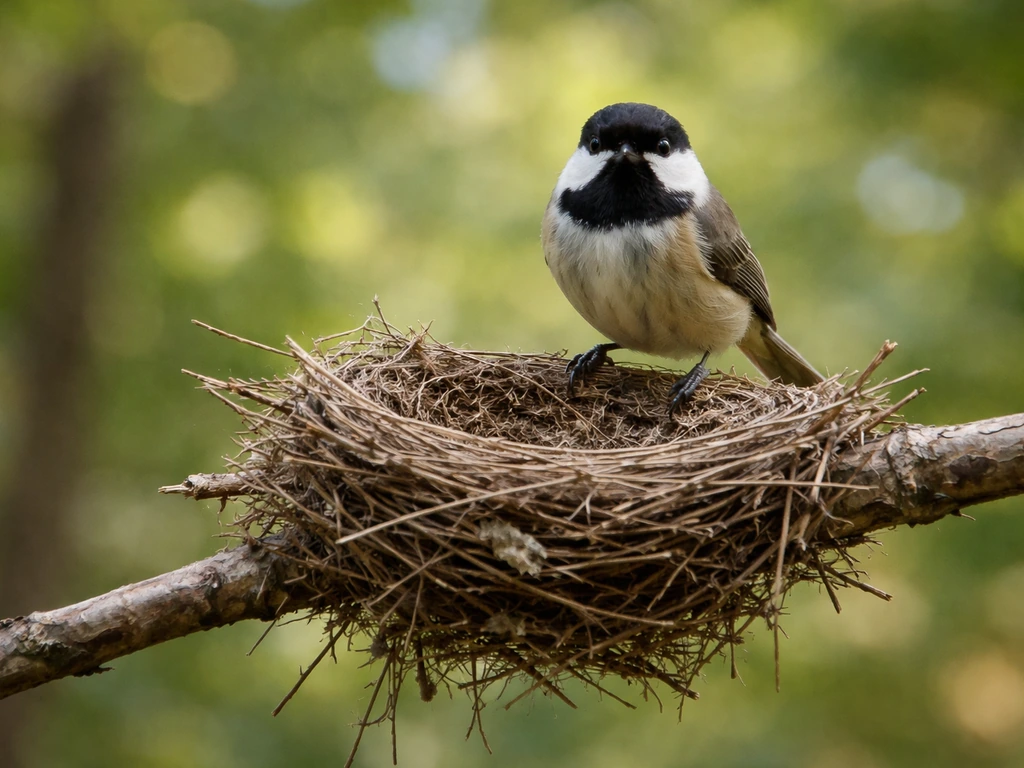
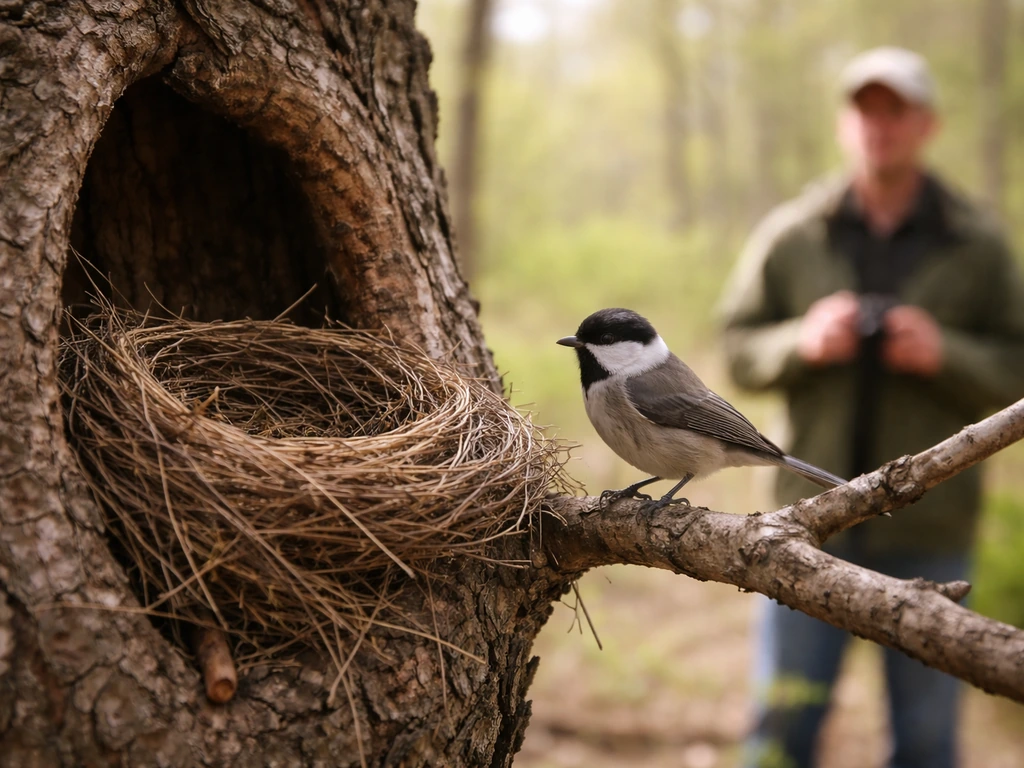
Yes, some birds will absolutely use an old nest, but it depends heavily on the species and nest type. In general, are bird nests reused depends on the species and nest type, so keep that in mind as you read the rest of this guide. Raptors like Cooper's hawks and red-tailed hawks frequently return to and add fresh material to a previous year's platform nest. Bald eagles and ospreys build on the same massive stick structures for decades. Snow geese come back to the same shallow depression season after season. Cavity nesters like European Starlings and Purple Martins will readily move into a box or hole that housed a previous brood, often after clearing out old debris. What you will rarely see is a songbird like a Northern Cardinal or a robin treating last year's cup nest as ready to move into. Those species almost always build fresh, partly because a used cup nest carries parasites, mites, and bacteria that could harm eggs and nestlings. So the short version: large platform nesters and cavity nesters lean strongly toward reuse; small cup-nest songbirds lean strongly toward building new.
The trickier question is whether the nest you are looking at right now is currently active, quietly between broods, being used for winter roosting, or genuinely abandoned. Each of those scenarios calls for a different response, and getting it wrong can cost birds their breeding attempt or get you into legal trouble. The rest of this guide walks you through exactly how to figure that out and what to do next.
How to tell if the 'old' nest is still active
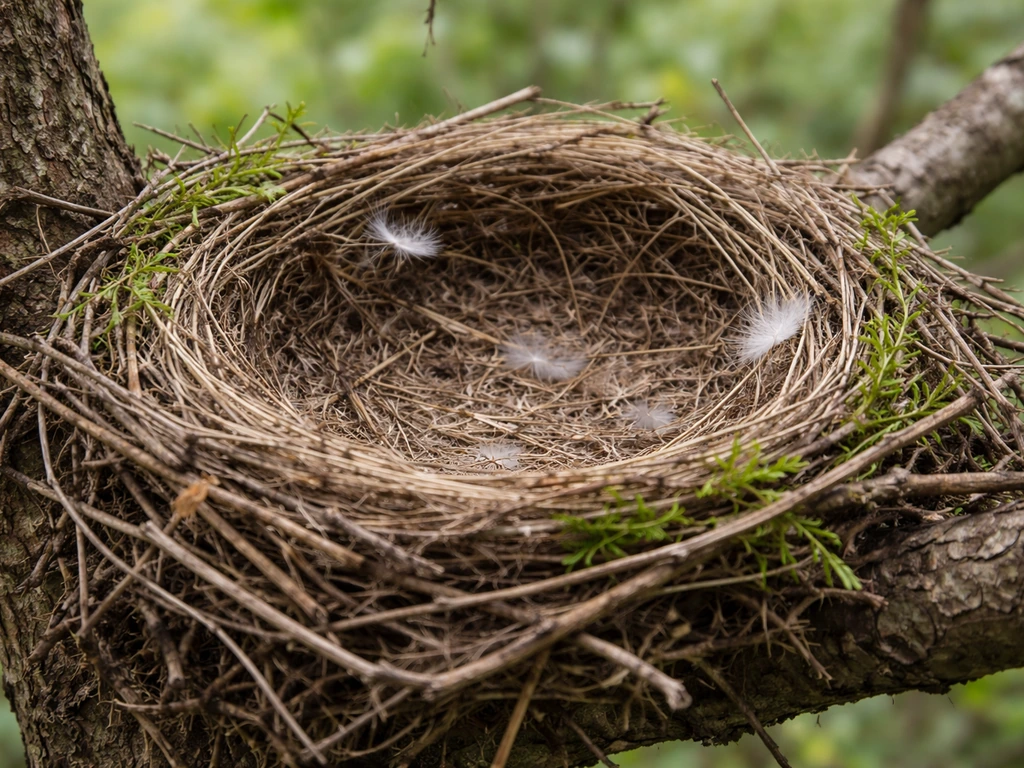
An old-looking nest and an inactive nest are not the same thing. A nest can look weathered, matted, or even partially collapsed and still be in active use, especially a large stick platform that has survived a winter. Before you touch anything or make any decisions, spend a few days just watching. Ten to fifteen minutes of observation in the early morning (roughly 30 to 90 minutes after sunrise) is the most productive window. Birds feed most actively then, and adult movement to and from the nest is easiest to spot.
Here are the clearest signs that a nest is currently active:
- Adults making repeated trips to the nest carrying food (insects, worms, berries) — this means nestlings are present
- Adults arriving with nesting material (grass, moss, feathers, bark strips) — this means building or repair is underway, which signals egg-laying is imminent or has just started
- Fresh white droppings (fecal sacs) on or directly below the nest rim
- Audible begging calls from inside the nest structure
- An adult sitting still and low in the nest for extended periods, which typically indicates incubation
- Nest material that looks freshly woven or recently added on top of older, darker base material
If you see none of these signs after three to five days of morning observation across late April through July (peak nesting season in most of North America), the nest is likely between uses or abandoned. In late summer, fall, and winter, absence of adult activity almost always means the breeding cycle is complete. That said, some species use old nests as winter roost sites, so a bird sitting quietly in a nest on a cold January morning is not necessarily nesting. It is more likely sheltering. Roosting birds tend to arrive near dusk and leave near dawn, and you will not see any food delivery.
Understanding what type of nest you are looking at is the fastest shortcut to knowing whether reuse is likely. Nest architecture tells you a lot about the species and its habits.
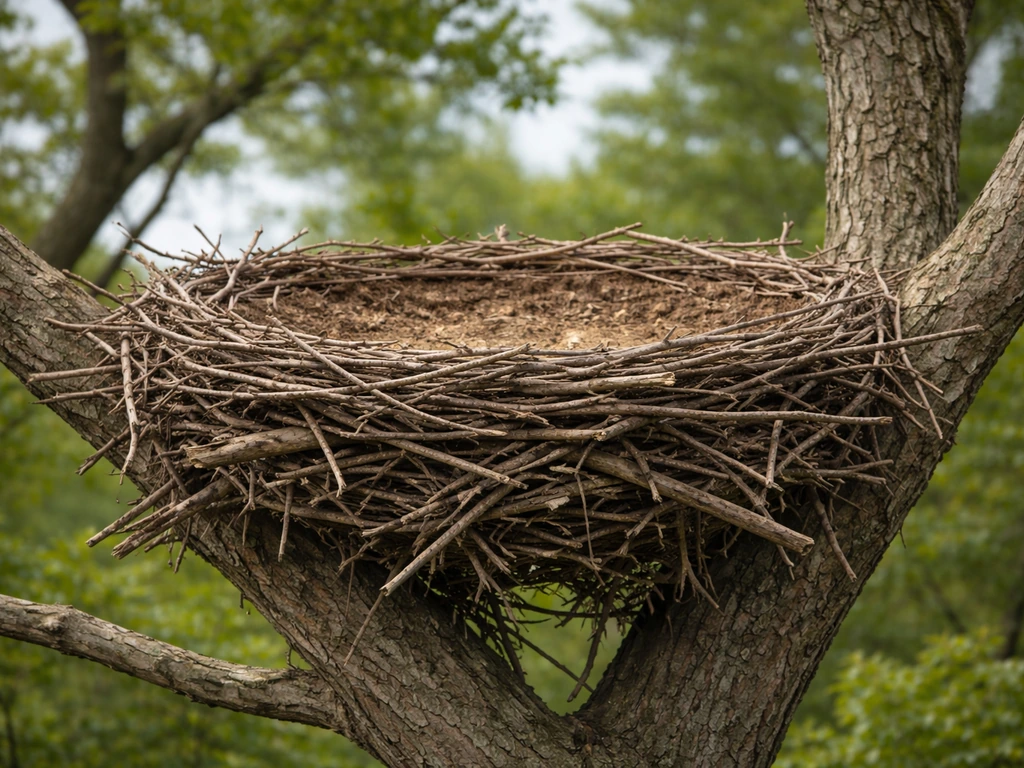
These are the large, flat-to-bowl-shaped twig structures built by raptors, crows, and herons. Cooper's hawks have been documented using the same nest for up to four years, typically adding fresh pine needles or leafy twigs to the top before laying. Red-tailed hawks are more variable: many pairs build a brand-new nest each season, but a prior nest often sits unused for a year before the pair or another bird cycles back to it. Ospreys and bald eagles take platform reuse to an extreme, returning to the same nest for decades and piling on new material each year until some nests weigh hundreds of pounds. If you find a large stick platform in a tree or on a utility structure, assume it is a candidate for reuse and treat it as potentially active during breeding season.
Cup nests (woven grass and fiber)
This is where songbirds live, and most of them are not reusing last year's work. Cardinals, robins, warblers, and sparrows overwhelmingly build fresh cup nests for each brood, even within the same season. The reason is sanitation: a used cup nest accumulates blowfly larvae, feather mites, and bacteria at levels that can measurably reduce nestling survival. An old cup nest found in a shrub or tree fork in April is almost always from the previous year. It is a useful ID marker and a signal that the spot is attractive to birds, but do not expect the same bird to move back into it. A different bird might, however, especially if good nesting sites are scarce. That question of whether another species will use an abandoned nest is worth thinking through separately. Whether another bird will use an abandoned nest can vary a lot by species, especially when comparing cup nesters versus platform or cavity nesters. Whether another bird will use a nest after a species leaves it is possible, but it depends on the nest type and the species involved another species. That question of whether another species will use an abandoned nest is worth thinking through separately which bird uses other birds nests. Some species will even use an abandoned bird's nest, but it depends on the species and nest type another bird will use an abandoned nest (and when they don't)</a>. Some species will even use an abandoned bird's nest, but it depends on the species and nest type another bird will use an abandoned nest (and when they don't)</a>. Bird nests are not only for eggs, because many birds reuse nests between broods for shelter or roosting. It can help to think about whether <a data-article-id="196F3973-4250-4C83-BB43-E56B3B7C67F6"><a data-article-id="196F3973-4250-4C83-BB43-E56B3B7C67F6">another bird will use an abandoned nest, especially if you are trying to identify the most likely reuse or next brood site.
Cavity nests (boxes, holes, and crevices)
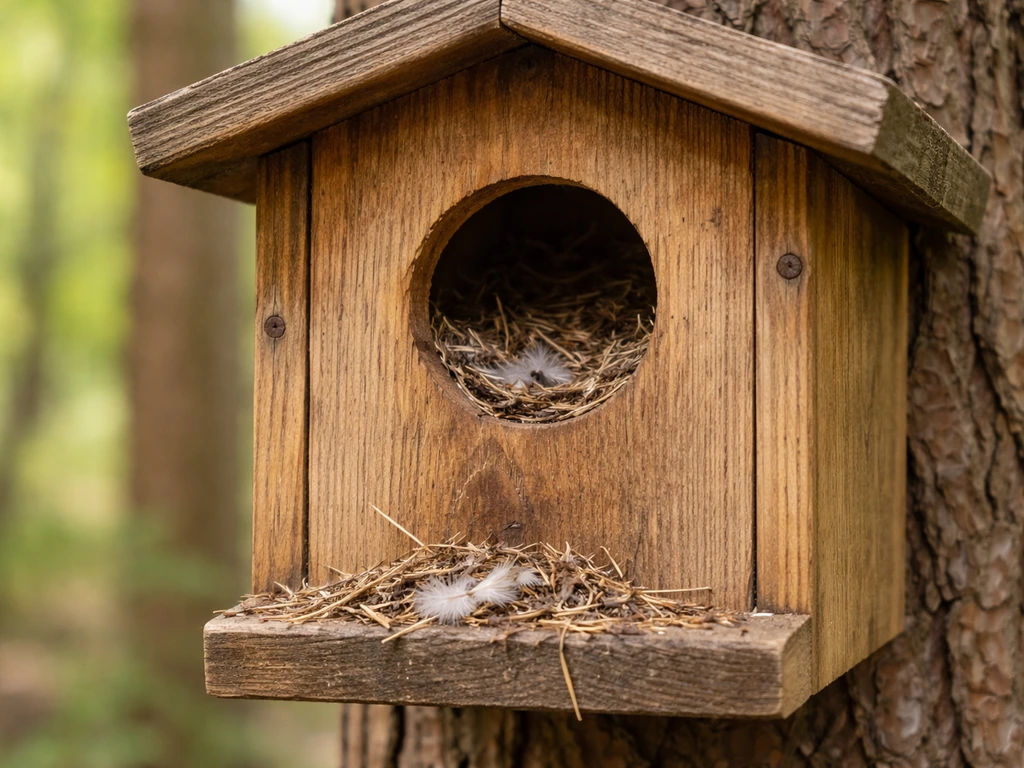
Cavity nesters are the most enthusiastic reusers of old nest sites, though they often clear or bury old material rather than nest directly on top of it. European Starlings will pack a nest box with fresh grass right over a previous lining. Purple Martins return to the same colony housing year after year. Bluebirds may raise two to three broods per season, using the same box each time but with a fresh cup of grass on top. Wrens sometimes stuff old nesting material into unused cavities as decoy or storage nests. For cavity nesters, the site is what matters, not the old material inside. Clean out nest boxes after each brood fledges (more on that in the removal section) to encourage rapid reuse within the same season. NestWatch recommends cleaning nest boxes at the end of the breeding season Clean out nest boxes after each brood fledges.
Grass and ground nests, liners, and fern-based structures
Ground-nesting species like killdeer, meadowlarks, and snow geese tend to use simple scrapes or shallow depressions. Snow goose nest depressions are a good example of a structure that gets reused from year to year, often because the bird returns to the same territory and the site requires minimal modification. Grass liners and feather-padded nests decompose quickly, so what looks like an old nest in a meadow may be nothing but a shallow hollow by the following spring. These nests are harder to identify as active without direct observation, since the bird's low profile makes it easy to miss.
| Nest Type | Common Species | Likely to Reuse? | Key Signs of Reuse |
|---|
| Platform (sticks) | Cooper's hawk, red-tailed hawk, osprey, crow, heron | Yes, frequently | Fresh material added to top; adults returning in spring |
| Cup (woven grass/fiber) | Cardinal, robin, warbler, sparrow | Rarely; new nest each brood | Different or same species may start fresh nearby |
| Cavity (box or hole) | Bluebird, starling, wren, Purple Martin | Yes, same season and across years | Old material cleared or buried; new lining added |
| Ground scrape / depression | Killdeer, snow goose, meadowlark | Sometimes, especially geese | Same shallow depression re-lined in spring |
| Mud/daub (inside structures) | Barn swallow, cliff swallow | Yes, often repair and reuse | Mud patches added; old pellets below nest |
Seasonal timing: breeding, winter roosting, and true abandonment
The same nest means something completely different depending on the time of year you find it. Getting the season right is essential before deciding what to do.
- February to March: Many year-round residents begin scouting and building. Raptors are often already on eggs. A nest with fresh material added is almost certainly active.
- April to June: Peak breeding season across most of North America. Any nest with adult activity should be considered active and left alone. This is the highest-risk window for accidental disturbance.
- July to August: Second and third broods underway for many species. Platform nests may look quiet between clutches but are not abandoned. Cup nesters may be building a new cup nearby.
- September to October: Most breeding is finished. Nest activity drops sharply. Nests in this period are usually safe to evaluate for removal if needed.
- November to January: Cold-weather roosting. Some birds, including wrens, bluebirds, and even raptors, will shelter in or on old nests during freezing nights. A bird in a nest box in December is roosting, not nesting. Leave it.
- Any time: If you find a nest and are unsure of the season's breeding status in your region, contact your local Audubon chapter or state wildlife agency. They can tell you which species are still active.
True abandonment, meaning a nest where breeding started and then stopped before fledging, happens for several reasons: predator disturbance, bad weather, loss of one parent, or human interference. An abandoned active nest (one with eggs or nestlings that have gone cold and quiet for more than 24 to 48 hours with no adult return) is a different situation from a post-season empty nest. If you suspect active abandonment with live eggs or chicks still present, contact a licensed wildlife rehabilitator immediately. Do not attempt to move eggs or raise nestlings yourself, as this is illegal under the Migratory Bird Treaty Act in the United States and similar laws in Canada and the UK.
What to do today: observe, protect from predators, and avoid disturbance
If you found this article because you spotted a nest and are not sure whether to leave it, move it, or clean it out, here is the direct answer: do nothing yet except observe. Give yourself three to five days of consistent morning observation before acting. Take photos from a distance (a phone camera with zoom or binoculars works fine) so you can track changes in the nest structure, droppings, and adult behavior without getting close enough to stress the birds.
While you are in observation mode, there are a few things you can do that genuinely help without interfering:
- Install or check a predator baffle on any post or pole supporting a nest box. A metal cone or stovepipe baffle placed 4 to 5 feet off the ground will stop most cats, raccoons, and snakes from reaching the box.
- Keep cats and dogs indoors or supervised when nesting birds are active nearby. Cats are the single largest human-associated cause of bird mortality in North America.
- Avoid pruning, mowing, or running power tools near the nest site during peak breeding hours (roughly 6 a.m. to 10 a.m.).
- Do not add supplemental food near an active nest. It draws other species and can increase competition or predator pressure at the nest site.
- If the nest is in an awkward but not dangerous spot (a potted plant on your porch, for example), simply reduce your trips past it to once or twice a day until the brood fledges. Most songbird nestlings fledge in 10 to 17 days after hatching.
One thing worth keeping in mind: birds tolerate a certain amount of human presence, especially species that nest near houses, but sustained close attention stresses them and can cause adults to reduce feeding visits. Keep your observation distance at 10 feet minimum for small cup nesters and 30 feet or more for raptors. If the adults are alarm-calling or dive-bombing you every time you step outside, you are too close.
When (and how) to remove an old nest after breeding: the legal and practical side
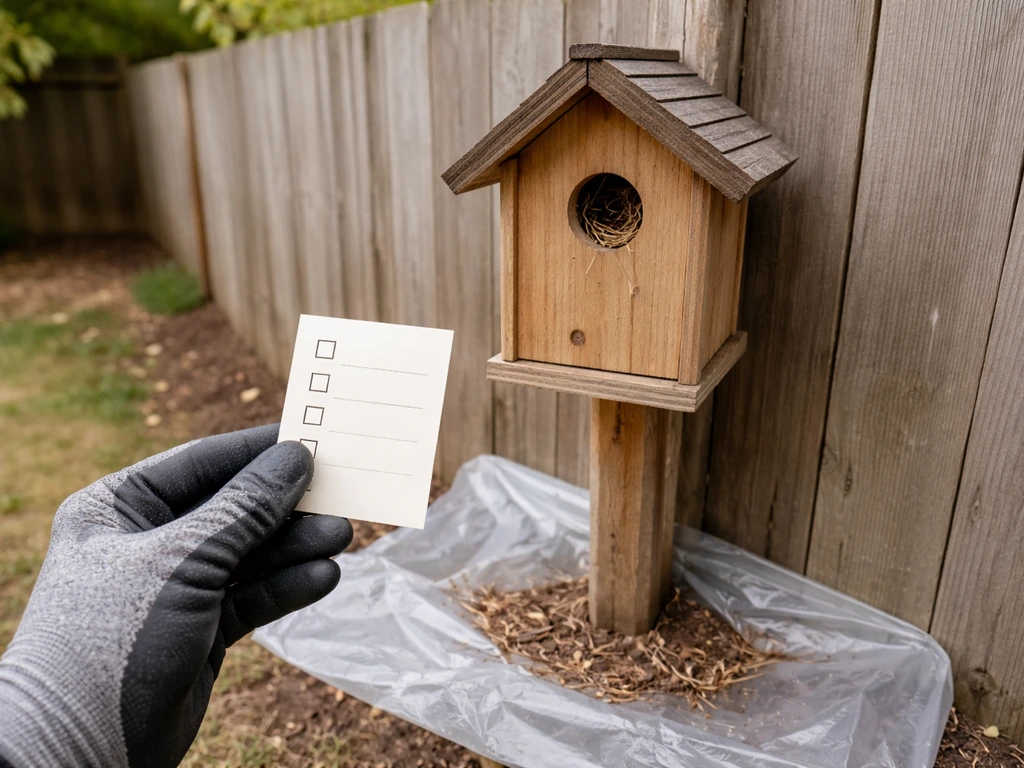
In the United States, the Migratory Bird Treaty Act makes it illegal to disturb, damage, or remove an active nest of any migratory bird species. Active means a nest with eggs or young in it. Once a nest is confirmed empty and breeding is complete, removal is generally legal. But check your state regulations, since some states add protections beyond the federal baseline, and a few species (like bald eagles) have additional federal protections that extend to the nest structure itself even when empty. In Canada, the Migratory Birds Convention Act applies similar rules. In the UK, the Wildlife and Countryside Act 1981 protects all wild bird nests in use or being built.
If removal is legal and you have confirmed the nest is empty and the breeding season for that species in your area is over, here is how to do it safely: NestWatch advises that cleanup like removing nesting material and scrubbing the inside should be done only when there is “absolutely no sign of breeding activity,” and it recommends using a 1 part bleach to 10 parts water solution if the nest box is soiled with fecal matter there is “absolutely no sign of breeding activity.”.
- Wait until late fall or early winter if possible, well after breeding ends. For most species in temperate North America, October onward is safe.
- Wear gloves and a dust mask. Old nests can harbor mites, fleas, histoplasma fungal spores (in nests near bat or heavy bird droppings), and bacteria. Do not handle with bare hands.
- Place the nest material directly into a sealed plastic bag for disposal, or compost it if you are not seeing evidence of heavy parasite load.
- For nest boxes: scrub the interior with a 10% bleach solution diluted in water, rinse thoroughly, and let it dry in the sun before closing it back up. This prepares the box for winter roosting or early-season reuse.
- For platform nests on structures you own: if the nest is in a genuinely problematic spot (blocking a vent, for example), document its empty status with photos before removal and keep those photos in case of any regulatory questions.
- Do not remove a nest from a tree or natural structure unless there is a specific reason. Leaving old platform nests in place is a genuine conservation benefit: other species, including smaller birds and even mammals, will use them for cover.
If you are not sure whether a nest is fully abandoned or just between broods, err on the side of waiting. A two-week wait costs you nothing. Removing an active nest can mean a failed brood and potential legal consequences.
Decision checklist: your next steps based on what you see
Use this checklist right now based on what you are actually observing. Work through it in order.
- Is it currently breeding season in your region (roughly February through August for most of North America)? If yes, default to leaving the nest alone until you complete steps 2 and 3.
- Have you observed adult birds visiting the nest in the past three to five mornings? If yes: the nest is active. Do not disturb. Check predator protection and reduce your presence near the site.
- Do you see eggs, nestlings, or hear begging calls? If yes: definitely active. Move away, protect from predators, and do not intervene unless you have a genuine emergency (injured adult, nest falling from a structure). Call a licensed rehabilitator for emergencies.
- Is the nest empty, no adult activity in five-plus days, and is it outside the peak breeding window for your species? If yes: likely abandoned or post-season. Proceed to the removal decision.
- Is it October through January and you see a bird occasionally sitting in or on the nest? This is winter roosting. Leave the nest in place. It is providing shelter, not a breeding site.
- Do you want to encourage nesting nearby without interfering? Put up a species-appropriate nest box at least 50 feet from the existing nest site (or farther for territorial species like bluebirds). Add a predator baffle. Do not place boxes directly next to each other for the same species.
- Ready to remove a confirmed empty, post-season nest? Check local wildlife laws first, glove up, bag the material, clean the structure if it is a box, and leave natural platform nests in trees unless there is a structural reason to remove them.
- Not sure what species built the nest or whether the season is over? Photograph the nest, note the size, material, and location, and contact your local Audubon Society chapter, a licensed wildlife rehabilitator, or your state's fish and wildlife agency. They can give you a species-specific answer for your exact location.
The core principle behind all of this is simple: nests are not decorations or debris. Even an old, beat-up platform nest or a tucked-away cup nest represents a significant investment by a breeding bird, and in many cases it represents a future nesting opportunity too, whether for the same bird, a different bird of the same species, or an entirely different species looking for a ready-made home. Watching carefully before acting, and staying within the legal and ethical boundaries around nest disturbance, costs you very little and protects a lot.