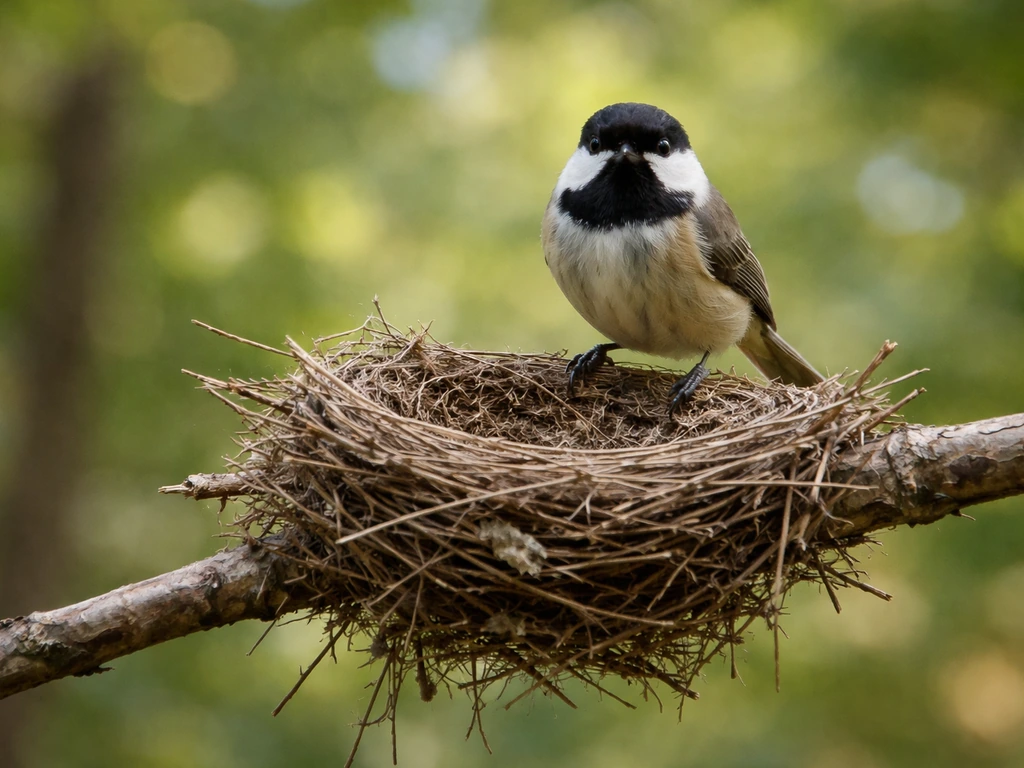
Yes, birds do use other birds' nests, and it happens more often than most people realize. Whether it's a different species moving into an abandoned cavity, the same species patching up last year's cup nest, or an aggressive European starling muscling a bluebird out of its box, nest reuse and nest takeover are normal parts of backyard bird life. If you've found a nest that looks occupied, damaged, or suspiciously empty, this guide will help you figure out what's actually happening, what you can do safely, and what the law says about touching it.
Will a Bird Use Another Bird’s Nest? Decision Guide

Maya Bennett
22 Apr 2026
Why birds reuse or steal nests in the first place
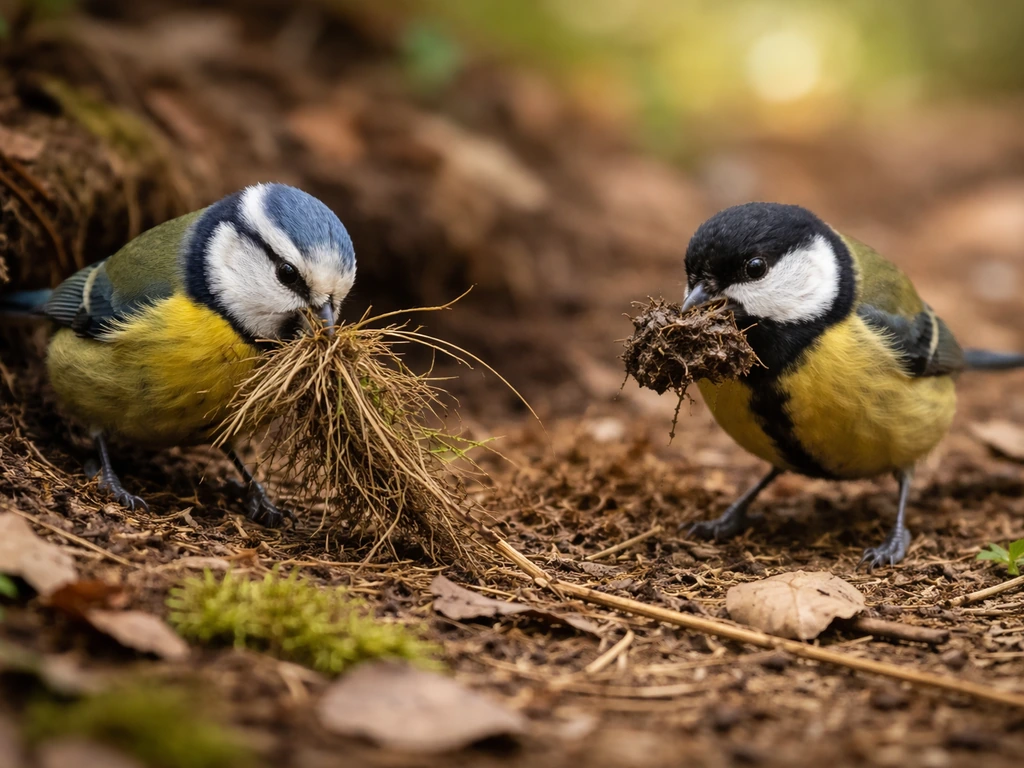
Building a nest from scratch is genuinely expensive work. A bird collecting hundreds of individual pieces of grass, bark, mud, or spider silk burns real energy and time that could go toward laying eggs sooner. Research confirms that nest reuse is partly driven by that cost savings: if a serviceable structure already exists, reusing it is simply more efficient.
Bird nests are not only for eggs, and many species reuse or repurpose existing structures as part of normal nesting behavior reusing it is simply more efficient. But there's a second pressure that's just as important: suitable nest sites are often limited, especially cavities. A good tree hollow, a nest box with the right entrance diameter, or a sheltered porch ledge doesn't grow on demand, and birds compete hard for them.
That competition plays out in a few distinct ways. Same-species reuse happens when a returning bird (or its offspring) claims the same site the following season. Cross-species takeover happens when a different species decides an existing structure is more attractive than building new.
Active usurpation, the most dramatic version, is when one species physically evicts another mid-season: European starlings and house sparrows are the most common culprits in North American backyards, and both are documented for moving into cavity nests that contain active bluebird or tree swallow eggs. Nest-material theft is quieter, where a bird pulls grass or moss off another species' nest to line its own.
All of these behaviors share the same root cause: nest sites and good nest materials are resources worth competing for.
How to tell reuse from abandonment: signs you can check today
The single most reliable indicator of active reuse is adult attendance. If a bird is visiting the nest regularly, something is going on, whether that's incubation, brooding, or active construction. If you are wondering whether bird nests are reused, the most reliable signs are whether adults keep visiting and adding material or otherwise continuing nest activity adult activity. The tricky situation is the nest that just sits there with nothing obviously happening. Before you conclude it's abandoned, check for these specific physical clues.
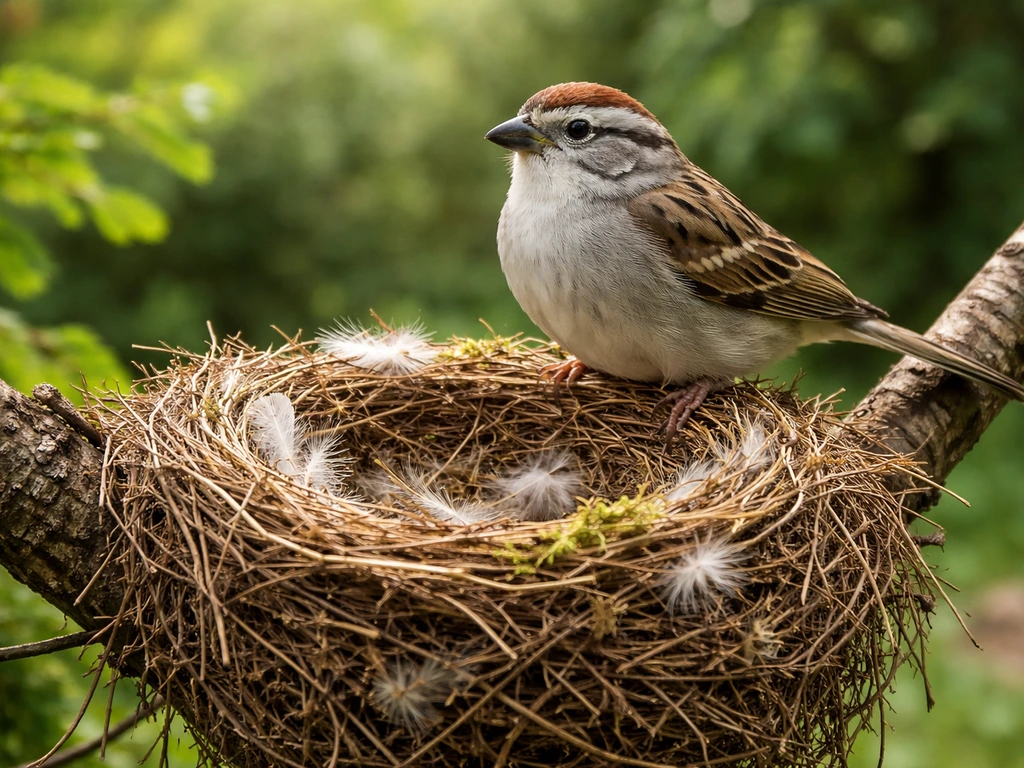
- Fresh lining: a visible layer of feathers, fine grass, or soft plant down added on top of older, weathered material is a strong sign of recent activity. Old nest material compresses, darkens, and flattens; new material looks bright and springy.
- New structural additions: mud patches, fresh green moss, or new grass strands woven into an older cup nest mean something was there recently enough to care about repairs.
- Egg or chick presence: even one egg in the cup means the nest is active and federally protected. Do not disturb.
- Fecal sacs on or near the nest edge: parent birds remove these from the nest, but they sometimes drop them nearby. Finding them is a sign of active chick provisioning.
- Worn entry paths: on a nest box, a worn, shiny ring around the entrance hole means repeated use. On an open cup, a compressed "runway" on a nearby branch suggests regular landings.
- Unusual lining materials: some birds, including great crested flycatchers, add snakeskin to their nests to deter predators. Seeing an odd material isn't a sign of abandonment; it can actually mean active, purposeful reuse.
If none of those signs are present and you haven't seen any adult activity, [NestWatch recommends waiting approximately four weeks from the last time you observed an adult at the nest before concluding it's genuinely abandoned. ](https://nestwatch.
org/learn/how-to-nestwatch/faqs/i-havent-seen-an-adult-bird-in-a-while-is-the-nest-abandoned/) NestWatch also defines a “nest visit” as a single visit used to collect data, advising that it last about 60 seconds and not occur more than once every 3, 4 days If you haven't seen any adult activity, NestWatch recommends waiting approximately four weeks from the last time you observed an adult at the nest before concluding it's genuinely abandoned. . That waiting period accounts for incubation delays and the possibility that the bird is simply being discreet.
Songbird nests typically last about 30 days total from egg laying through fledging, so the four-week window is meaningful. When in doubt, the safest rule is: if you can't confidently call it abandoned, treat it as active. To learn what happens when birds reuse nests versus when they are actually abandoned, look for the signs of active reuse first.
Which species reuse nests and which ones take over
Same-species reuse
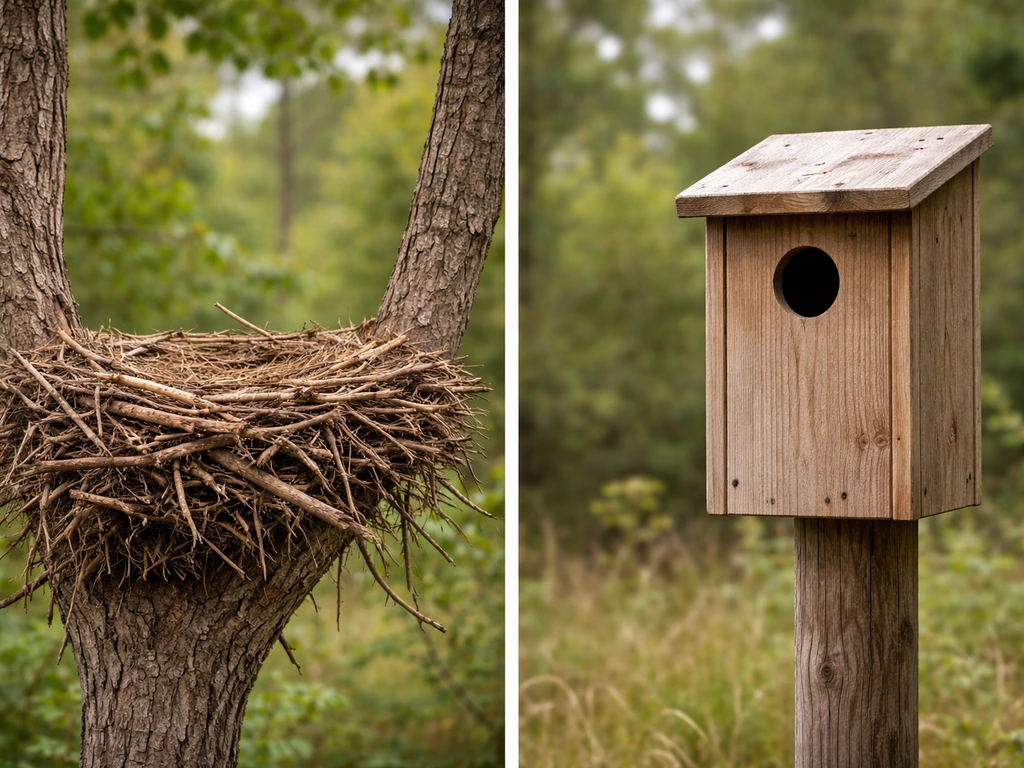
Raptors are the clearest example. Ospreys, bald eagles, and many hawks return to the same nest structure year after year, adding material each season until the nest becomes enormous. Ospreys and other raptors are among the species most known for reusing their own nests year after year which bird uses other birds nests. Active raptor nests are conspicuous, often massive, and protected under heightened federal oversight.
For smaller birds, tree swallows have strong site fidelity, regularly returning to the same nest box or cavity in the area where they bred the previous year. House wrens do something slightly different: the female often deconstructs whatever is in the nest cup, rebuilds it, and relays fresh lining material, so the "same nest" is partly rebuilt from scratch each time.
This is important because a house wren nest that looks freshly constructed may actually be sitting on top of an old one.
Cross-species takeover
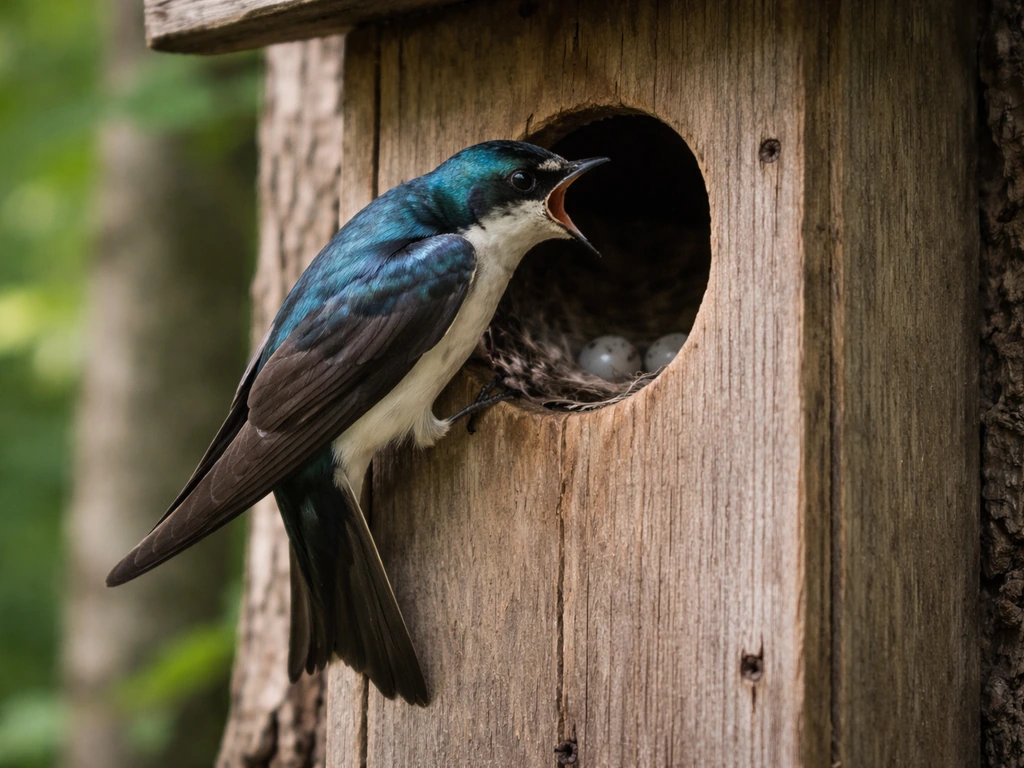
Cavity nesters are where cross-species conflict gets most intense. European starlings are fast, aggressive, and can take over a nest box that already contains active eggs from another species. House sparrows do the same and can destroy eggs in the process. Both species are non-native in North America and are not protected under the Migratory Bird Treaty Act, which has management implications covered below. On the open-cup side, cliff swallows' mud nests are documented as preferred reuse structures: house sparrows will move into them and may destroy swallow eggs. Brown-headed cowbirds take a different approach entirely, laying their eggs in other species' nests (brood parasitism), which looks like nest reuse but is actually a distinct reproductive strategy.
Quick-reference patterns
| Behavior type | Common examples | Nest type most affected | Key sign to look for |
|---|---|---|---|
| Same-species annual reuse | Osprey, bald eagle, tree swallow | Cavity, platform, large stick nest | Returning adults, fresh material added to old structure |
| Same-species rebuild | House wren | Cavity, nest box | Deconstructed interior, fresh lining over older debris |
| Cross-species takeover (active) | European starling, house sparrow | Cavity, nest box | Different species entering box; original eggs disturbed or removed |
| Cross-species opportunistic use | Cliff swallow, various passerines | Mud cup, open cup | Different species in existing structure after original birds depart |
| Brood parasitism | Brown-headed cowbird | Open cup (warbler, sparrow) | Larger egg among smaller eggs; cowbird adult rarely seen at nest |
What to do in your yard: observing and monitoring without causing harm

The most important thing you can do right now is observe from a distance. A good rule of thumb is to stay at least 10 to 15 feet back from an open cup nest and further from a cavity or nest box. If the bird changes its behavior when you approach, you're too close. Audubon's guidance is specific: if a bird is hissing, swaying dramatically, or making alarm calls, back off immediately. Those are stress signals, and a stressed incubating bird that flushes repeatedly is more likely to abandon eggs.
- Pick a fixed observation spot at a comfortable distance and check the nest at the same time each day (early morning is best when birds are most active).
- Use binoculars. A 7x or 8x binocular is enough to see whether a nest cup has lining, whether eggs are visible, and whether adults are returning.
- Take a quick photo with your phone (zoomed in, no flash) each time you check. A dated photo log lets you spot changes in lining material, egg presence, or structural additions without repeated close approaches.
- Note the species if you can. Nest material, structure, and placement are all ID clues: mud cup at cliff or eave (cliff or barn swallow), grass-and-feather cup in shrub (various sparrows or finches), messy stick cup in dense shrub (northern mockingbird or catbird).
- Limit your checks to about 60 seconds or less per visit. NestWatch recommends roughly 5 to 10 monitoring visits per nest over its full cycle, not daily close inspections.
- Record the date of your first observation and count forward. If you see no adult activity for four consecutive weeks with no eggs or chicks present, the nest is likely genuinely abandoned.
One practical note for nest boxes: you can open a box briefly to check the interior, and doing so does not cause the parents to abandon the nest. The idea that human scent causes abandonment is a persistent myth. What does cause problems is repeated disturbance during incubation or when very young chicks are present, so keep box checks short and infrequent during those windows.
Can you move or remove the nest? The legal and ethical reality
This is where people most often get into trouble, so let's be direct. Under the federal Migratory Bird Treaty Act, it is illegal to destroy, move, or disturb an active nest of any native migratory bird without a federal permit. The USFWS defines an active nest as one that contains viable eggs or live chicks. That definition means the empty-looking nest you're unsure about has a real gray zone: if there could still be eggs and you haven't confirmed otherwise, you should treat it as active.
The practical do's and don'ts break down like this:
| Situation | Legal/ethical action | What you should NOT do |
|---|---|---|
| Nest with eggs or chicks (any native species) | Leave it alone; observe from distance; contact local wildlife rehabilitator if injury is suspected | Move, remove, or disturb the nest; permit required for any action |
| Empty nest, less than 4 weeks since last adult seen | Wait and monitor; treat as potentially active | Remove or relocate; assume abandonment without evidence |
| Empty nest, confirmed abandoned (4+ weeks, no activity) | You may remove it in most US states; check your state rules first | Assume federal law is the only rule; state law may be stricter (e.g., California, Massachusetts) |
| Non-native species nest (house sparrow, European starling) | These species are not protected under MBTA; nest boxes may be managed more actively | Still avoid disturbing nests of native species in the same location |
| Raptor nest (osprey, eagle, hawk) | Consult USFWS or a licensed wildlife biologist before any action; heightened federal oversight applies | Approach closely, remove, or alter the nest or surrounding structure without authorization |
State laws add another layer. California treats nest protection as a full protection issue with specific guidance from the California Department of Fish and Wildlife. Massachusetts state law independently prohibits disturbing nests or eggs of any bird, with narrow exceptions. Canada uses a minimum unoccupied period before destruction is permitted for certain species. The bottom line: before you remove anything, verify what your state requires on top of the federal baseline. When in doubt, leave it and consult your state wildlife agency or a local Audubon chapter.
Protecting the nest site from predators and damage
Once you've confirmed a nest is active (or possibly active), your next priority should be keeping it safe rather than inspecting it further. Predator pressure is the biggest cause of nest failure, and there are several things you can do without disturbing the nest itself.
- Install a baffle on nest box poles. A cone-shaped or stovepipe baffle at least 18 inches in diameter, placed at least 4 feet off the ground, will stop raccoons, snakes, and squirrels from climbing up. This is the single most effective physical protection for cavity nesters.
- Clear sight lines around open cup nests cautiously. Dense cover is protective, but if a specific shrub branch gives a cat or raccoon a perfect launching pad directly to the nest, carefully trimming that branch (when no adults are present and no eggs are visible) can help. Do not prune so much that the nest becomes exposed to weather.
- Keep outdoor cats indoors during the nesting season (roughly March through August in most of North America). Cats are a leading cause of songbird nest failure and adult bird mortality.
- Do not hang shiny reflective tape, use chemical sprays, or place sticky deterrents near an active nest. These are either ineffective, harmful to birds, or both.
- If house sparrows or starlings are taking over nest boxes meant for native species, the most effective long-term approach is a species-appropriate entrance hole size. A 1.5-inch hole admits bluebirds and tree swallows but stops starlings. A 1.125-inch hole is right for chickadees. Installing the right box for your target species is better than reactive management.
- For nests on porches, eaves, or gutters where you need to protect your property, physical exclusion (mesh, boards, or plastic spikes on ledges) is most effective when installed before nest building begins. Once a nest is active, exclusion is off the table legally and ethically until the nest cycle ends.
If a nest has already been damaged, by weather, a predator strike, or accidental human contact, check whether any eggs or chicks survived before assuming the nest is done. A damaged but structurally sound nest with intact eggs may still be used if the parents return. Do not clean it out while eggs or chicks are present. If a chick has fallen out and is uninjured, placing it gently back in the nest is the right call; parents will not reject it because of human contact.
Seasonal timing and what different outcomes look like
Knowing where you are in the nesting calendar changes everything about how to interpret what you're seeing. In most of the continental United States, active nesting begins as early as late February for great horned owls and runs through August or September for species that do two or three broods per season. Here's a simplified seasonal framework to help you interpret what you're observing.
| Time of year | What you might see | What it likely means |
|---|---|---|
| Late February to April | Adults investigating or entering boxes; fresh material appearing in old nest structures | Prospecting and early nest building; same-species return or new occupant claiming existing structure |
| April to June (peak) | Eggs in nest; adults on nest for long periods; few visits but consistent | Active incubation; do not disturb; nest is fully protected |
| May to July | Adults making many short trips to and from nest; fecal sacs dropped nearby | Chick provisioning; nest is at its most active and most vulnerable to disturbance |
| July to August | Nest appears empty after weeks of activity | Likely successful fledging; nest may be reused for second brood within days or weeks |
| August to October | Nest sitting untouched; no adult visits for weeks | Breeding season ending; nest is likely genuinely inactive; safe window to remove if needed |
| November to February | Nest undisturbed, old material visible, no birds attending | Inactive period for most species; safest time to remove, clean nest boxes, or do maintenance |
Multi-brood species like American robins, house wrens, and bluebirds may use the same nest or the same site for a second or even third clutch in a single season. After fledglings leave, the adults may return within days to start laying again, which means an apparently empty nest in June or July could be back in use almost immediately.
Whether you are seeing a nest cup get repaired or a bird moving in quickly after fledging, the same question applies: will a bird reuse a nest. This is directly relevant to the broader question of whether a bird will reuse a nest: in many species, the answer during the active season is not just "yes" but "probably very soon.
In many cases, birds will even reuse parts of an old nest or site, as long as it is safe and suitable whether a bird will reuse a nest. "
The cleanest window for nest box maintenance, removing old material, cleaning out parasites, or making repairs is late fall and winter, after the final brood of the season has fledged and before the following year's prospecting begins. This also addresses the ectoparasite concern: used nests can accumulate mites and blowfly larvae over successive broods, and a clean box at the start of the season gives the next occupants a healthier start. If you're unsure whether a nest was successful or just abandoned mid-season, the four-week rule still applies: wait four weeks from the last confirmed activity, then proceed with cleanup if no eggs or chicks are present.
Whether you're watching a robin patch up last spring's cup nest, a tree swallow return to the same box it used two years ago, or trying to figure out why something is in your bluebird box that definitely isn't a bluebird, the core approach is the same: observe first, identify what you can, give the birds the benefit of the doubt on timing, and act only within the legal and ethical limits that protect these nests. That patience usually rewards you with something worth watching.
FAQ
If I find a nest that looks empty, does that automatically mean no bird is using it?
Not automatically. If you have not seen adult attendance recently, give it time before concluding it is abandoned, because some nests can be re-used quickly when a second brood starts. Use the four-week waiting approach from the last time you observed adult activity, and treat “empty-looking” nests as potentially active until you meet that threshold.
How can I tell the difference between nest reuse and a new nesting attempt in the same spot?
Watch for changes in behavior and added materials over time. Reuse usually shows adult attendance with patching, lining, or continued construction at the same location, while a new attempt may look like a fresh build starting from the surface without extending the previous structure. House wrens can be misleading because they often dismantle and rebuild, so the “same” nest may be heavily reworked.
Will a bird always reuse another bird’s nest if it is available?
No. Reuse happens when the existing nest structure and site meet the bird’s needs, especially cavity dimensions or shelter, and when competing species are willing to displace or appropriate it. If the nest is poorly placed, degraded, or heavily parasitized, many birds will abandon it and build new rather than risk low survival or high mite loads.
What should I do if a nest looks active but I do not know the species?
Do not guess and do not inspect further. Back off, keep your distance, and avoid actions that could be considered disturbance (moving objects near the nest, repeated visits, or prolonged observation from close range). For legal safety, treat it as active for a native migratory bird until you can confirm otherwise and know your state requirements.
Can I remove old nest material from a nest box while the birds are using it?
Generally, no. Even if the box looks messy or partially empty, removing material during the breeding window can count as disturbing an active nest if eggs or live chicks are present. The clean, low-risk maintenance window is late fall and winter, after fledging, when no active nesting is occurring.
Does opening a nest box briefy always prevent parents from leaving?
Brief checks can be done with minimal impact, but it still depends on timing and frequency. Avoid checking during incubation or when very young chicks are present, and limit visits to quick, infrequent checks from the start of the nesting attempt. Repeated disturbance is the main risk, not human scent.
Could a “bird in my nest” be a parasite species rather than nest reuse?
Yes. Brown-headed cowbirds can lay eggs in other species’ nests (brood parasitism), which can look like one bird using another bird’s nest but is not reuse. If you see a mismatch in egg size or unexpected chicks, stop handling the nest and let the situation unfold without further disturbance.
What if the species is a non-native nest takeover, like starlings or house sparrows?
Even when a non-native species is involved, do not assume you can remove nests or eggs without checking rules. In many cases, the bird being displaced (often a native migratory species) makes the nest protected when it contains viable eggs or live chicks. If you are considering control, verify the legal requirements with your local wildlife agency first.
Is it legal to relocate a nest or move a nest box if birds reuse nests in the same area?
Relocation can be illegal if a nest is active. Under federal Migratory Bird Treaty Act rules, moving or destroying an active nest without a permit is not allowed. If you need to change the location for yard or safety reasons, plan it for the non-breeding season and confirm with your state wildlife agency.
If I suspect a nest was abandoned mid-season, when is it safe to clean up?
Use the four-week rule from the last time you observed adult activity at the nest. If you have not seen adults returning during that period and there are no eggs or chicks present, cleanup is less likely to harm active young. If you cannot confirm inactivity, leave it alone and wait longer.
How can I reduce nest failure without touching the nest?
Focus on the biggest drivers, especially predators. Use predator guards where appropriate for nest boxes, keep pets indoors or supervised, and reduce access paths near the nest area. Also avoid frequent yard disturbances during the nesting window, since repeated disturbances can increase abandonment risk.
Do timing differences matter, like second broods, when deciding whether a nest is reused?
Yes, timing is critical. During the active season, some species will return within days to start a new clutch, so a nest that looks unused in mid-season could be quickly reactivated. When in doubt, assume “probably soon” during the breeding months and maintain distance until you confirm inactivity for long enough.
Next Article
Will a Bird Use an Old Nest? Signs and What to Do
Learn if birds reuse old nests, how to spot active use, and safe steps to observe or remove after breeding.