
A nest is almost certainly not abandoned just because you haven't seen a parent in an hour. If you want to display bird nests safely and legally, start by confirming whether the nest is active and protected under local rules. The single most reliable way to tell is to watch the nest from a distance, without disturbing it, for at least two to four hours across multiple sessions spread over several days. Smithsonian’s nest monitoring guidance also recommends waiting until you are at least about 30 feet (10 meters) from the nest before stopping to record data blank" rel="noopener noreferrer">wait until you are about 30 feet (10 meters) from the nest before recording data. If no adult returns during that window and the eggs or chicks show no signs of life, you have real evidence. One quiet afternoon proves nothing. That patience distinction is the whole ballgame, and getting it wrong can cost nesting birds their lives or cost you a significant federal fine.
How to Know If a Bird Nest Is Abandoned: Checklist

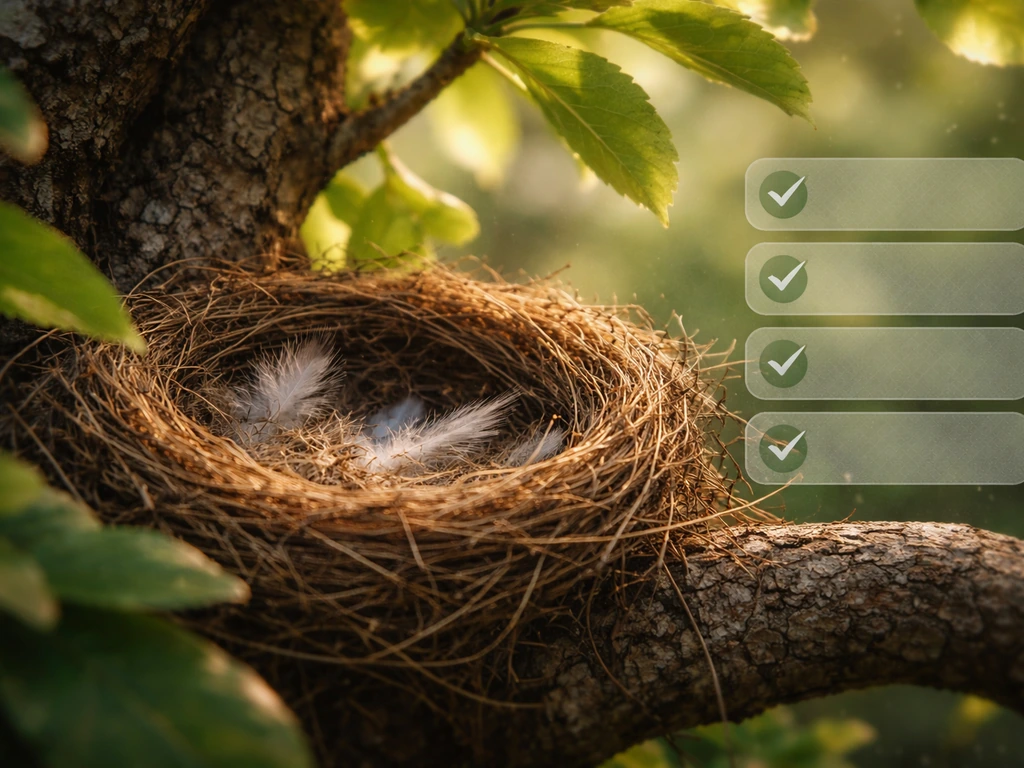
Quick checklist: signs a nest is active vs. abandoned
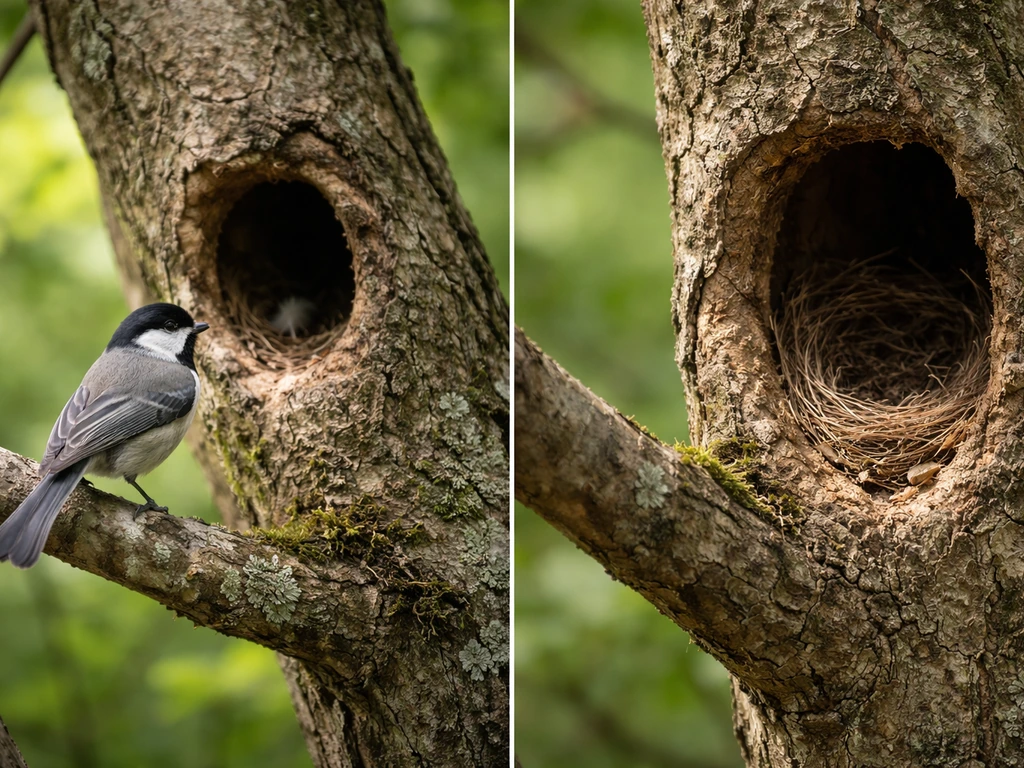
Run through this checklist before you touch anything or draw any conclusions. Check every item you can observe safely from at least 10 to 15 feet away.
| What to look for | Likely active | Possibly abandoned |
|---|---|---|
| Adult returning to nest | Yes, even if visits are brief or infrequent | No adult visits over 2+ hours of observation across multiple days |
| Eggs | Clean, intact, natural coloring for species | Cracked, sunken, discolored, or foul-smelling |
| Chicks | Moving, vocalizing, or mouth-gaping when nest is approached | Cold, still, silent, no response |
| Nest structure | Intact, tidy, or recently built-up | Damaged, flattened, or partially destroyed |
| Parent behavior near nest | Alarm calls, dive-bombing, or perching nearby watching | No adult visible or audible in the area across multiple visits |
| Feathers or eggshell fragments | Clean hatching debris below nest (good sign) | Scattered feathers plus no adults may indicate predator attack |
| Nest placement | Stable, undisturbed location | Dislodged, hanging loose, or moved from original spot |
A quick photo of the nest contents each visit is worth doing. It lets you compare changes over days without having to get close, and it documents the situation if you ever need to contact a wildlife rehabilitator.
Observation timing: when to confirm before you act
NestWatch, the Cornell Lab's citizen science program, has reviewed cases where nest monitors were convinced a nest was abandoned, only to have the eggs hatch normally. The adults were there, incubating, just not visible at the moment anyone was watching. Once a full clutch is laid, parent birds will deliberately minimize their trips to and from the nest to avoid drawing predator attention. That means a nest that looks completely dead to a casual observer may be actively incubated.
Their formal recommendation is to wait about four weeks from the last time you observed an adult at the nest before concluding it is abandoned. For eggs specifically, that four-week window accounts for possible delays in the start of incubation plus the typical incubation period itself. For species with longer incubation, like ducks, you may need to extend that window further. If you believe eggs will not hatch, NestWatch advises waiting four weeks past the expected hatch date before removing them.
In practical terms: observe from a distance at two or three different times of day across at least three to five consecutive days. Early morning, when parents are most active, is your best observation window. Keep a simple log noting the date, time, and what you saw. That record helps you track the four-week benchmark accurately and is genuinely useful if you call a rehabber.
Nest inspection details: what eggs, chicks, and feathers actually tell you
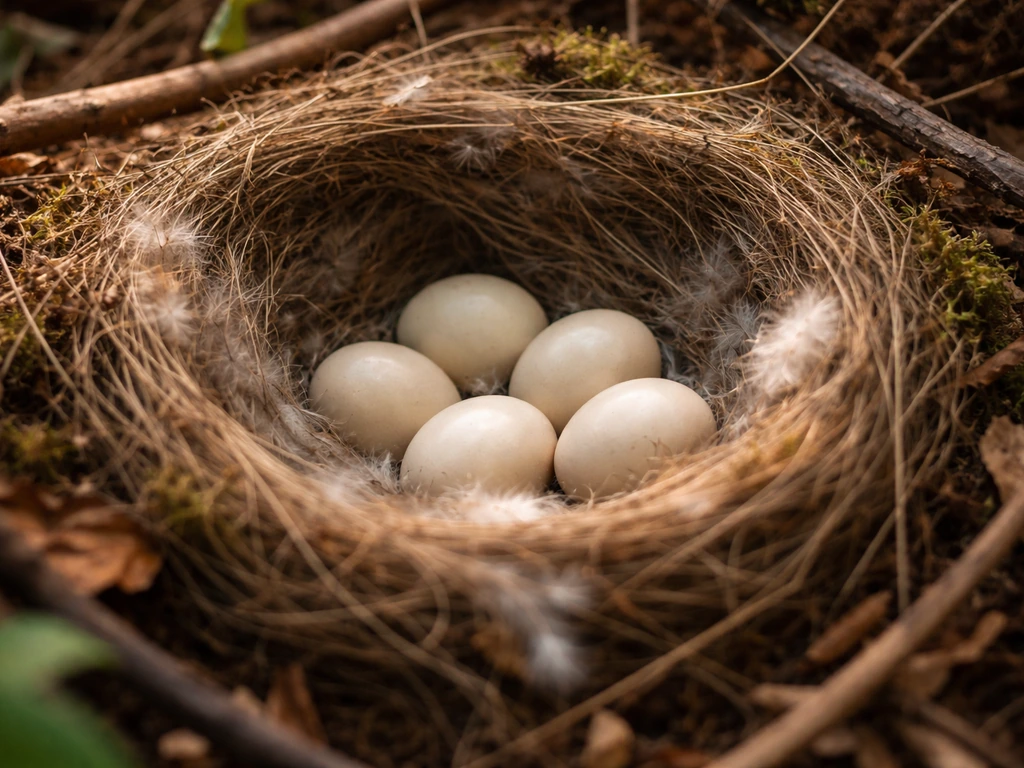
If you have to get closer to inspect (and only do so briefly and carefully), here is what to look for in the nest itself.
Eggs
Fresh, viable eggs look clean and smooth. The color and markings should match what you'd expect for the species. Eggs that have been abandoned for a while often develop a sunken or wrinkled appearance as moisture is lost. If you can safely hold one briefly in your cupped hand, a viable egg feels warm if incubation is ongoing. A cracked egg with a foul smell is clearly not viable. Do not shake eggs to test them. If you are uncertain, photograph them and contact a rehabber.
Chicks
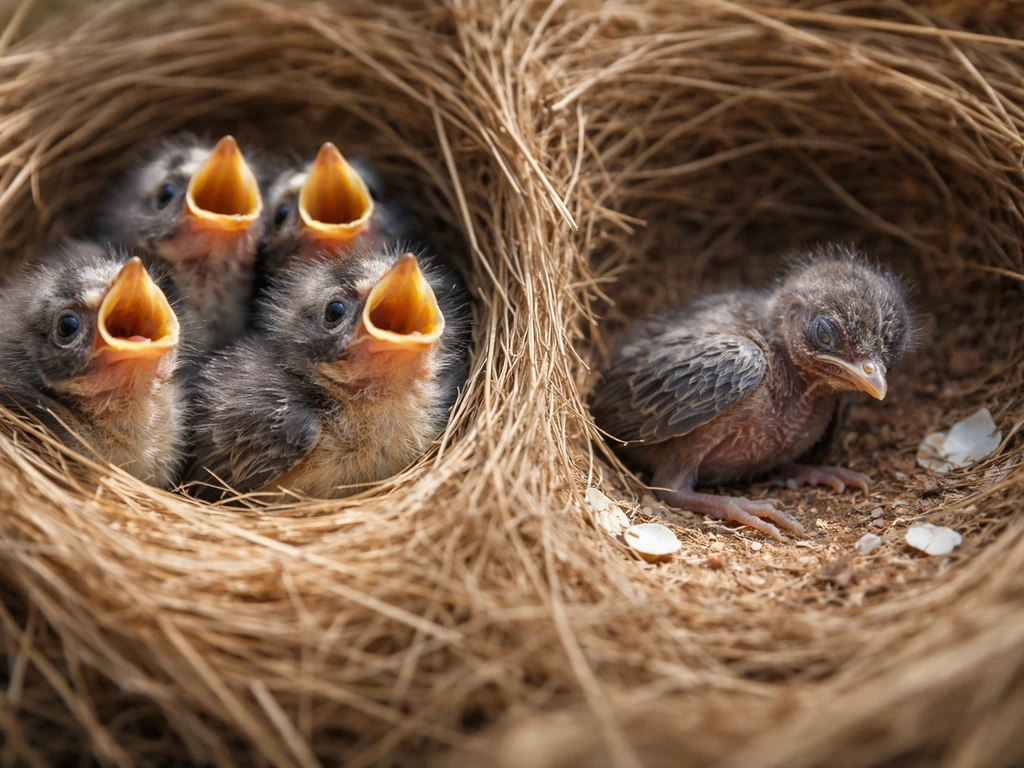
Healthy nestlings respond to stimulation. Knowing how to identify a nestling bird is the first step in deciding whether the young are alive and still dependent on their parents. They may open their mouths wide (gaping for food), vocalize, or shift position when the nest moves slightly. A chick that is completely cold, limp, and unresponsive across repeated checks is likely deceased. A chick that is still and cool but not cold may simply be in a low-activity period between feedings. Warm it gently in your cupped hands for a minute and watch for a response before drawing conclusions. Knowing whether you're looking at a nestling or a fledgling also matters here since fledglings are supposed to be on the ground and look helpless but are usually still parent-dependent.
Feathers and eggshell fragments
A scatter of clean eggshell fragments below the nest is actually a great sign: it usually means eggs hatched successfully and the parent removed the shells. Feathers scattered around the nest, especially with no adults present, can indicate a predator attack. In that scenario the nest may be truly abandoned because the adults were scared off or killed. Look for feathers with intact shafts (normal molting or preening debris) versus feathers with broken shafts or scattered in an explosive pattern (predator sign).
Common reasons nests look abandoned when they aren't
Most of the time when someone asks how to tell if a bird nest is abandoned, the nest is still active. These are the situations that most often mislead people. If you are unsure whether a nest is currently active, use clear, distance-based observation to confirm before taking any action how to tell if a bird nest is active.
- Parents are off feeding: Adults leave the nest regularly to forage, sometimes for hours. During incubation this is normal and necessary. The absence of a parent at any single moment tells you nothing.
- Weather disruption: Cold snaps, heavy rain, or extreme heat can cause adults to shelter nearby rather than sit on the nest. They typically return when conditions improve. Give it 24 to 48 hours after a weather event before reassessing.
- Human disturbance: If you or someone else has been too close to the nest recently, the adults may be hanging back waiting for the perceived threat to leave. Step well back, minimize activity near the area, and observe from inside or from at least 30 feet away.
- Predator pressure: A hawk perching in the area or a cat prowling nearby can cause adults to freeze activity near the nest for extended periods. Watch for the predator as part of your observation, and once it moves on, the adults often return within an hour.
- Incubation behavior: As noted above, adults on a full clutch deliberately hide their attendance at the nest. This is the biggest source of false 'abandoned' calls. The nest can look completely empty for hours while incubation is ongoing.
- Nest relocation: Occasionally a nest gets physically knocked from its original spot by wind or animals. If you find a nest on the ground directly below where it was, the eggs or chicks may still be viable. Adults will sometimes continue to attend a relocated nest if it hasn't been moved too far.
Species and nest-type differences that change the picture
Not all birds follow the same schedule, and 'abandoned' looks different depending on what you're dealing with. Applying a robin's behavior pattern to a duck or a woodpecker will lead you to the wrong conclusion.
- Ground-nesting birds (killdeer, some sparrows, ducks): Adults often sit so still and blend in so well that you can be standing a few feet away and not realize a parent is present. They also run well away from the nest if disturbed rather than staying close, which looks like abandonment but isn't.
- Cavity nesters (bluebirds, wrens, woodpeckers): Adults enter and exit through a small opening. You may have to watch for 30 to 60 minutes to catch a single visit. Brief visits don't mean infrequent care. Don't assume a box or cavity nest is empty just because you can't see activity.
- Ducks and large waterfowl: Incubation periods run 25 to 35 days for many duck species. Adults can leave the nest unattended for extended feeding breaks. Apply an extended observation window before concluding abandonment.
- Raptors (hawks, owls): These birds visit nests far less frequently than songbirds. A nest that looks inactive for a day or two may be perfectly active. Both parents may be perched nearby watching you more carefully than you're watching them.
- Cup nests vs. platform nests: Open cup nests (robin, cardinal) make contents easy to check. Platform nests (osprey, heron) are often high and large, making close inspection impractical and unnecessary since the birds' behavior from a distance tells you more.
- Nests made of unusual materials: A nest built with plastic, string, or synthetic materials isn't automatically a sign of poor construction or an inexperienced bird. Many species adapt materials to what's available. Nest composition alone doesn't indicate activity status.
What to do if you think it's abandoned: next steps that protect birds
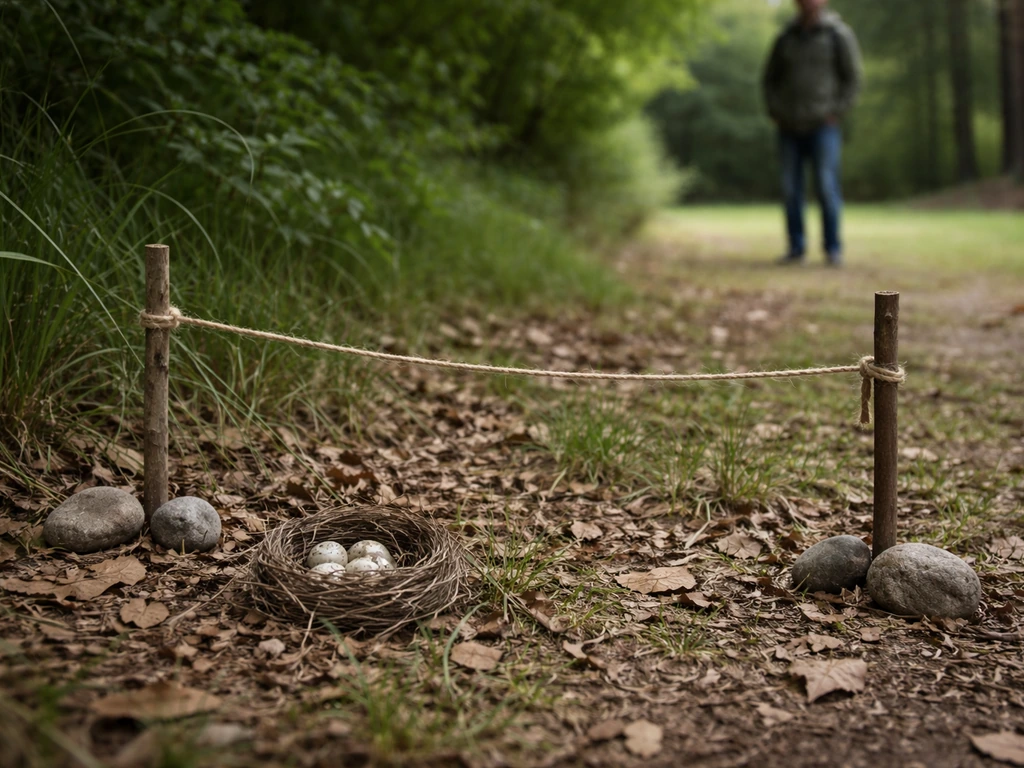
Even if you are fairly confident a nest is abandoned, do not immediately remove it or the eggs. Here is a responsible sequence to follow. If you want a quick plan for how to find a bird nest in the first place, start by looking for signs like frequent adult traffic and nest-building behavior from a distance.
- Stop disturbing the area. Every visit you make reduces the chance adults will return. Observe from a distance using binoculars.
- Document everything. Photograph the nest, its contents, and its location. Note dates and times of your observations. This information is critical if you need to contact a wildlife authority.
- Wait the full four weeks from your last confirmed adult sighting before concluding the nest is abandoned and removing anything.
- If there are live chicks present, do not wait four weeks. Live chicks need food within hours. Skip to contacting a wildlife rehabilitator immediately.
- If the nest has been knocked down but eggs or chicks appear uninjured, you can gently return the nest to as close to its original position as possible. The myth that birds abandon eggs or chicks because a human touched them is not true for most species. Parent birds use smell far less than we do.
- Once you are certain the nest is empty and abandoned, and nesting season is over, you can remove or clean up the structure if needed. For nesting boxes, clean them out in late fall to prepare for the following season.
- Do not use pesticides, solvents, or other chemicals near an active or potentially active nest.
The legal reality: you may not be able to act even if it is abandoned
This is the part most people skip, and it matters. If you want presentation ideas, see how to display bird nests properly as an alternative to handling an active nest. Under the Migratory Bird Treaty Act, it is illegal to destroy a nest that contains eggs or chicks, or young that are still dependent on the nest for survival. This applies to the vast majority of wild bird species in the United States. If you remove or disturb an active nest without a permit, you may face significant fines from the U.S. Fish and Wildlife Service. Permits to remove nests are typically issued only when the nest poses a direct human health or safety concern, or when the birds themselves are in immediate danger.
The practical takeaway: if you are not sure whether a nest is active or abandoned, do not act. An empty, clearly unused nest after the breeding season generally does not require a permit to remove, but if there is any doubt about whether eggs or chicks are present or viable, the safe and legal choice is to wait and call a professional.
When to contact a wildlife rehabilitator or authority
There are specific situations where you should stop trying to handle this yourself and call someone with actual expertise. If you suspect mom bird has truly abandoned the nest, contact a licensed wildlife rehabilitator right away and follow their instructions rather than trying to intervene yourself what to do if mom bird abandons nest. If you do need help, focus on how to help a bird find its nest by keeping distance, monitoring activity, and contacting a licensed rehabilitator if you suspect abandonment contact a licensed wildlife rehabilitator right away. Making that call is not giving up. It is often the single most effective thing you can do for the birds.
- Live chicks are present and no adult has returned after 4 to 6 hours of proper observation from a distance. Nestlings can starve quickly.
- A nest has been destroyed by a predator, storm, or construction, and there are live eggs or chicks that cannot be safely returned to the original location.
- You find a nest in a location that poses an immediate safety hazard (inside electrical equipment, inside a chimney that is needed, or blocking a critical access point) and need guidance on legal options.
- You are dealing with a species you can't identify, and the nest type or behavior does not match anything described here.
- You have waited the full four-week window, you are confident the nest is abandoned, but you are still unsure about the legal status or permit requirements in your state.
- A bird appears injured near the nest.
- The nest belongs to a protected or threatened species in your area.
To find a licensed wildlife rehabilitator near you, contact your state's fish and wildlife agency, or search the National Wildlife Rehabilitators Association directory online. If you are trying to figure out where to find a bird nest, these same local resources can help you identify likely nesting spots in your area. Your local Audubon Society chapter is also a reliable resource and can often tell you quickly whether what you're seeing is a normal behavior pattern for the species in your area. When you call, have your photos and observation log ready. That information helps them advise you accurately without needing to visit the site.
FAQ
How long do I need to watch from a distance before I can consider a nest abandoned?
A nest can look abandoned even when parents are actively incubating, especially after a full clutch is laid, because visits become less frequent to reduce predator risk. If you can see eggs or nestlings but no adult at all, the right move is extended distance observation (two to four hours per session across multiple days), not a short single check.
Does the time of day I observe affect whether a nest seems abandoned?
Use a consistent starting point such as your last confirmed adult sighting, then observe at least across several different times of day (early morning is best). If you only check midday, you can miss brief feeding or incubating windows and incorrectly conclude the adults are gone.
What if the nest is in an area where breeding season seems over?
Yes. If you find a nest during late season or right after fledging, parents may stop returning even though the area still feels “active” to you. Before you decide, confirm whether the birds should still be nesting for your region and that your observation timing matches the species’ breeding calendar.
What should I do if nestlings look still and quiet?
Don’t use motionless nest contents alone. Some chicks go through low-activity periods between feedings and may appear still, cool, or quiet. Look for repeatable cues over multiple checks, and if a chick is cool but not cold and not responding, gently warm it briefly in your cupped hands and recheck for a response.
Can I tell an egg is abandoned just by its appearance?
Egg condition can help, but it is not a guarantee. Sunken or wrinkled eggs can indicate nonviability, but eggs may also change appearance with time and exposure. If you’re uncertain whether eggs are viable, photograph them and contact a licensed wildlife rehabilitator rather than removing or touching them more.
If I never see the parent bird, does that automatically mean the nest is abandoned?
Yes, and it can be misleading. Adults sometimes only return briefly or from different directions, so a lack of visible adults at the moment you look is weak evidence. The stronger test is whether adults return consistently during multiple observation windows, and whether eggs or chicks show signs consistent with life.
Is it okay to move closer to inspect a nest if I’m unsure?
If you must get closer to confirm status, keep it brief and minimize disturbance, then step back and resume distance monitoring. Repeated visits close to the nest can increase stress, draw predators, or cause adults to abandon due to disturbance.
How can I tell the difference between normal feather debris and predator-related signs?
If you see feathers with intact shafts and normal scatter, that can be consistent with molting or preening. Feathers in an unusual pattern, especially with broken shafts and no adults present after extended observation, can suggest a predator event, which may mean the nest is no longer active.
Does seeing eggshells below a nest mean the nest is abandoned?
Eggshell fragments under the nest are often a positive sign because shells are usually removed after hatching. That does not prove the nest is abandoned, because adults may still be caring for remaining chicks, so continue distance observation until you meet the recommended timeline.
What if the nest is in a dangerous location and people keep passing it?
If the nest is in a high-risk spot, like a pathway, lawn equipment area, or near a door, stop short of removal and focus on safety steps like keeping people and pets away. Use a temporary, non-contact barrier at a respectful distance, and contact a rehabilitator if you suspect eggs or chicks may still be present.
I’m pretty sure the nest is abandoned. Can I remove it anyway if it looks empty?
If you believe the nest is abandoned, still verify with the species-appropriate wait period before any action, because legal and biological risk remains if parents return late or were simply hidden. When in doubt, delay removal and call a professional, bringing your photos and observation log.
Who should I contact if I suspect a nest is truly abandoned?
Yes. If you suspect true abandonment, the most effective next step is contacting a licensed wildlife rehabilitator and following their instructions. They may tell you to wait, monitor longer, or secure the area so you avoid accidental harm to dependent chicks.
Why do rehabilitators ask for photos and an observation log?
For parents that are hidden but present, a wildlife rehabilitator will often rely on your documented timeline and photographs rather than immediate physical inspection. Having a clear log of dates, times, and what you saw helps them decide whether the situation matches incubation, feeding cycles, or a failed attempt.
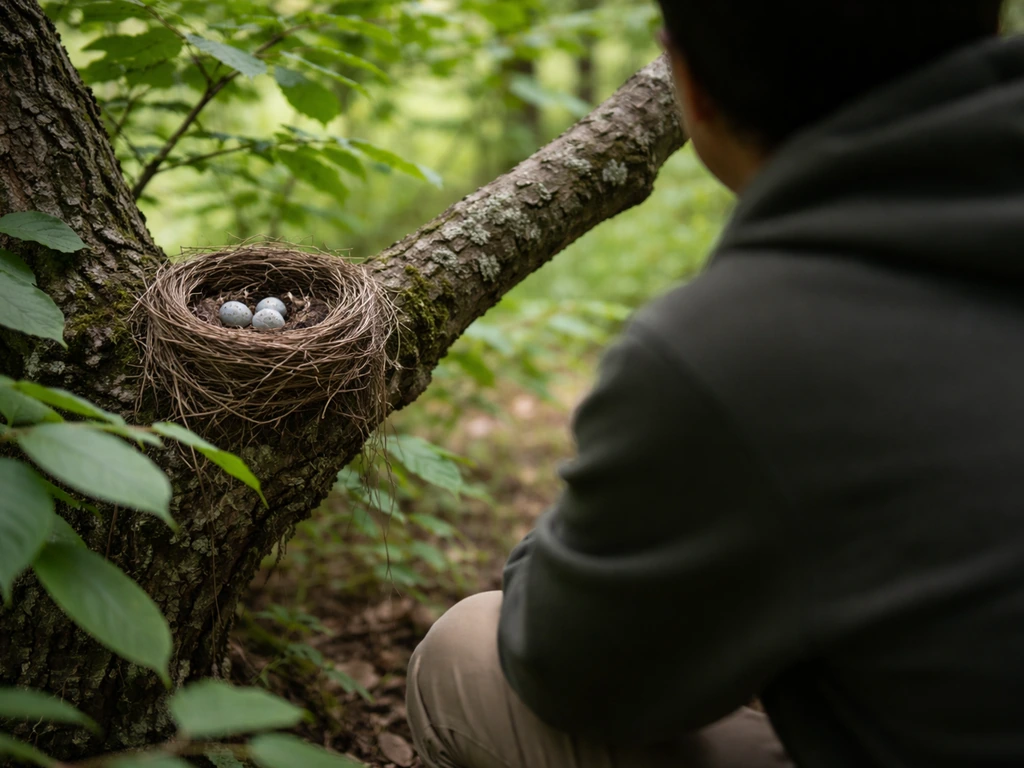
Triage steps to tell true abandonment from normal behavior, plus what to do for eggs or nestlings and when to call rehab

Step-by-step to find a bird nest with eggs safely using habitat cues and distance checks, then protect it without distur
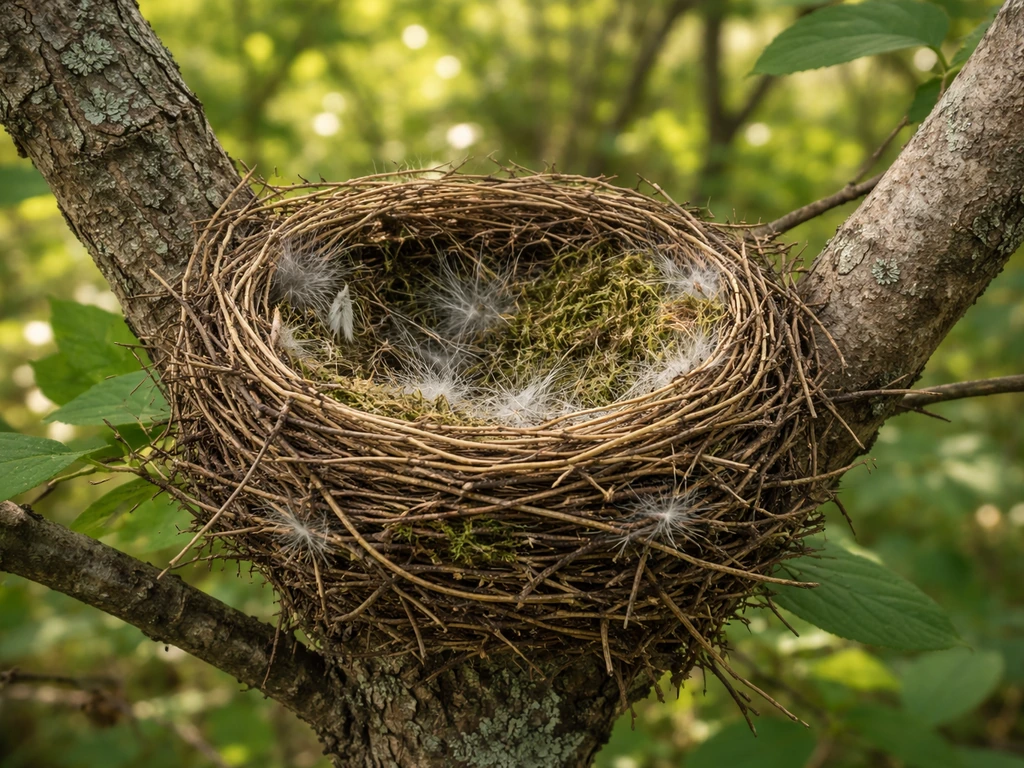
Identify bird nests by key features, tell active from abandoned, narrow species, and take safe, legal next steps.