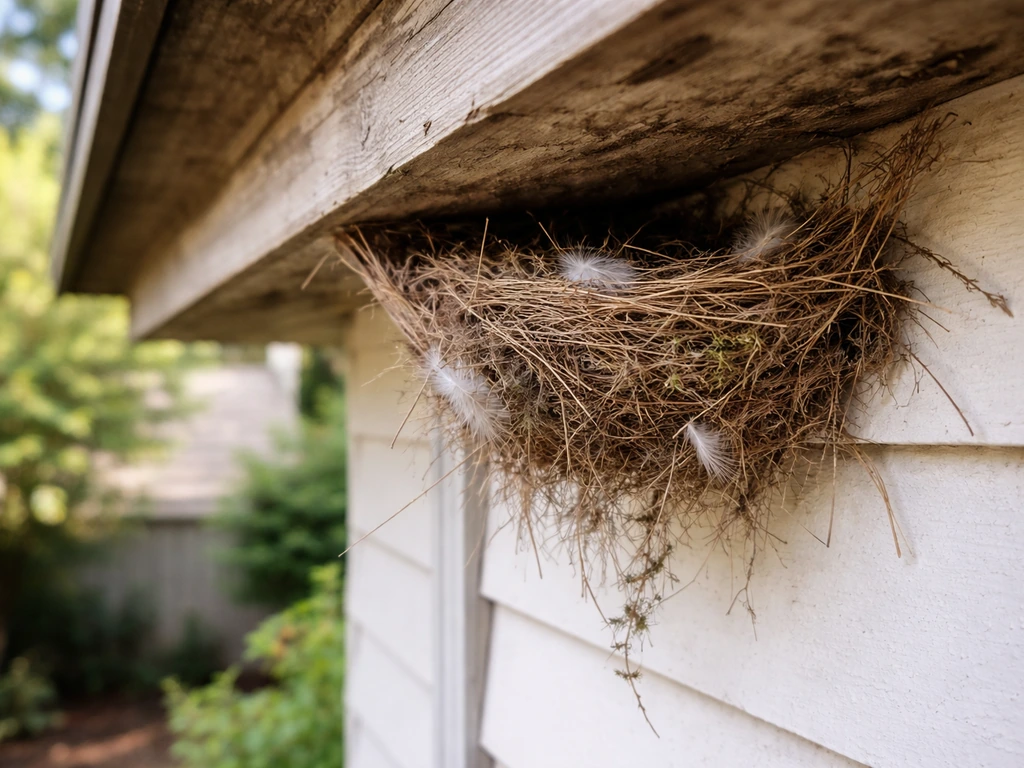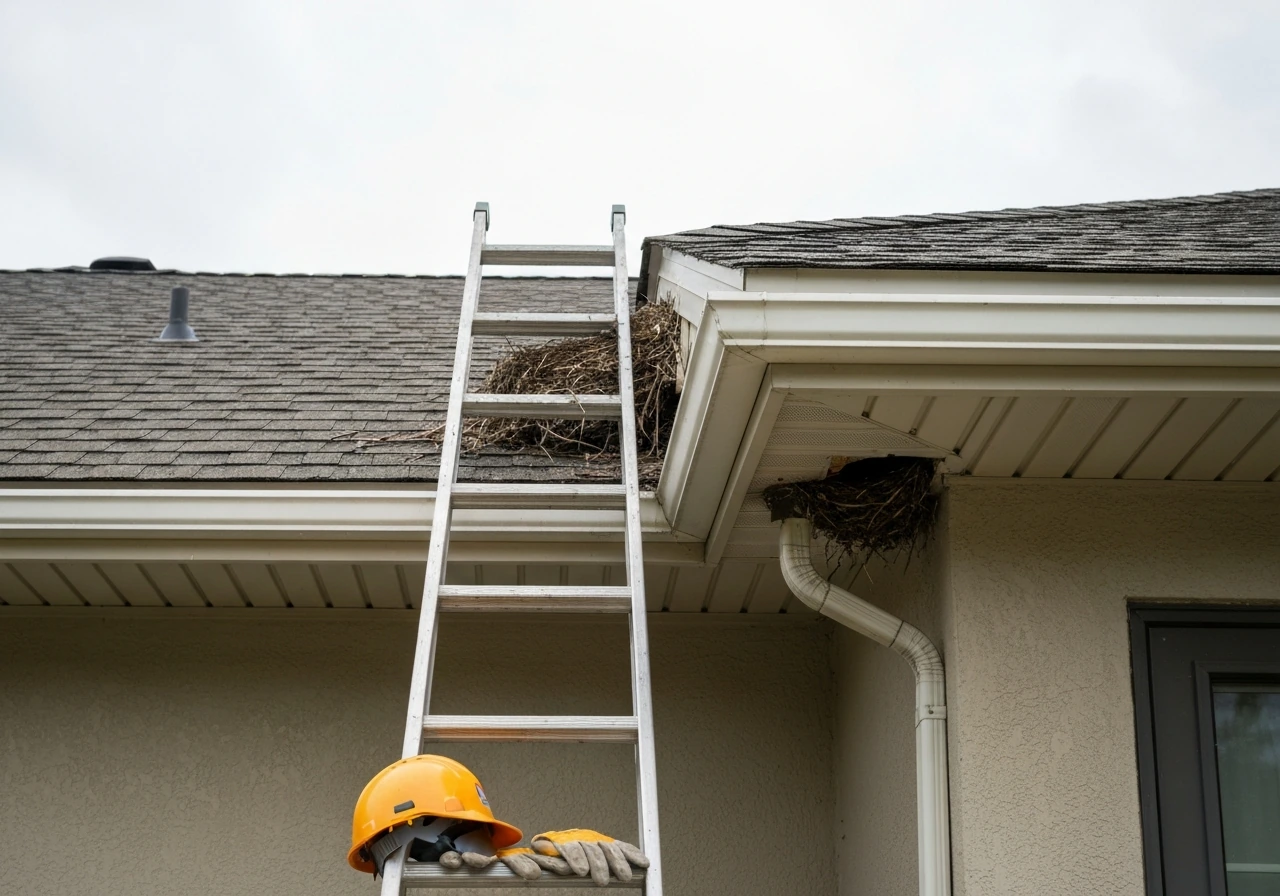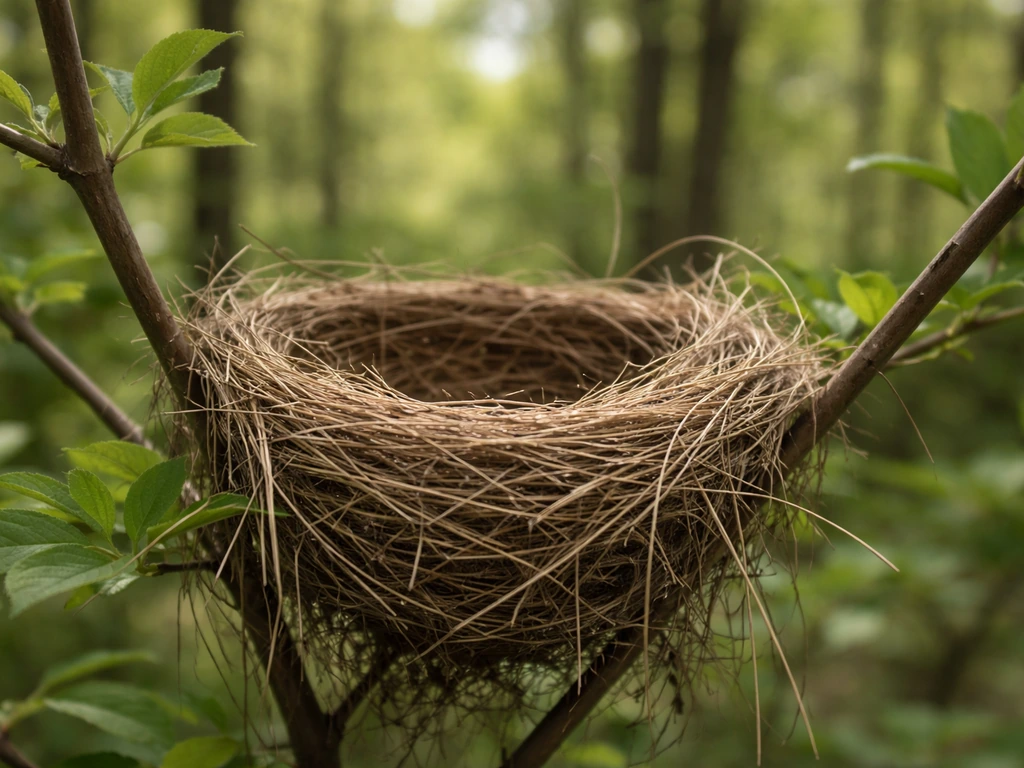
In most cases, you cannot legally remove a bird nest that is active (meaning it contains eggs, chicks, or birds that are still dependent on it) without a federal permit. The Migratory Bird Treaty Act (MBTA) protects the vast majority of wild bird species found in the US, and destroying or disturbing an active nest counts as an illegal "take" under that law. An empty, abandoned nest is a different story: the MBTA does not prohibit destroying an inactive nest, as long as you don't possess or relocate it. But even relocating an empty nest technically requires authorization. So before you touch anything, you need to figure out exactly what you're dealing with. If you are wondering whether Orkin removes bird nests, the answer depends on the nest activity and the permits required under federal and state wildlife rules.
Bird Nest Removal Law: What’s Legal and What to Do Now

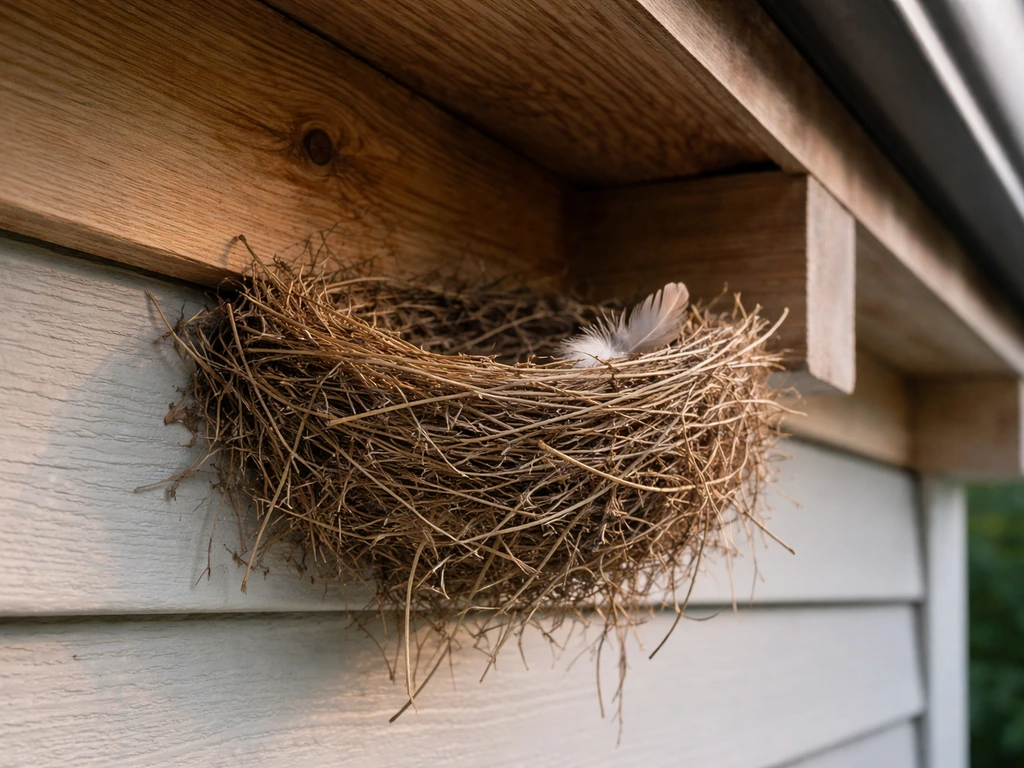
Why removing bird nests is often illegal
The Migratory Bird Treaty Act has been federal law since 1918. It implements treaties with Canada, Mexico, Japan, and Russia, and it covers roughly 1,100 bird species. Under the MBTA, it is illegal to take, possess, import, export, transport, sell, or destroy any migratory bird, its eggs, its nest, or its feathers without authorization from the US Fish and Wildlife Service (USFWS). The word "take" is broader than most people expect: it includes direct killing, harassment, and any disturbance that disrupts nesting or breeding.
The USFWS is explicit that destroying a nest containing eggs or chicks is illegal under the MBTA. Permits for removal are only issued when a nest poses a genuine human health or safety risk, or when the birds themselves are in immediate danger. The bar is high, and "it's inconvenient" does not clear it.
On top of federal law, many states pile on additional protections. California's Fish and Game Code § 3503, for example, makes it unlawful to take, possess, or needlessly destroy the nest or eggs of any bird, full stop, with limited exceptions. Oregon and most other states have their own guidance layered on top of the MBTA. The practical result: even if you think the federal law has a gap, your state law probably doesn't.
A separate layer of protection applies to threatened and endangered species under the Endangered Species Act (ESA). The ESA defines "take" even more broadly, including harassment and harm, and courts have interpreted harm to include habitat modification that significantly impairs breeding behavior. If a nest on your property belongs to a listed species (think bald eagle, certain owls, or red-cockaded woodpecker), you're dealing with stricter rules and higher penalties.
How to figure out what you're dealing with
Before you do anything else, spend five minutes gathering information. The three things you need to know are: what species built the nest, whether the nest is active right now, and where exactly it's located. Your answers to those three questions determine everything that follows.
Identifying the species
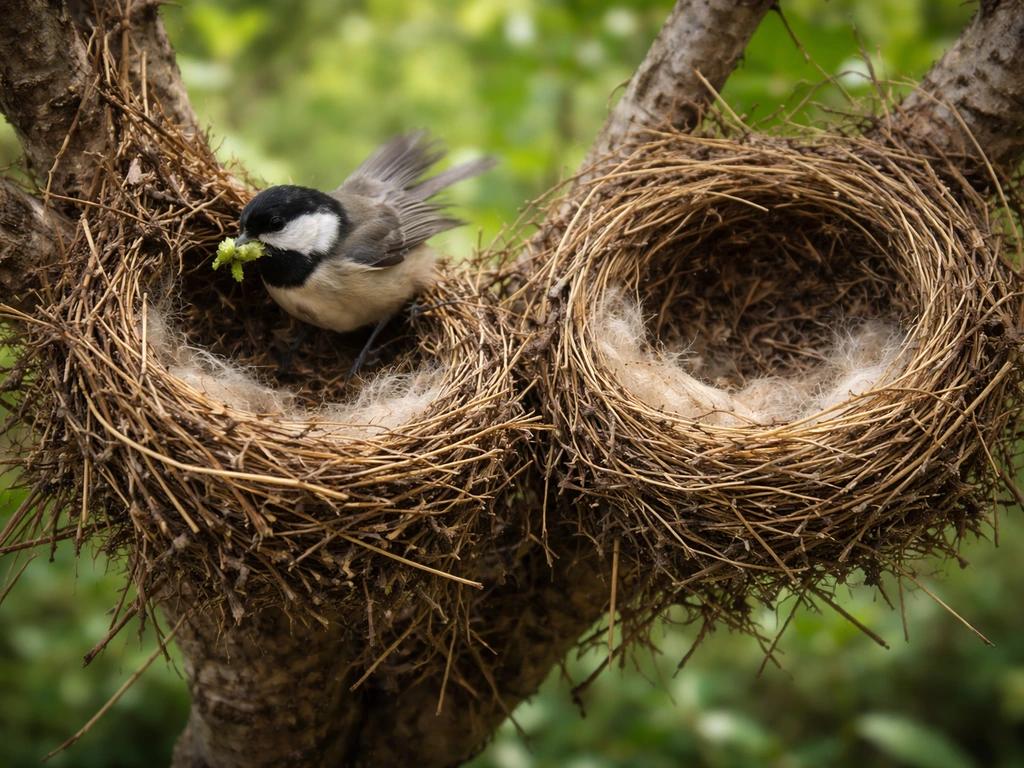
You don't need to be an ornithologist, but a rough ID matters. Watch from a distance for at least 10 to 15 minutes and note: How big is the bird visiting the nest? What colors or markings do you see? Is the nest a cup of grass and mud, a platform of sticks, a cavity in a tree, or a shallow scrape on the ground? Nest size and materials are strong clues. A palm-sized cup woven from fine grass and spiderwebs in a shrub is almost certainly a songbird (robin, sparrow, finch). A large stick platform high in a tree is likely a hawk or heron. A cavity in a wooden structure could be a house sparrow, European starling, or a swallow. Use a free app like Merlin (Cornell Lab) or iNaturalist to narrow it down with a photo.
This matters for two reasons. First, house sparrows and European starlings are not protected under the MBTA because they are non-native, invasive species. Legally, you have more options with their nests. Second, if you spot any signs of a threatened or endangered species, you need to treat that situation with extra caution and contact USFWS immediately.
Active nest vs. inactive nest: what to look for
An active nest is any nest that currently contains eggs or live chicks, or that adults are actively using for a current breeding attempt. Signs of an active nest include adult birds visiting frequently (every few minutes for feeding), audible chick calls, visible eggs or young when you look carefully from a safe distance, and fresh droppings on the rim or below the nest. A nest built very recently (within the last week or two) with fresh, green plant material is almost certainly active or about to be.
An inactive or abandoned nest shows none of those signs. The structure may be weathered, flattened, or falling apart. No adult birds are visiting. There are no eggs or chicks visible. The nest has been there through at least one full season with no apparent use. If you're not certain, wait and observe for a few days before drawing any conclusions.
Document everything before you act
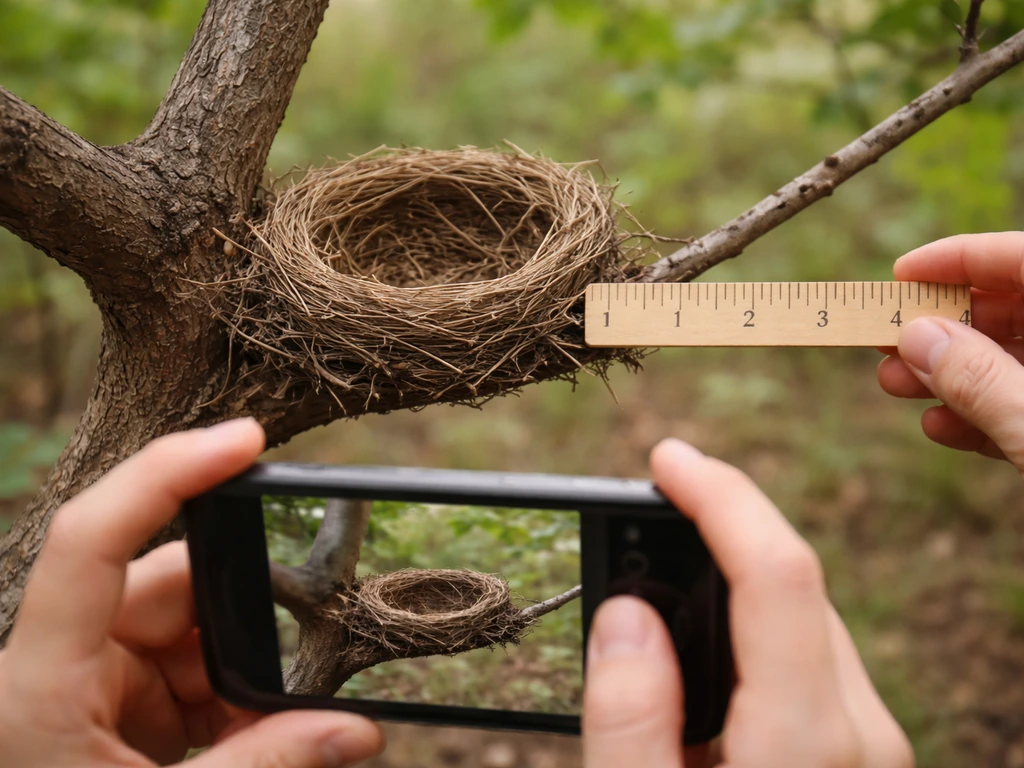
- Take photos and short video clips of the nest and any birds visiting it, ideally with something for scale (a ruler held nearby, or a known object in the frame).
- Note the date, time, and GPS location or address.
- Record what species you think it is and your reasoning.
- Note whether you saw eggs, chicks, or adult birds actively using the nest.
- Write down what kind of structure the nest is attached to (roof eave, tree branch, dryer vent, gutter) and how high it is.
- Keep this record in case you need to consult a wildlife agency or licensed wildlife remover.
When removal or relocation is allowed vs. when it isn't
Here's the core decision logic, as simply as I can put it.
| Situation | What the law generally allows | What it prohibits |
|---|---|---|
| Active nest, protected species (MBTA) | Nothing without a USFWS permit; wait it out | Removing, disturbing, or destroying the nest or its contents |
| Active nest, non-native species (house sparrow, European starling) | Removal is generally legal under federal law; check state law first | Harming or killing protected native birds that may share the area |
| Inactive/abandoned nest, protected species (destroy in place, no possession) | Destruction without possessing the nest is allowed under the MBTA | Relocating or transporting the nest (requires authorization) |
| Inactive nest, any species (relocation) | Only with USFWS or state permit/authorization | Unauthorized relocation even of an empty nest |
| Active nest, listed ESA species | Nothing without ESA Section 7/10 consultation and permit | Any disturbance, harassment, or take |
| Immediate health or safety threat from any nest | USFWS can issue a removal permit; apply before acting | Unilateral removal without permit except in genuine emergencies |
The 2025 USFWS MBTA nest memorandum reiterates that even relocating an inactive nest involves "possession," which is a prohibited act under the MBTA without authorization. So if you want to move an empty nest to a different spot (even just to a nearby tree), you technically need a permit. In practice, many people discard an empty nest without incident, but you should understand that the legal line is there.
Common exceptions and scenarios where removal may be permitted include: nests in active ventilation or HVAC systems creating a fire or air-quality hazard, nests built directly on active machinery, nests in a location where they endanger the birds themselves (for example, in the path of immediate flooding), and situations where a licensed wildlife professional has confirmed the nest is inactive and obtains the appropriate state or federal authorization. This is where the migratory bird nest removal permit process comes in, because permits are typically the only way to legally disturb an active nest or address the “possession” issue. Permits are also sometimes issued for larger construction or infrastructure projects, which is a separate topic covered in more detail in the migratory bird nest removal permit guidance.
What to do instead of removing the nest
If you have an active nest in an inconvenient spot, the best thing you can do is wait. Most songbird nesting cycles run 4 to 6 weeks from egg-laying to fledging. That's not long. Postponing a repair project by a few weeks is far less costly than a federal fine, and honestly, it's just the right call.
Protect, don't disturb
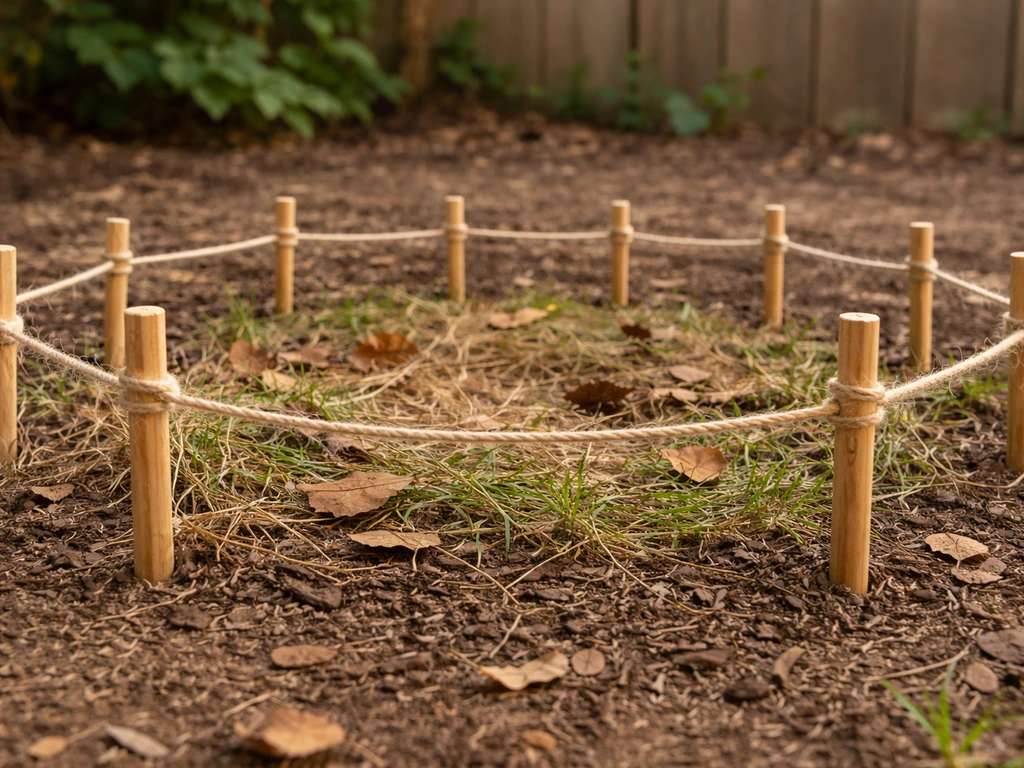
- Put a gentle physical barrier around the area (a ring of stakes and twine works well) so people, pets, and predators can't get close.
- Reduce foot traffic and loud activity near the nest during active breeding.
- Keep cats indoors, especially during the fledgling period when young birds are on the ground.
- If the nest is in a location exposed to direct sun or rain, a lightweight shade cloth placed at a respectful distance (at least a meter away) can help without disturbing the birds.
Humane exclusion for future nesting
Exclusion is the key long-term strategy: you prevent birds from nesting in a problem location before they start, rather than dealing with an active nest after the fact. Common approaches include installing bird netting or wire mesh over eaves and vents (make absolutely sure no birds are inside before you seal anything), placing physical deterrents like sloped surfaces or bird spikes on flat ledges where nesting is unwanted, and using reflective tape or hanging objects near problem spots during the pre-nesting window. These work best when installed in late winter or very early spring, before birds start scouting nest sites.
Blocking vents with hardware cloth or vent covers rated for wildlife exclusion is one of the most common and effective fixes for recurring nest problems in dryer vents, bathroom exhaust fans, and soffit gaps. Just make sure you do it outside of nesting season and always verify no birds or eggs are present inside before sealing.
Step-by-step: what to do if you have an active nest on your property right now
- Stop and observe from a distance of at least 3 to 5 meters. Do not touch the nest or approach closely. Give it 10 to 15 minutes of quiet watching.
- Take photos and notes: species (best guess), nest description, signs of eggs or chicks, location, and date. This documentation protects you and helps any professional you contact.
- Identify whether the species is protected under the MBTA. If you're unsure, assume it is. Only house sparrows and European starlings are commonly exempt at the federal level.
- If the nest is in a genuinely hazardous location (inside active electrical equipment, blocking a critical vent, or in a spot creating immediate fire risk), contact your regional USFWS office today. Explain the situation clearly and ask about emergency permit options. Have your photos and location details ready.
- If the nest is an inconvenience rather than a safety hazard (on a ledge, in a shrub near your door, in an eave you wanted to repair), mark the area off and plan to wait. Note the approximate date you first observed eggs or chicks: fledging typically happens within 4 to 6 weeks.
- If you want professional help, contact a licensed wildlife removal specialist or your state wildlife agency. Licensed professionals can confirm species, assess activity, and handle any necessary permit applications. Do not hire a general pest control company unless they specifically list bird nest removal with MBTA compliance as a service (and confirm they work with USFWS authorization when needed).
- Once the nest is fully inactive (no adult visits, no eggs or chicks, nest clearly abandoned), you can remove the nest structure in place. Do not relocate it. Wear gloves, as nests can harbor mites and parasites.
- After removal, install exclusion hardware before the next nesting season to prevent a repeat.
Enforcement, penalties, and liability
The MBTA is a strict-liability statute under 16 U.S.C. § 707(a), which means federal prosecutors do not have to prove you intended to harm a bird or nest. If you knowingly remove an active nest and it results in the death or disturbance of a protected bird, you can be prosecuted as a misdemeanor, even without any intent to harm. Penalties include fines up to $15,000 per violation and up to six months imprisonment for misdemeanor violations, with higher stakes for knowing violations and for commercial or large-scale disturbances.
In addition to criminal liability, the MBTA includes civil forfeiture provisions: equipment or vehicles used in an unlawful take can be seized. For contractors and construction companies, this can mean job-site equipment. The CRS analysis of the MBTA has documented cases where firms faced significant liability for nest destruction during construction projects when they failed to conduct pre-work nest surveys.
For homeowners, the realistic enforcement risk for a single nest removal is lower than it is for a construction company, but it is not zero. Neighbors, local birding groups, and conservation organizations do report violations. More practically, if you hire a contractor who removes an active nest during a renovation, both you and the contractor may share liability. Get written confirmation from any contractor that they have conducted a nest survey and are compliant with the MBTA before any demolition or clearing work begins.
Under state laws like California Fish and Game Code § 3503, penalties can stack on top of federal ones. Stop-work orders on construction projects are a common consequence when active nests are discovered mid-project without prior survey, which is both costly and embarrassing. The costs associated with delays and legal exposure often dwarf the cost of simply waiting out a nesting cycle, which is a separate topic covered in the bird nest removal cost guidance. Bird nest removal cost depends mainly on whether the nest is active, the species involved, and whether you need permits or a licensed wildlife professional.
Seasonal planning: how to avoid future nesting conflicts
The best time to deal with a bird nesting problem is before it starts. Most songbirds in the continental US begin scouting nest sites in late February through March, with peak nesting running from April through July. Some species, like mourning doves, can nest year-round in warmer climates. Plan any exterior repairs, tree trimming, demolition, or vegetation clearing for late fall or early winter (roughly October through January in most of the US) when nest activity is at its lowest.
The USFWS 2017 timing guidance for land disturbance and vegetation clearing recommends scheduling clearing work outside of the local nesting season whenever feasible, and conducting nest surveys before any ground disturbance or vegetation removal. Oregon's Department of Transportation guidance for MBTA compliance requires inspecting trees and snags prior to removal for active nests using observation methods or physical checking techniques. Even as a homeowner, doing a quick walk-around and a few minutes of observation before starting any exterior project is good practice and can save you a lot of headache.
A simple seasonal checklist
- October to January: Schedule exterior repairs, vent sealing, tree trimming, and structure work. Install exclusion hardware now, before scouts arrive.
- February to March: Walk the perimeter of your property and check all potential nest sites (eaves, vents, gutters, dense shrubs, tree cavities). If you spot early nest building, assess whether exclusion is still possible without disturbing birds.
- April to July: Treat this as the no-touch window. If you discover an active nest, document it, mark it off, and wait.
- August to September: Monitor for late-season nesters (some species have second or third broods). Once you confirm a nest is truly inactive, remove structures and plan exclusion improvements before the next cycle.
Working with the seasonal calendar rather than against it makes you a better neighbor to local wildlife and keeps you firmly on the right side of the law. If you want to go deeper on the specific permit process for situations that genuinely require intervention, the federal migratory bird nest removal permit process and the details of federal law on bird nests are both worth understanding before you contact an agency or wildlife professional. If you want to make sure you interpret the federal law bird nests rules correctly, review how the MBTA’s “take” definition is applied to nests and nest disturbance the details of federal law on bird nests.
FAQ
Do I need a permit if I plan to remove a nest after the birds have fully left but the nest is still there?
If the nest is truly inactive (no eggs or chicks, no current nesting behavior), MBTA generally does not prohibit destroying it, but moving it (even nearby) can trigger “possession” issues. If you are unsure whether it is inactive, the safest approach is to wait and document observations, then use a wildlife professional or the proper authorization before touching anything.
What if I accidentally knock down an active nest while mowing, trimming, or doing repairs?
Accidental disturbance can still count as illegal “take,” because MBTA coverage includes harassment and disruption of nesting. Stop work immediately, avoid further disturbance, and contact the USFWS or a qualified wildlife professional to assess what happened and what approvals might be needed before you proceed.
How long should I observe before I can treat a nest as inactive?
There is no single universal number of days, but the key is whether adults are actively using the nest for the current breeding attempt. A practical approach is to watch from a distance for at least several visits cycles over multiple days, and if you see any adult feeding trips or fresh activity, treat it as active and do not remove anything.
Does the MBTA apply to birds nesting in structures like gutters, vents, or on rooftops?
Yes. The law protects the birds and their eggs and nests, regardless of where the nest is located. Even if the nest is on a building component, removing or disturbing an active nest can still be a prohibited action without authorization.
Are non-native species treated the same as native birds under bird nest removal law?
Not exactly. Non-native invasive species like house sparrows and European starlings are not covered by MBTA protections in the way most native migratory birds are. However, other protected species may use similar sites, so you still need a reasonable ID and should not assume lack of protection until you are confident of the species.
Can I clean up a nest after it becomes inactive, for example, remove droppings or sanitize the area?
Removing an inactive nest may be allowed under MBTA in many cases, but sanitation actions can become risky if any active stage is present. Also, state rules and practical biosecurity concerns apply. The safest route is to confirm inactivity first, then clean after no birds are present, and avoid actions that could be considered disturbance while activity is ongoing.
What evidence should I keep to prove I followed the rules for an inactive nest?
Keep dated photos or video showing the nest before any work, your observation notes (times and what you saw), and any communications with contractors or wildlife professionals. If you later need to justify your decision, documentation that no adults were visiting and no eggs or chicks were present can be very helpful.
Do contractors handle permits automatically, or do I need to verify?
Even when you hire a wildlife professional, you should verify compliance. Written confirmation that a nest survey was done before demolition or clearing, and that any needed permits or authorizations were obtained, helps reduce risk for both you and the contractor.
What counts as a “real human health or safety risk” that could justify a permitted removal?
Permits are generally considered when there is a genuine immediate hazard, such as an active nest in ventilation that creates an air-quality or fire-related issue, or a situation where continuing to keep the nest in place endangers people or the birds themselves due to immediate threats like flooding. Vague inconvenience usually does not meet the standard.
If the nest is empty but I want to re-locate it to keep it from being damaged, is that always allowed?
No. Relocating an empty nest can still be treated as a prohibited “possession” act without the required authorization. In most cases, it is safer to avoid moving it and instead address the location with exclusion methods once nesting risk is over.
Can I install bird exclusion measures immediately when I see a nest, like netting or spikes?
Not during active nesting. Exclusion should be installed when no birds are inside or using the site, typically before the pre-nesting period. If you place netting or block openings while an active nest is present, you risk disturbing birds and eggs and creating a legal violation.
What if the nest belongs to a threatened or endangered species?
If the species is listed under the Endangered Species Act, the rules are stricter and “take” is interpreted broadly. You should treat it as a high-risk situation, contact USFWS promptly, and do not attempt removal or habitat changes without the proper approvals.
What is the difference between federal and state requirements if both apply?
Federal law sets baseline protections, but states can impose additional or stricter restrictions with separate enforcement. Even if an action seems permissible under federal standards, you can still face liability under state nest protections, stop-work orders, or additional penalties.
How do I handle a nest discovered mid-construction or during landscaping work?
Stop work in the immediate area, protect the nest from further disturbance, and conduct a fresh verification of activity. If the project can continue elsewhere without affecting the nest, limit work accordingly while you arrange required surveys and any potential permits.
Is there any legal risk if I only remove part of the nest, like trimming branches near it?
Potentially yes. The MBTA can treat disturbance that disrupts nesting or breeding as illegal “take,” even if you do not fully destroy the nest. If a nest is active, assume that nearby work that changes access, sound, light, or structure could still be treated as a prohibited disturbance.
Citations
USFWS states that most bird nests are protected under the Migratory Bird Treaty Act (MBTA), and that under the MBTA it is illegal to destroy a nest that has eggs or chicks in it (or where young are still dependent on the nest).
https://www.fws.gov/story/bird-nests
USFWS states that nest removal permits are usually only issued when a particular nest is causing a human health or safety concern or the birds are in immediate danger.
https://www.fws.gov/story/bird-nests
The USFWS nest memorandum clarifies that the MBTA does not prohibit the destruction of an inactive migratory bird nest (without birds/eggs), provided that no possession occurs during destruction.
https://www.fws.gov/sites/default/files/documents/Nest%20Memo_6.12.18_final.pdf
A 2025 USFWS MBTA nest memorandum reiterates that MBTA authorization is required to relocate a nest (because relocation involves possession/prohibited interests), even when the nest is inactive.
https://www.fws.gov/sites/default/files/documents/2025-01/mbpm-2-nest-memorandum-2025.pdf
The US Code page for 16 U.S.C. § 707 is the statutory basis for MBTA “violations and penalties,” including forfeitures related to equipment/means used in unlawful take.
https://uscode.house.gov/view.xhtml?edition=prelim&num=0&req=granuleid%3AUSC-prelim-title16-section707
A CRS report on the MBTA explains enforcement/penalty framework and discusses strict-liability misdemeanor prosecution under 16 U.S.C. § 707(a) in the context of MBTA violations.
https://www.congress.gov/crs-product/R44694
NOAA’s ESA glossary states that ESA “take” includes conduct such as to harass or harm (and other actions) and provides the core definition of “take” for ESA compliance analysis.
https://www.fisheries.noaa.gov/laws-and-policies/glossary-endangered-species-act
A CRS ESA report describes that the ESA defines “take” broadly (including harassment and harm) and addresses how habitat modification can be treated as harm under certain interpretations/implementation.
https://www.congress.gov/crs-products/product/pdf/R/R46677/1
California’s Fish and Game Code § 3503 provides that it is unlawful to take, possess, or needlessly destroy the nest or eggs of any bird, subject to exceptions provided in the code/regulations.
https://leginfo.legislature.ca.gov/faces/codes_displaySection.xhtml?lawCode=FGC§ionNum=3503.
Oregon’s MBTA technical guidance (for projects) advises inspecting trees/snags prior to removal for active nests (e.g., observation methods or tree rapping) when feasible.
https://www.oregon.gov/odot/Engineering/technical-guidance/Pages/ENV01-01.aspx
USFWS’s 2017 timing recommendations document explains that destruction of active nests (containing eggs or birds) can result in unlawful take and provides timing/avoidance strategies for land disturbance/vegetation clearing to avoid impacts to nesting birds.
https://www.fws.gov/sites/default/files/documents/Timing%20Recommendations%20for%20Land%20Disturbance%20%26%20Vegetation%20Clearing%20-%20June%202017.pdf