
Orkin does offer bird nest removal and control services, but it is not a straightforward yes for every situation. Their Wildlife Management program can include removal, exclusion, and repellents, and Orkin Pros will design a plan for your specific situation after an inspection. The catch: availability varies by local branch, and more importantly, many bird nests are federally protected under the Migratory Bird Treaty Act, which means even Orkin cannot simply pull a nest down whenever you want. Federal law on bird nests generally stems from the Migratory Bird Treaty Act, so it guides what removal is possible and when a permit is required federal law bird nests. Timing, species, and whether eggs or chicks are present all determine what is actually legal and possible right now.
Does Orkin Remove Bird Nests? What to Expect and Ask

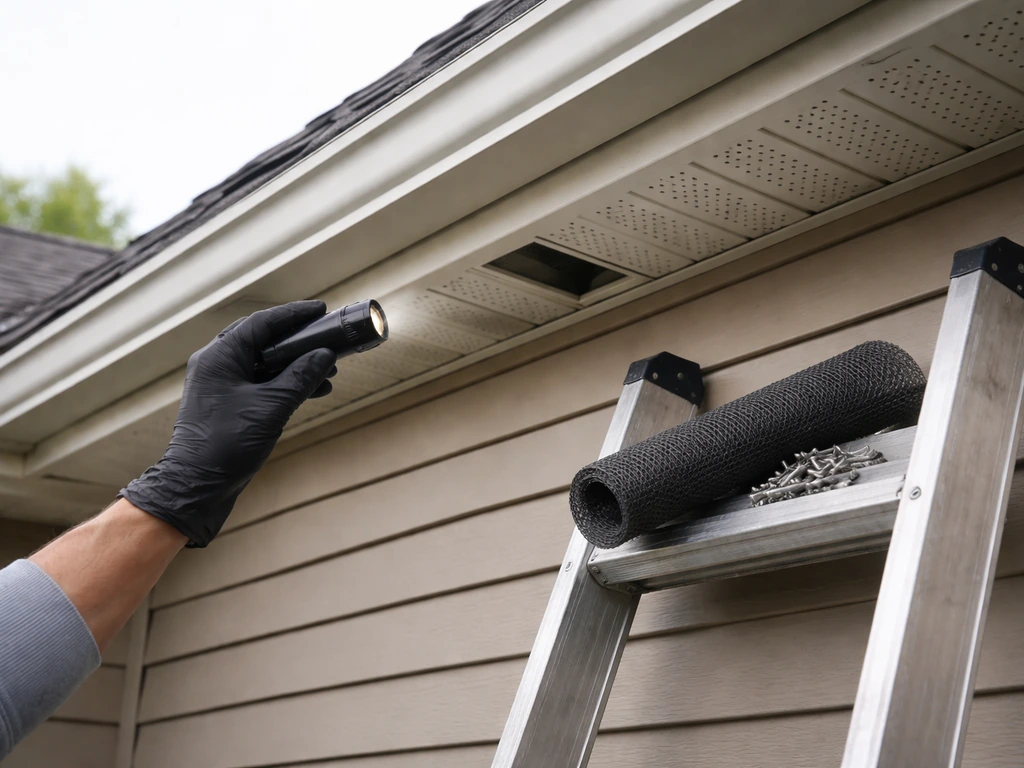
What Orkin actually does with bird nests
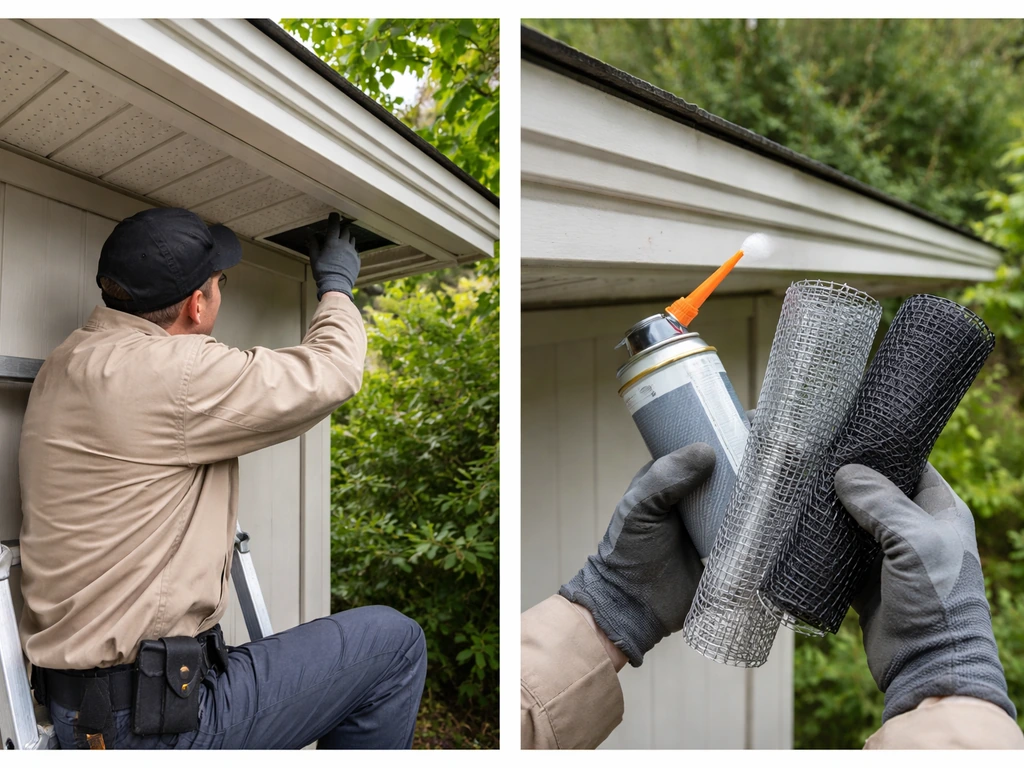
Orkin frames bird work as a specialized service, which means your local branch office is the right starting point. Not every branch handles wildlife at the same level, and bird work specifically falls under their Wildlife Management umbrella rather than standard pest control. When you call, Orkin will typically send a Pro to inspect first. Based on that inspection, the plan might include nest removal, physical exclusion (netting, spikes, wire mesh), repellents, or some combination of all three.
Their commercial guidance describes bird IPM as a three-step process beginning with inspection. From there, exclusion is consistently emphasized as the most effective long-term component. NWCTP training materials likewise emphasize exclusion as one of the best IPM methods, including guidance on using appropriately sized mesh for smaller birds exclusion is consistently emphasized as the most effective long-term component. Orkin has also noted that once birds are actively nesting, they are not easily discouraged by repellents or relocation alone, so a good inspection will usually focus on entry points and structural vulnerabilities rather than just the nest itself. Expect the pro to look at vents, eaves, soffits, roofline gaps, and any ledges where birds return year after year.
Bottom line on Orkin specifically: call your local branch, describe the species if you know it, confirm whether the nest is active (eggs or chicks present), and ask directly whether they handle that type of bird in your state. That conversation will tell you more than any general company policy.
The legal reality you need to understand before anything gets touched
This is the part most homeowners skip, and it matters a lot. The Migratory Bird Treaty Act (MBTA), enforced by the U.S. Fish and Wildlife Service, protects most wild bird species found in the U.S., including their nests, eggs, and young. Under 50 CFR § 21.11, no one may take, possess, or destroy migratory birds or their nests and eggs without a valid permit or specific regulatory allowance. This applies to you, your contractor, and yes, a pest control company.
There is one important nuance the USFWS clarifies: destroying an empty, inactive nest by itself (with no birds, eggs, or dependent fledglings present) is not prohibited under the MBTA as long as you do not possess or transport it. Once the nest is empty and the birds have moved on for the season, you generally have more flexibility. But a nest becomes legally active the moment the first egg is laid, and it stays active until fledged young are no longer dependent on it. Pulling a nest during that window without a permit is a federal violation.
Permits for active nest removal are not easy to get. If you need an active migratory bird nest removal permit, start by documenting the human health or safety concern or the immediate danger to the birds, since that is what the USFWS typically requires. The USFWS typically issues them only when there is a documented human health or safety concern, or when the birds themselves are in immediate danger. Additional restrictions apply to special cases like bald eagles, golden eagles, and other raptors, which carry even stronger protections under separate statutes. State-level protections can layer on top of federal law too, so your state fish and wildlife agency is worth a quick call if you are unsure.
If you are curious about the permitting process in more depth, the rules around migratory bird nest removal permits and the broader framework of federal bird nest law are worth reading on their own. Understanding the legal baseline before you hire anyone will protect you from liability and help you ask smarter questions when you get quotes.
First steps at home: identify what you have before touching anything
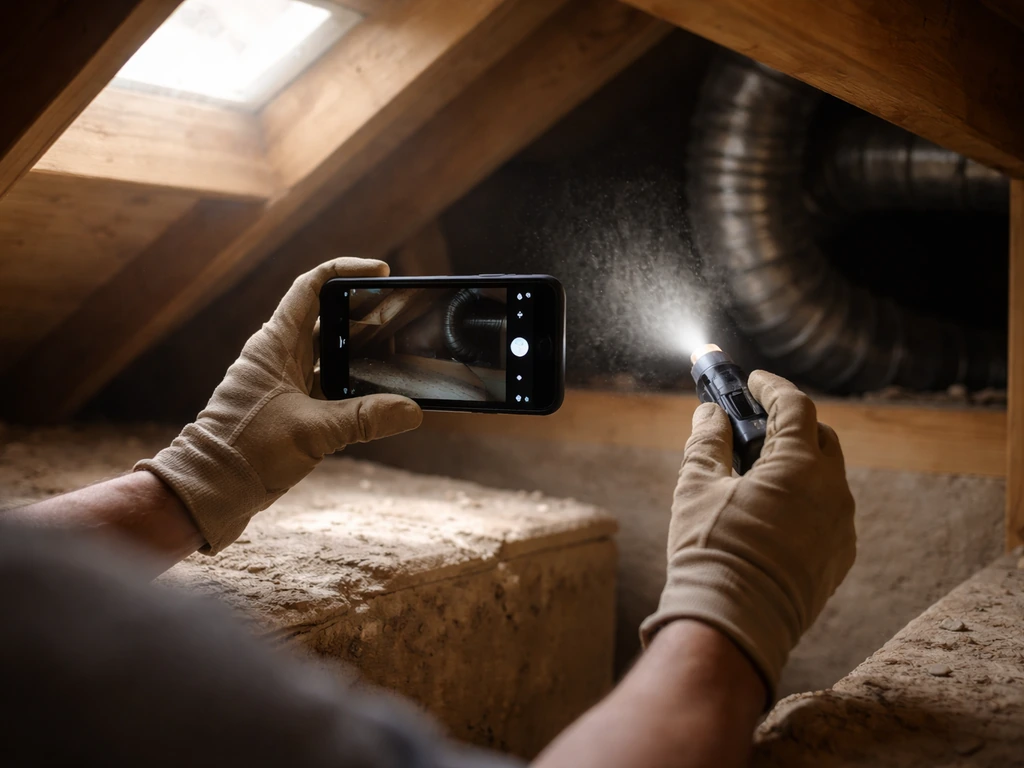
Before you call anyone or do anything, spend five minutes identifying the nest. This tells you what legal category you are dealing with and what timeline you are actually working with. Take photos from a safe distance, ideally with a zoom lens or your phone zoomed in, so you do not disturb the nest. Note these details:
- Location: inside a vent, on a ledge, in a tree, in a gutter, under eaves, or inside a structure like an attic or garage
- Size and shape: cup-shaped, flat platform, domed, or a loose pile of debris
- Materials: grass, mud, sticks, moss, string, or man-made materials like dryer lint or plastic
- Signs of activity: eggs (note color and number if visible without touching), chicks, or a parent bird that returns frequently
- Approximate nest diameter and depth in inches if you can estimate safely
Common backyard species like robins, house sparrows, starlings, and mourning doves are all MBTA-protected. House sparrows and European starlings are actually non-native species and are not covered by the MBTA, which gives you slightly more flexibility with those specific birds, though state laws may still apply. If you spot a large stick platform nest that could be a hawk or osprey, treat it as strictly off-limits and contact your regional USFWS office immediately.
While you are assessing the situation, secure the area around the nest in a low-impact way. If the nest is in a vent, resist the urge to block the vent opening while birds are inside. If the location creates a fire hazard (dryer vents are a real concern here) or a sanitation risk from droppings accumulating indoors, document that in writing because a documented health and safety concern is exactly what USFWS considers when evaluating permit requests.
Alternatives to removal worth considering first
If the nest is not creating an immediate hazard, exclusion and deterrence are almost always the smarter long-term play. Removal alone rarely solves the problem because birds return to the same sites seasonally. Here are the main options:
- Physical exclusion netting: Bird netting installed over eaves, rooflines, or garden structures blocks access without harming birds. Use netting with openings no larger than 1/2 inch so small birds cannot enter and become trapped. Mass Audubon recommends this sizing specifically for common songbirds.
- One-way exclusion devices: These allow birds currently inside a structure to exit but not re-enter. They work well for attics and wall cavities once you have confirmed young birds are fully fledged and no longer dependent on the nest.
- Bird spikes and wire coils: Effective on flat ledges, gutters, and roofline edges where birds land and roost before nesting. Spikes do not harm birds but remove the flat surface they need to build. Most effective installed before nesting season begins (late winter to early spring in most of the U.S.).
- Taste and smell repellents: These have limited effectiveness once birds are already nesting, which Orkin's own materials acknowledge. Better used as a preventive application on surfaces before nesting season.
- Habitat-friendly fixes: Relocate bird feeders or birdbaths away from the structure if you think food proximity is attracting birds to nest nearby. Remove debris, overgrown shrubs close to the roofline, and any ledge material that makes nesting easier.
If the nest is in an active dryer or bathroom exhaust vent, this is genuinely a fire and health hazard, not just an inconvenience. That situation warrants a professional call regardless of species. A wildlife pro can install a proper vent cover with a flap designed to keep birds out after the nest is legally cleared.
DIY vs. hiring a wildlife pro: how to decide
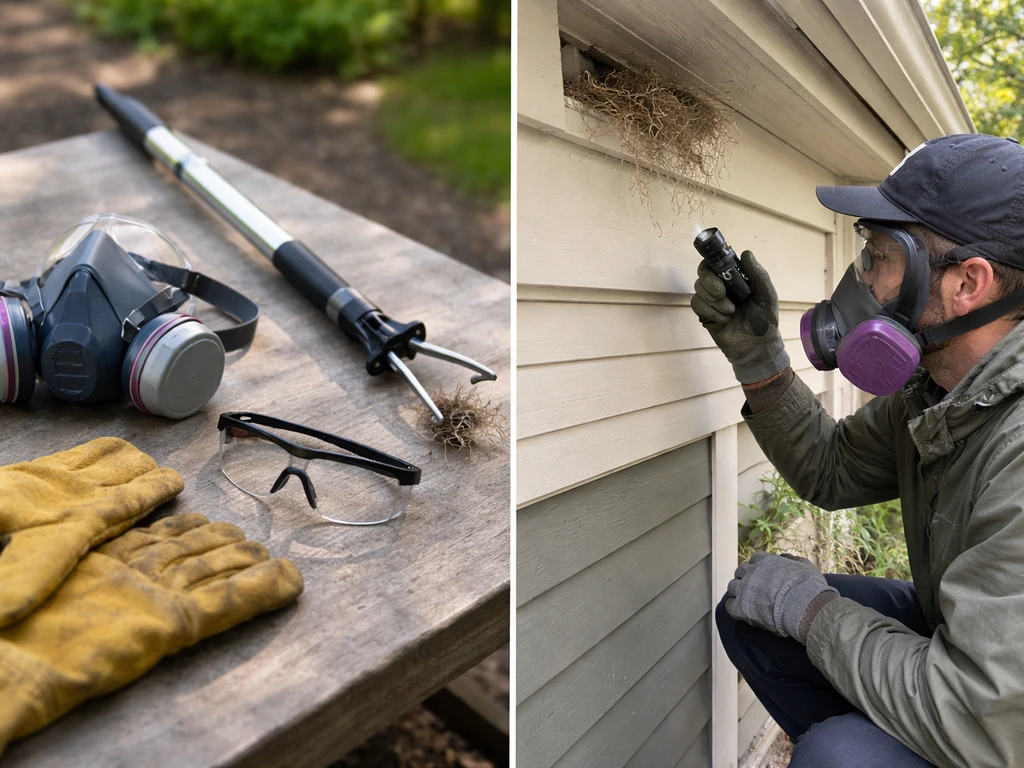
You can handle an inactive, empty nest removal yourself in most states as long as you have confirmed the nest has no eggs, no chicks, and no birds returning to it. Wear gloves and a dust mask (bird droppings and nest debris can carry pathogens), place the nest in a sealed bag, and dispose of it in outdoor waste. Then clean the surface with a diluted bleach solution and dry it thoroughly before any exclusion work.
Hire a wildlife removal professional when any of the following apply:
- The nest is active (eggs or chicks present) and poses a genuine safety hazard
- You cannot identify the species with confidence
- The nest is inside the structure (attic, wall cavity, HVAC system, dryer vent)
- There is significant droppings accumulation requiring professional sanitization
- The bird species might be a raptor, colonial waterbird, or another highly protected category
- You want exclusion work done properly with materials and placement that will actually hold up
On cost: professional bird nest removal and basic exclusion (like spikes on a roof section) typically runs $300 to $650 for a straightforward job. Fixr.com reports that bird nest removal costs typically range from $350 to $650, with an average around $500 for a typical scenario that includes removing the nest plus related services blank" rel="noopener noreferrer">professional bird nest removal and basic exclusion (like spikes on a roof section) typically runs $300 to $650. In this guide, you can use these pricing ranges to estimate what bird nest removal might cost in your area before you request quotes bird nest removal cost. More complex exclusion work, attic cleanouts, or situations involving protected species permits can push costs to $1,000 or more. Getting two or three quotes is worth the effort, and bird nest removal cost varies enough by region and scope that a quote based on your specific situation is more reliable than any national average.
When you call a company, ask these questions directly: Is this species covered under the MBTA or state protections? Will you obtain any necessary permits, and who is legally responsible if removal violates federal or state law? What exclusion work is included, and will you warranty it against re-entry? A contractor who cannot answer the first two questions clearly is not the right hire for bird work.
What to expect from an Orkin (or any wildlife service) inspection
A thorough bird control inspection should take 30 to 60 minutes for a single-family home. The inspector should walk the full exterior roofline, check all vents and penetrations, look at ledges and eaves, and identify not just the current nest but every potential nesting site on the structure. Inside, they should check the attic, any accessible crawl spaces, and the HVAC intake area if birds are suspected indoors.
After the inspection, ask for the proposed plan in writing before agreeing to anything. The written plan should specify the species identified, whether the nest is active or inactive, what legal basis they are using for removal (timing, species status, permit if needed), what exclusion materials will be installed, and what the monitoring follow-up looks like. Orkin's own exclusion framework includes ongoing monitoring as a formal component of exclusion work, so any serious provider should be able to describe what their post-job check-in looks like.
After the nest is gone: preventing repeat nesting and monitoring responsibly
Birds are creatures of habit and strong site fidelity. A robin that nested in your gutter this spring will almost certainly attempt the same spot next spring unless something physically prevents it. This is why aftercare is not optional. Once the nest is removed and the area is clean, here is what to do:
- Seal every gap and vent opening with properly fitted covers or hardware cloth with openings no larger than 1/2 inch. Check roofline vents, soffit seams, gutter guards, and any spot where the nest was located.
- Install physical deterrents (spikes, coils, or netting) before the next nesting season. In most of the U.S., birds begin scouting nest sites as early as February and March.
- Walk the full exterior of the structure every four to six weeks during spring and summer to catch any early nest-building activity before it becomes an active nest with eggs.
- Photograph any new nest-building attempts early so you have a record of the date and activity level. This helps you make a legal and informed decision about timing if removal becomes necessary again.
- Remove any partial nests or early nest material (loose grass, twigs placed on a ledge) promptly before eggs are laid, as this is the one window where intervention is straightforward and legal.
- If you used a professional, schedule their monitoring follow-up visit as specified in your service agreement. Confirm that exclusion materials are intact and no new entry points have opened.
If your property tends to attract nesting birds year after year and you would rather coexist than constantly exclude them, consider placing a purpose-built nest box or shelf bracket in a spot away from problem areas. Robins, phoebes, and barn swallows readily adopt ledge platforms when positioned correctly. Giving them a sanctioned spot often reduces their motivation to squeeze into vents and gutters. It is a practical, conservation-friendly fix that works better than you might expect.
The core takeaway here: Orkin can help, but whether they can help right now, with your specific nest, in your location, depends on species, timing, and what your local branch offers. Call them, but go into that call already knowing whether your nest is active and what species you are dealing with. That knowledge, plus a clear understanding of the legal framework, puts you in control of the outcome rather than just waiting on someone else to figure it out for you.
FAQ
Does Orkin remove bird nests if the nest is active (eggs or chicks present)?
Sometimes, but it depends on species and timing, and Orkin typically cannot legally remove an active migratory bird nest without a valid federal permit or a specific allowance. If eggs or chicks are present, expect Orkin to focus heavily on securing the structure and using exclusion to stop re-entry, then schedule any lawful removal for the appropriate time window.
Can I hire Orkin to remove a nest immediately because it is unsightly or causing noise?
Orkin may still need to follow the same legal timing rules, and “unsightly” or “noise” alone usually is not enough to justify permit-based removal. A common alternative is to implement exclusion and deterrence right away to prevent further nesting at that site while you monitor for when the nest becomes inactive.
What if the nest is empty already, can Orkin remove it without a permit?
An empty, inactive nest can be treated differently under the MBTA, but you still need to avoid moving or handling birds, eggs, or any dependent fledglings. Orkin should confirm inactivity during inspection (often by species identification and checking whether any birds are still using the area) before proceeding with removal and cleaning.
Does Orkin handle nests in high places like chimneys, rooflines, or attic vents?
Likely yes, but availability and the method differ by location and branch. Ask whether they include access work (ladder or roof access), what exclusion materials they install in those exact openings, and whether the attic or vent area will be sealed properly after the nest is cleared.
If Orkin cannot legally remove the nest right now, will they still do something helpful?
Yes, in many cases they can reduce damage and prevent ongoing access through exclusion and structural sealing, and they can document the nesting status. Request that they provide a plan and timeline for what will happen once the nest becomes inactive, instead of leaving you with only “wait and see.”
Are house sparrows and starlings treated the same as other birds under Orkin’s process?
They may have more flexibility than MBTA-protected birds because European starlings and house sparrows are non-native, but state wildlife rules can still apply. Ask Orkin to clearly state which law applies to your species in your state, not just whether the nest can be removed.
What should I do if I suspect the nest might be a raptor nest (hawk or osprey)?
Treat it as high-risk and do not attempt removal. Tell Orkin (and you may also want to contact the relevant federal field office) because raptors have stronger protections and permit requirements. Orkin should advise you on staying clear and on exclusion only after the legal status is confirmed.
What does “exclusion” include, and does Orkin warranty it against birds returning?
Exclusion usually means installing physical barriers like spikes, netting, or mesh at specific entry points, plus sealing or guarding openings that allow repeat access. Ask whether their warranty covers material failure or workmanship and what they will do if birds re-nest in the same season despite the exclusion.
If my nest is in a dryer vent or bathroom exhaust, is exclusion enough?
Often exclusion is the primary long-term solution, but it must be done in a way that restores safe airflow while blocking birds. Ask Orkin for the specific vent cover type they install (for example, a flap-style design), and confirm they will address fire and moisture risks created by blockages and droppings.
How do I avoid legal trouble if I cleaned up droppings or tried to remove the nest myself first?
Stop further disturbance and document what you did (photos, dates, and any materials removed). When Orkin arrives, tell them exactly what you touched so they can re-assess whether any eggs or dependent young could still be involved and whether additional cleaning and exclusion should be scheduled.
What exact questions should I ask Orkin about permits and responsibility?
Ask who will determine legal status for the species, whether Orkin will obtain any permits if required, and who assumes responsibility if removal is performed incorrectly. Also ask them to provide the proposed legal basis in writing and to confirm what actions they will take if the nest is found to be active during inspection.
Does Orkin include a follow-up inspection after the exclusion work is done?
They should, especially because birds show strong site fidelity. Ask when the follow-up occurs (for example, days after installation and again in later weeks), what signs they look for, and how they handle gaps or new entry points if birds attempt a nearby alternative spot.
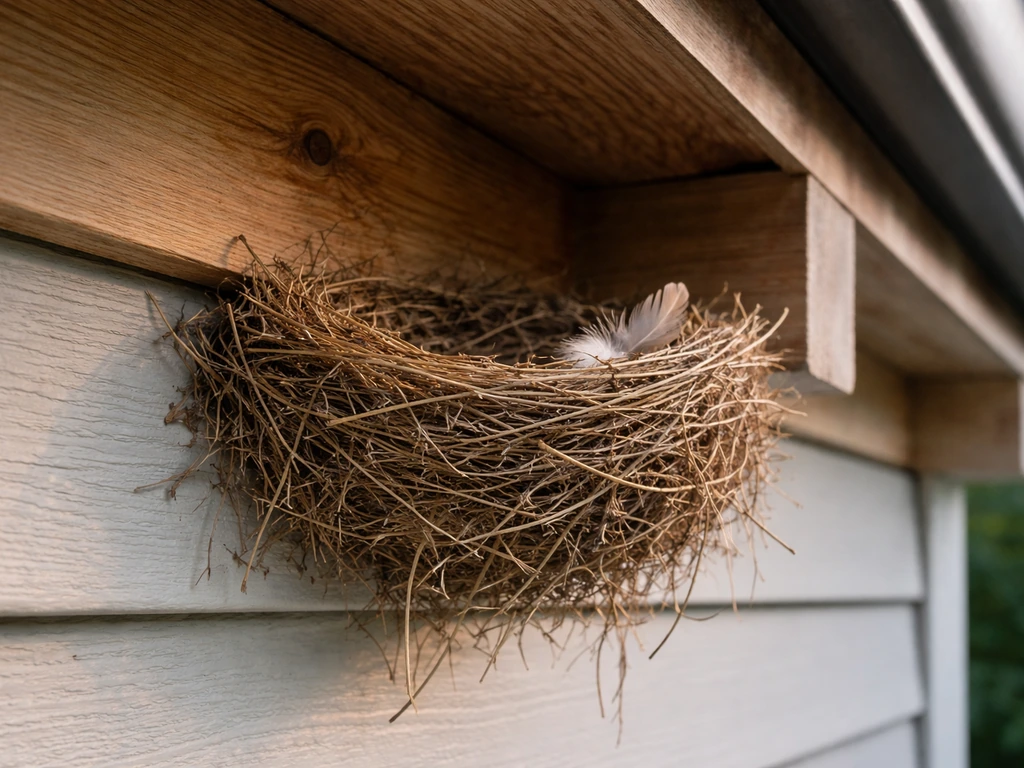
Bird nest removal law explained: when removal is illegal, humane options, who to contact, and next steps to stay protect
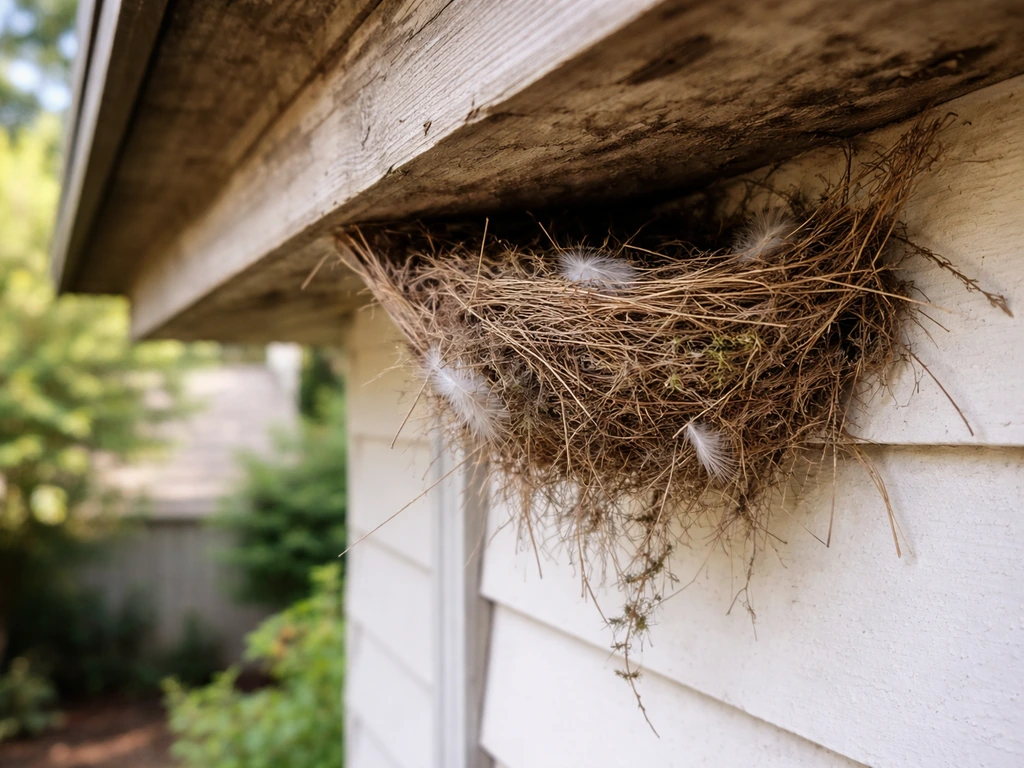
Step-by-step migratory bird nest removal permit guide: legality, active nest checks, contacts, docs, alternatives, safet
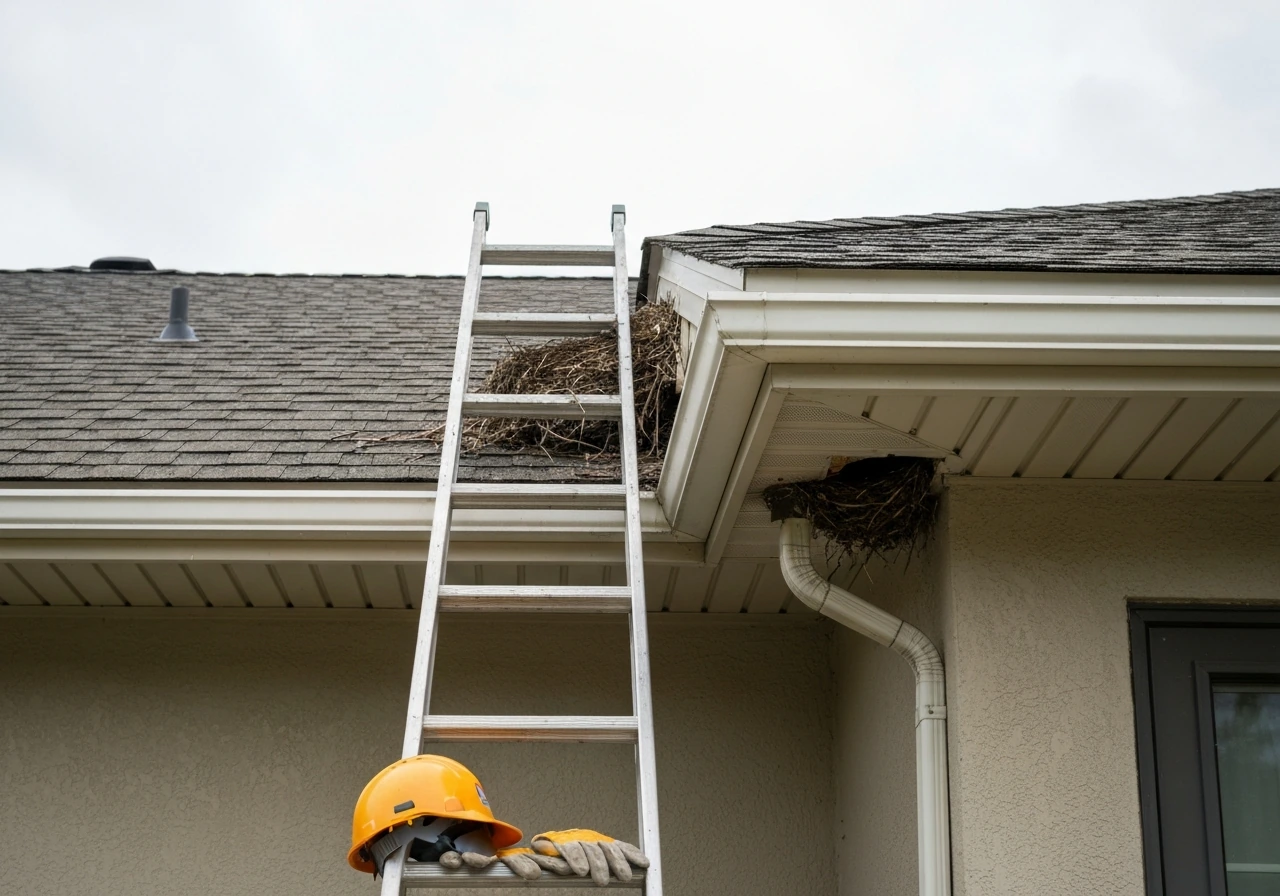
Bird nest removal cost ranges, key factors, legal limits, and safer alternatives like exclusion or waiting.