
You almost certainly cannot legally destroy an active bird nest, and in most cases you do not need to. What you can do is identify whether the nest is active, wait out the nesting cycle if it is, and then remove it safely, seal the spot, and prevent birds from returning. A practical next step is learning how to get a bird nest down safely by waiting for the right timing and using exclusion instead of destructive removal.
How to Stop Birds Nesting: Safe, Legal Deterrence Steps

Maya Bennett
27 Apr 2026
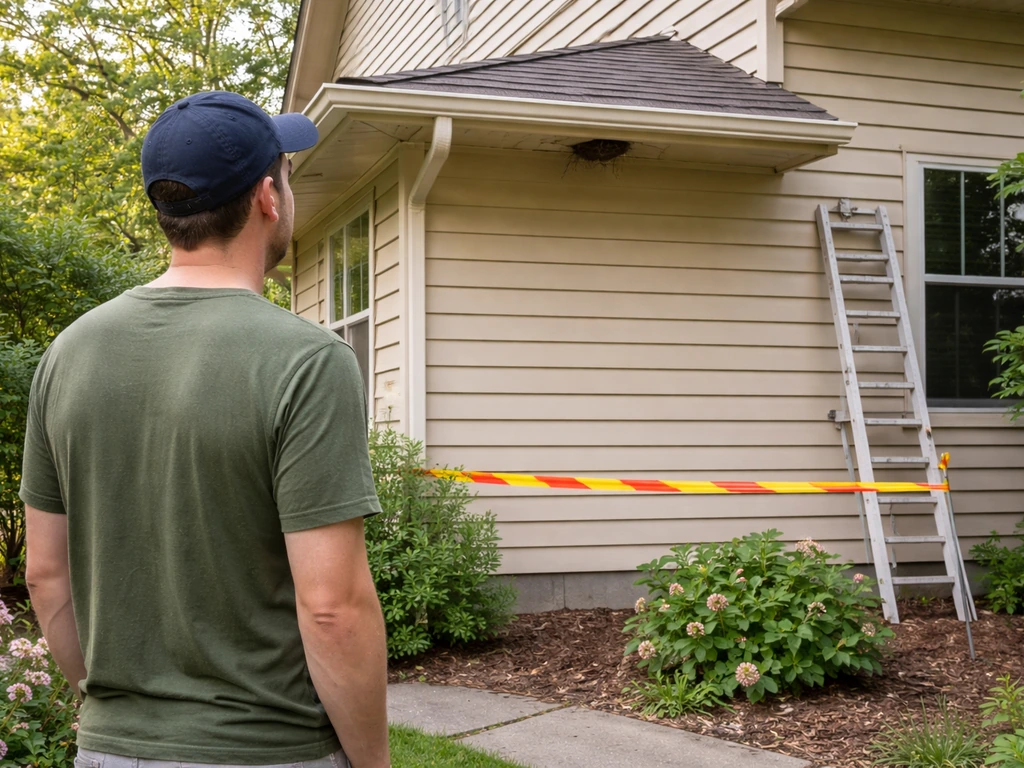
In this guide, you will learn how to identify whether the nest is active, when removal is allowed, and what exclusion steps help prevent birds from returning how to remove a bird nest. That sequence, done correctly, solves the problem without breaking federal or state law and without harming any birds. If you are dealing with a recurring problem, look up days gone how to destroy bird nests and focus on legal removal only after the birds have left.
Why you usually can't (and shouldn't) destroy a bird nest
Most birds you encounter around your home are protected under the U. S. Migratory Bird Treaty Act (MBTA), which implements treaties with Canada, Mexico, Japan, and Russia. The MBTA makes it illegal to take, kill, or destroy the nests or eggs of protected migratory birds without authorization.
Violations carry misdemeanor penalties of up to $15,000 in fines and up to 6 months in prison, with felony-level penalties for certain commercial offenses. In the EU, the Birds Directive (Directive 2009/147/EC) explicitly prohibits the deliberate destruction or damage of nests and eggs. [In England, the Wildlife and Countryside Act 1981 makes it illegal to destroy any wild bird's nest while it is being built or in use](https://www. rspb.
org. uk/birds-and-wildlife/bird-crime-and-investigation/crimes-against-birds), with penalties of up to 6 months in prison and significant fines.
Beyond the law, destroying an active nest is practically counterproductive. Birds are persistent. If you knock down a nest while adults are actively using it, they will often rebuild in the same spot within days. If you want to handle the situation safely, understanding what happens after you knock down a bird nest can help you choose the right next steps, like exclusion and timing what happens if you knock down a bird nest. The only lasting fix is exclusion, not destruction, and exclusion works best after the nest is no longer active anyway.
Identify the nest: species clues, activity status, and location
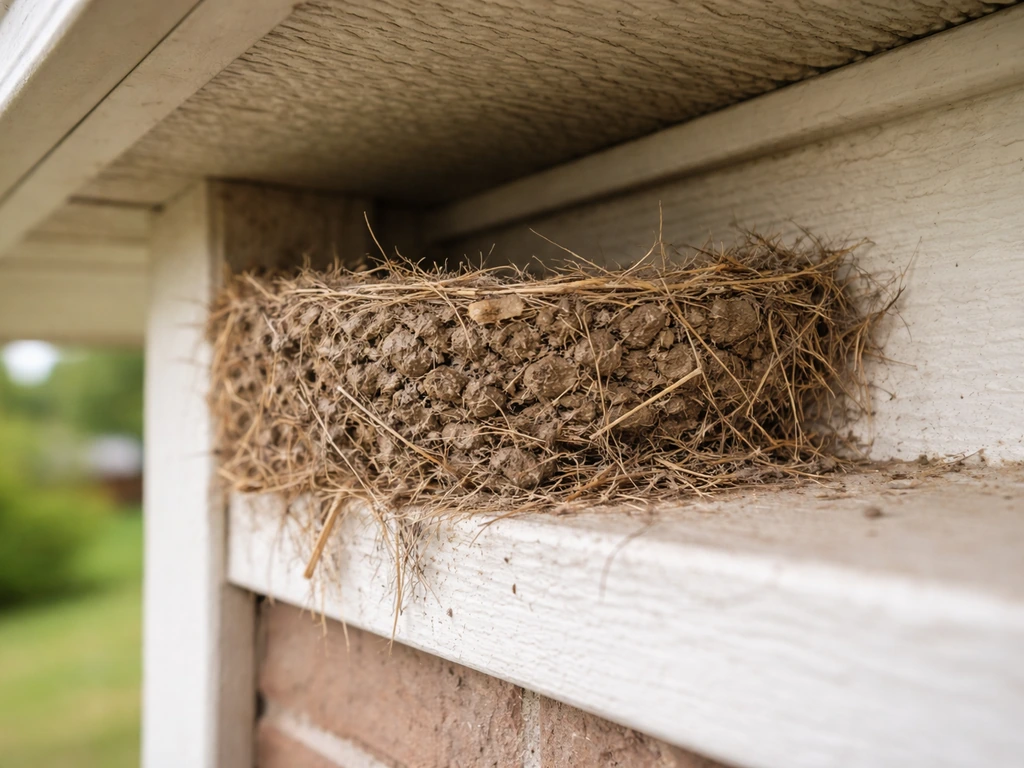
Before you do anything, take a few minutes to observe from a distance of at least 10 to 15 feet. Note the nest's location, materials, and size, and then watch for adult bird activity. Snap a few photos if you can; they will be useful if you need to contact wildlife authorities later.
Reading the nest itself
- Small cup nests made of mud and grass in eaves or on ledges: likely American robins or barn swallows (both MBTA-protected).
- Bulky platform nests of sticks in trees, on chimneys, or on power structures: could be ospreys, great blue herons, or in the western U.S., bald eagles (extra protections apply).
- Mud-daubed tube or gourd-shaped nests under porch roofs: cliff swallows or barn swallows.
- Cavity nests in vents, gaps, or dryer exhaust openings: house sparrows or European starlings (not MBTA-protected in the U.S., which changes your options).
- Loose grass or leaf nests in gutters or on flat rooftops: mourning doves or house finches.
Determining if the nest is active
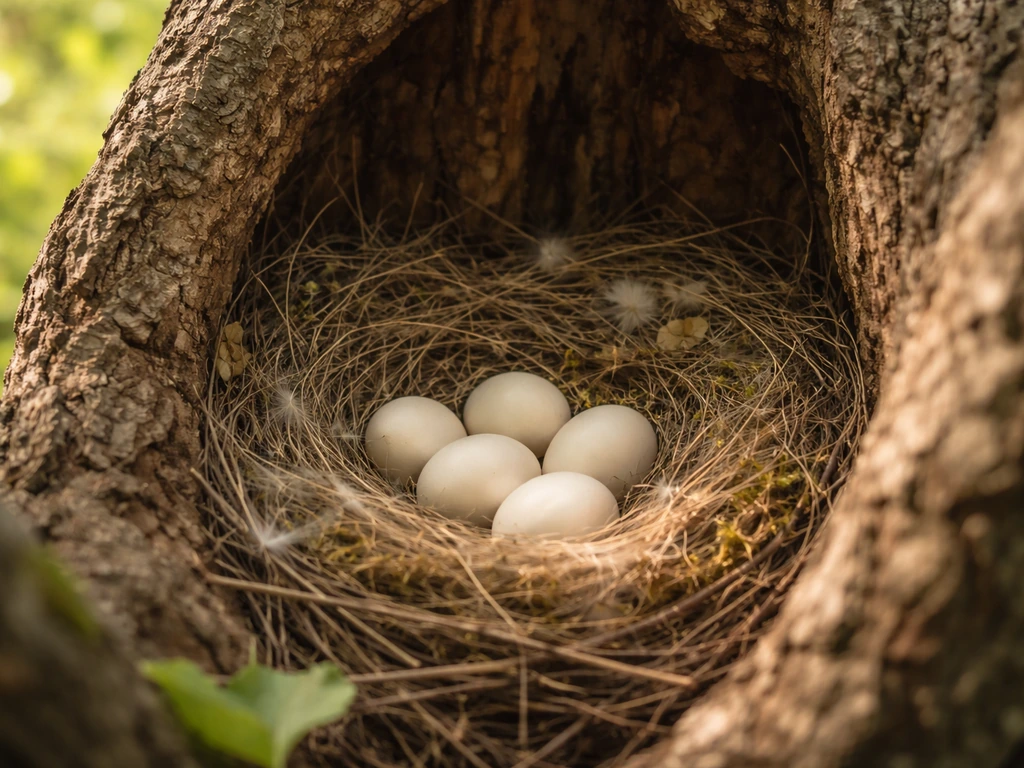
A nest is active if any of the following are true: adults are regularly visiting (attending) the nest, eggs are visible inside, or chicks are present and being fed. A nest is also considered active if it is still being built or is in the egg-laying stage. Signs of an inactive nest include no adult visits for several days, no eggs or chicks visible, structural deterioration (collapsed sides, heavy weathering), and feathers or debris inside without fresh lining material. If you are unsure, watch for 48 hours before concluding the nest is abandoned.
Legal basics and when removal is allowed vs prohibited
| Situation | U.S. (MBTA) | England (WCA 1981) | EU (Birds Directive) |
|---|---|---|---|
| Active nest with eggs or chicks (protected species) | Illegal without a federal permit | Illegal without a licence | Prohibited |
| Nest being built right now (protected species) | Illegal without a permit | Illegal without a licence | Prohibited |
| Inactive/abandoned nest (protected species) | Generally allowed | Generally allowed (not in use) | Generally allowed if not in use |
| Nest of non-protected species (e.g., house sparrow, European starling in U.S.) | Not covered by MBTA; check state law | Still covered by WCA 1981 in UK | Covered in EU |
| Nest posing immediate safety hazard (e.g., fire risk from active vent) | May require emergency permit from USFWS | May require licence | Member state exemption may apply |
The clearest legal window for removal is after the nesting cycle ends and birds have left. For the policy framework on when nest or egg destruction may be authorized under the Migratory Bird Treaty Act, see the U. S. Fish & Wildlife Service MBPM-2 (2025 version) [Migratory Bird Permit Memorandum](https://www.
fws. gov/sites/default/files/documents/2025-01/mbpm-2-nest-memorandum-2025. pdf). In most of the U.
S. , that means late summer through fall is the safest time to act. In England, GOV. UK guidance confirms it is not an offence to damage or destroy a nest that is not being built and not in use.
If you have a genuine safety emergency (a nest blocking a dryer vent creating a fire risk, for example), contact your regional U. S. Fish and Wildlife Service office or, in the UK, Natural England to understand your options for an emergency permit or licence before touching the nest.
Immediate safety steps while you assess
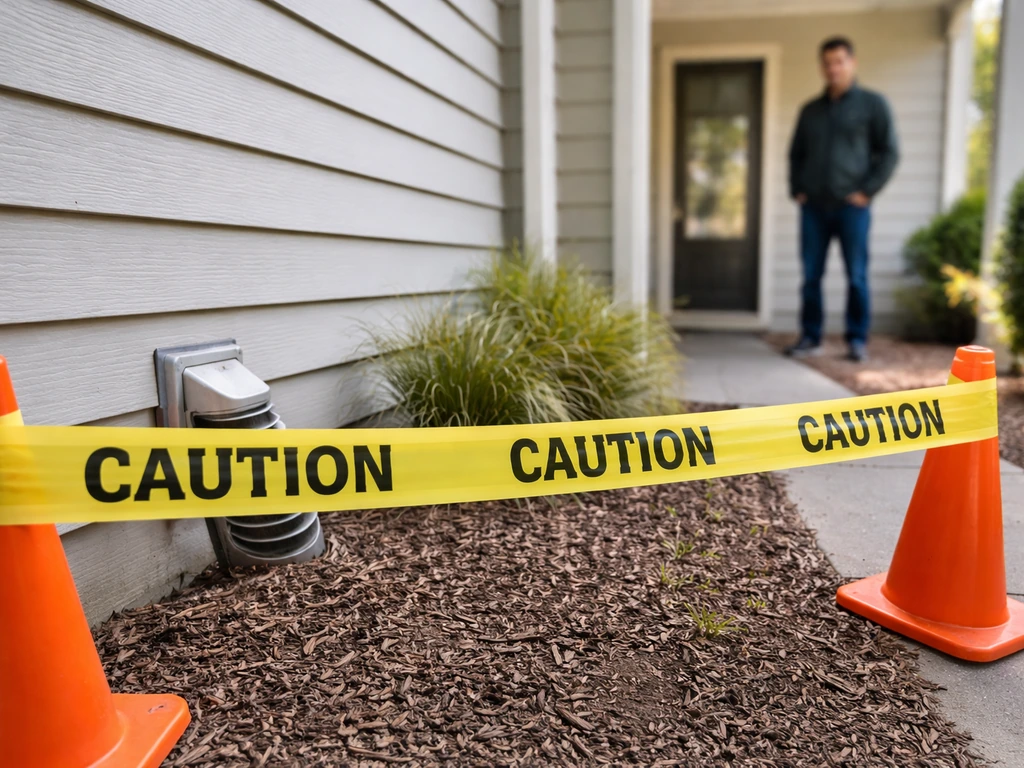
Do not disturb the nest while you are figuring out your next move. Keep children and pets away from the area. If the nest is in a location that creates an active hazard, like inside a working dryer vent or a chimney flue being used for heating, shut off the appliance immediately and leave it off until you have spoken to a wildlife professional.
If the nest is on your porch or in a tree near a door and adults are dive-bombing, temporarily redirect foot traffic to a different entrance and give the birds space. If the nest is in a tree, use exclusion and safe timing instead of removal while birds are active to get rid of the nesting problem how to get rid of bird nest in tree.
Most territorial behavior stops once chicks fledge, which typically takes 10 to 21 days depending on species. If the nest already fell out of a tree and you are now dealing with the aftermath, use the same safe exclusion and timing principles described in what to do if bird nest fell out of tree.
If there is any droppings accumulation near the nest site, avoid that area and do not disturb the material. Bird droppings can harbor Histoplasma capsulatum, the fungus that causes histoplasmosis, especially in large accumulations. Do not stir up dust or droppings without proper PPE (N95 mask, gloves, eye protection). This is especially relevant to chimney or attic nests where droppings may have built up over time. Related guidance on getting bird nests out of chimneys covers this in more detail.
Ethical deterrence you can start today
If birds are currently scouting a location but have not yet laid eggs, or if you are trying to prevent them from returning next season, several deterrence methods can be effective without harming any bird.
Remove what attracts them
- Clear out loose nesting materials: dry grass clippings, pet fur left outside, Spanish moss, and shredded leaves are all prime nest-building material. Remove them from the yard.
- Take down or relocate bird feeders near problem areas. Feeders draw birds into a zone and make them more likely to settle nearby.
- Trim dense shrubs, hedgerows, or ivy on walls that provide sheltered nesting spots.
- Clean gutters in early spring before birds begin scouting; accumulated leaf debris makes gutters attractive nest sites.
Visual and sensory deterrents
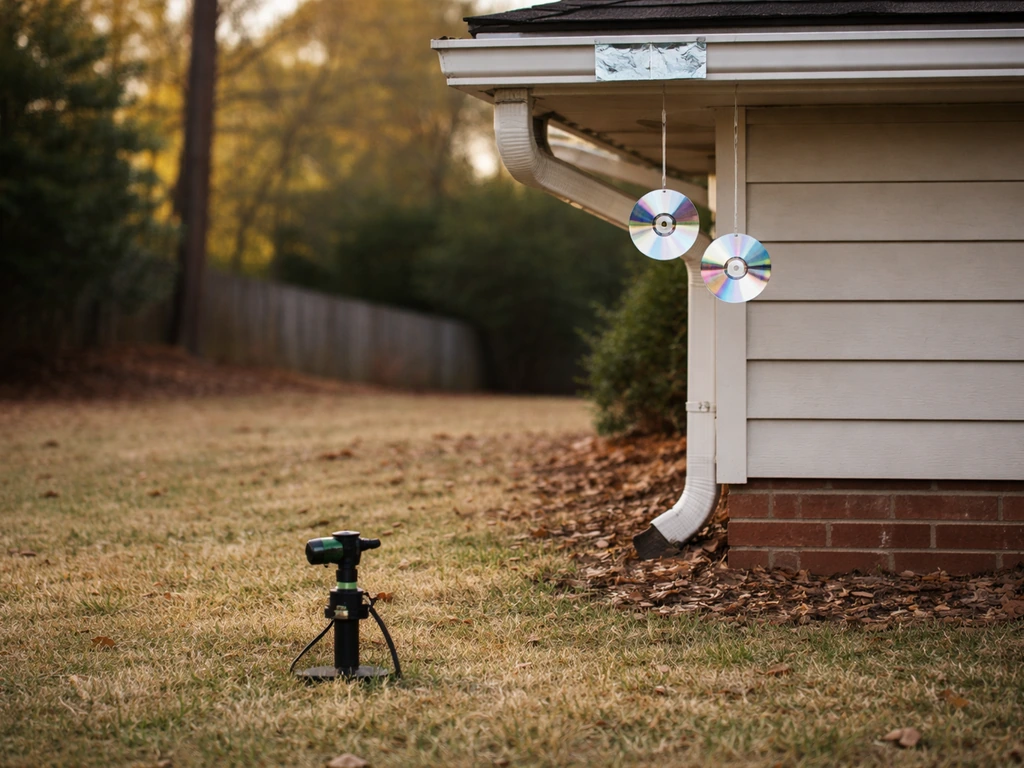
Reflective tape or old CDs hung near a problem eave can deter birds from landing during the scouting phase. Motion-activated sprinklers work well for ground-level nesting attempts in garden beds. Decoy predators (plastic owls, hawk silhouettes) have limited effectiveness unless moved frequently, because birds habituate to static objects quickly. These methods work best as part of a combined approach during the pre-nesting window, typically February through April in much of the U.S., before birds have committed to a site.
Exclusion methods: netting, mesh, and sealing gaps
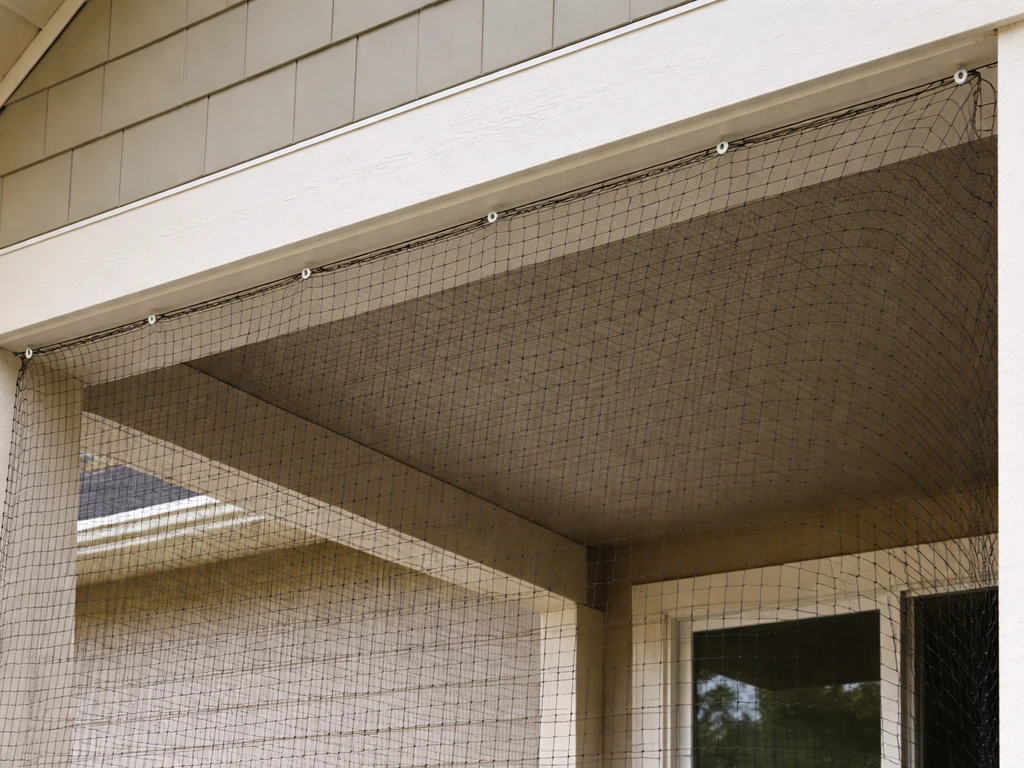
Exclusion is the most reliable long-term fix for recurring nesting problems. The goal is to physically deny birds access to the spots they prefer. Timing is everything: exclusion must happen either before birds arrive in spring or after nesting ends in late summer or fall.
Netting and mesh
Heavy-duty bird netting (typically 3/4-inch to 2-inch mesh depending on species size) can be draped or stapled under eaves, over open porch rafters, or across the faces of open-fronted structures. Mass Audubon recommends using netting to create a false ceiling under exposed rafters to prevent birds from landing and building there. The netting needs to be taut and fully sealed at the edges; a loose net with gaps is ineffective and can trap birds. For open gutter runs, stainless steel mesh inserts block nesting access while still allowing water to flow.
Sealing entry points to vents and gaps
Dryer vents, bathroom exhaust vents, and weep holes in brick walls are common cavity-nesting entry points for house sparrows and starlings. Before sealing, verify no birds are inside (watch the opening for several days, or use a one-way door approach). Maine IFW recommends installing a one-way door over the entry point and leaving it in place for at least seven days, and longer in cool or rainy weather, before sealing permanently. Once you are confident the gap is clear, seal it with hardware cloth (1/4-inch galvanized mesh), a purpose-made vent cover with a flap damper, or expanding foam rated for exterior use, followed by a weatherproof cap.
Washington WDFW cautions specifically against sealing entry points if you are not certain all birds have exited, as trapping animals inside creates a more serious problem. Use the one-way door or continuous observation to confirm the space is empty first.
Timing your exclusion work
The best windows are late fall to early winter (after nesting ends, before birds begin scouting the following year) or very early spring (January to February in most of the U.S.) before the breeding season begins. Mass Audubon specifically advises waiting until fall or winter to remove nests and exclude birds from buildings. For cavity-nesting birds, they also note that adults may return within a day or two to begin another brood after chicks fledge, so seal the opening immediately once you confirm the young have left.
Removing and cleaning up after nests go inactive
Once you have confirmed a nest is completely inactive (no eggs, no chicks, no adults visiting for at least 48 to 72 hours) and the nesting season in your area has ended, you can safely remove it. If the nest is in a tree, use the same safe approach: confirm it is inactive, remove it legally when the birds have left, and then exclude access so it does not come back get rid of a bird nest in a tree. Here is the safe way to do it.
- Gear up: wear disposable gloves, an N95 or higher respirator mask, and safety glasses before touching the nest or surrounding area.
- Bag the nest: place the entire nest into a heavy-duty plastic bag and seal it before moving it away from the area. This contains mites, lice, and any droppings inside the nest material.
- Dispose in an outdoor bin. Do not compost bird nests.
- Clean the surface: scrub the area where the nest sat with soap and water to remove visible debris, then disinfect with an EPA-approved disinfectant. CDC guidance for bird-related cleanup recommends products with label claims against influenza A viruses used according to label instructions. A dilute bleach solution (1 part bleach to 9 parts water) is a practical option for hard surfaces.
- Allow the area to dry completely before applying exclusion materials.
- Wash your hands thoroughly with soap and water even after removing gloves.
- Install your exclusion (netting, mesh, vent cover) immediately after cleaning to prevent the spot from being reclaimed.
If you discover a large accumulation of droppings beneath a long-used nest site (particularly in an attic, crawl space, or chimney), do not attempt to clean it yourself. CDC and NIOSH guidance states that large droppings accumulations should be handled by a professional company specializing in hazardous waste cleanup. The histoplasmosis risk from stirring up dried droppings in an enclosed space is real and serious.
When to call in a professional
Some situations genuinely require expert help, and trying to handle them yourself can create legal liability or physical danger.
- The nest is active and in a location that creates an immediate safety or fire hazard (inside a dryer vent, chimney flue, electrical panel). Contact a licensed wildlife control operator (WCO) or your regional USFWS field office. They can advise on emergency permit options or handle removal under proper authorization.
- You are dealing with a bald eagle, osprey, or other raptor nest. These species have additional protections beyond the basic MBTA, and in some states like Virginia and Pennsylvania, specific active-nest guidelines apply. Never attempt to move or disturb these nests without contacting your state wildlife agency first.
- The nest is in a high or structurally unsafe location, such as inside a chimney or on a tall roof section. Falls are the primary cause of serious injury in DIY nest removal work. A licensed chimney sweep with wildlife training, or a licensed WCO, is the right call here.
- Birds have returned for multiple seasons despite your exclusion attempts. A WCO can assess whether entry points you have missed are being used, and can implement a more systematic exclusion plan.
- There is a large buildup of droppings at the nest site (more than a shoebox volume in a confined space). Call a professional hazardous waste or wildlife remediation company, not a general handyman.
To find licensed help, your state or county wildlife agency website is the best starting point. In the U.S., the National Wildlife Control Operators Association (NWCOA) maintains a directory of licensed operators by state. In the UK, your local council or the RSPB helpline can point you to licenced contractors. Most consultations are free, and getting the right guidance upfront is always faster than dealing with a legal problem or a repeat nesting issue later.
FAQ
Is it ever legal to “destroy” a bird nest if it is on my property?
Often it is not, because many species are protected while nesting or when eggs are present. The practical safe path is to confirm whether it is active, avoid touching it until the nesting cycle is over, then use exclusion to stop future nesting. If the nest is causing an urgent safety hazard (for example, blocking a dryer vent), contact your wildlife authority first to ask about an emergency authorization or permit before any removal or sealing.
What if I already removed the nest or damaged it while I thought it was inactive?
If there were any eggs, chicks, or adult attendance at the time, the action may still be illegal. The next step is to stop further disturbance, document what you observed (photos and dates), and contact your local wildlife agency for guidance on remediation. Trying to “fix it later” by exclusion is still useful, but you should avoid sealing openings until you are sure nothing remains inside.
How long should I wait to confirm a nest is inactive before removing it?
A common safe rule in the article is watching for at least 48 to 72 hours with no adult visits, no eggs, and no chicks visible. For high uncertainty cases (for example, a concealed cavity where adults can visit briefly and you cannot see inside), extend the observation period or use a one-way door approach where appropriate, then confirm the cavity is empty before sealing.
Can I remove the nest materials if birds are not there at the moment but it looks recently used?
If the structure shows signs of fresh use, like recently added lining material or adult activity not long ago, treat it as possibly active and keep your hands off until you complete the observation window. Removing “just the old material” can still count as destruction of an active nest depending on timing and what is inside.
Do scare devices like CDs or plastic owls work if birds are already building or incubating?
They are most reliable during the scouting or pre-nesting window, before birds commit to the site. Once construction starts or incubation begins, birds often ignore static decoys after habituation. In that scenario, the best next step is exclusion plus correct timing, not more deterrents.
What should I do if birds keep rebuilding in the same spot after a knockdown?
Rebuilding is common when you remove while nesting is ongoing or when the entry point or landing site remains available. After the young have left, switch to exclusion: install properly sized, fully sealed netting or durable mesh over the exact access point, then seal entry openings immediately once the area is confirmed empty.
If the nest is inside a chimney or attic, can I vacuum droppings and then remove the nest?
Avoid DIY cleaning when there is a large droppings accumulation. Histoplasmosis risk increases if dried droppings are stirred up in enclosed spaces, so the safer decision is to hire a hazardous waste cleanup professional for the droppings, then address the exclusion after confirming the cavity is clear.
How can I verify that birds are not inside a dryer vent before sealing?
Use an evidence-based approach such as continuous observation over several days or a one-way door method over the entry point. Only after you confirm the space is empty should you permanently seal. Sealing too soon can trap birds inside and create a worse cleanup and welfare problem.
When should I exclude birds if the problem is recurring year after year?
For most locations, the article recommends timing exclusion for late fall to early winter (after the nesting season ends) or very early spring (January to February). For cavity nesters, adults may return quickly after fledging, so once you confirm the young have left, seal the opening immediately to prevent a rapid re-occupation.
What if a nest is blocking access or ventilation and I need to use the appliance right now?
If the nest is in an active system like a working dryer vent or a heated chimney flue, stop using the appliance immediately and leave it off until you speak with a wildlife professional. This reduces both safety hazards and the risk of trapping birds or complicating a legal removal situation.
Who can I call for legal, hands-on removal guidance?
Start with your state or county wildlife agency for direction on what is permitted where you live. In the U.S., licensed operators are often listed by state through the National Wildlife Control Operators Association, and in the UK, local councils or RSPB can direct you to licensed contractors. Most initial consultations are free, which helps avoid costly mistakes.
Next Articles
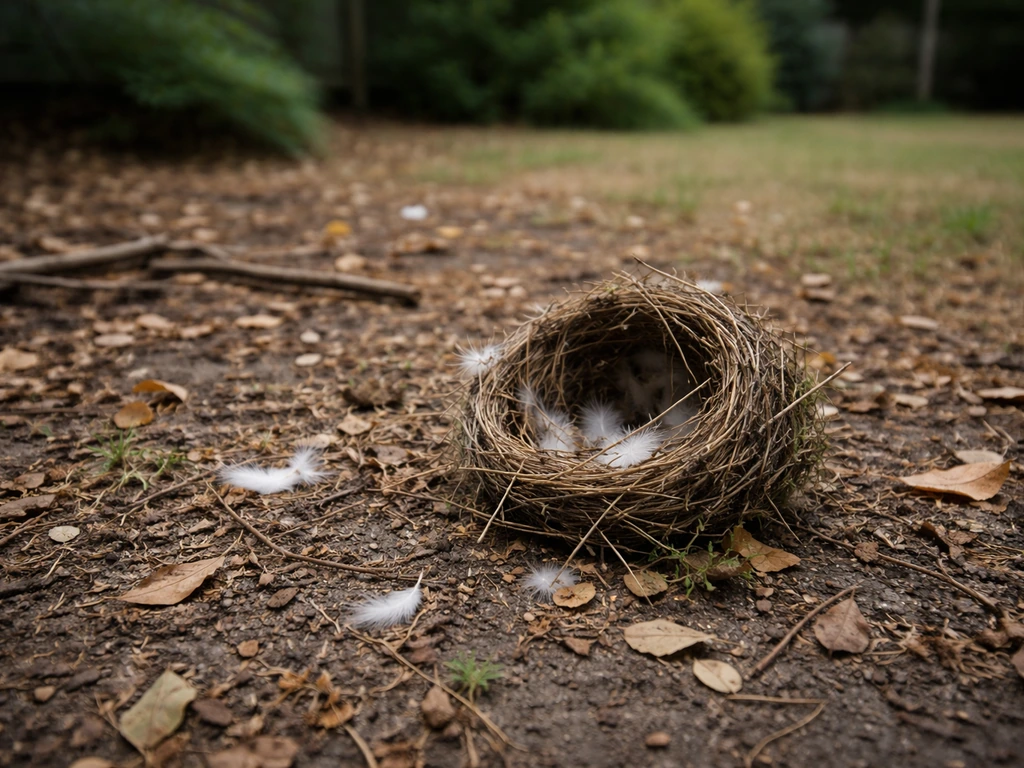
What Happens If You Knock Down a Bird Nest and What to Do Next
Learn what happens after knocking down a bird nest, how to assess damage, and what to do legally and safely next.
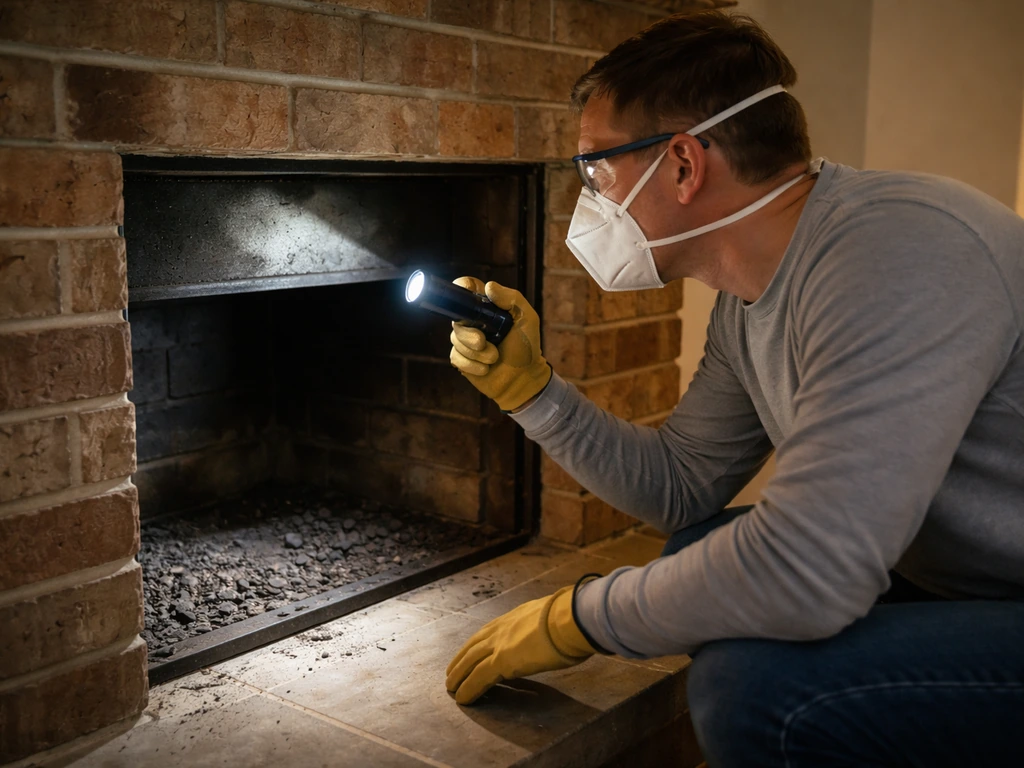
How to Get Bird Nest Out of Chimney Safely and Cleanly
Step-by-step on safely removing bird nests from chimneys, cleaning debris, spotting active nests, and preventing repeat
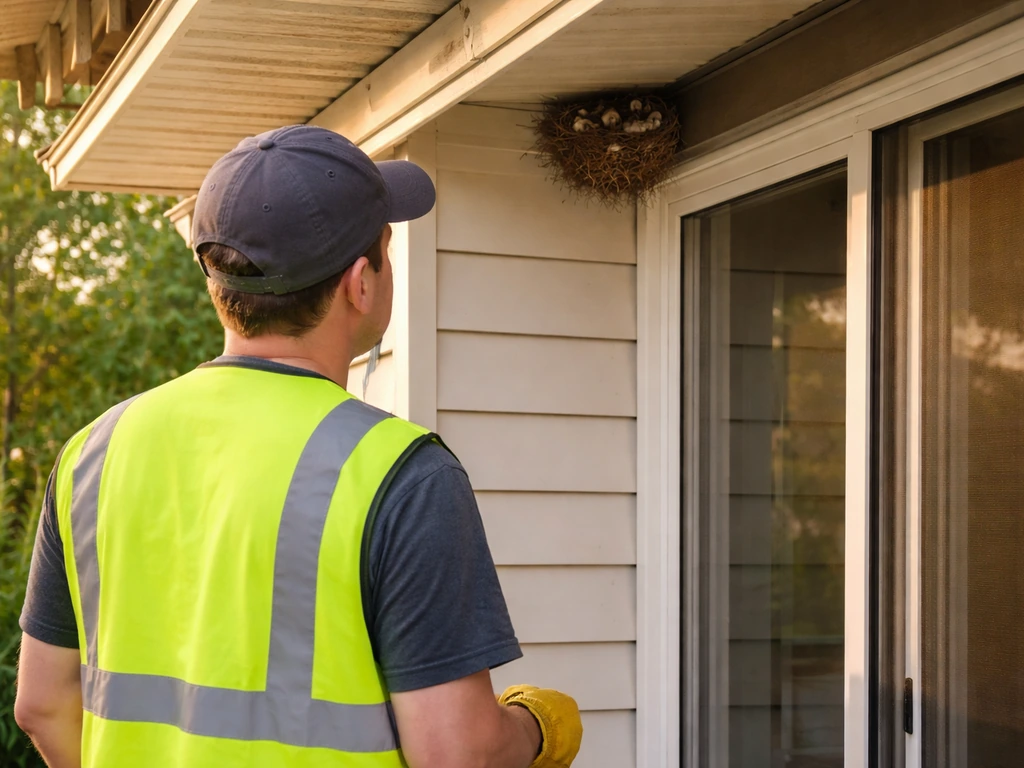
How to Remove a Bird Nest Safely and Legally
Step-by-step on removing an active bird nest legally and safely, excluding and deterring birds without harm.