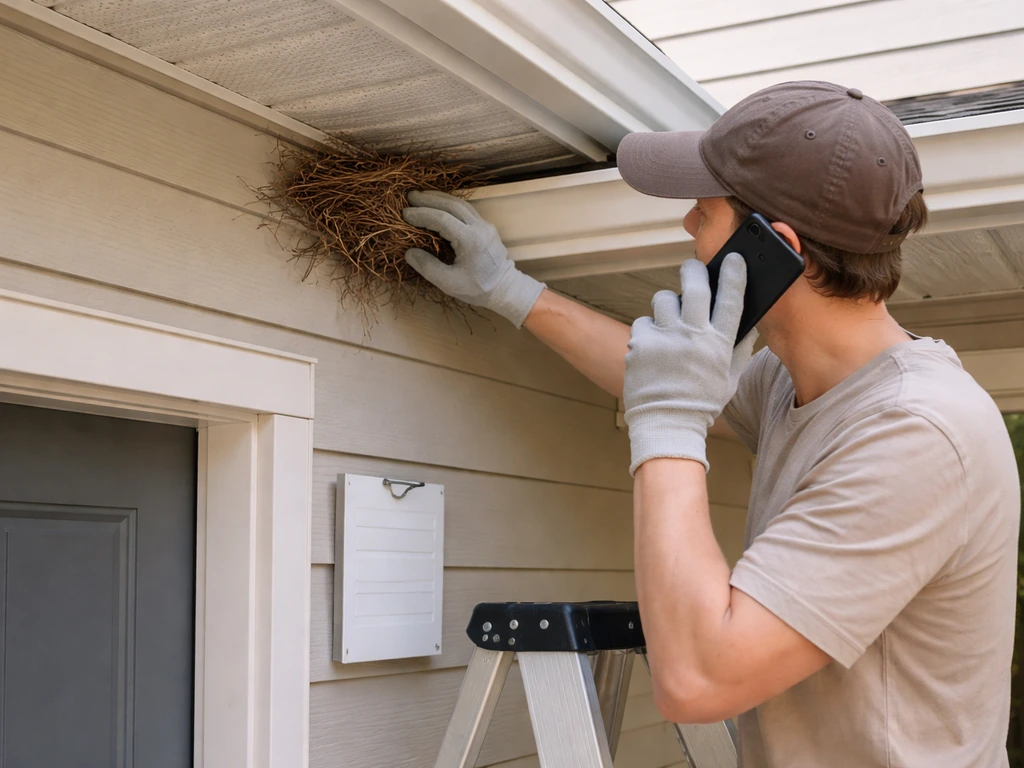
In most cases, you can leave an old bird nest in a tree right where it is. The nest is not hurting anything, and many species will reuse or cannibalize nest material for their own builds. But there are specific situations where removal is the right call, and a handful where it is legally required that you wait. If you think removal might be appropriate, check the rules around when you can remove a bird nest in your area when can i remove a bird nest. Here is how to figure out which situation you are in right now.
Should You Remove Old Bird Nests From Trees and Birdhouses?

Maya Bennett
19 Apr 2026
Leave it or remove it: a quick decision checklist
Run through these questions before you do anything. If you answer yes to any of the first three, stop and do not touch the nest yet.
- Is there a live bird sitting in or near the nest, or did you see one leave within the last 10 minutes? Stop. The nest is likely active.
- Are there eggs or chicks visible inside? Stop. The nest is legally and ethically off-limits in the US, Canada, and UK until it is empty and abandoned.
- Is it nesting season in your area (roughly March through August in North America)? Stop and confirm the nest is truly inactive before touching it.
- Is the nest empty, cold, and showing no bird activity for at least two weeks? You are likely clear to proceed.
- Is the nest in a tree with no structural hazard, pest infestation, or human safety issue? You can leave it alone indefinitely.
- Is the nest in a bird house or nest box? Clean it out after the breeding season ends, usually September or October in most of North America.
- Is there visible mite, wasp, or flea activity in or around the nest? This is a legitimate reason to remove it, but wear gloves and a mask.
- Is the branch or tree structurally compromised and needs professional work? Removal is reasonable once you have confirmed the nest is inactive.
How to tell if a nest is actually still in use
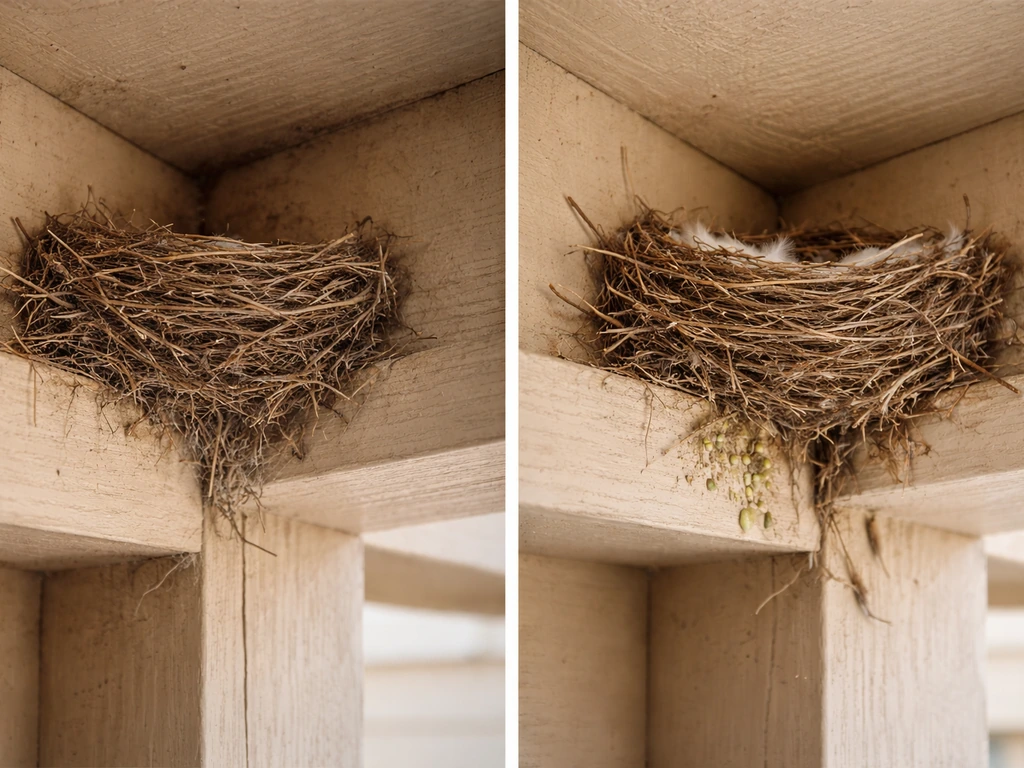
The single biggest mistake people make is assuming a nest is abandoned just because it looks old or messy. A nest that has weathered one winter can still be reused the following spring, and some raptors like Red-tailed Hawks return to the same nest for decades, adding material each year until the structure weighs hundreds of pounds.
Before you touch anything, spend 20 to 30 minutes watching from a comfortable distance, ideally in the early morning when bird activity is highest. Bring binoculars if you have them. Look for adults flying to or from the nest, carrying food or nesting material. Listen for begging calls from chicks, which sound like rapid, high-pitched chirping. If you see or hear any of that, the nest is active regardless of how old it looks.
If you cannot watch in person, take a photo of the nest today and another one 48 hours later from the same angle. If the shape has changed, new material has appeared, or eggs are visible, the nest is in use. If nothing has changed, the nest is probably inactive, but still do a final check by gently tapping the tree trunk a few feet below the nest. Active birds will almost always flush or call in response.
The USFWS clarifies in its guidance that a nest is blank" rel="noopener noreferrer">considered inactive when it is empty, contains nonviable eggs, or is being built but does not yet contain an egg. The USFWS Migratory Bird Permitting Handbook (Jan 2025 final) explains that a permit is generally not necessary for destroying and removing materials that are not in-use or not viable, and it clarifies that whether an “in-use nest” exists depends on viable eggs. That is the legal and practical line. If there is any doubt, treat the nest as active and wait.
Quick signs that a nest is genuinely abandoned
- No bird activity for at least two full weeks during or after nesting season
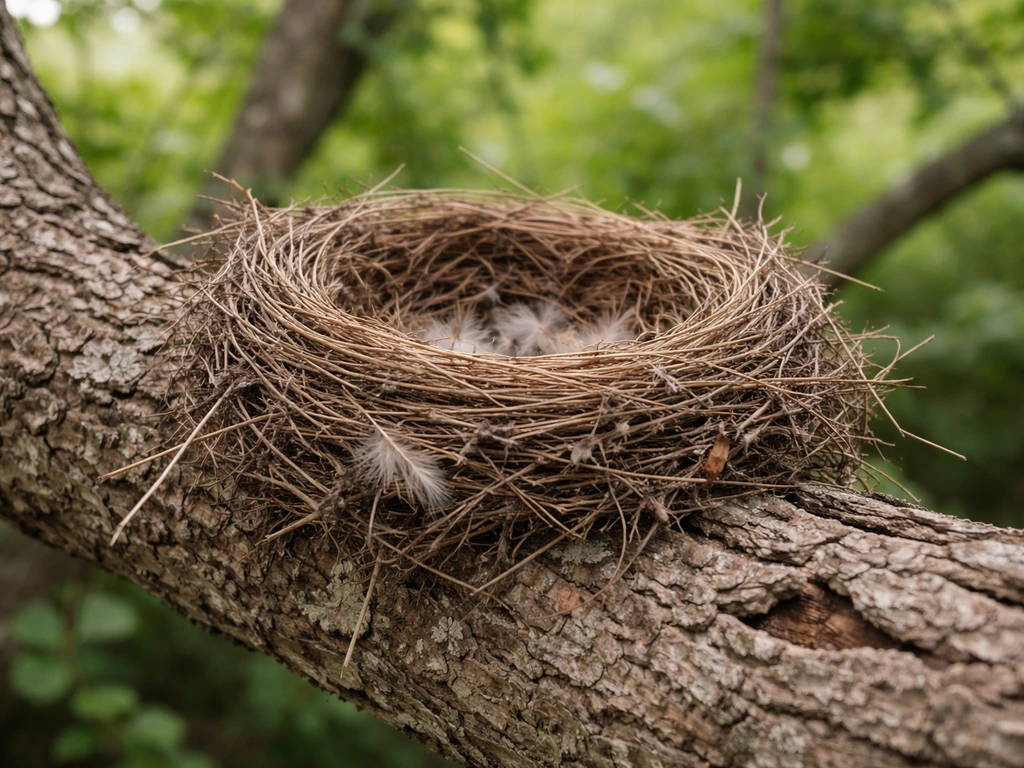
- Nest is visibly degraded: matted down, partially collapsed, or covered in moss and lichen buildup
- Cold to the touch at the center (an active nest with eggs or young will be warm)
- Debris such as leaves, twigs, or insect casings has accumulated inside the cup
- Nest contains old fecal sacs or dried egg remnants with no fresh material added
- It is October through February and the species involved is a migratory bird that has left for the season
Old nests in trees: when to leave them and when to act
The default answer for a nest in a tree is to leave it alone. Trees are a natural nesting environment, the nest will break down over time, and it may be reused. If you are still unsure and wondering should i remove a bird nest, use the checklist and active-nest checks described earlier before taking any action. Some species, especially House Sparrows, European Starlings, and Eastern Phoebes, are known to return to their own old nests or to take over nests built by other birds. Squirrels also renovate abandoned nests for their own use. In other words, even an empty nest has ecological value.
That said, there are circumstances where removing an old nest from a tree is the right practical decision. If you are trying to figure out can you remove bird nests, double-check whether the nest is active and what local rules apply first. Here are the main ones.
Reasons removal makes sense
- Pest infestation: bird mites, blow flies, and fleas can persist in old nest material long after birds have left, especially if the nest is close to a window, vent, or entryway. A nest within 3 feet of any opening into your home is a real risk.
- Structural tree work: if a certified arborist is removing or pruning a diseased branch that holds a nest, removal is necessary and defensible, as long as the nest is confirmed inactive first.
- Wasp or hornet colonization: wasps sometimes build inside or directly on top of old bird nests. At that point the nest removal is part of a pest control job, not a wildlife interaction.
- Repeated disease risk: nests from species like pigeons and starlings can harbor Histoplasma capsulatum, a fungal pathogen found in accumulated droppings. Large, multi-year accumulations near high-traffic areas warrant removal.
- Safety near people or pets: a large nest (think crow or raptor nest) that is positioned over a frequently used patio, play area, or dog run presents a real falling debris risk, especially after storms.
How to remove a nest from a tree safely
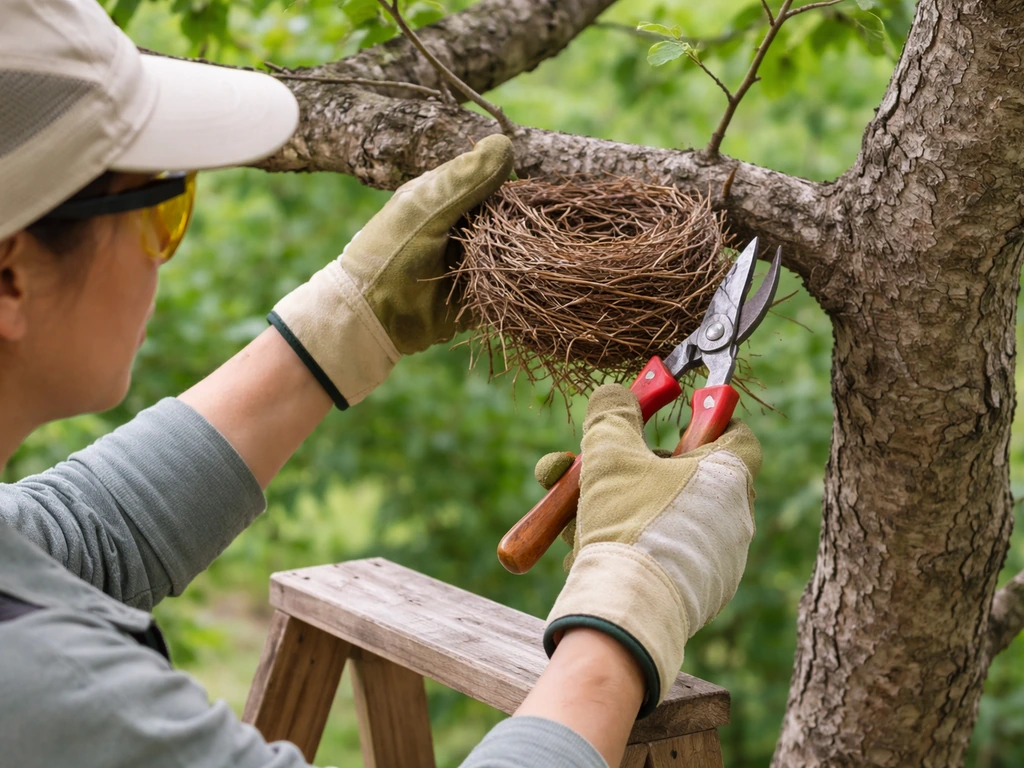
- Confirm the nest is inactive using the observation and photo method described above.
- Check the calendar. If it is between March and August, extend your observation period to at least two weeks, not two days.
- Gear up: nitrile or rubber gloves, a dust mask rated N95 or better, and a sealed plastic bag or lidded bucket for nest material.
- Use a long-handled tool or ladder to dislodge the nest. Do not shake the branch aggressively. Place the nest directly into your bag or bucket.
- Seal and dispose of or repurpose the material (see the section below on what to do with removed nests).
- Wash hands thoroughly and launder any clothing that contacted nest material.
Old nests in bird houses: inspect, clean, and re-mount
A nest box is a different situation from a tree nest. Unlike a natural nest site, a nest box is a finite, enclosed space, and old nest material left inside can actively prevent new birds from using it. Many cavity-nesting species, including bluebirds, chickadees, and wrens, prefer a clean box or will simply choose another site. Old nests can also harbor parasites like blowfly larvae and mites that harm the next clutch of eggs or nestlings. Cleaning a nest box is not just acceptable, it is genuinely beneficial for birds.
The UK government's GL12 licence guidance reinforces this directly, noting that when abandoned or unsuccessful eggs are removed from nest boxes, old nest material should be removed at the same time. The principle is the same whether or not you are operating under a formal licence: clear out the old material when the box is empty.
Step-by-step nest box cleaning
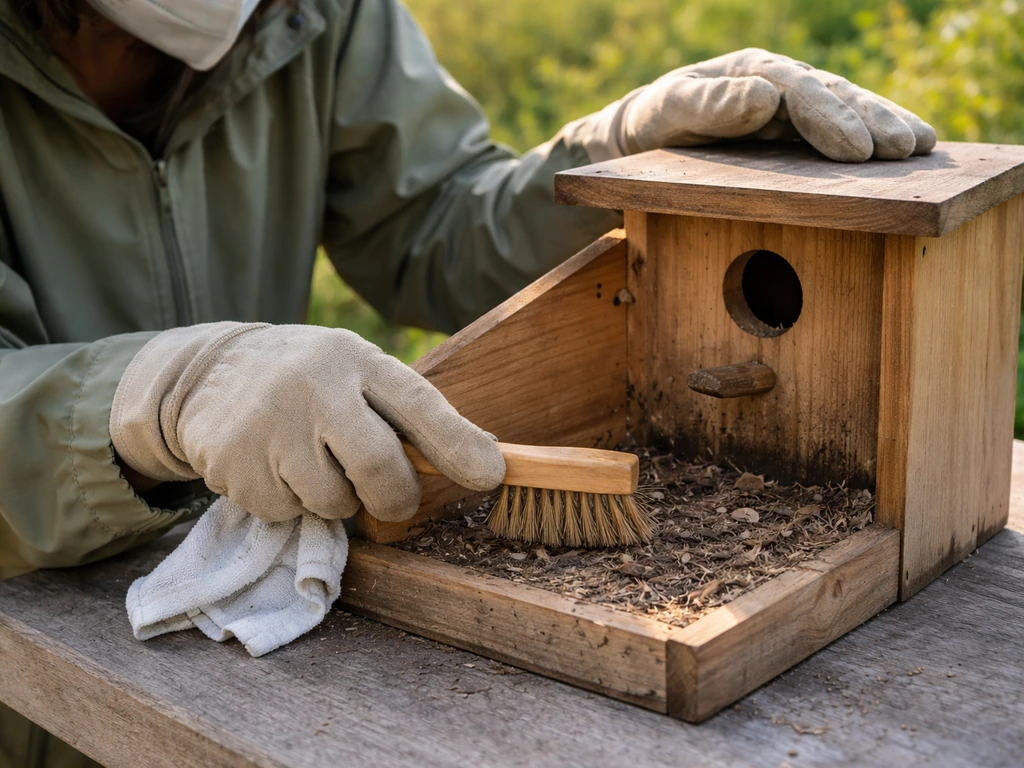
- Wait until the breeding season is fully over. In most of North America, late September through early November is the ideal window. Do not clean boxes in spring or summer unless you have visually confirmed the nest has been completely abandoned for at least two weeks.
- Put on gloves and a dust mask before opening the box.
- Open the box and inspect the nest. Note what species likely used it: moss-lined cups suggest titmice or chickadees, bark strips and feathers suggest wrens, dry grass with a neat cup suggests bluebirds. This helps you track what is using your yard.
- Remove all nest material and place it in a sealed bag.
- Scrub the interior of the box with a stiff brush and a dilute solution of one part white vinegar to nine parts water. Do not use bleach or commercial disinfectants with heavy fragrances; residue can deter future nesters.
- Allow the box to air dry completely with the door open before re-mounting.
- Check the entry hole diameter. Standard hole sizes: 1.5 inches for bluebirds, 1.25 inches for chickadees, 1.125 inches for wrens. Enlarge or add a metal hole guard if a woodpecker or squirrel has chewed the opening.
- Re-mount the box before winter. Many winter residents like chickadees and nuthatches will use clean boxes for roosting during cold months, which means your box stays occupied and functional year-round.
What to look for when inspecting the old nest
- Blowfly larvae or pupae (small, dark, seed-like casings in the nest base): indicates a past infestation and makes thorough cleaning even more important
- Live mites (tiny, fast-moving red or brown specks): wear gloves and work quickly; mites can bite humans
- Unhatched eggs: these may be abandoned or infertile; check local regulations but in most cases these can be removed when the nest is clearly inactive
- Wasp or mud dauber constructions built on top of or inside the nest material
- Moisture damage or mold on the box walls: if significant, sand and retreat the wood before re-mounting
Safety, ethics, and the law: what you need to know
In the United States, the Migratory Bird Treaty Act (MBTA) is the key federal law. It makes it unlawful to take, damage, destroy, or remove migratory birds, their eggs, nests, and nestlings without authorization. The practical takeaway: if a nest contains a live bird or viable egg, you cannot legally touch it without a permit, full stop. This applies to the vast majority of backyard songbirds. A few species, notably House Sparrows and European Starlings, are not covered by the MBTA and have no federal nest protection, though some state laws may still apply.
In Canada, the Migratory Birds Regulations (updated in July 2022) use similar language: it is prohibited to damage, destroy, disturb, or remove a migratory bird nest when it contains a live bird or viable egg. Canada's regulations also specify waiting periods that must pass for certain species before protections are lifted after a nest has become inactive. If you are in Canada and unsure whether a nest qualifies as inactive, the safest move is to contact Environment and Climate Change Canada for species-specific guidance.
In the UK, the Wildlife and Countryside Act 1981 covers wild bird nests. Removing or damaging an active nest is a criminal offense, and the timing has to be right. The RSPCA notes explicitly that moving a nest at the wrong time could mean you are breaking the law, which is not a hypothetical risk.
Beyond legality, there is a practical ethics point worth stating directly: most nest removal is unnecessary. Birds that lose a nest do not simply move on without consequence. Nesting attempts are energetically expensive and time-sensitive. If there is no real safety, pest, or structural reason to remove a nest, the conservation-minded choice is to leave it alone and enjoy the observation opportunity.
| Country | Governing Law | When removal is allowed | Key restriction |
|---|---|---|---|
| United States | Migratory Bird Treaty Act (MBTA) | When nest is empty and inactive; no live birds or viable eggs present | Most migratory songbirds protected; House Sparrow and European Starling are not covered federally |
| Canada | Migratory Birds Regulations (MBR), updated July 2022 | When nest does not contain a live bird or viable egg; species-specific waiting periods may apply | Prohibited to disturb or remove nests containing live birds or viable eggs; waiting periods vary by species |
| United Kingdom | Wildlife and Countryside Act 1981 | After breeding season when nest is confirmed abandoned and no eggs or young are present | Active nests are fully protected; timing of removal matters legally; licensing exists for specific cases (GL12) |
What to do with a nest once it is removed
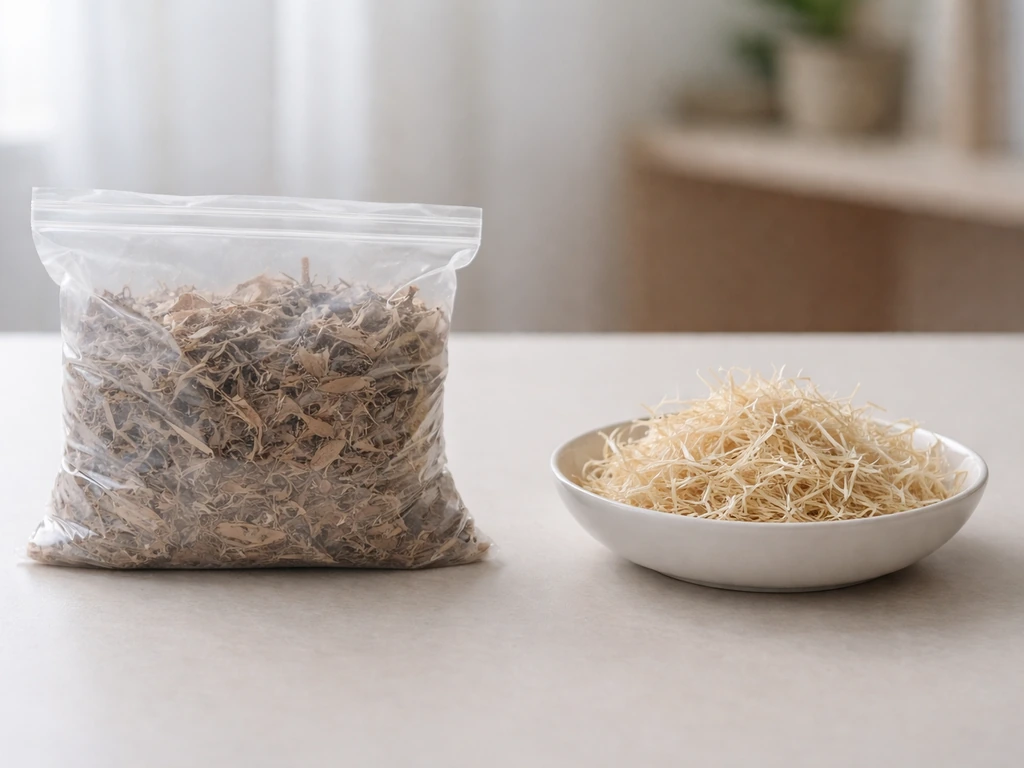
Once you have safely removed an old nest, you have a few practical options. The right choice depends on the condition of the nest and why you removed it.
Disposal
If the nest came from a pest-infested area, shows signs of disease, or is heavily soiled with droppings, bag it in a sealed plastic bag and put it in your outdoor trash bin. Do not compost nest material from pigeons, starlings, or any nest that showed signs of heavy parasite activity. Wash your hands and any tools used afterward.
Returning material to nature
If the nest is a clean, dry cup nest from a typical backyard songbird (think robins, sparrows, or finches), you can scatter the material loosely under a dense shrub or near a brush pile. Other birds and small mammals will pick through it for nesting material. This is a simple way to close the loop ecologically without any extra effort.
Preservation and display
A clean, well-formed nest makes a genuinely beautiful display piece and a useful naturalist reference. To preserve one, let it air dry completely for several days, then place it in a sealed container or bag with a pest strip or a handful of dried bay leaves for two weeks to kill any residual mites or insects. After that, you can display it in a glass cloche, shadow box, or on a nature shelf. Take notes on the materials used (grasses, bark strips, mud, moss, feathers, spider silk), the approximate dimensions, and where and when you found it. Over time, a collection of identified nests becomes a useful field reference for identifying future nests in your yard.
Reuse as substrate
Some naturalists and educators repurpose clean nests for school programs, nature tables, or photography. If you are donating or sharing a nest, be transparent about the condition and species origin if known. Avoid sharing nests from non-native invasive species like House Sparrows or European Starlings without context, since those species have a complicated conservation story worth explaining.
Your action plan for today (April 2026)
It is mid-April, which means nesting season is either already underway or just starting in most of North America. Many resident birds (robins, cardinals, House Finches) began nest-building in March. Migratory species are arriving now. This is not the time to be aggressive about removal, but it is an excellent time to observe, document, and plan.
- Walk your yard today and make a note of every nest you can see, in trees, shrubs, and any nest boxes. Photograph each one from a safe distance.
- For each nest, spend 20 to 30 minutes watching early in the morning over the next few days to determine if it is active.
- Mark any nest you suspect is active and leave it alone until late summer (August) at the earliest.
- For nests you are confident are inactive (cold, degraded, and no bird activity for two-plus weeks), assess whether there is a real reason to remove them. If not, leave them.
- If you have nest boxes that were not cleaned out last fall, and they are currently empty with no sign of nesting activity yet, clean them out now using the steps above and re-mount immediately so birds can use them this season.
- For any nest removal that feels ambiguous about legality or timing, contact your local US Fish and Wildlife Service office, Environment and Climate Change Canada, or RSPCA Wildlife Line for species-specific guidance before acting.
- Keep a simple nature journal entry for each nest you observe this season: species if known, location, materials visible, dates of activity. This becomes genuinely useful data over several years.
Questions about whether removal is legal, who to contact if you need professional help, or what to do with a nest that is causing a real problem are closely related to this decision. Questions about whether removal is legal, when can i remove a bird nest, who to contact if you need professional help, or what to do with a nest that is causing a real problem are closely related to this decision. If you need professional help, the next step is to contact a licensed pest control company or a local wildlife removal service to discuss bird nest removal options who to contact if you need professional help. Those scenarios, including when exactly you are allowed to act and who handles nest removal professionally, each have their own set of considerations worth knowing before you pick up a ladder.
FAQ
If a nest is empty but looks old, should you still remove it?
Not automatically. A nest can look messy or collapsed and still be reused, and some birds rebuild on the same base year after year. Use the “active nest” checks (watch for adults carrying food or material, listen for chick begging calls, and look for eggs or fresh material) before deciding anything.
What if I see a nest being built, but I cannot tell whether eggs are there?
Avoid removal if the nest is being built but has no eggs yet. Under common wildlife guidance, “inactive” usually means empty, nonviable eggs, or a completed nest that is not in use. If you are unsure whether egg viability exists, treat it as active and wait.
How can I tell if a nest is truly abandoned when I can’t watch it for long?
Don’t rely on “I can’t see birds, so it must be abandoned.” If you cannot watch directly, confirm by comparing photos from the same angle 48 hours apart, and do a brief check by tapping the trunk a few feet below the nest. If the site responds or the structure changes, it is still active.
Can I remove a nest if I’m only moving it a little or “clearing space”?
In many places you should not touch it. If the nest contains a live bird or viable egg, removing, damaging, or even disturbing it can be illegal without authorization. Even for species that are less protected under federal rules in some countries, state or local protections may still apply.
If it is my nest box, when is it safe to clean it?
Be careful around nest boxes that belong to you, and especially if you are renting or managing property. Even when cleaning is allowed, remove old material only when the box is empty (and follow any local guidance on timing, sanitation, and disposal). If you share housing or community structures, ask your property manager for the rules first.
What should I do if a nest is in a risky spot, like near a doorway or driveway?
Yes, it can be, but not for the reasons people assume. Some birds will abandon if you disturb them during incubation or chick-rearing, and raptors may return after disturbance. If the nest is in an unsafe location, the safer approach is to document activity, then contact a local wildlife professional for exclusion or schedule-based relocation options.
Why does early-morning observation matter before touching a nest?
Binoculars and a short wait often prevent mistakes. Spend time early in the day when activity is highest, and look for repeated visits to the nest. If you hear begging calls or see adults delivering food, the nest should be treated as active immediately.
Who should you contact when a nest is causing a real safety issue?
If you need immediate human or pet safety, treat that as your trigger to contact help, not to self-remove. A licensed wildlife removal service can assess whether there is active use, determine legal boundaries, and use methods that reduce harm (like waiting out active periods or using barriers when allowed).
What is the safest way to dispose of a nest that seems dirty or pest-ridden?
The disposal method depends on contamination risk. If the nest is from a pest-infested area, shows disease-like signs, or is heavily soiled with droppings, bag it sealed and put it in outdoor trash, and do not compost. Wash hands and clean any tools that contacted nest material.
Can you keep an old nest for display or education, and what precautions should you take?
Repurposing is best only after it is confirmed clean and dry, and only after you have ensured it is not coming from an active situation. For display or educational use, let it air dry fully, seal it with appropriate pest-killing precautions, and label what you found (date, location, material notes) so it is an accurate naturalist record.
Next Article
Who to Call for Bird Nest Removal: The Right Service Fast
Find the right call for bird nest removal fast by nest type, legality, and active status, with what to ask and share.