
The short answer: who removes a bird nest depends almost entirely on whether the nest is active, what species built it, and whether removal is even legal right now. In most cases in the U.S., a protected migratory bird's active nest (one with eggs or chicks) cannot be touched by anyone without federal authorization. An empty, abandoned nest is a different story. Getting this wrong can mean real legal trouble, not just an inconvenience. So before you call anyone or touch anything, you need to confirm what you're dealing with.
Who Removes Bird Nests: Legal Options and Safe Steps

Maya Bennett
20 Apr 2026

First: Figure Out If the Nest Is Active (and What Built It)
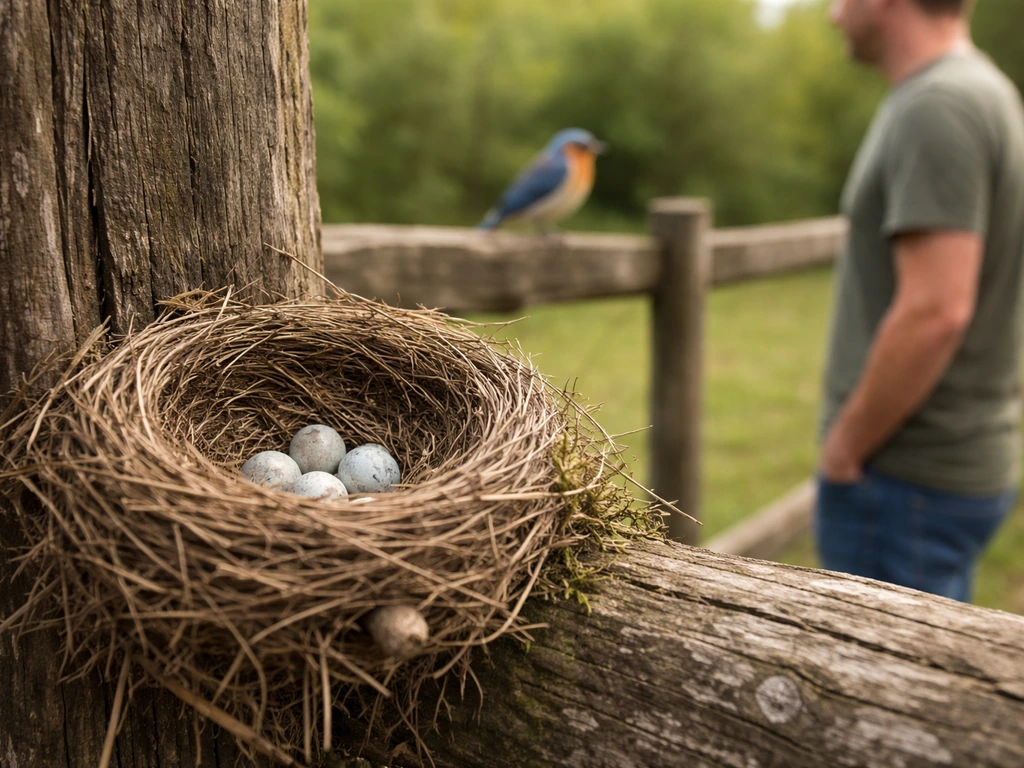
This is the single most important step, and it's the one most homeowners skip. An "active" nest, in federal terms, is one that contains eggs or live chicks. A nest that's empty and clearly no longer in use is "inactive" and can generally be removed without a permit under U.S. Fish & Wildlife Service (USFWS) policy. But that distinction isn't always obvious from a few feet away, so you need to look carefully before assuming.
Watch the nest from a comfortable distance for 15 to 30 minutes, ideally in the morning when birds are most active. Signs that a nest is active include adults flying in and out repeatedly, a bird sitting tight on the nest (incubating eggs), chicks visible or audible inside (begging calls are hard to miss), or adults arriving with food. Signs of an inactive nest include no adult visits over multiple observation periods, visible nest deterioration like collapsed structure or mold, and no sounds from within. When in doubt, give it another day of watching.
Species identification matters too, because it tells you how long you'll likely need to wait. Chimney swifts, for example, incubate eggs for 16 to 21 days, and chicks fledge roughly 14 to 19 days after hatching. House sparrows, which are not protected under the MBTA (more on that below), have a shorter window. NestWatch maintains incubation and nestling period data by species, which is genuinely useful for planning. Take a photo of the nest, the adults if you can, and note the nest's location, construction materials (mud, grass, twigs, plant fibers), size, and any eggs or chicks visible. That information is essential whether you end up handling it yourself or calling a professional.
- Active nest: adults entering/leaving, bird sitting on nest, eggs visible, chicks calling, adults bringing food
- Inactive nest: no adult visits over 24-48 hours, collapsed or moldy structure, no sounds, obviously cold and empty
- Document with photos before doing anything else — date-stamp them
- Note species if possible: nest materials, size, and location are strong ID clues
- If you see chicks but no adults for a few hours, wait — parents often leave during feeding runs
Who Actually Removes Bird Nests (and Who Shouldn't)
This is where it gets nuanced, and where a lot of homeowners make mistakes. Let's be direct about who can legally and safely remove a nest in different situations.
Property owners doing it themselves

If the nest is inactive (no eggs, no chicks) and belongs to a migratory bird species, the USFWS confirms that property owners can generally remove it without a permit, as long as the nest is destroyed and not kept. This is a narrow exception. The moment eggs or chicks are present, that same removal becomes potentially illegal without federal authorization. Non-native, non-protected species like European starlings and house sparrows are not covered by the MBTA, so their nests can generally be removed at any stage, though local regulations may still apply. Always confirm your local and state rules before acting.
Licensed wildlife control operators (WCOs)
When you have an active protected nest or a recurring problem (birds entering your attic, chimney, or HVAC), a certified wildlife control operator is the right call. If you need help, look for a licensed wildlife control operator or local animal control first to confirm the right steps for bird nest removal. These are professionals trained and licensed by state wildlife agencies to legally handle nuisance wildlife situations. Washington state, for example, defines a WCO as a professional trapper certified by the state to charge fees for handling nuisance wildlife. North Carolina has a formal training and certification framework for wildlife control agents. These professionals understand what's protected, what permits are needed, and how to time exclusions properly.
Pest control and exclusion contractors
Some pest control companies also handle bird exclusion, but their scope is typically limited to structural modifications: capping chimneys, installing netting, sealing entry points. They should not be removing active nests with eggs or chicks unless they hold appropriate wildlife handling credentials. Always ask specifically about their bird-related licensing before hiring.
Local animal control and conservation agencies
For situations involving injured birds, nests containing chicks that have fallen, or genuinely protected and threatened species (like chimney swifts), your local animal control office or a state wildlife agency can direct you to the right resource. For federally listed or special-concern species, the USFWS Regional Migratory Bird Permit Office is the authority, the Florida Fish and Wildlife Conservation Commission, for instance, explicitly directs people there for any activities involving migratory birds, nests, and eggs.
Who should not remove nests
- Anyone attempting to remove an active nest (eggs or chicks present) without federal authorization — this includes well-meaning homeowners
- Unlicensed individuals claiming they can legally relocate a nest — relocation also requires MBTA authorization under USFWS policy, so it's not a DIY workaround
- General handymen or roofers who aren't credentialed for wildlife — structural work is fine, but touching the nest itself is a different matter
- Anyone using exclusion methods (netting, chimney caps) while birds are still actively present inside
The Legal Reality: When Removal Is Allowed and When It Isn't
In the U.S., the Migratory Bird Treaty Act (MBTA) is the governing law, and it covers an enormous number of native bird species. The USFWS is clear: destroying a nest with eggs or chicks present is considered "take" under the MBTA and is prohibited without authorization. blank" rel="noopener noreferrer">A federal depredation permit is required to destroy an active nest. There are specific depredation and control orders for certain situations (like certain agricultural contexts), but routine "the nest is inconvenient" removal does not qualify.
Inactive nests are a different story. The USFWS states that permits are not needed to destroy an inactive nest (one without eggs or chicks) as long as the nest is destroyed and not kept. So timing is everything. If the nest is empty because the season is over and young have fledged, you can remove it. If it's temporarily empty between laying cycles, removal could still be illegal if the nest is still in use.
A few important distinctions worth knowing. House sparrows and European starlings are not native species and are not protected by the MBTA, so their nests can be removed at any stage. Rock pigeons (feral pigeons) are also generally unprotected federally. Chimney swifts, on the other hand, are federally protected migratory birds, and they are a very common source of homeowner conflicts precisely because they nest in chimneys. Canada has similar protections under the Migratory Birds Regulations, with guidance that removing nests when they do not contain a live migratory bird or viable egg reduces legal risk.
| Situation | Permit Required? | Who Can Act |
|---|---|---|
| Active nest (eggs or chicks), protected species | Yes — MBTA authorization required | Licensed WCO or USFWS-permitted professional only |
| Inactive nest (empty), protected species | No — if destroyed, not kept | Property owner can remove |
| Active or inactive nest, non-protected species (house sparrow, starling) | Generally no (check local rules) | Property owner can remove |
| Relocating any nest (active or inactive) | Yes — MBTA authorization required | Licensed professional with authorization only |
| Chimney swift nest during occupancy | No removal permitted | Wait until birds depart; exclusion after season ends |
Ethical Alternatives to Removal (That Actually Work)
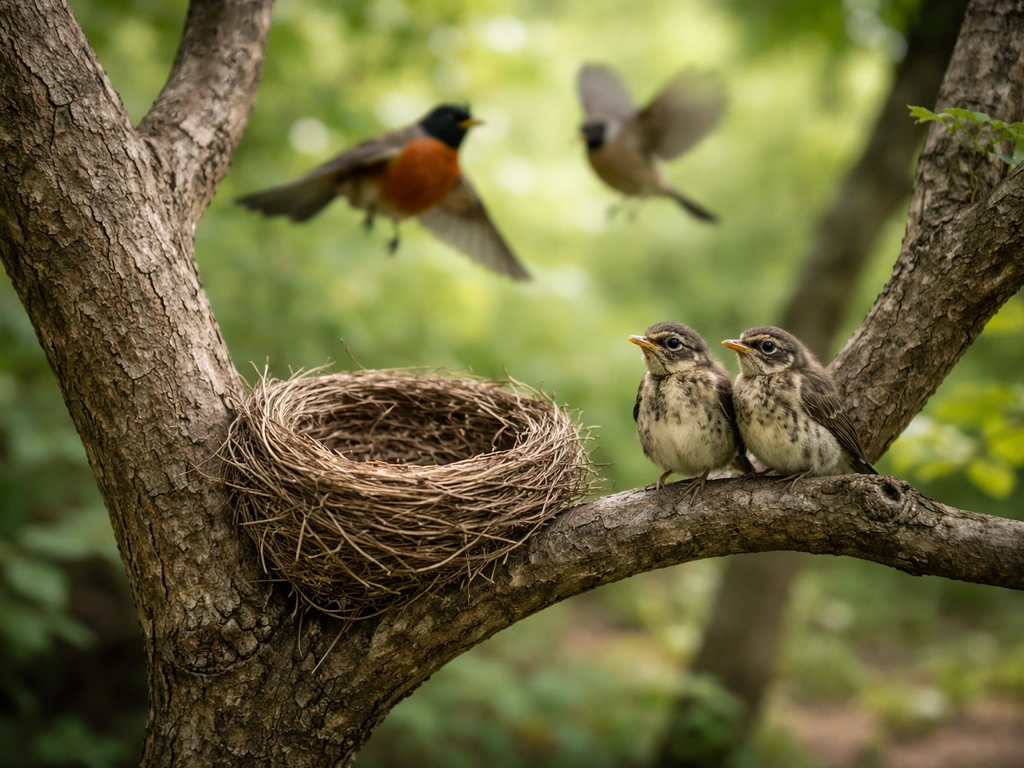
Honestly, for most nest conflicts, the best solution isn't removal at all. It's waiting, combined with smart planning to prevent the problem from recurring next season. Here are the approaches that are both legal and practical.
Wait for fledging
This is the most underused option and often the fastest resolution. Most songbirds fledge within two to three weeks of hatching. Chimney swifts fledge 14 to 19 days after hatching, following an incubation period of 16 to 21 days. That's a total of roughly four to six weeks from egg-laying to an empty nest. Keeping a simple calendar from the day you first notice eggs can tell you almost exactly when the nest will be vacated. After fledging, you have a clear, legal window to remove the nest and make structural changes.
Exclusions and structural modifications (timed correctly)
Capping chimneys, installing wire mesh over vents, and sealing gaps are all legitimate long-term solutions, but timing is critical. The USFWS specifically advises that chimney caps and structural modifications for chimney swifts should be done after the birds have left in late summer or fall, not while they're present. Installing a cap while chicks are calling inside the chimney would trap and kill them, which is exactly the kind of harm the MBTA prohibits. Plan exclusion work for the off-season, ideally before birds return in spring.
Habitat and access reduction
Long-term prevention includes reducing what attracts birds to nest in problem areas. Trim overhanging branches near your roofline between nesting seasons. Remove dense shrubs pressed against your home's exterior if birds are nesting inside siding or vents. Physical deterrents like spikes on ledges are legal when installed correctly and when no active nesting is occurring, though Ontario's best management practices caution that some deterrent methods are not recommended for chimney swifts specifically and can cause harm or fail to work as intended.
Temporary access reduction while birds are present
If birds are nesting in an area that poses a real safety concern, you may be able to reduce human and pet access to that area rather than disturbing the nest. This means blocking off a corner of your porch, roping off an area of your yard, or temporarily blocking a doorway the birds are dive-bombing. It's not a permanent fix, but it keeps people safe and birds legal for the few weeks it takes for the nest cycle to complete.
What to Do Right Now: A Homeowner's Step-by-Step
If you found this article because you're dealing with a nest today, here's what to do in order.
- Observe from a distance for at least 15 to 30 minutes. Look for adult activity, sounds from inside the nest, or eggs/chicks visible. Don't assume the nest is empty just because you don't see birds — parents leave regularly.
- Take photos. Get clear shots of the nest, its location, any adults you see, and any eggs or chicks. Date-stamp everything. This protects you legally and helps professionals assess the situation remotely.
- Identify the species if you can. Nest materials, size, location, and any glimpse of the adult bird are strong clues. Native birds vs. house sparrows vs. European starlings changes what's legal.
- Check the nest status against the legal framework. Active nest with a protected species? Don't touch it. Inactive nest? You likely can remove it yourself. Unsure? Treat it as active until confirmed otherwise.
- Keep people and pets away from the immediate area. If the nest is in a high-traffic spot, use a simple physical barrier — a folding chair, a crate, a section of garden fence — to create a buffer zone.
- Do not knock down, spray, or otherwise disturb an active nest. Do not handle eggs or chicks. Do not attempt to relocate the nest yourself. These actions can violate the MBTA regardless of your intent.
- If the nest is inactive and you can safely access it, remove it, bag it, and dispose of it. Then clean the area and plan your exclusion work for before the next nesting season.
- If you're unsure of legality or species, contact your state wildlife agency or the USFWS Regional Migratory Bird Permit Office before doing anything else.
Calling a Professional: What to Ask and How to Prepare
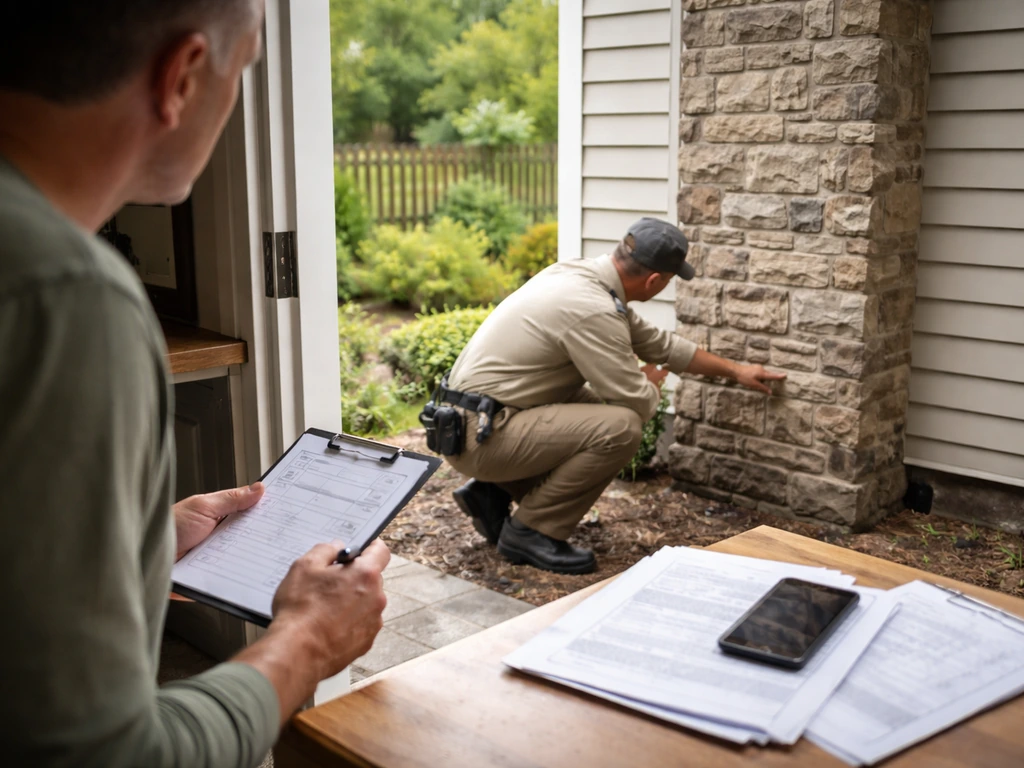
If your situation involves an active nest of a protected species in a location that's structurally problematic, or if you're dealing with a recurring issue like chimney swifts returning every year, a licensed wildlife control operator or bird exclusion professional is the right call. Knowing what to ask separates a competent professional from someone who might get you into legal trouble.
Questions to ask before you hire anyone
- Are you licensed as a wildlife control operator in this state? Ask for license number and verify it with your state wildlife agency.
- Are you familiar with the Migratory Bird Treaty Act and what it permits and prohibits?
- What species do you believe this nest belongs to, and how does that affect what you can legally do?
- Will you need any federal or state permits to handle this situation? If so, can you show me proof before work begins?
- What methods will you use — removal, exclusion, or both? Will any birds, eggs, or chicks be harmed?
- What is your recommended timeline? Will you wait for fledging, or do you have authorization to act sooner?
- Can you provide a written plan describing exactly what will be done and when?
How to prepare before the professional arrives
Have your photos and notes ready. If you've been monitoring the nest, share your observation log including dates, adult activity, and any chick sightings. This saves the professional time and helps them make an accurate species and status determination. Clear any obstacles that prevent access to the nest area so they can assess it efficiently. If the nest is in a chimney, have the fireplace damper information available and make sure the area is accessible from the roof.
What timeline to expect
If the nest is active, expect to wait. A legitimate professional will not remove an active nest of a protected species without proper authorization, and obtaining a federal depredation permit takes time. The more common recommendation from reputable WCOs is to monitor the nest through fledging, then proceed with removal and exclusion. For chimney swifts returning annually, the realistic timeline is: observe through the current season (roughly May through August), schedule exclusion work in fall, and install caps or repairs before swifts return the following spring. It's a longer process than homeowners expect, but it's the legal and ethical path.
One more thing worth noting: whether you're deciding if you should remove a nest, figuring out exactly when removal becomes legal, or determining whether old nests in trees need to come down, the answer in every case starts with the same foundation: is the nest active, what species is it, and what does the law say for your situation right now. That's always the right place to begin. whether you're deciding if you should remove a nest.
FAQ
What if I cannot see eggs or chicks, but I still hear or see adult birds at the nest?
In the U.S., a nest can be “active” even if you do not see eggs or chicks. If adults are repeatedly entering and leaving, birds are incubating, or there are faint begging calls or movement inside, treat it as active until a wildlife professional confirms otherwise.
Can I remove a nest if it looks empty for a few days between nesting cycles?
If a nest is temporarily empty between laying attempts, it may still be legally protected because it can remain in use. The safest approach is to keep observing for repeated adult visits over multiple periods, and only remove after you are confident it is abandoned, not just paused.
What if the nest is on my property but the birds are protected, can I still get permission to remove it immediately?
If the nest is on your property but is active and belongs to a protected migratory bird, you typically need federal authorization to destroy it. That usually means waiting until fledging, then removing and adding exclusion before birds return, unless a licensed operator helps secure the proper permit for a limited situation.
Do I still need to check state or local rules if the species is not protected under the MBTA?
Telling “MBTA vs not MBTA” is not enough. Some non-protected species (for example, feral pigeons) may still be subject to state or local nuisance rules, and physical exclusion work can require permits, inspections, or specific timing to avoid other wildlife impacts. Check local ordinances even when the birds are not federally protected.
What should I do if a nest looks damaged or partly fallen, can I remove it right away?
Do not assume a nest is abandoned based on damage alone. A collapsed nest might still contain eggs, injured young, or viable eggs that remain protected. If you find broken eggshells, live birds, or active calls, contact local animal control or a licensed wildlife control operator before cleanup.
Who should I call if I find an injured bird or a chick that fell from the nest?
If you find an injured bird, a nestling, or a chick separated from the nest, do not move eggs or attempt nest removal. Contact local animal control or a licensed wildlife rehabilitator for guidance on what is permissible and how to stabilize the situation while remaining compliant with wildlife laws.
When is it safe to add chimney caps or mesh, and can I do it while birds are still nesting?
Most exclusions are allowed only when no active nesting is occurring. For chimney swifts and similar birds, the typical safe rule is to complete caps and sealing work after birds leave for the season, because installing it while chicks are calling can trap and kill them. A wildlife control operator can confirm timing for your species and location.
How can I tell if a pest company is qualified to deal with active bird nests, not just structural repairs?
Yes, but confirm the operator’s credentials before any work starts. Ask whether they are licensed/authorized to handle nuisance wildlife in your state, and specifically ask if they remove active nests of protected migratory birds, how they determine “active vs inactive,” and what their process is for timing exclusions.
Is it legal or practical to relocate a nest or move birds to another place?
A nest removal is different from “relocating birds.” In most regulated cases, attempting to move nests or interfering with active birds can be treated as take. The practical, compliant alternative is to manage access and exclusion after fledging, then repair and prevent re-entry in the off-season.
If the nest is likely from a house sparrow or starlings, do I still need to identify it carefully?
House sparrows and European starlings are generally not covered by the MBTA, but some jurisdictions may still restrict removal of wildlife or require sanitation steps to prevent re-nesting. Also, even for unprotected species, removal should not be done blindly if you are unsure the species is correct, so photos for ID still matter.
What evidence should I collect before calling a wildlife control operator?
Keep documentation because it supports decision-making and professional verification. Photos of the nest, construction type, and nest location, plus an observation log (dates, adult flight-in/out frequency, any calls or visible chicks) can quickly confirm active status and species, reducing the risk of premature removal.
I have the same birds every year, what is the best long-term timeline to prevent re-nesting?
For recurring conflicts, plan around the nesting calendar. A common approach is to monitor through the current season, then schedule exclusion work after fledging and before return in the next season. If birds nest annually, ask the operator for a seasonal timeline that includes inspection dates and off-season installation targets.
If I am in Canada instead of the U.S., does the “active nest cannot be removed” rule work the same way?
In Canada, protections under the Migratory Birds Regulations can similarly make active nest destruction illegal. If you are dealing with a migratory species, reducing access and waiting for fledging is usually lower risk than immediate removal, but local enforcement can vary, so confirm with the appropriate local wildlife authority.