If you've lifted a tarp, patio umbrella cover, or awning fabric and found a nest tucked underneath, here's what matters right now: do not move it until you know whether it's active. An active nest with eggs or chicks is federally protected under the Migratory Bird Treaty Act in the US, which means disturbing or removing it can land you in legal trouble. Take a breath, step back about 10 feet, and give yourself 20 minutes to observe before touching anything.
Top Thread Bird Nesting Under Fabric: What to Do Now

Maya Bennett
2 May 2026
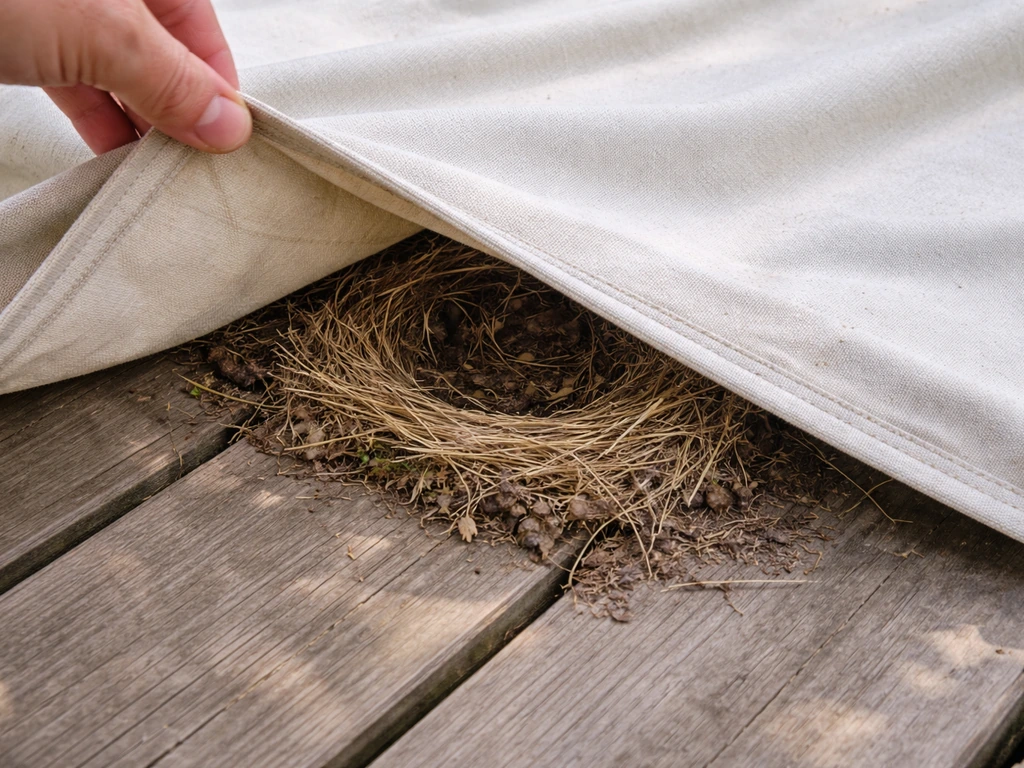
Quickly figure out what's nesting under the fabric
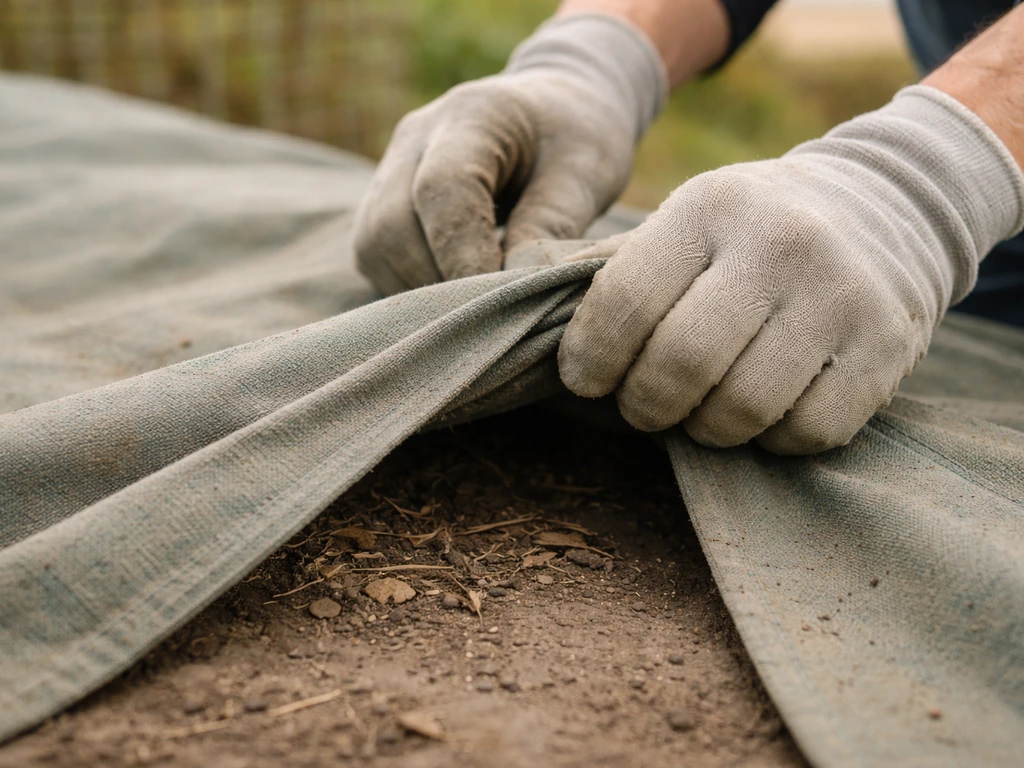
The first job is knowing what you're dealing with. Birds, wasps, and sometimes small mammals all love sheltered spots under fabric, and each one changes your next move significantly.
Bird nest clues
Most nests you'll find under fabric are from birds that seek sheltered, semi-enclosed spaces. Two of the most common culprits are barn swallows and, in wooded suburban areas, chickadees. Barn swallows build cup-shaped nests made of mud pellets pressed against a rough vertical surface, then lined with grass, plant fibers, and feathers. If you see a gray-brown mud cup stuck to the underside of an awning bracket or a wall face beneath fabric, that's almost certainly barn swallows.
The nest is typically about 3 to 4 inches across and sits flush against the surface. Chickadees, on the other hand, build softer cup nests from moss, plant fibers, and fur lining, usually about 2 inches in diameter and an inch deep, and they prefer a more enclosed cavity feel, so you might find their nest wedged into a gap between folded fabric and a support frame.
Other common birds to consider include house sparrows (loose, messy nests of straw and feathers stuffed into any available gap) and mourning doves (a flat, flimsy platform of sticks and twigs). Take a quick photo from a safe distance before you do anything else. Good photos let you identify the species later and document the nest's condition, which is useful if you need to report it or make a legal judgment call.
Wasps and insects: how to tell the difference
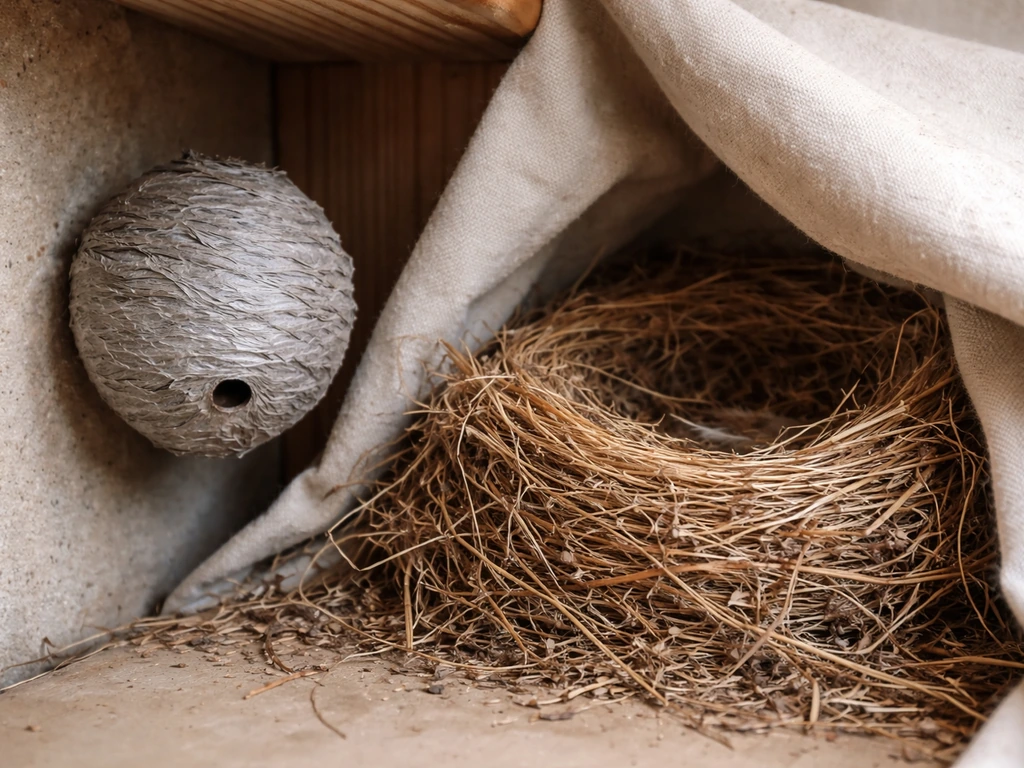
Paper wasp nests are commonly confused with bird nests in sheltered spots. A wasp nest will look like a gray papery comb or globe, often with a visible entrance hole and insects flying in and out in a purposeful, repeating pattern. If you see consistent in-and-out traffic at a single entry point with no bird activity, you're almost certainly looking at wasps. This changes your approach entirely, since insects are not covered by bird protection laws, but they do require their own careful handling. Step back and watch the entry point for 5 minutes before deciding what to do.
Small mammals and debris
Mice and chipmunks occasionally build loose nests of shredded material under tarps or patio covers. These look like a messy pile of fibrous material, often with no defined cup shape and sometimes mixed with seeds or droppings. If the material looks more like a pile of insulation or shredded paper than a crafted cup, you may be dealing with a mammal rather than a bird. Debris blown under fabric can also mimic a nest, so look closely for a defined structure, a cup or cavity, and any signs of animal use like droppings, feathers, or fur before assuming nesting is underway.
Check whether the nest is active (what to look for)
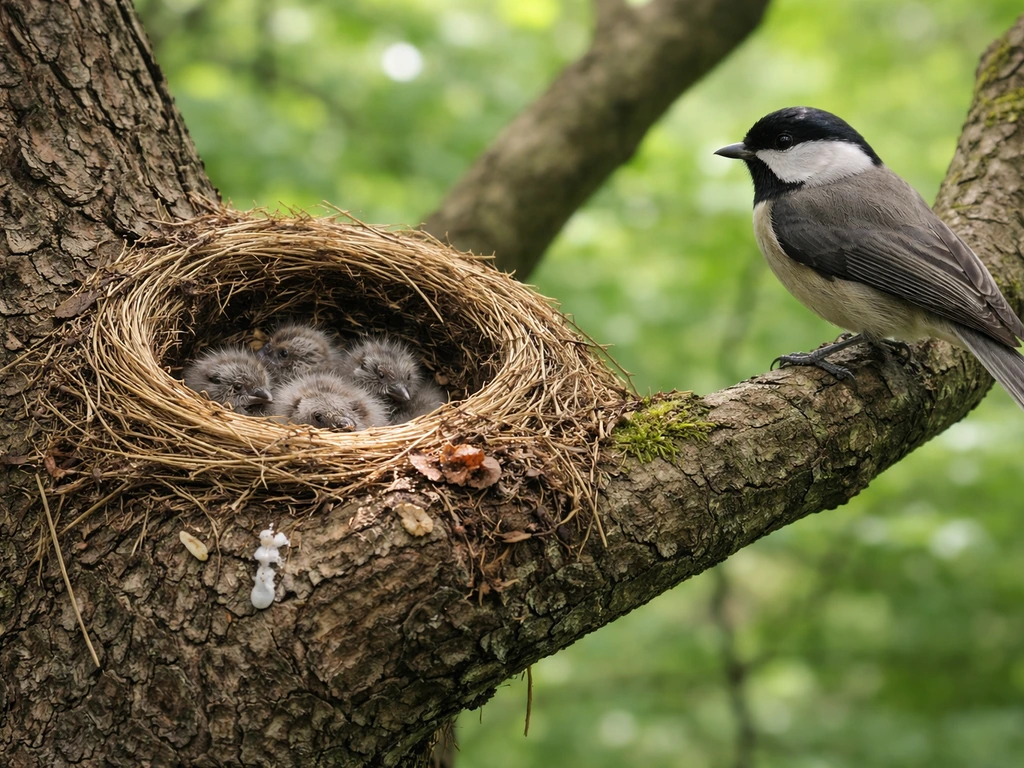
Active means the nest currently has eggs or chicks, or young birds that are still dependent on it. This is the legal and practical line that determines what you can and cannot do today. The protection under the MBTA kicks in from the moment the first egg is laid and continues until fledged young no longer depend on the nest.
Here's how to check without getting too close. Wait at a distance of at least 10 feet and observe for 20 to 30 minutes. You're looking for adult birds returning with food (a reliable sign of chicks), a bird sitting still in the nest (incubating eggs), or any movement from the nest itself (nestlings). Don't be fooled by a quiet nest. Smithsonian's nest monitoring guidelines note that incubation often begins toward the end of the egg-laying period, so a female may only visit once a day during early incubation. A short watching window with no bird sighting does not mean the nest is abandoned.
- Adult returning repeatedly with food: nest has chicks, definitely active
- Adult sitting still and low in the nest: incubating eggs, definitely active
- Eggs visible (even one): active and legally protected
- Faint peeping or movement from nest: nestlings present, hands off
- No adult visits over several days, nest material decomposing, and no eggs or chicks visible: potentially inactive, but monitor another 24 to 48 hours before assuming abandonment
If you can safely look into the nest without disturbing it (for example, by gently lifting a corner of fabric from the opposite side), check for eggs or featherless/downy chicks. If you see any, treat the nest as active regardless of whether you've seen adults recently. NestWatch advises that low adult visit frequency at certain points in the cycle is normal, not a sign of abandonment.
Safety and legal rules before you touch anything
In the US, the Migratory Bird Treaty Act makes it illegal to destroy, move, or disturb a nest that contains eggs or dependent young. That applies to the vast majority of wild songbirds you're likely to encounter. The law is clear: if it's active, leave it alone. The US Fish and Wildlife Service notes that limited exceptions exist for situations involving immediate human health or safety concerns, and these typically require a permit. If you genuinely believe the nest location creates a safety hazard (near a gas vent, for example), contact your state wildlife agency or USFWS before acting.
Outside the US, protections are similarly strong. In the UK, all wild birds are protected under the Wildlife and Countryside Act 1981, and intentionally disturbing a nesting bird is an offence. Across the EU, the Birds Directive prohibits deliberate destruction of nests or eggs, with only strictly controlled exceptions. Wherever you are, the default rule is: active nest means no touching.
Beyond the legal side, there's also a health consideration. Accumulated bird droppings can carry histoplasmosis and other pathogens. CDC states that histoplasmosis is a lung infection caused by breathing in Histoplasma spores from soil and bird or bat droppings in parts of the US. If there's significant waste near or under the nest, avoid stirring it up. CDC and NIOSH guidance recommends wetting down droppings before any cleanup to suppress dust and aerosols, and wearing respiratory protection if you're dealing with a large accumulation. For a fresh nest with minimal droppings, normal caution is sufficient, but gloves are always a good idea.
Immediate do-this-today actions based on nest status
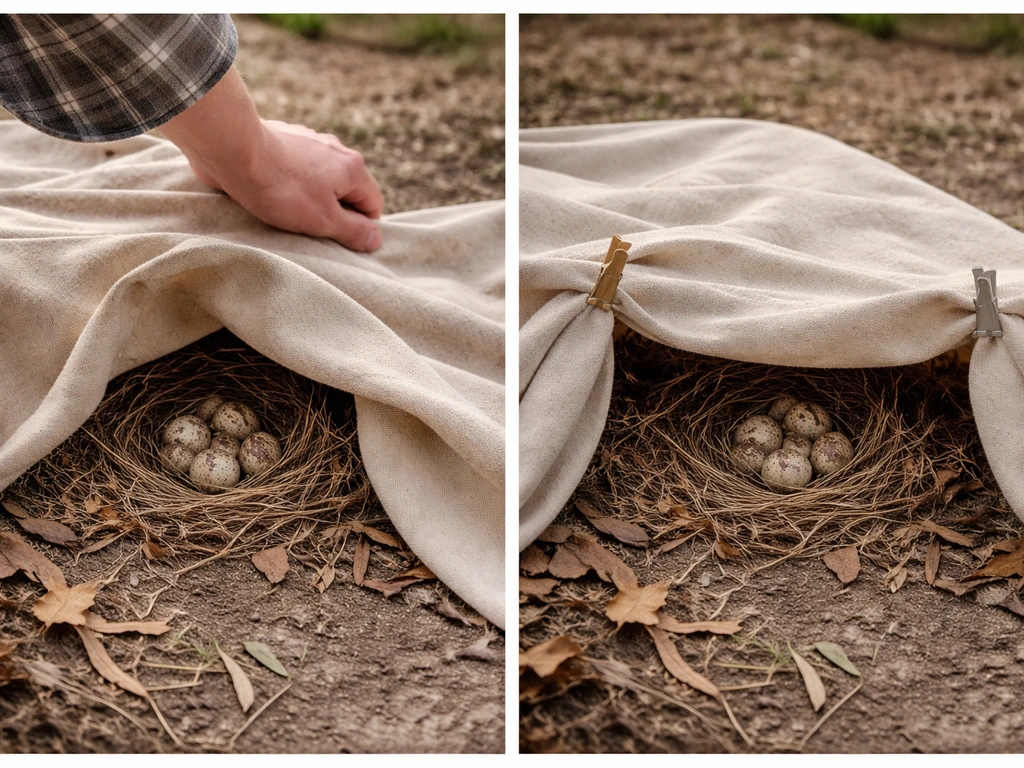
If the nest is active (eggs or chicks present)
- Step back and leave the nest undisturbed. Do not move the fabric, relocate the nest, or block access to it.
- If the fabric is loose and risks falling on the nest, use a few clips or cable ties to hold it away from the nest opening without sealing it shut. The birds must be able to get in and out freely.
- Check the nest from a distance once a day, ideally at the same time. Note what you see: adult presence, food delivery, number of chicks if visible. A quick photo log is ideal.
- If the fabric covers a frequently used door or walkway, redirect foot traffic to a different route for the nesting period. Most songbird nesting cycles from egg-laying to fledging run 3 to 5 weeks depending on species.
- If cats have access to the area, bring them inside or restrict their outdoor time while the nest is active. A cat patrolling the area is one of the biggest threats to nesting success.
If the nest appears inactive or is newly started (no eggs yet)
- Confirm there are truly no eggs. Look carefully: some eggs are small and well-camouflaged.
- If the nest is empty and clearly unfinished (loose materials, no eggs), you can gently remove it and immediately alter the site so it can't be used again. Do this quickly, before egg-laying begins.
- If you're unsure, wait 48 hours and observe again before removing anything.
- Once you've confirmed the nest is not active, skip ahead to the exclusion section below to secure the area.
If the nesting animal is not a bird
Wasp nests should not be handled without protective gear. For small paper wasp nests that are newly started (no comb cells yet), removal at dusk when wasps are less active is possible for a confident homeowner. For established nests or if you're unsure, call a pest control professional. For small mammal nests, check your local wildlife regulations, as some species are protected. If it's mice or a non-protected species and the nest is empty, remove it and seal the entry point with hardware cloth.
Humane exclusion and how to secure or re-route the fabric
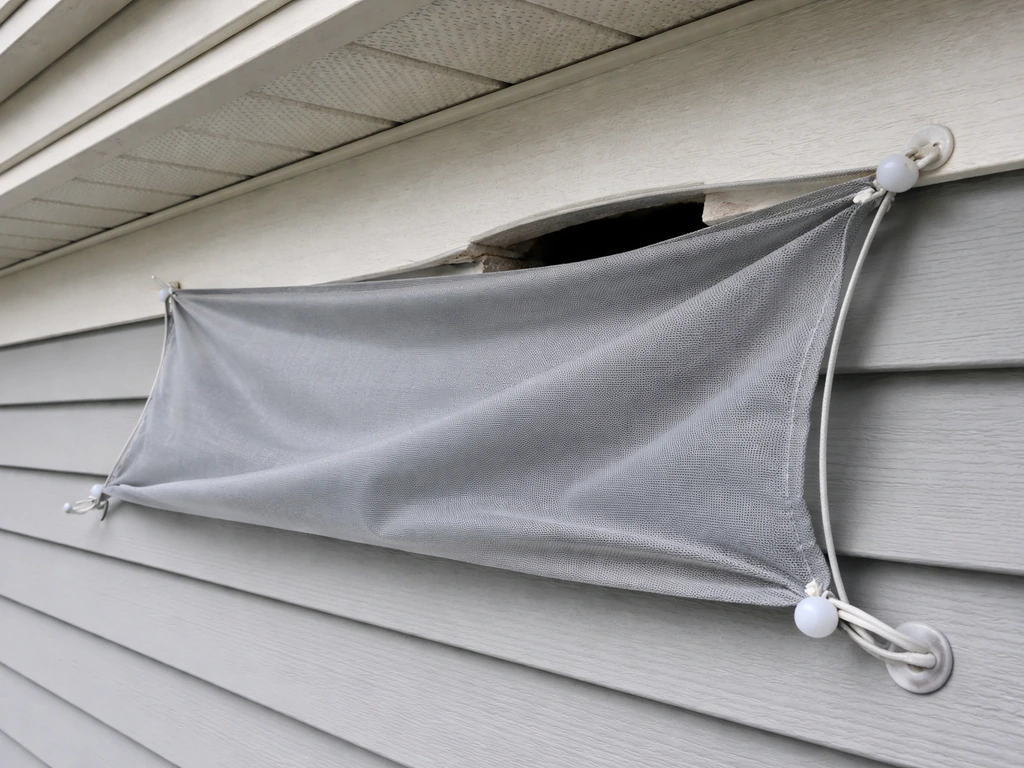
Once a nest is no longer active (after fledging or confirmed empty with no eggs), your goal is to close off the nesting site so birds can't return to the same spot. The approach that wildlife agencies consistently recommend is a one-way door combined with permanent exclusion. The one-way door lets any bird or animal still inside exit on its own, then you seal the gap permanently once you're confident the space is clear.
For fabric-based setups like tarps, awning covers, or patio umbrella sleeves, the practical exclusion steps look like this. First, identify where the birds were accessing the space under the fabric. It's usually a gap at the edge, near a support bracket, or where the fabric meets a wall or frame.
Cut a piece of 1/4-inch mesh hardware cloth to cover the gap, leaving a small flap or sleeve that allows outward movement but collapses shut against the frame when pushed from outside. After 48 hours with no activity inside, permanently fasten the hardware cloth with staples, clips, or zip ties. Maine DIFW and WDFW both describe hardware cloth one-way doors as an effective and humane exclusion method, and the same logic applies to fabric access points.
For larger tarps or covers draped over equipment or furniture, consider switching to a cover with a tighter hem or a weighted edge that sits flush against the ground or structure with no gap larger than half an inch. Birds typically need at least an inch or two of gap to feel comfortable entering a space. If you're using a patio umbrella with a fabric skirt, check that the skirt seam is intact and that there are no gaps where it meets the pole or ribs.
Reducing predator access while nesting is ongoing
If you must leave an active nest in place under fabric, protecting it from predators is one of the most useful things you can do. Keep cats indoors during the nesting period. If you have cats or neighborhood cats you can't control, place a physical barrier like a plant stand, wire cage, or large pot around the nest site at ground level to prevent easy access. Don't place reflective tape or visual deterrents directly near an active nest, as these can stress the adults and cause abandonment.
After fledging: cleanup timing and preventing return
Fledging is the point when chicks leave the nest, but that doesn't immediately mean the nest is free to remove. USFWS guidance is clear that protection under the MBTA continues until fledged young are no longer dependent on the nest. For many songbirds, parents continue feeding fledglings for one to two weeks after they leave the nest structure. A reasonable rule of thumb: wait at least two weeks after you last see chicks in the nest before treating it as fair game for removal and cleanup.
When you're ready to clean up, wear gloves and a dust mask. Wet down any accumulated droppings with a light mist of water before removal to reduce airborne particles, as per CDC and NIOSH guidance on histoplasmosis prevention. Place all nest material and droppings in a sealed plastic bag and dispose of it in your outdoor trash. Do not compost bird droppings.
After cleanup, document what you found. Note the species (if you identified it), the nest location, approximate dates of activity, and the number of chicks if you observed them. Apps like eBird or NestWatch make this easy and contribute to real conservation data. It takes two minutes and it's genuinely useful.
Stopping birds from nesting in the same spot next season
Birds are creatures of habit. If a pair successfully nested under your awning fabric this year, they will almost certainly try again next spring. The best time to block the site is immediately after cleanup, before the next nesting season begins. In most of the US, primary nesting season runs from roughly April through August, so late August through March is your window to make changes without risk of disturbing active birds.
- Permanently seal any gap larger than half an inch with hardware cloth, foam backer rod, or a properly hemmed replacement cover
- Switch to a tighter-fitting cover with a weighted or elasticated hem that leaves no overhang gap
- Install bird slope or physical ledge deterrents on surfaces where barn swallows repeatedly attach mud nests (smooth angled surfaces prevent mud adhesion)
- Remove any rough-textured surfaces directly under fabric overhangs, since barn swallows specifically need a rough substrate to attach mud nests
- Check your fabric covers in late March for any early nest starts and address them before egg-laying begins
The goal isn't to make your yard bird-free. It's to redirect nesting to places that work better for everyone: away from high-traffic areas, ventilation openings, and structures where access is a problem. A simple nest box mounted 8 to 10 feet up on a nearby post or fence can give cavity-nesting species like chickadees a preferred alternative site that keeps them in your yard without the complications of nesting under your patio furniture.
That's a win for your setup and for the birds. If sewing-related bird nesting tangles are part of what brought you here, those are a separate problem with their own set of fixes, but the principle of catching the problem early and addressing root causes applies equally there.
If your sewing machine is giving you the wrong kind of “nest,” check the thread path and bobbin area for lint and snagged fibers that can attract birds to the fabric why does my sewing machine keep bird nesting. In many cases, what causes bird nesting in embroidery setups comes down to how fabric provides sheltered gaps for the same kinds of nesting behavior described above.
If the tangles are coming from your sewing machine setup, you can often fix them by checking thread path, bobbin alignment, and clear jams before restarting sewing-related bird nesting tangles.
FAQ
What if I think the nest is empty, but I still see birds going in and out?
Treat it as active until you confirm there are no eggs or dependent young. If adults are regularly entering the fabric gap with food, they are likely feeding nestlings or fledglings still dependent on that site, even if you never see them on the nest itself.
How far away do I need to watch from to decide if the nest is active?
Use at least a 10-foot viewing distance and watch for 20 to 30 minutes. Look for a pattern, like adults arriving with food or a bird remaining in the structure. One quiet period can be misleading due to incubation timing.
Can I open the fabric a little to take a closer look if I do it carefully?
Only if you can view the contents without disturbing the birds or nest. Avoid lifting repeatedly or leaving fabric loose, because that can change the birds' safety and can count as disturbance even if you do not touch the nest itself.
How can I tell a wasp nest from a bird nest when both are under fabric?
Wasps usually have a single obvious entry point with consistent, rapid in-and-out flight and may show a paper comb or globe structure. Birds typically bring food in slower, irregular trips and may be seen incubating or sitting. If you cannot clearly identify, step back and wait longer.
What should I do if the nest is directly under a ventilator, light, or exhaust vent?
Do not assume it is safe to move or remove it. Ventilation can create true safety concerns, but exceptions usually require coordination, such as contacting your state wildlife agency or USFWS (in the US) before acting.
Is it safe to clean up droppings if the nest looks “old” but I am not sure when it was abandoned?
Only proceed when you are confident it is no longer active, typically after fledging and no bird activity for at least two weeks. If you are unsure, reduce risk by not disturbing materials, take photos, and confirm timing by observing from a distance.
Do I need respiratory protection for a small amount of bird droppings?
For small, fresh amounts, caution and gloves may be enough, but avoid sweeping or dry brushing. Wetting droppings before removal helps suppress dust, and a dust mask is a prudent upgrade if there is any buildup.
Can I trap or relocate birds that are nesting under fabric?
Relocating wild birds is generally not a DIY task and is often illegal or requires permits. The safer, legal approach is usually to leave the nest alone if active, then use exclusion methods after it is confirmed empty and no longer protected.
Once the nesting season is over, how do I stop them from returning?
Use a one-way door or temporary exclusion first, then seal the entry permanently after at least 48 hours of no activity. Birds often reuse the same sheltered gap if it remains accessible, so sealing the specific access point is the key step.
What if I install mesh hardware cloth and birds still try to enter?
Recheck for other entry routes, like other fabric seams, gaps around brackets, or small openings you did not notice at first. Also confirm the timing is correct, the one-way door allows any occupant to exit, and the permanent seal is flush with minimal gaps.
Will deterrents like reflective tape or noise devices work near an active nest?
Avoid placing them right next to an active nest. Visual and noise deterrents can stress adults and increase the chance of abandonment, which can complicate both animal welfare and legal compliance.
If I am dealing with a small mammal nest instead of a bird nest, can I remove it immediately?
Only if local rules allow it and you are sure it is unoccupied. Mammal protection varies by species, and leaving any active occupants can cause harm, so confirm emptiness before removal and sealing the entry point.
What documents or details should I record if I need to report the situation?
Write down the species you think it is, the exact location and type of fabric structure, dates you first noticed activity, and whether you observed eggs, chicks, or feeding. Photos from a safe distance help verify your observations if you contact wildlife authorities or a conservation group.
Next Articles
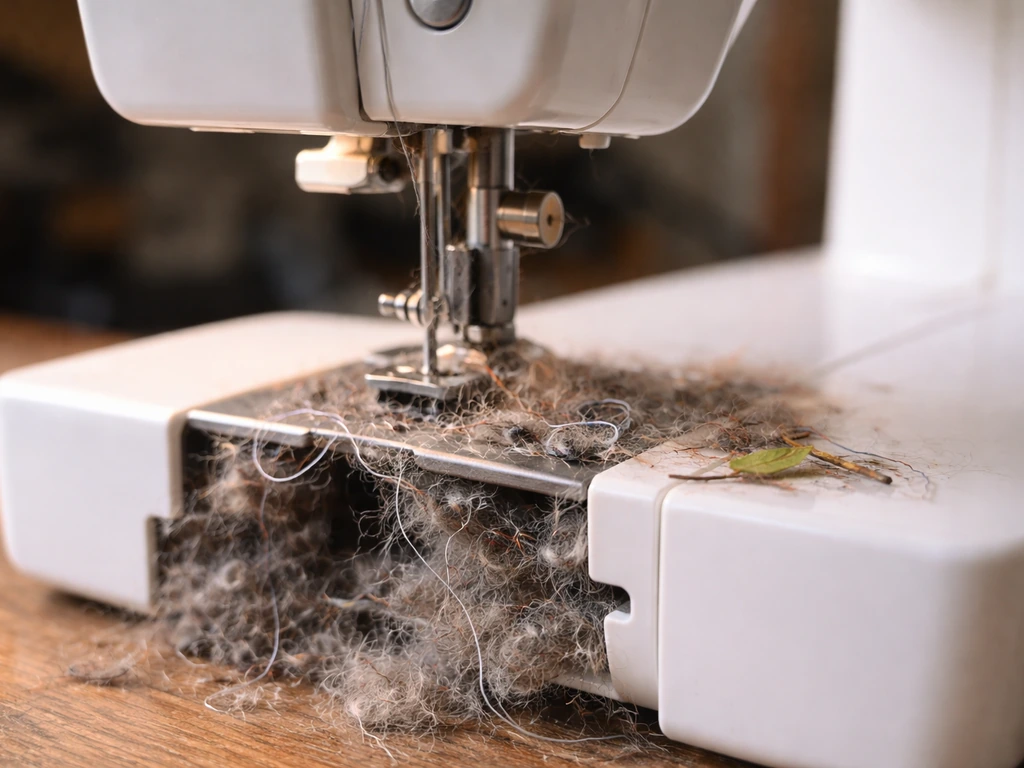
Why Does My Sewing Machine Keep Bird Nesting? Causes and Fixes
Find why birds nest by your sewing machine and use safe, step-by-step fixes to prevent repeat nesting without harming th
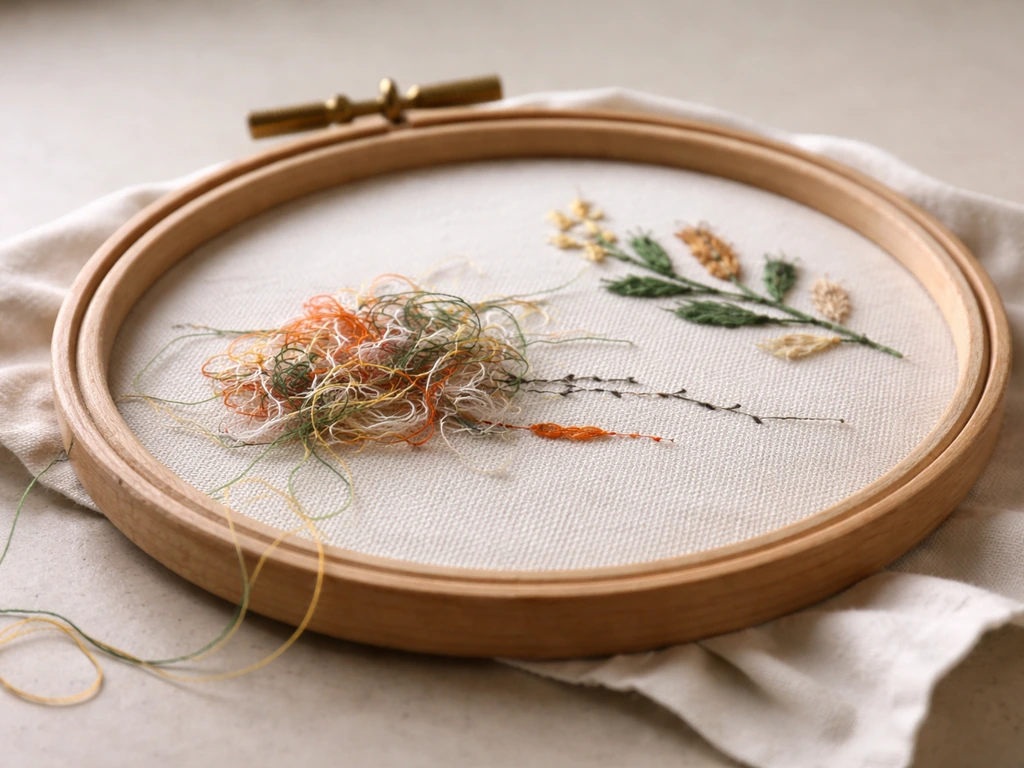
What Causes Bird Nesting in Embroidery and How to Fix It
Fix bird nests in embroidery and sewing: diagnose threading, bobbin, tension, timing, needle, stabilizer, and cleanup st
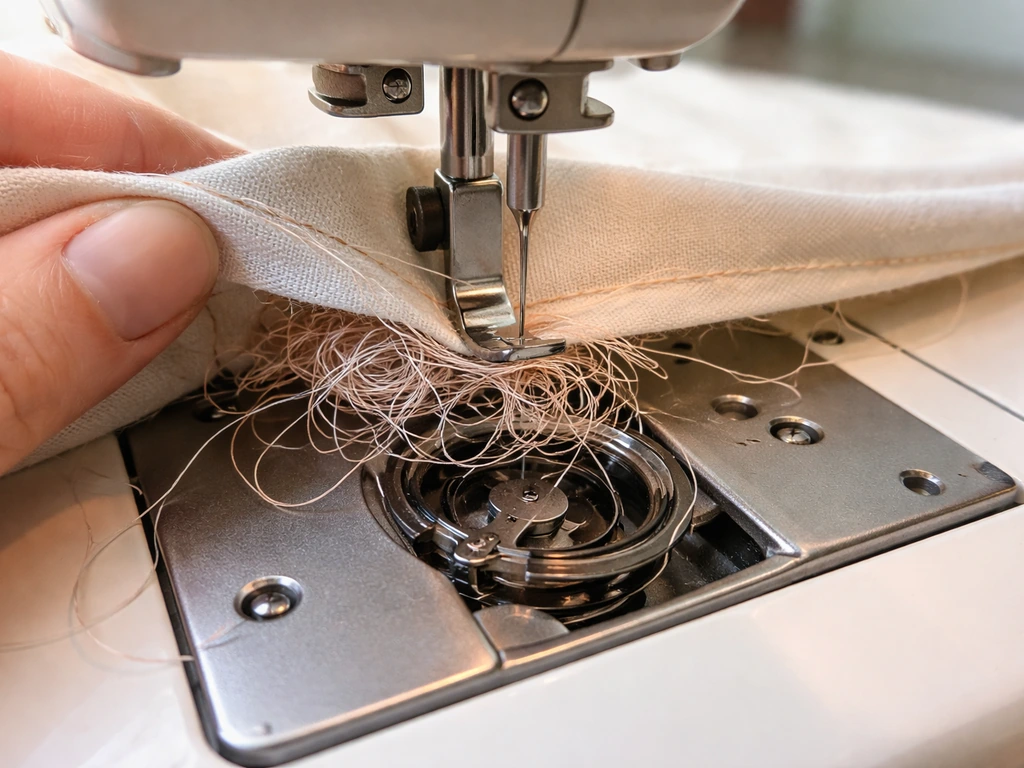
How to Fix Bird Nesting on a Sewing Machine: Step-by-Step
Step-by-step fixes for bird nest thread tangles: clear jams, diagnose bobbin/needle area, adjust tension, rethread, prev