
Many birds will reuse a nest, but whether the same bird returns or a different species moves in depends heavily on the species, how the last nesting attempt went, and the time of year. That same kind of uncertainty also applies to the specific question, will a bird use an old nest, which varies by species and by how the nest was left behind. Whether another bird will use an abandoned nest depends on the species and how abandoned the site truly is another bird use an abandoned nest. Some birds, like Barn Swallows and many raptors, are strongly drawn back to the exact same nest structure season after season. Others, like many songbirds, typically build fresh each year and rarely return to the same cup. Before you move, clean, or ignore that nest you found today, you need to know whether it is genuinely inactive, because the legal and practical stakes of getting that wrong are real.
Will a Bird Reuse a Nest? Signs, Timing, and What to Do

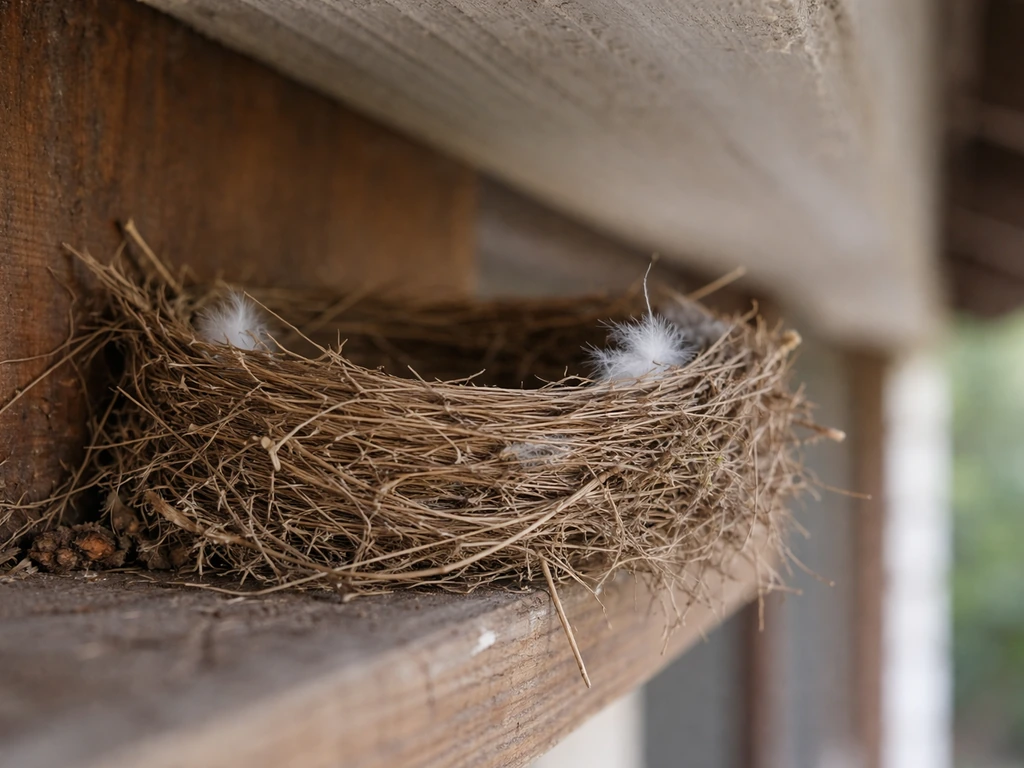
How bird nest reuse typically works

Nest reuse happens in a few different ways, and understanding the distinction matters when you are standing in front of a nest trying to figure out what to do. The most complete form of reuse is when the same individual bird (or pair) returns to the same physical structure the following year and lays eggs in it again. Barn Swallows are the textbook example: previous-year nests are a primary cue for returning adults, and reusing an existing mud cup saves them significant time and energy compared to building from scratch. Raptors, including eagles, hawks, and Northern Spotted Owls, frequently reuse nests across multiple years, sometimes enlarging them with each season until the structure becomes enormous.
The second, more partial form of reuse is renovation: a bird returns to the old structure and adds fresh lining, repairs damaged sections, or packs in new mud before laying eggs. This is common in Barn Swallows, which have been documented adding mud and feather lining to pre-existing nests even when those nests were originally built by a different species. A third form is interspecific reuse, where a completely different species takes over. In particular, some species actively reuse other birds' abandoned nests when opportunities arise. House Sparrows, European Starlings, and various wrens are well-known opportunists that will claim and modify nests built by other birds.
One more nuance worth knowing: within a single breeding season, many birds will raise two or three broods. A female robin or bluebird may reuse the same nest for a second clutch just weeks after the first brood fledges, sometimes adding a thin layer of fresh nesting material on top of the old one. This kind of within-season reuse is easy to miss if you check once and assume the season is done. In the same way, you may also want to confirm will a bird use another birds nest before deciding how to proceed.
Species differences: who reuses nests and who doesn't
Not every bird approaches nest reuse the same way. Research on Northern Spotted Owls found that owls were six times more likely to reuse a nest if their previous nesting attempt at that site was successful compared to unsuccessful attempts. That single data point captures a broader truth: prior success is a strong predictor of return. On the flip side, Eurasian Blackbirds have been shown to actively avoid reusing a nest after a predation event, likely because the scent and visual cues left behind increase the risk of another predator visit.
| Species / Group | Reuse Tendency | Notes |
|---|---|---|
| Barn Swallow | High (same or new occupant) | Strongly attracted to old nests; often renovates with mud and feathers |
| Eagles & large raptors | High (same territory) | Nests can be used for decades; repair/addition is common each season |
| Northern Spotted Owl | Moderate to high (success-dependent) | 6× more likely to reuse after a successful attempt |
| American Robin | Moderate (within season) | May reuse for a second brood; rarely returns the next year |
| Eastern Bluebird | Low to moderate | Will reuse nest box sites; rarely reuses old nest cup itself |
| House Sparrow / Starling | High (opportunistic) | Will take over any available structure regardless of original builder |
| Most small songbirds | Low | Typically build fresh each year; abandoned nests rarely reused by same bird |
The pattern across species boils down to this: cavity nesters and colonial nesters tend toward higher reuse rates because good nest sites are scarce and worth defending. Open-cup nesters in shrubs and trees are more likely to build fresh each season, partly because old nests accumulate parasites and old nests may telegraph predator-attracting scent. If you know the species using the nest, that knowledge should anchor your decision-making. To answer that question, look at how species differ in whether they revisit or avoid a prior nest.
How to tell if a nest is active or abandoned right now
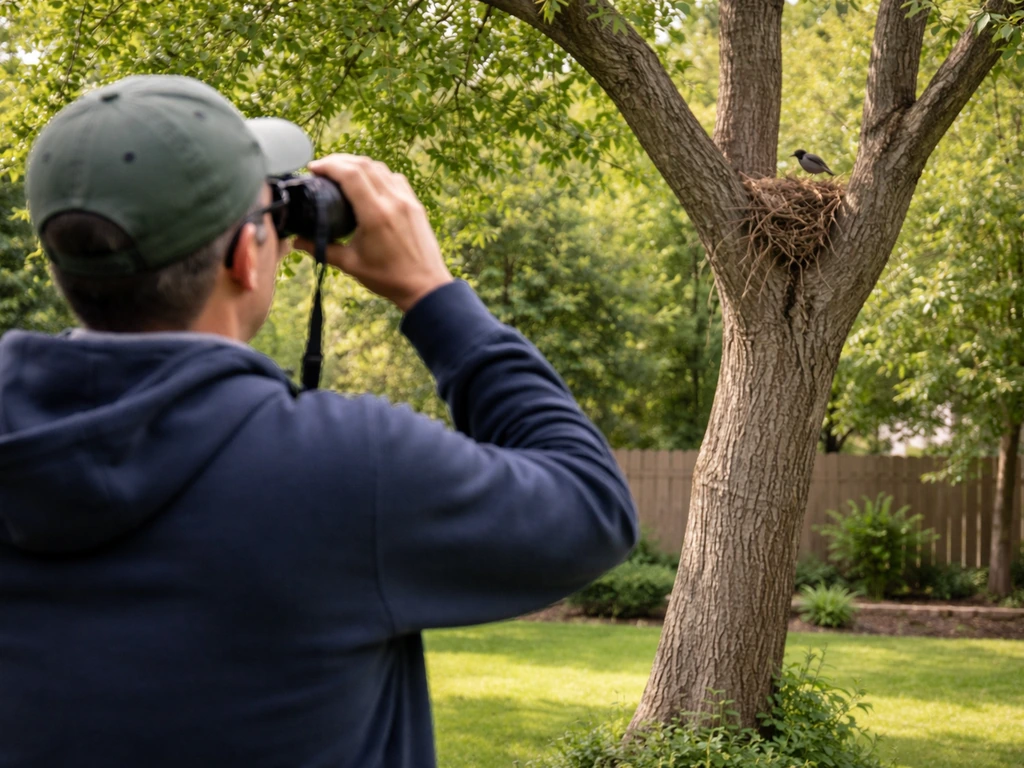
This is the single most important question you need to answer before doing anything else. An active nest is legally protected in the US under the Migratory Bird Treaty Act (MBTA), and in the UK under the Wildlife and Countryside Act 1981, with similar protections across the EU under the Birds Directive. Getting this wrong is not just a bird welfare issue; it can be a legal one.
Observable signs of an active nest
- Adults visiting regularly: watch from at least 30 feet away with binoculars for 15–20 minutes. If adults are flying to and from the nest, it is active.
- An adult sitting in an incubating posture, with body settled low into the cup, is a clear in-use indicator used by official USFWS survey protocols.
- Fresh droppings (fecal sacs) on the rim or directly below the nest indicate chicks are present inside.
- Audible chick calls or begging sounds from inside the nest structure.
- Visible eggs or chicks if you can safely see into the nest without disturbing it.
- Recent nest repair or new material added: fresh mud, green plant material, or new feathers woven in suggest active occupation or imminent use.
- Parent carrying food items (caterpillars, insects, berries) toward the nest.
Observable signs a nest may be inactive

- No adult activity after multiple observation sessions across different times of day.
- No eggs or chicks visible (USFWS and Minnesota DNR both define an inactive nest as one with no eggs or dependent young present).
- Nest structure is weathered, collapsed, or heavily deteriorated beyond what a nesting bird would tolerate.
- Nest is visibly parasitized with insects, mold, or heavily matted fecal material from a prior brood with no new lining added.
- Season is well outside the local breeding window for the likely species.
One critical caution: do not assume a nest with eggs is abandoned just because you haven't seen an adult in a single visit. Adults of many species leave nests unattended during parts of the day, especially early in incubation. NestWatch has documented cases where people assumed abandonment, only for eggs to hatch days later because the adults were still quietly tending the nest. Never check at dusk, when females are likely returning to the nest for the night.
How long to wait before concluding reuse is unlikely
If you are watching a nest that seems quiet and you are trying to decide whether the bird has moved on, the rule of thumb from NestWatch is to wait at least one month after the expected hatch date before concluding a nest is genuinely abandoned or finished. That window exists because hatching can happen later than expected, and a nest that looks empty today may still have activity in the coming days.
To apply this rule, you need a rough sense of the species' timeline. Eastern Bluebirds, for example, incubate eggs for about 12 to 18 days and nestlings fledge after 18 to 21 days. American Robins incubate for roughly 12 to 14 days with a similar nestling period. If you found a nest with eggs on April 24 and the likely species has a two-week incubation window, you shouldn't write off that nest as abandoned before mid-June at the earliest. For raptors with longer nesting periods, that window extends considerably further.
For monitoring purposes, NestWatch recommends checking nests every 3 to 4 days during an active nesting attempt rather than leaving long gaps. Short, consistent check intervals mean you catch changes quickly without spending too much time near the nest and risking disturbance.
Safe, legal steps for homeowners and birdwatchers
Here is a practical sequence you can follow today if you have found a nest and need to decide what to do.
- Step back immediately and observe from a distance of at least 30 feet using binoculars. Give the nest 15 to 20 uninterrupted minutes of observation. Do not lean in, touch, or tap the nest.
- Note what you see: adults present or absent, eggs or chicks visible, fresh material, droppings. Take a photo if you can do so without disturbing the area.
- Record the date, time, species if known, and any adult activity. This record becomes your baseline for the monitoring window.
- If adults are present, eggs or chicks are visible, or adults are observed carrying food or nesting material, treat the nest as active and do not interfere.
- If no activity is observed, return for two to three more monitoring sessions across different times of day (morning and mid-afternoon are usually best) before drawing any conclusions.
- If you observe zero adult activity across multiple sessions, no eggs or chicks are visible, and the nest structure itself looks weathered and deteriorated, the nest is likely inactive. Under USFWS guidance, a nest with no eggs and no dependent young is considered inactive.
- For an inactive nest on private property that you want to remove (for example, one blocking a dryer vent or gutter), confirm it is genuinely inactive using the criteria above, check your local regulations, and proceed carefully. In the US, removing a genuinely empty, inactive nest of a migratory bird is generally permissible, but when in doubt, contact your state wildlife agency or a local wildlife rehabilitator.
When you should NOT intervene
There are clear situations where the right answer is to walk away and leave the nest completely alone, regardless of how inconvenient its location is.
- Eggs or chicks are present: Under the MBTA in the US, destroying a nest with eggs or chicks, or one where young are still dependent on it for survival, is generally prohibited. Permits are issued only under very limited circumstances and require federal authorization. This is not a gray area.
- A nest is actively being built: The UK's Wildlife and Countryside Act makes it an offense to intentionally damage or destroy a nest that is in use or being built, and EU law under Article 5/6 of the Birds Directive carries equivalent prohibitions. Even if you are outside the UK or EU, building behavior means the nest is about to become active.
- You are unsure whether eggs or chicks are present: If you cannot clearly confirm the nest is empty, default to treating it as active. The cost of assuming incorrectly is much higher than the cost of waiting a few more days.
- A ground-nesting bird is in the area: Ground nesters are especially sensitive to disturbance. Stick to marked paths, keep dogs on a short lead, and give the area a wide berth until you can confirm the breeding attempt is complete.
- You are considering relocating a nest: Relocating an active nest is not a safe DIY fix. Even moving a nest a few feet can cause adults to abandon it. Relocation of active nests generally requires a federal or state permit. If a nest is in a genuinely dangerous location (such as inside active machinery), contact a licensed wildlife rehabilitator before touching anything.
Practical next steps: monitoring, habitat help, and prevention
Keep a simple monitoring log

You don't need special equipment. A notebook or the notes app on your phone works fine. Each time you check the nest, write down the date, time, weather, what you observed (adults, eggs, chicks, material additions, no activity), and how long you watched. This log does two things: it gives you the documentation to apply the one-month waiting window correctly, and it gives you something concrete to share with a wildlife rehabilitator or your state agency if you need guidance. The BTO recommends recording parent activity (feeding adults, audible young) as useful data even when you cannot physically see into the nest.
Support future nesting at the site
If the nest has been used and the season ends successfully, the site itself has value. For Barn Swallows in particular, blank" rel="noopener noreferrer">leaving the previous year's nest structure in place is one of the most effective things you can do to encourage them back next spring. Swallow Conservation notes that prior-year nests are a primary return cue for these birds. If a structure housing a swallow nest needs maintenance, coordinate that work outside the nesting window: in North America, Barn Swallows typically return from late April through May, so any repairs or rebuilding should happen between late summer and early spring.
For cavity nesters like bluebirds or chickadees, cleaning out nest boxes after each brood fledges (confirming the nest is fully inactive first) removes parasites and gives the pair a clean substrate for a potential second clutch. It also makes the box more attractive for the following season.
Reduce predation risk around the nest site
Research suggests that reused nests can carry a higher predation risk because scent and visual cues accumulate over time. If you are managing a nest box or an artificial nesting structure, predator baffles on mounting poles go a long way. A smooth metal or PVC baffle placed at least 4 to 5 feet above the ground on a pole-mounted box will stop most climbing predators. Avoid placing nest boxes near dense shrubs or fence lines that give squirrels and raccoons easy jumping access.
Know when to call for help
If you find a nest with eggs or chicks in a location that poses an immediate safety hazard (inside an active chimney flue, inside a running air handler, or directly in the path of imminent construction), do not attempt to move it yourself. Call your state wildlife agency or a licensed wildlife rehabilitator. They can advise on whether an emergency permit or managed relocation is possible, and they have the legal authority to act in ways that members of the public do not. The USFWS website lists regional contacts, and the National Wildlife Rehabilitators Association maintains a directory of licensed rehabilitators by state.
Whether a bird reuses a nest ultimately depends on the species, the site, and what happened there last season. Because birds reuse nests in some cases, you can’t automatically assume a nest is abandoned just from timing or appearance. But whether you should intervene right now depends on one thing: is there any evidence of current activity? If yes, leave it alone and watch from a distance. If no activity is confirmed across multiple observation sessions and the nest is genuinely empty, you have options. Either way, you now have a clear framework for making that call today rather than guessing.
FAQ
If I find an old reused nest, does that mean new eggs will be laid soon?
Not necessarily. Some birds revisit the same structure but may delay nesting if food is scarce or weather is poor. Use the presence of eggs, nestlings, or frequent adult visits as your indicator, not the fact that the nest looks previously used.
How can I tell the difference between an abandoned nest and one that is simply empty between broods?
Look for a consistent pattern over multiple short sessions. If adults are absent only during part of the day, that can still be normal incubation. A nest that stays empty of any adult activity across several checks and also passes the wait period after the expected hatch date is more likely to be truly inactive.
Will a bird reuse a nest if I cleaned it out after they left last year?
Many cavity nesters may reuse or return to a cleaned box because it improves hygiene and substrate, but the timing matters. Clean only after you confirm the nesting season is fully over, and avoid handling the box during an active attempt.
What if the nest is on a porch light, gutter, or near a window track, can I relocate the object instead of the nest?
In many situations you can reduce risk by changing the environment without touching the nest itself, but any work near an active nest can count as disturbance. Before doing anything, confirm whether it is active and contact your local wildlife authority if the nest is protected or the work is likely to be close.
Do birds always add new material when they reuse a nest?
No. Some species reuse a structure with minimal changes, especially if the prior attempt was successful and the nest stayed intact. Others may add fresh lining or repairs, so the absence of fresh material does not prove the nest will not be reused.
If eggs are present, should I leave a nest entirely alone even if it seems unlikely to hatch?
Yes, do not intervene based on appearance alone. Eggs can take variable time to hatch, and adults may not sit visibly for long periods. The safer approach is to document observations from a distance and consult the appropriate wildlife agency if you are unsure.
Can I scare birds away from a reused nest if it is causing problems for people, like mess or noise?
You generally should not evict birds from an active nest or assume reuse means you can remove it. For non-emergency conflicts, wildlife agencies can advise on legal exclusion methods, but typically those are done outside the nesting season or under permit.
How often is too much checking, and will frequent visits reduce the chance of reuse?
Very long or overly frequent visits can increase disturbance, even if you do not touch the nest. Keep checks consistent and brief, and avoid approaching during critical times such as when adults return. If you must monitor, maintain distance and follow the few-day interval guidance mentioned in the article.
Does reuse mean reused nests are always safer from predators?
No. Reuse can increase predation risk because accumulated cues can make a site easier to locate. If you manage nest boxes, consider predator baffles and placement choices that reduce climbing access.
If the nest was built by another species, will the new bird always reuse that nest structure?
Not always. Some opportunists and certain species actively take over nests, but many species rebuild fresh depending on their breeding strategy and the nest site conditions. The best way to decide is to identify the likely species and look for signs of current activity rather than assuming takeover.
What should I do if I only saw adults once and the nest looks empty the next day?
Treat that as inconclusive. Adults may leave nests unattended at times, especially during parts of incubation and while tending off-nest. Record your observations, schedule another check, and apply the waiting window after the expected hatch date before concluding abandonment.
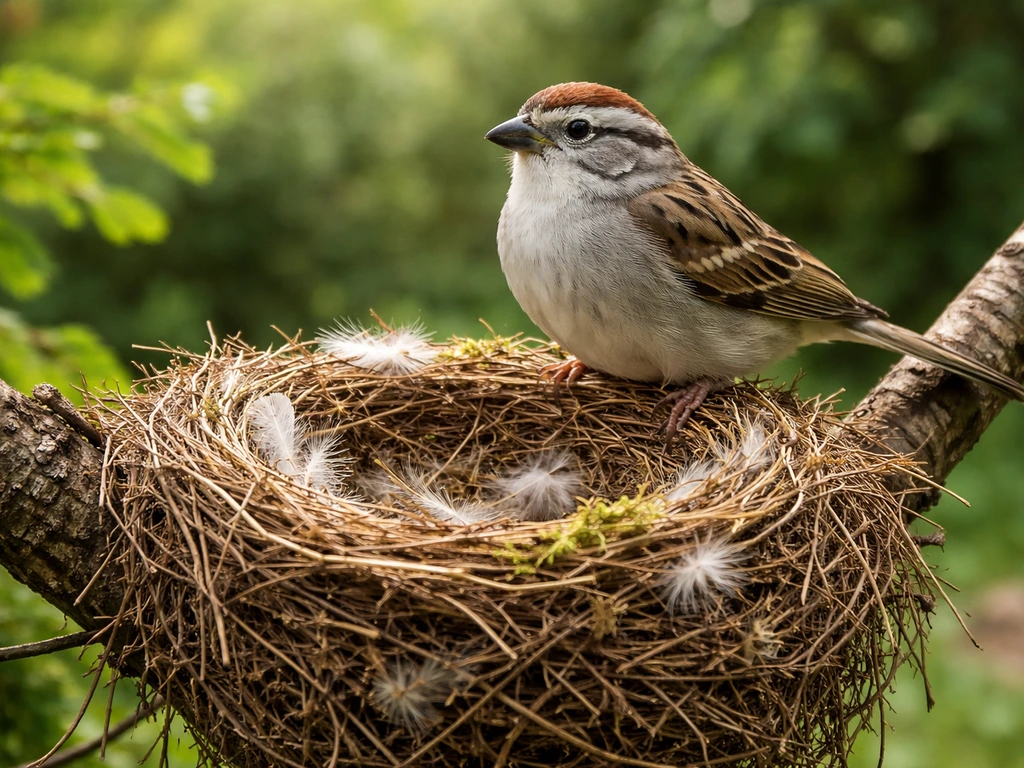
Decision guide on whether birds reuse nests, signs of active occupancy, and safest next steps for homeowners and birdwat
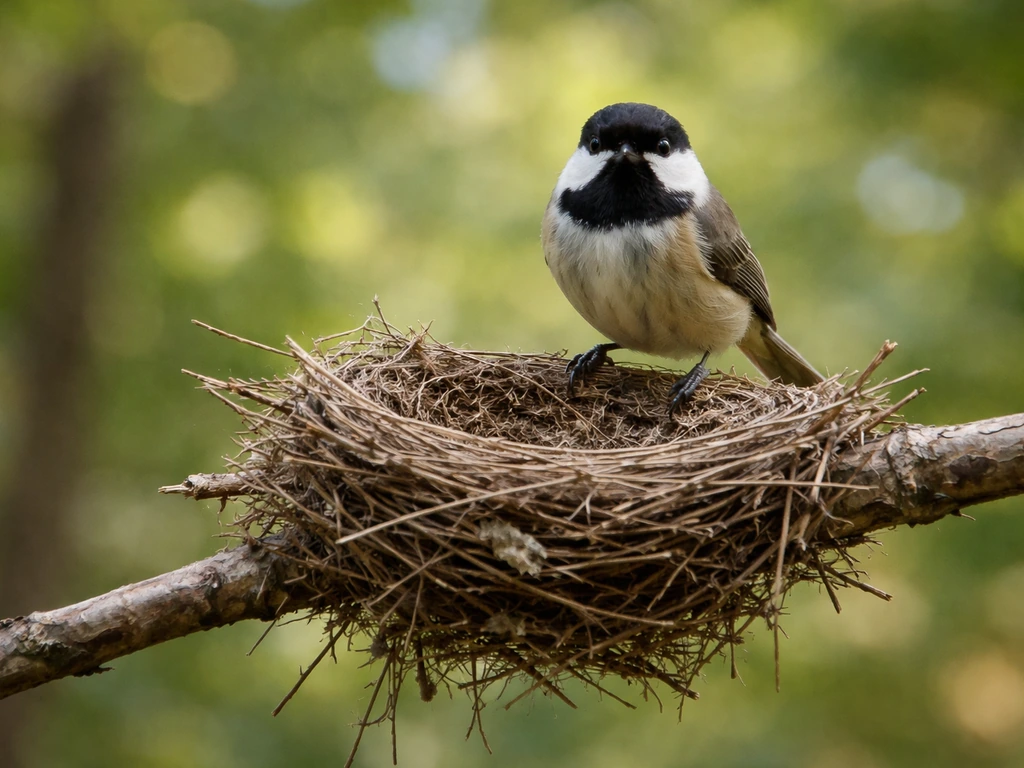
Learn if birds reuse old nests, how to spot active use, and safe steps to observe or remove after breeding.
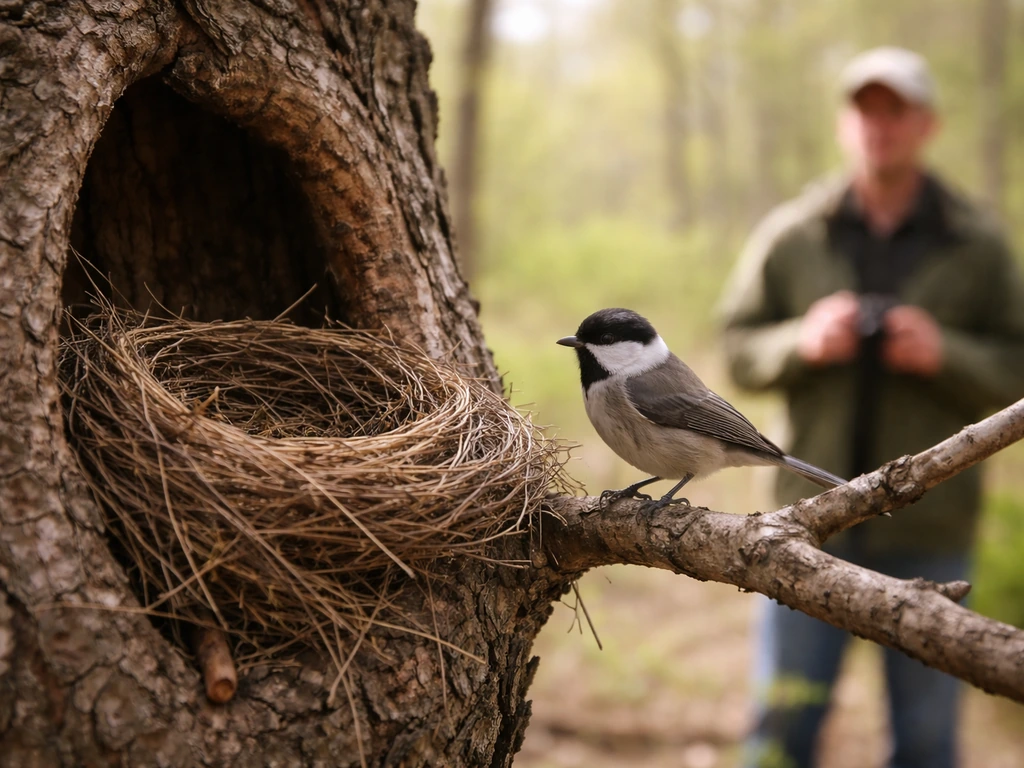
Learn if another bird will reuse an abandoned nest, how to confirm it, and safe steps to help or clean up.