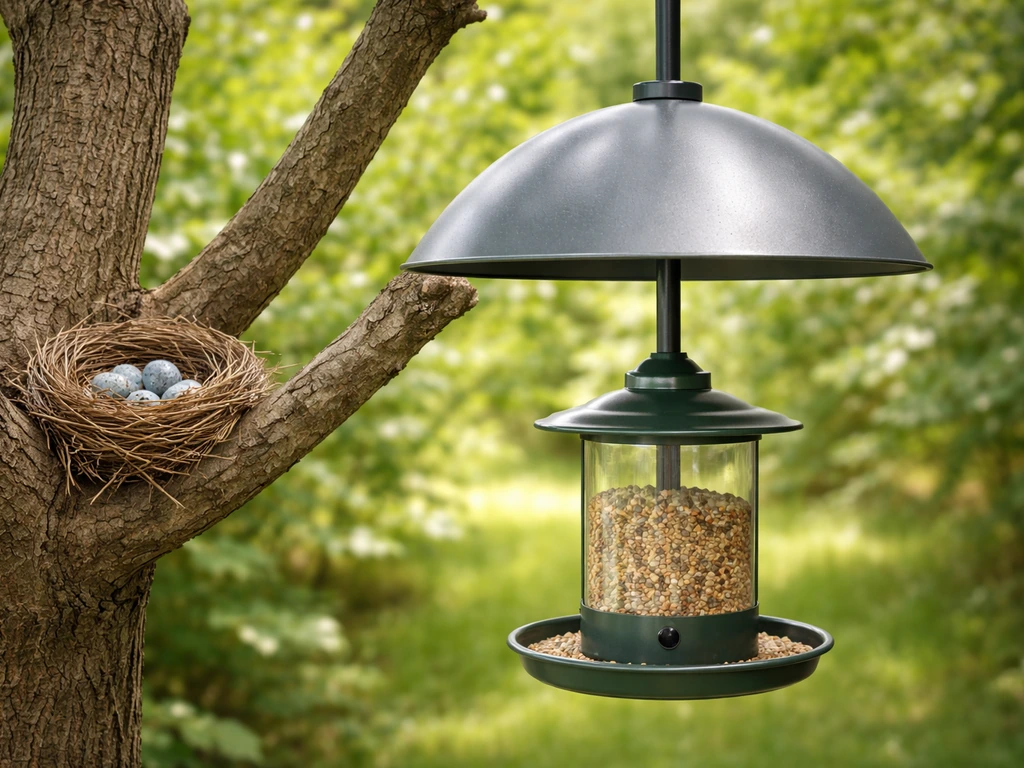
Bird nests stay together through a combination of interlocking materials, natural adhesives, and smart placement. Most nests are not simply stacked or woven but actively engineered: birds tuck, twist, and knot grasses around anchor points, pack mud or saliva into gaps, and wrap the whole structure in spider silk that stretches and flexes without cracking. The result is a structure that can survive weeks of wind, rain, and the weight of growing chicks. If you've found a nest that looks loose or at risk, keep reading because the answer to what holds it together also tells you what you can and cannot safely do about it.
How Do Bird Nests Stay Together? Materials and Fixes

Maya Bennett
24 Apr 2026
How birds actually build nests
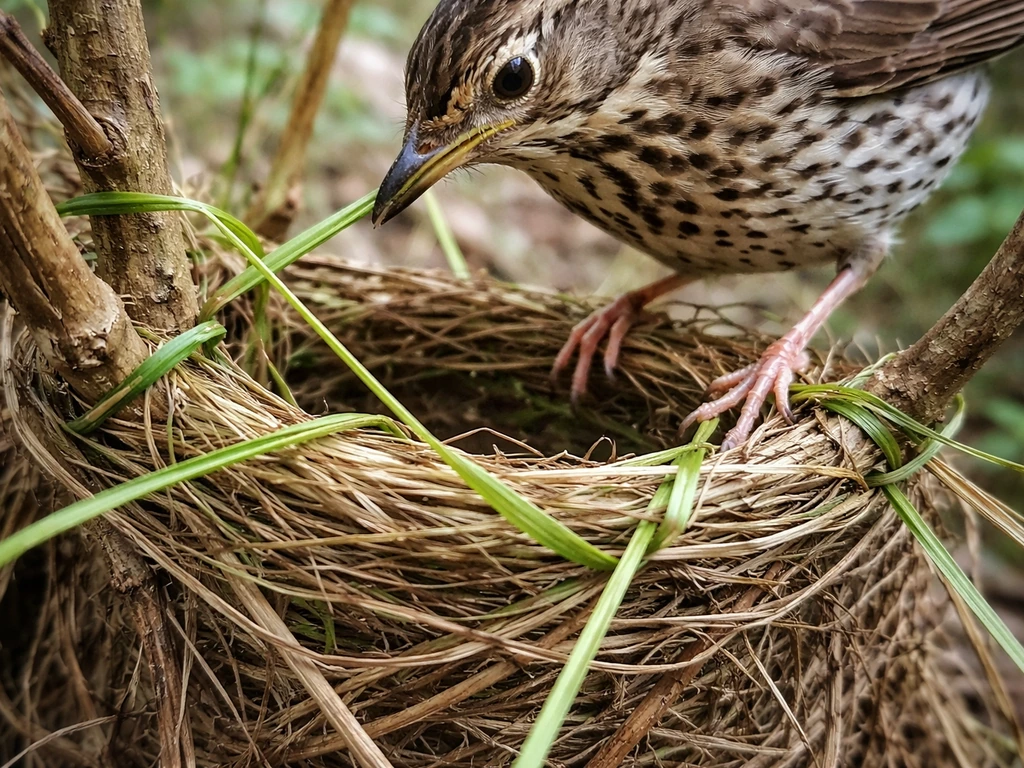
Nest construction is more mechanical than most people expect. It is not random accumulation. A song thrush, for example, starts by knotting blades of grass around two solid anchor twigs to form a structural hoop, then carpets the interior with moss and mud, smoothing it down by rotating its body inside the cup. That body-shaping step is key: the bird literally molds the nest to itself, which is why cup nests fit their builder so precisely. The final lining of feathers, fur, or plant down creates a microclimate that keeps eggs and chicks at a stable temperature.
The material list varies by species, but the core categories show up across most nest types: sticks or twigs for the outer frame, plant fibers and grasses woven into the body, and softer organic material (fur, feathers, moss, lichen) for insulation. Mud or clay acts as mortar between the coarser elements. Spider silk and plant-based sticky fibers bind everything at a finer level. Birds actively collect each of these, and they make deliberate choices based on what is locally available and what their species has evolved to use.
Species differences: cups vs. platform nests vs. cavities
Not all nests are trying to solve the same engineering problem, and that is why they look so different. Cup-nesters like robins, warblers, and vireos need a structure that cradles eggs without letting them roll out and that attaches firmly to a branch fork or ledge. Platform or stick nesters like hawks and herons just need a stable load-bearing surface that can be added to year after year. Cavity nesters like chickadees and woodpeckers outsource much of the structural work to the tree itself and focus their effort on lining the chamber. Each strategy has a different failure mode, which matters if you are trying to assess whether a nest you have found is in trouble.
| Nest type | Typical materials | Main binding method | Common species |
|---|---|---|---|
| Grass-and-mud cup | Grasses, mud, moss, plant fibers, feathers | Interlocking weave plus mud mortar and spider silk | American robin, song thrush, yellow warbler |
| Stick platform | Twigs, sticks, bark, some plant material | Gravity and weight; sticks interlock at right angles | Red-tailed hawk, great blue heron, osprey |
| Mud/saliva cup | Mud granules, saliva biopolymer, grass reinforcement | Saliva-treated mud hardens into a cohesive shell | Barn swallow, cliff swallow, phoebe |
| Cavity/chamber | Wood pulp, moss, fur, feathers, dry grass | Walls of cavity provide structure; lining is packed in | Black-capped chickadee, Eastern bluebird, downy woodpecker |
| Pendant/woven pouch | Long plant fibers, grasses, bark strips | Tight spiral weaving anchored at one attachment point | Baltimore oriole, bushtit |
One practical note on cup nests in particular: the depth and wall thickness of the cup matters a lot. A shallow cup on a exposed branch will lose eggs in the first serious windstorm. Species that nest in windy or open spots tend to build deeper cups with thicker, heavier walls, while species in sheltered locations can afford a lighter, shallower design. If a nest you are looking at seems unusually shallow for its location, that could be a sign it was disturbed or built by a young, inexperienced bird.
The natural glues that hold it all together
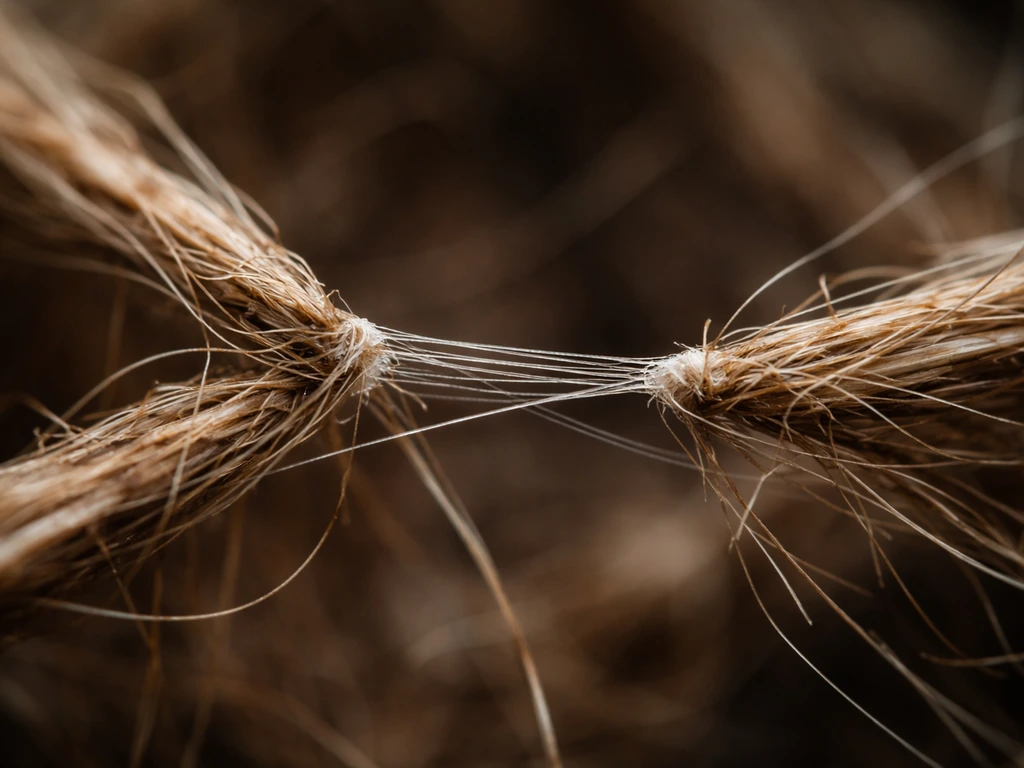
Spider silk is the most versatile binding agent birds use, and it is genuinely impressive material. Some birds collect spider silk for nest construction, and Wikipedia summarizes spider silk as being used in nest construction with birds gathering it for nesting purposes blank" rel="noopener noreferrer">Spider silk is the most versatile binding agent birds use. Songbirds and hummingbirds actively seek out spider webs and roll the silk into their nest walls. It acts like a flexible adhesive, stretching when the nest shifts and contracting back without cracking. Audubon researchers have described it as the "duct tape" of nest construction, and that is not an exaggeration. A hummingbird nest without spider silk will not hold its shape for long; the silk is what allows the tiny cup to expand slightly as chicks grow without splitting apart.
Mud-nesting species like barn swallows take a different approach. Peer-reviewed research has shown that these birds mix their own saliva, a natural biopolymer, directly into the mud pellets they collect. The saliva-treated mud has measurably greater cohesive strength than plain mud once it dries, essentially creating a biological concrete. This is why a barn swallow nest that has been in place for several years can feel surprisingly hard and dense, more like hardened clay than dried dirt.
Plant-based binders also play a role that often goes unnoticed. Certain mosses and lichens contain sticky resins. Plant down (like cattail fluff or thistle seed fibers) mats together and traps air for insulation while also helping bind coarser materials in the nest lining. Bark strips from some trees are naturally pliable when fresh and stiffen as they dry, acting like a splint around the outer frame. Birds are not choosing these materials randomly; generations of behavior have selected for the combinations that work.
Why placement matters as much as materials
Even the best-built nest will fail if it is placed badly. Most birds solve this by anchoring to a structural feature: a branch fork that grips the base of the cup on two sides, a ledge with a back wall that prevents sliding, or a cavity that surrounds the nest entirely. Platform nesters like hawks often return to the same nest site for years, which tells you how reliable a good placement point can be. The cumulative weight and interlocking of added sticks each season actually makes large stick nests stronger over time, not weaker.
Camouflage is a related structural choice. Many cup nesters press lichen, moss, and bark into the outer surface of the nest, which serves double duty: it breaks up the visual outline of the nest and physically fuses the outer layer to whatever branch or surface it sits against. The nest looks like part of the tree. This adhesion to the substrate is real, not just visual, and it is one reason old nests can be so hard to remove cleanly.
Microclimate matters too. Birds in cold climates orient nest openings away from prevailing winds. Species nesting in direct sun often use pale or reflective materials on the exterior. Cup nesters in rainy environments tend to build steeper-sided cups that shed water more efficiently. These are not conscious decisions in the way humans plan, but they are the product of evolved behavior and individual learning, and they have measurable effects on nest survival and chick health.
What actually makes a nest fall apart
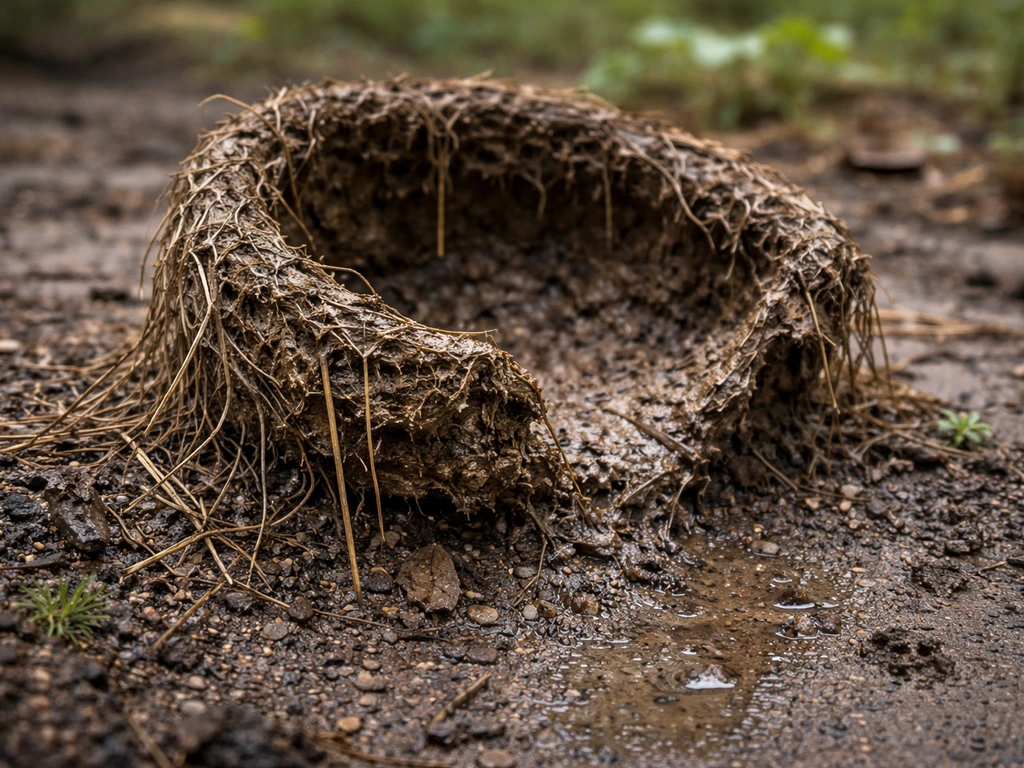
Weather is the number one cause of nest failure. Heavy rain saturates mud-based nests and can dissolve the mortar holding cup walls together, especially in early-season nests built before the mud has fully cured. You can reduce rain damage by choosing shelters, keeping the nest enclosure dry when possible, and avoiding actions that disturb an active nest how to protect a bird nest from rain. Wind is the other big factor: a strong gust hitting a cup nest from the wrong angle can torque the structure off its branch anchor. Temperature cycling, particularly repeated freeze-thaw cycles in late winter or early spring, expands and contracts mud-based nests until they crack.
Predator activity causes a specific kind of damage. A raccoon, crow, or snake investigating a nest will often dislodge or partially destroy the structure in the process of reaching eggs or chicks. You may find a nest hanging by one anchor point, the lining scattered, or the cup deformed. If you see this kind of damage and the nest still contains live young, that is a situation where understanding predator protection options becomes relevant alongside the structural question. To protect a bird nest from predators, focus on keeping disturbance low and improving access for natural safety barriers without interfering with nesting birds.
Human activity is a major and underappreciated cause of nest failure. Landscaping work, pruning, and foot traffic near nest sites all create vibrations and disturbances that can cause adults to abandon the nest, which in turn means no one is incubating the eggs or brooding the chicks against cold nights. Even well-meaning attempts to stabilize a loose nest by handling it can leave enough human scent to cause abandonment in some species, though this risk is often overstated. The bigger risk is simply the physical disturbance and the stress it causes the adults.
- Heavy or sustained rain saturating mud-mortar cup nests
- High wind twisting or pulling a nest off its branch anchor
- Freeze-thaw cycles cracking dried mud or clay components
- Predator raids physically dislodging or deforming the structure
- Pruning, mowing, or construction vibrations near the nest site
- Direct handling transferring human scent and causing adult stress
- Foot traffic compacting soil and disturbing root systems near ground nests
What you can ethically do right now if a nest seems at risk
Start with observation from a distance of at least 10 to 15 feet, ideally using binoculars. Watch for adult birds returning to the nest. If adults are still coming and going, the nest is active and your first job is to disturb it as little as possible. A nest that looks precarious to you may actually be structurally fine; birds tolerate a lot of movement and sway. If you are trying to keep a bird nest away from a specific spot, the safest approach is to focus on prevention and professional, wildlife-compliant deterrents rather than disturbing active nests. To keep bird nests off light fixtures, use simple prevention steps like installing physical deterrents and reducing nesting-friendly access near the fixture. If you suspect snakes may be approaching, use snake-safe deterrents that do not interfere with the nesting birds, and consider calling a wildlife professional for guidance keep snakes away from bird nests. Do bird nests attract snakes specifically because they offer cover and easy access to eggs or chicks. Take a few photos from a distance to document what you are seeing, including the attachment point, the overall condition, and any signs of eggs or chicks.
Under the Migratory Bird Treaty Act in the United States, it is illegal to disturb, damage, destroy, or remove an active migratory bird nest containing eggs or live young without a federal permit. Canada has equivalent protections under the Migratory Birds Regulations, 2022, which prohibit damaging or removing nests that contain a live bird or viable egg. Mass Audubon states this plainly: do not handle or relocate an active nest of any native species. The conservation-first rule here is simple: if it is active, leave it alone.
If a chick has fallen from a nest and you can see the nest and safely reach it without a ladder or significant disturbance, you can place the chick back. The myth that parent birds will reject a chick you have touched is not supported by evidence. Most birds have a limited sense of smell, and parental instinct is strong. But if the nest itself has fallen and you cannot safely reattach it, or if chicks are on the ground with no adults in sight after 30 to 60 minutes of patient observation, that is when to call a licensed wildlife rehabilitator.
A quick decision guide for a nest in trouble
- Observe from 15 feet for at least 15 minutes before doing anything. Are adults returning? If yes, step back and leave it alone.
- If the nest is intact but in a risky location (near heavy foot traffic, a doorway, or a light fixture), do not move it if it is active. Consider managing the human activity around it instead.
- If a chick is on the ground and uninjured, check whether the nest is reachable. If you can place the chick back without a ladder and without touching the nest more than necessary, do it.
- If the nest has fallen completely and contains eggs or chicks, you may gently place it in a small container (like a berry basket lined with dry grass) and attach it as close to the original location as possible. Do not change the location significantly.
- If adults do not return after 60 to 90 minutes of observation, or if chicks appear cold, injured, or in distress, contact a licensed wildlife rehabilitator. Do not attempt to raise or feed wild chicks yourself.
- If you suspect predator damage, note what you saw and consider whether the site is appropriate for a predator deterrent once the current nesting cycle is complete. Do not install deterrents around an active nest.
Nest preservation and display: a brief note
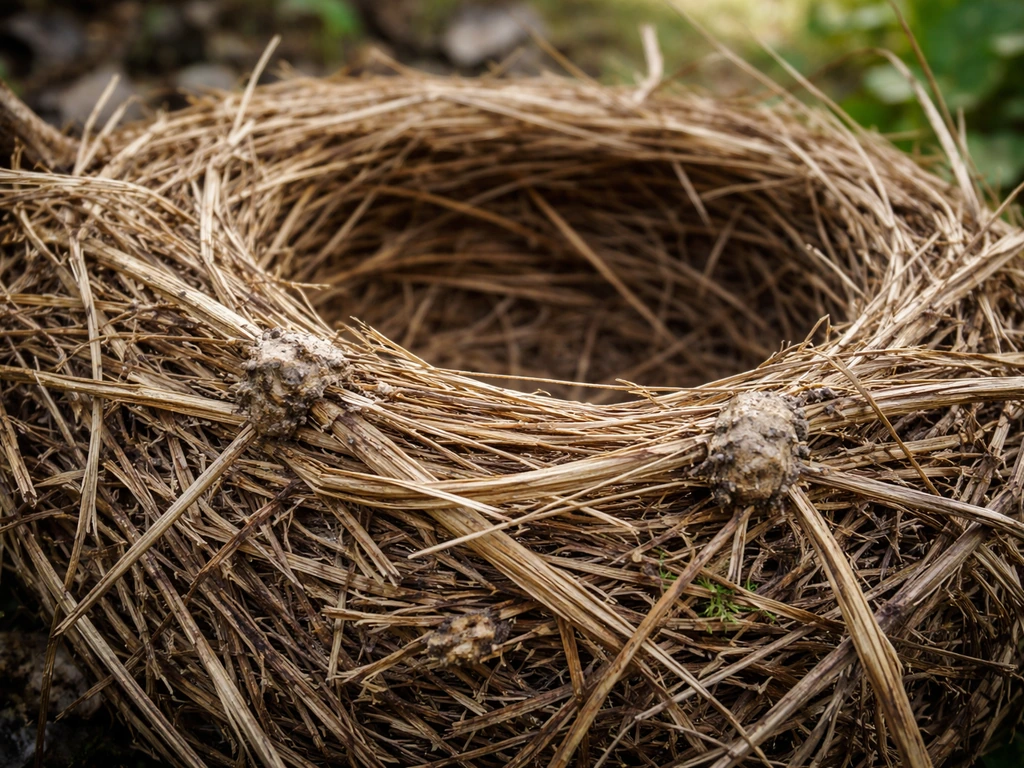
If you find an empty, abandoned nest after the nesting season is completely over, you can collect and preserve it for display or study in most cases. The MBTA does prohibit possession of nests of most migratory bird species even when empty, so check your state or provincial regulations before bringing one indoors. If you do keep an empty nest legally, freeze it for 48 hours first to eliminate mites and insects, then display it in a dry location away from direct humidity. The structural integrity of a dry, abandoned nest is often remarkable, and examining one closely is a great way to see exactly how the binding methods described in this article actually look up close.
When to bring in professional help
Wildlife rehabilitators are the right call any time you have injured or orphaned birds, or when you are unsure whether what you are seeing is normal nest behavior or a genuine emergency. They are licensed to handle situations that are illegal for members of the public, including transporting migratory birds and eggs. Your state or provincial wildlife agency website will have a directory of licensed rehabilitators, and many operate hotlines during nesting season (roughly March through August in North America) specifically for these calls. Do not wait days to call if chicks are on the ground; a few hours can make the difference for a young bird.
If the nest issue is connected to a construction or landscaping project, the right professional is an environmental consultant or contractor familiar with MBTA compliance. City and county environmental offices often have written best management practices for exactly this situation, including timing guidelines that let you schedule work around active nesting cycles rather than creating a conflict in the first place. Planning around nesting season is almost always easier than managing an active-nest problem after the fact.
FAQ
How can I tell whether a “loose” nest is actually active and being maintained by birds?
If you do not see adults actively using it, treat it as abandoned and avoid touching until you confirm the nest is truly inactive. A nest can appear “empty” because eggs have hatched or chicks are hidden, so check for adult return flights over a full 1 to 2 hour window before deciding it is safe to handle or remove.
Can I fix a nest with glue, tape, or extra sticks to help it stay together?
Do not try to glue, cement, or wrap a nest with human adhesives. Many of those materials can off-gas, trap moisture, or harden in ways that reduce flexibility, which undermines the same stretching and flexing properties birds rely on (like silk binding). If reattachment is needed for a fallen structure, rely on a licensed wildlife rehabilitator rather than DIY fixes.
Is a nest that looks too shallow always a sign something is wrong?
A shallow cup in an exposed spot can be normal for some species, especially if the nest is in a naturally sheltered micro-site (overhang, dense shrubs, or a specific angle to prevailing wind). Before concluding it is “wrong,” compare with nearby nests of the same species and look for whether the adults are still incubating or brooding.
Why do old stick nests look sturdier, yet sometimes appear broken or lumpy?
Yes, repeated years at the same site can make some nests look messier or more firmly built, especially large stick platforms. Over time, added sticks interlock and the outer layer can get compacted by weather, so “old and ugly” does not automatically mean “unsafe,” but it does mean you should watch for active use and signs of predator disruption.
Do birds change how their nests are built during different seasons or storms?
Birds commonly shift their behavior as weather changes, for example deepening water-shedding angles or adjusting how the opening faces the wind. If your concern is seasonal rain or cold snaps, the most helpful action is preventing access for people and pets and scheduling nearby work away from active nesting periods, not trying to cover or rebuild the nest.
What should I do if a chick falls out of a nest?
If a chick is on the ground, look for adults nearby and spend 30 to 60 minutes observing before intervening. If the nest is intact and reachable without a ladder or major disturbance, gently return the chick. If adults do not resume visits within that time window, or the nest cannot be safely repaired, call a licensed wildlife rehabilitator.
If I leave the nest alone but move around nearby, will that still stress the birds?
In most cases, yes, you should still stay away if it is active, even if you think you are “helping.” Handling can cause abandonment or change predator risk, and the legal risk also remains when eggs or live young are present. The safest approach is distance viewing, documenting, and calling the appropriate wildlife professional if there is visible damage.
What are safer predator-prevention options that do not interfere with the nesting birds?
If the nest is active and you suspect predators, do not add bait, remove nearby cover indiscriminately, or try to block access directly. Instead, focus on disturbance-free prevention, remove attractants like unsecured garbage, and use wildlife-compliant deterrents recommended for that species and nest type, or consult a pro for guidance.
When should I treat weather-related nest damage as urgent?
Even with the best anchoring, wind events can torque cup nests off their supports, and freeze-thaw cycles can crack mud-based walls. If the nest becomes detached but still contains live young, treat it as an emergency and contact a rehabilitator quickly rather than attempting to reattach it yourself.
Does the law treat empty nests differently from active nests?
Because legal rules vary by location, rely on your local wildlife agency guidance. In the US, the Migratory Bird Treaty Act generally protects active migratory nests, and enforcement typically considers whether eggs or live young were present at the time of disturbance or removal.
If I keep an abandoned nest legally, what storage or treatment steps matter for mites and long-term condition?
Freeze-drying, steaming, or soaking the nest can damage structure and potentially spread insects if it was not properly cleaned. If you legally keep an abandoned nest, freeze it as recommended, then store it in a dry, sealed container and keep handling minimal so it does not pick up humidity.
Next Article
How to Keep Snakes Away From Bird Nests Safely
Safe, step-by-step tactics to deter snakes from bird nests with no harm, plus ID tips, barriers, and do-not list.