
Bird nests in OSRS are expensive because they sit at the crossroads of two pressures: they drop rarely (roughly 1 in 256 log-cut attempts for most trees), and they are the only source of crushed nest, which is a required Herblore secondary for Saradomin brews. That potion demand never really goes away, and because birdhouse trapping is the most efficient way to gather nests in bulk, supply is largely controlled by how many players are willing to do timed birdhouse runs every day. Right now, empty bird nests hover around 4,868 GP each on the Grand Exchange, and even small swings in Saradomin brew demand can push that number noticeably higher.
OSRS Why Are Bird Nests Expensive and How to Buy Smarter

Maya Bennett
29 Apr 2026
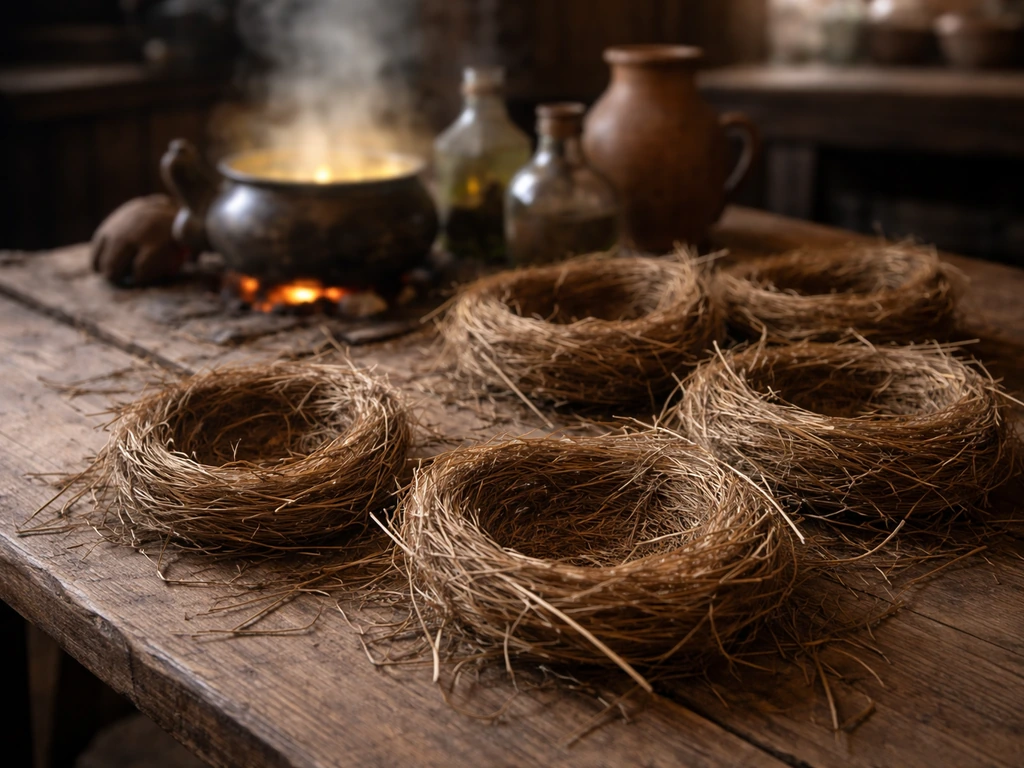
What bird nests are in OSRS and where they come from
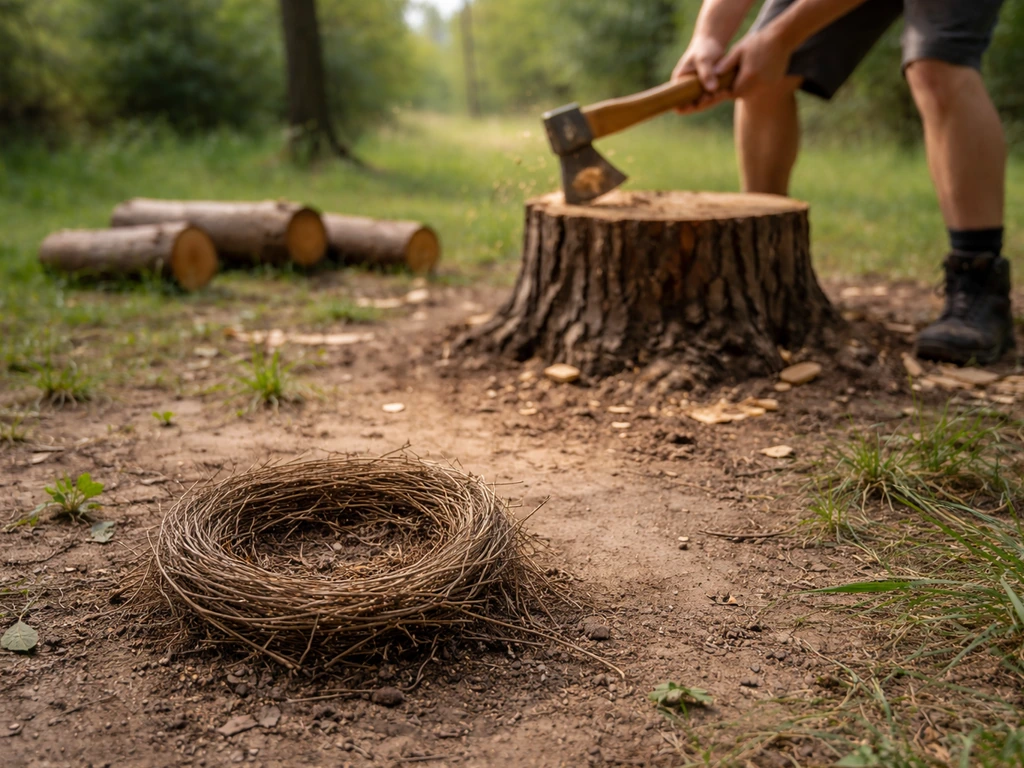
In Old School RuneScape, a bird nest is a stackable-style drop that appears on the ground next to you while you are cutting trees or harvesting ivy. The item description is straightforward: "It's an empty bird's nest." When you pick one up, it is empty by default. The game also has clue nests, ring nests, seed nests, and egg nests, but the plain empty bird nest (item ID 5075) is the one most relevant to price discussions because it becomes crushed nest via a pestle and mortar, feeding directly into the Saradomin brew supply chain.
There are two main acquisition paths. First, passive woodcutting drops: any standard log-cut attempt has approximately a 1/256 chance of producing a bird nest, whether or not the chop actually succeeds. Redwood trees are the exception here because they only produce clue nests, not empty ones. Second, and more important to the supply picture, birdhouse trapping on Fossil Island generates 10 loot rolls per birdhouse collection, meaning a single run across four birdhouses can produce a meaningful batch of nests. The type of nest you get and the clue nest rates depend on your Hunter level and whether you have completed Combat Achievement tiers.
The main reasons nests cost so much
The core driver is Saradomin brews. Brewing a single Saradomin brew requires one crushed nest as a secondary ingredient, and crushed nest can only be made from an empty bird nest. If you are wondering what bird nests are used for in OSRS, it mainly comes down to making crushed nest for Saradomin brews. Saradomin brews are one of the game's most consumed endgame supplies used in bossing and high-level PvM content, so demand is constant and enormous. It does not spike only during events. It is a daily, steady pull on nest supply from thousands of players simultaneously.
On top of that, the supply chain is structurally narrow. Woodcutting produces nests only as a rare side effect at 1/256 per chop attempt, and those players are usually cutting for logs, not nests. Birdhouse trapping is more efficient but it is a timed activity: you set birdhouses, wait roughly 50 minutes, collect, and repeat. Only players who are actively running birdhouses on a daily schedule are producing meaningful nest volume. That group is smaller than demand requires, which keeps the price floor elevated.
Why supply stays low: effort, requirements, and built-in bottlenecks
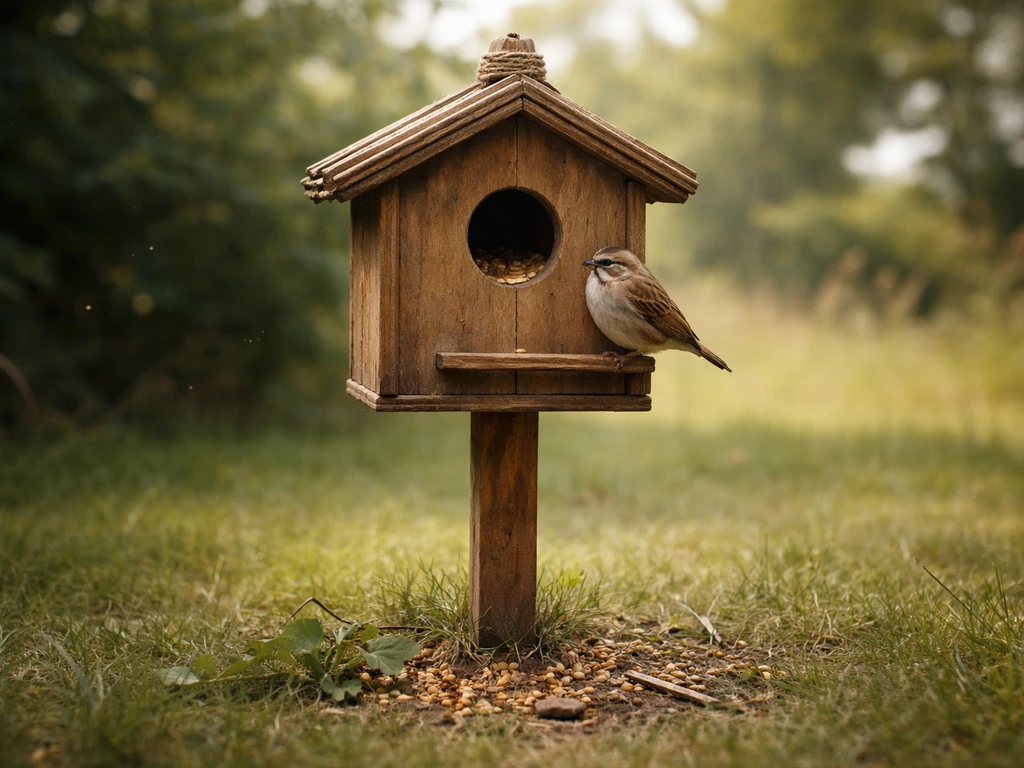
Getting good nest rates from birdhouse trapping is not something a new player can just drop into. The most profitable setup, as the OSRS Wiki money-making guide frames it, assumes 99 Hunter, redwood birdhouses, and wearing a strung rabbit foot (which boosts the chances of seed nests). Getting to that setup requires significant time and progression investment, meaning a large portion of the player base simply cannot produce nests at peak efficiency.
Birdhouse mechanics also introduce variance. You receive up to 10 loot rolls per birdhouse, but the clue nest rules mean that once a clue nest drops in a given roll sequence, additional rolls for more clues are stopped. OSRS Wiki notes that birdhouse trapping provides up to 10 loot rolls per birdhouse collection. Empty nests, ring nests, and egg nests each have their own roll rates and are affected differently by Combat Achievement tier completions. Players who have completed X Marks the Spot have clue nests replaced with a scroll box and an empty nest, which slightly shifts the empty nest output. All of this variability means consistent, high-volume supply requires sustained daily effort from experienced players.
Woodcutting as a supplemental source barely moves the needle at scale. Cutting ivy or standard trees at training spots is primarily done for XP, and the 1/256 nest drop rate means a single player might see only a handful of nests per hour. Across many woodcutters that adds up, but it cannot compensate for bossing demand pulling crushed nests at high volume every day.
How the GE price behaves: timing, volume, and spikes
Looking at current data, the empty bird nest is sitting around 4,868 GP with a six-month change of roughly -213 GP (-4%), which tells you the price has been gradually softening over the medium term but is still elevated. Short-term moves are more interesting. You can track live price graphs on GE Tracker and 07.gg, both of which show daily average lines and trading history, and they reveal that nest prices tend to spike when Saradomin brew demand surges, such as around new boss releases, seasonal events, or when popular PvM content gets updated or spotlighted by the community.
Buying limits add another layer. The Grand Exchange restricts how many nests you can buy within a 4-hour window. Crushed nest has a separate buy limit of 11,000, and the empty nest has its own GE limit as well. When prices are moving, those time-gated limits slow how quickly you can accumulate stock, which means panic-buying during a spike is genuinely inefficient. The common flip advice applies here: by the time you see a big price jump on a low-liquidity item like nests, early sellers are already unloading into the spike. You are more likely to overpay than to snag a deal.
The practical pattern is that nest prices are fairly stable day-to-day, with periodic spikes that resolve over a few days to a week. In 7 Days to Die, bird nests can change over time, so it helps to know the respawn behavior before farming them repeatedly 7 Days to Die bird nests respawn. The 1-month price change being essentially flat at -32 GP suggests the current period is a relatively calm window, which is actually a good time to buy if you need them.
Practical ways to lower your cost or profit from nests today

If you need to buy nests
- Buy during stable or slightly declining periods, not during a spike. Check GE Tracker or 07.gg for the price trend before placing a large order.
- Spread GE orders across multiple 4-hour buy-limit windows rather than trying to fill everything at once. You will get better average prices and avoid getting price-checked by the GE algorithm.
- If you need crushed nest specifically, consider buying empty nests and crushing them yourself with a pestle and mortar. The steps take only a few seconds and you may find slightly better pricing on raw nests than on crushed ones depending on the current spread.
- Use GE Margin's buy-limit timer tools to track your cooldown windows so you are not sitting idle waiting to refill your order.
- Watch for post-spike dips. After a price spike resolves, nests often settle slightly below their pre-spike baseline as sellers who stockpiled during the spike clear their inventory.
If you want to produce or profit from nests

- Start birdhouse trapping if you haven't. Even at lower Hunter levels, birdhouse runs produce nests passively. Each run takes only a few minutes of active play, with a 50-minute wait in between.
- Upgrade your birdhouses as your Hunter level increases. The money-making guide benchmarks redwood birdhouses at 99 Hunter, but each tier up from where you are improves both XP and nest yield.
- Wear a strung rabbit foot while collecting birdhouses to increase seed nest drop rates. Seed nests often contain valuable herb seeds that are worth more than the empty nests themselves, improving your overall per-run profit.
- Make birdhouse runs a daily routine. The per-run profit is modest, but four birdhouses per cycle over multiple cycles per day adds up. Because birdhouse trapping is one of the game's more efficient passive money makers per hour of real time invested, consistent play beats sporadic bulk attempts.
- Track your nest-to-crushed-nest margins. If the spread between empty nest price and crushed nest price is wide enough, bulk crushing and reselling can generate a small but consistent GP-per-hour return on GE flipping.
Side-by-side: buying vs. producing nests
| Approach | Cost/Effort | Best For | Main Risk |
|---|---|---|---|
| Buy from GE during stable market | ~4,868 GP per nest, time spent monitoring price | Players who need nests immediately and have gold to spare | Overpaying during a spike |
| Buy crushed nest directly | Slightly higher GP per unit than raw nests, buy limit: 11,000 | Players who don't want to crush manually | Tighter supply during demand surges |
| Birdhouse trapping (own production) | Hunter level investment, ~5-10 min active play per cycle | Mid-to-high Hunter players wanting passive income | Requires Fossil Island access and consistent daily effort |
| Woodcutting as secondary source | Effectively free if already training WC, 1/256 drop rate | Players training Woodcutting anyway | Very low nest volume; not a reliable primary source |
The recommendation: if you need nests right now and current prices are near the flat 1-month average, just buy them. If you regularly use Saradomin brews, invest in getting your Hunter level up and start doing daily birdhouse runs. If you are wondering what to do with bird nests in OSRS, daily birdhouse runs are the most reliable way to convert empty nests into crushed nest for brews what to do with bird nest osrs. Over a few weeks the nests you produce will offset a meaningful portion of your brew costs.
A note on real-world bird nests: please leave them alone
If you found this article because you also have a question about an actual bird nest you spotted in your yard or on your property, the guidance is very different from the in-game advice above. If you instead meant a real bird nest in a gutter, focus on preventing access and contact local wildlife or a professional for safe removal.
If you mean the real-life question, tell me what kind of situation you’re dealing with and whether there are eggs or chicks so I can point you to the safest next step what to do with a bird nest. Real bird nests are protected under U. S. federal law through the Migratory Bird Treaty Act, and in most cases you should not handle, move, or disturb an active nest.
If a nest has fallen or is in a dangerous location, the safest step is to contact a licensed wildlife rehabilitator before touching anything.
The general ethics from wildlife conservation sources are consistent: observe from a distance, avoid disturbing parent birds, and treat nests as belonging to the birds using them, not to you. This site covers topics like what to do with a fallen nest that contains eggs, how to handle old nests after a season ends, and how to deal with nests in gutters or other problem locations. If your question is about old bird nests after a season ends, see what to do with old bird nests so you handle them safely what to do with a fallen nest that contains eggs. Those are genuinely separate questions from OSRS item pricing, and the legal and safety stakes are real.
Your action checklist for today
- Check the current empty bird nest price on GE Tracker or 07.gg before buying. If the price is near or below the 1-month average (~4,868 GP), buy now. If it is spiking, wait a few days.
- If you need crushed nests specifically, check whether buying empty nests and crushing them yourself saves GP compared to buying crushed nests directly.
- Set up GE orders across multiple 4-hour buy-limit windows to avoid hitting the cap in a single session.
- If you have access to Fossil Island and a Hunter level above roughly 50, set up birdhouse trapping today and work it into a daily loop.
- Equip a strung rabbit foot before each birdhouse collection to maximize seed nest drops and overall run value.
- Use GE Margin's buy-limit timer to keep track of when your next purchase window opens, especially if buying in bulk.
- If you have a real-world bird nest concern (fallen nest, nest in gutter, eggs without a parent), step away from the OSRS wiki and contact a licensed wildlife rehabilitator or check this site's guides on ethical nest handling.
FAQ
If I buy a bird nest stack on the Grand Exchange, will it automatically work for Saradomin brews?
Only the empty bird nest converts into crushed nest (via a pestle and mortar). So if you plan to craft Saradomin brews, prioritize buying empties (or producing them) and avoid treating other nest types as interchangeable.
Why does it feel like I cannot buy enough bird nests quickly during a price rise?
GE prices can lag behind your immediate needs because of purchase caps in a 4-hour window. A practical way to avoid inefficiency is to spread buys over multiple windows instead of trying to restock all at once during a daily price spike.
Is farming birdhouses better than buying bird nests, even if I am not running it every day?
Yes, but the opportunity cost matters. If you are not already running birdhouses daily, the nests you produce are effectively a “time budget” investment. People who only sporadically trap often pay more than they save because demand stays steady.
Why is the cheapest empty bird nest price not always the cheapest Saradomin brew plan?
Crushed nest has its own market supply and buy limit, so a cheaper empty nest price does not guarantee cheaper brews end to end. Check the combined cost of empty nests plus processing, or directly compare the final implied cost of Saradomin brews.
How do I tell if the current bird nest price spike is temporary or likely to stay high?
Sporadic spikes are often tied to PvM content and community activity, but if you are using prices to decide, focus on multi-day trends rather than a single day’s peak. The article notes spikes typically resolve within about a week, so waiting a few days can reduce overpaying risk.
Can I rely on woodcutting drops instead of daily birdhouses to bring down costs?
Woodcutting can add some nests, but the 1/256 rate means it is rarely efficient for players whose goal is crushed nest production. If you want meaningful output, birdhouse trapping is the practical primary lever, with woodcutting at most as a small supplemental source.
Why do my birdhouse runs sometimes produce fewer empty bird nests than I expected?
Be careful about using clue nest output as your assumption of “expected nests.” Once clue mechanics influence a roll sequence, additional rolls for more clues stop, which changes what you actually receive versus a naive expectation based on 10 rolls always producing 10 usable empties.
Do Combat Achievement completions and birdhouse type change how many empty nests I get?
Your progression affects output because clue nest replacement rules and other roll rates change with Combat Achievement tiers and birdhouse choices (like redwoods). So two players with identical trapping schedules can have different empty nest yield, which impacts how fast they can “pay back” the buy price.
What should I do if I need crushed nest soon, but I also want to avoid locking in too much market risk?
If you are short on nests for immediate brew usage, buying can still be correct, but you can reduce waste by only buying the quantity needed for your current brew batch, then start or resume daily birdhouse runs for replenishment.
Can I flip bird nests profitably when prices jump, or is that usually a trap?
If you see a big jump, the common flip failure mode is that sellers on low-liquidity items unload into the spike quickly, leaving buyers exposed to the higher average price. Instead of reacting instantly, compare against your own average buy price and recent multi-day movement.
Next Articles
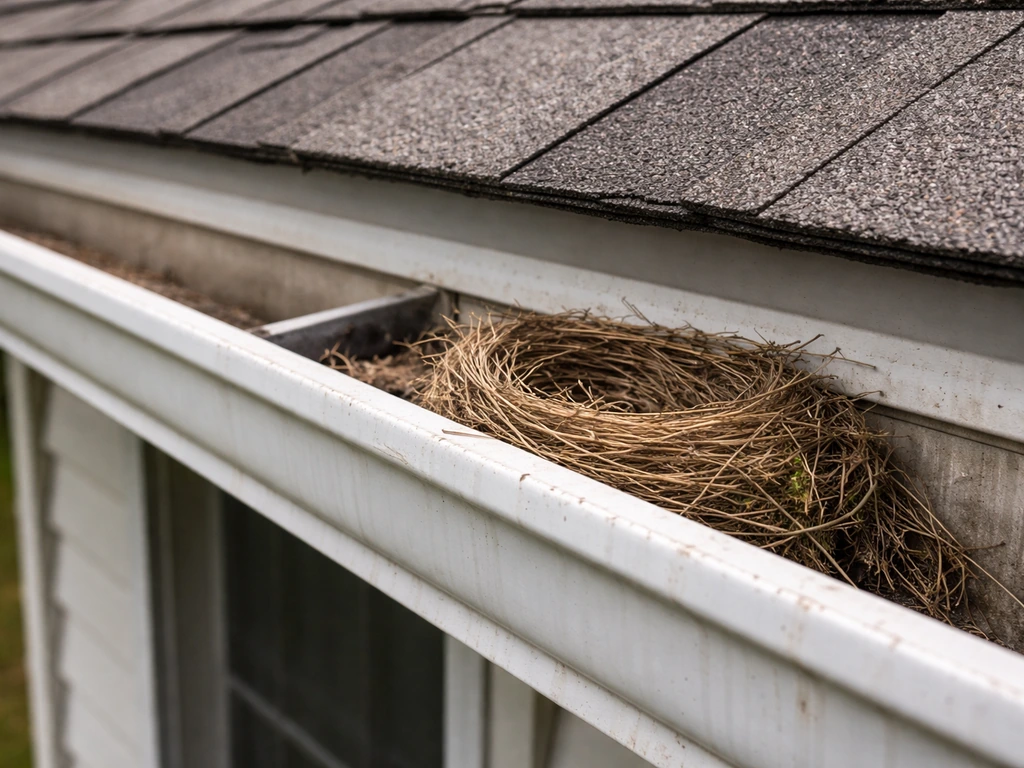
What to Do With a Bird Nest in a Gutter Step by Step
Step-by-step guide to handle a bird nest in your gutter, identify activity, follow legal safety, stop leaks, and protect

What to Do With Bird Nest OSRS: Full Guide
Step-by-step OSRS guide on what to do with bird nests, including opening, rewards, goals, and common issues.
What Are Bird Nests Used For in OSRS? Uses and Tips
Learn what bird nests do in OSRS, how to get and use them efficiently, and key limits for Ironman and quests.