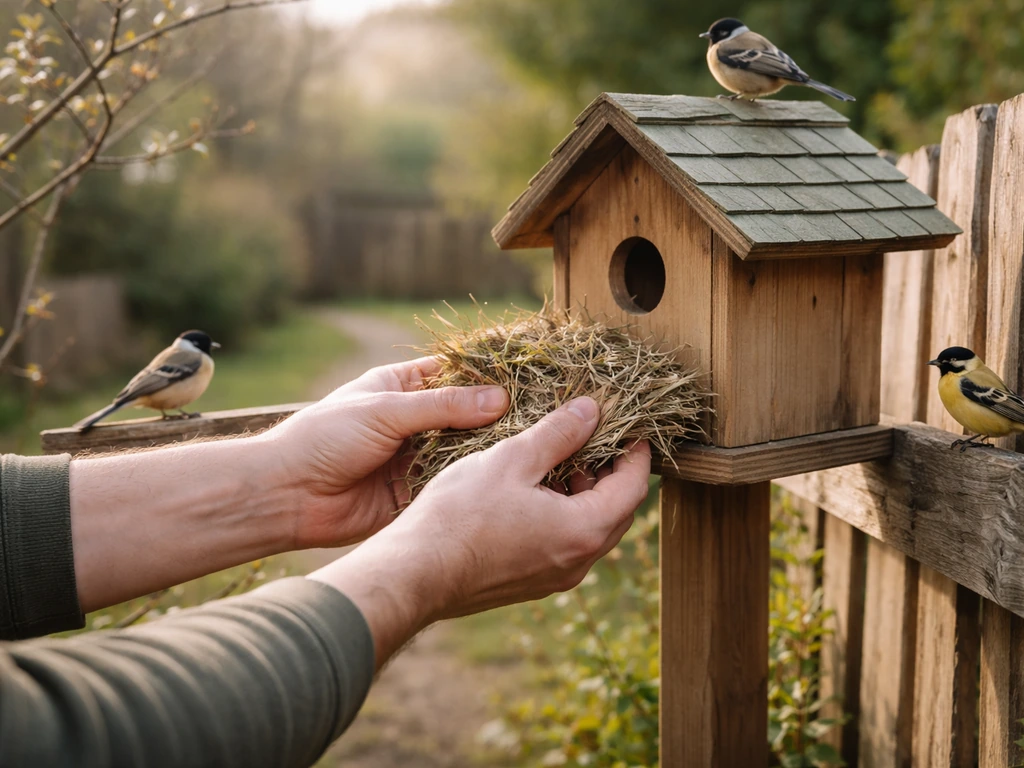
When a bird nest is active, the single best thing you can leave out is nothing. No food, no nesting materials, no scented products, no extra lighting, and no well-meaning rearrangements. The vast majority of bird nests are protected under the Migratory Bird Treaty Act, which makes it illegal to disturb, collect, or destroy an occupied nest. Violations can result in up to six months in jail and fines up to $15,000.
What to Leave Out for Bird Nests: Do Not, Do Instead
Maya Bennett
22 May 2026
So 'helping' in the wrong way is not just ineffective, it can be a federal offense. The practical answer here is a short list of things to actively avoid doing, plus a few genuinely safe, low-contact steps you can take instead. Washington Department of Fish & Wildlife recommends [keeping cats indoors and away from wild birds to reduce predation risk](https://wdfw. wa.
gov/species-habitats/living/cats-wildlife).
Why 'what to leave out' matters more than you'd think
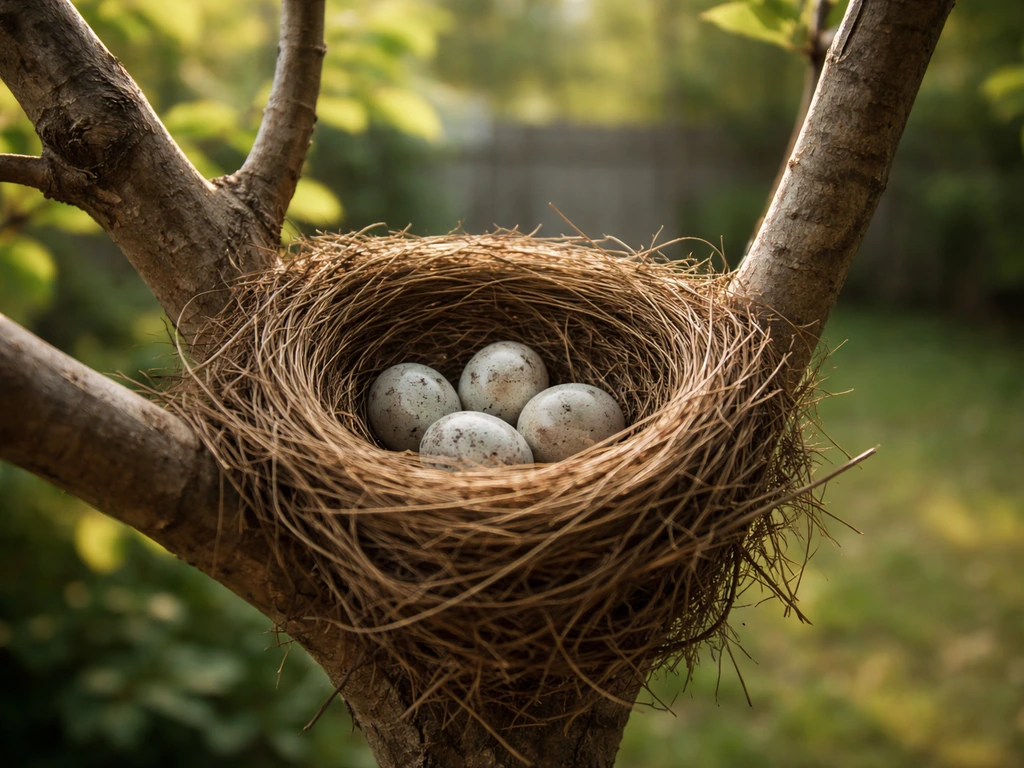
The Migratory Bird Treaty Act of 1918 protects the overwhelming majority of wild bird species in the U.S. That protection extends to their nests and eggs. Under the MBTA, it is illegal to collect, possess, or transfer a migratory bird's nest, and any action that results in the unpermitted take of birds or their eggs is fully prosecutable. The U.S. Army's own guidance puts it plainly: blank" rel="noopener noreferrer">once a nest is built and occupied, it cannot be removed or destroyed. A common misconception is that 'occupied' means only chicks. It means eggs too, and in many cases even the active use of the nest by a returning adult counts.
There is one narrow exception: an empty nest with no eggs, chicks, or active adult use may not be prohibited from removal under the MBTA, provided no possession occurs during destruction. But identifying a truly inactive nest is harder than it sounds. Parent birds can be absent for hours while foraging. Eggs are sometimes well hidden. If you are not certain, leave it alone and observe from a distance before making any decisions.
Beyond the legal side, there is a practical one. Birds, especially colonial or ground-nesting species, are highly sensitive to disturbance. A single disruptive visit can cause a parent to abandon the nest, leaving eggs or chicks to die. That is why the 'leave out' list below is just as important as any positive action you could take.
Things to avoid placing near an active nest
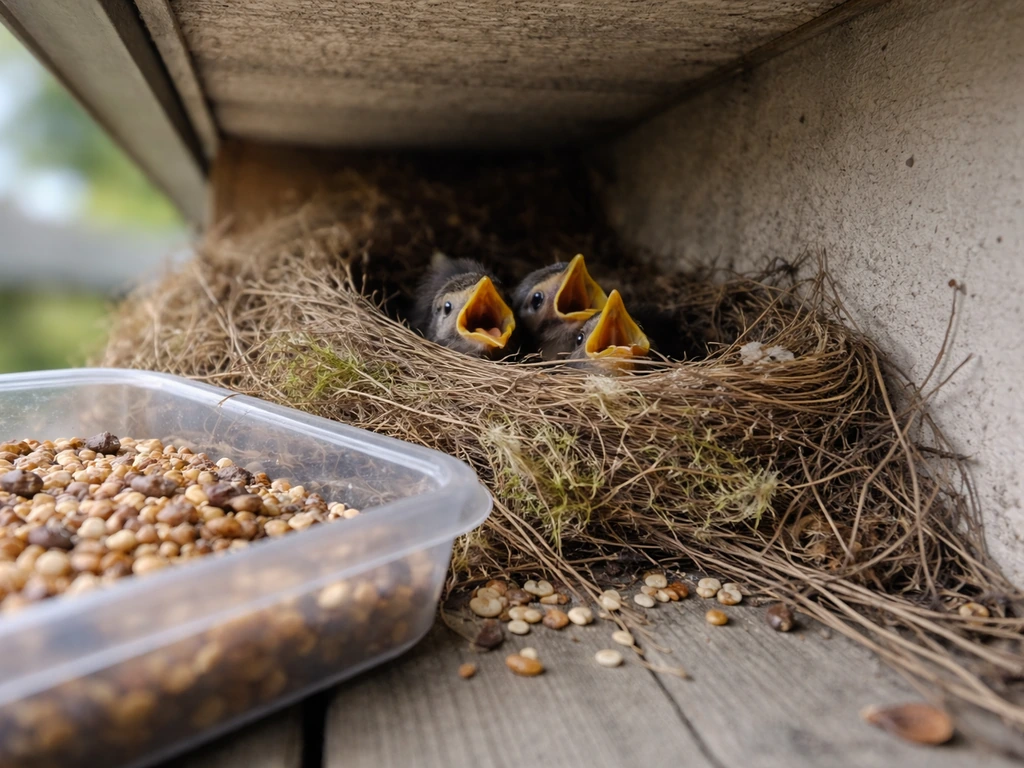
These are the common 'helping' mistakes that people make with good intentions. Each one carries real risk of abandonment, injury, or legal trouble.
Food and bait near the nest
Do not place feeders, birdseed, mealworms, fruit, or any food source directly near an active nest. This sounds counterintuitive, but food attracts other animals, including predators. A pile of seed near a robin's nest on your porch beam is essentially a dinner invitation for squirrels, raccoons, and rats, all of which will investigate and may destroy the nest. If you already have a feeder in the yard, keep it where it is but do not add new ones close to the nest site during the nesting season.
String, yarn, dryer lint, and loose fibers
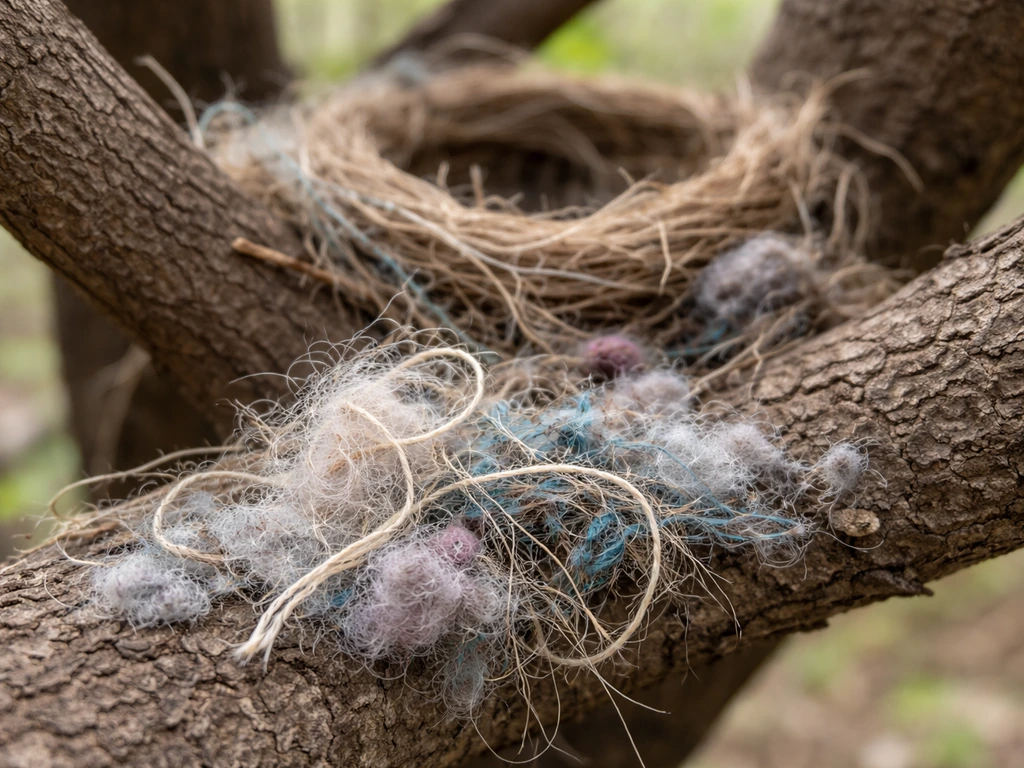
This is one of the most common and genuinely dangerous mistakes. People leave out yarn, twine, pet fur clumps, and dryer lint thinking birds will use them as nesting material. The USFWS explicitly warns that string, twine, and yarn can wrap around the legs and necks of birds and nestlings, cutting off circulation and causing death. Dryer lint looks fluffy but breaks down into a dense, moisture-trapping mat when wet, which can fatally chill developing eggs and chicks.
Felt, cloth scraps, tinsel, cellophane, aluminum foil, and plastic strips carry choking and internal blockage risks. Leave none of these out near an active nest site. If you are wondering about cotton balls for bird nests, treat them as unsafe nesting material and avoid placing them near an active nest. If you want to support nesting material collection in general, that is a separate, pre-season activity best done well before eggs are laid.
If you want to know what to use for bird nesting in a safer, pre-season way, focus on approved nesting materials well before eggs are laid. If you want the best bird nesting material for the future, plan a safe, pre-season setup and use options that do not pose snagging or choking risks nesting material collection.
Pre-season, if you want to encourage nesting, you can provide appropriate bird nesting materials rather than leaving them out near an active nest nesting material collection in general.
Scented products and essential oils
Some people try to deter predators or mask nest scent using essential oils, scented sprays, or commercial air fresheners placed near or on the nest. Do not do this. Birds have sensitive respiratory systems, and concentrated aromatic compounds, even 'natural' ones, can cause serious health problems. Research into scent-based predator management does exist in conservation science, but it is conducted carefully in controlled settings by professionals, not by applying tea tree oil to a fence post. Leave all scented products, diffusers, candles, and sprays out of the equation entirely when a nest is nearby.
Extra lighting aimed at the nest
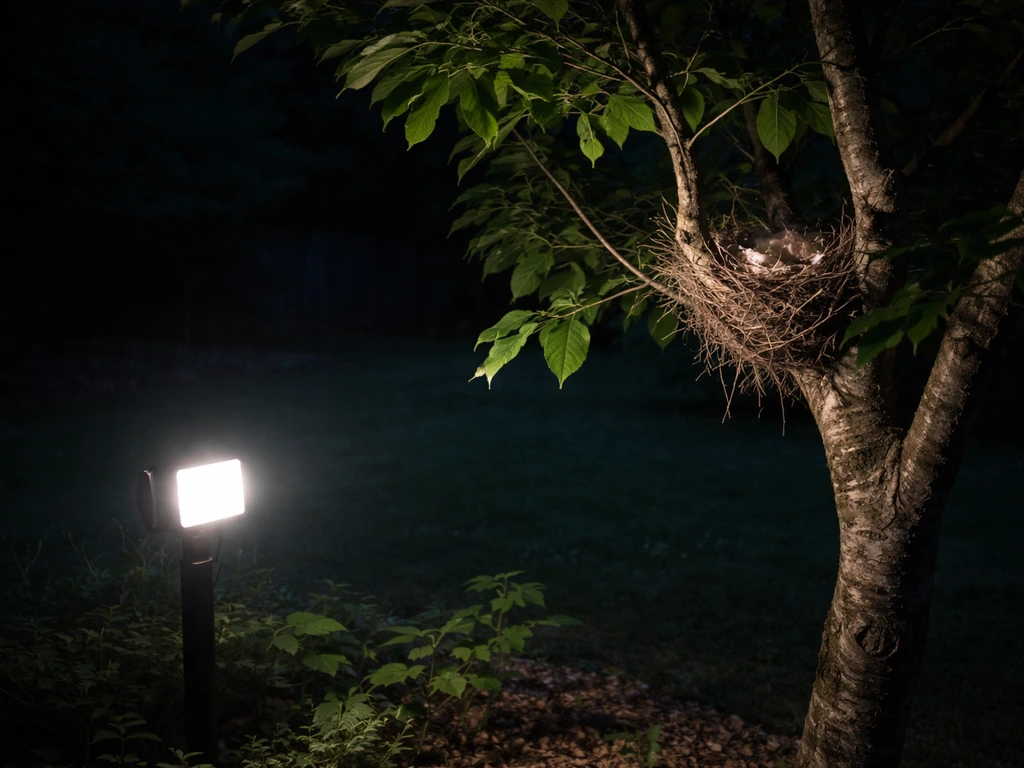
Artificial light at night disrupts bird behavior, increases collision risk, and can disorient nesting adults. The NPS and USFWS both recommend limiting outdoor lighting to what is strictly necessary and using bird-conscious practices, meaning directional, shielded fixtures pointed downward and turned off when not needed. Do not install new floodlights, string lights, or motion-sensor lights that illuminate the nest area during the nesting period. If an existing light is already there, consider switching it off or reducing its intensity for the duration.
Touching, relocating, or 'fixing' the nest
Even with the best intentions, physically moving an active nest, adjusting its position, reinforcing it with sticks, or picking it up to check on the eggs is almost always a bad idea. Parent birds can detect nest disturbance and may abandon. Beyond that, relocation of an occupied nest is illegal under the MBTA without a federal permit. If the nest is in a structurally risky spot (like a hanging basket you need to water), the guidance from Audubon is clear: leave it alone, wait for the brood to fledge, and then address the location. Nesting cycles for most backyard species run three to five weeks from egg laying to fledging, so the inconvenience is temporary.
Noise and foot traffic right next to the nest
Lawn mowers, power tools, loud music, children playing directly underneath the nest site, and even repeated slow walkovers to 'check' on the nest all register as threats to nesting birds. Keep daily activity at a comfortable buffer distance. For most backyard species, 10 to 15 feet of quiet space is a reasonable baseline, though colonial or ground-nesting species may need much more.
Leave-alone guidance by nest type and location
The right response depends a lot on where the nest is. Here is practical, location-specific guidance for the most common scenarios.
Ground nests (killdeer, towhees, sparrows, waterfowl)
Ground nests are the most vulnerable to foot traffic, pets, and mowing. If you find one in your lawn or garden, mark it with a circle of small flags or garden stakes at least 3 feet out in all directions so others know to avoid the area. Stop mowing within that zone for the duration of the nesting cycle. Do not place rocks, boards, or barriers right against the nest itself. Do not scatter food nearby. If the nest is in a high-traffic path, consider hanging a simple handwritten sign as Audubon suggests, alerting household members and visitors to detour around it.
Cavity and birdhouse nests (bluebirds, chickadees, wrens, swallows)
Once a nest box is occupied with eggs or chicks, stop routine monitoring checks unless you are an experienced NestWatch participant who has established a monitoring protocol from before laying began. For the question of when to put out bird nesting material, wait until the pre-season period and avoid adding any materials during an active nesting cycle.
Do not add nesting material into the box, do not place food on top of or next to the box, and do not clean or modify the box until the brood has fully fledged and the adults have stopped returning. The most helpful thing you can do proactively (before or after the active nest period) is install a predator baffle on the mounting pole, ideally a cone or stovepipe baffle fitted below the box.
Maryland DNR recommends installing baffles before predators get access, not after a raid has already occurred.
Platform and open-cup nests in shrubs, trees, and ledges (robins, mourning doves, cardinals)
These nests are common in hedgerows, window boxes, porch ledges, and low tree branches. Once active, postpone any pruning, trimming, or nearby construction work for the nesting cycle. Do not spray pesticides or herbicides in the immediate area, both for the birds' safety and because it may reduce the insect prey that parents bring to chicks. If the nest is on a ledge you need to access regularly (like a mailbox or porch light fixture), try to schedule your approach at midday when adults may be away foraging, move quickly and calmly, and avoid lingering.
Nests in awkward backyard spots (eaves, gutters, porch beams, garage doors)
These situations frustrate homeowners most because the nest is directly in the way of normal activity. The rule still applies: do not disturb or remove an active nest. Instead, work around it. Park the car in a different spot, use a different door, skip cleaning the gutters until fledging is complete.
If droppings are a concern under the nest, place a piece of cardboard or newspaper below it at a distance and change it regularly without getting close to the nest. Once the brood has fledged and adults are not returning, you can remove the empty nest and, if the location is truly problematic, install physical deterrents (like netting or spikes placed carefully before the next nesting season) to discourage future nesting in that spot.
Keeping people, pets, and structures safe without touching the nest
Protecting the nest and protecting your household are not mutually exclusive. Most of the effective measures happen at a distance from the nest itself.
- Post a clear sign or use physical markers (stakes, cones, string perimeter) to redirect foot traffic and alert visitors, especially children.
- Keep cats indoors during the nesting period. The American Veterinary Medical Association and multiple state wildlife agencies, including Washington DFW, recommend cats be kept inside or supervised outdoors to reduce bird predation. A cat that 'just watches' is still a stress threat to nesting adults.
- Leash dogs or redirect their path away from ground nests and low shrub nests during walks.
- Delay pressure washing, painting, or exterior repair work on the affected wall or structure until after fledging.
- If a gutter directly above a nest is backed up and causing water damage, contact a licensed wildlife rehabilitator or your state wildlife agency for guidance on temporary solutions before taking any action.
- For structures where bird droppings are creating a sanitation or slip hazard, use a drop cloth or cardboard placed several feet below the nest and swap it out regularly without approaching the nest.
Humane predator and hazard management: what actually helps
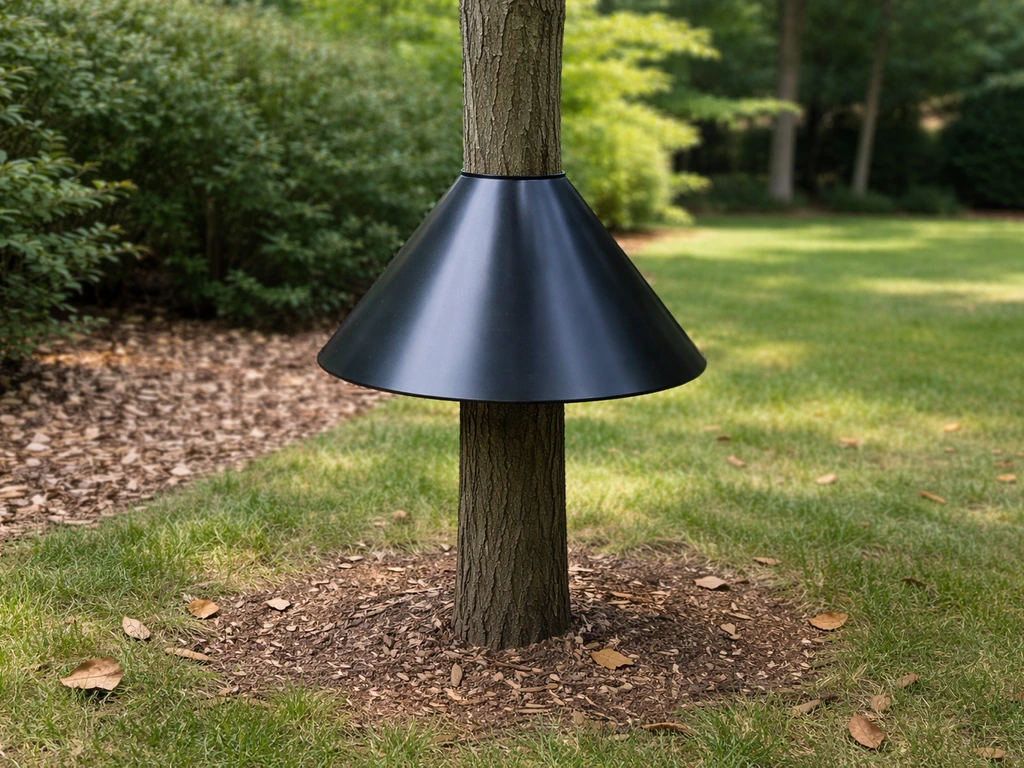
Protecting a nest from predators is one area where you can take meaningful action without disturbing the nest itself. The key is indirect, structural intervention, not baiting, trapping, or applying anything near the nest.
| Approach | Does it help? | Notes |
|---|---|---|
| Install a pole baffle (cone or stovepipe style) below a nest box | Yes, highly effective | Install before or well away from the active period. NestWatch research found cone and stovepipe baffles equally effective at scale. |
| Place scented deterrents (essential oils, predator urine) near the nest | No, and potentially harmful | Respiratory risk to birds; DIY scent use is not supported by wildlife agencies for homeowner use. |
| Keep cats and dogs away from the nest zone | Yes | Cats are among the top predators of nesting birds. Even supervised outdoor cats pose a stress risk. |
| Set live traps for raccoons or squirrels near the nest | Not recommended without guidance | Trapping near an active nest can cause panic and abandonment; consult your state wildlife agency first. |
| Redirect foot and vehicle traffic away from the nest zone | Yes | Low-contact and highly effective at reducing disturbance stress. |
| Use motion-activated sprinklers aimed away from the nest to deter mammals | Potentially useful | Position carefully so water does not reach the nest; consult a wildlife professional for placement. |
| Leave out food to 'distract' predators away from the nest | No | Attracts more predators, not fewer. Do not do this. |
| Reduce or eliminate outdoor lighting near the nest at night | Yes | Reduces collision risk and nocturnal predator activity near the nest site. |
If you suspect a specific predator is actively raiding the nest (you see evidence like broken eggs on the ground, disturbed nest material, or a snake or raccoon at the site), do not attempt removal or relocation yourself. Document what you observe with photos and contact your state wildlife agency or a licensed wildlife rehabilitator for species-specific guidance.
When to call an expert and what to document first
Most active nests genuinely do not need human intervention. But there are real situations that warrant a call to a licensed wildlife rehabilitator or your state wildlife agency. Knowing the difference matters.
Call a wildlife rehabilitator if you observe any of these
- A nestling (eyes closed, mostly featherless) is on the ground and the nest is not visible or reachable.
- A bird of any age is bleeding, has a drooping or asymmetrical wing, is weak, shivering, or unable to flutter its wings.
- A chick or adult bird has been attacked or grabbed by a cat or dog, even if it looks fine. Cat bacteria cause serious infections in birds and require immediate treatment.
- The entire nest with eggs or chicks has been knocked down by weather or a tree cut by a contractor and the parent birds are not returning.
- You see a nest in a location about to be destroyed by imminent construction or demolition and you cannot pause the work.
Audubon and USFWS both emphasize that many 'rescued' baby birds are actually fledglings (feathered, hopping, able to move) whose parents are nearby and watching. A fledgling on the ground is normal. A helpless, downy nestling on the ground is not. If you are unsure, observe from a distance for 30 to 60 minutes before acting.
What to document before you call
When you contact a rehabilitator or wildlife agency, they will ask for specific information. Having it ready speeds up the triage and gets the bird better help faster. Take notes and photos of the following:
- Photos of the bird (from a respectful distance), noting feather coverage, approximate size, and any visible injuries.
- Photos of the nest itself, including its location, height from the ground, and the materials it is built from.
- The exact address or GPS coordinates of the nest site.
- What you observed: when you found it, what the bird was doing, whether adult birds are still present and returning.
- Any relevant context: recent storm, nearby construction, pet involved, contractor who cut the tree, etc.
- The time of day you found it and the current weather conditions.
Audubon also recommends photographing the adult birds if you can do so without approaching the nest, as species identification is one of the first things a wildlife professional will need to determine what help is appropriate and whether the MBTA applies. Identifying the species also helps determine whether any state-level protections add to the federal baseline.
If a public safety issue is involved (an aggressive nesting bird attacking pedestrians, for example, which happens occasionally with mockingbirds or red-winged blackbirds), contact your state wildlife agency's enforcement division rather than attempting to handle the situation yourself. They can advise on permits and legal options without putting you at risk of an MBTA violation.
The bottom line is that restraint is the most powerful tool you have. A nest that is left alone, quietly monitored, and protected from indirect hazards will almost always succeed on its own. The birds have been doing this far longer than we have been trying to help them.
FAQ
What if I accidentally already put out nesting material or cotton-like items before I saw the nest? Should I yank them immediately?
If you already have nesting material in place from earlier, do not remove it during an active cycle if it is not directly tied to the active nest site. The safest approach is to stop adding anything and keep people and pets away. If the material is placed right next to or inside the occupied area, remove it only after fledging, because disturbing the nest can trigger abandonment and could create a legal problem if the nest is active.
Is it okay to move an active nest a little so it stops blocking something like a porch light?
Do not relocate the nest, even “just a few inches,” and do not use glue, straps, or wire to reattach it while eggs or chicks are present. Besides the abandonment risk, physically changing the structure can be interpreted as disturbing or causing take under protected-species laws. Wait until brood fledges, then address the location with indirect deterrents if needed.
If I have a bird feeder in my yard, does that count as leaving out something near the nest?
Ground rules for “leave out” are different from “leave near.” Avoid leaving food, seed, or attractants near the occupied nest site, but it is generally fine to keep a feeder in the yard if it is not added or moved closer to the nest during nesting season. If birds are nesting close to a feeder, temporarily pause refilling only for the nesting cycle, then resume after fledging.
Can I use essential oils or scented sprays to deter predators or mask nest odor?
In most cases, remove or pause the attractant rather than trying to “detox” the situation with scented products. Essential oils, sprays, and diffusers can irritate adult birds and nestlings, and they do not reliably deter predators. If odor or smell is why you placed something there, stop using it immediately and switch to indirect predator prevention (like a baffle) or predator-proofing done away from the nest.
What about mowing or trimming near the nest when I can do it quickly?
Avoid starting a new construction, landscaping, or pruning activity that could vibrate, shadow, or increase traffic near the nest while adults are incubating or feeding. If you must work nearby, schedule it for a time when adults are away foraging and keep the disturbance brief, but still do not spray chemicals, and do not lean ladders, tools, or debris against the nesting structure.
How do I handle pets around an active nest without making the situation worse?
If you have a dog or cat, the key is containment and distance, not feeding or blocking the nest. Use doors and indoor time, leashes, or barriers to prevent pets from approaching the nest area, because pet interest often triggers abandonment and can directly injure chicks. Do not set up “protection” that traps or entangles birds, and avoid leaving anything that could catch or wrap around legs (like string, netting near the nest, or dangling materials).
Are cotton balls, dryer lint, or other household fluff safe near active nests?
Leaving out household debris or “natural” fibers can be risky even if you think they are birdsafe. Dryer lint, cotton balls, yarn, and similar soft materials can trap moisture or wrap around nestlings. If you want to help, focus on a pre-season setup using approved nesting materials, then do not introduce new fibers during an active nesting cycle.
If I need outdoor lights for safety, what is the least risky way to manage lighting near a nest?
Yes, lighting can matter even if it is not directly aimed at the nest. Use existing lights carefully, reduce intensity, and ensure fixtures are shielded and pointed downward. If your only option is a new bright light (like a floodlight or string lights), do not add it during nesting, and consider turning it off when the nest area is not needed for safety.
What should I do if I see a baby bird on the ground under the nest, but I am not sure if it is a fledgling or nestling?
If you find a nestling that seems exposed, do not assume it is abandoned. Observe from a distance first, and avoid handling, placing it back, or moving it. The fastest path to correct action is contacting a licensed wildlife rehabilitator, especially if the chick is downy, motionless, or obviously unable to move.
Can I take photos or use a camera near the nest to identify the species?
If you want to document without disturbing, take photos from your door or a window, use zoom instead of walking closer, and avoid repeated visits that change the birds’ behavior. If you need close identification, do it only after fledging or during a period of natural absence, and do not place cameras or objects so near the nest that adults must pass around them.
How do I deal with droppings under a nest without disturbing the parents?
Droppings cleanup can be done without direct nest contact, using a barrier method like placing a catch sheet at a distance and changing it without approaching the nest. Avoid spraying cleaners or chemicals under the nest, because fumes and residues can add stress and may affect nearby insects the adults bring to chicks.
What should I do if I think a raccoon or snake is actively raiding the nest?
If you suspect predators are raiding, do not bait, trap, or apply substances at the nest site. Instead, switch to indirect structural measures that are installed away from active nests, such as predator baffles on nest box poles or predator-proofing before the next cycle. If raiding is happening now, call your state wildlife agency or a wildlife rehabilitator for species-specific guidance.
Next Article
When to Put Out Bird Nesting Material: Timing Guide
Learn when to put out nesting material by season, species, and signs of active nests, plus safe materials and placement.