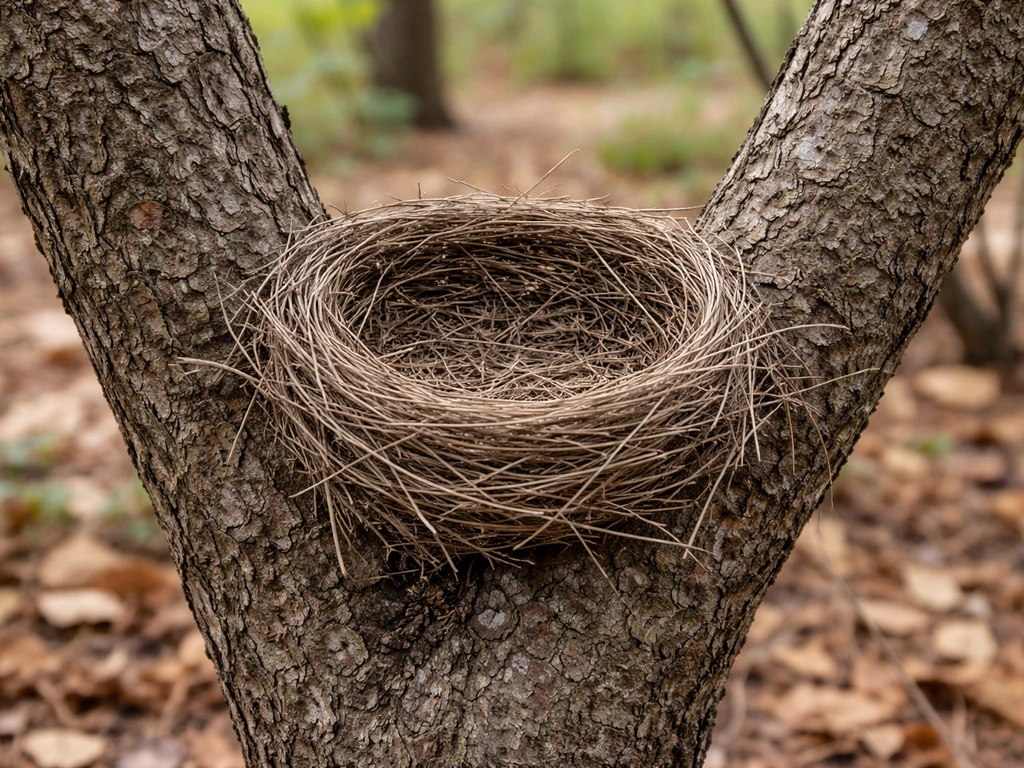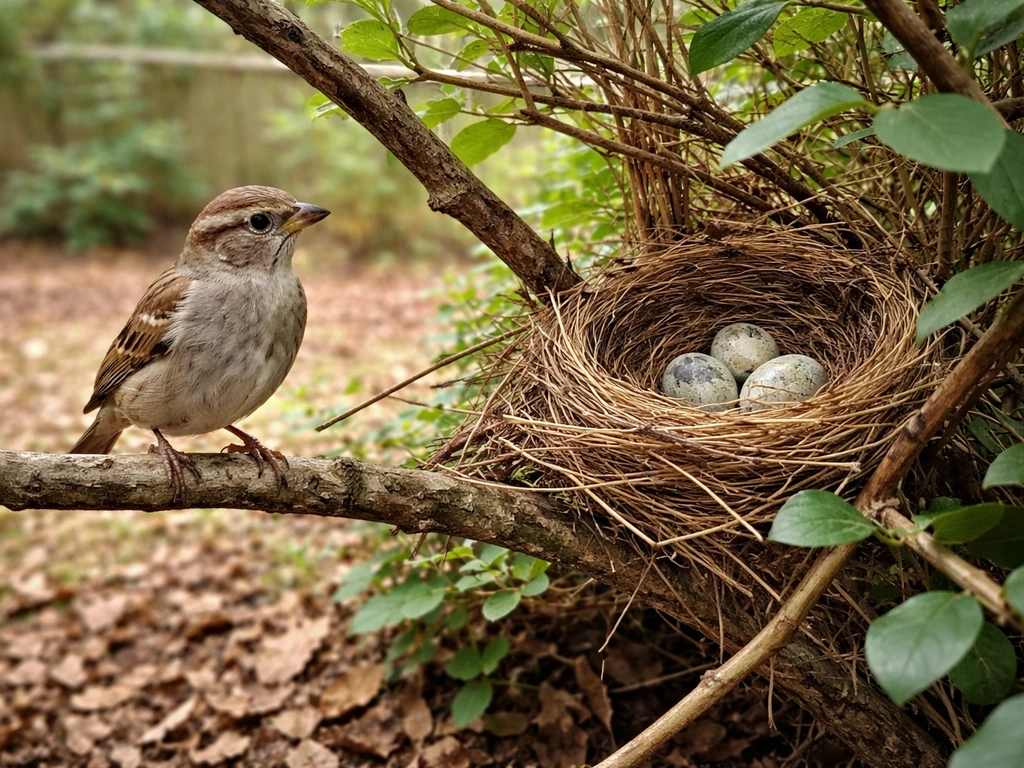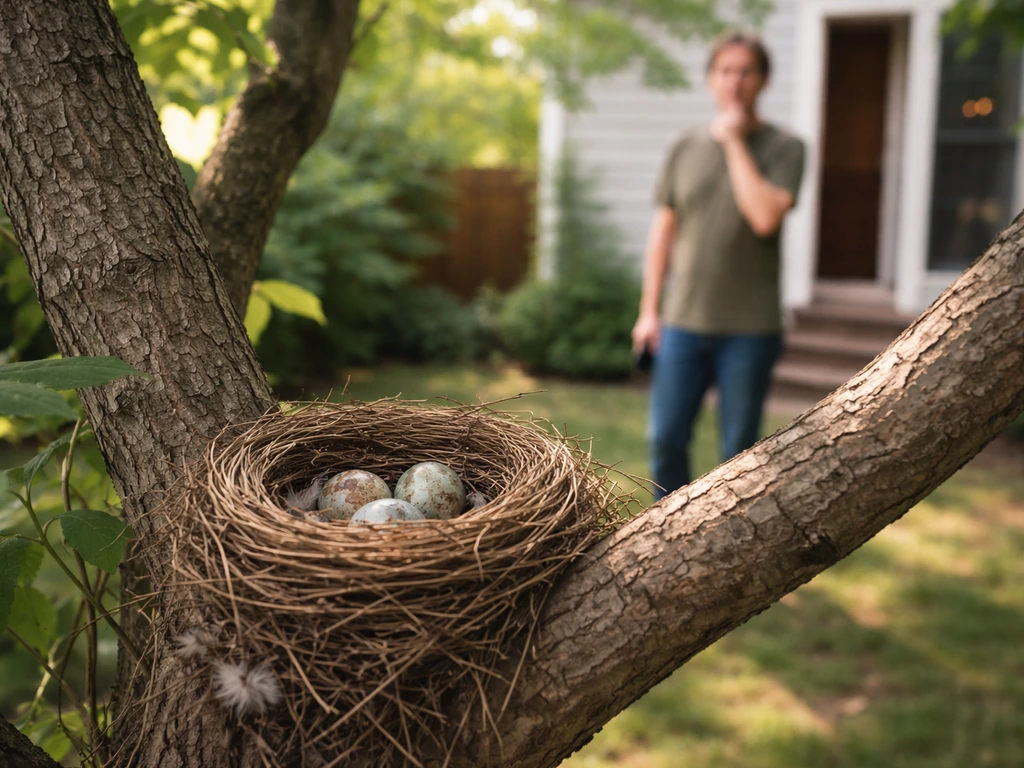
In most cases, no. If you move a bird's nest, the parents will not reliably find it again.
Will a Bird Find Its Nest If You Move It? What to Do

Maya Bennett
25 Apr 2026
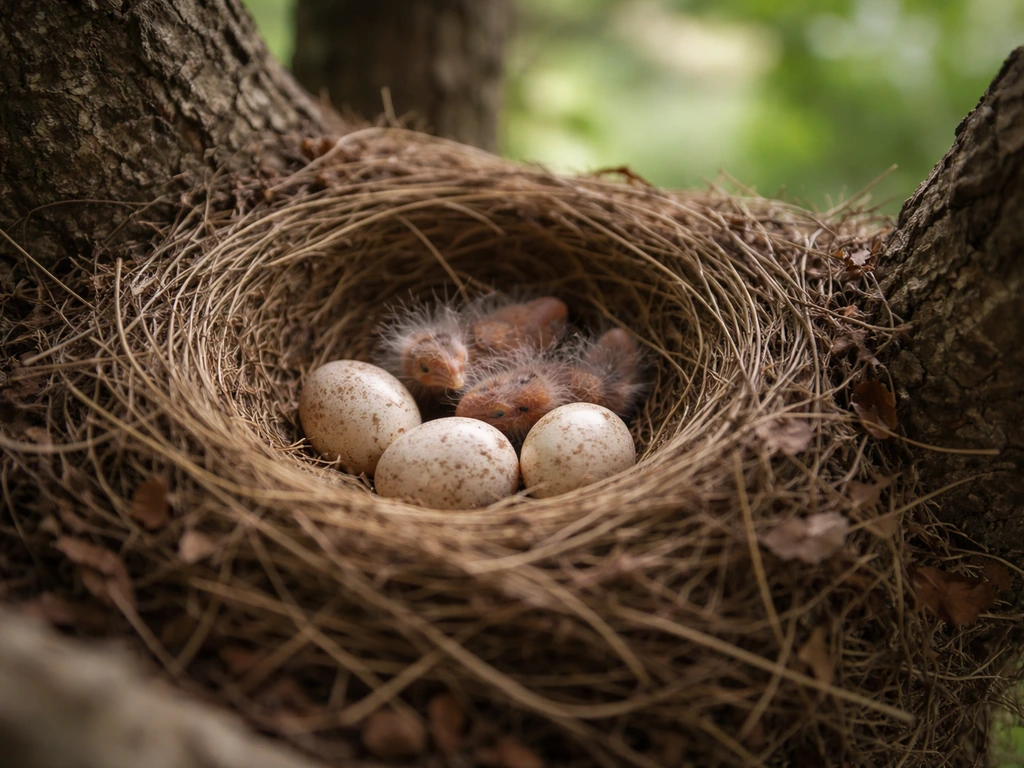
Birds navigate back to a specific location, not to a portable object, and when a nest disappears from that spot, most species simply stop returning to the area or abandon the attempt entirely. If you are wondering whether a [will mom bird find a moved nest](/bird-nest-identification/will-mom-bird-find-a-moved-nest), the short answer is that she usually will not reliably relocate it. The short version: moving a nest almost always ends the nesting attempt, and in the U. S.
it is also illegal to move or disturb most active nests without a permit. If you have a nest somewhere inconvenient right now, your best move is nearly always to leave it alone and protect the space around it instead.
Why moving a nest usually backfires
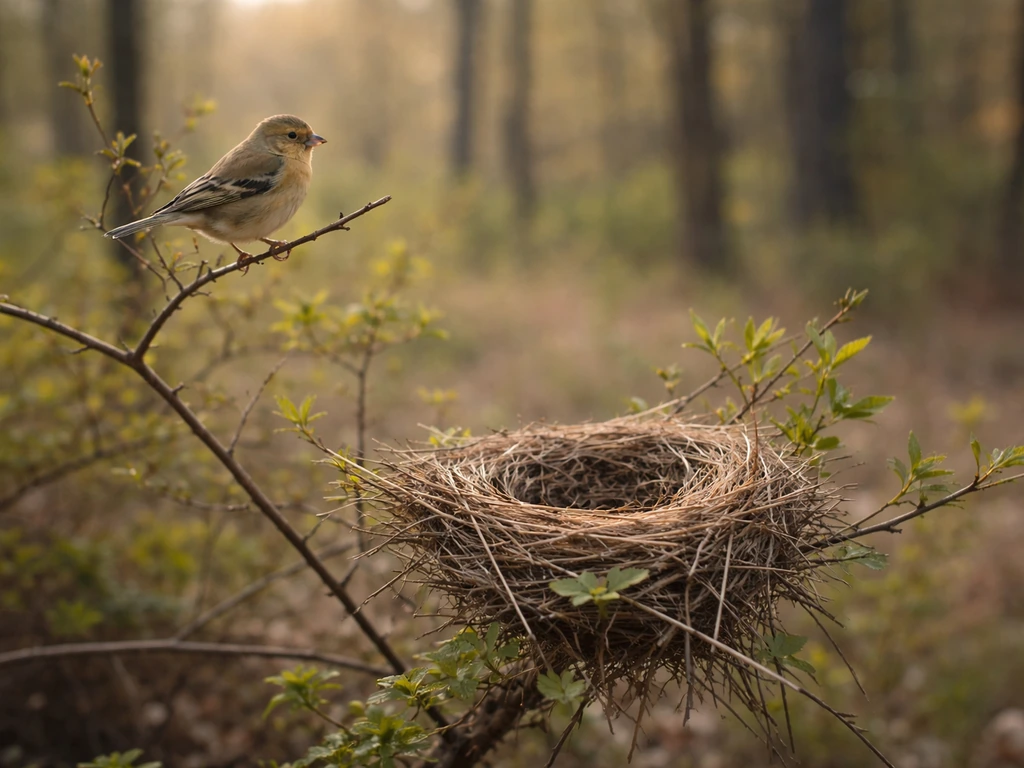
Birds are wired to return to a place, not a structure. Research on nest-site fidelity shows that many species return to the exact coordinates of a previous breeding attempt season after season. Studies on species like the Common Tailorbird find roughly 70% of individuals returning to the same specific nest site the following year. That fidelity is baked into their navigation and memory. When a nest physically shifts even a few feet, the bird keeps flying back to where it was, not where it is now.
Male and female parents often play different roles in attendance. In many species, the female handles the bulk of incubation while the male feeds her or guards the perimeter. If one partner is away when you move the nest, they may return, circle the original location repeatedly, and never locate the new spot. The birds are not being stubborn; they are simply using the navigation system evolution gave them.
Scent also plays a more significant role than most people expect. Research on burrow-nesting seabirds shows that birds use the odor profile of their own nest as a homing mechanism. A 2024 study confirmed olfactory homing via bird-scented nest material. When you move a nest, you disrupt those scent cues, reduce the precision of reconnection, and stress birds that are already mid-cycle. That combination of spatial disorientation and lost chemical cues is usually enough to end the nesting attempt for good.
The legal reality: most active nests are protected
Before you touch anything, you need to know this: under the Migratory Bird Treaty Act (MBTA, 16 U.S.C. § 703), it is illegal to take, move, or destroy the nest of a migratory bird that contains eggs or chicks, or where young birds are still dependent on the nest. The U.S. Fish and Wildlife Service (FWS) can impose heavy fines for violations. This covers the overwhelming majority of common backyard birds, including robins, sparrows, swallows, wrens, and hundreds of other species. State-level rules often add another layer of protection on top of that.
FWS guidance makes clear that permits for nest removal are typically issued only when a nest poses a genuine human health or safety concern, or when the birds themselves are in immediate danger. Mass Audubon's official guidance is simply: do not move the nest. Audubon's national guidance echoes this, recommending that homeowners leave a nest alone until eggs hatch and young fledge, and call a local wildlife rehabilitator if professional help is genuinely needed.
An empty nest, or one that is clearly abandoned and has no eggs or dependent young, is a different story legally. A nest that has never had eggs and is still being built is the one scenario where gentle relocation is least harmful, though still not guaranteed to succeed. If there are eggs or chicks present, stop and call a professional.
When moving a nest is actually justified
There are narrow, legitimate scenarios where moving a nest is the most ethical option. They fall into three categories: imminent destruction, immediate danger to the birds, and genuine rescue situations.
- Construction or demolition that will destroy the nest within hours or days, where there is no way to delay work (even here, FWS recommends contacting a licensed wildlife rehabilitator rather than doing it yourself)
- A nest that has physically fallen from its original location due to wind, a branch break, or an accident, where chicks are on the ground and healthy
- A nest in a location where it is being directly predated or is in active danger (e.g., a ground nest repeatedly hit by a lawnmower path)
- Situations where a qualified wildlife rehabilitator has assessed the nest and determined relocation is the safest option
In every one of these cases, the right call is to contact a licensed wildlife rehabilitator or your state wildlife agency before acting. Massachusetts state guidance also directs you to contact a licensed wildlife rehabilitator for help when intervention is needed. FWS authorizations are issued to specific qualified individuals and agencies under defined conditions. Doing it yourself without that authorization still puts you in legal gray territory, even if your intentions are good.
What to do right now: practical steps for homeowners
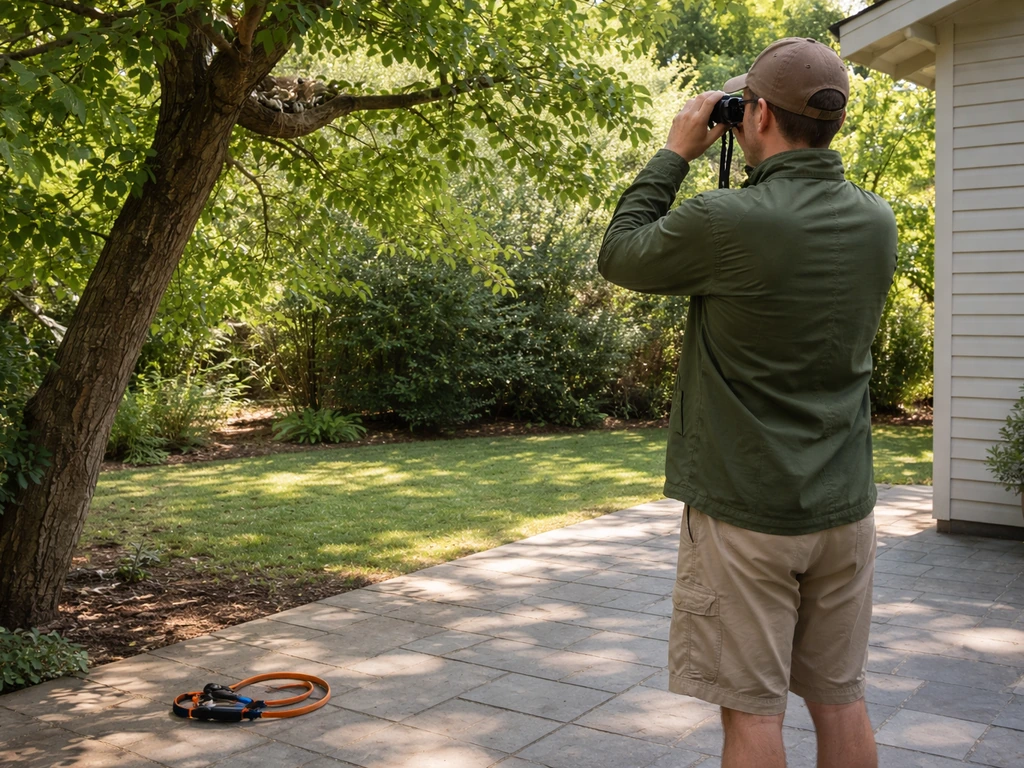
If you have just found a nest and are trying to figure out your next move, work through this sequence before touching anything.
- Step back and observe from at least 10–15 feet away for a few minutes. Are adults actively attending the nest? Are there eggs or chicks visible?
- Take a photo on your phone. Document the location, the nest contents (eggs, chicks, or empty), and any obvious immediate threats. This helps if you end up calling a rehabilitator.
- If there are eggs or chicks present, do not move the nest. Your legal obligation and the birds' best chance of survival both point the same direction: leave it alone.
- If there is an immediate physical danger to the nest (a branch about to fall, active construction starting today), call a licensed wildlife rehabilitator immediately. Find one through the National Wildlife Rehabilitators Association (NWRA) directory or your state fish and wildlife agency.
- If the nest is empty and was never active, or if birds have fully fledged and left, you can remove it without legal concern.
- If a nest has physically fallen and the chicks look healthy and uninjured, the best option is often to place the nest back in the original tree as high as you can safely reach, in a sheltered fork of branches. Keep your time handling it to an absolute minimum.
- Keep children and pets away from the area for the duration of the nesting cycle, typically 2–6 weeks depending on species.
Species and scenario guide: what type of nest do you have?
The right response varies depending on what kind of nest you are dealing with. Here is a quick breakdown of the most common situations.
Open cup nests (robins, sparrows, finches)
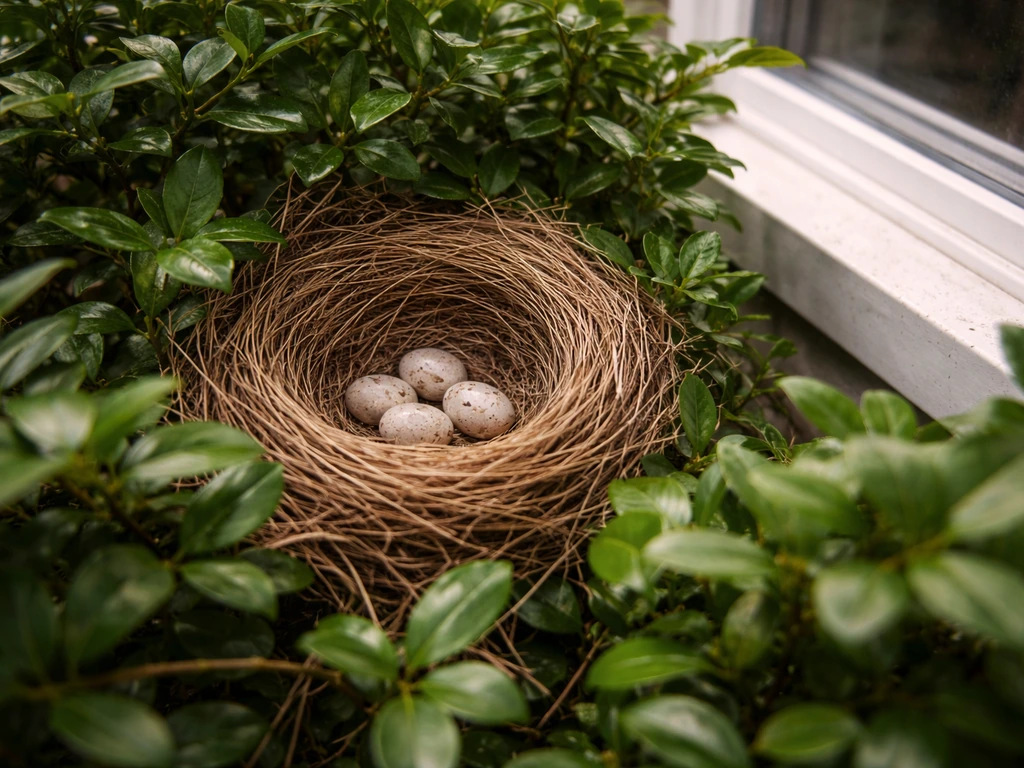
These are the classic nest shape, usually built in shrubs, window ledges, gutters, or low tree branches. They are among the most commonly found by homeowners. If they contain eggs or chicks, leave them. The nesting cycle for most small songbirds is 2–4 weeks from hatching to fledging, so the disruption to your routine is temporary. If a cup nest has fallen and the chicks are uninjured, gently place it back in the original spot or as close to it as possible, and step away immediately.
Ground nests (killdeer, sparrows, nighthawks)
Ground-nesting birds like killdeer are especially vulnerable to being disturbed by lawnmowers, foot traffic, and pets. Site fidelity in these species is very high. The parent will not follow the nest if you move it; they will return to the patch of ground where the eggs were. For ground nests, the best protection is physical marking: use a small ring of tent stakes or landscaping flags in a wide perimeter to remind household members to avoid the area. Delay mowing if possible. If mowing absolutely cannot wait, call a rehabilitator for guidance specific to your species.
Cavity nests (woodpeckers, bluebirds, wrens)
Cavity nesters choose a specific hole or nest box. Site fidelity in these species is extremely high, and the cavity itself is often part of what they are returning to, not just a general territory. Moving a nest box mid-season almost certainly ends the attempt. If a nest box is in a structurally dangerous location, the only real option is to wait until the current clutch fledges and then relocate the box before the next season.
Plant-based and nest fern structures
Birds sometimes nest in large ferns, hanging baskets, and dense shrubs on porches or patios. These are almost always open cup nests built into the plant structure. Do not move the pot or planter. Water around the base of the pot rather than overhead if you must water at all, and keep activity near the plant minimal. The plant itself is now a fixed nest site for the season.
Eggs vs. chicks: does it change the math?
Slightly. Eggs are more tolerant of brief temperature changes than chicks, but neither should be moved without professional guidance. Chicks that have already hatched are often more visibly at-risk, which is why people feel the urge to intervene. The decision tree is the same in both cases: if they are in the original nest and the nest is intact, leave it alone. If the nest has fallen and the chicks are healthy, return it to the original spot. If the chicks are injured, call a rehabilitator.
How to protect the nest where it already is
This is genuinely the most useful thing most homeowners can do. Rather than trying to move the nest to a better spot, make the current spot safer.
| Threat | Practical solution |
|---|---|
| Cats and dogs | Keep pets indoors or on a leash at all times during the nesting cycle; install a temporary fence or chicken wire around the base of the nest tree or shrub |
| Other predators (raccoons, snakes) | Place a metal predator guard (cone baffle) on any vertical pole or tree trunk supporting the nest; keep surrounding vegetation trimmed so predators cannot leap to the nest |
| Human foot traffic | Mark a no-go zone with landscaping flags or a small temporary fence at least 6–10 feet around the nest; put a note on any nearby gate or door |
| Weather exposure | If a nest is on a ledge, you can add a very small roof-like shelter (a piece of untreated wood mounted above it) without disturbing the nest itself, but only if you can do so without approaching within 3 feet of the nest |
| Construction or work on the structure | Delay work until fledging is complete; tape off the area and notify all workers; if delay is truly impossible, contact a licensed rehabilitator before any work begins |
Distance is one of the most underrated tools. Many species will tolerate a nearby human presence if it is consistent, calm, and does not approach the nest. Others will flush repeatedly and eventually abandon. A good default rule is to stay at least 10 feet from the nest for routine activity and 20 feet or more when birds are visibly agitated. If you can route foot traffic away from the area entirely, do it.
Aftercare: how to tell if the nest is still active and when to stop worrying
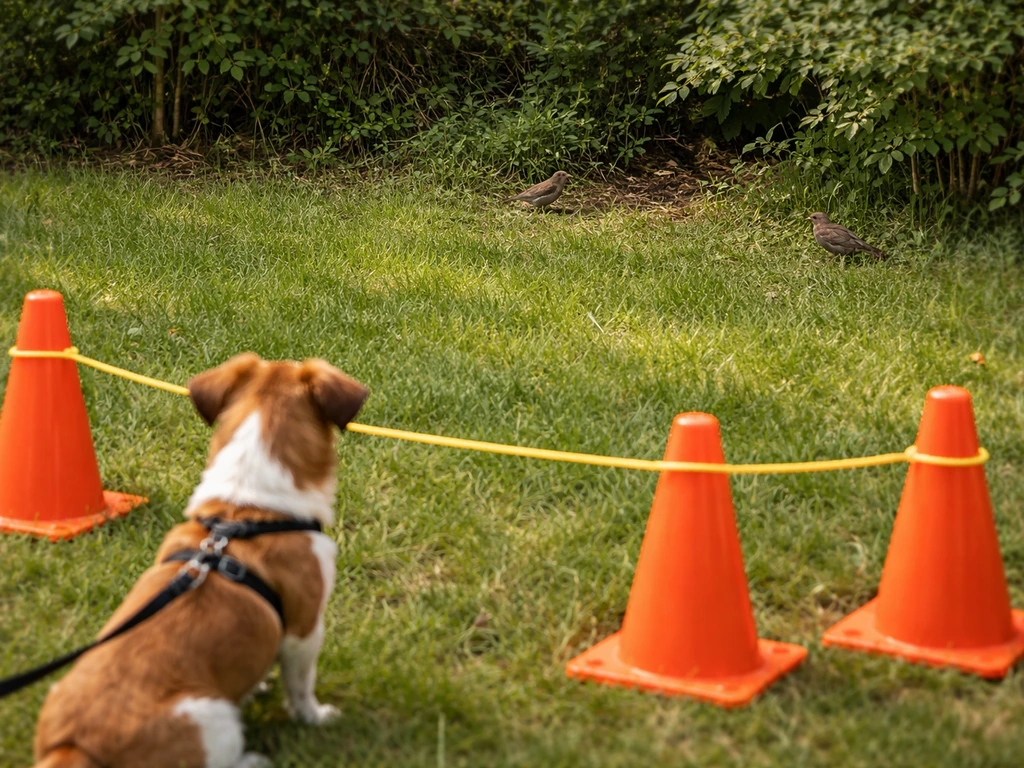
Once you have secured the area, monitor from a distance. You are looking for a few key signs that tell you whether the nest is being attended or has been abandoned.
- Adult birds returning to the nest regularly (every few minutes to every hour, depending on species and stage of nesting)
- Adults sitting quietly on the nest for extended periods (active incubation)
- Adults arriving with food and departing quickly (chicks are being fed)
- Chicks visible and upright when adults arrive (healthy and responsive)
Signs that a nest may be abandoned include: no adult visits in 4 or more hours during daylight, eggs that feel cold to the side of your hand (if you can check without disturbing them), chicks that are limp, silent, or have no food visible in the nest over a full day. If you see any of these, call a wildlife rehabilitator. Do not try to incubate eggs yourself or feed chicks; both require specialized knowledge and equipment to do without causing harm.
One thing that trips people up: fledglings look abandoned but usually are not. A fledgling is a chick that has left the nest but is still being fed by the parents on the ground or in low vegetation. They hop around, look clumsy, and seem helpless. This is completely normal. The parents know where they are. Leave them alone. Only intervene if the bird is in immediate physical danger (on a road, caught by a cat) and even then, move it only to a safer nearby spot, not somewhere distant.
Once the nest is empty and the season is over, you can safely remove it. Most songbird nests are single-use structures anyway, and removing them after the season can reduce parasite loads that accumulate in old nesting material. If you are curious about whether you can keep an old nest as a display or keepsake, that is worth checking against MBTA rules specifically, since protections extend to some nest materials even after use.
If you are wondering can i keep an old bird nest, the key is to check how the MBTA treats unused nest material in your situation before you remove or display anything. Related questions about whether you can physically put a chick back in its nest, or whether the mother bird will return to a moved nest, follow similar logic and are worth exploring in more detail before you act.
The bottom line is that the best intervention for a bird nest is almost always the least intervention. Protect the space, reduce disturbance, keep predators away, and let the birds do what they are built to do. That is the approach that actually gives the nest the best chance of success.
FAQ
What if I see babies outside the nest, does that mean the nest is abandoned and I should move it?
If it is a fledgling, leave it where it is even if it seems abandoned. Parents usually keep feeding from nearby while it hides in grass or low shrubs, so “no nest activity” can be normal. Only move the bird if it is in immediate physical danger (for example, on a road, caught by a pet, or about to be stepped on), and if you must act, place it only in the closest safer cover nearby, then watch from a distance.
My nest is in a high-traffic area. Can I move it so people and pets do not disturb the birds?
Do not relocate the nest just because it is in an inconvenient spot like near a door, driveway, or playground. A short-term fix is to block access and reduce disturbance, for example using temporary barriers, rerouting foot traffic, and keeping pets inside. If the location is genuinely dangerous to the birds, contact a licensed wildlife rehabilitator or your state wildlife agency before you try any physical changes.
What should I do if the nest is in the path of mowing or landscaping?
If you have to mow or do yard work, delay if possible and use a wide exclusion zone around the nest area. Keep equipment noise and vibration to a minimum, and avoid approaching the nest to “check” on it repeatedly. If mowing cannot wait, contact a rehabilitator for guidance for your specific species because ground-nesting birds and cavity nesters respond very differently to disturbance.
How can I tell if the eggs are still being incubated without touching anything?
A quick “egg check” can easily become a disturbance that increases abandonment risk, and it is also illegal to take or disturb eggs in many situations. If you need to know whether the nest is active, use distance monitoring instead (for example, adult visitation patterns during daylight). If you see signs of abandonment or injury, call a rehabilitator rather than inspecting up close.
Once a nest looks empty, is it automatically legal to remove, keep, or display it?
If the nest is empty of eggs and chicks and there are no dependent young, it is usually not protected as an active nest under the same way. However, nest materials can still fall under legal restrictions depending on the species and circumstances, so confirm locally before removing, selling, or displaying an old nest. When in doubt, contact your state wildlife agency for what is allowed in your area.
What if I find an injured chick or a bird that seems trapped, can I handle it myself?
Treat injured or stranded birds as a rescue situation, not a DIY relocation. If you find an injured chick, a parent may be nearby, but you still should call a wildlife rehabilitator for correct handling. Avoid giving food, do not apply ointments, and keep the bird warm and quiet only while arranging help.
What if a nesting cavity or nest box is in a spot that is about to be renovated or repaired?
If a nest is in a nest box or a hole inside a structure, the safer approach is to wait until the breeding cycle ends and fledglings have left, then address the hazard before the next nesting season. If there is immediate danger (for example, the structure will be demolished in the middle of the cycle), contact your state wildlife agency or a rehabilitator before any work starts to determine whether relocation or other authorized actions are possible.
I think the parents might not be feeding. Can I feed the chicks or incubate the eggs to help?
Feeding wild chicks is risky because the right diet, portioning, and hygiene vary by species, and wrong food can cause illness. If you suspect abandonment or the chicks are not being fed, the appropriate step is to contact a wildlife rehabilitator. Use monitoring instead of intervention, and do not incubate eggs yourself.