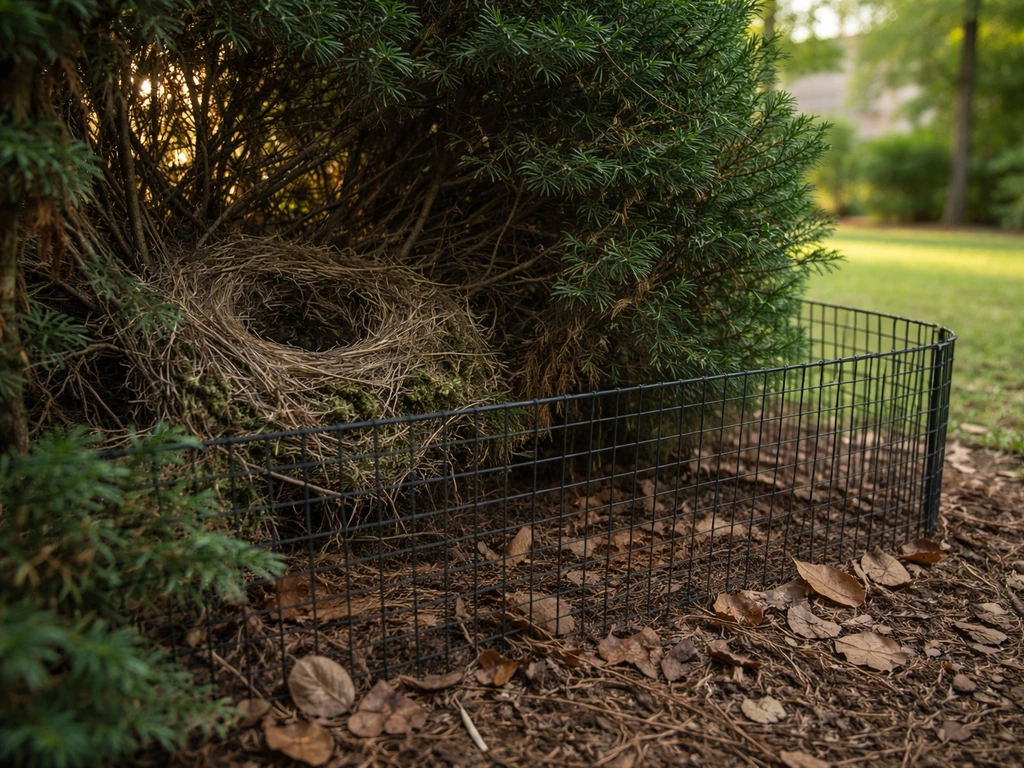
If you searched 'Days Gone how to destroy bird nests' looking for video game tips, you've landed in the wrong place. But if you're a homeowner staring at a nest on your porch, in your eaves, or stuffed inside a vent, you're in exactly the right one. In real life, whether you can remove or destroy a bird nest depends almost entirely on two things: whether the nest is active right now, and what species built it. In other words, the real question is what destroys bird nests safely and legally, and the answer depends on whether the nest is active. Get those two things wrong and you could be breaking federal law. Get them right and the whole process is straightforward.
Days Gone How to Destroy Bird Nests: Ethical Removal Steps

Maya Bennett
12 May 2026
First, figure out if the nest is active (and who built it)

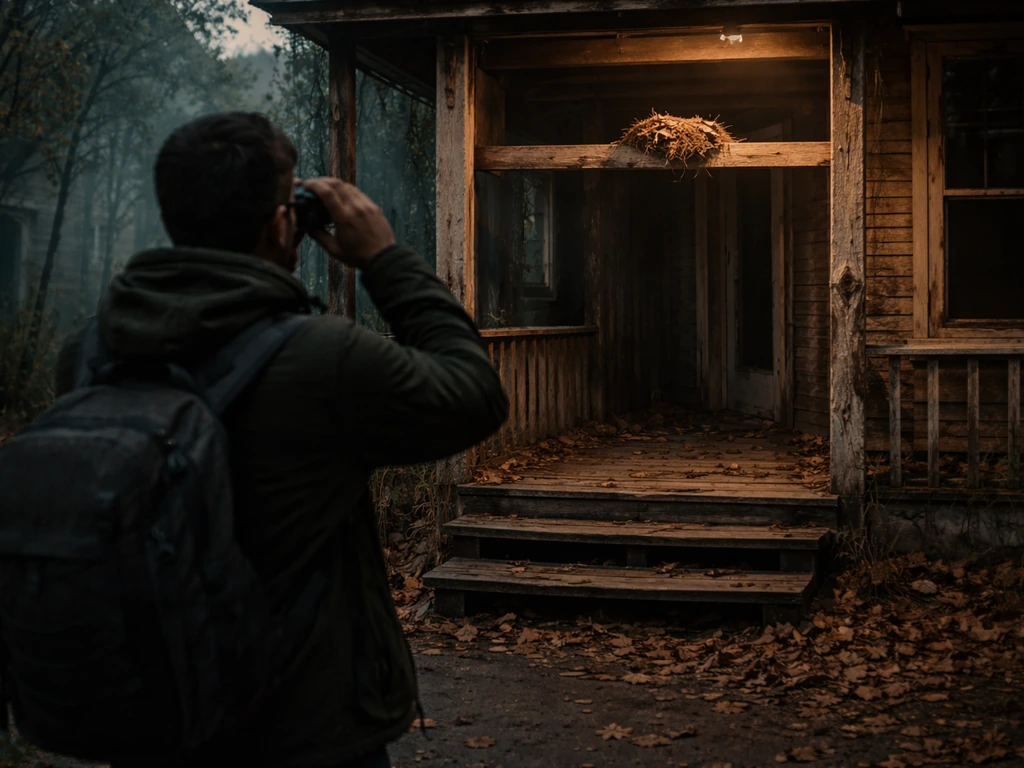
Before you touch anything, spend five to ten minutes watching from a distance, binoculars if you have them. You're looking for a few clear signs: adults flying to and from the nest, alarm calls when you approach, or audible begging calls from chicks inside. If you see or hear any of those, the nest is active and you need to stop right there.
Nesting runs through five stages: building, laying, incubating, nestling, and fledgling. A nest with eggs or chicks in it is protected at every one of those stages under U.S. federal law. Even a nest that looks empty may still have dependent fledglings nearby who are still relying on it. If a bird nest fell out of a tree, first assume it might still be active and then confirm whether eggs or chicks are present before taking any steps what to do if bird nest fell out of tree. If you're unsure, assume it's active and check again the next day.
Identifying the species matters too. Common house sparrows and European starlings are not protected under the Migratory Bird Treaty Act in the U.S., which gives homeowners more flexibility. Native songbirds like robins, wrens, swallows, and finches are fully protected. Raptors like hawks or owls nesting on your property carry even stricter protections. Take a clear photo of the bird and the nest structure before doing anything else. Note the nest's size, shape, and materials: mud pellets point to swallows, loose twigs and grass suggest robins or sparrows, and tightly woven plant fibers often mean finches.
The legal and ethical ground rules
In the U.S., the Migratory Bird Treaty Act makes it illegal to destroy a nest that contains eggs or chicks, or where young birds are still dependent on it for survival. That's not a technicality, it's a real federal offense. The standard rule from the U.S. Fish and Wildlife Service is simple: wait until the nest is fully inactive before removing it. 'Inactive' means no eggs, no chicks, no adults using it for breeding, confirmed by observation over several days.
There is a narrow no-permit-required exception: if a migratory bird has gotten inside a building and is disrupting normal use, creating a health or safety risk, or risking injury by becoming trapped, prompt removal is allowed. But this applies to birds inside structures, not nests built on the outside of your house. For most outdoor nests, if it's active, your only legal move is to wait.
In the UK, the Wildlife and Countryside Act 1981 protects all wild birds, their eggs, and their nests while in use or being built. Intentionally damaging or destroying an active nest is an offence, and fines apply per bird or per nest. Schedule 1 species (rare and vulnerable birds) carry higher penalties. The RSPCA notes that even moving unhatched eggs from an unused nest is only legal in a defined window from 1 September to 31 January. In the EU, the Birds Directive covers the same ground, with destruction or removal only permitted under strictly controlled exceptions.
The honest bottom line: destroying an active nest is almost never legal for a homeowner acting alone. If you want a step-by-step plan for safely removing a bird nest, follow the inactive-nest checklist and avoid any removal while it is still active. If there's any doubt about whether a nest is active or what species built it, consult a wildlife professional before doing anything.
What you can actually do: removal vs. relocation
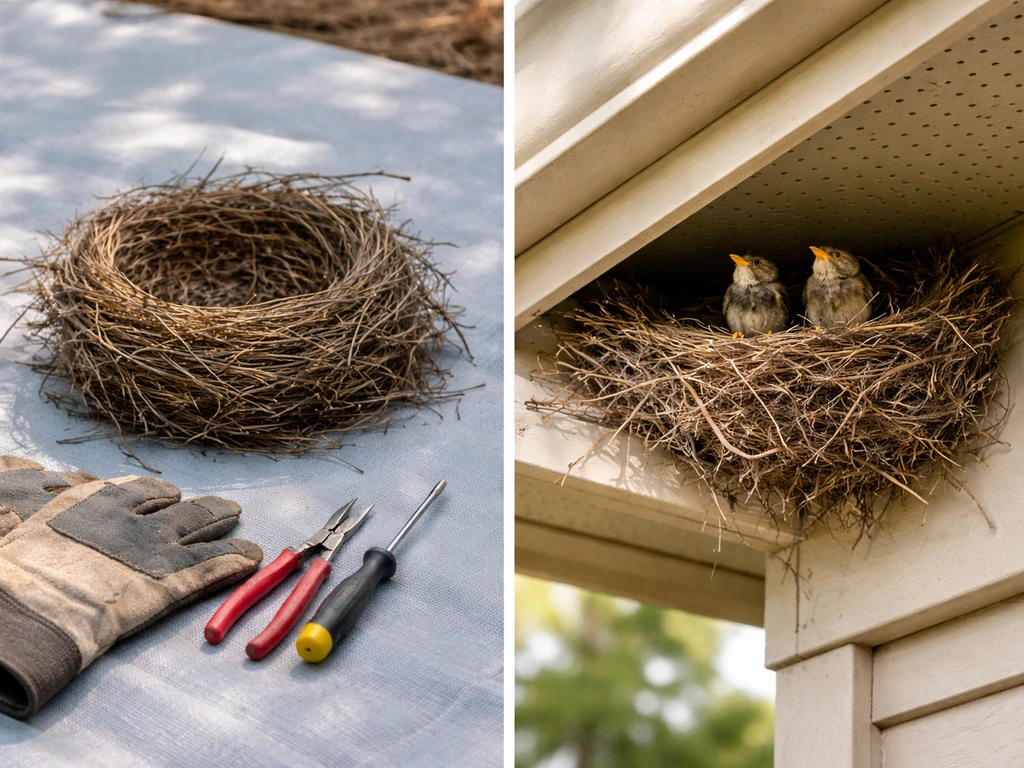
Once a nest is confirmed inactive, you can remove it yourself in most cases. If you are wondering how to get a bird nest down safely, the key is to wait until it is fully inactive before removing it. That means no eggs, no chicks, no adults returning to it, and the breeding season for that species is over. Knock the structure down, bag the debris, and dispose of it. If you knock down a bird nest while it is active, you could be breaking wildlife protection laws and putting chicks at serious risk. This is the cleanest, most legal path.
Relocation of an active nest is a different matter entirely. Moving a nest with eggs or chicks is not a DIY option and is generally not permitted without a special permit from USFWS. Permits for nest removal or relocation are typically only issued when the nest poses a documented human health or safety concern, or when the birds themselves are in immediate danger. If you genuinely believe the nest needs to be moved for safety reasons, the right move is to contact your state or regional wildlife office and describe the situation in detail.
For inactive nests, removal is straightforward. For active nests in problem locations, your practical options while waiting are exclusion (blocking access to adjacent spaces so they can't return next season), deterrents placed outside the active nesting zone, and monitoring. Trying to relocate an active nest yourself risks harming the chicks, losing parental attachment, and breaking the law.
How to stop them from coming back
Prevention is where homeowners have the most control, and the best time to act is after the current nesting cycle ends and before the next breeding season starts. In most of North America, that window is roughly August through February for most songbirds, though some species (including pigeons and house sparrows) nest year-round or start early.
Physical exclusion
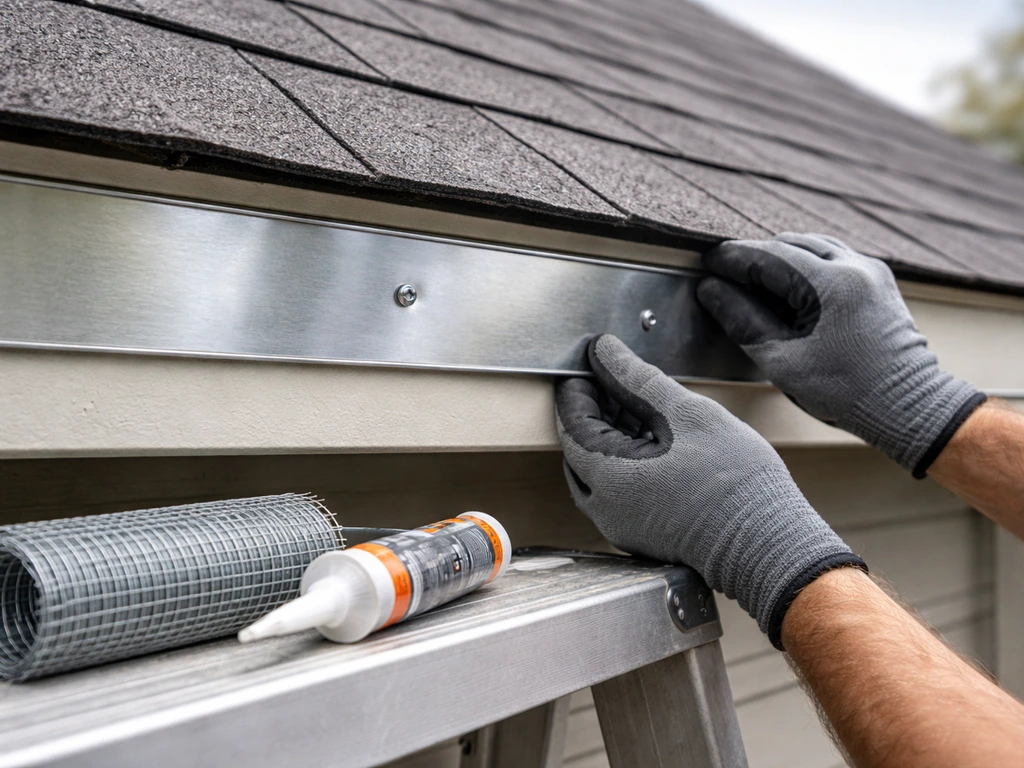
Exclusion is the most effective long-term tool. Seal gaps in eaves, fascia boards, and rooflines with caulk, hardware cloth, or metal flashing. If the nest is in a chimney, focus on safer exclusion and cleanup steps only after it is fully inactive chimney nest removal. Cover open vents with fine mesh screens rated for bird exclusion (openings no larger than half an inch for small birds). Install bird netting under eaves or over garden structures where swallows or sparrows repeatedly build. These are permanent fixes that don't require ongoing management.
Habitat and structural changes
Remove ledges, open pipes, or flat surfaces that invite nesting. Slope or block off structural ledges with wood or foam wedges at 45 degrees or steeper so nothing can sit or build there. Trim dense shrubs close to the house that provide cover and staging areas. Remove old, inactive nests promptly after the season ends, since some birds return to the same structure or use it as a starting point.
Non-harmful deterrents
Deterrents work best during the early nest-building phase, before a bird has committed to a site. Reflective tape, predator decoys (owl or hawk figures moved regularly so they seem real), and bird-spike strips on ledges can discourage early prospecting. Visual deterrents lose effectiveness quickly if left in one place, so move them every few days. Sound deterrents are less practical in residential areas. None of these are reliable once nest construction has started, which is why acting in the off-season matters.
Site-specific guidance for common nesting spots
| Location | Most likely species | When to remove | Best prevention method |
|---|---|---|---|
| Eaves and rooflines | House sparrows, swallows, starlings | After fledglings leave, late summer | Seal gaps, install netting or spikes under overhangs |
| Vents (dryer, bathroom, attic) | House sparrows, starlings | After nest inactive, confirm no eggs/chicks | Install vent covers with fine mesh (check codes first) |
| Shed or garage rafters | Swallows, robins, pigeons | After breeding season ends | Close gaps, keep doors shut during nesting season |
| Garden shrubs or trees | Robins, finches, warblers, doves | Must wait until nest fully inactive | Prune shrubs back before February; avoid planting dense hedges near the house |
| Fences and ledges | Mourning doves, sparrows | After fledglings leave | Install slope strips or bird spikes on top of fence posts |
| Window sills and porches | Robins, sparrows, house finches | After season ends | Block ledge access with angled foam or wood wedge before February |
Vents deserve special attention because a blocked vent creates both a fire hazard (for dryer vents) and a moisture problem. Never seal a vent that still has an active nest inside. Wait until it's clear, then install a purpose-built vent cover with a pest-exclusion flap. Check building codes in your area, as some specify approved vent-cover types.
Health and safety when handling nests and debris
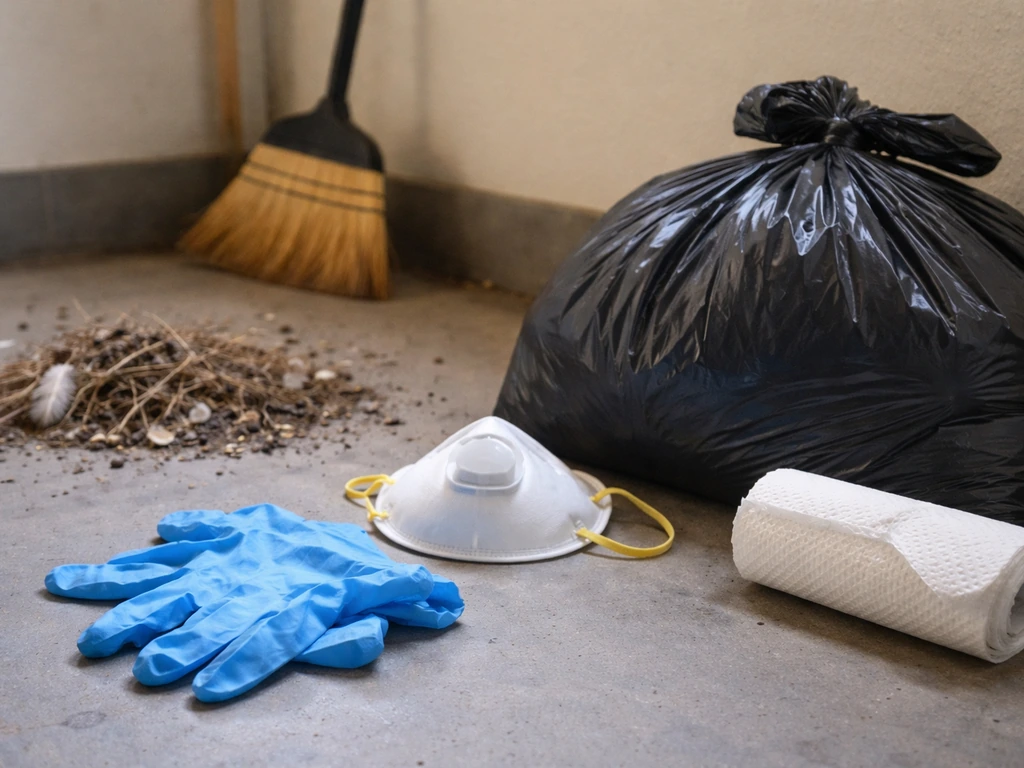
Bird nests and droppings carry real health risks that are easy to underestimate. Histoplasmosis, cryptococcosis, and psittacosis can all be transmitted by breathing in dust from dried bird droppings. These aren't rare edge cases, they're well-documented occupational and residential hazards.
- Never dry-sweep or vacuum bird droppings. The CDC specifically warns against this because it aerosolizes contaminated particles.
- Wet the area first. Spray droppings and nesting debris with water or a diluted disinfectant before removing them. Keep the material wet throughout the entire cleanup process.
- Wear an N95 respirator at minimum. For larger accumulations of droppings, a HEPA-rated respirator is the safer choice. OSHA recommends respiratory protection appropriate to the task when handling material contaminated with bird waste.
- Use disposable gloves and a long-sleeved shirt. Mites can survive in nest material after birds leave, and they will bite humans. Bag your gloves and clothes immediately after.
- Seal all nest debris in a thick plastic bag before placing it in the trash. Do not compost it.
- Wash your hands thoroughly with soap and water after cleanup, even if you wore gloves.
- Do not handle live or injured birds directly. If you need to move one, use a towel or thick gloves, place it in a ventilated box, and contact a licensed wildlife rehabilitator.
If you are dealing with a large accumulation of pigeon or starling droppings (more than a few square feet), this crosses into territory where professional remediation is the safer call. Accumulated droppings from colonial-nesting birds can reach hazardous levels quickly.
When to stop DIY and call a professional
There are situations where the right move is to put the ladder away and pick up the phone instead. Call a licensed wildlife control operator, pest management professional, or wildlife rescue organization if any of the following apply:
- The nest is active and you cannot safely wait for the birds to finish their cycle without a real health or structural risk.
- You can't identify the species and aren't confident it isn't a protected native bird.
- The nest is inside a wall, chimney, or enclosed duct where removal requires structural access.
- You're in the UK or EU and the nest may involve a Schedule 1 or otherwise specially protected species.
- You need a permit for removal and aren't sure how to apply.
- There are injured or abandoned chicks that need a wildlife rehabilitator.
- Droppings have accumulated to the point where professional remediation is needed.
- The same birds have returned and excluded themselves from one area and are now nesting inside the structure.
State and regional wildlife offices in the U.S. generally do not provide removal services directly, but most can refer you to licensed animal damage control agents in your area. The USFWS notes that nest removal permits are primarily issued for documented human health or safety concerns, so having that documentation ready (photos, dates, evidence of the problem) will help your case if you pursue the permit route.
The most important thing to take away: patience is not just an ethical choice here, it's the legally required one in most situations. Most nesting cycles for small songbirds last four to six weeks from egg-laying to fledgling. Marking the date you first noticed activity, watching from a distance, and planning your prevention work for after the season ends will get you to a legal, permanent solution faster than any shortcut. If you want a quick, practical walkthrough, read more about how to get rid of bird nest in tree safely and legally.
FAQ
What if the nest looks empty, but I only checked once? How can I tell if it is still active?
Look for at least two confirmed signs across multiple visits, adults actively entering or leaving, begging calls, or visible eggs/chicks. If you cannot confirm with your own observation, treat it as active and delay removal until the next day (and often longer for larger nests).
Can I temporarily work around an active nest if I have to use that space (porch, attic, or garage)?
If you need access to the area immediately, the safest option is to pause any nest handling and use temporary measures that do not disturb the nest itself, like closing doors to the affected room or restricting traffic near the nest. For true emergencies, contact a licensed wildlife control operator rather than trying to modify the nest location.
Does the permit-free exception apply to birds that are outside but on my property, like nests in eaves?
Yes, but only for the circumstances described in the article, birds inside living spaces that are causing a health or safety risk. For outdoor nests, avoid any “I will just keep the birds out” approach that still results in nest destruction, and rely on monitoring and exclusion only after the nest is confirmed inactive.
What should I do if I find unhatched eggs in a nest and I think the birds abandoned it?
Do not handle unhatched eggs or move them to “abandon” the nest. Even when birds appear to have stopped, leaving eggs and deciding to remove later based on confirmed inactivity is safer. If you are in the UK or EU, the legal timing windows are strict, so getting species and timing right matters.
If the nest is from an unprotected species in the US, can I destroy it immediately?
Species not protected in the US (like house sparrows and European starlings) generally have more homeowner flexibility, but the safer approach is still to verify activity first. If eggs or chicks are present, removal can still be legally risky depending on state rules and the exact situation, so confirm locally if you are unsure.
What practical options do I have while I wait for an outdoor nest to become inactive?
If you are in the middle of nesting season and removal is not allowed, deterrents that rely on changing behavior, reflective tape, decoys, or temporary barriers around the nest zone, can buy time. They are not reliable after construction starts, so plan to remove and exclude only once inactive.
If a nest falls from a tree or eave, can I clean it up right away?
It depends on the route. A one-time fall might still mean chicks or dependent young nearby, so confirm that no adults are returning and no chicks are present. You can also reduce spread by avoiding contact with debris and cleaning only after it is confirmed inactive.
After a nest is confirmed inactive, how should I handle cleanup to reduce disease risk from droppings and debris?
Use a “no-contact cleanup” approach until it is inactive, then wear an appropriate mask and gloves when bagging debris and droppings. For heavy buildup, the article notes that professional remediation is safer, since dust exposure can become hazardous quickly.
What if I removed part of a nest and then noticed birds still coming back?
If you see adults or hear activity returning after you removed material, stop and do not add new changes. Returning birds can indicate the nest is still being used or that there are dependent chicks elsewhere. Document what you observed and contact a wildlife professional if activity continues.
If the nest is in a dangerous spot, can I relocate it to another area myself?
Avoid DIY relocation attempts entirely. Moving an active nest can cause chick mortality and can trigger legal consequences, even if your intent is “to save them.” If the birds are in immediate danger, contact your state or regional wildlife office or a licensed wildlife control operator to assess options.
When should I do exclusion repairs and seal entry points so the problem does not repeat next season?
Schedule prevention work in the off-season, then remove any existing unused nests after the nesting cycle ends. After sealing gaps and installing exclusion screens, re-check a few weeks later to ensure the barriers stay intact before the next breeding window begins.
Next Article
What Destroys Bird Nests: Causes and How to Protect Them
Learn what destroys bird nests, spot clues on-site, and protect active nests from predators, weather, people, and diseas