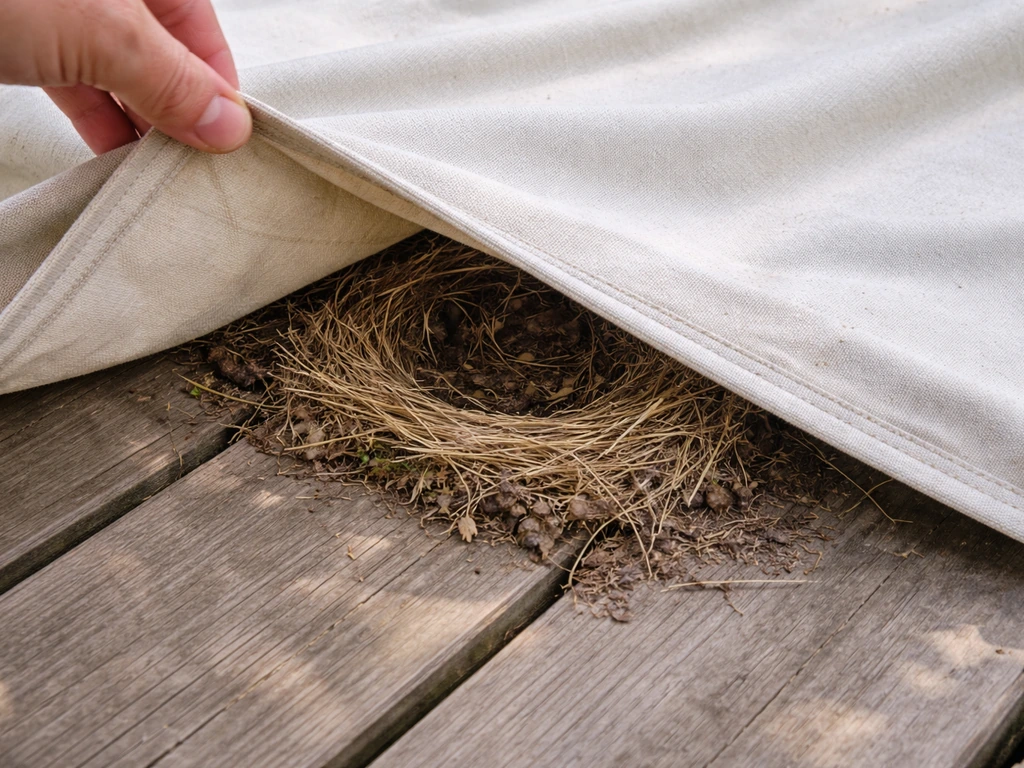
You can prevent birds from nesting in your sewing setup by removing the materials that attract them, sealing off the sheltered spots they prefer, and building a few tidy storage habits before nesting season peaks. The key is acting early: once a nest has eggs in it, you're legally required to leave it alone under the Migratory Bird Treaty Act, and the whole cycle from egg-laying to fledging can run six weeks or more. Prevention is far easier than waiting it out.
How to Prevent Bird Nesting When Sewing Safely

Maya Bennett
5 May 2026
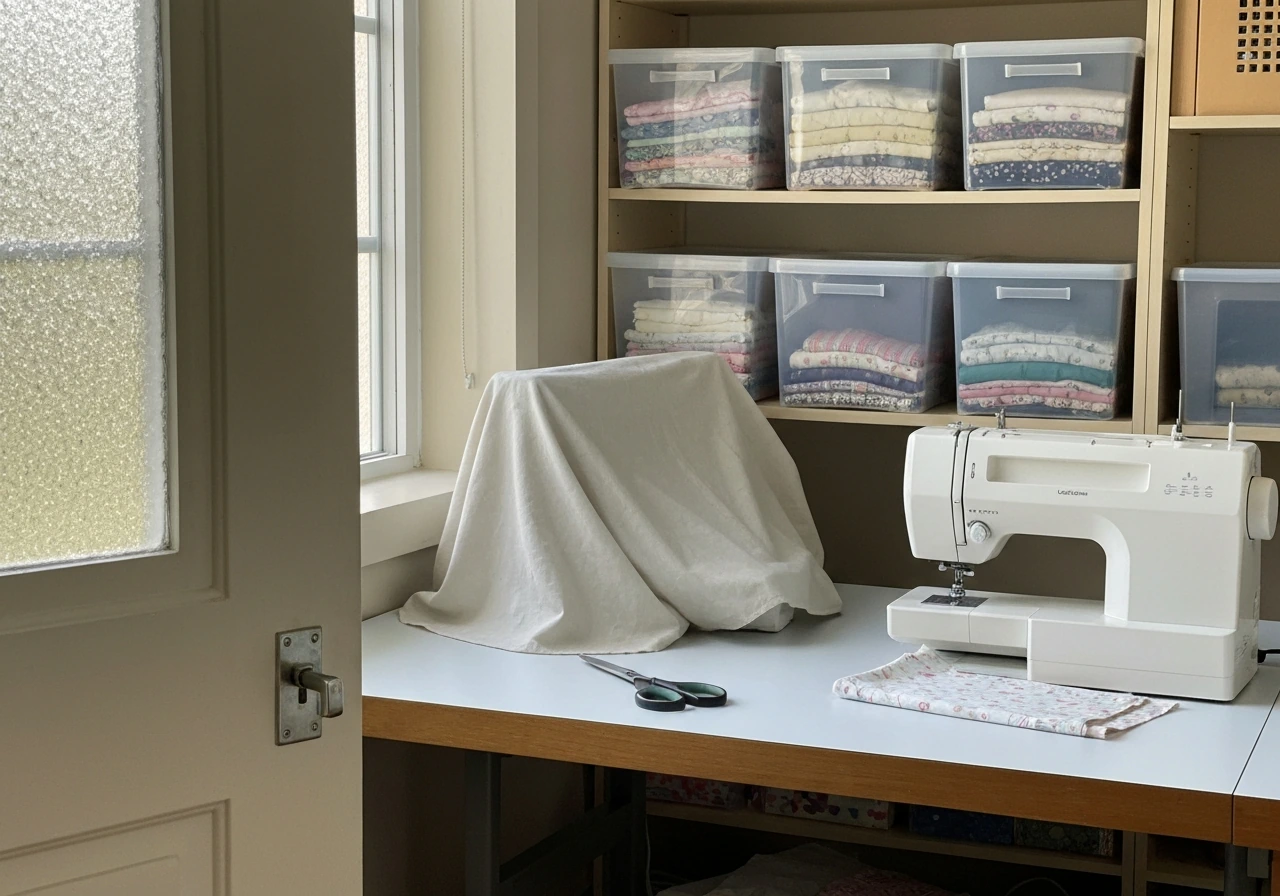
Why birds choose sewing areas
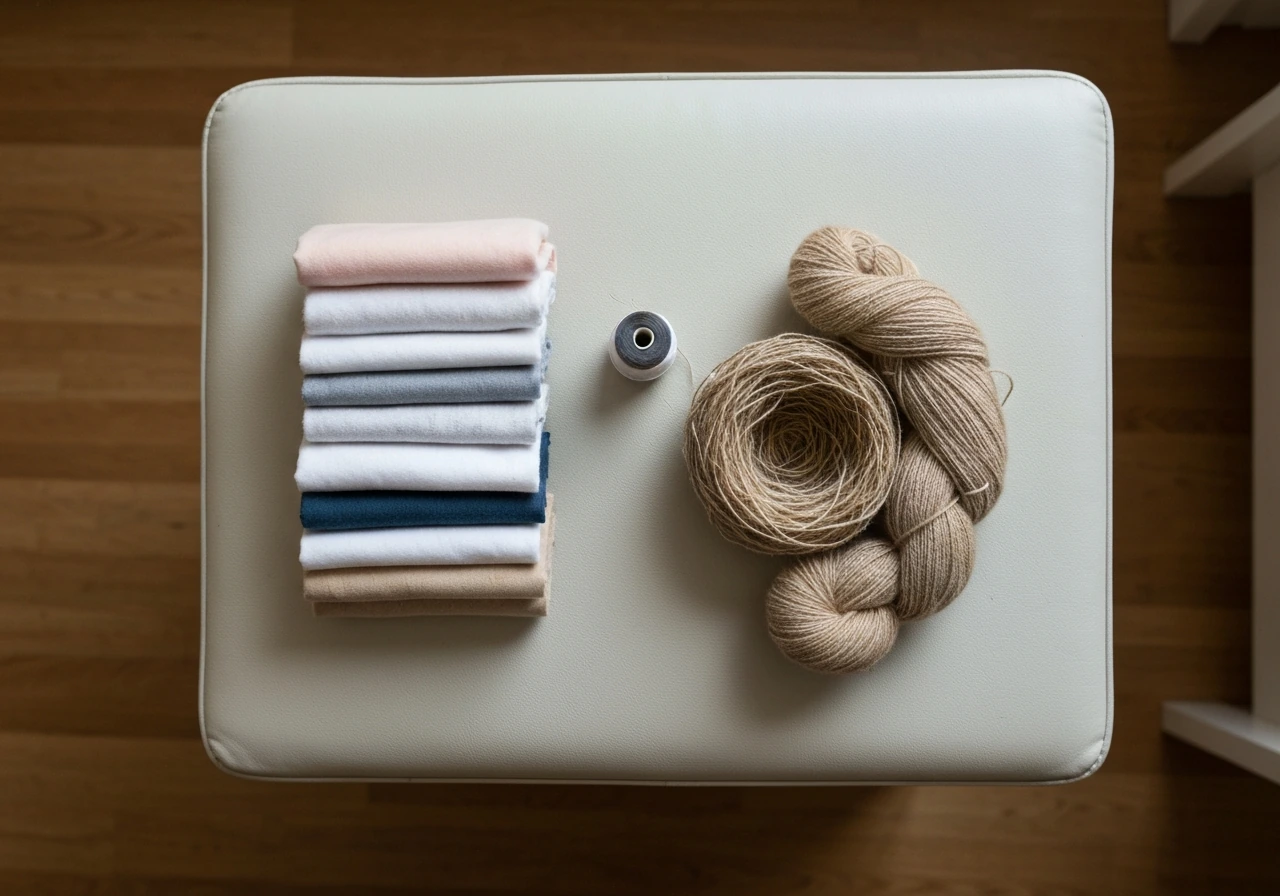
Your sewing room is, from a bird's perspective, a dream nesting site. Fabric piles offer warmth and soft lining material. Yarn and thread are exactly what birds are looking for: fibrous, pliable strands that weave into nest walls. Baskets provide a cup-shaped structure that mimics a natural nest cavity. And if your sewing setup is near a window, a porch, a garage with an open door, or any partly outdoor space, birds can access it easily.
Birds like house sparrows are especially opportunistic. They're closely associated with human structures, they reuse nests season after season, and [they'll line a nest with feathers, string, fabric scraps, and paper if they can find them. ](https://www. allaboutbirds.
org/guide/House_Sparrow/lifehistory) Research confirms that birds actively select nest materials based on structural properties, and artificial fibers like yarn and thread can be just as appealing as natural grasses. The trouble is that long strands of yarn or thread are genuinely dangerous: they can tangle around developing nestlings and cut off circulation. So a sewing room isn't just a nesting opportunity for birds, it's a hazard.
If you notice this kind of nesting behavior, treat the area as a high-risk spot and remove tempting materials from access right away top thread bird nesting under fabric.
Quickly confirming nesting vs curiosity
Not every bird that flies into your sewing room or lands near your fabric stash is building a nest. You need to distinguish between a bird that's simply foraging or exploring and one that's actively nesting. The difference matters legally and practically.
The clearest sign of nesting behavior is repeated trips to the same spot with materials in the beak. A bird grabbing a piece of yarn and flying off once is interesting. A bird grabbing yarn, disappearing, and returning to grab more is almost certainly building. Watch from a distance (about 30 feet is ideal) and use binoculars. If you see a bird making multiple trips to a corner, a basket, or a fabric pile with no obvious food source involved, assume nesting has started.
- Repeated visits to the same spot with fibers, grass, or soft materials in beak
- Fluffed-up material or a shallow cup shape forming in a corner, basket, or shelf
- A bird sitting still in a spot for long stretches rather than moving around actively
- Alarm calls or dive-bombing behavior when you approach a particular area
- Small droppings accumulating near one specific location
If you only see a bird once or twice, no materials are being moved, and there's no obvious structure forming, it's likely just exploration. You can still take preventive action immediately, but you're not yet in legally sensitive territory.
Immediate bird-safe actions when you find activity
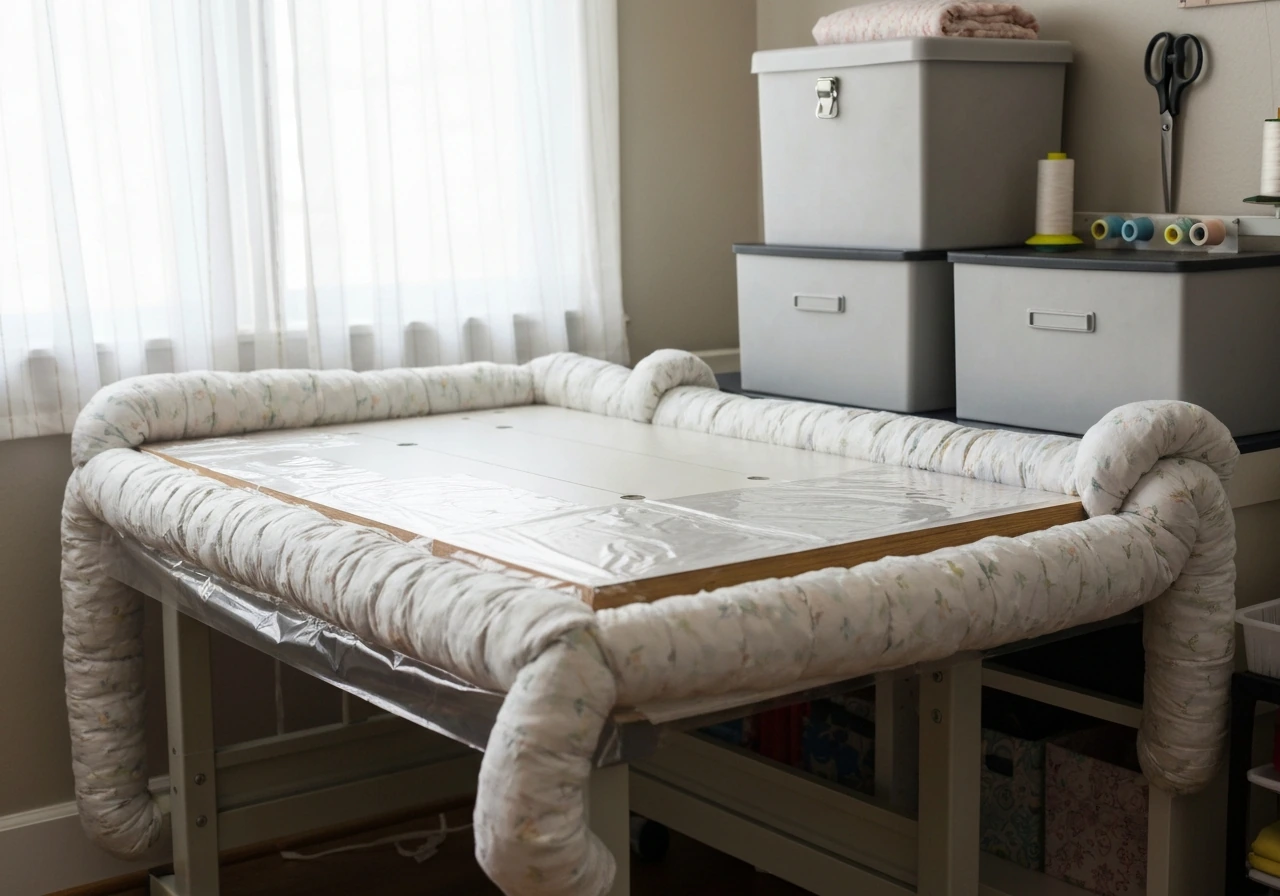
If you've spotted active nest-building, your window for action is narrow. Nest construction takes roughly two to three days, and once eggs appear (birds lay about one per day), you're in protected territory under federal law. Move quickly but calmly.
- Stop and observe first. Before touching anything, watch from a distance for five to ten minutes to confirm whether eggs or chicks are already present. Use binoculars if possible. Do not approach or touch the nest during this check.
- Photograph everything. Take clear photos of the nest, its location, any eggs, and the surrounding area. Date-stamp them. This documentation protects you and helps you track the timeline.
- If no eggs are present and the nest is in your immediate sewing area, gently remove it now. Remove it completely, not just displace it — a partial nest signals 'safe spot' to a returning bird.
- Block the access point immediately after removal. Don't leave the gap or shelf open. The bird will return, sometimes within hours.
- If eggs or chicks are already present, stop. Do not touch the nest, eggs, or young birds. Mark the area, keep people and pets away, and plan to wait out the cycle.
Once a native bird has eggs or dependent young in a nest, removing or disturbing it is illegal under the Migratory Bird Treaty Act regardless of where it's located, including inside your sewing basket. The typical timeline from egg-laying to fledging for songbirds is roughly four to six weeks, accounting for incubation (about 11 to 14 days) and the nestling period (about 10 to 18 days depending on species). Mark your calendar and check back from a distance every two to three days without approaching closely.
Preventive setup changes for sewing materials
The most effective long-term prevention is making your sewing materials unavailable and unattractive. Birds are resourceful, but they work with what's accessible. Deny access and you remove the incentive entirely.
Thread, yarn, and fiber storage
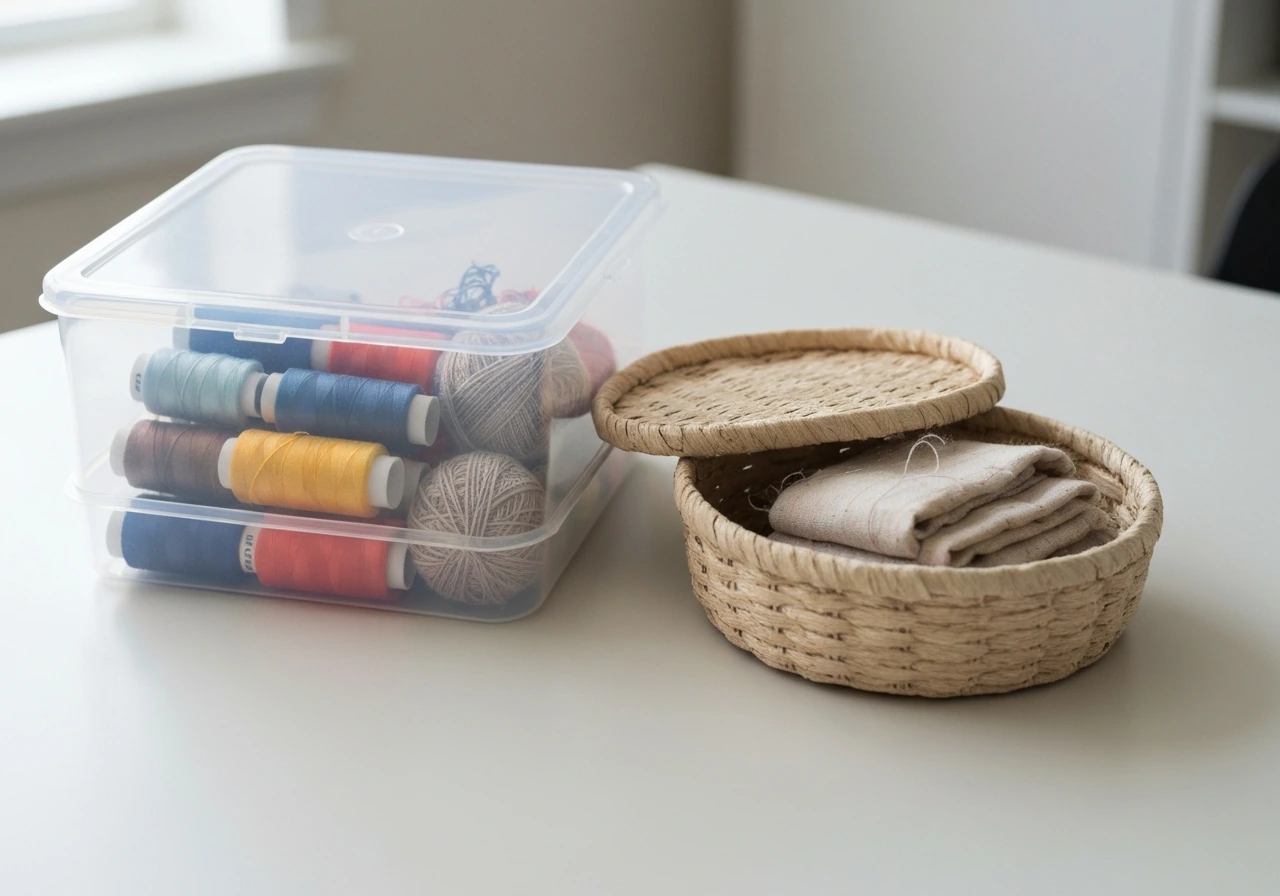
Loose thread, yarn, and embroidery floss are the highest-risk materials. Keep all of these in closed containers: lidded boxes, zippered bags, or sealed plastic bins. Open spool holders on pegboards or walls look tidy but are genuinely tempting to birds if your space has any outdoor access. If you use a pegboard setup, take it down or cover it when you're not actively working. Scrap thread and cut-off yarn ends should go into a trash can with a lid immediately, not into an open bowl or tray on your work table.
Fabric piles and unfinished projects
A folded fabric pile is basically a pre-made nesting platform from a bird's point of view. Store fabric in sealed bins or drawers, not in open baskets or on open shelving if birds have access to the room. Unfinished projects left on a table or chair overnight are vulnerable too, especially during spring nesting season. Get into the habit of folding projects into a zippered bag or a closed tote at the end of each sewing session.
Baskets and open containers
Wicker baskets and open sewing totes are structurally perfect for nesting. A bird doesn't need to build walls if the basket already provides them. If you use baskets for storage, keep lids on them or store them inverted when not in use. Consider switching high-risk baskets to hard-sided containers with secure closures during spring and early summer.
Cleanup habits that matter
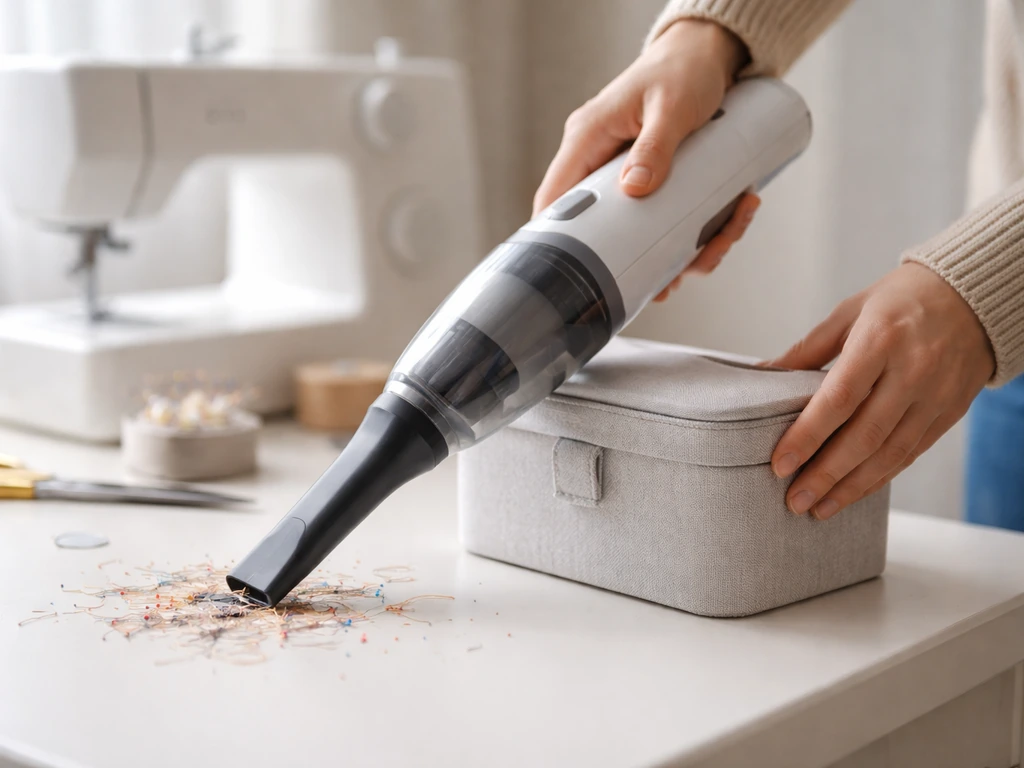
- Trim thread ends and dispose of them in a closed bin immediately rather than letting them accumulate on the table or floor
- Vacuum or sweep your sewing area at least once a week during nesting season (April through July in most of the US)
- Don't leave scissors, notions, or fabric scraps out overnight if windows or doors are open
- Store batting and quilt wadding in sealed bags rather than loose in a cupboard
How to make surrounding spaces un-nestable
Beyond your actual sewing materials, the physical space around your sewing area matters. Birds aren't just after your thread, they're looking for a sheltered cavity or ledge to build in. Sealing gaps and corners removes the opportunity entirely.
Gaps, vents, and small openings
House sparrows can enter gaps as small as about 1.25 inches in diameter. Any opening larger than a quarter-inch can admit smaller songbirds or allow nest material to accumulate. Check your sewing room for gaps around pipes, ducts, window frames, and door frames. Seal small gaps with caulk or expanding foam. Cover vent openings with durable metal mesh (hardware cloth with a half-inch to three-quarter-inch grid is a standard recommendation). This is especially important if your sewing room has an exterior vent, a window that stays open, or a sliding door.
Shelves, corners, and ledges
Open shelving near windows or exterior walls is prime nesting real estate. If you have decorative ledges, crown molding gaps, or high shelves that rarely get disturbed, check them before nesting season. Adding a physical barrier (a piece of cardboard, a wire panel, or even a length of bird-exclusion netting temporarily) can block a ledge without permanent modification. The goal is to make the space look and feel exposed rather than sheltered.
Outdoor and semi-outdoor sewing setups
Porch sewing areas, garage sewing corners, and outdoor craft tables need extra attention. If you sew on a covered porch or in a workshop with open doors, treat the whole space as a potential nesting zone during spring. Hang light-colored streamers or reflective tape near the work area (birds dislike moving, reflective surfaces). Bring all materials inside at the end of each session. Check the underside of chairs and table shelves regularly, since these make sheltered cup-shaped spaces that birds find very appealing.
Common problem spots at a glance
| Location / Setup | Why Birds Like It | Prevention Fix |
|---|---|---|
| Open wicker sewing basket | Pre-made cup shape, soft materials inside | Add a lid or store inverted; switch to hard-sided bin |
| Thread spool wall/pegboard | Accessible fibers at beak level | Enclose in cabinet or cover when not in use |
| Fabric pile on open shelf | Warm, soft nesting platform | Store in sealed bins or drawers |
| Porch or garage sewing corner | Sheltered, near outdoor access | Bring materials inside daily; hang reflective deterrents |
| Sewing room window ledge | Sheltered ledge near fiber source | Install narrow ledge blocks or physical barriers |
| Gaps around pipes or vents | Small, sheltered cavity | Seal with caulk or cover with metal hardware cloth mesh |
Seasonal timing and ongoing routines
In most of the continental US, the core nesting season runs from roughly late March through mid-July, though some species like house sparrows can nest across a much longer window in favorable climates and have been documented raising three to four broods in a single year. U.S. Fish and Wildlife Service guidance for forest and woodland bird species, for example, covers April 15 through July 15 as a sensitive disturbance window, with shrub and open-habitat species from May 1 through July 15. Plan your prevention work around these dates.
Pre-season checklist (do this by early April)
- Audit your sewing room for open containers, loose fiber, and accessible gaps
- Seal any exterior gaps or vent openings with caulk or metal mesh
- Switch open baskets to lidded bins for thread, yarn, and fabric scraps
- Clear any accumulated debris from shelves, corners, and ledges that birds might colonize
- Note whether any birds have used your space previously — they return to successful sites
In-season routine (April through July)
- Do a quick visual scan of your sewing area at the start and end of each session
- Dispose of thread and fabric scraps in a closed bin the same day
- Check gaps, ledges, and open containers weekly for early nest material (a few strands of grass or fiber is the first sign)
- Remove any very early-stage nest material immediately if no eggs are present
- Keep windows and exterior doors closed when you're not actively working in the space
Post-season reset (after mid-July)
Once the main nesting season is over, do a full reset. Clean shelves and storage areas thoroughly, check that all your sealed containers are still secure, and note any spots where birds attempted to nest so you can reinforce those areas before next spring. This is also a good time to reorganize your thread and fabric stash so everything is stored properly going into the following year.
Legal, safety, and ethical do/don't rules
This is the section most people skip, but it's the one that protects you. The Migratory Bird Treaty Act covers nearly all native North American bird species, and the rules are stricter than most people expect. Violating them can result in fines up to $15,000 and up to six months in jail in some states. The federal law makes it illegal to destroy, move, or possess a nest that contains eggs or chicks, or where young birds are still dependent on the nest for survival.
| Situation | What You Can Do | What You Cannot Do |
|---|---|---|
| No nest yet, birds exploring area | Remove attractive materials, seal gaps, discourage access | Nothing is restricted at this stage |
| Early nest-building, no eggs | Remove nest material immediately and block the site | Do not harm the bird or its eggs if any appear before you act |
| Nest with eggs present | Observe from a distance (30+ feet), document with photos, protect the area | Remove, relocate, or disturb the nest or eggs |
| Active nestlings in nest | Keep pets and people away, monitor from distance every 2–3 days | Approach closely, touch nest, or remove chicks |
| Abandoned or fallen nest (no eggs/chicks) | You can remove the physical structure | Keep or possess the nest without a federal permit from USFWS |
| Nest causing genuine health/safety hazard | Contact USFWS or a licensed wildlife rehabilitator to discuss a removal permit | Self-issue a permit or remove without authorization |
Permits for nest removal are rarely granted and are typically reserved for documented human health or safety emergencies. If you're unsure whether a nest qualifies, contact your regional U.S. Fish and Wildlife Service office or a licensed wildlife rehabilitator before touching anything. The most straightforward ethical position is: prevent before it starts, and once it has started with eggs or chicks, leave it alone and plan around it.
A few additional ethical points worth keeping in mind: don't put out loose thread, yarn, or human hair as nesting material for birds even if it seems kind. Long strands can wrap around nestlings and cut off circulation, and some materials like dryer lint can disintegrate when wet and make poor nesting insulation. Your sewing scraps might look helpful, but they're genuinely risky for bird families.
Finally, if you're dealing with non-native species like house sparrows, the legal picture is slightly different. House sparrows are not protected under the MBTA, which means their nests can technically be removed at any stage. However, it's still worth confirming species identity before acting, and a conservation-minded approach is to discourage nesting before it starts rather than intervening once a nest is established. When in doubt, observe and document before you act.
The core principle across all of this is straightforward: your best protection is acting before nesting season, not during it. Tidy storage, sealed gaps, and removed attractants are far less stressful than managing a legally protected nest inside your embroidery basket for six weeks. Get the prevention in place by early April and you'll likely avoid the problem entirely.
FAQ
What should I do if I’m actively sewing and a bird keeps picking up thread or yarn from my workspace, but I cannot tell if it’s nesting yet?
Treat it as high-risk immediately. Remove all loose yarn, thread, and embroidery floss from open surfaces and put them in sealed containers, then close off any baskets or fabric piles that could be used as a nest cavity. After that, back away and monitor from a distance for repeated material-carrying trips, because nesting is usually indicated by multiple returns to the same spot with more than one strand.
Are there bird-deterrent products I can use that are safe for birds and won’t get me in trouble legally?
In practice, the safest approach is physical prevention, like sealed storage, gap sealing, and temporary barriers to sheltered spots, because deterrent sprays and repellents can be unreliable and may create risk if they contact feathers or eggs. If you consider a product, check that it is designed for bird exclusion (not nest destruction) and follow the label precisely, then prioritize blocking access to materials rather than relying on scent or taste alone.
If I find a half-built nest in my sewing basket, can I move the basket to another room?
Moving a nest that already contains eggs or dependent young can be illegal, even if you are not disturbing it further. If you cannot confidently confirm whether eggs or chicks are present, assume it is protected, stop handling the area, and observe from a distance while contacting your regional U.S. Fish and Wildlife Service office or a licensed wildlife rehabilitator for guidance.
How can I tell whether a bird is only foraging on my thread stash versus actively building?
Foraging usually involves brief landings and grabs without the pattern of returning to the exact same sheltered spot to add materials. Active nest building typically includes repeated trips to the same location, carrying nesting materials, and disappearing long enough to place items into a structured cavity (such as a basket cup, folded fabric, or corner gap).
Does it matter where my sewing materials are stored, like a closet versus an open shelf in the same room?
Yes. A lidded closet or sealed drawers are far safer than open shelving near windows or exterior walls, because birds can access ledges and sheltered corners even if your sewing room is mostly indoors. If birds can reach the room at all, switch to closed containers and store unfinished projects inside zippered bags or totes between sessions.
Can I leave my unfinished project out during spring, for example over a weekend?
It increases risk. Unfinished projects left on a table, chair, or in an open tote overnight can become the foundation for a nest cavity, especially in spring nesting season. Fold the fabric and store it in a closed container at the end of each session, even if you plan to return within a day or two.
What’s the fastest way to “reset” after nesting season if birds tried to use my sewing room before?
Do a room-wide materials and access check, not just a quick tidy. Secure or replace any containers that birds could open, re-seal gaps around vents and frames, verify that window or door access points are closed, and remove any structural nesting opportunities such as open baskets or uncovered ledges. Keep a short note of the exact spots birds targeted so you can reinforce those areas before next spring.
If house sparrows are not protected under the MBTA, is it okay to remove their nests whenever I find them?
Technically, removal is often allowed for house sparrows, but you should still confirm that you truly have house sparrows before acting, since misidentification can lead to accidental interference with protected species. A conservation-minded strategy is still to discourage nesting early with storage and gap sealing, rather than waiting for a nest to be established.
What small openings are most worth checking around a sewing room?
Check around pipes, ducts, window framing, and door frames first, since these are common entry routes to sheltered cavities. Focus on any gap where a bird could wedge in or where thread and yarn could collect, then seal small cracks with appropriate sealants and cover vent openings with sturdy metal mesh sized to prevent access.
Next Article
Top Thread Bird Nesting Under Fabric: What to Do Now
Identify and handle top thread bird nesting under fabric safely, legally, and humanely with step-by-step today actions.