Tailorbirds build their nests by literally sewing one or more living leaves together using plant fibers, spider silk, or both as thread. They punch holes along the leaf edges with their sharp bills, pull fiber strands through each hole, and knot or loop the ends so the leaf curls into a deep, hidden cup. Weaver birds, like tailorbirds, build using pulled fibers, but their nest-weaving techniques are much more elaborate weaver bird make its nest. The whole stitching phase can be done in as little as two days, and the result is one of the most precise construction feats in the bird world.
How Tailor Birds Build Nests Step by Step and What They Use

Maya Bennett
12 May 2026
Tailorbird species and what their nests look like
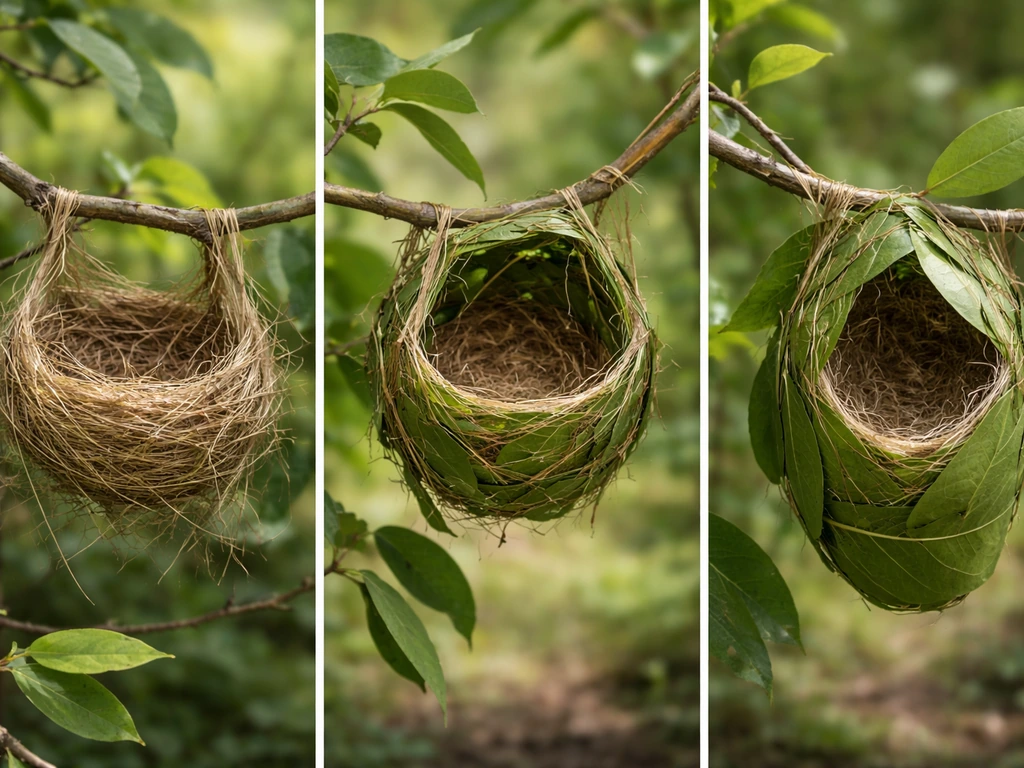
There are nine species in the genus Orthotomus, all recognized as tailorbirds. The one most people encounter in gardens, parks, and scrubby urban greenery across South and Southeast Asia is the Common Tailorbird (Orthotomus sutorius). All nine species share the same core nest-building strategy: find a suitable leaf or pair of leaves, stitch the edges together to form a pouch, and line the inside with soft material. If you are also curious about other stitch-based builders, you can compare this to how does a weaver bird make its nest and how their construction differs. The nest itself is almost invisible from above because it looks like a hanging or partially curled leaf, which is exactly the point.
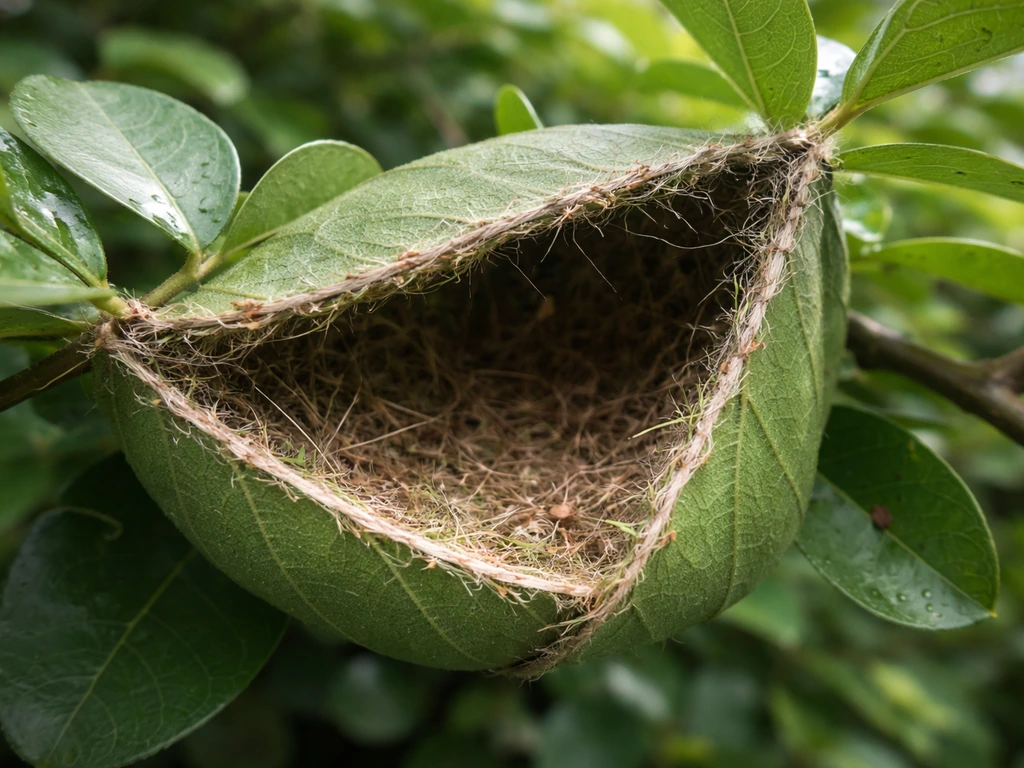
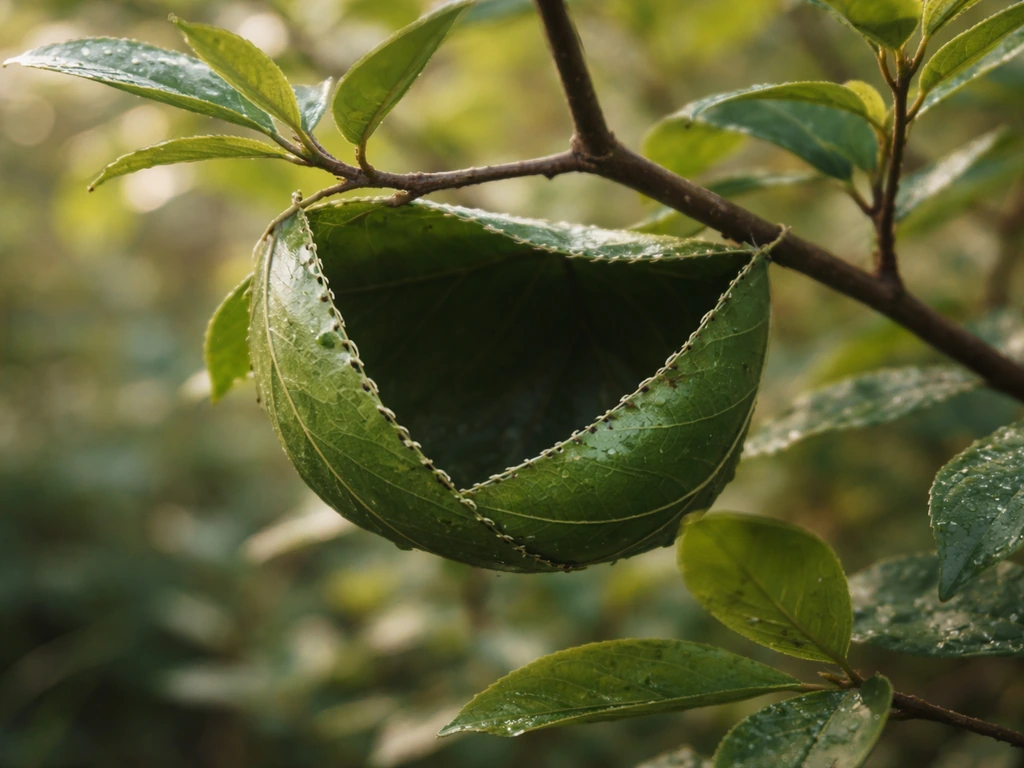
A finished tailorbird nest is small and deep, roughly the size of a large golf ball or a tightly cupped hand. From the outside you see a leaf (or two leaves bound face-to-face) with a visible seam of stitches running down one or both edges. Peer inside and you find a dense, soft cup of plant down, cotton fibers, grass, and occasionally feathers or fine roots. The nest hangs low in shrubs or dense vegetation, usually between 0.5 and 2 meters off the ground, and the entrance faces downward or to the side.
Step-by-step: how a tailorbird actually builds the nest
The process is sequential and surprisingly fast. Watching a pair over several days reveals a clear build order that moves from structural stitching to interior finishing. If you are curious about how does a tailorbird make its nest, the build order is the key: stitches first, then lining and finishing.
- Selecting the leaf: The bird scouts low shrubs and garden plants for a large, pliable living leaf. Leaf condition matters a lot here. A dead or flimsy leaf will crack under the repeated piercing and the eventual weight of chicks, so tailorbirds almost always choose healthy, supple leaves that flex without splitting. Broad-leaved plants like banana, hibiscus, and similar garden shrubs are common choices.
- Positioning the leaf: If using a single leaf, the bird grips the edge and pulls it inward to create a fold or a tube shape. If using two leaves, it maneuvers the upper leaf down to overlap with a lower one, aligning the edges so they can be stitched together as a single seam. Both adults are often involved at this stage.
- Piercing the holes: Using its fine, pointed bill like a needle, the bird punches a row of small holes along the overlapping leaf edges. The holes are spaced fairly evenly, and you can count the stitch points on an empty nest. Observations of Common Tailorbird nests show the holes follow the leaf margin in a consistent pattern, essentially creating a pre-threaded seam.
- Pulling the thread through: The bird takes a strand of fiber, inserts it through one hole from the outside, reaches inside the leaf fold, grabs the strand, and pulls it back through the adjacent hole. It repeats this motion along the entire seam. This is the stitching that gives the bird its name.
- Knotting and looping the ends: The loose ends of each fiber strand are looped, knotted, or frayed so they grip the leaf surface and cannot pull back through. This is what holds the seam under tension. The result is a tightly stitched pocket rather than a loosely folded one.
- Completing the structure: The stitching phase is typically done within the first two days of active building. Once the leaf pouch is structurally secure, both adults begin carrying nesting material to the interior.
- Lining the interior: Over the following days, the birds pack the inside of the leaf cup with soft plant down, cotton fibers, grass stems, and occasionally feathers. By around day 7 of active building in documented observations, the interior lining is complete and the nest is ready for eggs.
What tailorbirds actually stitch with
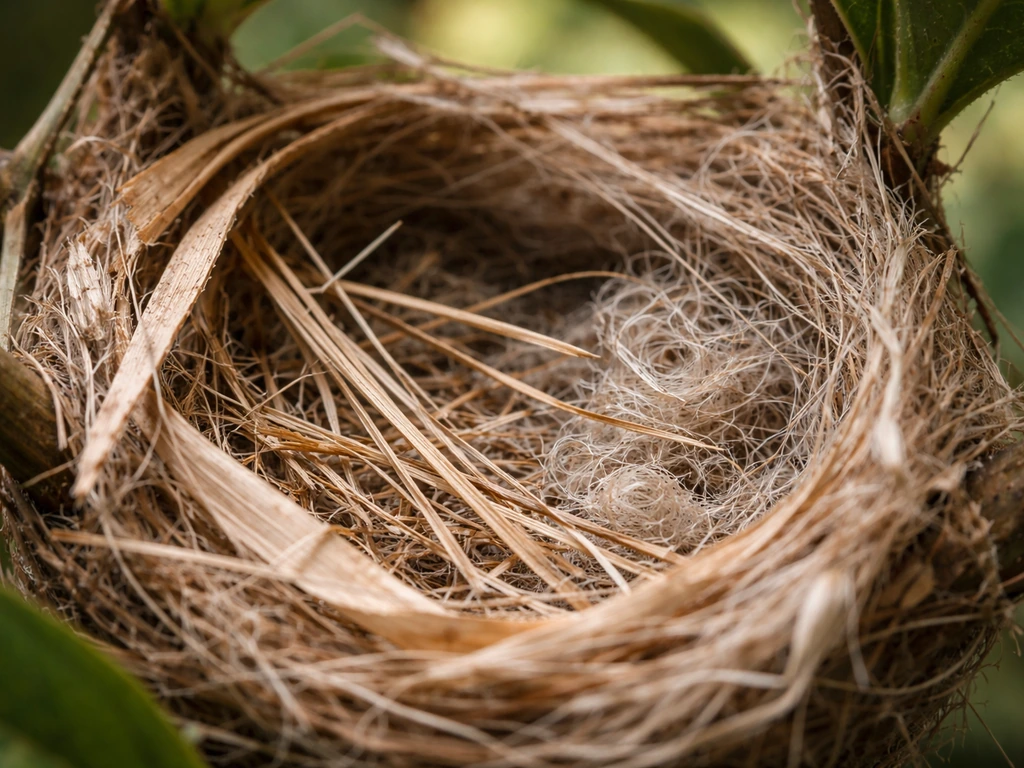
The stitching material is not a single thing. Tailorbirds use whatever fine, strong, flexible fiber is available nearby, and the choice varies by species, region, and season. The three main categories are plant fibers, spider silk, and insect silk. Audubon notes that spider silk can be an effective binding material that helps keep nest construction together.
- Plant fibers: Strips of fibrous bark, dry grass stems, and the stringy fibers from decomposing leaves are all commonly used. The bird strips these down to thin threads before using them as stitching material.
- Spider silk: Cobweb silk is elastic, incredibly strong for its weight, and naturally adhesive, making it ideal for binding and looping at the knot points. Many tailorbird nests include spider silk as the primary fastening agent, especially for the knotted ends that lock each stitch in place.
- Insect silk: Some observations record the use of silk from insect cocoons and larval cases, which provides similar tensile properties to spider silk.
- Cotton and plant down: These are not stitching materials but interior lining materials. They appear after the structural stitching is done and make up the soft cup inside the leaf pouch.
The leaf itself is just as important as the thread. Tailorbirds consistently avoid dead or brittle leaves because the repeated piercing will cause cracks that compromise the whole structure. A living leaf also keeps its shape and tension better as the bird stitches, which means the finished pouch holds its form more reliably through wind and rain.
Where tailorbirds nest and how to spot active building
Common Tailorbirds have a breeding season that runs roughly from March through the end of September in tropical regions, giving you about seven months when active nest-building is possible. In practice, peak activity tends to cluster in the warmer, wetter months when vegetation is lush and insects are abundant.
Tailorbirds prefer low, dense vegetation. Garden shrubs, hedgerows, bamboo clumps, ornamental plants with broad leaves, and the edges of secondary forest are all typical nest sites. They rarely nest high up. Most nests sit between half a meter and two meters off the ground, tucked into the interior of a shrub where the leaf canopy provides natural cover from above.
To spot active building without disturbing the birds, look and listen rather than search. Tailorbirds are vocal and restless during nest construction. The male often calls loudly and repeatedly from a nearby perch while the female does the majority of the stitching. Watch for birds making repeated trips to the same low shrub carrying thin fibers, fine grass, or small strips of material in their bills. If you see a bird disappearing into a dense bush with nesting material and emerging empty-billed a moment later, the nest is almost certainly within arm's reach of where it entered.
Once you have a rough location, use binoculars from at least five to ten meters away and look for a leaf that appears slightly puckered, folded, or stitched along its edge. The seam of holes or bound fibers is visible on close inspection but easily missed from a distance because the leaf otherwise looks natural. Take photos from where you are standing rather than moving closer for a better angle. Early morning is the best time to observe, when both adults are most active.
Ethical and legal guidance for homeowners and birdwatchers
If a tailorbird is building in your garden, that is genuinely good news from a conservation standpoint and a sign your outdoor space supports wildlife. But it also means you have real legal and ethical responsibilities, especially once eggs or chicks are present.
Know the legal framework where you are
In the United States, most migratory bird nests are protected under the Migratory Bird Treaty Act. This means you cannot take, possess, move, or destroy an active nest (one with eggs or chicks) without a permit from the U.S. Fish and Wildlife Service. Permits are typically only issued when a nest poses a genuine human health or safety risk or the birds themselves are in immediate danger. In the UK, the Wildlife and Countryside Act 1981 makes it an offence to intentionally disturb nesting birds. In Canada, the Migratory Birds Convention Act and associated regulations protect migratory birds and their nests and eggs. The practical takeaway: once a nest is active, leave it alone and let the breeding cycle complete.
What not to do near an active nest
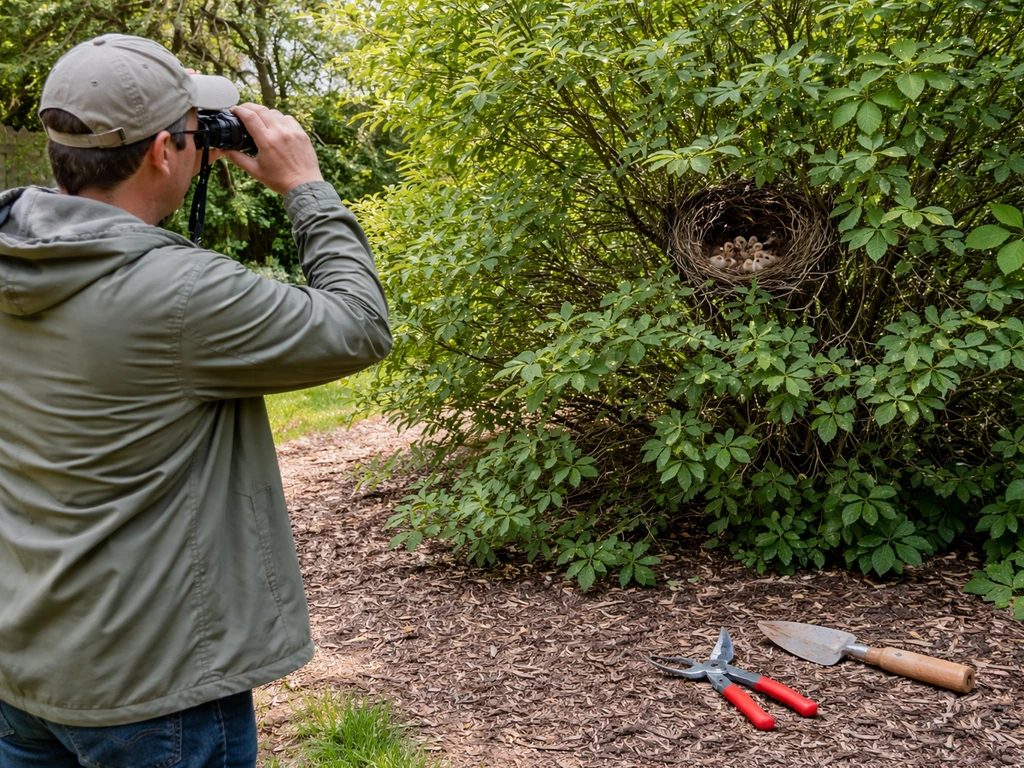
- Do not trim, prune, or disturb the shrub or plant hosting the nest until well after the chicks have fledged and the nest is no longer in use.
- Do not touch or handle the nest, eggs, or chicks. Human scent does not always cause abandonment (that is a myth), but physical disturbance to the nest structure can collapse it or expose it to predators.
- Do not linger close to the nest site. Extended human presence stresses the adults and reduces the time they spend incubating or feeding. Even well-intentioned observation from two meters away can be disruptive if it is prolonged.
- Do not photograph with flash at close range. This startles the birds and can cause them to flush, leaving eggs or chicks exposed.
- Do not share the precise nest location publicly on social media during the active breeding period. Nest predation risk increases when many people visit the same site.
What you can and should do
- Observe from a comfortable distance using binoculars and note the building or breeding stage in a simple field notebook or phone note. Recording dates, behavior, and approximate nest progress is genuinely useful data.
- Reduce predator pressure around the nest site. If you know cats, squirrels, or corvids frequently visit the area, temporarily discourage their access to that part of the garden during the nesting period.
- Delay any scheduled garden work in or near the nest plant until the chicks have fledged, which typically takes three to four weeks from hatching for small songbirds.
- If the nest appears abandoned (no adult visits for 24 to 48 hours, eggs visibly cold) or is damaged, contact a local wildlife rehabilitator or bird conservation group before intervening. Do not assume abandonment based on a few hours of no activity.
- If you are in the UK, US, Canada, or another country with formal nest-monitoring programs, consider reporting your observation to a local bird atlas or nest-monitoring scheme. These records contribute to population data.
The American Birding Association's Code of Birding Ethics and NestWatch's Code of Conduct both emphasize the same core principle: the welfare of the bird always comes before the quality of the observation. A good rule of thumb is that if the bird is reacting to your presence (alarm calling, repeatedly flushing, hovering anxiously at the nest entrance), you are too close. Step back until the bird settles and resumes normal behavior.
Quick identification checklist for a tailorbird nest
| Feature | What to look for |
|---|---|
| Location | Low shrub or garden plant, 0.5 to 2 meters off the ground |
| Structure | One to three leaves stitched together at the edges to form a cup or pouch |
| Stitching | Visible row of small holes or fiber loops along the leaf seam |
| Binding material | Fine plant fibers, spider silk, or insect silk (often looks like thin thread) |
| Interior | Soft lining of plant down, cotton fibers, fine grass, or feathers |
| Bird behavior nearby | Adults making repeated trips with fiber in bill; loud, rapid calls from a nearby perch |
| Season (tropics) | March through September is peak breeding; nests can appear any warm month |
If you want to go deeper on the nest structure itself, the anatomy of a Common Tailorbird nest rewards close study on an old, empty nest collected after fledging. The common tailorbird nest is a good starting point for learning the key features used to identify tailorbird nests. Counting the stitch holes, measuring the leaf dimensions, and noting the fiber types used is a great way to build your identification skills for next season without any disturbance to active birds. The sibling topic on the common tailorbird nest covers identification details in more depth if you want a closer look at what the finished structure typically looks like across different nest examples.
FAQ
Do tailorbirds use dead leaves or any leaf they find when building the nest?
Tailorbirds do not “collect” one perfect leaf and stitch it like paper. They select a leaf or two leaves that can stay flexible while being repeatedly pierced, and they favor living leaves because they resist cracking and keep tension as the pouch tightens.
How can I tell whether a tailorbird is in the stitching stage or the lining stage?
The nest is built in two broad phases, stitching the pouch structure first, then adding the interior lining and finishing. If you only see leaf movement without visible seams being formed, you may be watching later finishing rather than the main stitch stage.
Will tailorbird nests look the same every time, or does the lining vary?
Yes, the interior lining can differ by availability, so a nest might contain more plant down one time and more cotton-like fibers another time. The most reliable outside clue is the stitched seam along leaf edges, while the inside texture is harder to verify without disturbing the nest.
What is the least disruptive way to find the nest location without disturbing the birds?
Common tailorbirds often build in dense, low shrubs, so the safest way to confirm is to observe repeated material trips from a distance, ideally with binoculars, rather than trying to locate the exact entrance by moving closer.
Is it safe to take photos if a tailorbird is building nearby?
Avoid putting up anything that forces the adults to change routes or repeatedly stop, such as new feeders, bright lights close to the shrub, or frequent camera repositioning. If you are documenting, keep your position fixed and increase distance if you notice alarm calls or repeated flushing.
Why can I’t see the nest even though I know the birds are using that shrub?
If you see the bird carrying fibers into the same shrub, but the nest is hard to spot, the leaf may be stitched along the underside or partially curled so it blends in from above. Use a viewing angle that keeps you at your current spot, then focus on slight puckering or a faint seam.
Can I collect an old tailorbird nest or take nest material from an active site?
You should not attempt to collect an empty nest from a currently active site. Even if the nest looks abandoned, eggs or chicks can be present, and legal protections can still apply depending on species and region.
If the nest started recently, how long might it stay under construction before it is complete?
Tailorbirds often take a rapid build-through period, but “fast” still varies with weather and food for adults. A nest may appear incomplete for a day or two while the birds keep returning for stitching threads or lining fibers.
Does the type of thread tailorbirds use depend on where I live or the time of year?
Different regions and seasons can change which fiber category dominates (plant fibers versus spider silk or insect silk). When identifying, focus on the visible stitched seam on the leaves, then treat the fiber type as a variable rather than a single fixed marker.
What should I do in my garden if a tailorbird starts nesting in a shrub I need to trim?
If you plan to garden or landscape around active nesting, the safest approach is to avoid pruning or trimming the specific shrub area until the breeding attempt is finished and you see no further adult activity. If you must do yard work, choose timing that minimizes disturbance and keep the work away from the nest site.
Next Articles
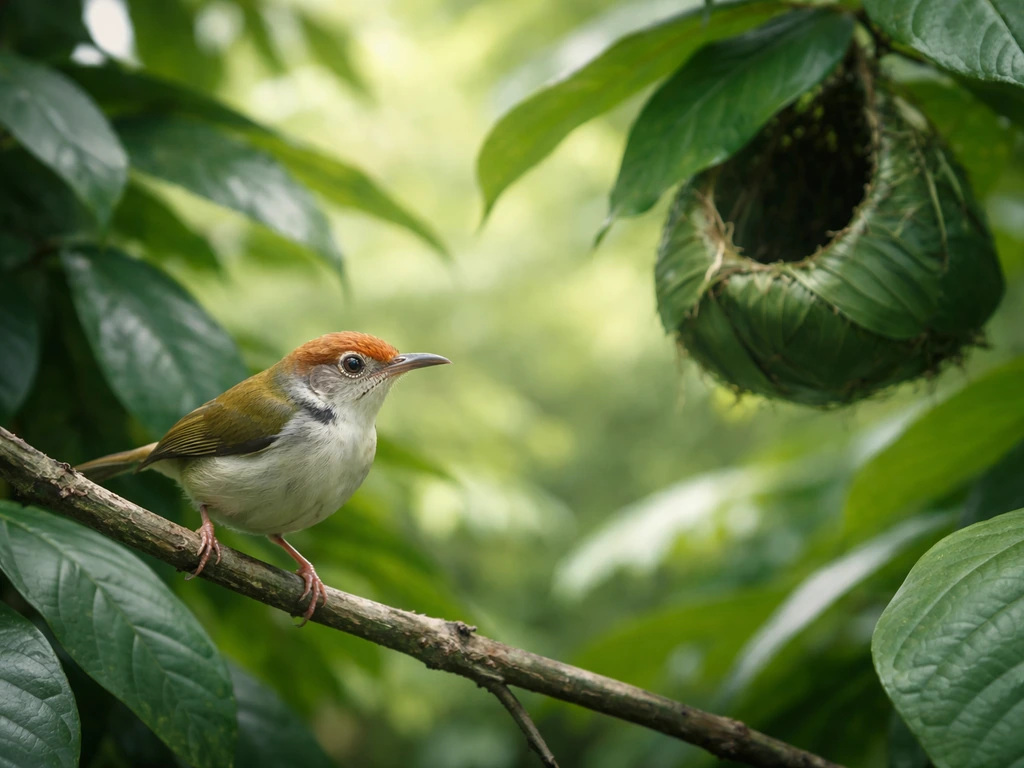
How Does a Tailorbird Make Its Nest Class 3 Steps to Spot
Step by step look at how tailorbirds bind leaves into a suspended nest, what it looks like, and safe class 3 spotting ti
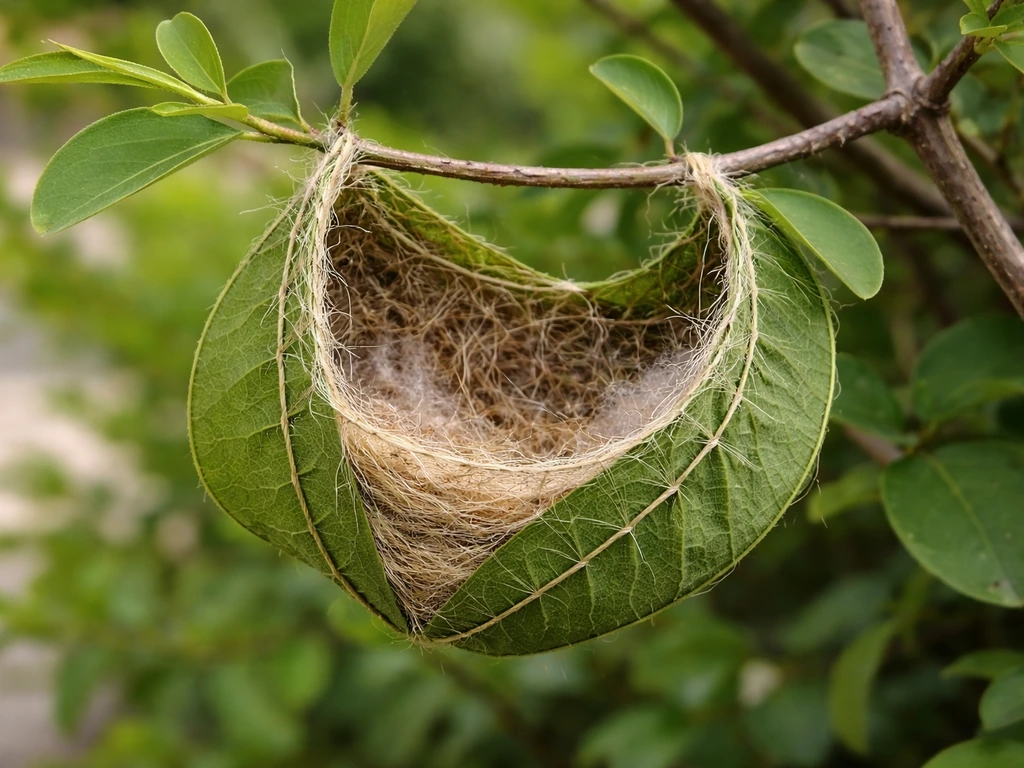
Common Tailor Bird Nest: Identify, Safely Leave, or Protect
Identify common tailorbird woven-leaf nests, tell active vs old, and choose safe options to protect or resolve conflicts
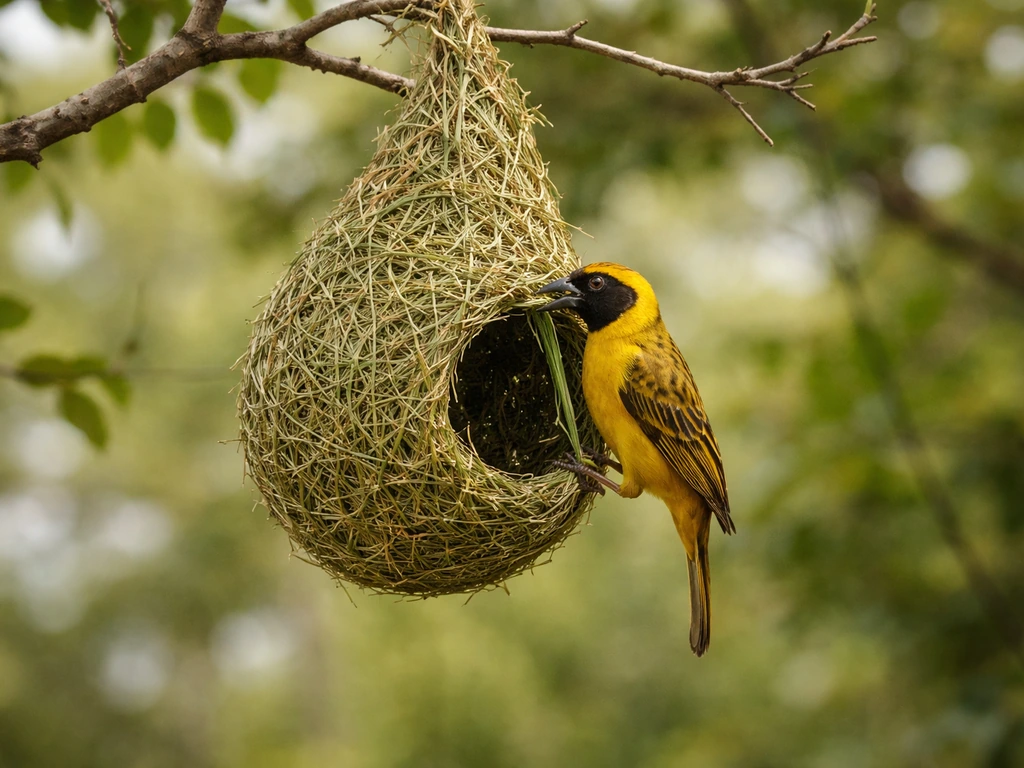
How Does a Weaver Bird Make Its Nest Step by Step
Step-by-step guide to weaver bird nests: types, materials, weaving technique, timing, and how to spot without disturbing