Yes, you can make a nest for a bird, but what that actually means in practice is more nuanced than it might sound. You can build or install a nest box, set up a platform, or offer safe nesting materials in your yard, and birds will use all of these if you get the details right.
Can You Make a Nest for a Bird? Safe, Legal Steps
Maya Bennett
24 May 2026
What you cannot safely do is move an active nest, handle eggs or chicks, or improvise a "nest" in the wrong spot without thinking through the legal and biological consequences. Get those pieces right, and you can genuinely help local birds breed more successfully.
That said, you can also think about making a home for the night the way a bird might, by providing safe, sheltered nesting options that reduce stress and exposure make a home for the night as a bird might.
What 'making a nest' actually means
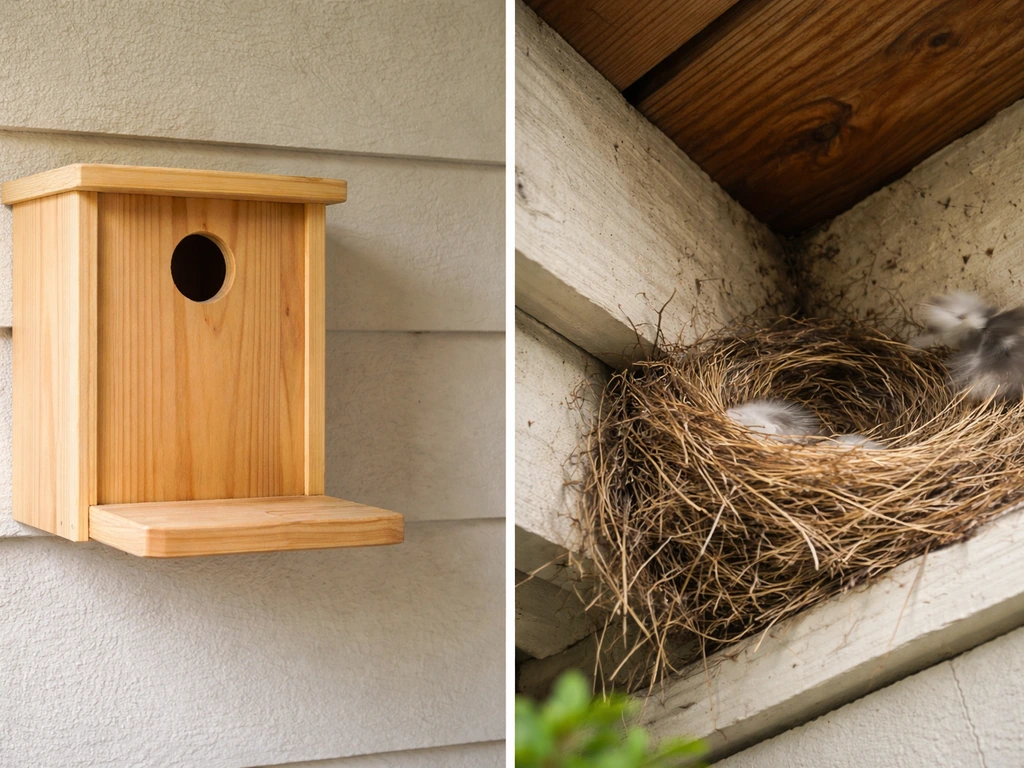
There are two very different things people mean when they ask this question. The first is building or installing a structure for a bird to nest in: a nest box, a platform shelf, or a simple bracket. The second is providing raw nesting materials that a bird collects and builds with on its own. Both approaches work and both are genuinely helpful, but they apply to different species and different situations.
Cavity nesters like bluebirds, chickadees, wrens, and tree swallows will use a purpose-built box. Open-cup nesters like robins and phoebes may use a mounted shelf or platform. Most songbirds will gladly take natural materials you leave out for them. Understanding which approach fits your target species is the first decision you need to make.
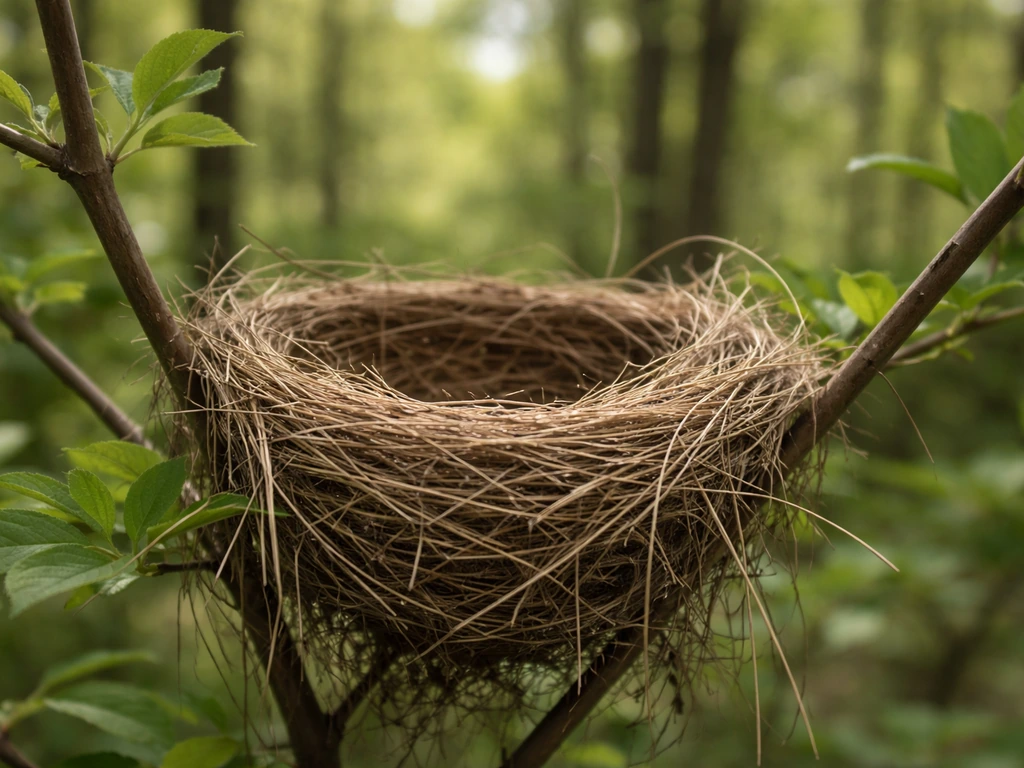
One more thing worth clearing up: "making a nest" does not mean physically constructing a cup of grass and twigs and placing it in a tree. Wild birds are extraordinarily particular about nest structure, placement, and scent, and a handmade nest placed outdoors is almost always ignored or even treated as a threat. The helpful interventions are structural support (a box or platform) and material support (safe building supplies), not a finished nest.
Check the law and ethics before you do anything
This step comes before you buy lumber or hang a single birdhouse. Under the Migratory Bird Treaty Act (MBTA), it is illegal to take, disturb, or destroy the nest of a migratory bird that contains eggs or chicks, or where young are still dependent on it. The USFWS is unambiguous: no permit, no touching. This covers the vast majority of backyard songbirds in the US. The prohibition applies to "taking" a nest, which includes moving it, relocating it, or destroying it without authorization from USFWS.
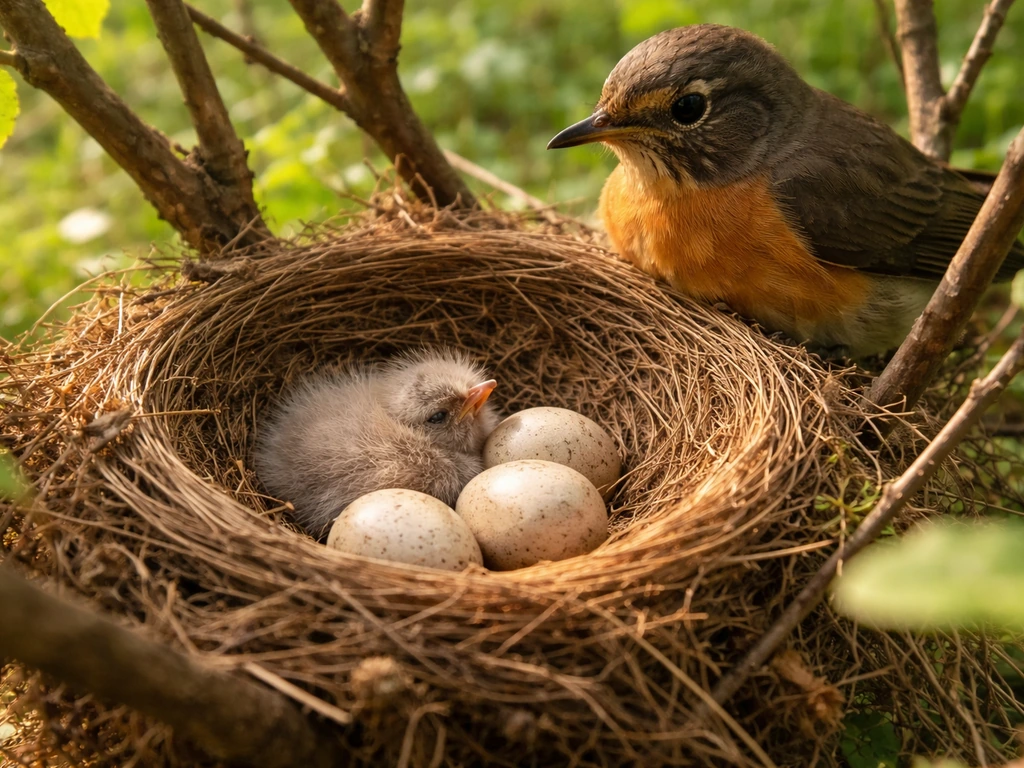
What this means practically: if a bird has already built a nest somewhere you find inconvenient, your options are limited until the nest is no longer active. You can watch it, protect it from predators, and wait. You cannot move it to a "better" spot, even with good intentions.
If you are wondering should i let a bird build a nest in an inconvenient spot, the main rule is to protect an active nest and only change things once it is no longer active. Once the nest is empty and the young have fledged, you are generally free to remove it.
If you have a genuine conflict (say, a nest in a piece of machinery or a safety hazard location), contact your regional USFWS office or a licensed wildlife rehabilitator before doing anything. They can advise on whether an authorization is available for your specific situation.
Installing a new empty nest box or nesting platform before any birds have moved in carries none of these restrictions. That is the proactive, legal, and ethical way to help, and it is what the rest of this guide is about.
Pick the right nest type for the birds in your area
Not all birds nest the same way, and offering the wrong structure is one of the main reasons nest boxes go unused. There are four broad nesting styles to know about.
| Nest Type | Example Species | What to Provide | Key Detail |
|---|---|---|---|
| Cavity nesters | Bluebirds, chickadees, wrens, tree swallows | Enclosed nest box with entrance hole | Hole diameter is critical: 1 1/8" for wrens, 1 1/2" for bluebirds and tree swallows |
| Open-cup nesters | Robins, phoebes, barn swallows | Open shelf or platform bracket | Partial roof for weather protection; place under eaves |
| Ground nesters | Killdeer, some sparrows | Do not install a structure; protect the site instead | Mark area, minimize foot traffic, keep pets away |
| Cavity nesters (larger) | Screech-owls, wood ducks, kestrels | Larger enclosed box with species-specific hole | Hole size, interior depth, and mounting height differ significantly by species |
The vegetation around your chosen site matters just as much as the box itself. NestWatch research confirms that species choose nesting locations based on surrounding habitat, not just the structure. Bluebirds want open fields or lawns with perching posts nearby. Wrens prefer shrubby, brushy edges. Tree swallows need proximity to open water or fields where they can catch insects on the wing. Before you build anything, spend a few mornings watching which birds are already visiting your yard and match the nest type to what is naturally present.
How to build or install your nest support, step by step
Step 1: Choose your species and get the right dimensions
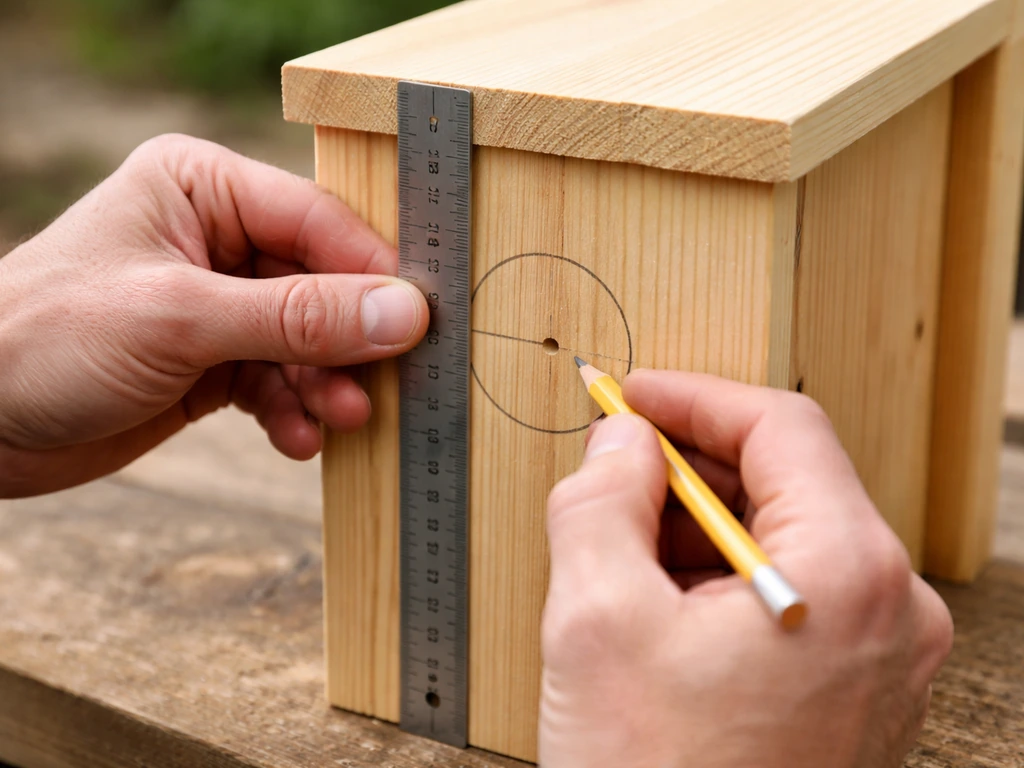
Entrance hole diameter is the single most critical measurement for a closed nest box. Too large and you invite invasive house sparrows or starlings. Too small and your target species physically cannot enter. Use these as your starting benchmarks: 1 1/8-inch hole for house wrens and Carolina wrens; 1 1/2-inch hole for bluebirds, tree swallows, and chickadees. The entrance should be 4 to 6 inches above the interior floor. Interior floor dimensions of roughly 4 by 4 inches work for small cavity nesters; bluebirds prefer 4 by 4 to 5 by 5 inches. Always add ventilation slots near the top and drainage holes in the floor. A roof overhang beyond the entrance hole keeps rain from driving in.
Step 2: Choose your materials
Untreated cedar, pine, or hardwood all work well. Cedar is the most durable and resists rot without chemical treatment. Avoid pressure-treated lumber, painted interior surfaces, and stained wood. The interior should be rough or have a fledgling ladder (horizontal grooves or a strip of hardware cloth) below the entrance hole so chicks can climb out. Tree swallows in particular benefit from this internal feature. Do not use metal boxes: they overheat in direct sun and can kill chicks.
Step 3: Mount it at the right height and location
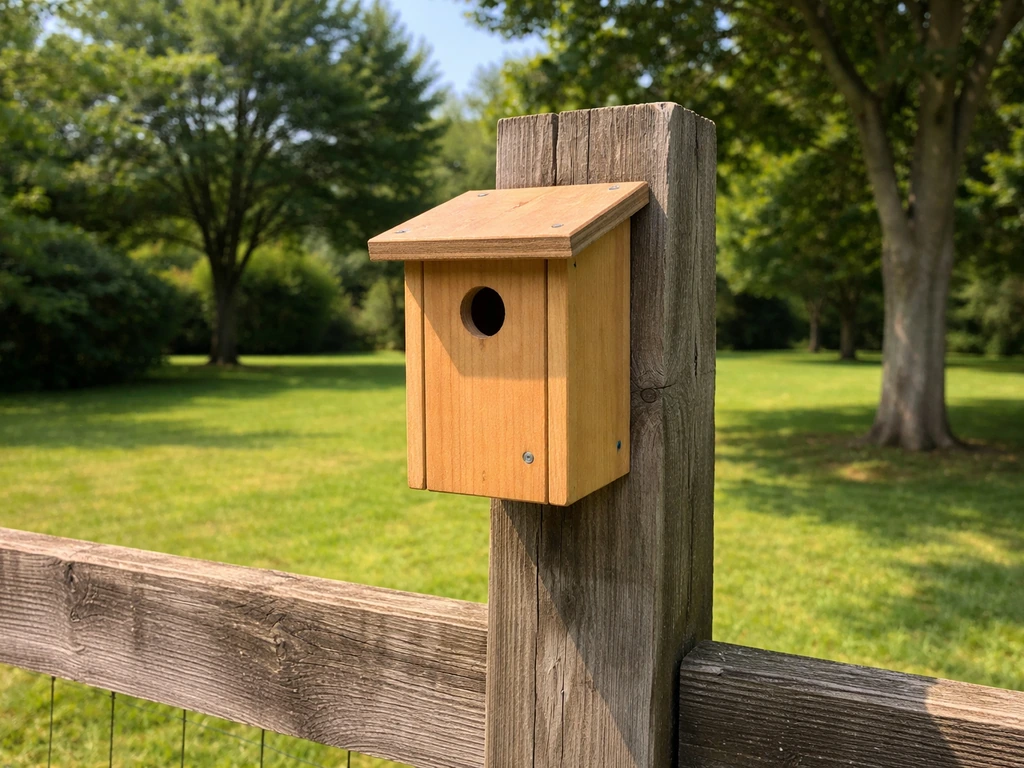
Height ranges vary by species. Wrens nest comfortably at 6 to 8 feet; chickadees can go up to 10 feet. Bluebird boxes should be mounted 5 to 10 feet above the ground, in open areas. If you are placing multiple bluebird boxes, space them 250 to 300 feet apart to reduce territorial conflict. Keep boxes at least 50 feet from feeders and from your house to minimize disturbance and competition with house sparrows. Face the entrance hole away from prevailing winds and toward an open flight path so birds can approach without navigating dense branches.
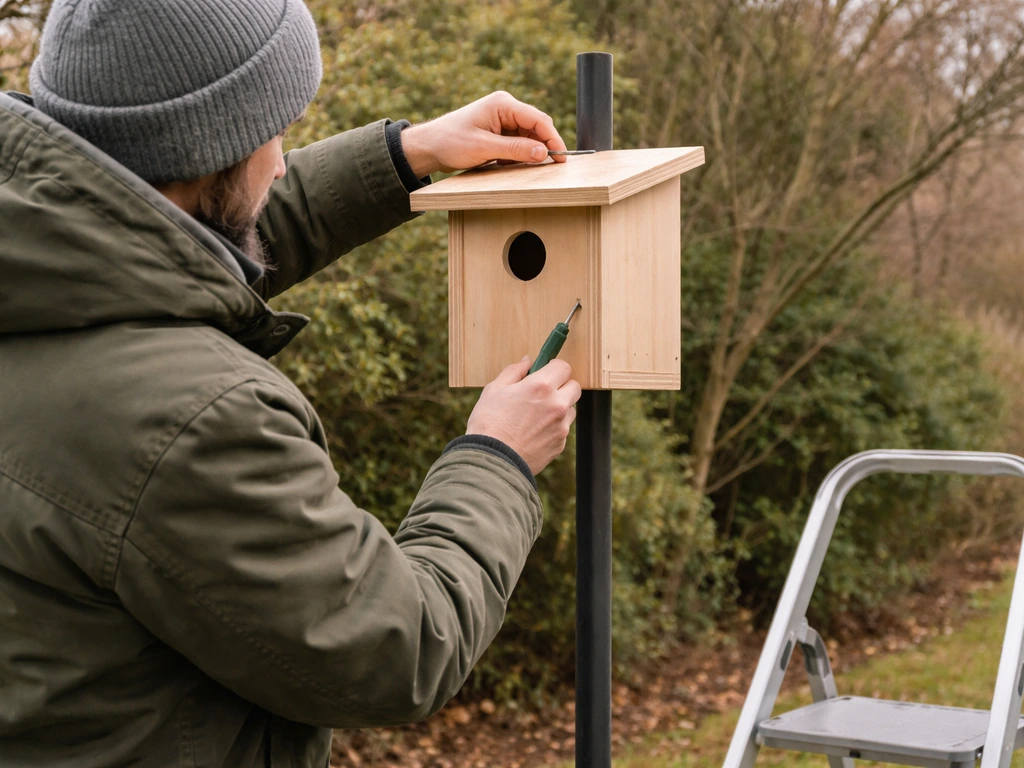
Step 4: Add a predator guard
This is not optional. NestWatch data shows nest boxes with predator guards have success rates roughly 6. 7% higher than those without. Mount the box on a smooth metal pole rather than a tree or fence post wherever possible.
Wrap the pole below the box with a 4-inch PVC pipe section or install a sheet-metal cone baffle to block climbing predators like raccoons and cats. For boxes you must mount on trees or posts, a Noel guard (a rectangular tube of hardware cloth stapled to the front of the box over the entrance hole) deters snakes and raccoons from reaching inside.
Tennessee wildlife guidance specifically warns against mounting on trees or fence posts without a guard, because these are essentially predator superhighways.
Step 5: Time your installation
Put your boxes up in fall or winter if at all possible. Birds scout potential nesting sites well before breeding season begins in spring, and an early installation gives them time to find and assess your box. In most of the continental US, cavity nesters like bluebirds begin scouting by late February or early March. If you are reading this in late spring or summer, put the box up anyway: some species raise two or three broods per season and will happily move into a new box mid-season.
Nesting materials: what to offer and what to skip
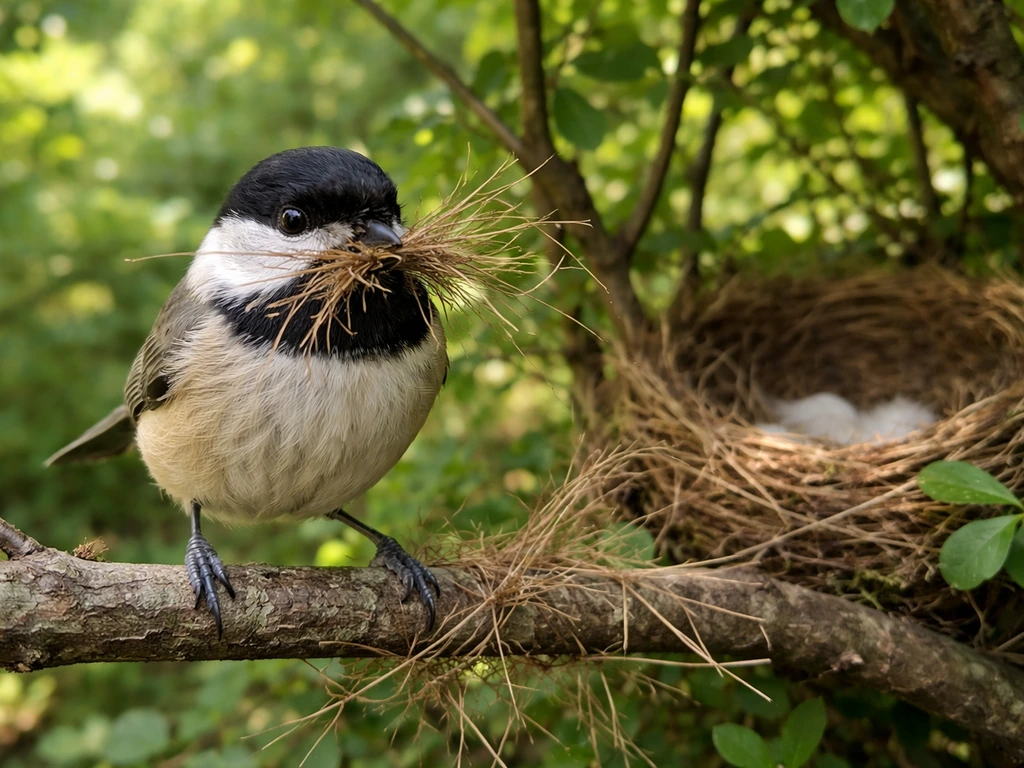
If you want to support open-cup nesters or supplement the building supplies available to any nesting bird in your yard, putting out safe raw materials is easy and effective. The key is knowing what helps and what harms.
Safe materials to offer
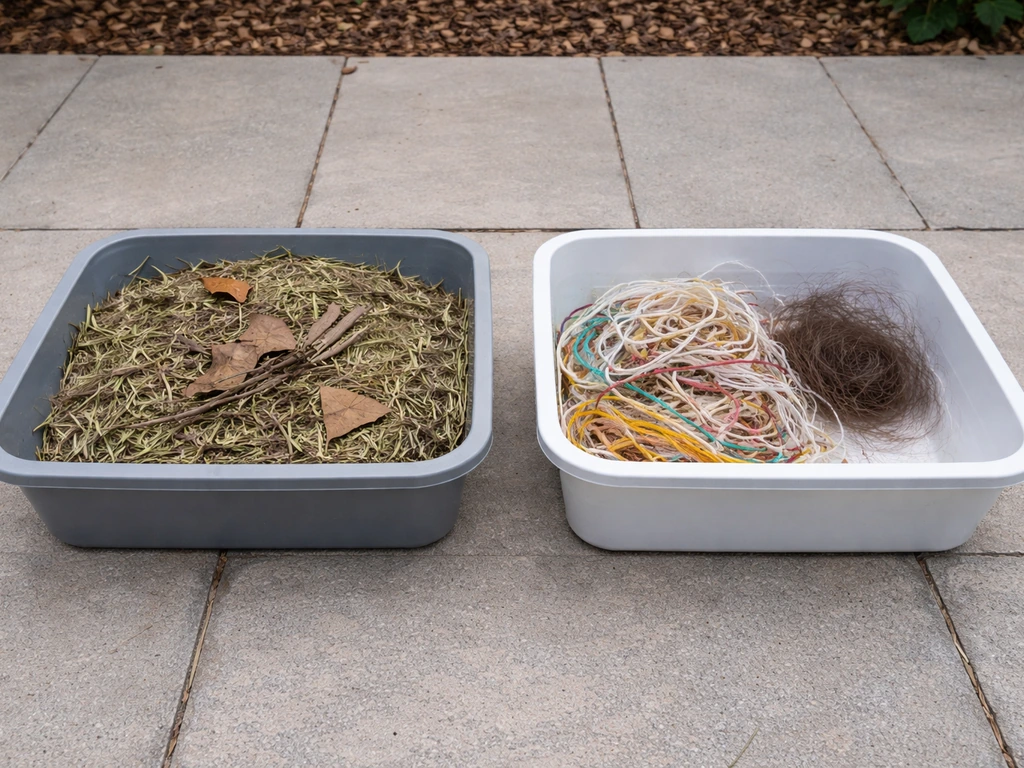
- Dry grass clippings (untreated, pesticide-free only; confirm no herbicide or fertilizer was applied)
- Dead leaves left on the ground unraked
- Small dry twigs under 6 inches long
- Moss (collected from your own yard or purchased)
- Pine needles
- Feathers (naturally molted, not collected from protected birds)
- Narrow strips of bark
Materials to avoid
- Human or animal hair: entanglement risk around legs and necks
- String, yarn, or thread of any length: even short pieces can entangle chicks
- Dryer lint: compacts when wet and can chill eggs and chicks
- Synthetic fibers or fabric scraps
- Any grass or plant material treated with pesticides, herbicides, or fertilizers
- Plastic bags, foil, or cellophane
The simplest and most effective thing you can do for nesting material is honestly just to leave parts of your yard a little wild: an unraked corner of leaves, a brush pile, native plants with natural fibrous stems. Audubon emphasizes that native plantings in a pesticide-free yard supply more safe nesting material than any store-bought offering. You can place safe loose materials loosely in an open wire suet cage or a mesh bag hung from a branch at about 5 to 6 feet high.
Help without harming: protection and safe maintenance
Once birds are nesting, your job is mostly to stay out of the way while keeping the nest safe. Monitoring is fine and actually encouraged by programs like NestWatch, but it requires discipline. Check boxes no more than once a week, approach quietly, and avoid lingering. NestWatch monitoring guidance specifically warns against leaving obvious tracks or disturbances that could direct predators to an active nest. If you notice a predator problem (chewed entrance holes, disturbed boxes, missing eggs), add or improve your baffle immediately.
Weather protection comes from good box design: the roof overhang, ventilation slots, and drainage holes you built in from the start. Do not attempt to add a tarp or cover an active box; this can overheat the interior, block entry, and cause adults to abandon the nest.
After fledglings leave, clean the box promptly. Remove the old nest material, scrub the interior with a solution of 1 part bleach to 10 parts water, rinse thoroughly, and leave it to dry fully with the door open before closing it up again. This removes parasites, bacteria, and old nest debris that can deter future nesters. Cleaning at the end of each brood cycle (or at the end of the breeding season at the latest) is standard NestWatch practice. For open platforms, sweep off old material the same way.
When birds ignore your setup (and what to do about it)
The box goes unused
Give a new box at least one full breeding season before giving up on it. If it is still empty after that, run through this checklist before changing anything else: Is the entrance hole the right diameter for your target species? Is the box in the right habitat (open field for bluebirds, brushy edge for wrens)? Is it too close to a feeder or high-traffic area? Is there a predator guard in place? Is the box facing a clear flight path? One change at a time is the most useful approach; moving the box just 20 to 30 feet or changing the facing direction has made the difference for plenty of backyard birders.
House sparrows or starlings move in instead
Both house sparrows and European starlings are non-native, invasive species not protected under the MBTA, so you can legally remove their nests and eggs (check your specific state or local regulations for any additional rules). The best prevention is the correct hole diameter: a 1 1/8-inch hole excludes both species and most sparrows while letting wrens through. A 1 1/2-inch hole is the bluebird/tree swallow size that starlings cannot enter. If sparrows are persistent, a sparrow spooker (a strip of reflective tape mounted above the entrance) can deter them after a native bird starts nesting.
Seasonal timing by situation
| Time of Year | What to Do |
|---|---|
| Fall (Sept-Nov) | Install or repair boxes now for early spring discovery; clean boxes from the previous season if not already done |
| Winter (Dec-Feb) | Final check on mounting hardware and predator guards; add new boxes before scouts arrive |
| Early spring (Feb-Mar) | Stop adjusting box placement once birds start scouting; begin weekly monitoring if you join NestWatch |
| Active nesting (Mar-Jul) | Hands-off except for weekly check-ins; improve predator guards if needed; do not move or disturb |
| Post-fledge (Jul-Aug) | Clean boxes promptly; second broods are common, so a clean box can be reused the same season |
| End of season (Aug-Sept) | Final clean, treat with bleach solution, leave door ajar or open until fall installation prep |
When to call for help
If you find an active nest in a dangerous location (inside machinery, inside a vent, somewhere causing a genuine safety hazard), contact your regional USFWS office or a licensed wildlife rehabilitator before doing anything. Do not rely on general online advice for these situations because MBTA permit requirements are case-specific and location-specific. Your state wildlife agency or a local Audubon chapter can often point you to the right contact within a day or two. If you find a chick or egg on the ground and suspect a nest has been disturbed, the same applies: a rehabilitator is the right call, not a DIY fix.
Beyond specific emergencies, programs like NestWatch (run by the Cornell Lab of Ornithology) are worth joining if you want to contribute your monitoring data and get species-specific box plans for dozens of backyard birds. They provide free downloadable nest-box plans with exact dimensions, mounting instructions, and predator-guard specs for everything from chickadees to wood ducks, and your data contributes to real conservation research.
One last thing worth keeping in mind: birds are very capable of finding and building their own nests without your help. What you are really doing when you put up a box or leave out materials is reducing the barriers that modern suburban landscapes create, like a shortage of natural cavities or pesticide-free plant matter. The best nest support is also just good habitat: native plants, no pesticides, a water source, and a yard with a few wild corners. Everything else builds on that foundation. If you are curious how learning and behavior training may work for wild nest-building, see who teaches a bird to make a nest as a related perspective.
FAQ
What should I do if I discover a nest I already built near has birds actively nesting?
If you find an active nest (eggs or nestlings), you generally should not move it or add anything that changes the nest’s immediate surroundings. The safest approach is to reduce hazards and keep people and pets away. For true conflicts, such as a nest inside a machine, a vent, or an area where someone could get hurt, contact your state wildlife agency or the USFWS field office (or a licensed wildlife rehabilitator) to ask whether a case-specific authorization or relocation plan is allowed.
Can I make a ready-made nest (cup) and place it for the bird to use?
Leaving a finished “cup” or a pre-made nest outdoors usually does not help. Birds tend to either ignore it or treat it as unsuitable. The more reliable help is to install the correct box or platform first, then provide raw materials (like untreated, natural fibers) at a separate, material-friendly spot so birds can build to their own standards.
Is it legal and safe to put up a nest box during winter or early spring?
You can place nesting structures before birds arrive, and that does not carry the same restrictions as touching an active nest. If your goal is proactive support, install the box or platform in fall or winter or at least well before spring breeding. Once a nest is active, stop altering the box location, entrance, or access in a way that would disturb the birds.
Can I install multiple nest boxes in my yard, and how far apart should they be?
Yes, but target species and mounting strategy matter. Some birds are territorial, so putting multiple boxes of the same species too close together can reduce occupancy. A practical rule from the article is to space bluebird boxes about 250 to 300 feet apart, and keep boxes away from feeders, and high-traffic household areas to reduce competition and disturbance.
What nesting box materials are unsafe, and can I paint the inside?
Do not use any treated wood inside the box, and avoid painted or stained interior surfaces. Treated finishes can be toxic, and smooth or coated surfaces can also change how chicks grip. Stick with untreated cedar or other suitable untreated wood, and keep the interior rough or add a safe ladder feature so fledglings can exit.
What if I do not know which bird species will use my box?
If you cannot identify the target species, choose conservative defaults: use the entrance-hole sizes mentioned in the article, include proper ventilation and drainage, and avoid making changes based on guesswork while birds are nesting. If you later see which species is visiting or attempting to nest, you can adjust by improving predator guards or spacing new boxes, but do not alter an active nest.
Should I cover an active nest box during heavy rain or hot weather?
There is typically no need to add a cover or tarp to an active box. Good designs already manage weather with an overhang, ventilation, and drainage. Adding temporary covers can trap heat, block airflow, and increase stress, which can cause adults to abandon the nest.
How often can I check a nesting box, and what monitoring mistakes should I avoid?
For basic monitoring, keep checks infrequent and non-intrusive, and do not leave evidence that predators can follow (no lingering disturbances, no tracks right to the opening). If you see predator activity, the article recommends improving guards, such as adding or upgrading a baffle, rather than repeated opening and re-closing of the box.
What is the right way to clean a nest box after the birds are done?
Once fledglings have left and the nest is no longer active, you can clean it. The specific approach in the article includes removing old material and scrubbing with a diluted bleach solution, then rinsing thoroughly and letting it dry fully with airflow before closing. For open platforms, sweep off old material and remove debris, then allow it to dry before reusing.
What can I do about invasive house sparrows or starlings trying to nest in my box?
House sparrows and European starlings are handled differently than native birds. The article notes they are not protected under the MBTA, but local/state rules can add details, so check your regulations. Practical prevention includes using the correct entrance-hole diameter and, if sparrows persist, using a sparrow spooker after native nesting is underway.
If I find an egg or a nestling on the ground, can I put it back or relocate the nest?
If you suspect eggs or nestlings are on the ground, or you suspect someone disturbed an active nest, treat it as an emergency for the animals and the legal part of the situation. The article advises contacting a licensed wildlife rehabilitator, rather than trying to reassemble or relocate the nest yourself.