If there are already eggs or chicks in the nest, you need to leave it alone, full stop. Under the Migratory Bird Treaty Act (MBTA) in the US and Canada's Migratory Birds Regulations, 2022, it is illegal to destroy, move, or disturb an active nest of a native migratory bird without a permit. Your job right now is to figure out whether the nest is active, identify the species if you can, and then take steps to coexist safely until the birds are done. If the nest is still being built and no eggs have been laid, you technically have a window to act, but even then the safest, most legal default is to pause and assess before doing anything.
Should I Let a Bird Build a Nest? What to Do Today

Maya Bennett
28 May 2026
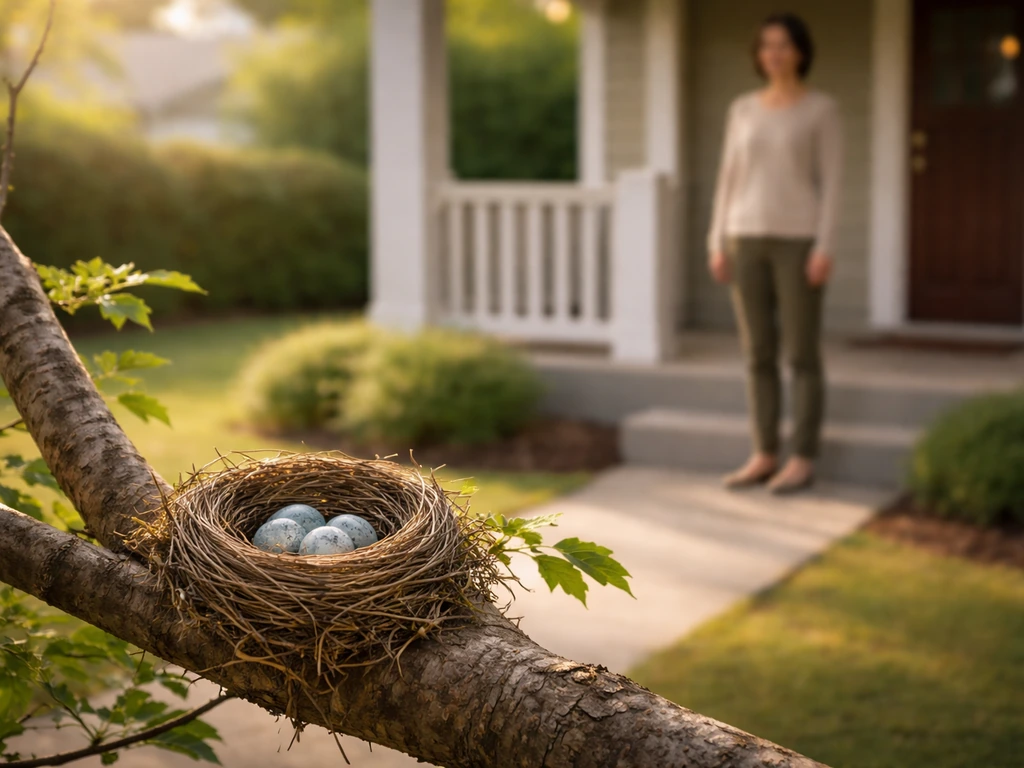
When to allow it vs. when you might be able to intervene
The decision tree is simpler than most people expect. Here is how to think about it quickly.
| Situation | What the law generally allows | What you should do today |
|---|---|---|
| Nest under construction, no eggs yet | Removal may be legal but confirm species first | Pause and ID the bird before touching anything |
| Nest has eggs | Removal is illegal without a permit (US/Canada) | Leave it, manage access, plan your timeline |
| Nest has chicks (nestlings) | Removal is illegal without a permit (US/Canada) | Leave it, add predator barriers if safe to do so |
| Chicks have fledged, nest looks empty | Removal is usually legal once nest is fully inactive | Confirm no activity for several days, then clean up |
| Nest is in an immediate safety hazard (e.g., live electrical panel) | Permits can be pursued; USDA Wildlife Services may assist | Contact your state/provincial wildlife agency today |
| Bird is a non-native species (e.g., European starling, house sparrow) | MBTA does not protect these species; removal is legal | Still proceed carefully; confirm the species ID first |
The two non-native exceptions are worth knowing: European starlings and house sparrows are not protected under the MBTA, so their nests can legally be removed at any stage. Every other common backyard bird (robins, swallows, wrens, sparrows, finches, doves) is almost certainly on the protected list under 50 CFR §10.13. When in doubt, treat it as protected.
How to identify the nest and the bird (and why it matters)
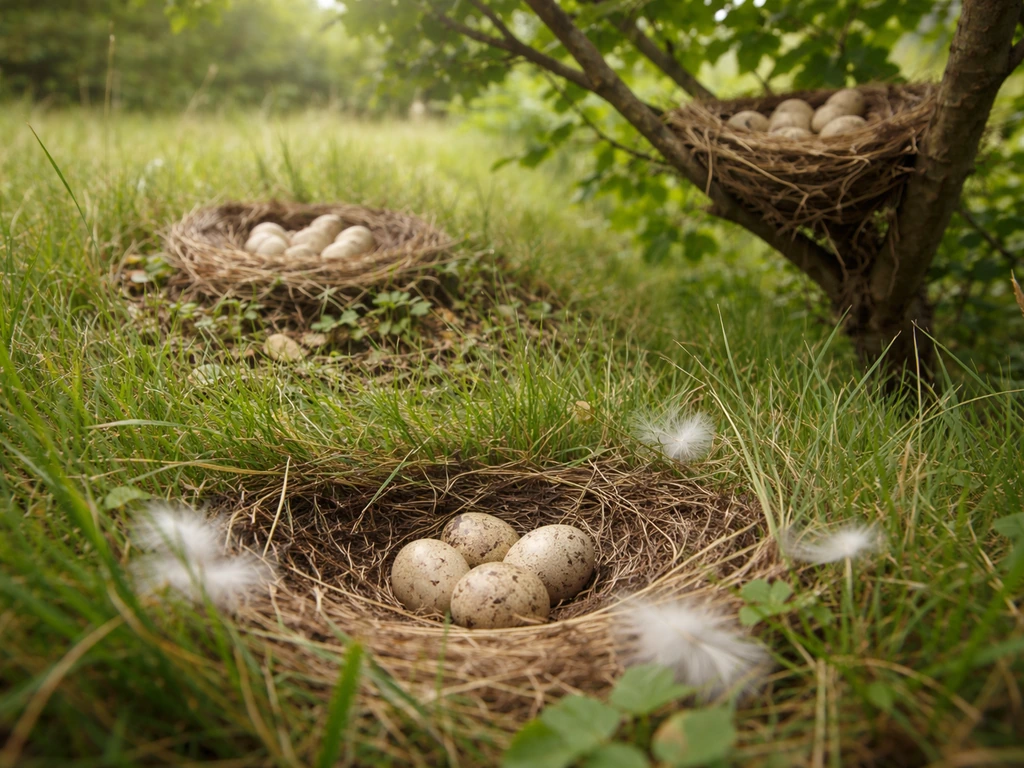
Species identity determines your legal options, your timeline, and how much space the birds actually need. You do not need to be an expert birder. You just need to pin down the nest type and then watch the adults from a distance for a few minutes. Take a photo with your phone before doing anything else, including walking closer.
Nest types by placement
- Ground nest: shallow scrape or grass cup directly on the ground, often hidden in long grass or mulch. Common species: killdeer, song sparrow, dark-eyed junco.
- Surface bowl (open cup) on a structure or ledge: woven grass and mud on a beam, gutter, windowsill, or porch rafter. Common species: American robin, barn swallow, cliff swallow, mourning dove.
- Mud cup on vertical surface (eaves or wall): dense mud pellets plastered against the side of a building, often in clusters. Common species: cliff swallow, barn swallow.
- Wood cavity or nest box: inside a tree hole, gap in siding, dryer vent, or nest box. Common species: house wren, black-capped chickadee, tree swallow, European starling, house sparrow.
- Roof or chimney: large stick platform on a flat roof, chimney, or HVAC unit. Common species: osprey, chimney swift (inside chimneys), American crow.
- Shrub or tree (off structure): cup or platform woven into branches. Common species: American robin, cedar waxwing, house finch, mourning dove.
Checking for activity
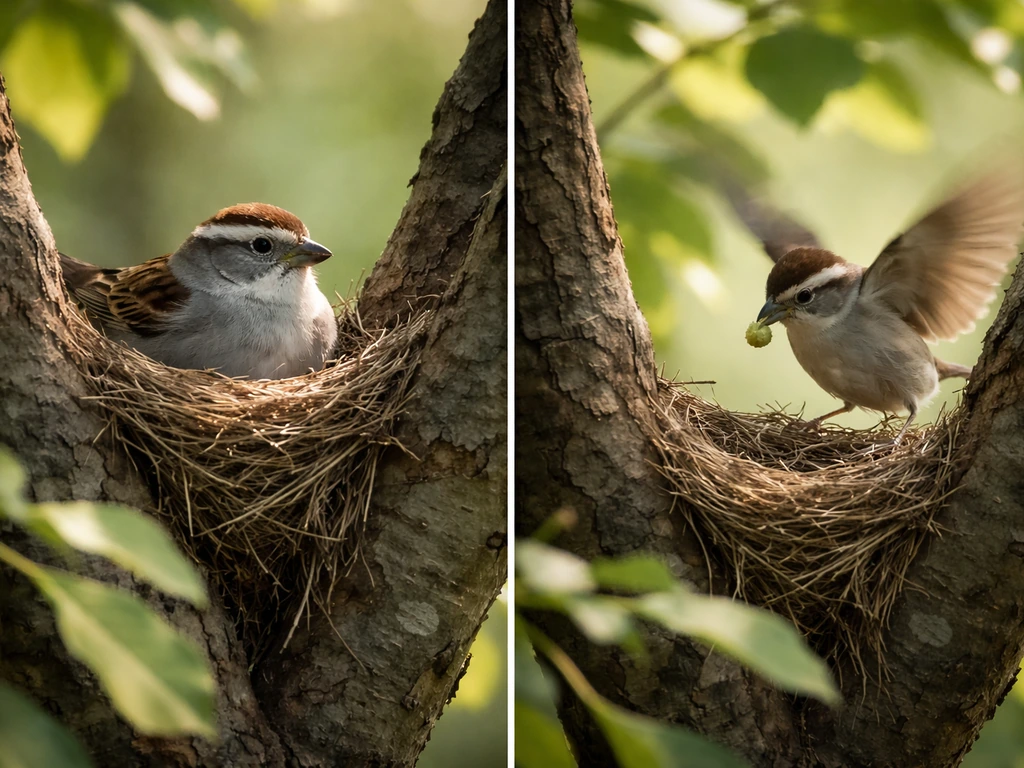
According to Smithsonian's nest monitoring guidelines, the key signs of an active nest are adults sitting on the nest (incubation), or adults making regular trips carrying food to the nest (nestlings present). Watch from at least 10 to 15 feet away for five to ten minutes. If you see an adult sitting tight or making food runs, the nest is active and protected. If the nest looks untouched for two or more days and no adults are visiting, it may be inactive, but give it a full week before drawing conclusions, because some species leave for long stretches during early incubation.
Knowing the likely species also helps you plan your timeline. Under USFWS guidance, a nest is active from the moment the first egg is laid until fledged young are no longer dependent on it. For a common species like the American robin, that is roughly 13 to 14 days of incubation plus 14 to 16 days before chicks leave the nest. Barn swallows take 13 to 17 days of incubation and another 18 to 24 days before fledging. In practice, from the day you spot the first egg, you are usually looking at four to six weeks before the nest goes quiet for most songbirds.
Legal and ethical rules for active bird nests
In the United States, the Migratory Bird Treaty Act makes it illegal to take, possess, destroy, or disturb the nest or eggs of any protected migratory bird while the nest is active. A nest is active from the first egg through the point when fledged young no longer depend on it. The MBTA does not prohibit destroying an inactive nest, but it does require that you are not possessing any protected parts during the process. Permits for taking active nests exist but are rare, limited to specific circumstances (safety, research, permitted management), and must be issued before any action is taken.
In Canada, the Migratory Birds Regulations, 2022 prohibit damaging, destroying, removing, or disturbing a nest. Once a nest becomes unoccupied and is no longer protected, a species-dependent waiting period applies before removal is permitted: 12, 24, or 36 months depending on the species. Environment and Climate Change Canada (ECCC) provides a notification process for removing unoccupied Schedule 1 species nests within the regulatory framework. If you are unsure whether you need to notify ECCC or your provincial ministry (Ontario, for example, requires approval from the ministry before you disturb a nest or eggs), contact them directly before doing anything.
The practical takeaway from both regimes: if you see eggs or chicks, stop and back away. A nest is a home for a bird, which is why you should avoid interfering once you see eggs or chicks is a nest a home for a bird. Relocating an active nest is not a legal workaround. As Mass Audubon puts it plainly, if the nest disappears the parents will not go searching for it. Moving an active nest almost certainly means killing the brood, which is both illegal and the opposite of what any conservation-minded homeowner wants.
Safety steps for homeowners while the nest is active
Coexisting with an active nest does not mean ignoring the risks. If the nest is in a high-traffic area, a construction zone, or somewhere that children and pets pass regularly, you need to manage the space around it without touching the nest itself.
- Photograph the nest from a safe distance today. Note the date, location, nest type, and any signs of eggs or chicks. This record helps you track the timeline and shows good faith if you need to contact a wildlife agency later.
- Mark a buffer zone. Use orange construction cones, a temporary garden fence, or even flagging tape to keep people and pets at least 6 to 10 feet away from the nest. This is especially important for ground nests, which are easy to step on accidentally.
- Brief your household. Tell children and anyone with access to the yard or the structure that the area is off-limits until further notice. Dogs and cats should be leashed or kept out of the nest zone entirely.
- Pause any maintenance work nearby. If you were about to paint, repair gutters, do roofing work, or use power tools within 10 to 15 feet of the nest, stop. Schedule it for after fledging. Noise and vibration can cause adults to abandon the nest, especially during early incubation.
- If the nest is inside a structure (vent, garage, shed), leave the access point open so adults can continue to come and go. Closing it off while a nest is active traps birds inside or cuts off their food supply to nestlings.
- For nests near doorways or entryways, add a temporary visual barrier (a board, a tarp corner, a privacy screen) that redirects foot traffic without blocking the adults' flight path to the nest.
Non-lethal ways to support nesting in place
If the nest is somewhere you are comfortable hosting it, or if you want to encourage birds to nest in better spots next season, there are simple yard-planning steps that make a real difference. If you want to make a nest that suits the species, focus on safe, bird-friendly nesting sites rather than disturbing any active nests how to encourage birds to nest in better spots. If you want to make a home for the night as a bird might, focus on keeping the nest in place and making the yard safer so the parents can keep caring for it hosting it. This is also a good way to redirect future nesters away from problem areas.
Predator protection for existing nests
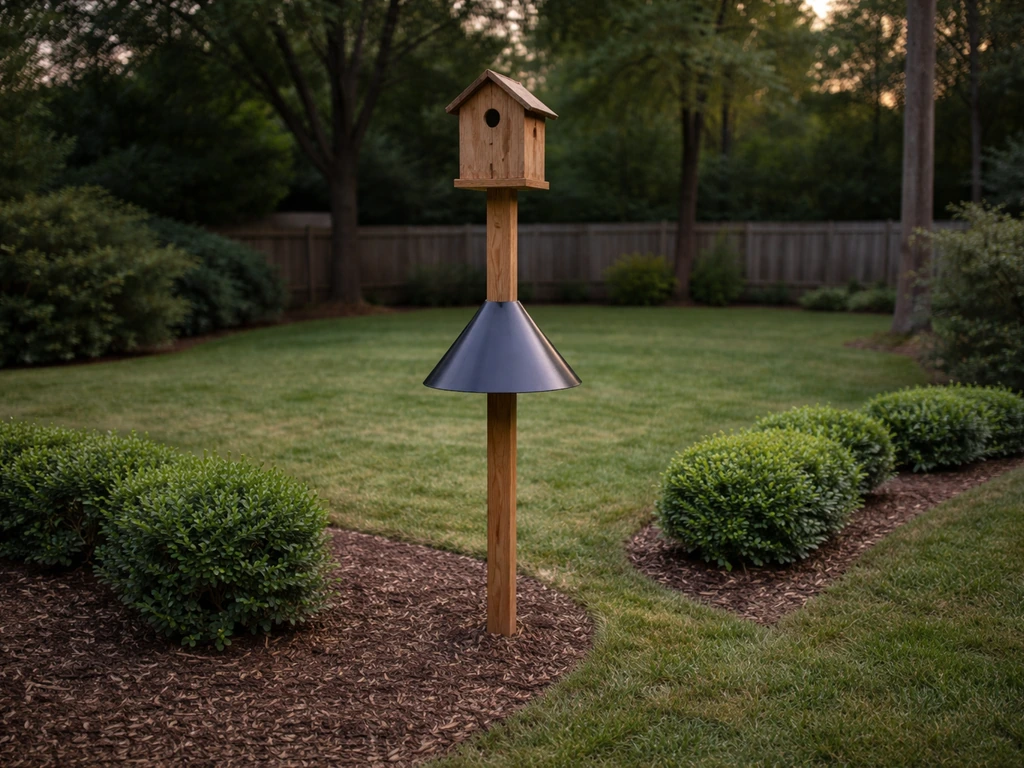
- Baffles on nest boxes and poles: a cone or cylinder baffle placed 4 to 5 feet off the ground on a post prevents cats, raccoons, and squirrels from climbing up to cavity nests.
- Hardware cloth around vulnerable ground nests: a loose cylinder of half-inch hardware cloth placed around (not over) a ground nest can deter cats without blocking adult access. Leave at least a foot of open space on all sides.
- Properly installed exclusion netting in eaves and overhangs: if swallows or other birds are nesting in an enclosed overhang, Mass Audubon suggests suspending netting to create a false ceiling in the space to prevent future access. This is only appropriate when no nest is active inside. USFWS specifically warns against using loose small-mesh netting, which can entangle and kill birds. Any netting must be taut, the correct mesh size (3/4 inch or larger for most species), and installed so birds cannot get caught in it.
Yard layout to encourage nesting in better spots
- Install species-appropriate nest boxes at the correct height and orientation before nesting season (late winter to early spring). Robin platforms, wren boxes, and bluebird boxes placed away from high-traffic areas give birds better alternatives to your gutters and eaves.
- Plant dense native shrubs (dogwood, viburnum, hawthorn) at least 10 feet from your home's foundation to give open-cup nesters a safer, more sheltered option than a window ledge.
- Provide nesting material piles: small bundles of dried grass, plant fibers, and short twigs placed in an open feeder tray or mesh bag give birds building material and may draw them toward the yard rather than into structures.
- Reduce lighting near eaves during nesting season. Bright security lights attract insects and birds to roost or build near artificial lights, which often puts nests in conflict with people.
When removal or relocation might be on the table
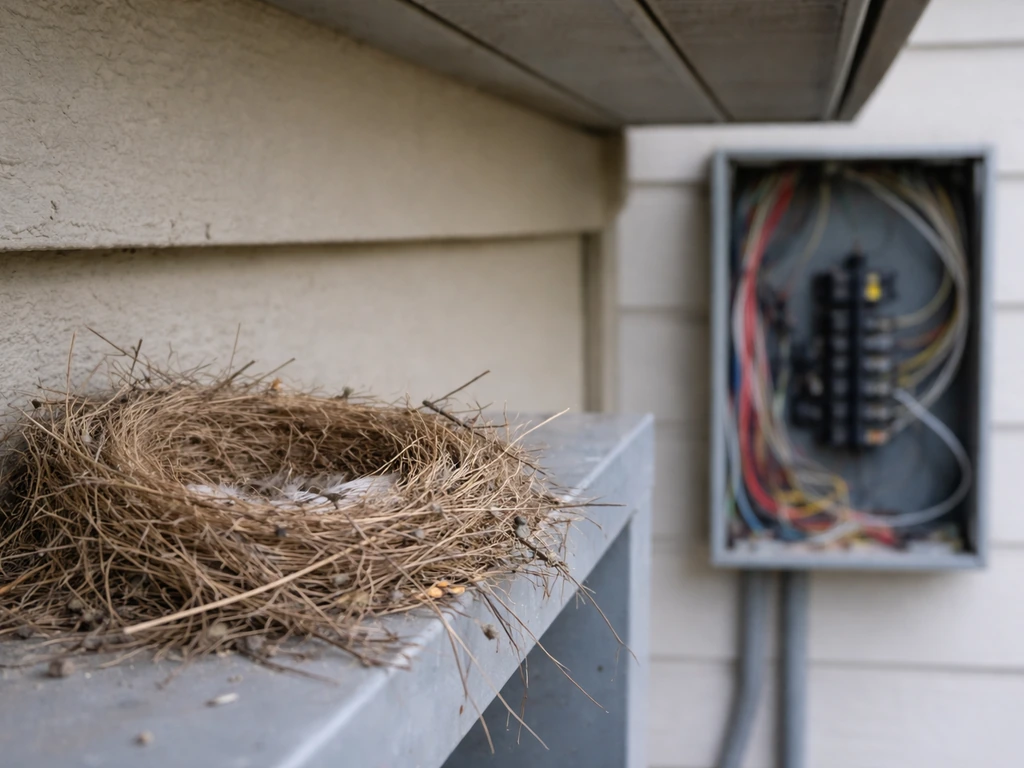
Nest removal before eggs are laid is the only realistic DIY legal option for most homeowners in the US and Canada. If the nest is still under construction and you can confirm no eggs are present, you can remove it, but do so only if you have positively identified the species as unprotected (European starling, house sparrow) or if the nest is in a location that poses a genuine immediate safety risk and no eggs have appeared yet. Once eggs are present, you need a permit.
For active nests in genuinely dangerous locations (a live electrical panel, an active industrial vent, or critical infrastructure), the right path is to contact your state or provincial wildlife agency immediately. In some cases, USDA Wildlife Services is already authorized to manage certain active nests (osprey on utility infrastructure in Massachusetts is one documented example) for a fee. For most residential situations, the agency will advise you on whether a depredation or special purpose permit applies and how to apply.
One thing worth knowing: even when removal is permitted, the birds often return to the same location the following season if nothing changes about the site. Simply removing the nest without modifying the site means you will be back in the same situation in six months. Plan exclusion work for immediately after fledging, while you have legal clearance to make structural changes.
After the birds fledge: cleanup, repair, and prevention
Once you are confident the nest is fully inactive (no adults visiting, no chicks present, and at least several days have passed since you last saw activity), you can address the site. Do not rush this. Some species, particularly swallows, will reuse the same nest for a second brood within the same season, so confirm the nest is truly done before acting.
Cleanup steps
- Wear gloves and a dust mask. Old nests can harbor mites, bacteria, and dried feces. Double-bag the nest material and dispose of it in the trash.
- Scrub the surface with a dilute bleach solution (1 part bleach to 9 parts water) where the nest was attached, especially if it was inside a building or vent.
- Inspect and clean out any nest boxes. Remove old nesting material between broods or at the end of the season so parasites do not overwinter in the box.
- Check for any structural damage: mud nests on siding can leave staining; nest debris in gutters can cause blockages. Address these once cleanup is complete.
Preventing repeat nesting in problem spots
The window immediately after fledging is your best opportunity to install exclusion materials legally and without disturbing active birds. Seal gaps in siding, install hardware cloth over vents, add physical barriers to ledges, or hang exclusion netting in eaves before the next breeding season begins. For most of the US and Canada, the next nesting push starts in March to April, so fall and early winter are ideal for this work. ECCC explicitly notes that removing a nest after the breeding season generally has no effect on a bird's ability to nest again, so clean up promptly and make your site modifications while you have the legal and practical clearance to do so.
Old nest material can also be composted if it is free of obvious parasite infestation. Some naturalists keep intact nests for educational purposes, which is legal for nests of non-protected species or for already-inactive nests where no parts are being commercially sold or possessed in a way that violates MBTA provisions. When in doubt, dispose of it rather than store it.
Your action checklist for right now
If you found this article because there is a nest on your property today, here is what to do in the next hour. If you want to help a bird build a nest safely, you can start with this checklist first so you know whether the nest is active, then choose the appropriate non-lethal steps what to do in the next hour. If you are wondering who teaches a bird to make a nest, the answer is usually the species itself, since birds build on instinct and learn by observation rather than needing a person or a trainer.
- Photograph the nest from a safe distance. Note the date, location, and what you can see (eggs, chicks, adults, nest materials).
- Do not touch or move the nest. Even if it looks empty, give it a full observation window first.
- Watch for adult birds from a distance for 5 to 10 minutes. Are they sitting on the nest or bringing food? If yes, the nest is active and protected.
- Identify the nest type using the placement categories above (ground, cup, mud, cavity, platform). Then try to identify the adult bird by size, color, and behavior.
- Check whether the species is a European starling or house sparrow (both non-native and unprotected). If you cannot confirm this, treat it as protected.
- Set up a buffer zone around the nest using cones, fencing, or tape. Brief everyone in your household.
- If the nest conflicts with safety or urgent maintenance, contact your state wildlife agency or USDA Wildlife Services before taking any action. Do not remove an active nest yourself without a permit.
- Estimate your timeline. Use the species nesting period as a guide: most songbirds are done in four to six weeks from the first egg. Mark the likely fledge date on your calendar.
- Plan your exclusion and repair work for immediately after fledging. Use that window to seal access points, install baffles, and modify the site.
If you are unsure about any step, a local wildlife rehabilitator, your state or provincial wildlife agency, or a chapter of Audubon can give you species-specific advice quickly. Most agencies have online identification tools and staff who handle exactly these calls. The cost of getting it wrong, legally and ecologically, is much higher than a brief phone call or a few weeks of patience.
FAQ
If I only move the nest a few inches, is that still illegal?
Yes. In both the US and Canada, “disturb” typically includes relocation or even minor handling when the nest is active. If you must do something for safety, stop and contact your wildlife agency or wildlife services first, then follow whatever permit or exclusion plan they require.
What if the birds are using my nest site but I have no eggs visible yet?
Treat it as potentially active. Many species incubate before you can clearly see eggs, and some still make regular feeding trips without obvious egg visibility. Use a 10 to 15 foot distance watch for 5 to 10 minutes, take a photo first, and wait a few days before deciding it is inactive.
How can I tell if the nest is active versus just recently abandoned?
Look for repeated adult behavior, not just whether the nest “looks used.” Active nests usually have adults sitting tight (incubation) or making regular trips with food. If there is no adult attendance, confirm with a full week of observation (or longer if the weather is cold or the species is known to pause during incubation).
Can I cover the area with a tarp or netting if I’m worried about kids or pets?
You generally should not block access to an active nest in a way that forces the adults to abandon it. Safer options are distance management (temporary barriers, supervision, rerouting foot traffic) and keeping pets away, then installing permanent exclusion only after fledging when the nest is confirmed inactive.
Is it legal to remove nesting material if I find it on the ground under a nest?
Usually, loose material on the ground is not the same as an active nest, but you cannot assume it is safe. If a nest is active above or nearby, dealing with material could still be considered disturbance. Wait for the nest to be inactive, then clean up and modify the site.
If the nest is in a dangerous spot, do I have to wait for the agency to respond even if it feels urgent?
For truly immediate hazards like live electrical exposure or critical ventilation, contact the appropriate authority right away, then do only what is necessary to make the area safe without touching the nest. Your agency can advise whether emergency measures or a depredation/special purpose permit is appropriate and how to proceed without harming young birds.
Can I relocate the birds to a birdhouse or other box instead of moving the nest?
Not as a “workaround” for an active nest. Moving a nest is risky and likely illegal when protected. Instead, focus on excluding access to the problematic spot after fledging, and then add the alternative site so birds can choose it next season.
Will the parents abandon the nest if I do yard work nearby?
They might, even if you never touch the nest. High vibration, loud construction, frequent human traffic, or repeated close passes can cause abandonment or failure. Keep activity minimal, maintain distance, and consider timing work outside the incubation and chick-feeding window.
Can I keep an old nest for education or decoration?
Only if it is from an appropriate category. In general, you should avoid collecting protected-species material if it involves any possession restrictions. If you find it already inactive, ask your wildlife agency or local Audubon chapter whether keeping it is permissible for that species and whether any handling or storage rules apply.
What should I do if I’m not sure whether the bird is one of the protected species?
Use the “when in doubt, treat it as protected” approach. Do not assume it is unprotected just because it resembles common backyard birds. Get a photo and use a local wildlife agency identification tool or call a rehabilitator before making any move.
How long should I wait after fledging before I install exclusion materials?
Confirm the nest is truly done, not just that you saw one day without birds. Some species can raise a second brood in the same season. A practical approach is to wait several days with no adult visits or chicks, then install exclusion promptly so the site is discouraging before the next nesting cycle.
Will removing the nest once prevent the birds from returning next year?
Not necessarily. If the site still offers the same access and materials, many birds reuse it. Plan exclusion or structural changes after fledging so the location is no longer suitable, otherwise you may repeat the same problem season after season.