No one teaches a bird to make a nest. Birds build nests through a combination of instinct and learned experience, not because a person or another bird sat them down and ran them through the steps. That said, there are real, licensed people who can help when a nesting situation goes wrong: wildlife rehabilitators, bird conservation organizations like your local Audubon chapter, and experienced birders who know what specific species actually need. If you are standing in your yard right now wondering what to do about a bird that seems to be struggling, the answer is almost never to intervene directly with the nest itself. It is to set up the right habitat, contact the right person, and know when to step back.
Who Teaches a Bird to Make a Nest, and What You Can Do
Maya Bennett
18 May 2026
Instinct does the teaching, not people
When people search for 'who teaches a bird to make a nest,' they usually mean one of two things: they're curious about bird biology, or they're dealing with a real situation, maybe a displaced nestling, a failed nest, or a bird that seems confused about where to build. Let's clear up the biology first, because it shapes everything else.
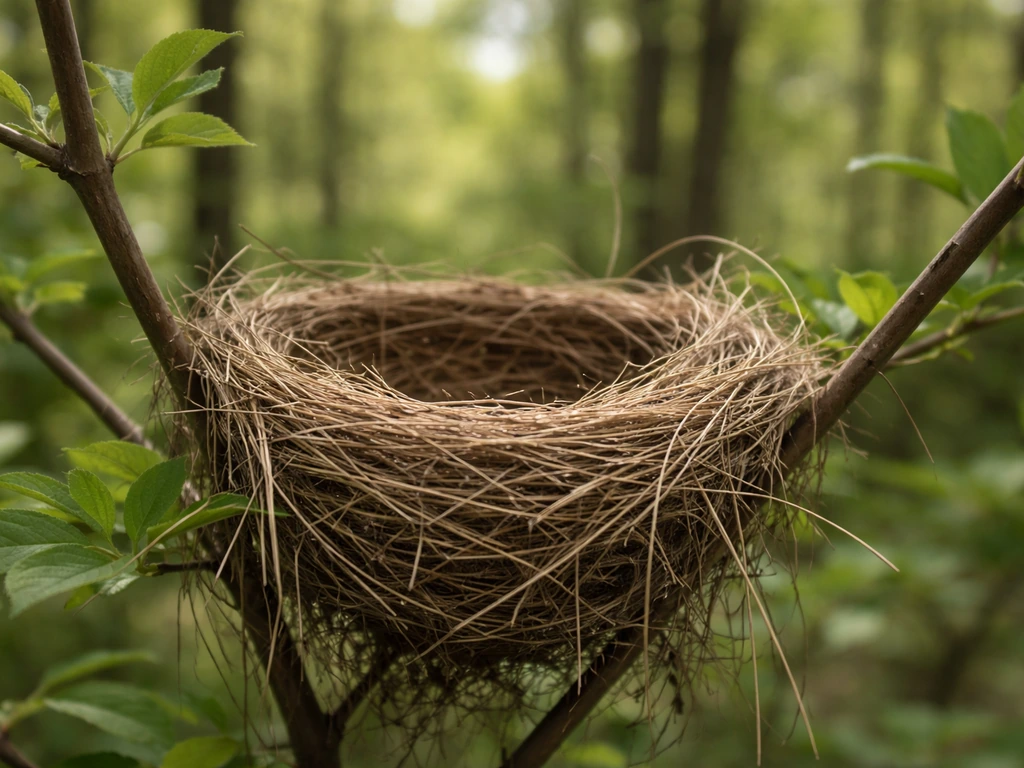
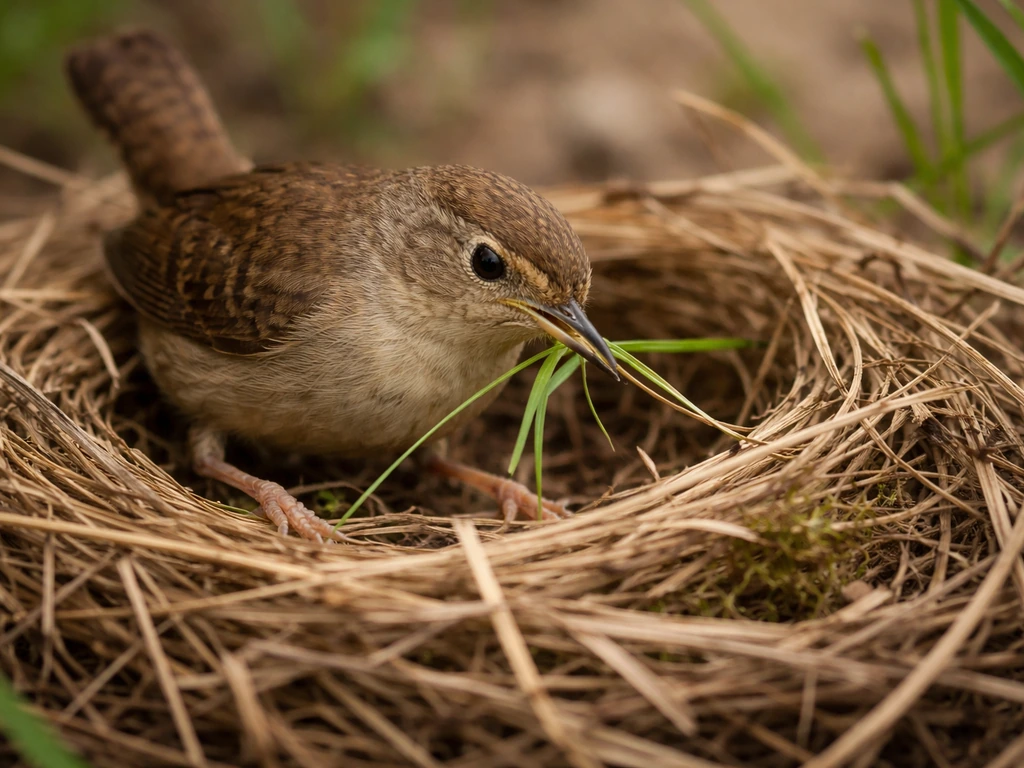
Birds are born with the blueprint for nest-building already embedded. A House Wren doesn't need a mentor to know that it should stuff a cavity with twigs and top that foundation with a soft cup of plant fibers, grass, and animal hair. That architecture is built in. What research does show, though, is that nesting behavior isn't purely robotic instinct. Studies have found that birds can learn nest-material preferences socially, watching familiar individuals and copying what seems to be working. Field experiments have even documented interspecific social learning, where a female flycatcher picked up a novel nest-site preference by observing the behavior of competing tit species nearby. So birds do learn from each other, but the teacher is always another bird, shaped by millions of years of evolution, not a well-meaning homeowner with a handful of yarn.
This matters practically: you cannot teach a wild bird to build a nest, and trying to guide or train one would cause far more stress than help. What you can do is make your yard a place where birds feel safe enough to do what they already know how to do.
Who can actually help a bird with nesting (by role)
When a nesting situation genuinely requires human involvement, there is a clear hierarchy of people who are equipped to step in, each with a different scope of action.
Licensed wildlife rehabilitators
These are the people you call when a bird is actually injured, orphaned, or in crisis. Licensed wildlife rehabilitators hold state and often federal permits to handle, care for, and raise wild birds with the explicit goal of releasing them back into the wild. VINS describes licensed wildlife rehabilitators as people who dedicate their time to healing sick or injured wildlife and raising orphaned youngsters with the goal of returning them to the wild Licensed wildlife rehabilitators hold state and often federal permits to handle, care for, and raise wild birds. They are trained in species-appropriate feeding, housing, and behavioral conditioning to prevent imprinting, which is the process that would make a young bird bond to humans instead of its own species. Imprinting is irreversible and effectively disqualifies a bird from living wild. Your state wildlife agency (like NYSDEC in New York or a similar department in your state) maintains a contact list of licensed rehabilitators. VINS (Vermont Institute of Natural Science) is one well-known example, but every state has its own network.
Bird conservation organizations and Audubon chapters
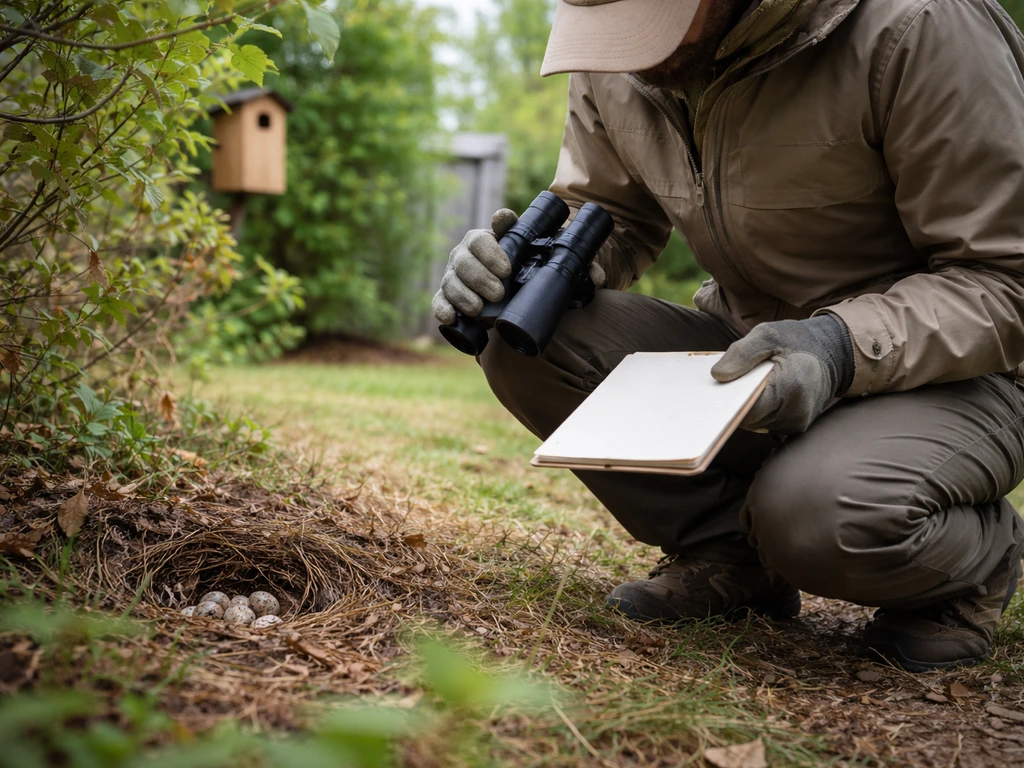
Your local or state Audubon chapter is often the fastest route to practical, species-specific guidance. They can tell you what cavity nesters are common in your area, which nest box dimensions match which species, and what to do if you find a nestling on the ground. Mass Audubon, for instance, publishes clear guidance on baby birds out of the nest and can refer you to licensed help when needed. These organizations also run nest monitoring programs (like NestWatch, managed by the Cornell Lab of Ornithology) that train everyday backyard birders in proper nest observation protocols.
NestWatch-trained monitors and experienced backyard birders
Cornell Lab's NestWatch program certifies people in ethical nest monitoring. These monitors know how to observe without disturbing, how to ID a nest by structure and materials, and how to estimate nest stage (eggs, nestlings, fledglings). If you have a NestWatch-certified neighbor or birding club nearby, that's a real resource for identifying what is happening in your yard and whether anything actually needs attention.
Avian veterinarians
For injured adult birds or nestlings with clear physical trauma, an avian vet is the appropriate contact. Not every vet treats wild birds, so confirm before you bring anyone in. Your local wildlife rehabilitator can usually refer you to an appropriate avian vet in your area.
What you legally can and can't do around nests
Before you touch, move, or alter anything near a nest, you need to know one key law: the Migratory Bird Treaty Act (MBTA). It protects the vast majority of wild bird nests in the U.S., and violating it isn't just an ethical problem, it carries real legal consequences.
- You cannot destroy, move, or possess a nest that contains eggs or dependent young. That is a federal offense under the MBTA, full stop.
- An empty nest (no eggs, no chicks, no dependent young) is not protected under the MBTA's prohibition in the same way. You can remove an empty nest without possessing it during the act of destruction, though checking local state laws is always wise.
- Active nests require a buffer. Federal agencies and best management practices establish avoidance buffers around active nests during nesting season, so nearby construction, heavy yard work, or landscaping should be paused if you discover an active nest.
- You cannot legally keep a wild bird in your home or attempt to raise it yourself without a federal and state rehabilitation permit.
- Handling a nestling briefly to return it to its nest is generally acceptable under the USFWS 'good Samaritan' framework, but extended care requires a licensed rehabilitator.
The practical takeaway: if a nest has eggs or chicks in it, your job is to protect and avoid, not to intervene. If the nest is clearly empty and abandoned, you have more flexibility.
What you can do right now: habitat, materials, and placement
You can not teach a bird to nest, but you absolutely can make your yard the kind of place birds choose to nest in. This is where homeowners have real, meaningful influence.
Set up nest-friendly habitat
- Plant native shrubs and trees. Dense native plantings provide natural nesting sites and foraging opportunities simultaneously.
- Leave some leaf litter and bare patches. Robins and other open-cup nesters need mud and dead plant material for their builds.
- Keep cats indoors during nesting season. Ground-nesting species like Mourning Doves are especially vulnerable.
- Reduce window reflections near known nesting areas to cut down on collision risk for fledglings learning to fly.
Offer nesting materials safely
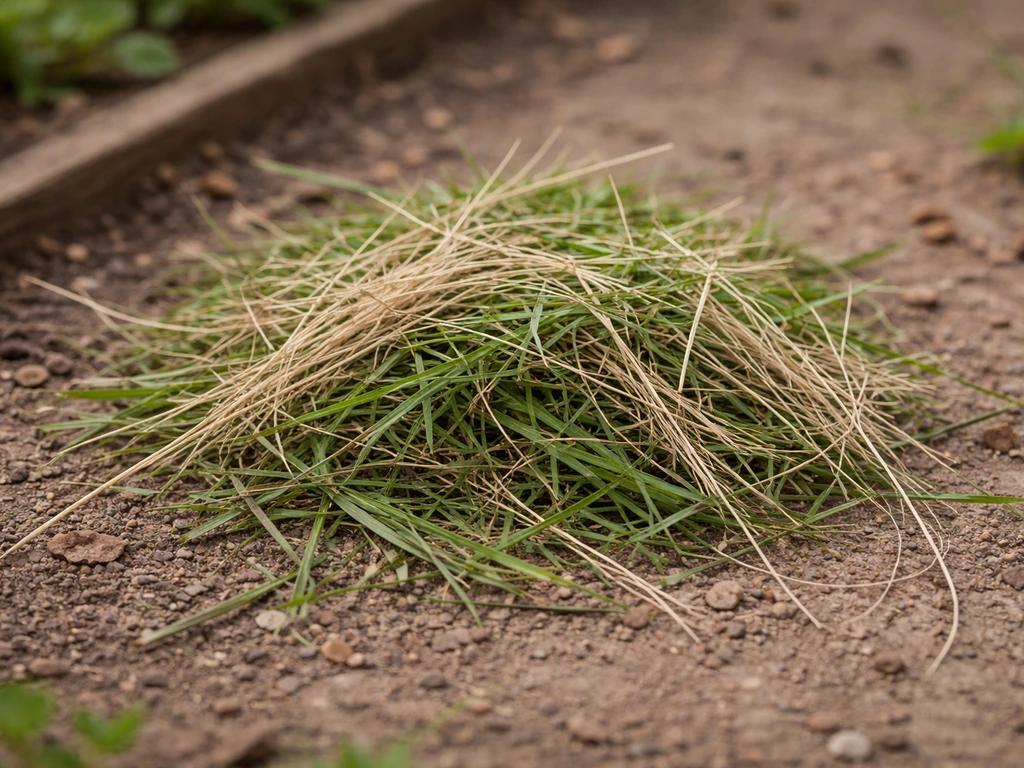
You can put out a loose pile of natural nesting materials and let birds take what they need on their own terms. Use short lengths of natural fiber (grass clippings under 4 inches, pet fur, small twigs, dry leaves, and moss). Avoid yarn, string, or synthetic fibers longer than a few inches because these can tangle around legs or necks of nestlings. Skip dryer lint entirely: it holds moisture and can collapse around chicks. Place materials loosely in a mesh bag or open wire basket hung in a visible spot.
Install nest boxes with the right specs
Nest box placement is species-specific and the dimensions matter more than most people realize. A hole that's a quarter-inch too large can let in House Sparrows that evict or kill the target species. Here's a quick reference for common yard cavity nesters:
| Species | Entrance Hole Diameter | Box Height off Ground | Notes |
|---|---|---|---|
| House Wren | 1 inch | 5 to 10 feet | Prefers wooded edges; male builds multiple dummy nests |
| Carolina Wren | 1.5 inches | 5 to 10 feet | Likes dense cover nearby; tolerates human activity well |
| Black-capped / Mountain Chickadee | 1 1/8 inches | 5 to 15 feet | Needs loose wood shavings inside as a base; do not use sawdust |
| Eastern Bluebird | 1.5 inches | 5 to 6 feet | Open area with low perches; monitor for sparrow competition |
| Mourning Dove | Open platform or ground ledge | Not a cavity nester | Provide dense shrubs or a flat platform at fence height instead |
Species-aware nesting guidance and seasonal timing
Different birds nest at different times, and matching your support to the species and season is what makes it actually useful.
House Wrens and Carolina Wrens are among the earliest cavity nesters. By late April in most of the eastern U.S., House Wrens have returned from wintering grounds and males are already building starter nests in every available cavity. Incubation runs about 12 to 15 days for House Wrens and 12 to 16 days for Carolina Wrens, with the female doing most of the sitting. If you're putting up a wren box, it needs to be up and weathered before April, not the week you notice a wren checking it out.
American Robins are open-cup nesters. Their nests are that classic mud-and-grass cup, built on ledges, in shrubs, and in the forks of trees, typically 5 to 25 feet up. They often raise two or three broods per season from April through July. If you have a robin nest on your porch, expect it to be active for about 4 to 5 weeks total before the young fledge.
Mourning Doves nest on nearly flat surfaces: dense shrubs, tree forks, or even the ground in protected spots. They are remarkably simple nesters (a loose platform of twigs) and notoriously bad at building, which means their nests sometimes fail in wind. If you want to support them, a flat wire basket on a fence post with a handful of twigs inside gives them a sturdier base to work with.
Timing your yard work around nesting season is genuinely one of the most helpful things you can do. In most of the continental U.S., peak nesting runs from late March through early August. Heavy pruning, fence replacement, or exterior work is best done before March or after mid-August to avoid disturbing active nests you may not even know are there.
When to intervene and how to get the right help fast
Most situations that look like a nesting emergency are not. But some are, and knowing the difference is what lets you act quickly when it counts.
Nestling on the ground
A nestling is featherless or has very short pin feathers and its eyes may be closed. If you see a young bird fallen out of the nest, use the nestling versus fledgling signs to decide what to do next, and if it is injured call a local licensed wildlife rehabilitator or wildlife veterinarian distinguish whether it is a nestling or fledgling. If you find one on the ground, look for the nest within a few feet. If you can see it, place the bird back in. The parent will not abandon it because you touched it: birds have a very limited sense of smell and that myth is exactly that, a myth. After you return the nestling, move away and watch from indoors for up to an hour. If the parents do not return within that time, call a licensed wildlife rehabilitator.
Fledgling on the ground
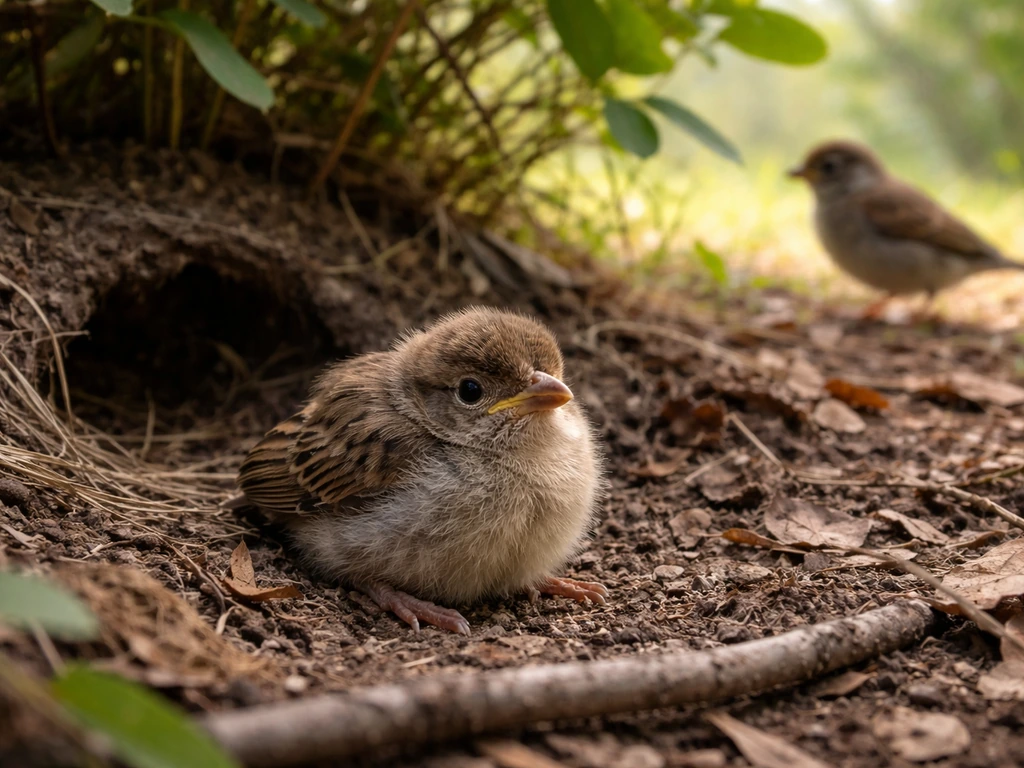
A fledgling has most of its feathers and can hop or flutter. This is normal. Fledglings spend several days on the ground or in low shrubs while their flight feathers finish developing. Their parents are almost certainly still feeding them. Unless the bird is visibly injured (drooping wing, bleeding, unable to move), leave it alone. If you have cats or dogs, keep them inside for a few days.
Nest failure or abandoned nest
If a nest has been clearly abandoned (no adult activity for more than two days, eggs have gone cold, or you've witnessed a predator event), and there are no surviving young, the nest is no longer active. At that point you can document it with a photo, note the materials and construction style, and remove it if it's in an inconvenient spot. If there are surviving eggs or injured young, call a rehabilitator before you do anything else.
How to find the right help today
- Search your state wildlife agency's website for a licensed wildlife rehabilitator directory. Every state has one, and most are searchable by county or zip code.
- Call your local Audubon chapter or nature center. Even if they can't help directly, they'll know who can.
- Use the USFWS 'Find a Rehabilitator' guidance or the National Wildlife Rehabilitators Association (NWRA) locator as a backup if your state directory is hard to navigate.
- If the bird appears seriously injured, an avian vet is appropriate. Call ahead to confirm they treat wild birds before you transport the animal.
- While you wait for guidance, keep the bird warm (not hot), dark, and quiet in a ventilated box. Do not feed it or give it water. That single step prevents a lot of accidental harm.
The broader question of whether you should let a bird build a nest where it's chosen, or whether you can help support a bird through nesting, are genuinely practical decisions that depend on species, location, and timing. If you want to help without interfering, focus on creating the right habitat and contacting the right wildlife experts when something seems wrong support a bird through nesting. The short version is this: the best thing most homeowners can do is build a bird-friendly yard, put up the right nest box at the right height with the right hole size, offer natural nesting materials, and know which phone number to call when something goes wrong. If you're wondering can you help a bird build a nest, those same steps start with creating a bird-friendly yard and calling the right local experts when something seems wrong. You don't teach the bird. You just make it easier for the bird to do what it already knows. If you are trying to make a nest for a bird, focus on providing the right nest box or natural nesting materials instead of forcing the bird to use them. If the situation calls for it, helping a bird make a safe place for the night as a bird might can be as simple as providing shelter and letting the parents resume care make a home for the night as a bird might.
FAQ
If I find a bird nest in my yard, should I leave it alone even if it is messy or on my porch?
Yes, if there are eggs or young, avoid moving the nest or clearing the area. Wait until the brood is fully gone and you have confirmed no adults are actively feeding. If you must use the space (like mowing), work around it and delay until after fledging to reduce the risk of abandonment or injury.
Can I remove a nest if it looks abandoned, or if it is in a spot I cannot tolerate?
Only remove it if you can reasonably confirm it is no longer active, for example no adult activity for more than two days and no viable eggs or chicks. If there is any chance of surviving young, contact a licensed wildlife rehabilitator first. Taking the wrong action can both harm the birds and create legal risk.
What should I do if a bird is building a nest in an area I want to keep cat-free, like near a window or walkway?
Don’t block the nest entrance or relocate it. Instead, manage predators by keeping cats indoors, using a physical barrier around the area (without covering the nest), and monitoring your yard schedule. If you need to reduce risk, add predator control measures like keeping trash closed and limiting access points rather than changing the nest site.
Is it okay to put nesting material near the bird’s nest once it is already building?
It can help, but keep it separate and loose. Offer natural materials at a visible, accessible spot, not directly packed into the nest or tightly attached to fences or rails. This lets the bird choose what to take and reduces the chance of tangling or poor fit.
What nesting materials are safest, and which ones commonly cause harm?
Use short natural fibers such as dry grass, small twigs, moss, and short animal fur. Avoid yarn and synthetic string, even if it looks harmless, because longer strands can wrap around legs or necks. Also skip dryer lint because it can hold moisture and collapse around chicks.
How do I tell a nestling from a fledgling so I do not intervene incorrectly?
A nestling is typically featherless or has very short pin feathers and may have closed or barely open eyes, and it usually needs to be returned to the nest if you can locate it nearby. A fledgling has most feathers and can hop or flutter, and it is usually normal to see it on the ground. If you see blood, a drooping wing, or the bird cannot move normally, treat it as injured and contact a rehabilitator.
What if I touched the nestling while returning it, will the parents reject it?
Usually not. Birds do not rely on a strong sense of smell for parent recognition, so returning a nestling close to where it fell and then stepping back is the right approach. After placing it back, watch from indoors for up to about an hour to see if adults resume feeding.
If a fledgling is on the ground, should I pick it up to ‘move it somewhere safer’?
Only if it is in immediate danger (for example in a path with constant foot traffic or where a dog cannot be controlled). In many cases, the safest option is to leave it and keep pets away while parents feed nearby. If it is injured or cannot stand, call a rehabilitator rather than relocating it yourself.
When should I call a wildlife rehabilitator instead of a birding group?
Call rehab when you see physical injury, active cold stress, a nest with exposed injured young, or a situation involving likely neglect or predation aftermath. Birding groups and Audubon chapters are excellent for identification and guidance, but they generally cannot provide medical care, permits, or hands-on raising and release.
Do I need to contact anyone if I want to install a nest box for a species-specific bird?
Usually no, but plan timing and placement carefully. Put up boxes before the species starts nest building so you do not disturb active nests. Confirm the hole size and internal dimensions for your target species, since small differences can invite aggressive competitors.
What is the biggest mistake homeowners make when supporting nesting birds?
Intervening directly with the nest or changing the nest site during an active nesting attempt. The most effective help is indirect, create the right habitat, provide appropriate materials, and contact the right expert if there is injury or a clear crisis.
If I hear a bird making distress calls near a nest, does that always mean something is wrong?
Not always. Birds may call intensely to defend territory or warn about you nearby. Look for signs of trauma (bleeding, unable to move, visibly collapsed wing) or extended inactivity from adults. If you are unsure, contact a local Audubon chapter or a NestWatch-certified observer for species and stage assessment.
Next Articles
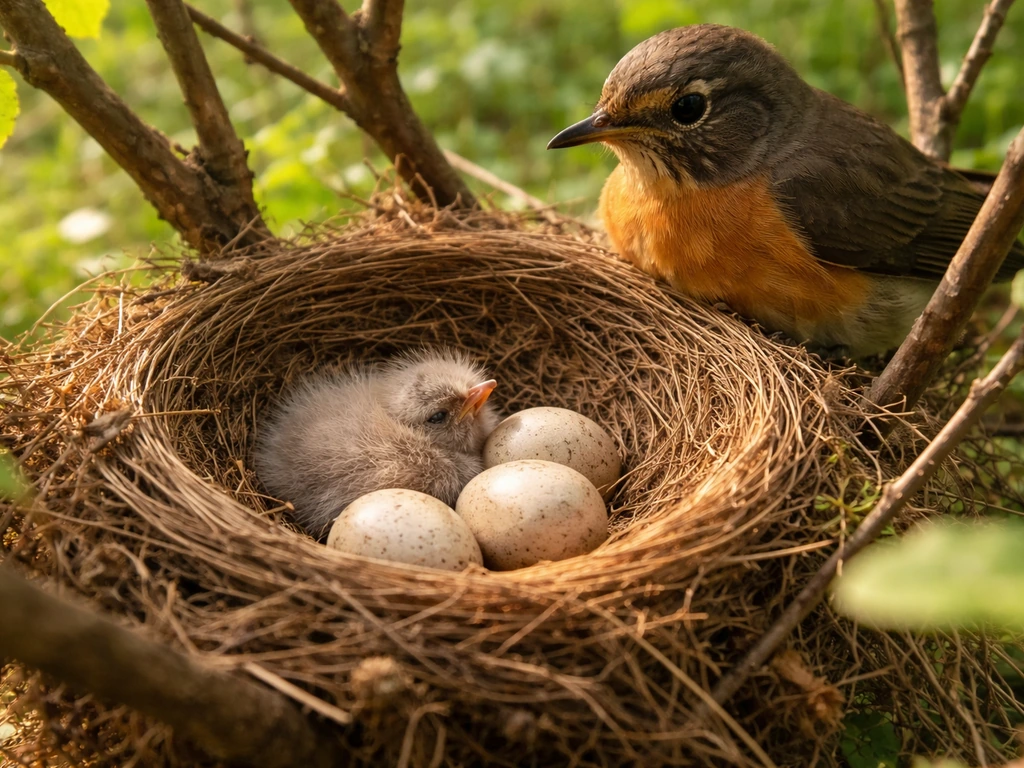
Is a Nest a Home for a Bird? How to Tell and What to Do
Learn if a nest is actively used, how to check safely, and what to do for eggs, chicks, or empty nests.
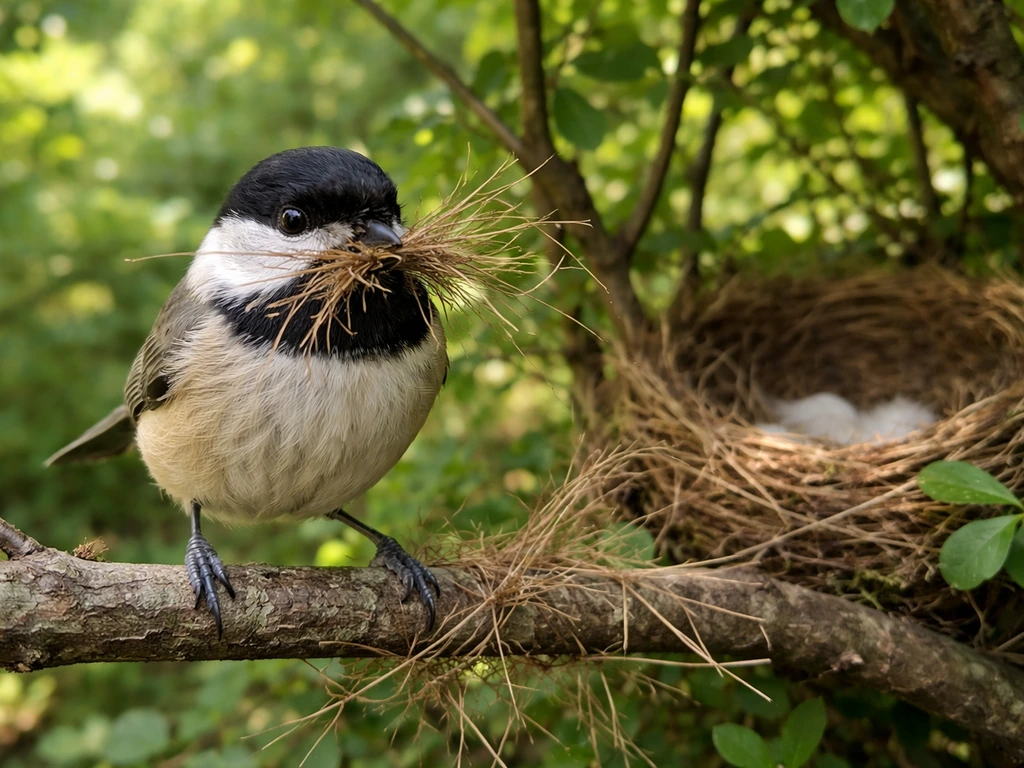
Can You Help a Bird Build a Nest How to Guide
Ethically help a nesting bird: identify needs, add safe materials and habitat, avoid handling, and troubleshoot setbacks
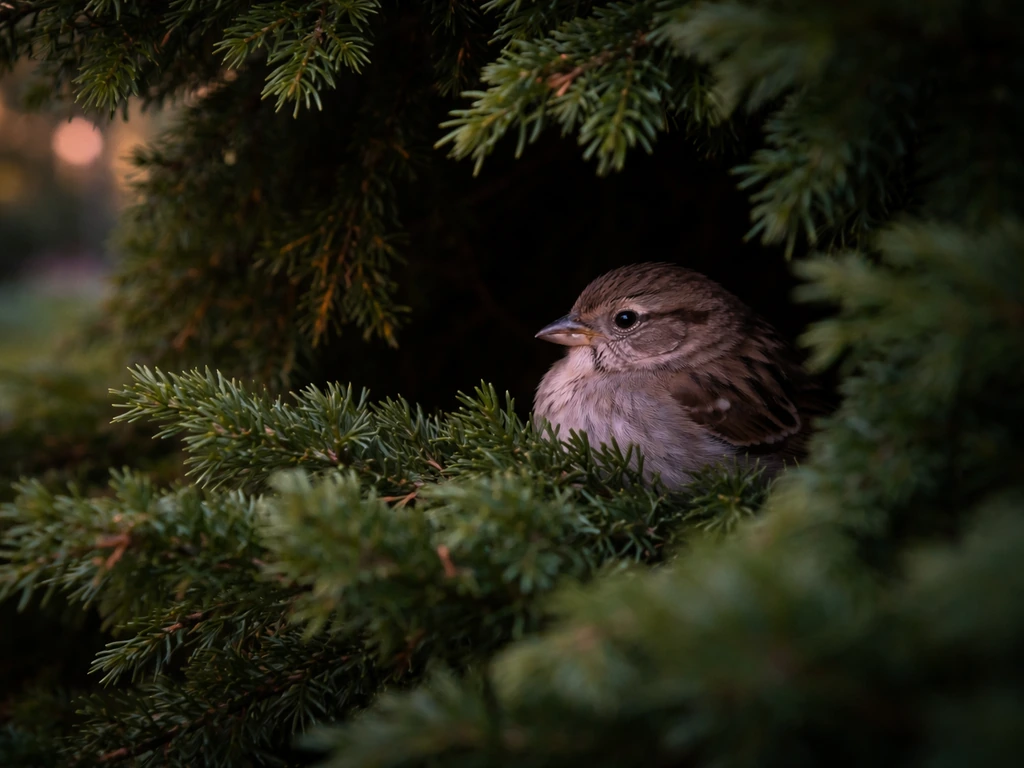
Make a Home for the Night as a Bird Might: Safe, Ethical Help
Learn safe, ethical overnight bird roost help, spot roost vs nest, and know when to call rehab or avoid laws.