Yes, raccoons absolutely raid bird nests, and they are one of the most common and effective nest predators in North American backyards. They will take eggs, nestlings, and in some cases even adult birds if they can corner them. Their dexterous front paws let them reach into tight spaces, pull apart loosely woven nests, and open hardware that would stop other animals. If you have a nest in your yard and you are seeing signs of disturbance at night, a raccoon is one of the first suspects worth ruling in, not out.
Do Raccoons Raid Bird Nests? Signs and Prevention Tips

Maya Bennett
30 May 2026
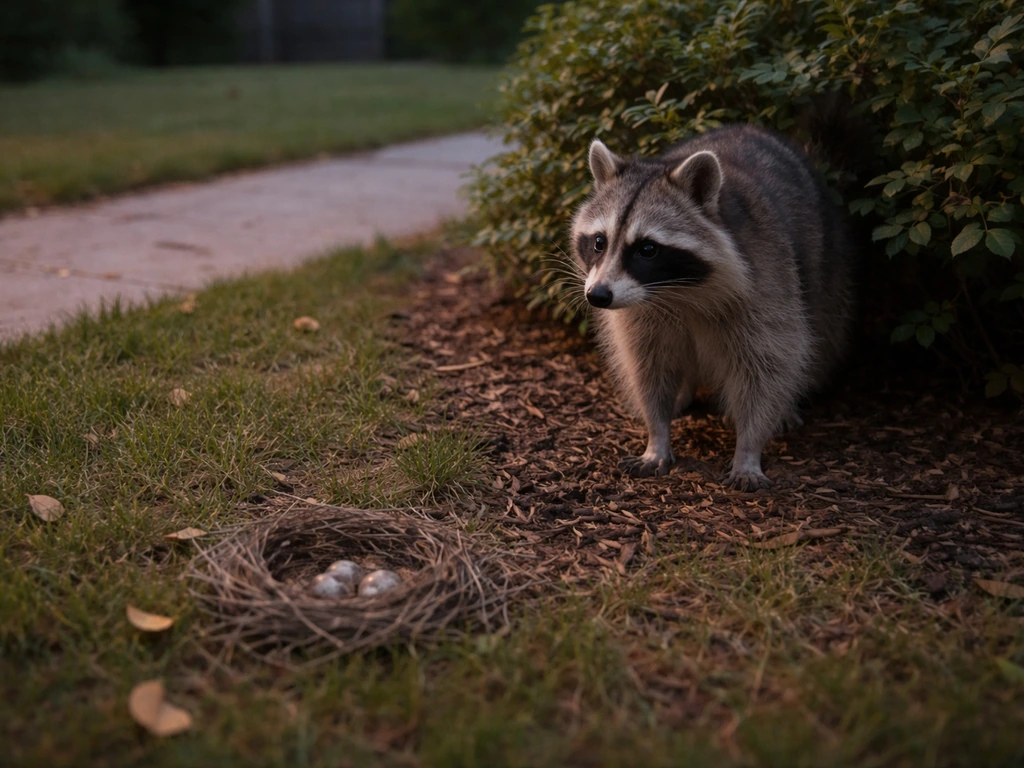
Why raccoons target bird nests in the first place
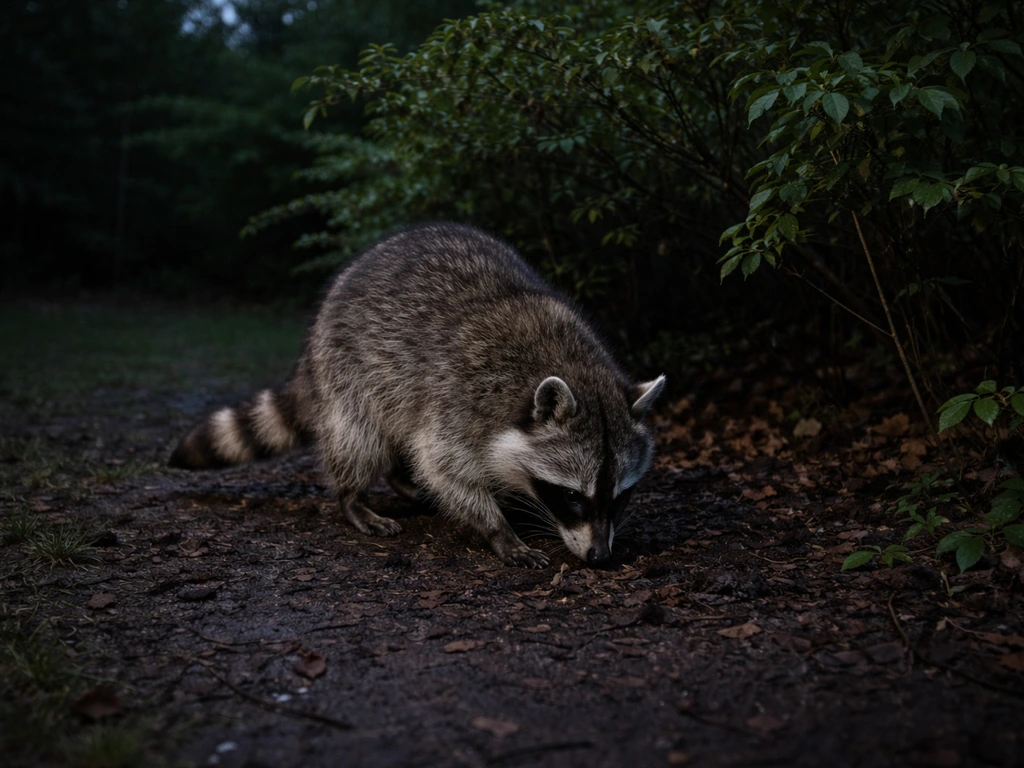
Raccoons are true omnivores and generalists. They eat whatever is easiest and most calorie-dense, which means bird eggs and chicks rank high on the list. Eggs are pure protein and fat with zero resistance. Nestlings are not much harder. Raccoons are also highly adaptable to urban and suburban life, and research from NC State Extension confirms that when a food source is reliable, raccoons will return to the same spots repeatedly until it disappears. That is the core problem: once a raccoon finds a nest or a yard with accessible bird food, it comes back.
USGS research on ground-nesting ducks identified raccoons and skunks as primary mammalian nest predators, and showed that habitat features around nest sites can directly influence whether raccoons find and depredate eggs. The same logic applies in your backyard. Dense shrubs close to the ground, low nest boxes without baffles, open feeders left out overnight, and unsecured trash all function as raccoon attractants that increase the odds of nest raiding. Any of these in your yard raises the risk.
What raccoons actually go after
- Eggs in open-cup nests in shrubs, hedges, or low tree branches
- Ground nests (the highest-risk category by far)
- Nest boxes that lack predator guards or baffles
- Eggs and chicks in hanging basket nests on porches or fences
- Chicken coops and backyard poultry enclosures
- Bird feeder areas where spilled seed attracts foraging raccoons that then notice nearby nests
How to tell raccoon damage from other nest predators
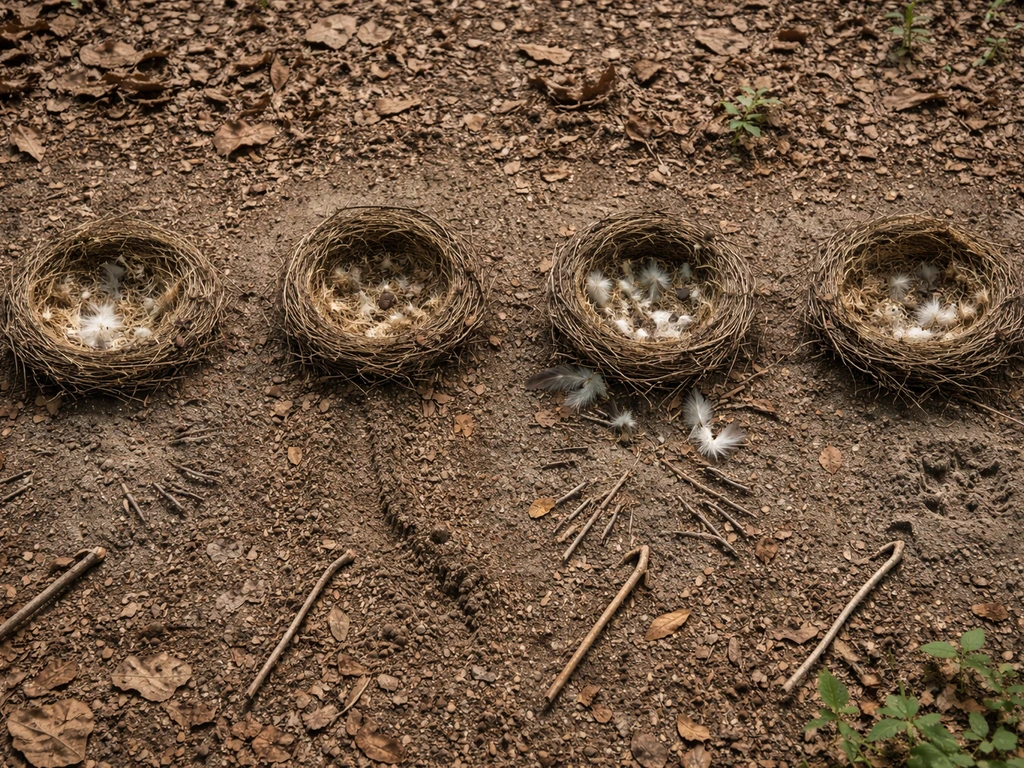
Getting the identification right matters because the fix changes depending on who did it. Raccoons leave a fairly recognizable signature, but it overlaps with some other predators, so look at the full picture rather than one clue in isolation.
| Sign | Raccoon | Snake | Crow/Jay | Cat |
|---|---|---|---|---|
| Nest condition | Partially or fully dismantled, cup torn open or pushed apart | Nest intact or barely disturbed, eggs missing cleanly | Nest may be knocked around, material scattered | Nest often knocked down entirely, material spread wide |
| Egg shells | Crushed or in large broken pieces, sometimes scattered nearby | No shells, eggs swallowed whole | Pecked open with ragged holes, often at the nest | Crushed or carried off, sometimes no shells at all |
| Tracks near nest | Distinctive five-toed hand-like prints, 2–3 inches wide | No tracks, sinuous body trail possible in soft soil | No ground tracks unless hopping nearby | Oval pad with four toe prints, claw marks possible |
| Timing of disturbance | Almost always overnight or near dawn/dusk | Daytime or overnight depending on species | Daytime only | Dawn, dusk, or daytime |
| Height of nest accessed | Up to 20+ feet if climbable structure is available | Ground to mid-canopy depending on species | Prefers accessible heights, 3–15 feet common | Ground to about 6 feet typical |
The clearest raccoon indicator is a physically wrecked nest with crushed egg fragments and no eggs or chicks remaining, combined with the damage appearing overnight. If you find a disturbed nest with no shells at all and no physical damage to the cup, a snake is worth considering (and that topic gets into its own territory worth reading up on separately). Snakes may also raid nests, and you can distinguish snake activity by looking for typical slithering or crushing signs around the nest site. Crows typically work in daylight and leave pecked shells at the scene. To protect nests from crows specifically, you will need extra deterrents like visual barriers and removing nearby food sources that attract them Crows typically work in daylight. Take a quick photo of the damage, the nest site, and any tracks in soil or mud nearby. That record helps you confirm the predator and track patterns over time.
What to do right now if a nest is at risk
If you have an active nest with eggs or chicks and you suspect raccoon activity, the priority is reducing access tonight, not tomorrow. Here is what you can do immediately without touching the nest or disturbing the birds.
- Bring in bird feeders before dark. Spilled seed and suet are direct raccoon attractants, and a foraging raccoon can easily stumble across a nearby nest. Feeders come inside every night until nesting is over.
- Secure trash and compost bins tonight. Use bungee cords, locking lids, or store bins in a closed garage. Raccoons that find food near your yard will range the whole area and learn the layout.
- Install a temporary physical barrier around the base of a nest tree or shrub. A sheet metal collar or a commercially available pole baffle (18 inches or wider) placed at least 4 feet off the ground on the supporting trunk or pole will block climbing access. Raccoons cannot easily get past a smooth baffle they cannot grip.
- If the nest is on a fence or low structure with no vertical pole, redirect the raccoon by adding motion-activated lighting or a motion-activated sprinkler aimed at the approach path. These are legal, humane, and genuinely effective for deterring a single night's visit.
- Do not place food or water near the nest area and do not leave pet food outside overnight.
- If the nest is in a nest box, add a predator guard or baffle to the pole tonight. A stovepipe baffle (at least 6 inches in diameter, mounted 4–5 feet up) is the most raccoon-resistant option available off the shelf.
Minimize your own presence at the nest during daylight. Parent birds stressed by repeated human approaches will sometimes abandon, and your scent trail can also guide mammals toward the site. Check visually from a distance and use binoculars if you need to confirm the nest is intact. Rain can also make bird nests soggy, so it helps to understand whether and how moisture affects them can bird nests get wet.
Raccoon-proofing for different nest situations
Shrub and tree nests
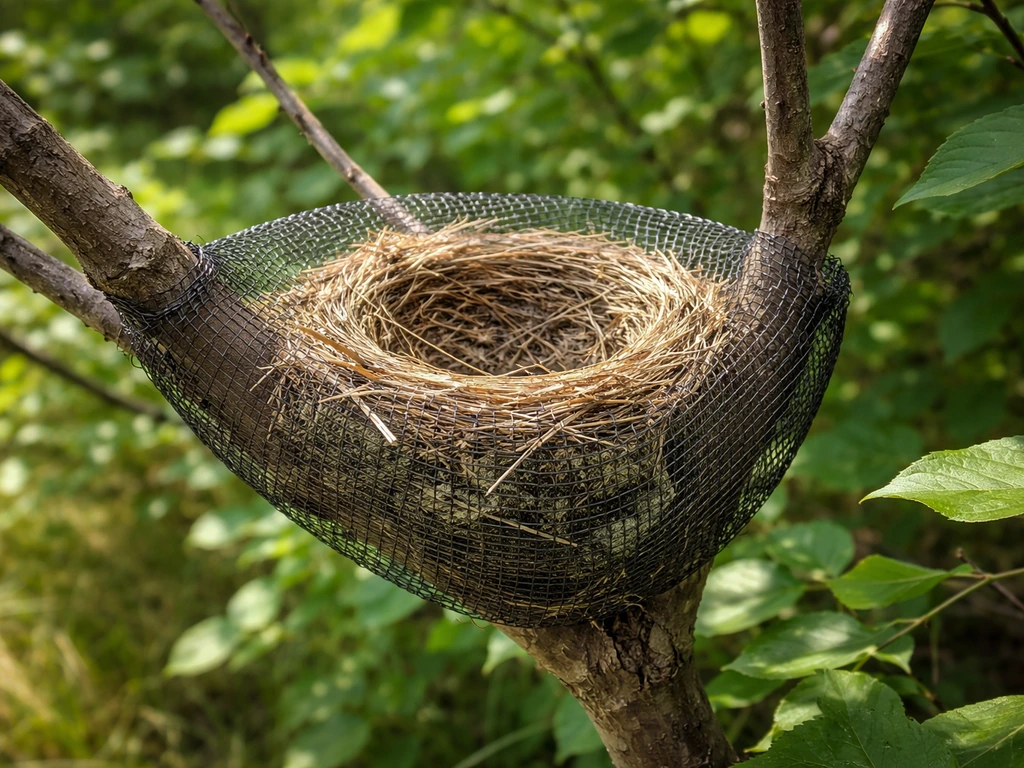
Open-cup nests in shrubs and low branches are the hardest to protect because the structure itself is the nest site and you cannot move it without causing abandonment. The most practical approach is to reduce raccoon motivation rather than barricade the plant. Keep the area around the shrub clear of food attractants. If the shrub is against a fence that raccoons use as a travel corridor, adding roller devices or metal sheeting along that fence section near the nest can reduce traffic. Some homeowners have had success temporarily wrapping the base of a small shrub loosely in chicken wire to add friction that slows climbing, though this works better on isolated shrubs than on anything connected to a fence or larger tree.
Ground nests
Ground nests are the highest-risk situation you can face. USGS research on duck nesting makes this very clear: mammalian predators including raccoons cause the majority of ground nest failures. If you find a ground nest in your yard and raccoons are active in your area, the realistic options are limited because you cannot meaningfully exclude raccoons from open ground. The best thing you can do is reduce all other attractants in the yard so raccoons are less likely to be ranging that area at night, and let nature take its course while keeping humans and pets away from the nest to reduce additional stress on the incubating bird. Some people have placed a loose wire cage (open-top, like a hardware cloth dome) over a ground nest with a gap for the parent bird to enter, but this must be done carefully and only when you are confident the parent bird is comfortable with it, and the cage must not trap the bird inside.
Nest boxes and mounted nest structures
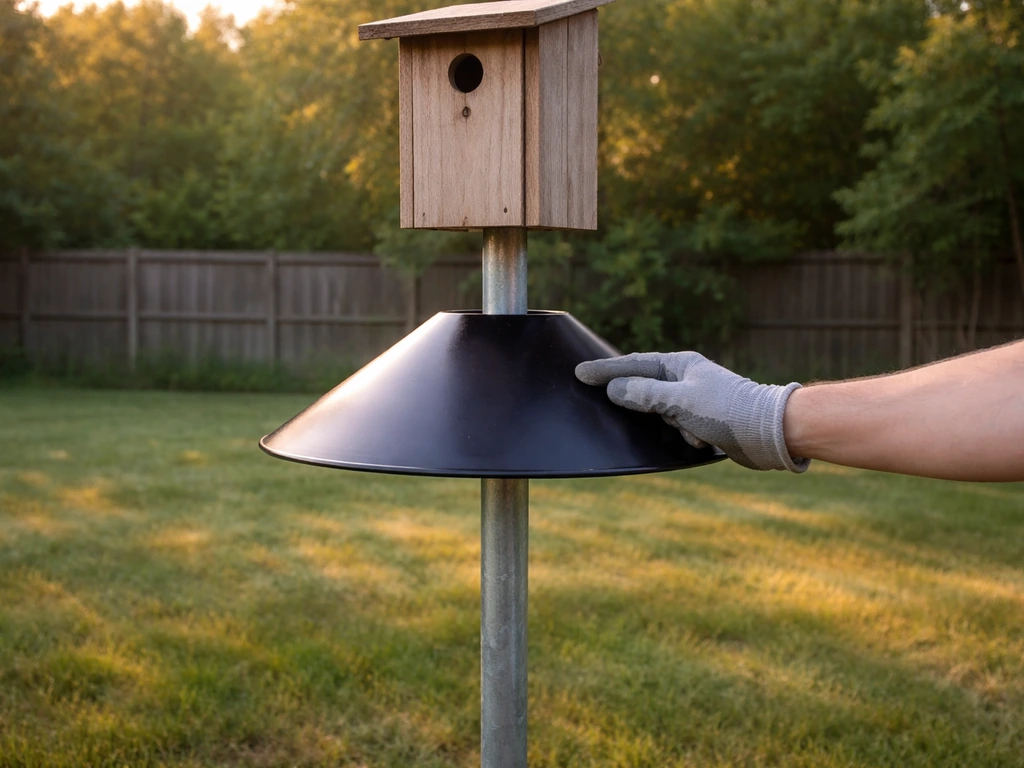
Nest boxes are where you have the most control. A properly installed baffle is close to 100 percent effective against raccoon predation. Use a stovepipe baffle or a tilting disk baffle mounted on a smooth metal pole, positioned at least 4 feet off the ground and at least 10 feet away from any fence, tree, or structure a raccoon can jump from. The entrance hole size also matters: bluebird boxes use a 1.5-inch hole that a raccoon paw cannot reach through easily, but larger entrance holes invite arm-in predation. A hole restrictor plate (a thick wooden or metal reinforcement around the entrance) can reduce how far a raccoon's arm can reach inside.
Backyard feeders and coops
Feeders are less about direct nest predation and more about drawing raccoons into the yard in the first place. Bring them in at night, use weight-sensitive or baffle-mounted feeder poles, and clean up spilled seed daily. For backyard coops, hardware cloth (not chicken wire, which raccoons can pull apart) with openings no larger than half an inch is the standard. Bury the hardware cloth apron at least 12 inches underground and bend it outward in an L-shape to prevent digging. Lock coop doors with a raccoon-proof latch, meaning a latch that requires two motions to open, since raccoons can work simple slide bolts.
If eggs or chicks are already present: ethical handling
The ethical baseline here is simple: do not move the nest, do not touch eggs or chicks unless there is an immediate safety threat to the birds, and do not interfere with nesting in a way that causes abandonment. Most North American songbird nests are protected under the Migratory Bird Treaty Act, which means the nest, eggs, and birds themselves cannot be disturbed, relocated, or handled without a federal permit.
If a nest has been partially raided but eggs or chicks remain, your job is to reduce further predation risk (see the steps above) and leave the parents to their work. Parent birds will often return to a disturbed nest if the eggs or young are still alive and the disturbance has stopped. Give it at least an hour of quiet observation from a distance before concluding the parents have abandoned.
If chicks have been knocked from the nest and you can see the nest and replace them quickly (within a few minutes), you can gently place them back. The old myth that parent birds will reject young that have been touched by humans is not accurate for most species. If the nest is destroyed and the chicks are on the ground, contact a licensed wildlife rehabilitator immediately. Do not attempt to raise nestlings yourself. Keep them warm in a small box with air holes while you arrange transport, and do not feed them.
Legal limits and safety for homeowners
Raccoons are not federally protected in the same way migratory birds are, but they are regulated at the state level, and the rules vary significantly by location. In most U.S. states, you can legally use exclusion and deterrence methods without a permit. Lethal control, live trapping, and relocation typically require either a nuisance wildlife permit or a licensed trapper. Before you trap or relocate a raccoon, check your state wildlife agency's current rules. Releasing a raccoon in a new area can spread disease, stress the animal, and is sometimes illegal.
On the safety side, raccoons are a primary rabies vector species in much of the United States. Do not handle raccoons and do not approach one that is active during the day, moving erratically, or vocalizing unusually. If you need to clean up after a raccoon intrusion (latrines, nest debris), wear gloves and a dust mask. Raccoon feces can carry Baylisascaris procyonis, a roundworm with larvae that can cause serious disease in humans. Bag and dispose of contaminated material, and wash tools and hands thoroughly.
- Legal in most states without a permit: physical exclusion (baffles, hardware cloth, fencing), motion-activated lights and sprinklers, removing attractants
- Usually requires a permit or licensed trapper: live trapping, relocation, lethal control
- Never legal without a federal permit: disturbing, moving, or destroying active bird nests with eggs or young (Migratory Bird Treaty Act)
- Always wash hands and wear gloves when cleaning up after raccoon activity
- Call your local animal control or state wildlife agency if a raccoon appears sick or is acting abnormally
Long-term prevention and seasonal planning
Raccoons are creatures of habit. NC State Extension research confirms they return to reliable food sources repeatedly. The long game is making your yard reliably unrewarding, not just hard to access on a single night. That means combining physical exclusion with consistent attractant removal season after season.
Year-round yard habits
- Store all trash in raccoon-resistant bins with locking lids year-round, not just during nesting season
- Never leave pet food, grills with grease, or compost open overnight
- Trim tree branches that overhang rooflines, fence lines, or nest box poles to reduce raccoon travel routes
- Check and maintain baffles on nest box poles every spring before breeding season begins
- Install motion-activated lights on the perimeter of areas where ground nesting birds (like American robins or killdeer) regularly nest in your yard
Seasonal calendar mindset
Most songbird nesting in North America runs from roughly late March through early August, with peak activity in May and June. This is the window when raccoon pressure on nests is highest, partly because raccoon kits are born in spring and mothers are actively foraging for high-protein food to support lactation. The period from mid-April through late June is when your prevention measures need to be most consistent. By late August, most nests have fledged and the urgency drops, but do not let that become an excuse to leave trash unsecured or feeders out overnight through fall and winter. Raccoons that forage freely in your yard in October will already know the layout when nesting birds return in April.
If you are also thinking about other nest threats, the same seasonal window matters for other predators too. Crows and jays ramp up nest raiding in May when they are feeding their own young, and storm events can expose nests to secondary predation after physical damage. To understand why nests often still hold up during rough weather, it helps to know how do bird nests survive storms and what nest design cues help them withstand wind and rain. Rain can also change how exposed a nest becomes, increasing the stress on nestlings and the risk of secondary problems what happens to bird nests when it rains. Building a yard that discourages raccoons generally makes it less hospitable to the whole suite of nest predators at once, which is the most efficient conservation-minded approach you can take.
FAQ
How can I tell raccoon activity from other nest predators if I only see the remains?
If you find missing eggs or damaged nesting material, focus on whether the damage looks like it happened in a single night block and whether there is physical disruption of the nest cup itself. Raccoons often leave crushed egg fragments and torn nest structure, while some other predators (like crows) tend to show more obvious pecking patterns and partial shells rather than a fully wrecked, empty cup. A quick comparison photo taken the same day you notice the damage can help you distinguish repeat visits from one-off disturbance.
What is the best way to confirm whether raccoons are the predator if I rarely see them?
Yes, raccoons can be present even when you do not see them. The practical sign is a repeated pattern, such as disturbed nests that worsen overnight or recurring feeder or trash raids. If you are trying to confirm the culprit, place a camera at ground level facing the nest area and start recording at dusk, then review footage for pawing, pulling, and repeated returns to the same access points.
I think raccoons raided part of the nest, but some eggs or chicks remain, what should I do next?
If the nest is still active and eggs or chicks remain, do not change the nest location, and avoid prolonged watching or repeated daytime visits that can stress parents. After you apply exclusion changes in the yard, give the parents at least an hour of quiet from a distance before you conclude they abandoned. If you see no renewed attendance after a longer period, focus next on fixing attractants and access points rather than disturbing the nest further.
What should I do if the nest is on the ground and raccoons are active in my area?
For ground nests, you generally cannot reliably exclude raccoons from open ground using DIY fencing. The more effective approach is reducing why raccoons come into your yard at night, such as removing unsecured trash, cleaning up spilled bird seed, and clearing dense cover near the nesting area so the site is less advantageous for finding and approaching nests. If you use a protective dome or cage, ensure it is loose, open-top, and designed so the parent bird can enter and exit safely.
If a raccoon disturbed my nest, will the birds come back reliably?
Not always. If you apply deterrents or seal off access right after the raid and the parents are still present, many species resume normal incubation or brooding. However, if the birds perceive ongoing disturbance from you, pets, or frequent nighttime activity around the nest, abandonment risk rises. Use the quiet, reduce-access strategy first, then reassess after observation time passes.
What are common mistakes that accidentally make raccoon nest predation more likely?
Yes, some actions can increase risk even when your goal is protection. Leaving feeders out overnight, letting seed spill under feeders, and keeping trash accessible are common reasons raccoons keep returning. Also avoid using chicken wire around coops, because raccoons can pull it apart, and avoid baffles mounted where raccoons can jump from nearby fences or branches.
Is it ever okay to move a nest or touch the eggs to save them?
Do not. Repositioning a nest or handling eggs and nestlings is a common problem because it can cause abandonment or legal violations for protected birds. Only intervene when there is an immediate safety threat to the birds, and even then, use minimal handling and prioritize contacting local wildlife professionals if you are unsure of the species or rules.
What should I do if I find chicks on the ground after a raid?
If you find a chick on the ground and you can still identify the nest site and replace it quickly, you may be able to gently return it. The key is speed and minimal handling, and only if the nest is still present and intact enough to receive the chick. If the nest is destroyed, chicks are exposed and cold, or you cannot return them safely, contact a licensed wildlife rehabilitator immediately rather than trying to raise them yourself.
Are nest box baffles always effective, and what setup details matter most?
For nest boxes, installation details matter as much as the baffle type. Position the baffle at the correct height and keep it far enough from jump-off surfaces, because raccoons can access the pole from fences, trees, or overhanging branches. Also verify the entrance size matches the target species, because overly large holes can invite paw-in predation.
How do I stop raccoons from returning if I already have bird feeders or a backyard coop?
Remove attractants in a way that does not create new access points. Bring feeders in at night, clean up spilled seed daily, and keep food and water sources secured so raccoons do not learn a reliable routine. For coops, use raccoon-appropriate hardware cloth and bury the apron with a bent outward section to prevent digging, and use a latch design that requires more than one motion.
How should I safely clean up after raccoon activity near nests?
Cleanup is about exposure risk and preventing re-visits. Wear gloves and a mask when handling nest debris or feces, bag contaminated material, and wash tools and hands thoroughly. Avoid sweeping dry material without protection, because aerosolization can increase exposure risk. After cleanup, immediately remove remaining attractants so the animal is less likely to return to the same site.
Can I trap or relocate a raccoon myself if it keeps raiding nests?
If you consider trapping or relocation, check state rules before acting, because legal requirements and allowed methods vary widely and can change by season or nuisance status. In many areas, lethal control, live trapping, and relocation require permits or a licensed operator. Also consider that released animals can stress and spread disease, so removal plans should be coordinated with local wildlife authorities or experienced trappers.