The best bird nesting materials you can offer are dry grass (pesticide-free), small twigs, dead leaves, moss, plant fluff like cattail down or cottonwood, and clean feathers. The Canadian Wildlife Federation recommends making a nest lining supply by stuffing a mesh onion bag with natural, chemical-free materials such as dead twigs, pine needles, leaves, feathers, moss, dry grass, strips of bark, plant fluff, and then hanging it in the yard dry grass (pesticide-free), small twigs, dead leaves, moss, plant fluff like cattail down or cottonwood, and clean feathers. These are natural, chemical-free, and closely match what most backyard birds already seek out on their own. Provide them in a wire-mesh suet cage or mesh bag hung on a fence post or tree trunk, keep them dry, and let the birds choose what they want. That's the core of it.
Best Bird Nesting Material: Safe, Species-Smart Guide
What makes nesting material truly 'best'
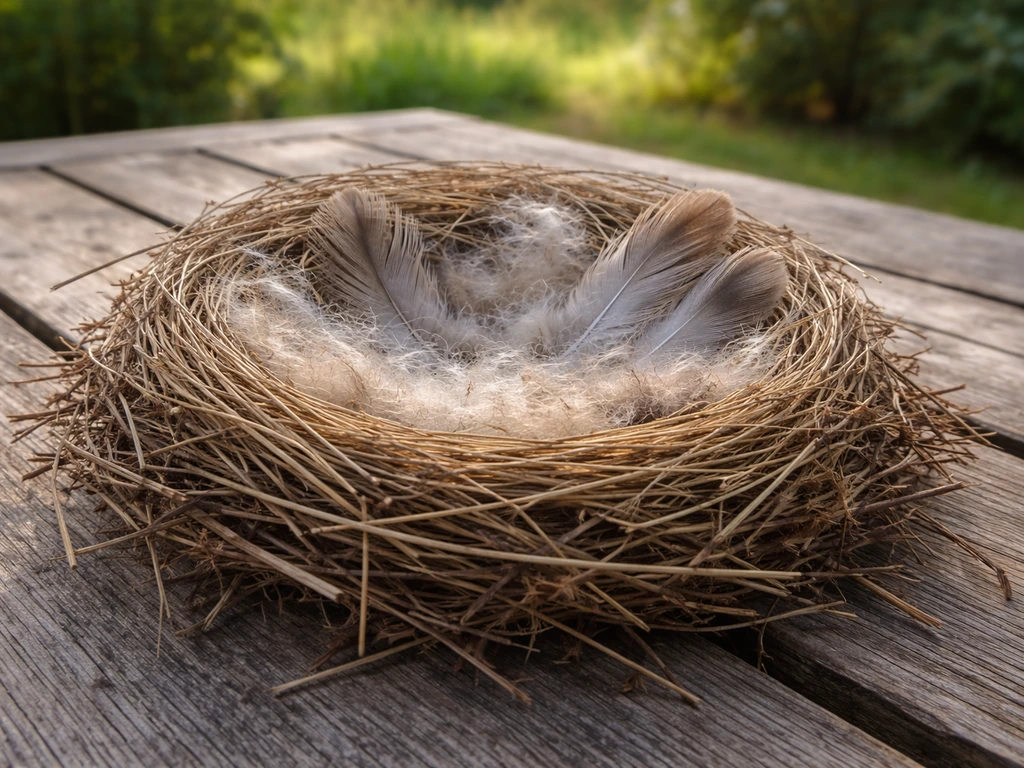
Not all nesting material is equal, and the word 'best' really comes down to four things: safety, natural composition, fit for the species in your yard, and local availability. Safe means no entanglement risk, no toxins, and no materials that fall apart when wet. Natural composition means you're offering things birds already recognize as building supplies, not synthetic stand-ins. Species fit matters because a robin building a mud-and-grass cup nest needs very different inputs than a chickadee lining a cavity. And local availability is the practical filter: if you can source it cleanly from your own yard or nearby, that's almost always better than buying something.
Offering good material also has a real conservation benefit. When birds don't have to travel far to find quality nesting supplies, they save energy for breeding. That's especially meaningful during peak nesting season when every calorie counts for a pair raising young.
Recommended materials by category
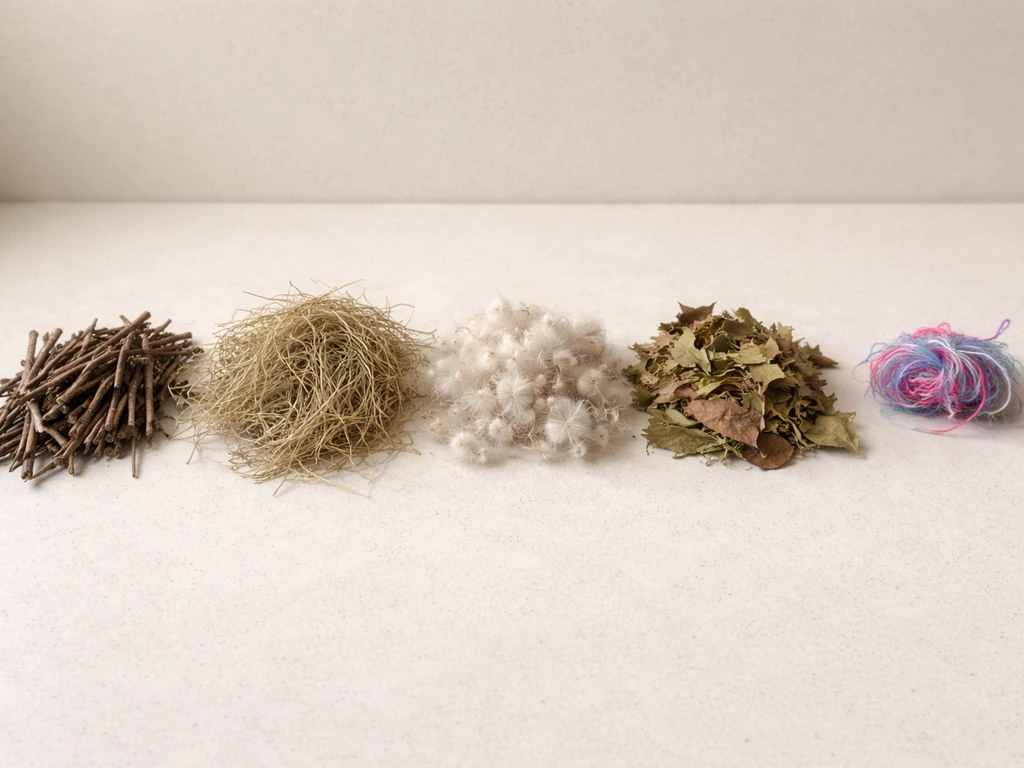
Think of nesting materials in layers: the structural outer shell, the cup-shaping middle layer, and the soft inner lining. Different birds pull from different layers, so offering a variety increases your appeal to more species.
Structural materials (outer framework)
- Small dry twigs and sticks (pencil-width and under, 4–8 inches long): used by robins, thrushes, and many open-cup nesters for the outer bowl structure
- Dead leaves: crinkled, dry oak or maple leaves work well; leave a pile in a corner of your yard rather than raking everything
- Strips of bark: thin, peeling bark from dead branches is used by nuthatches, wrens, and some woodpeckers
- Pine needles: excellent structural filler; dark-eyed juncos and some sparrows use these readily
Cup-shaping and binding materials
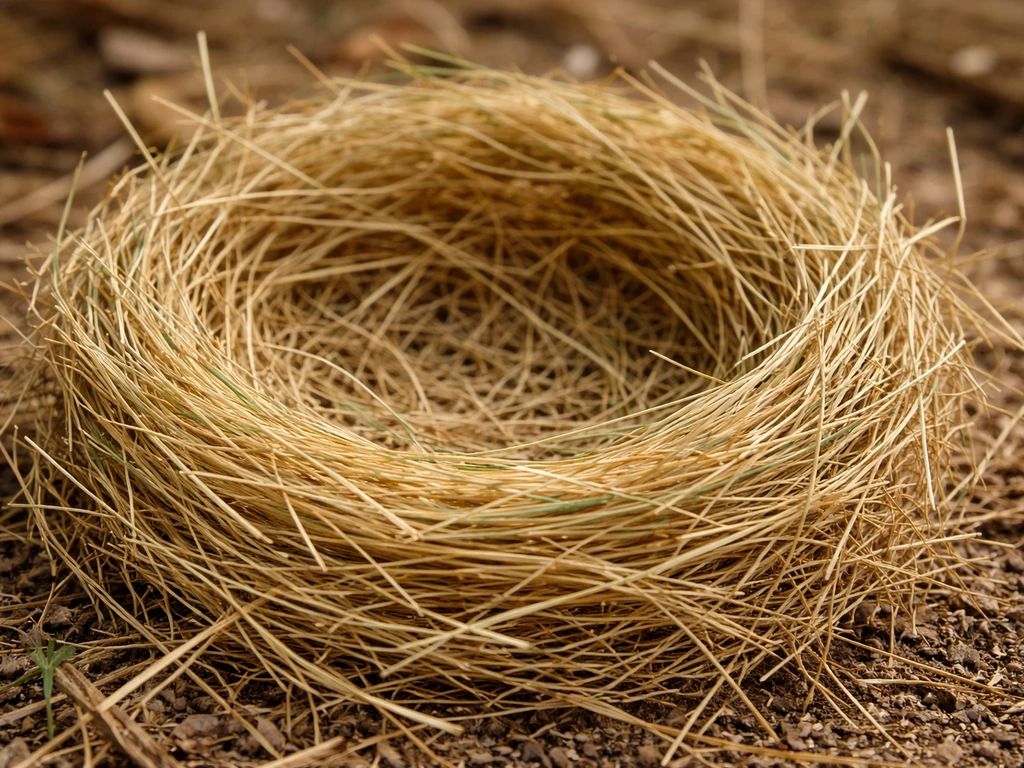
- Dry grass: the single most universally used material; must be untreated and pesticide-free; cut it yourself from an unsprayed lawn or field and let it dry fully before offering
- Moss: soft and shapeable; many thrushes and warblers use it for mid-layer construction; collect only from abundant local patches or buy dried craft moss (chemical-free)
- Mud: you don't need to offer this directly, but a shallow, muddy puddle or wet patch of bare soil near your yard is a gift to robins, barn swallows, and cliff swallows that need mud to cement their nests
Soft lining materials
- Plant fluff and down: cattail fluff, cottonwood down, and milkweed fibers are among the best soft linings you can offer; they're naturally sterile and birds love them
- Clean feathers: small, soft body feathers (not flight feathers) are used by tree swallows, bluebirds, and chickadees to insulate the egg cup; collect from your own birds or buy clean, unprocessed craft feathers with no dye
- Clean animal fur: note this is debated (see hazard section below); if you offer it, keep clumps small and loose, never in long strands, and source only from pets not treated with chemical flea/tick products
Specialty materials worth considering
- Lichen: some vireos and hummingbirds use lichen to camouflage the outside of their nests; you can scatter small pieces near nesting areas
- Spider silk: birds like hummingbirds and gnatcatchers use it to bind nests, but you obviously can't 'offer' this; just leave spiderwebs intact in your yard and they'll find them
- Coconut fiber (coir): sold in garden centers as a natural fiber; it's a reasonable lining material if it's pure, unbleached, and cut into short pieces under 3 inches
Materials to avoid entirely
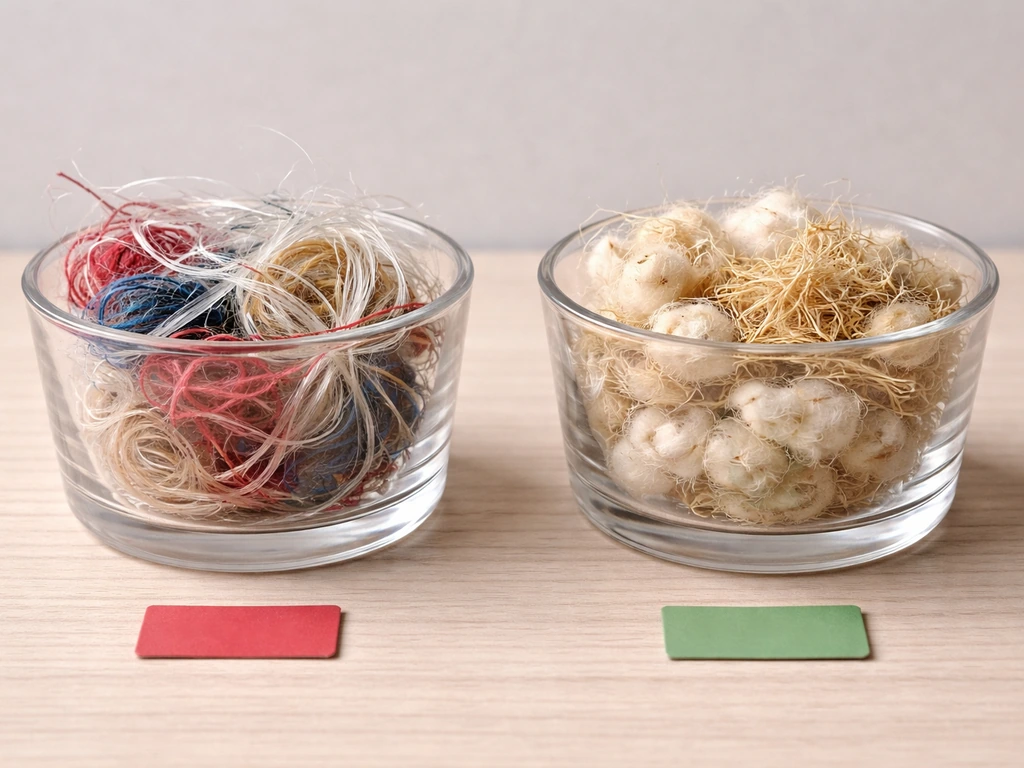
This list is not optional or cautionary. These materials cause real harm and death to birds and nestlings, documented by wildlife agencies and ornithological research programs.
| Material | Why it's harmful |
|---|---|
| Yarn, string, twine, thread | Can wrap around legs, wings, or neck of nestlings and adults; restricts circulation, causes limb loss and strangulation; one of the most common nesting-material hazards reported |
| Dryer lint | Loses structural integrity when wet, collapsing around eggs and chicks; may also contain residue from detergents and fabric softeners that are toxic to birds |
| Pet hair (long strands) | Same entanglement risk as string; can wrap around nestlings' legs and cut off circulation; hair treated with flea/tick spot-on products adds chemical exposure risk |
| Human hair | Shares the same entanglement and strangulation hazards as pet hair and string |
| Plastic strips, cellophane, aluminum foil | Choking and internal blockage risk; birds may incorporate them into nests but ingestion by nestlings causes serious harm |
| Felt and cloth scraps | Choking risk; synthetic cloth does not biodegrade and can trap nestlings |
| Tinsel | Sharp edges and ingestion/entanglement risk; never appropriate near wildlife |
| Chemically treated grass or straw | Pesticide and herbicide residue can transfer to eggs and developing chicks through direct contact |
| Fishing line | Extreme entanglement and strangulation risk; should never be in any wildlife environment |
The pattern you're looking for is this: if it's long, stringy, synthetic, or chemically treated, leave it out. Birds cannot assess these risks themselves, so the responsibility is entirely yours.
How to provide materials safely
The right container makes a real difference
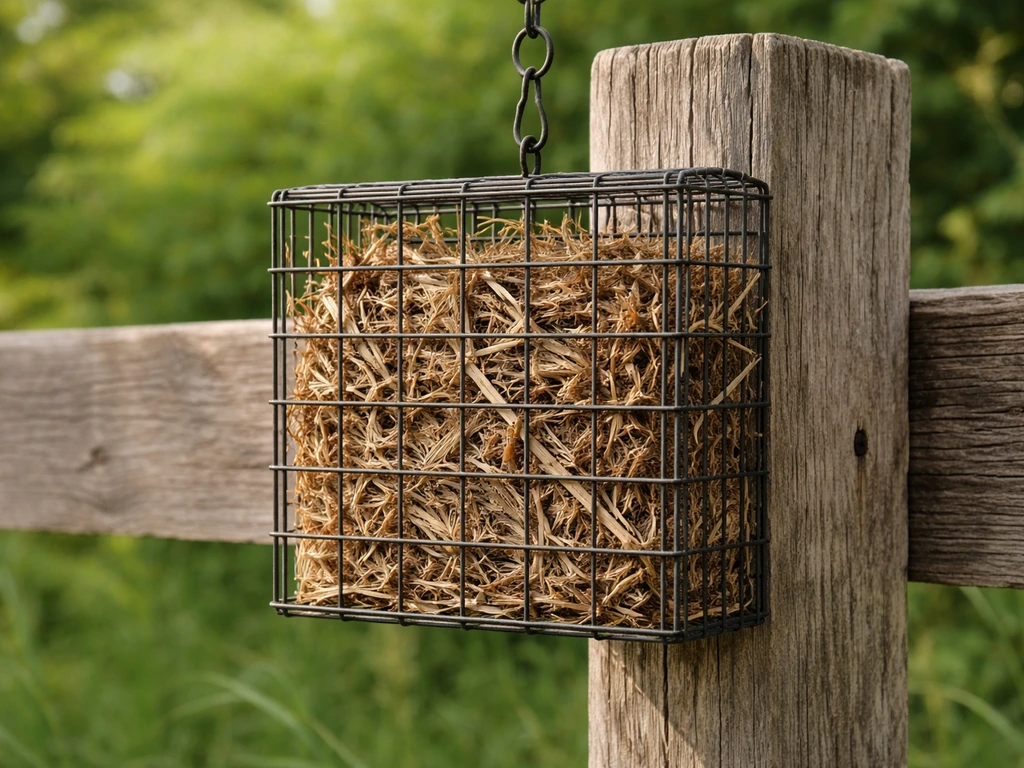
The most effective way to offer nesting materials is in a clean wire-mesh suet cage or a mesh onion bag hung from a tree trunk, fence post, or railing at roughly 4–6 feet off the ground. Birds can pull individual fibers out as they need them, which is exactly how they want to work. Avoid stuffing materials into nest boxes or leaving loose piles on the ground where they'll get wet, compacted, and contaminated. Keep the container out of direct rain if possible, and check it every week or so to remove anything that has gotten wet and matted.
Timing and placement
Put materials out before nesting season starts, not during it. In most of North America, late February to early March is the right window for early nesters like robins and bluebirds. Cardinals and house wrens follow in April. For late-season nesters like goldfinches, June through July is when they're actively building. A general rule: if you see birds singing territory songs or chasing each other, nesting season is either starting or already underway. Position your material station within about 50 feet of shrubs, trees, or hedgerows where birds are likely to nest, but not so close to a known active nest that your presence near the station disturbs the nesting pair.
Never interfere with an active nest
This is where ethics and law meet. Once a nest has eggs or chicks in it, do not add material to it, do not rearrange it, and do not approach it more than necessary. Most songbird nests are protected under the Migratory Bird Treaty Act, which makes it illegal to destroy, move, or interfere with a nest containing eggs or chicks. Beyond the legal issue, even well-intentioned disturbance can cause parents to abandon eggs, knock nestlings from the nest, or stress birds at a critical survival stage. If you're monitoring a nest out of curiosity, limit visits to 8 to 10 total over the whole nesting attempt, and stay well back. NestWatch also advises following its NestWatch Code of Conduct and monitoring protocols to minimize disturbance when you observe nests from a distance How To NestWatch. Observe from a distance with binoculars. If something looks wrong (injured bird, displaced nestling), contact a licensed wildlife rehabilitator rather than intervening yourself.
Which birds use what: matching material to nest type
Understanding your local birds' nesting style lets you prioritize the right materials. There are three broad categories worth thinking about.
Open-cup nesters
This is your largest category in most backyards: robins, cardinals, orioles, thrushes, sparrows, and finches. They build in shrubs, trees, and hedgerows. They need the full range: structural twigs and sticks for the outer bowl, dry grass and moss for shaping, and soft plant fluff or feathers for the lining. Robins are the exception because they add a mud layer to cement the cup. Baltimore orioles weave long plant fibers into hanging pouches, so longer strips of bark or dried plant stems (6 to 10 inches) can be useful for them specifically. American goldfinches use plant down almost exclusively, especially cattail and thistle fluff, and they nest late (July in many areas), so keep material out through midsummer.
Cavity nesters
Chickadees, titmice, bluebirds, tree swallows, wrens, and nuthatches all nest in holes. They need softer, liner-style materials more than structural ones because the cavity walls do the structural work. Offer moss, dry grass, small feathers, and plant fluff. Tree swallows are famously obsessed with white feathers for their nest cups; if you have access to clean white chicken or duck feathers, toss a few in the mesh bag and watch how fast they disappear. Carolina wrens will carry almost anything small into a cavity, including bits of moss, bark strips, and dry leaves.
Ground nesters
Killdeer, nighthawks, some sparrows, and ovenbirds nest at or near ground level. Many ground nesters use minimal material (Killdeer essentially scrape a shallow depression in gravel), but sparrows and ovenbirds use dry grasses, pine needles, and fine rootlets. For ground-nesting species, the most helpful thing you can do is maintain patches of undisturbed, naturally occurring ground cover: unmowed grass margins, leaf litter areas, and brush piles. These species rarely come to hanging material dispensers.
| Nest Type | Example Species | Best Materials to Offer |
|---|---|---|
| Open-cup (shrub/tree) | Robin, cardinal, sparrow, oriole, goldfinch | Dry grass, twigs, moss, plant fluff, mud patch nearby, bark strips for orioles |
| Cavity (nest box/tree hole) | Chickadee, bluebird, tree swallow, wren, nuthatch | Moss, small feathers, dry grass, plant down |
| Ground (leaf litter/gravel) | Killdeer, ovenbird, field sparrow | Unmowed grass patches, leaf litter left in place; hanging dispensers rarely used |
If birds are ignoring what you've put out
Give it at least two weeks before drawing conclusions. Birds investigate new objects cautiously. If nothing is happening after that, work through these checks.
- Check moisture: if the materials in your container are damp or clumped, replace them with fresh, fully dry material. Wet grass and moss are not useful to birds and may signal rot or mold.
- Check location: move the container closer to shrubs or trees where you've seen birds foraging, but at least 10 feet from any known active nest. Birds prefer to grab material and retreat quickly to cover.
- Check material type: if you've only offered one type, diversify. Add plant fluff if you've only offered grass, or add short twigs if you've only offered soft materials. Different species want different things.
- Check for predator pressure: cats, squirrels, or aggressive house sparrows near the material station can deter shy species. Relocate the station to a spot with less foot traffic and better sightlines for birds.
- Check your timing: if it's mid-July and you haven't seen any takers, most early nesters have finished building. Goldfinches and some late nesters are still active; everyone else has moved on.
- Consider what's already available: if your yard has abundant natural material (leaf litter, tall grass, garden debris), birds may simply not need your offering. That's a good problem to have.
Seasonal checklist and what to do today
It's late May, which means prime nesting season is fully underway across most of North America. Early nesters like robins may already be on their second clutch. Cavity nesters like bluebirds and chickadees are likely incubating or brooding chicks. Late nesters like goldfinches and cedar waxwings are just starting to think about building. Here's how to act right now.
Right now (late May through June)
- Set out a mesh bag or suet cage with dry grass, plant fluff, and a few clean feathers to support late nesters and second-clutch nesters
- Create or maintain a shallow mud patch in a low-traffic area of your yard for swallows and robins
- Leave any leaf litter or brush piles in place; don't do major yard cleanup until after nesting season
- Do not mow unmowed grass patches at the edges of your yard until August
- If you find an active nest during yard work, mark it, back off, and leave a wide buffer around it
July through August
- Keep material out for goldfinches, which peak-build in July and use cattail and milkweed fluff heavily
- Observe quietly: by now you can likely watch fledglings being fed near nest sites without disturbing them
- Note which materials disappeared from your container and which species you observed taking them; this will guide next year's setup
Late winter (February through early March)
- Restock your material container before the first robins and bluebirds begin scouting nest sites
- Clean out nest boxes from the previous season to make them ready for cavity nesters
- Gather or purchase pesticide-free dry grass and dried moss to have on hand
One practical step today: walk your yard and identify one spot near dense shrubs or a tree canopy where you can hang a mesh bag. Gather whatever you have on hand: dry grass clippings from an unsprayed patch, a few small sticks, and some dried leaves. Stuff the bag loosely (leave gaps so birds can pull fibers out), hang it at chest height, and observe from your window over the next week. You may be surprised how quickly it gets noticed.
If you're thinking more broadly about what to leave out versus what to actively provide, that distinction matters and ties closely into the question of what to leave out for bird nests and when to put out bird nesting material based on your specific region and species. And if someone in your household has floated the idea of offering cotton balls as a soft lining alternative, that's worth a direct look: they carry real entanglement and moisture-retention risks that put them in the avoid category alongside dryer lint. The same conservation-first thinking applies whether you're setting up a material station or deciding how to encourage birds to nest in a specific corner of your yard. To encourage bird nesting, set out safe, species-appropriate materials before the breeding season begins encourage birds to nest. If you want ideas beyond dry grass and feathers, focus on natural, pesticide-free nesting fibers that match the type of birds in your yard material station.
FAQ
Are dryer lint or cotton balls ever okay as nesting material if they seem “soft”?
No. Dryer lint and cotton balls both create real entanglement and moisture-retention problems, which can harm nestlings. Stick to dry, pesticide-free plant fibers, moss, small twigs, and clean feathers instead.
Can I use grass clippings or leaves from my yard if I do not know whether pesticides were used?
Only use material from confirmed unsprayed areas. If you cannot verify, collect from an area you know was not treated, or use naturally available materials you gathered away from chemical application zones (and keep everything dry).
What kind of container is safest if I do not have a wire-mesh suet cage?
A breathable mesh bag works better than solid tubs or paper sacks, because it lets birds pull individual fibers and reduces compaction and soaking. Avoid fully enclosed containers where moisture builds and birds cannot access material naturally.
How do I stop nesting material from getting moldy or wet?
Hang the station under cover when possible, keep it out of direct rain, and remove any material that becomes damp, matted, or darkened. Refill with fresh dry fibers rather than “drying and reusing” wet material.
Should I add nesting material directly into a nest box to help cavity nesters?
No. Even if your intent is to assist, inserting material into an active nest can disturb incubating adults and increases contamination risks. Instead, offer liner-style materials nearby in a mesh dispenser so birds choose and carry them in.
Do I need to take material out after birds start using the station?
You do not need to remove it immediately, but you should keep it clean and dry. If you notice it staying untouched while actively used nests are present, you can leave it and simply monitor for wet, compacted clumps, removing those promptly.
How much material should I provide at one time?
Start small and refill as needed. A loosely filled bag or cage is better than overstuffing, because birds will pull what they need, and extra material tends to stay wet longer or get compacted.
Will birds steal nesting material from my yard if I have it out during late summer?
Some will. Late nesters, like goldfinches in many regions, begin later and may respond to certain fibers, especially plant down. However, general availability drops after the peak, so expect less activity and continue offering only dry, safe materials.
If birds ignore the station, what are the best troubleshooting steps?
First, wait at least two weeks because birds investigate new items slowly. Then check placement (near shrubs or tree canopy, within about 50 feet, but not beside a known active nest), confirm materials are dry and pesticide-free, and ensure the dispenser is breathable rather than tightly packed.
Is it safe to “move” a nest a little or reposition materials around it if I see it?
No. Do not rearrange nests with eggs or chicks, and do not approach more than necessary. Disturbance can lead to abandonment or nestling loss, and interference with protected nests can be illegal.
What should I do if I find a displaced nestling or injured adult near the station?
Back away, limit further disturbance, and contact a licensed wildlife rehabilitator. Avoid handling unless trained, because stress and improper care can reduce survival chances even when you mean well.
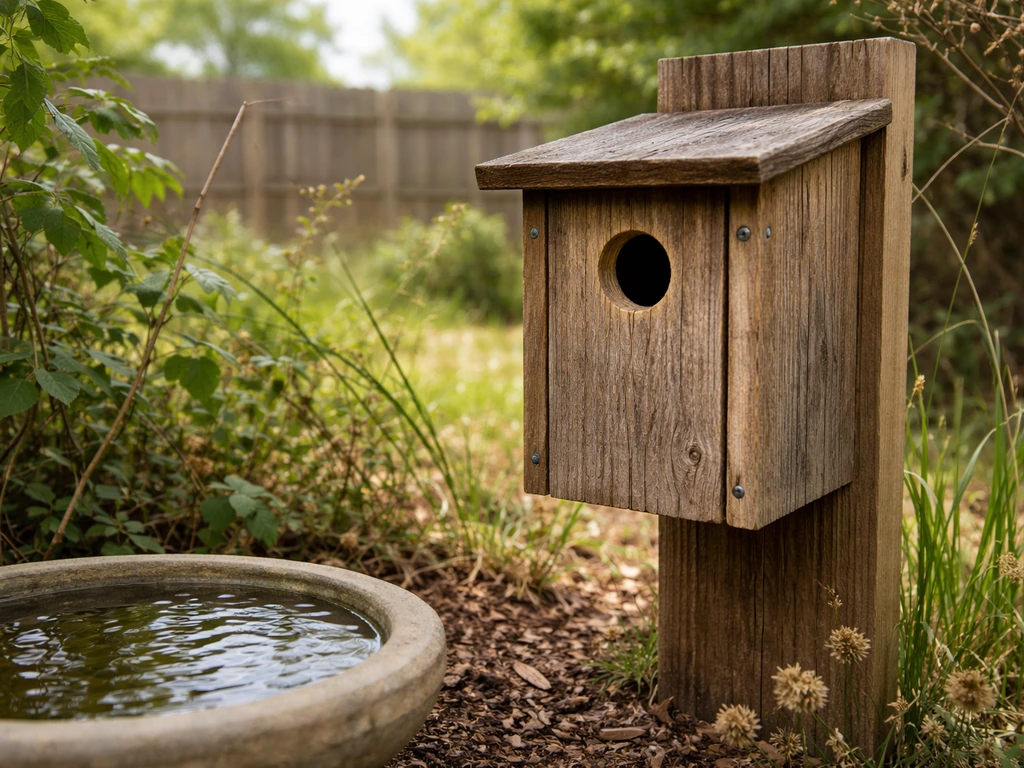
Step-by-step, ethical habitat setup to attract nesting birds with right boxes, plants, food, water, timing, and troubles
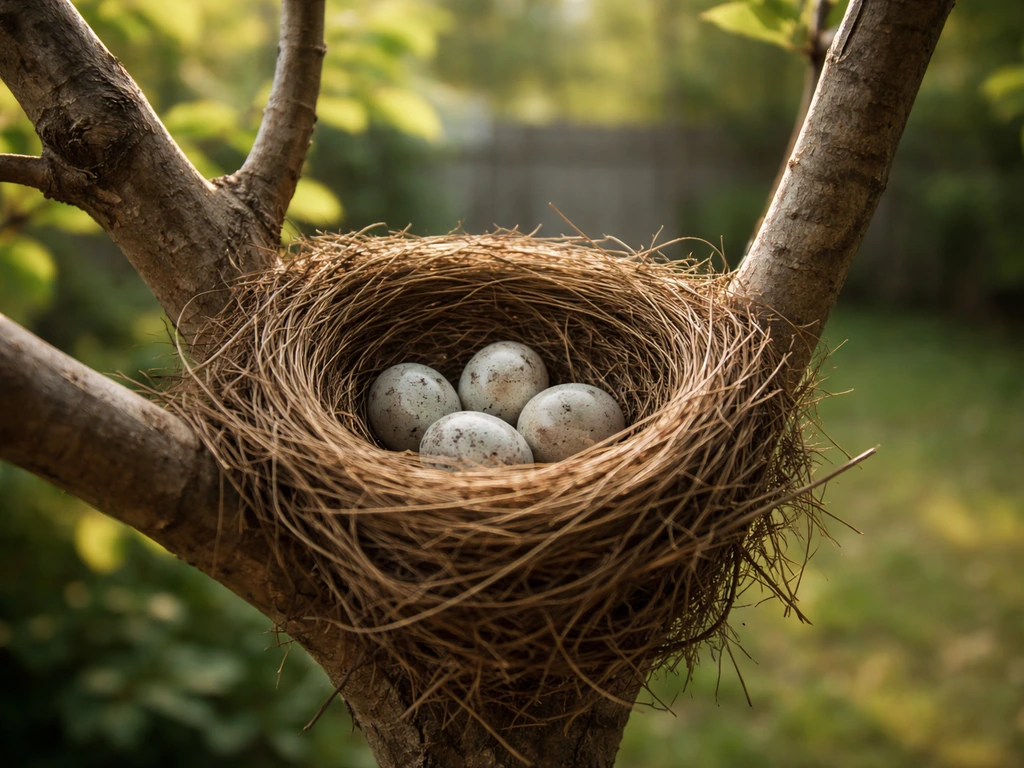
Avoid these harmful things around active bird nests and use safe, non-intrusive protections by nest type.
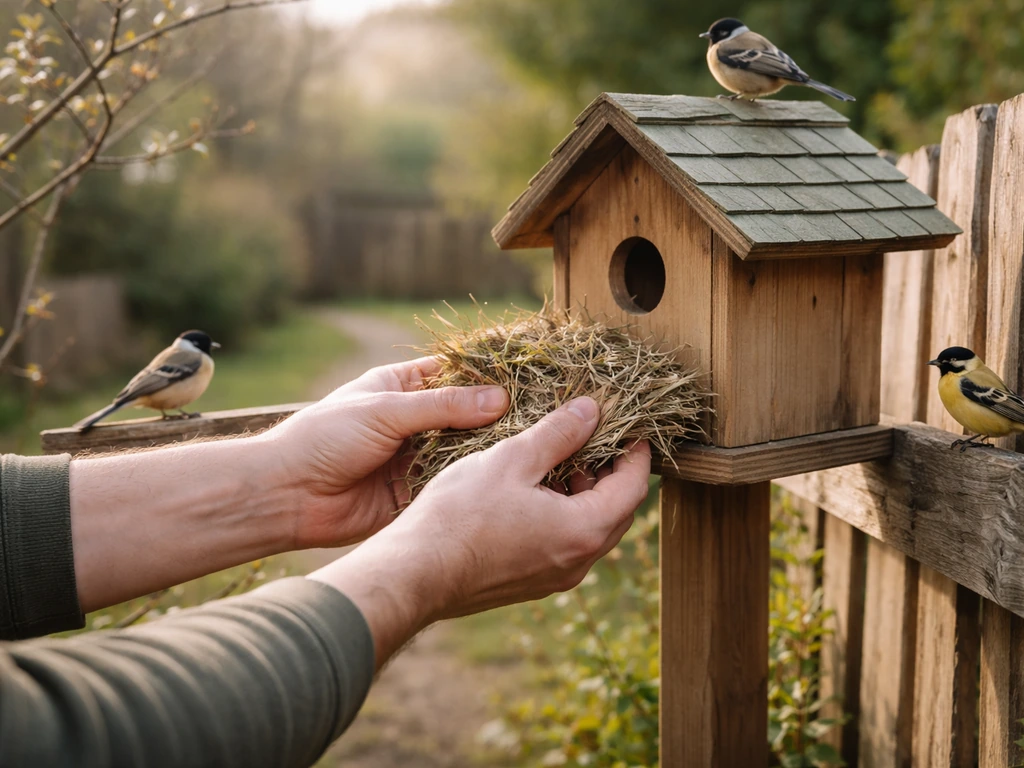
Learn when to put out nesting material by season, species, and signs of active nests, plus safe materials and placement.