You can get a bird nest down legally and safely, but only after confirming it is completely inactive. In the U.S., Canada, and the UK, removing an active nest containing eggs, chicks, or dependent young is illegal without a permit. If the nest is empty and the breeding season is over, you can take it down yourself using basic tools, clean up with proper PPE, then seal the spot so birds don't rebuild. The whole process hinges on one question first: is anyone still living in that nest?
How to Get a Bird Nest Down Safely and Humanely

Maya Bennett
15 May 2026
Check the law before you touch anything
This is the step most people skip, and it's the one that can get you into real trouble. In the U.S., the Migratory Bird Treaty Act (16 U.S.C. § 703) makes it unlawful to take, possess, or destroy the nest or eggs of any protected migratory bird. The U.S. Fish & Wildlife Service is explicit: it is illegal to destroy a nest that has eggs or chicks in it, or if young birds are still dependent on that nest for survival. Permits for removal are typically issued only when the nest poses a genuine human health or safety risk, and even then, waiting for the nest to go inactive is usually required. In Canada, the Migratory Birds Regulations 2022 prohibit damaging, destroying, disturbing, or removing any nest that contains a live bird or viable egg. In Canada, the blank" rel="noopener noreferrer">Migratory Birds Regulations 2022 fact sheet notes that nest relocation is still permitted under section 71 and that section 70 expands eligibility for nest removal and destruction beyond egg removal or egg destruction. In the UK, the Wildlife and Countryside Act 1981 makes it an offence to take, damage, or destroy the nest of any wild bird while it is in use or being built. General licences exist for certain pest species, but they don't cover most songbirds or raptors. Bottom line: if there are eggs or chicks, stop. Predators like cats, raccoons, and snakes, plus harsh weather and human disturbance, are common reasons bird nests fail or get destroyed what destroys bird nests. If a bird nest has fallen out of a tree, treat it like a possibly active nest and stop until you confirm whether eggs or chicks are present what to do if bird nest fell out of tree. To be clear, trying to destroy a bird nest while it is active or still contains eggs or chicks can be illegal. Wait. Come back when the nest is empty and the birds have moved on.
How to tell whether the nest is active right now
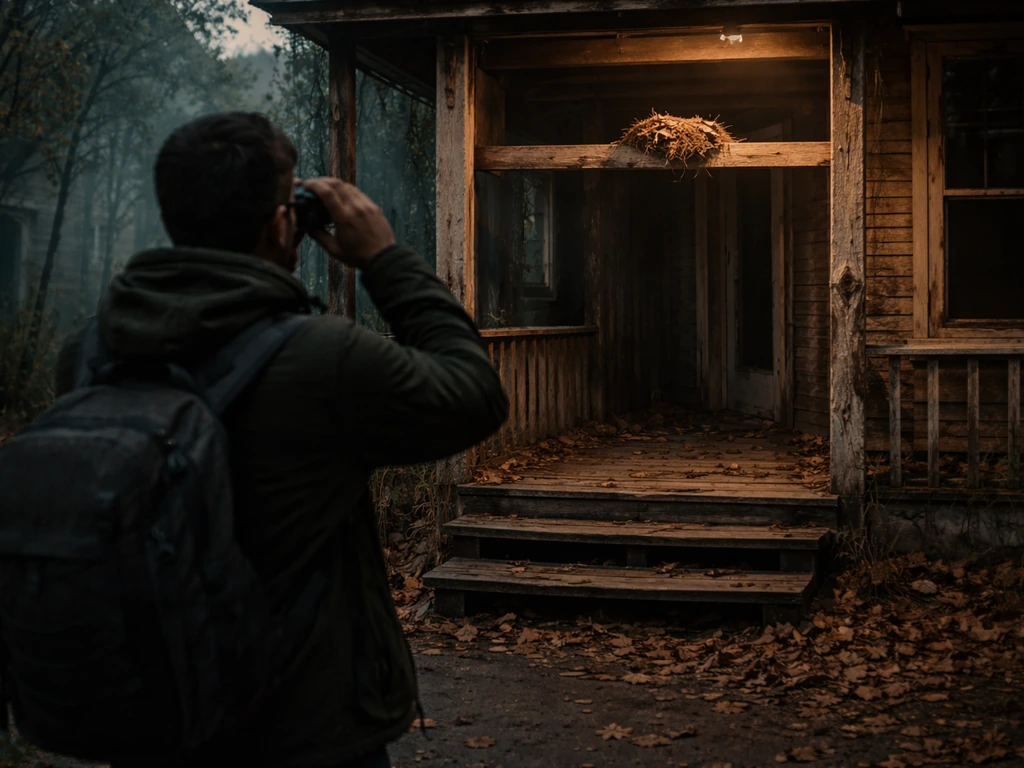
"Active" means the nest contains eggs or living chicks, or adult birds are still regularly visiting to feed dependent young. An abandoned or post-fledging nest looks different once you know what to watch for. Spend a few minutes observing from a distance before you get close.
- Adult birds flying to and from the nest repeatedly, especially carrying food or nesting material, is the clearest sign of an active nest.
- Audible chick calls, even faint ones, mean young are present.
- Visible eggs or downy chicks when you can safely look without disturbing the nest.
- A nest that has been completely still for several days, with no adult visits at all, is likely abandoned or post-fledging.
- Nesting material that is weathered, flattened, or falling apart suggests the nest has been inactive for a while.
- Check at dawn and dusk, when parent birds are most active, for two or three days before concluding a nest is empty.
The Smithsonian's National Zoo nest-monitoring guidelines recommend making a final monitoring visit specifically to confirm whether young fledged successfully before you declare a nest inactive. If you can safely see into the nest, look for broken eggshells (a good sign fledglings left) versus intact unhatched eggs (which may indicate abandonment). Take a photo on each visit and date it. That record helps you track activity and gives you documentation if you ever need to justify removal.
Identify the nest and who built it
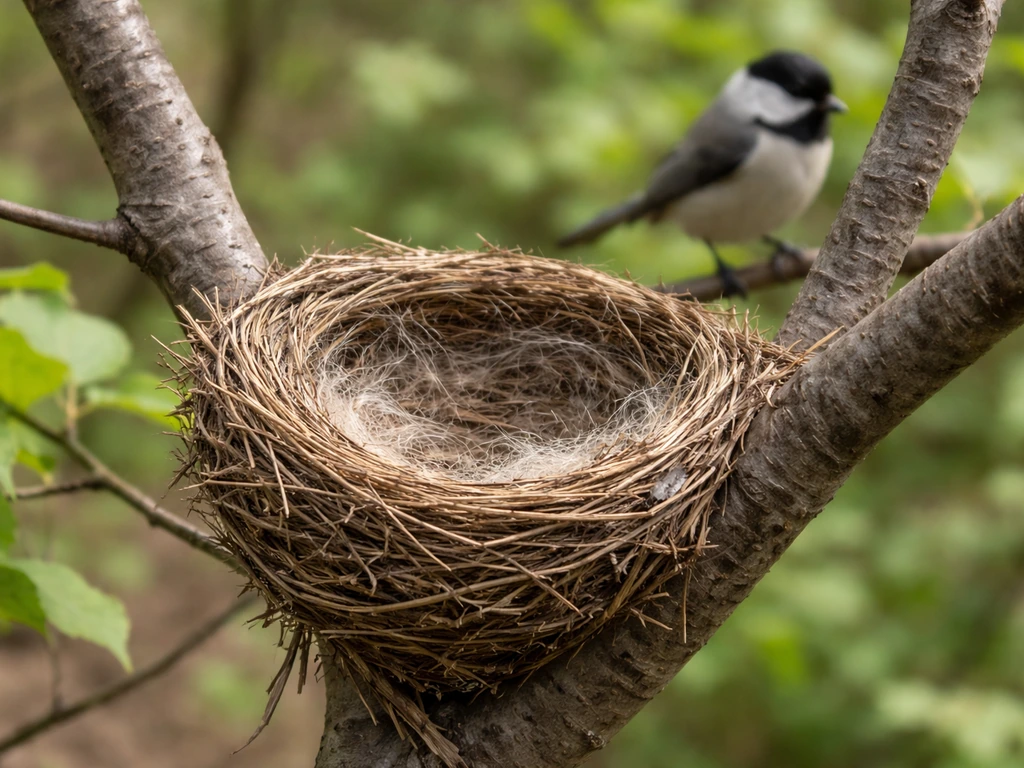
Knowing the species helps you understand the breeding timeline, which tells you how long you need to wait. You don't need to be an expert. Just look at the nest's shape, materials, size, and location. Here are the most common types you'll encounter.
| Nest type | Common builders | Key materials | Typical location |
|---|---|---|---|
| Open cup nest | Robins, sparrows, finches | Mud, grass, twigs, sometimes hair or string | Tree forks, ledges, gutters, window sills |
| Platform/shelf nest | Mourning doves, pigeons, herons | Loose twigs, minimal structure | Flat ledges, beams, tree branches |
| Cavity nest (inside a hole or box) | Bluebirds, chickadees, tree swallows | Fine grass, feathers, hair (swallows line with feathers) | Nest boxes, tree cavities, vents, dryer exhausts |
| Mud nest (attached to wall) | Barn swallows, cliff swallows | Mud pellets, grass, feathers | Eaves, barn ceilings, bridge undersides |
| Domed or enclosed nest | Wrens, some warblers | Grasses, bark strips, moss | Dense shrubs, low branches |
| Large stick nest | Raptors (hawks, osprey, eagles) | Large sticks, bark, sometimes trash | Tall trees, utility poles, rooftops |
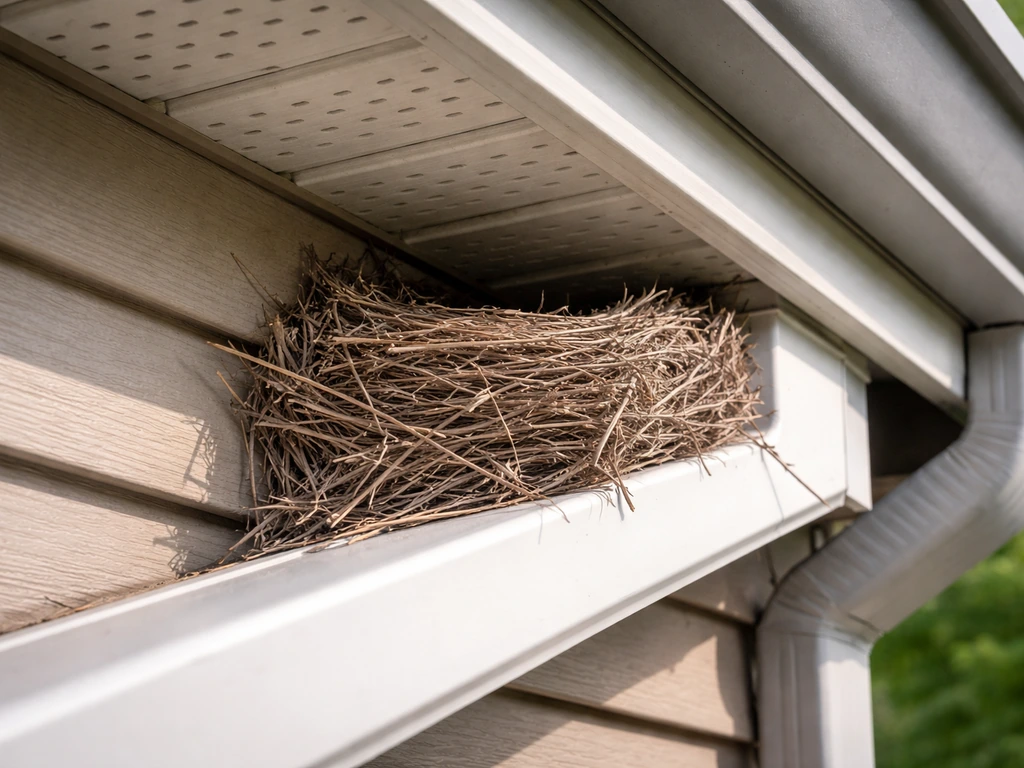
Location matters almost as much as materials. A nest tucked into a dryer vent or bathroom exhaust is almost certainly a cavity-nester like a house sparrow or starling. A mud cup plastered under your eaves is barn swallows. A loose pile of sticks on a flat AC unit ledge is likely a mourning dove. Once you have a rough ID, you can look up typical clutch sizes and incubation-to-fledging timelines for that species, which tells you the minimum wait before the nest goes inactive.
Assess your situation: why is it there and what's really at stake?
Before deciding what to do, be honest about why you want the nest removed. The right approach depends on your actual situation, and some scenarios allow more flexibility than others.
- Aesthetic annoyance (nest looks messy, you don't want birds on the porch): You need to wait for it to go inactive, then remove it and deter re-nesting. This is the most common situation and the one with the most patience required.
- Property damage or blockage (nest is clogging a vent, gutter, or chimney flue): Still need to wait if active, but this qualifies as a legitimate safety concern. If a blocked dryer vent poses a fire risk with an active nest inside, contact a licensed wildlife rehabilitator or your local USFWS office about your options.
- Health or safety emergency (severe blockage of gas flue, structural risk, confirmed disease exposure): This is the narrow category where permits may be granted before the nest goes inactive. Call your regional USFWS office, Environment and Climate Change Canada, or the RSPCA/local authority in the UK.
- Birds repeatedly return to the same spot every season: Removal alone won't solve this. You need to combine removal with exclusion work to make the site unattractive or inaccessible.
- Fallen nest or displaced nest: If the nest fell out of a tree, this is a different scenario entirely and the best action is often to replace it nearby rather than discard it.
Encourage the birds to leave on their own (before touching anything)
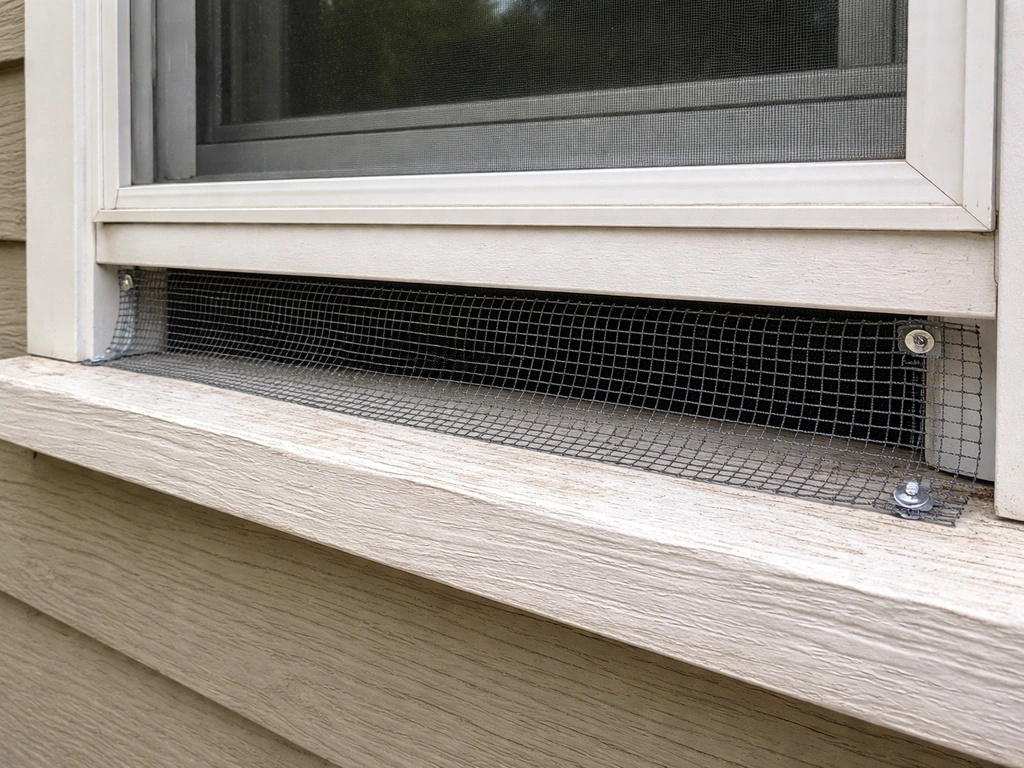
The cleanest, most ethical path is to wait for the nest to become naturally inactive. If you need a checklist, follow the steps in how to remove a bird nest once the nest is inactive and legal to remove in your area. Most songbird breeding cycles run from egg-laying through fledging in about 4 to 6 weeks, depending on species. If you discover a nest in early spring, you may be waiting until late May or June. If you find it mid-summer, fledging might be only a week or two away. Patience here saves you legal risk and removes the need to handle eggs or chicks at all.
While you wait, you can make the area less appealing so the birds don't start a second clutch in the same spot. Remove food sources nearby, such as open compost, spilled birdseed, or exposed pet food. Increase human activity around the area during the day, which naturally makes birds more cautious about returning. If the nest is in a cavity like a vent or drainpipe, do not block the entrance while the birds are still inside. Wait until all birds have left for several consecutive days, then use a one-way door or temporary mesh to prevent re-entry before you do your permanent exclusion work. Both Washington Department of Fish and Wildlife and Maine's wildlife conflict guidelines are clear that one-way doors must only be used when you are absolutely sure no young will be trapped inside after adults are evicted.
How to physically remove the nest when it's allowed
Once you've confirmed the nest is fully inactive (no eggs, no chicks, no adult visits for several days) and you've verified removal is legal in your jurisdiction for your situation, here is how to do it safely.
Gear up before you start
- N95 respirator or better: bird droppings and nesting debris can carry histoplasmosis fungal spores, and the CDC/NIOSH specifically warns against inhaling dust stirred up from dry bird waste.
- Nitrile or latex gloves: single-use, dispose of them with the nest material.
- Safety glasses or goggles.
- A sturdy ladder rated for your weight, positioned on stable ground, with someone to spot you.
- A sealed plastic bag or lidded bin for nest material.
- Stiff brush or putty knife for scraping residue off surfaces.
- Spray bottle with water to lightly dampen dry debris before you disturb it (reduces airborne spores).
- EPA-approved disinfectant effective against influenza A viruses for surface cleanup after removal.
Step-by-step removal
- Do a final check. Look into or at the nest carefully. No eggs, no chicks, no movement for at least three days of observation.
- Lightly mist the nest and surrounding debris with water to keep dust down. Do not soak it, just dampen it.
- Lift or scoop the nest material into your sealed bag in one motion. Avoid shaking or breaking it apart, which releases dust.
- Scrape any remaining dried material or droppings off the surface with a stiff brush. Dampen before scraping.
- Double-bag the nest material and seal tightly. Dispose of it in your outdoor trash. Do not compost it.
- Clean the surface with soap and water first to remove visible debris, then apply your EPA-approved disinfectant according to label instructions.
- Remove and dispose of gloves. Wash hands thoroughly with soap and water.
For high or awkward locations like tall tree branches, chimney tops, or deep inside vents, don't take risks with ladder positioning. If your main problem is a nest in a tree, follow the same inactivity-first rule, then use the tree-specific approach in the guide on how to get rid of bird nest in tree. If you can't reach the nest safely from the ground or a stable ladder position, hire a pest control professional or licensed wildlife removal service. The nest removal itself is the easy part. Getting to it safely is where most injuries happen.
Special case: nests inside chimneys
Chimney nests deserve their own caution. Chimney swifts are fully protected under the MBTA and their nests cannot be disturbed while active. Other species like starlings or house sparrows (which are not protected under the MBTA) may be removable sooner, but you should still confirm no eggs or chicks are present. A certified chimney sweep or wildlife removal company is the safest call for chimney nests because they have the right tools for access and debris containment. After removal, install a properly fitted chimney cap to seal the entry point.
Stop the birds from coming back
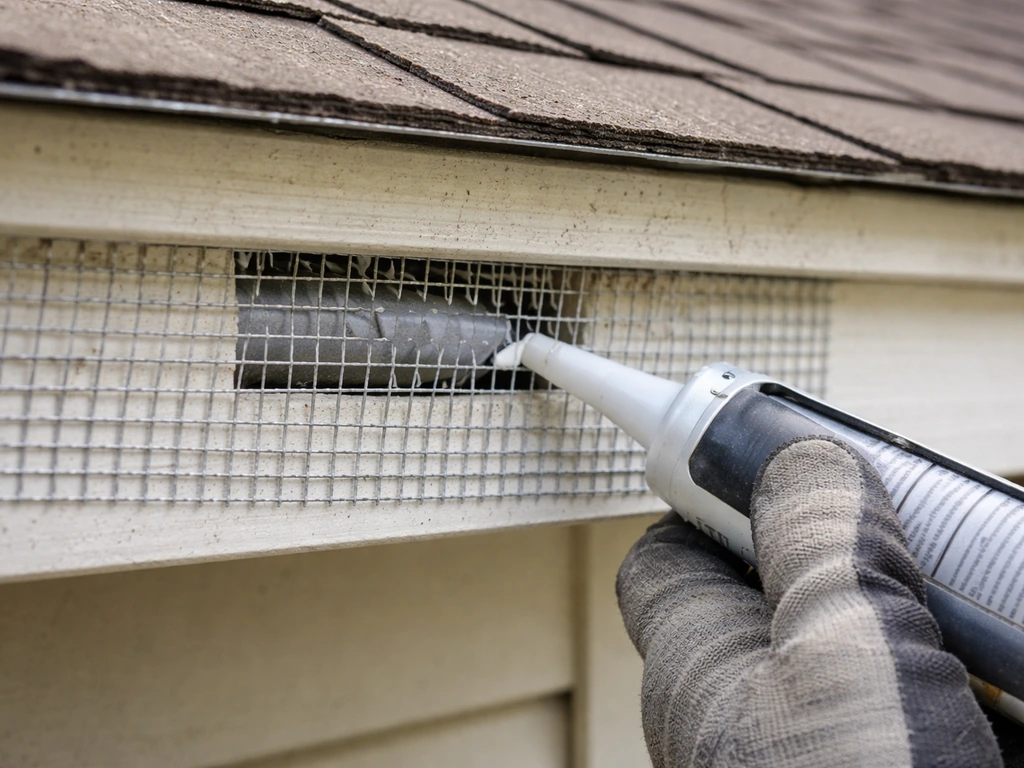
Removing the nest without addressing why they chose that spot means you'll be doing this again next spring. Here's what actually works.
- Seal gaps and entry points: Use hardware cloth (1/4-inch mesh), foam backer rod, or caulk to close any openings around vents, eaves, soffits, and roof gaps. This is the single most effective long-term fix for birds nesting in structural cavities.
- Install vent covers: Replace open dryer, bathroom, and kitchen exhaust vents with covers that have functional flaps or fine mesh. Make sure mesh is fine enough to block birds but not so fine it restricts airflow.
- Fit a chimney cap: A properly installed chimney cap prevents birds and other wildlife from entering through the flue.
- Bird netting: For larger open areas like under eaves or in carports, polyethylene bird netting creates a physical barrier without harming birds. Attach it tightly so birds can't get behind it.
- Slope-creating surfaces: If birds are nesting on flat ledges, attaching a sloped (45-degree or steeper) board or commercial ledge strip removes the flat platform they need.
- Bird spikes: Stainless steel or polycarbonate spikes on ledges and beams prevent perching and nesting in those specific spots. Choose a width appropriate for the ledge. These are humane and widely used in commercial settings.
- Visual deterrents (short-term help): Reflective tape, predator decoys like owl silhouettes, and hanging CDs can deter birds initially but often lose effectiveness after a few weeks as birds habituate to them. Use these in combination with physical exclusion, not instead of it.
- Do not use sticky substances or glue traps: These are cruel and can injure or kill birds. They are not a legal or ethical option.
Timing your exclusion work matters. Late summer through early fall, after the breeding season ends, is the best window to do structural repairs and sealing. You avoid trapping active nests behind newly installed barriers, and you have the whole off-season before birds start scouting locations again in late winter or early spring.
Aftercare, ethics, and what not to do
If you find eggs or chicks during removal
If you started the process and discover eggs or live chicks you didn't expect, stop immediately. Do not handle the eggs or chicks. Do not knock the nest down. Back away, give the area space, and monitor for adult activity over the next 24 to 48 hours. If the nest has been significantly disturbed and chicks are clearly in distress or the parents are not returning, contact a licensed wildlife rehabilitator in your area. You can find one through the National Wildlife Rehabilitators Association (in the U.S.) or Wildlife Rescue Canada. In the UK, contact the RSPCA or a licensed wildlife carer. Transporting or possessing young migratory birds without authorization is also illegal under the MBTA, so handing chicks over to a licensed rehabilitator is the right move, not keeping them yourself.
What not to do
- Do not knock the nest down with a broom, hose, or pole while birds are present. This is illegal for protected species and needlessly harmful.
- Do not destroy eggs. This is explicitly illegal under the MBTA, Canada's MBR 2022, and the UK's Wildlife and Countryside Act 1981.
- Do not use toxic repellents, poisons, or sticky entangling substances near nests. These can injure or kill birds and may carry their own legal penalties.
- Do not block a cavity entrance while birds are inside. You will trap them and they will die.
- Do not shovel or sweep dry nesting debris without dampening it first. Dry bird droppings can release histoplasmosis spores when disturbed.
- Do not assume all birds are unprotected. House sparrows and European starlings are not covered by the MBTA in the U.S., but virtually every other common songbird, swallow, swift, and raptor is.
- Do not skip the disinfection step. Bird nests and droppings can carry pathogens beyond histoplasmosis, including bacteria and parasites.
Your clear next steps right now
- Observe the nest today from a safe distance for 10 to 15 minutes, ideally near dawn or dusk. Note any adult bird activity.
- Return over the next two to three days and log what you see. Take dated photos.
- If the nest appears inactive, do a close visual inspection for eggs or chicks before proceeding.
- Confirm the species if possible and check whether it falls under the MBTA, Canada's MBR 2022, or UK Wildlife and Countryside Act 1981 protection.
- If inactive and removal is permitted, gather your PPE and follow the removal steps above.
- Immediately after removal, do your exclusion repairs so the spot is sealed before next season.
- If you find the nest is active, set a calendar reminder to check again in 4 to 6 weeks and check back on what to do when a nest fell or what happens if you knock one down, both of which involve slightly different decision paths.
If you are ever genuinely unsure whether removal is legal in your situation, a quick call to your regional U.S. Fish and Wildlife Service office, Environment and Climate Change Canada, or your local council wildlife officer in the UK takes about five minutes and gives you certainty. Getting that call right protects both you and the birds.
FAQ
If I cannot see inside the nest, how can I know whether it is safe to remove?
The single safest rule is to wait until you can confirm no eggs or chicks are present and adults are no longer visiting to feed young. As a quick check, watch from a distance for several consecutive days (not just a few hours) before you assume the nest is inactive.
What if the nest looks empty but I might be missing eggs or chicks?
Do not assume “empty-looking” means it is done. Some nests have intact eggshells or unhatched eggs, and cavity nests can have chicks you cannot see. If you cannot confirm inactivity, use observation and species identification, or pause and contact a licensed wildlife professional.
How should I handle a bird nest that fell out of a tree or roof?
A nest that fell to the ground should be treated as possibly active until proven otherwise. Disturbed nests can still contain dependent young, and removing them immediately can be illegal. Monitor for adult return, and if you see chicks or signs of feeding, stop and contact a wildlife rehabilitator.
How do I tell “active” from “abandoned” in real time?
If you see adult birds actively carrying food to the nest area, or you hear persistent begging from young, that indicates activity. In that case, do not knock the nest down or block access, keep people and pets away, and wait until activity stops for several days.
What should I do if I start removing something and realize there are eggs or chicks inside?
If you discover eggs or chicks while you are already working, stop immediately and back away. Do not try to relocate the eggs or “finish the job,” and avoid further disturbance. Monitor for adult return over the next 24 to 48 hours and then contact a licensed wildlife rehabilitator if parents are not returning or chicks appear in distress.
Are there situations where I can get a nest down without permits because the birds are “pests”?
Yes, even for nests that seem to be pest species, the key issue is whether the nest is active and what species it is. General pest controls can still be illegal for certain birds, so confirm the species and inactivity first, then only proceed if removal is permitted in your jurisdiction.
Can I use a one-way door or temporary mesh to get a nest down faster?
“One-way door” style exclusion is only appropriate when you are confident no young will be trapped inside after eviction. For many cases, that means confirming inactivity for several days first, then using temporary exclusion correctly. If you are uncertain, hire a wildlife remover rather than improvising barriers.
What should I do after the nest is removed so the birds do not return?
After removal, seal or repair the entry points so birds do not rebuild. For cavities like vents or drainpipes, repairs should be done during late summer through early fall when birds are least likely to start a new clutch, and the sealing should happen only after the area is confirmed inactive.
Is it ever okay to move the nest or relocate eggs to a different spot?
No. Handling eggs or chicks and even moving or keeping live young can create legal risk and animal welfare harm. The appropriate step is to contact a licensed wildlife rehabilitator if you have confirmed young are present or the parents are not returning.
What makes chimney nests different from nests in trees or on ledges?
Chimneys and certain enclosed spaces are higher risk because access can trap birds behind hardware or create contamination hazards. For chimney nests especially, use a certified chimney sweep or licensed wildlife removal service, and do not assume “no one is home” if there are adults actively using the chimney.
Who should I contact if I’m unsure whether removal is legal in my area?
If you are unsure, a quick call to the appropriate wildlife authority in your region can prevent accidental illegal removal. When you call, be ready to describe location (including whether it is inside a vent or structure), approximate date you noticed it, and what activity you observed.
Next Article
Days Gone How to Destroy Bird Nests: Ethical Removal Steps
Ethical, legal steps to stop nesting in Days Gone style scenarios: identify nests, avoid active removal, use exclusion a