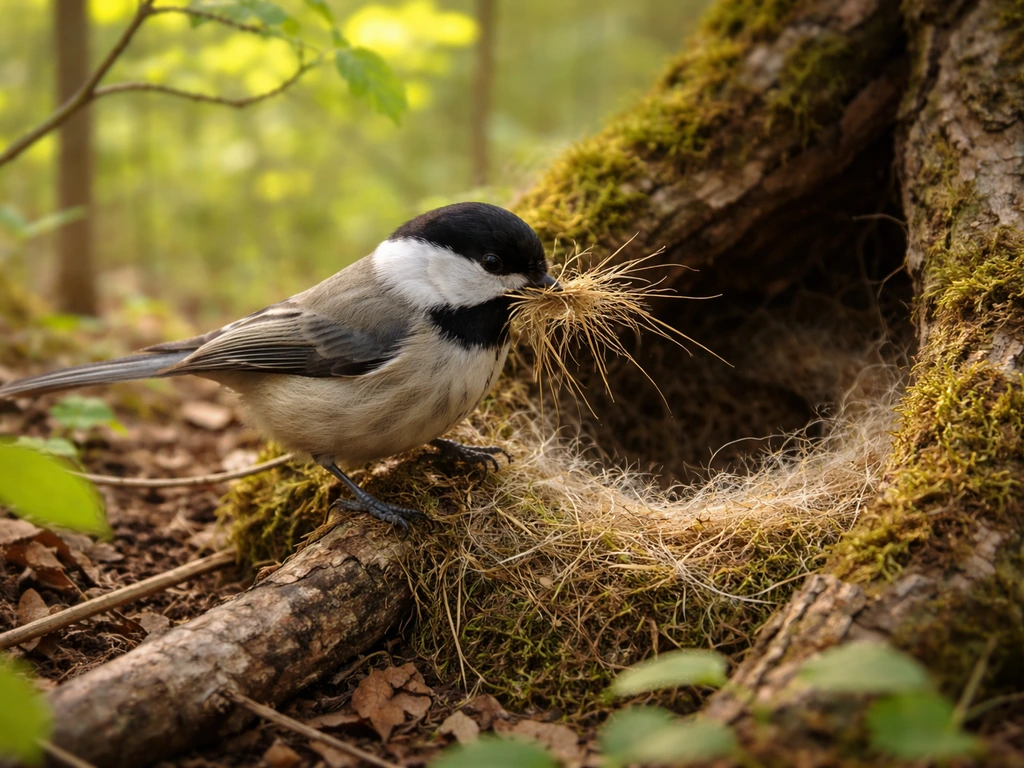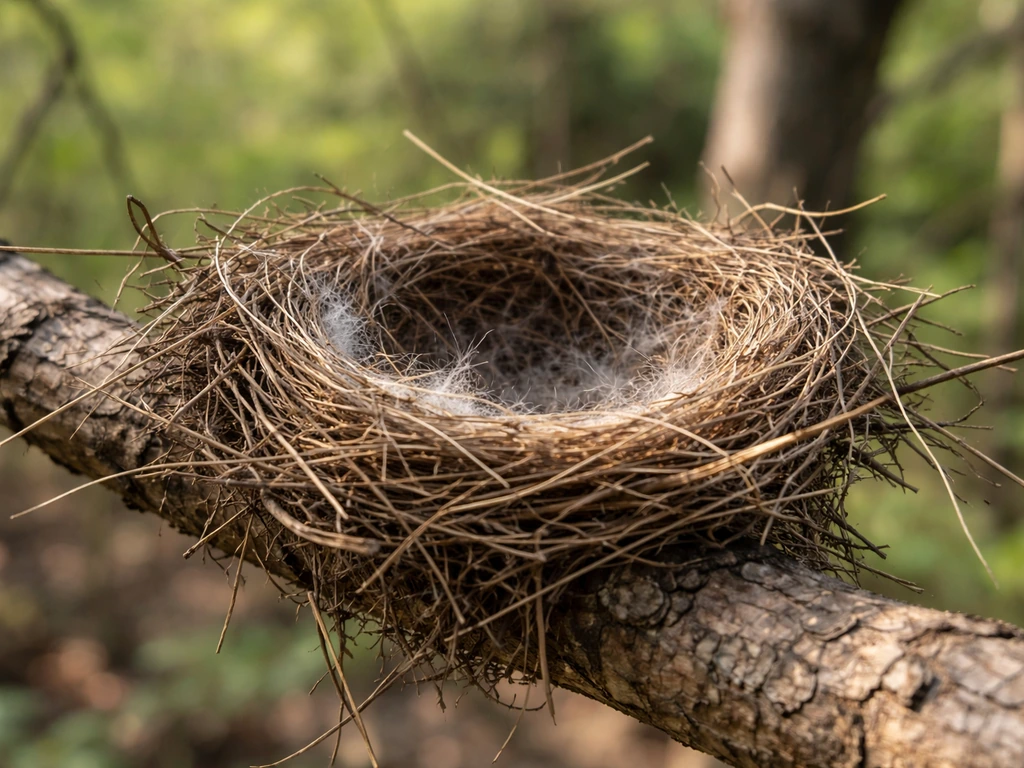
It depends on the species, but in most backyard songbirds the female does the majority of the actual building, while the male contributes in supporting ways like bringing materials, singing to defend the territory, or making a rough starter nest to attract a mate. In general, birds make nests by gathering suitable materials and using them to form a structure that fits their species and local conditions how does a bird make a nest.
Does the Mom or Dad Bird Build the Nest? Roles Explained
Maya Bennett
11 May 2026
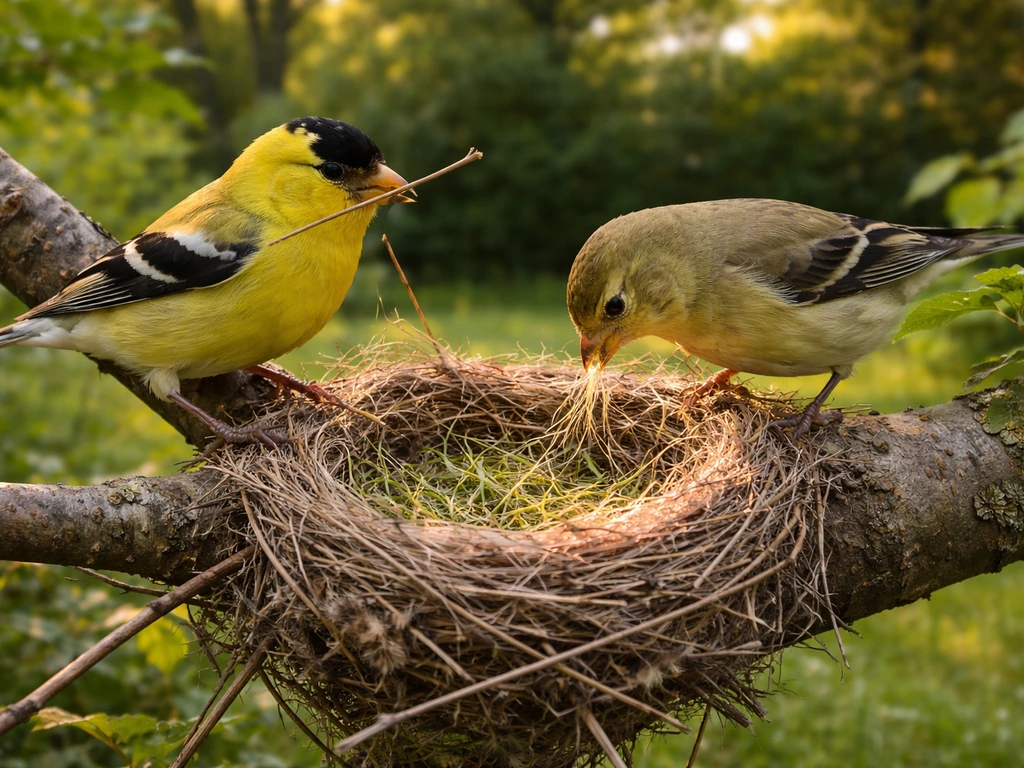
In some species both parents build equally. In a handful of others, the male does almost all the work. There is no single rule, but once you know what to look for, you can usually figure out who is doing what just by watching for ten or fifteen minutes.
Mom vs. dad vs. both: the direct answer by category
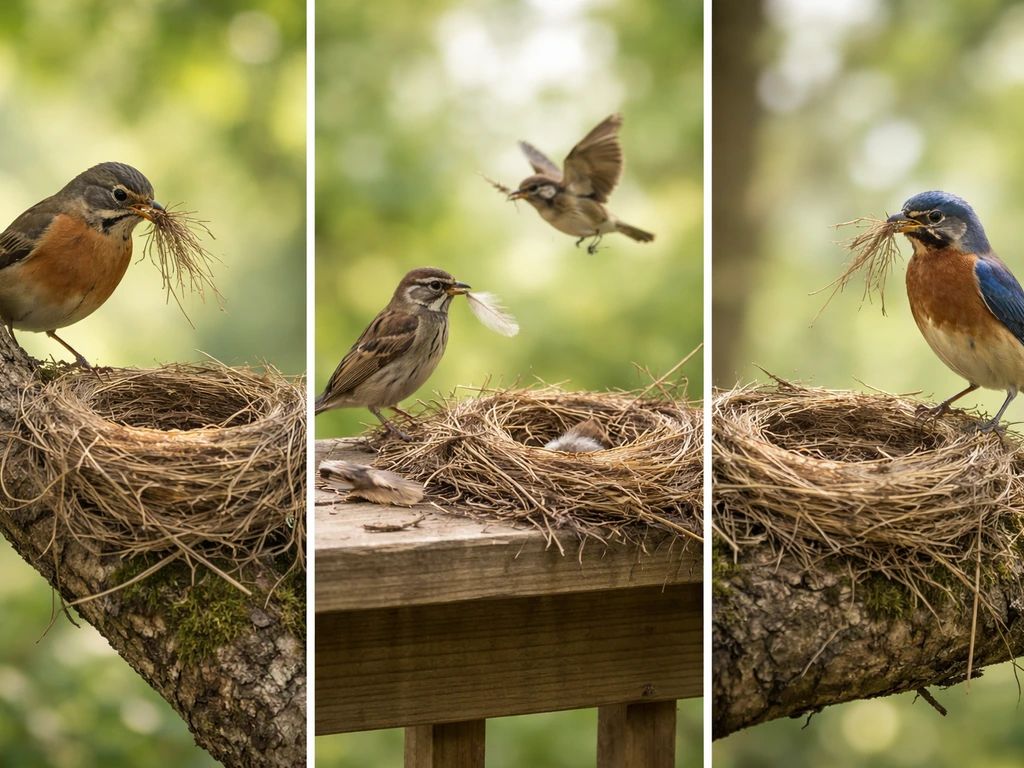
Across bird species as a whole, the female builds most or all of the nest in the majority of cases. That said, 'most cases' still leaves a lot of room for variation, and the common backyard birds you are probably watching right now fall across all three camps.
| Who builds? | Common examples | What you will typically see |
|---|---|---|
| Female only (or mostly) | American robin, rufous hummingbird, house finch | Female carries material and shapes the cup; male sings nearby or feeds her |
| Both parents equally | Barn swallow, mourning dove, American crow | Both sexes carry material to the nest site on alternating trips |
| Male leads, female finishes | House wren, eastern bluebird, woodpigeon | Male brings sticks or starts a rough base; female adds the fine lining |
| Male only (or mostly) | Weaver birds (less common in North America) | Male weaves elaborate structure; female inspects and may or may not accept it |
The quick rule of thumb: if you see only one bird carrying material, it is almost always the female. If you see two birds making repeated trips to the same spot, one of them doing more weaving and shaping while the other delivers, the weaver is usually the female and the delivery bird is the male.
How to tell who is building just by watching
You do not need to be an expert birder to read nesting behavior. The birds themselves give you clear signals if you know what to look for.
Watch for material-carrying trips
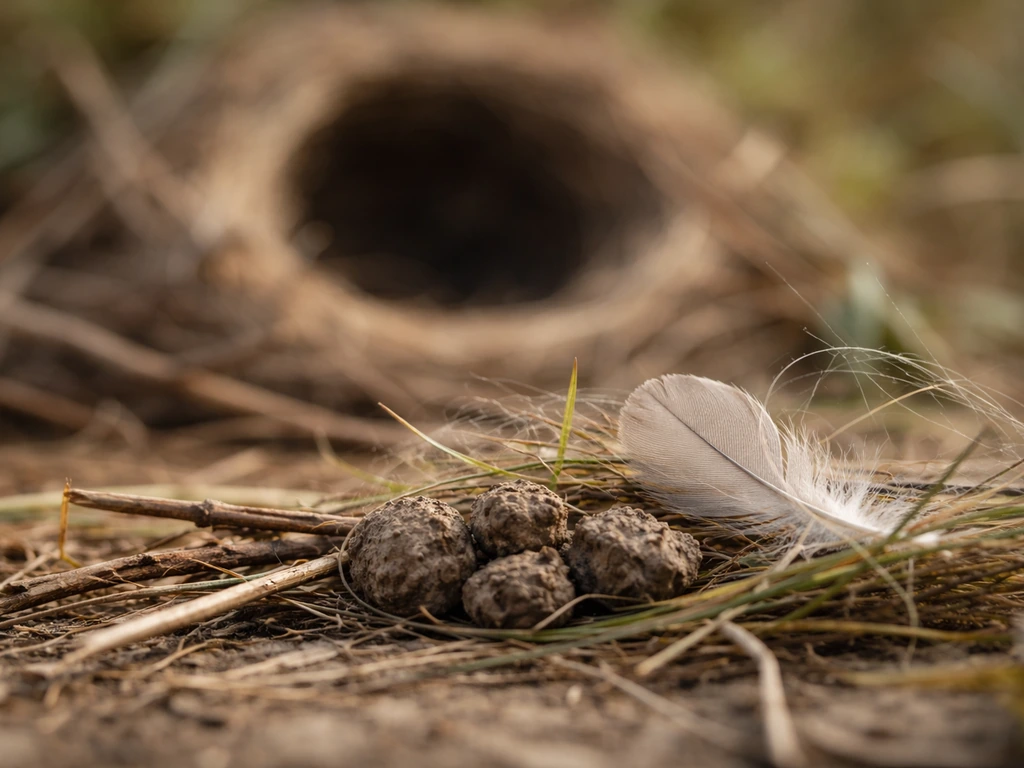
The most reliable indicator is simple: who is carrying nesting material to the site? Grass stems, twigs, mud pellets, spider silk, and feathers all count. In American robins, for example, the female makes all the construction trips, pressing dead grass and twigs into a cup from the inside and finishing with a layer of mud. If you see a robin arriving with a beakful of grass and rotating inside the cup, that is the female. The male perches nearby and sings.
Territorial singing is a male clue
During nest building, male territorial singing often increases while the female becomes less visible. If you keep hearing the same bird singing from a fence post or treetop while another bird quietly slips in and out of a shrub with material, you are most likely watching a male advertising and a female building. NestWatch monitoring notes specifically flag this pattern as a diagnostic clue.
Courtship feeding is another tell
Many male songbirds bring food to the female during the building and incubation phase. If one bird consistently arrives with food and passes it to another bird at or near the nest, the receiver is almost certainly the female. This behavior, called courtship feeding, shows the male is demonstrating fitness rather than doing construction work.
Timing within the season matters

In species where the male makes a starter nest (house wrens are a clear example), the rough pile of sticks appears first, before the female has even committed to the site. A bird building a nest is an example of courtship and pair-bonding behavior, not just instinctive construction. Once she arrives and accepts the location, she adds the soft inner lining.
So if you see a nest appearing in stages, the rougher early structure was likely male work and the finer finishing touches are female work. If you are also wondering when nesting happens, the timing depends on the species and local weather, so birds often start nest building in spring when conditions are right when do birds start building nests.
Species patterns: shared, mom-only, and dad-only building
Female-led builders you probably see every spring
The American robin is one of the clearest examples of female-only construction. She builds the cup from the inside out, pressing mud and grass into shape with her body. Rufous hummingbirds are another strong example: the female handles all nesting duties entirely on her own, from site selection through incubation and chick-rearing, without any male involvement. House finches follow a similar pattern, with females doing all the weaving while males follow them around and sing.
Species where both parents build
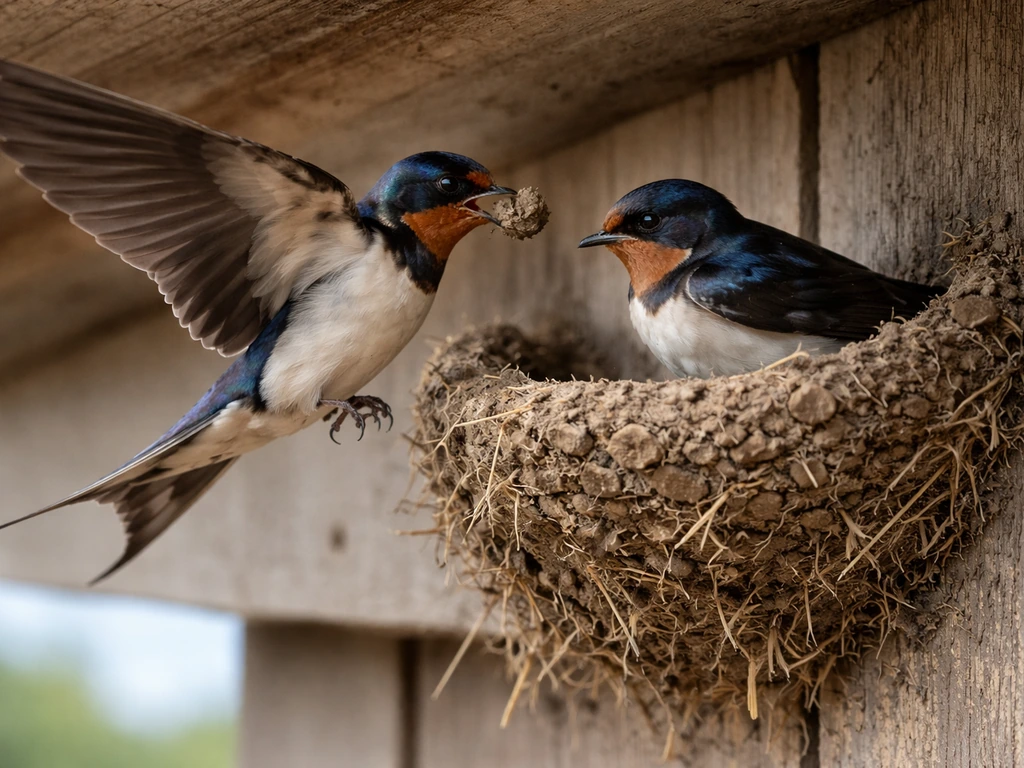
Barn swallows are a cooperative pair: both sexes make trips to collect mud pellets and dry grass, though the female generally spends more time shaping the cup interior. Mourning doves work as a team too, with the male collecting twigs and passing them to the female, who positions them. American crows and most corvids share construction duties fairly evenly. In woodpigeons, the male brings all the materials to the female, who does the actual assembly. That division is common enough to count as a pattern: male as supplier, female as builder.
The house wren: a case study in staged roles
House wrens are worth singling out because their building roles are more complex than they first appear. The male fills potential nest cavities with sticks, sometimes building in several boxes or holes at once to block competitors. Once a female selects a site, she removes some of his sticks and constructs the actual nest cup herself using soft plant fibers, feathers, and spider silk. Research specifically on house wren nest-building confirms this staged division, with male and female roles occurring at different phases rather than simultaneously. If you have wren boxes up, you may notice sticks appearing first (male) and then fine material being added days later (female).
Eastern bluebirds: female does the fine work
In eastern bluebirds, the female builds the tight cup nest on top of a looser base and takes the lead on construction. The male may assist fledglings from an earlier brood while the female has already started building the next nest. This overlap is worth knowing if you monitor nest boxes: seeing a male feeding independent juveniles near a box where a female is actively adding material is completely normal bluebird behavior, not a sign of abandonment.
When the usual rules do not apply: cavity nesters, scrape nesters, colony breeders, and brood parasites
For some species, asking 'who builds the nest' is almost the wrong question because the nest itself looks nothing like the cup-shaped structure most people picture.
- Cavity nesters (woodpeckers, chickadees, owls): Both sexes often excavate or prepare the cavity, though in woodpeckers the male does most of the drilling. Once inside, there may be little or no added material at all, just wood chips or a handful of soft debris.
- Scrape nesters (killdeer, common terns, some shorebirds): The nest is simply a shallow depression in the ground. Both sexes scrape and may add small pebbles, shells, or plant fragments. Female common terns add vegetation to the scrape before and after laying, showing that even minimal nest types involve active female contribution.
- Colony and cooperative breeders (some swallows, Florida scrub-jays, acorn woodpeckers): Multiple adults may contribute to nest construction or care, making 'mom vs. dad' a less meaningful frame. Helper birds (often prior-year offspring) may carry material alongside the breeding pair.
- Brood parasites (brown-headed cowbird): The female lays her eggs in other species' nests and builds nothing herself. If you notice a larger egg or a chick that looks obviously different from its nest mates, a cowbird is the likely explanation and the host species (often a warbler or vireo) built the entire nest without any help from the parasite.
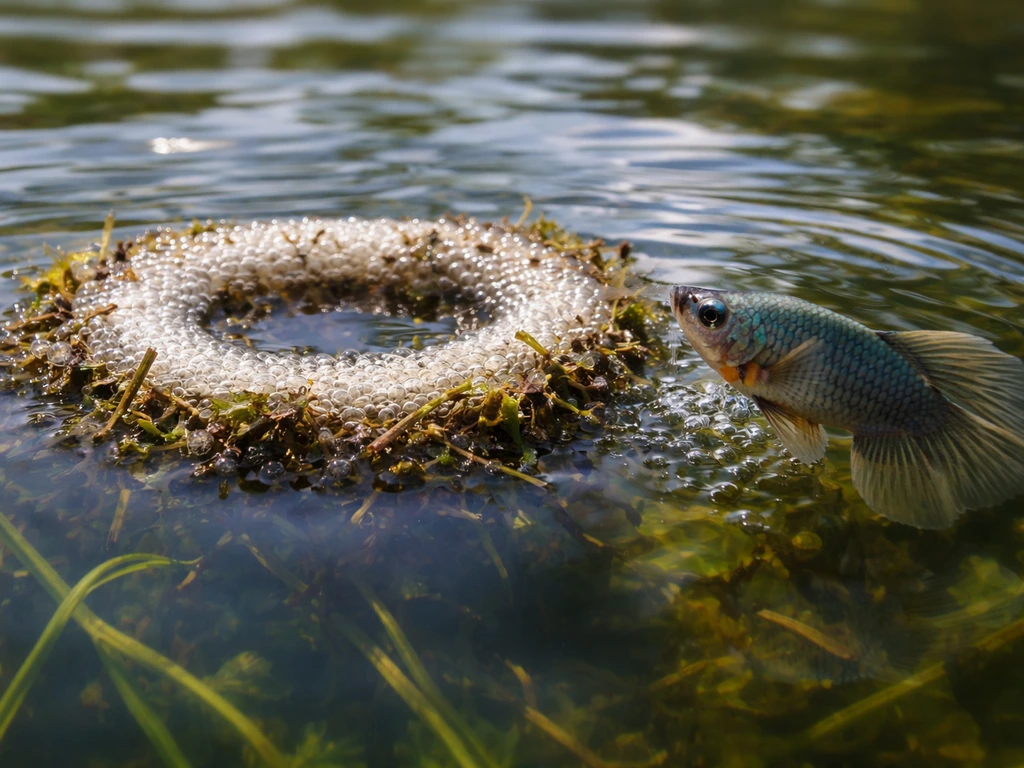
Understanding nest type also helps you recognize what you are looking at. Platform nests, cup nests, cavity nests, and ground scrapes each have their own logic, and the question of which parent builds is tied directly to nest type and the evolutionary pressures behind it. Some fish even build structures that resemble bird nests, showing that this kind of careful construction can show up outside the avian world which fish builds nest like a bird.
Species that do not build nests at all are worth knowing about when trying to understand what you are watching in the yard. Not all bird species follow the same pattern, so some species may build nests in ways that do not fit the typical mom-led or shared roles do all bird species build nests.
What to do right now if you are watching a nest
The best thing you can do today is stay back and observe from a safe distance. NestWatch also advises that if you photograph nestlings or fledging birds, do so from a reasonable distance and use a blind or natural vegetation cover to reduce disturbance stay back and observe from a safe distance. The NPS recommends at least 50 feet (about 15 meters) from nesting birds, and that is a good baseline for most species. Small songbirds flushing repeatedly from a nest because you are too close can cause real problems: abandoned incubation, chilled eggs, and increased predator attention from the disturbance.
Safe observation checklist
- Use binoculars instead of walking close. A 7x or 8x pair gives you a clear view from 30 to 50 feet away.
- Stay still. Movement triggers alarm responses faster than proximity alone.
- Keep sessions short, five to ten minutes at a time, and do not visit repeatedly in the same hour.
- Take photos from your observation distance, not from nest level. NestWatch confirms that moderate photography causes no harm as long as overall disturbance stays low.
- Do not clear vegetation around the nest to improve your view. That cover protects the nest from predators.
- Avoid leaving a strong scent trail to the nest site. Walk a different route each time you check.
What counts as nesting material vs. random debris
If you are trying to figure out whether building is actively underway, look for fresh additions: green moss, dry grass with clean breaks, feathers, spider silk wrapping, or small twigs with no weathering. If you are noticing fresh material and new shaping where a bird is building a nest on your porch, that is a sign the nest is actively being created.
If you are also wondering what a bird nest is made of, look for the specific materials the birds keep adding fresh at the site building is actively underway. Older material that looks gray, matted, or compacted usually means the nest is in the incubation or brooding phase, not active construction. Mud on the rim of a robin cup nest is a sign she is still shaping it. Once you stop seeing fresh material arriving, building is essentially done.
Do not touch the nest or eggs
Physically disturbing an active nest or its contents is illegal in most cases under the Migratory Bird Treaty Act in the United States. This covers the vast majority of native songbirds, raptors, and waterbirds. Even well-intentioned adjustments (moving the nest slightly, removing a broken egg) can constitute a violation. If the nest is in a genuinely problematic location for you, the correct step is to contact a licensed wildlife professional or your state's wildlife agency, not to handle it yourself.
If the nest looks abandoned or a parent is missing
Not seeing a parent does not mean the nest is abandoned. During egg-laying, the female may visit only once per day to deposit a single egg and then leave. During incubation she takes breaks to feed. NestWatch specifically advises waiting at least four weeks (accounting for laying delay plus typical incubation time) before concluding a nest with eggs has been abandoned. Watch from your safe distance for several sessions across different times of day before drawing any conclusions.
Signs that something may actually be wrong
- Eggs or chicks that have been on the ground for more than an hour with no adult returning
- A nestling that is featherless (pink skin visible) or has its eyes closed and is out of the nest
- Evidence of predator attack: scattered feathers, broken eggs, displaced nest
- A fledgling (fully feathered, short tail) hopping on the ground is almost always normal and the parents are likely nearby
Ethical next steps if something is wrong
If a cat or dog has contacted the bird, or the bird is visibly injured, do not attempt to put it back in the nest yourself. Contact a licensed wildlife rehabilitator immediately. USFWS guidance says a featherless nestling with closed eyes needs professional help; a hopping fledgling almost certainly does not. If the nest was physically destroyed (by a storm, for example) and the nestlings are mostly feathered, Tufts Wildlife Clinic describes a surrogate nest option in a container placed nearby, but only in appropriate circumstances and only after consulting a rehabilitator. If parents do not return within two hours after an incident, that is your cue to call for professional guidance, not to intervene unilaterally.
Who to call
- Your state or provincial wildlife agency: search '[your state] wildlife rehabilitator' for a licensed local contact
- The Wildlife Rehabilitators Association of your region for a referral directory
- NestWatch's online resources if you are monitoring a nest box and need species-specific guidance on normal vs. abnormal adult absence
- A local Audubon chapter if you are unsure whether what you are seeing is normal nesting behavior or a problem that needs intervention
The instinct to help is good, but the most useful thing you can do for almost any nest situation is observe carefully, stay at a respectful distance, document with photos from that distance, and call a professional before touching anything. The birds almost always know what they are doing, and your restraint is the best conservation tool available to you right now.
FAQ
If I mostly see the dad coming with food, does that mean he is building the nest?
It can be. Many birds add food to partners during building, so the “builder” may look like the one doing less weaving. If you want to identify who is actually constructing, focus on the bird that makes repeated trips with nest material (grass stems, twigs, mud, spider silk), and compare it to who is only bringing food.
Why does one parent seem to disappear, is the nest abandoned or just not actively being built?
Yes, but the timing depends on the nest phase. During incubation and brooding, parents often appear less frequently because visits can be intermittent (for example, egg deposition may be only once per day). That means fewer sightings does not automatically indicate one parent has stopped building.
How can I tell whether nest building is happening right now versus the nest being in incubation?
Use material freshness, not effort. Fresh additions look like green moss, dry grass with clean breaks, recently placed twigs, feathers, or spider silk, while older nest material looks gray, matted, compacted, or weathered. When fresh material stops arriving, construction is essentially over, even if you still see birds nearby.
What if I see different birds adding different materials at different times, is that always a sign of two nests or changing partners?
Sometimes, but staged changes can also be normal for species where roles shift by phase. For example, some species show an initial rough structure followed by finer lining later. If you see many sticks go in and then only soft fibers come later, that pattern can reflect male provisioning first and female finishing, not two unrelated nests.
Why can’t I tell who is building if the nest is hidden (for example, cavity nests or dense shrubs)?
It varies by nest type and location. Platform and cavity nesters may show less obvious “weaving” behavior from the ground, and a partner can be feeding nearby while the builder works mostly out of view. If you cannot observe construction directly, track who is transporting identifiable nest material into the same exact spot over multiple visits.
If birds keep visiting the same area, does that mean they are definitely building a nest there?
Not necessarily. A bird can start visiting a site for shelter, display, or occasional material gathering without finishing a nest there. Look for repeated material trips to the same exact spot over several days, plus reshaping activity, before concluding that construction has truly begun.
What if only one bird brings materials, can that still be the dad, or is it almost always the mom?
Yes. If you see only one bird carrying nesting material, it is usually the female, but there are exceptions where the male supplies all materials and the female assembles. The safest decision aid is the “delivery versus assembly” observation: watch which bird rotates into the nest site and physically shapes or presses materials versus which bird drops off and leaves.
How do I distinguish courtship feeding from actual nest-building work?
Yes, and it’s one of the most common interpretation errors. Courtship feeding can make it seem like the male is “helping” during construction, but it is usually food transfer rather than weaving. If the bird repeatedly carries grass or mud into the nest area, that indicates construction work, not courtship feeding.
What should I do if a nest is in a dangerous place on my property, can I move it myself?
Handling or moving nests is typically illegal under protections like the Migratory Bird Treaty Act in the U.S., even if the intent is to “save” the nest. If the nest is in a problematic spot, the best next step is to contact a licensed wildlife professional or your state agency for relocation or exclusion options they can authorize.
What if a cat or dog got to the nest, when should I call a rehabber versus waiting?
If pets or injuries are involved, do not try to put birds or eggs back yourself. Contact a licensed wildlife rehabilitator, especially for featherless nestlings or birds that appear impaired. If parents fail to return within about two hours after an incident, that is a strong cue to seek professional help rather than intervene.