Yes, bird nests can attract snakes, but not in the way most people imagine. Snakes don't seek out nests the way a heat-seeking missile locks onto a target. What they're really doing is following food, cover, and warmth, and active nests happen to be rich in all three. Eggs, nestlings, and the mice or insects that congregate near feeders and nesting areas make a nest site a reliable hunting ground. If snakes are already patrolling your yard, an active nest is absolutely something they'll investigate.
Do Bird Nests Attract Snakes? Signs and Prevention Tips

Maya Bennett
28 Apr 2026
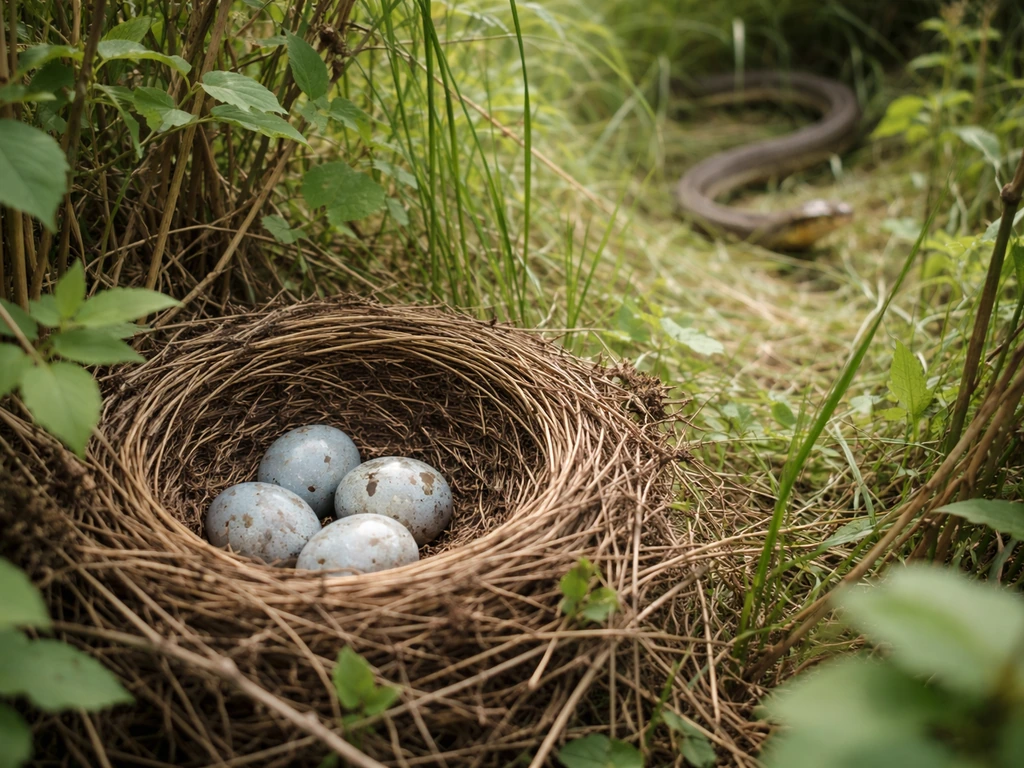
Why snakes show up near nests in the first place
Understanding the actual mechanism matters, because it shapes every practical step you'll take. Snakes are not randomly wandering your yard. They're making calculated energy trade-offs, hunting where the reward is high relative to the effort. Bird nests check several boxes at once.
Food is the primary draw
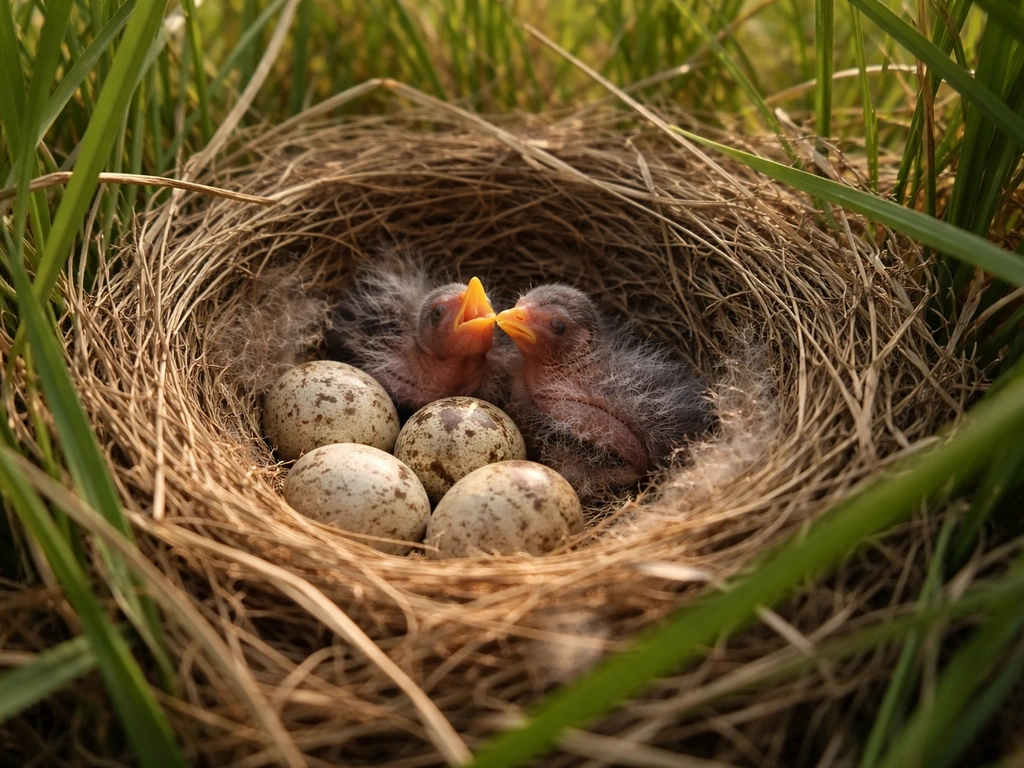
Eggs and nestlings are calorie-dense, easy-to-catch prey. USGS research on grassland birds confirms that nest predation is the single biggest cause of nest mortality for most songbirds, and snakes are one of the main predators driving that number. Beyond the nest itself, the area around it is also rich in secondary prey. Spilled birdseed from feeders near nest sites attracts rodents, and rodents are what many snake species are actually hunting. The nest becomes part of a broader food landscape the snake is already working.
Cover and warmth seal the deal
The dense vegetation that makes a spot attractive to nesting birds, thick hedgerows, shrubby borders, ivy-covered walls, low-hanging branches, also provides exactly the kind of shelter and ambush cover a snake needs. Snakes are ectotherms, so they're drawn to microhabitats that hold warmth: south-facing log piles, leaf litter against a fence, or dense groundcover that traps heat. In spring and summer, when both snakes and nesting birds are most active, these habitat hotspots overlap almost perfectly.
Nest defense rarely stops them
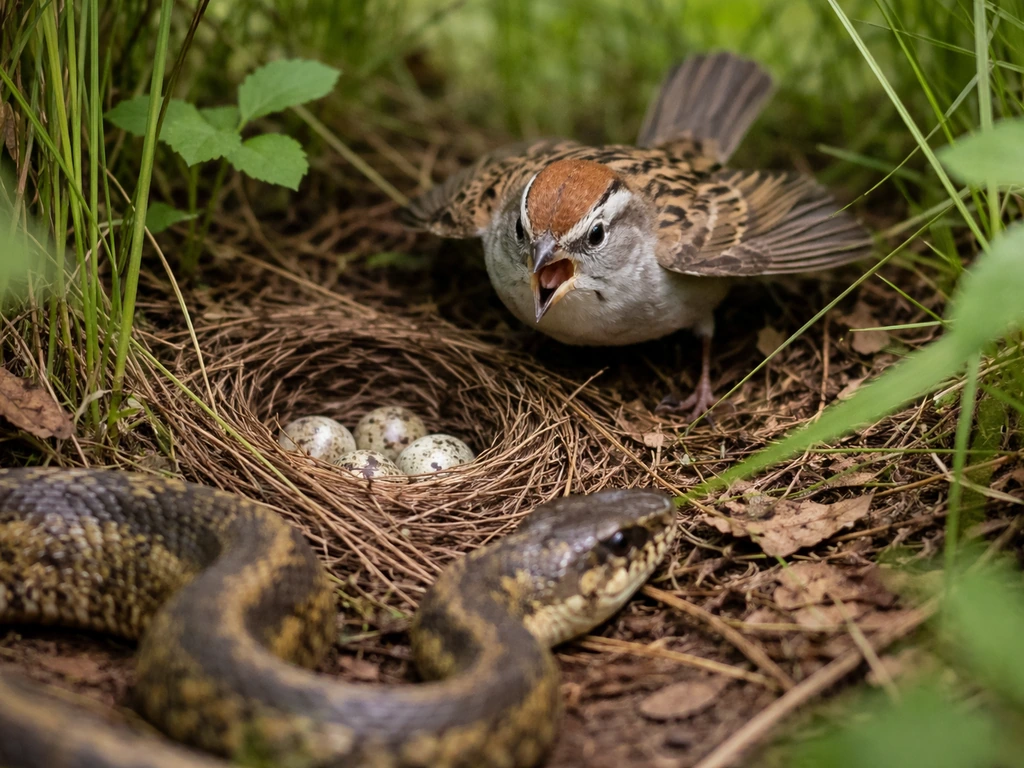
It's worth knowing that birds do fight back. USGS field observations found that 76% of encounters between nesting birds and snakes resulted in active nest defense, including dive-bombing, alarm calls, and mobbing. Despite all that effort, bird defense rarely prevented the snake from taking eggs or chicks. That's a sobering data point, and it underscores why yard-level prevention matters far more than hoping the birds will handle it themselves.
How to tell if you actually have a snake-nest problem
Before doing anything, take a few minutes to honestly assess what's happening in your yard. Not every snake near a nest is a crisis, and not every alarm call from a parent bird means a nest raid is underway. Look for a combination of signs rather than reacting to a single sighting.
- Shed skin near the nest area: Snakes shed periodically, leaving papery skins around rocks, logs, roots, or at the base of dense shrubs. Finding one within a few metres of a nest is a direct indicator of recent snake presence.
- Droppings (scat) along trails or near cover: Snake scat is typically dark with a white uric acid cap, found along paths, near water features, or in sheltered spots where snakes rest regularly.
- Repeated alarm calling from parent birds: A single burst of alarm calls is normal. Sustained, frantic mobbing behaviour, especially with parents repeatedly diving toward the ground or a particular shrub, usually means something is physically at or near the nest.
- Visible snake activity near the nest site: An actual sighting within a few feet of the nest, especially more than once, is the clearest sign you have an active overlap issue.
- Nest failure with no other obvious cause: If eggs or nestlings disappear overnight with no shell fragments, no signs of mammalian disturbance (fur, scratch marks), snakes are a strong candidate.
- Rodent activity near feeders or the nest site: Rodent droppings, gnaw marks, or visible mice/voles near the area increase the likelihood that snakes are also moving through, following the prey.
Ground-level nests and low shrub nests carry the highest risk. A nest tucked in dense ivy two feet off the ground is far more accessible to a snake than one in a nest box mounted on a smooth metal pole at head height. Location matters a lot when assessing your actual risk level.
Yard habits that reduce attractants without harming birds
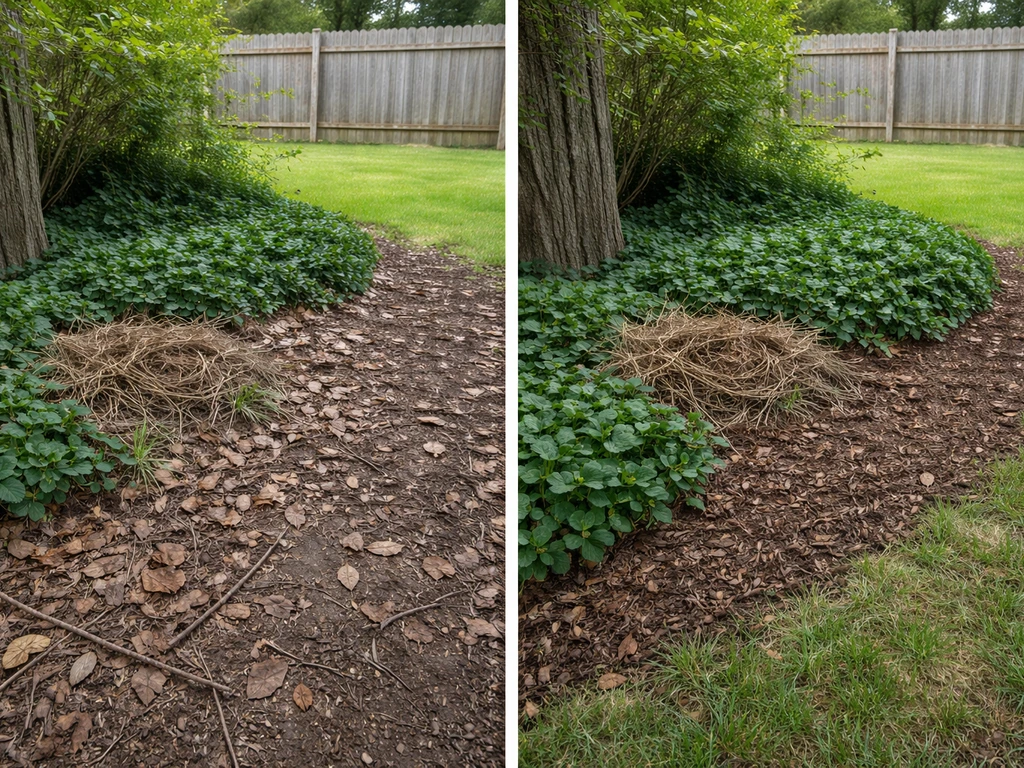
The most effective long-term strategy is making your yard less hospitable to the things snakes are actually chasing, not trying to deter the snake directly. Most of these steps are straightforward, and several will benefit the nesting birds at the same time by reducing competition and disturbance from other wildlife.
- Store birdseed in sealed metal containers: Spilled seed is the number one rodent attractant near feeders. University of Nebraska Extension research makes this link explicitly. Sweep up spilled seed daily during active nesting season, and consider moving feeders at least 10 feet from known nest sites.
- Control rodent populations proactively: Remove woodpiles, debris piles, and dense ground-level clutter that gives rodents nesting cover. Minnesota DNR's guidance is direct on this: snakes follow rodents, so reducing rodents reduces snakes.
- Remove woodpiles and rock piles close to the house or nest sites: These are prime snake overwintering and ambush spots. Relocate them to the far edge of your property if you want to keep them for wildlife habitat.
- Keep grass trimmed short around nest areas: Long grass and unmown borders give snakes easy, concealed travel routes. A mown buffer of a few feet around a nest box pole or low nest shrub reduces approach cover.
- Trim low-hanging branches that touch the ground: Branches resting on the ground act as natural snake highways into dense vegetation.
- Manage water features carefully: Standing water near nest sites attracts frogs and insects, both of which attract snakes. If you have a pond or birdbath near an active nest, consider temporarily moving the birdbath during the nesting period.
- Seal gaps in foundations, walls, and outbuildings: Snakes use these as shelter. Sealing them reduces the number of snakes establishing territory on your property overall.
Managing the area around an existing active nest
If there's already an active nest in your yard, your options are more limited because disturbing the nest or its immediate surroundings can cause the parents to abandon it. The key is to work on the surrounding habitat without getting close enough to cause nest abandonment. Adding rain protection, like a small overhead cover placed safely around the nest site (not touching the nest), can help prevent chilling and water damage during storms. Work from the outside in, not the other way around.
- Clear ground clutter in a wide radius (10-15 feet) around the nest rather than right next to it. This removes snake cover and rodent shelter without causing disturbance at the nest itself.
- If a nest box is on a wooden post, consider fitting a metal pole guard or cone baffle below the box. This is one of the most reliably effective physical exclusion methods, and it doesn't require touching the nest at all.
- Keep foot traffic and pet activity well away from the nest during the breeding period. Repeated disturbance, even by well-meaning humans, stresses parent birds and can make a nest site more chaotic and less defensible. RSPB guidance for ground-nesting situations specifically recommends staying on marked paths and keeping dogs on leads.
- Avoid using chemical deterrents near active nests. Many commercial snake repellents contain naphthalene or sulfur compounds that can affect birds and other non-target wildlife. There is also limited scientific evidence that they reliably work.
- If you have dense ivy or climbing plants on a wall near the nest, delay cutting them back until the nest cycle is complete. Cutting too close can expose the nest to predators and weather while also disturbing the adults.
Protecting bird habitat from predators is a balance, and the best interventions are structural ones (baffles, pole guards, clearing cover from a distance) rather than reactive ones. For practical, humane ways to protect bird nests from predators, use the structural prevention steps in this guide protecting bird habitat from predators. This can help with how to keep bird nest away from snakes by making your yard less appealing to predators. To prevent nesting near unwanted spots like light fixtures, follow the same strategy of reducing food, cover, and warmth that this guide covers how to keep bird nest away. These same prevention ideas also support how to keep snakes away from bird nests by reducing food, cover, and warmth near nesting areas. The broader topic of protecting nests from all predator types, not just snakes, involves a similar layered approach worth thinking through in full.
What to do right now if a snake is near an active nest
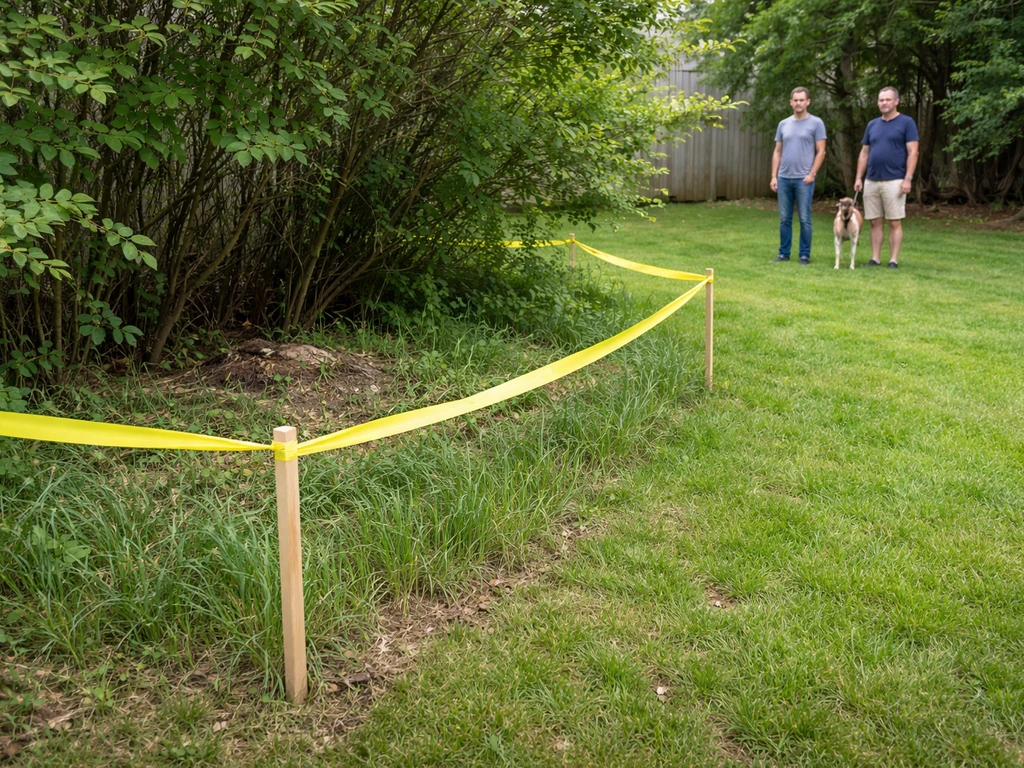
Stay calm and keep your distance. Most snake encounters near nests resolve themselves without human intervention, and the worst thing you can do is approach the snake, try to handle it, or disturb the nest area while the snake is present. Here's a practical step-by-step approach.
- Keep people and pets well back: Maintain at least 10 feet of distance from the snake. A stressed snake in a confined area is far more likely to strike than one calmly moving through a yard.
- Observe from a distance first: Give the snake 20-30 minutes to move on of its own accord. Many snakes are simply passing through, and the bird's alarm calls will often drive them away without nest predation occurring.
- Take a photo if you can do so safely from a distance: Identifying the species matters, especially in North America and Australia where venomous species are present. Do not approach to get a better photo.
- If the snake is not leaving and is clearly positioned at the nest, call a licensed wildlife removal professional. Do not attempt to move, prod, or capture the snake yourself.
- After the snake is gone, check the nest from a distance using binoculars. Look for changes in parent bird behaviour. Frantic calling near an empty nest or parents sitting at ground level near a nestbox could indicate a predation event.
If you need hands-on help fast, the National Wildlife Federation recommends contacting a professional wildlife removal company, particularly for venomous species. Your state's fish and wildlife agency website will usually have a directory of licensed wildlife handlers. In the UK, the RSPCA and local wildlife rescue centres handle snake callouts.
Legal and ethical do's and don'ts
This is where a lot of well-intentioned homeowners accidentally cross a line. Both birds and many snake species have legal protection, and the rules are stricter than most people realise.
| Do | Don't |
|---|---|
| Observe snake activity from a safe distance | Attempt to handle, relocate, or kill a snake yourself |
| Call a licensed wildlife removal professional for venomous snakes or persistent problems | Use poison, glue traps, or harmful chemicals near nests or snake activity areas |
| Work on surrounding habitat (clutter, cover, rodents) to reduce attractants | Disturb, move, or remove an active bird nest without proper authorisation |
| Follow your state/country's wildlife agency guidance for nest handling situations | Assume a non-venomous species is safe to handle without training |
| Document the situation with photos and notes for the wildlife professional | Clear dense vegetation right next to an active nest during nesting season |
In the United States, migratory bird nests, eggs, and adults are protected under the Migratory Bird Treaty Act (MBTA). Intentionally disturbing or removing an active nest without federal authorisation can result in significant fines. The USFWS advises anyone with questions about specific situations on their property to contact their nearest Ecological Services field office. In the UK, the Wildlife and Countryside Act 1981 makes it illegal to intentionally disturb protected wild birds at or near the nest when they have eggs or dependent young.
On the snake side, most non-venomous snake species in the US are protected under state law, and killing them is illegal in many states. Even where it isn't technically illegal, harming a snake is ecologically counterproductive: snakes control rodent populations, and fewer snakes often means more rodents, which creates a worse problem over time.
When risk is highest and how to plan around it
Snake and nesting bird activity both peak in spring and summer, and their calendars overlap almost exactly. In much of the US and UK, snakes emerge from winter dormancy in March and April, becoming increasingly active through June, July, and August. Nesting season for most songbirds runs from roughly April through July or August, with some species going into September. The overlap window, late April through early August, is when you most need the prevention steps above in place.
- February to March: Do your habitat management now, before snakes emerge and before nesting begins. Clear woodpiles, trim ground cover, seal foundation gaps, and move feeders. This is the ideal window for landscaping and vegetation work, since it avoids both active snake season and the USFWS-recommended avoidance window for land disturbance (April 15 onward in many guidance documents).
- April to May: Nesting is beginning or underway for many species. Snakes are active. Shift to monitoring mode: watch for signs, keep the yard tidy, check nest box baffles, and avoid heavy disturbance near known nest sites.
- June to July: Peak risk period. Nestlings are present in many nests, making them the most attractive to snake predators. Maintain distance from active nests, manage feeders carefully, and address any rodent activity promptly.
- August to September: Late nesting species are still active. Snake activity begins to slow as temperatures drop but remains significant through August. Continue monitoring and avoid disturbance.
- October onward: Snakes move toward winter shelter. This is a good time to seal foundation gaps and outbuildings before snakes overwinter in them, and to plan next year's habitat improvements.
If you're reading this in late April, as many people searching this topic will be, you're right in the overlap window. Focus on what you can do right now without disturbing active nests: clear ground clutter from a wide radius, store birdseed properly, address any obvious rodent activity, and fit a baffle on any vulnerable nest box pole. Those four steps alone will meaningfully reduce your risk for the rest of the season.
FAQ
If I see a snake near a nest, does that mean it will eat the eggs?
Not automatically. A snake will still be there because it found food and shelter nearby, but a nest box on a smooth pole, kept free of dense cover below, is usually less accessible than an ivy nest on the ground. The biggest factor is the nest’s height and how much concealment is within a short distance of the entrance or branches.
How can I tell whether birds are actually in danger versus just reacting to a snake nearby?
A single alarm call can be misleading. The more reliable sign is repeated, sustained mobbing or dive-bombing over time (especially in a tight area) along with observable snake behavior near the nest site. If the snake quickly leaves and the birds resume normal foraging, it may have been investigating cover rather than committing to a hunt.
Is it okay to remove debris or check the nest more closely to see what the snake is doing?
Active nests generally should not be touched, and you should avoid climbing near them. If you must inspect for identification, do it from a distance with binoculars and postpone close checks until the nest has fledged. If you suspect a nest is being raided repeatedly, prioritize habitat changes around it rather than any direct handling.
Will stopping bird feeding immediately make the problem go away?
Seed spillage matters because it draws rodents, and rodents draw many snake species. Sweep up spilled seed regularly, use trays or dispensers that reduce waste, and keep feeding stations away from dense shrubs or clutter that provides both cover and warmth for snakes.
Can I deter snakes by changing landscaping without harming the birds?
Sometimes, and usually in an indirect way. Keeping cover and warmth around ground-level nesting areas low, reducing nearby rodent attractants, and installing barriers can help. But cutting off nesting access too abruptly (for example, removing plants in the middle of an active season) can cause birds to abandon nests, which creates new problems.
What should I do if I need quick help and I am not sure whether the snake is venomous?
The response depends on whether the snake is venomous where you live. For venomous species, or if you cannot keep safe distance, call a licensed wildlife removal professional. Even for non-venomous snakes, avoid trapping or relocating them yourself, relocation can increase risk and legal trouble in many areas.
Is snake-and-nest overlap only in early spring, or does it continue later?
Spring and early summer are peak overlap periods, but risk can persist into late summer where nesting continues. If you have ground clutter, thick borders, or active rodent activity, the risk can stay elevated beyond the first few weeks of nesting.
What’s the safest way to reduce food and cover right now if there is an active nest in my yard?
If you store seed in sealed containers, remove brush piles, and reduce leaf litter accumulation near nesting cover, you reduce food and ambush sites. However, avoid aggressive yard cleanup right against an active nest, instead clear from a wider radius and keep changes incremental until the nesting cycle ends.
Which types of bird nests are most likely to be vulnerable to snakes?
Bird nest placement affects accessibility. Ground nests, low shrub nests, and any nest with nearby hiding places (ivy, dense hedges, log piles, fence-side leaf litter) increase risk. A higher, well-guarded nest box with clear “approach paths” is typically a better configuration.
Are there legal or ethical issues I should be aware of before taking action?
In many places you cannot legally disturb active nests or harm protected birds, and killing snakes can be illegal depending on the species and state or region. Before taking action, check local wildlife regulations, especially during nesting season, and use structural exclusion or habitat adjustment instead of removal.