
Some birds absolutely reuse nests, some never do, and a few will use a nest another species built entirely from scratch. Whether the old nest you found in your yard is about to host a new family, already hosting one, or is just an empty leftover depends almost entirely on which species built it, how structurally sound it still is, and what time of year it is right now. The short version: large, durable nests (eagles, ospreys, herons) are reused routinely. Small, flimsy cup nests built by warblers or most sparrows are usually abandoned after one brood. And a nest that looks empty might still be legally protected if eggs or chicks were there recently.
Are Bird Nests Reused? How to Tell and What to Do

Maya Bennett
28 May 2026
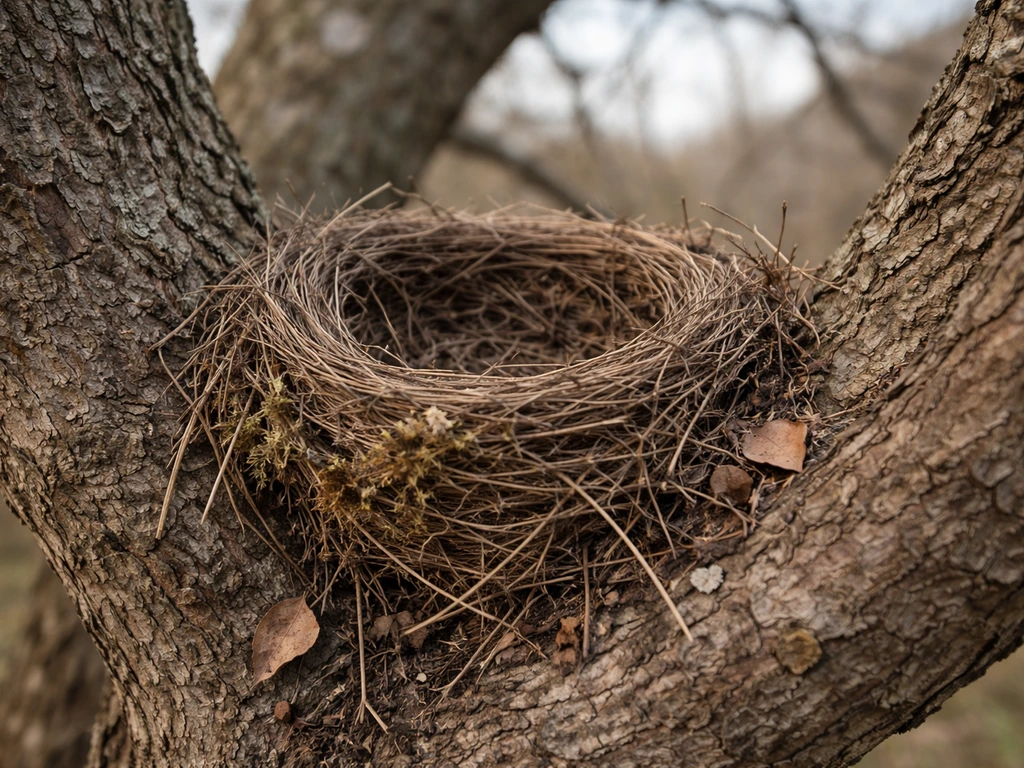
Bird-nest reuse: quick yes/no by situation
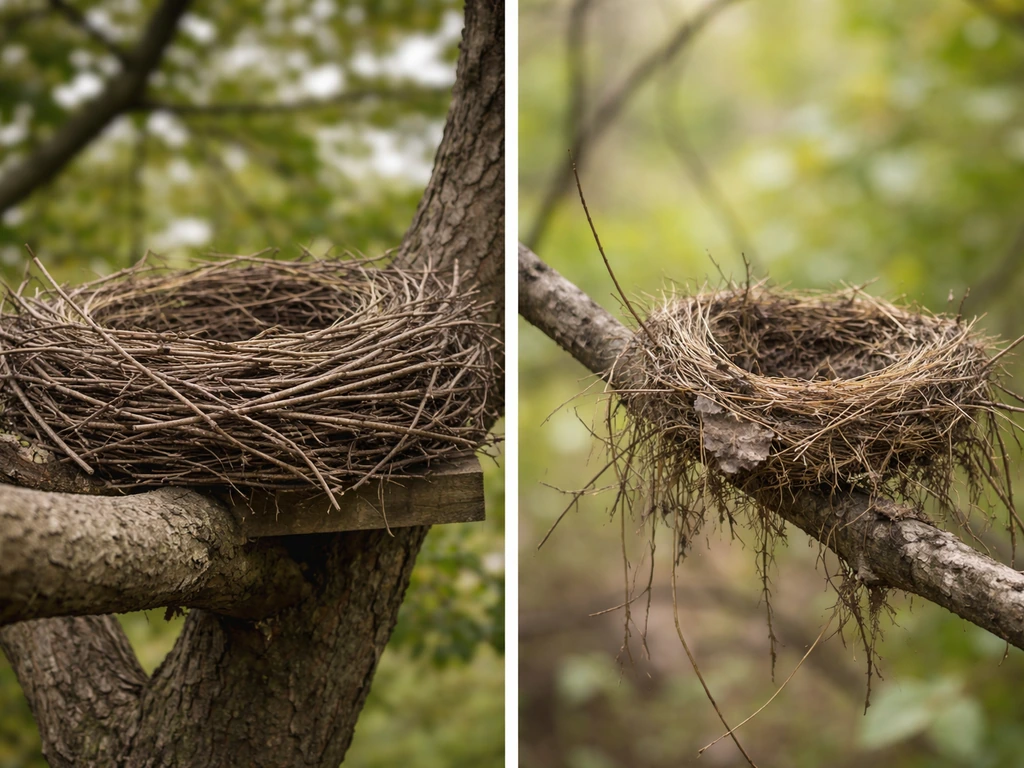
Before you touch, move, or do anything near a nest, it helps to know the most likely scenario based on what you can actually see today.
| Situation | Likely reuse? | What to do right now |
|---|---|---|
| Large stick platform nest (eagle, osprey, heron) on a structure or tree | Yes, very likely reused season after season | Leave it alone; these nests are almost always active or will be |
| Cup nest in a shrub, no eggs, late fall or winter | Unlikely to be reused by same species; possible for another species | Safe to observe; do not remove until you confirm species and season |
| Cavity nest (bluebird, chickadee) in a nest box | Yes, same or different bird often reuses after cleaning | Clean box out after confirmed fledging; promotes reuse |
| Mud nest under eaves (barn swallow, cliff swallow) | Yes, same pair often returns to same nest site | Leave in place; removing it causes repeated rebuilding attempts |
| Small woven cup nest (warbler, finch) in shrubs or low branches | Rarely reused by same species; sometimes by others | Observe from a distance to confirm inactivity before any work |
| Nest with eggs or visible chicks | Currently active regardless of reuse history | Do not touch; legally protected under the MBTA in the U.S. |
| Nest found on ground after a storm | Unlikely to be reused in place; may be relocated by wildlife rehabilitator | Contact a licensed wildlife rehabilitator before touching anything |
Which species reuse nests (and which don't)
This is the single most useful fact to know, because species behavior is more predictive than anything you can see by looking at the nest itself.
Consistent reusers
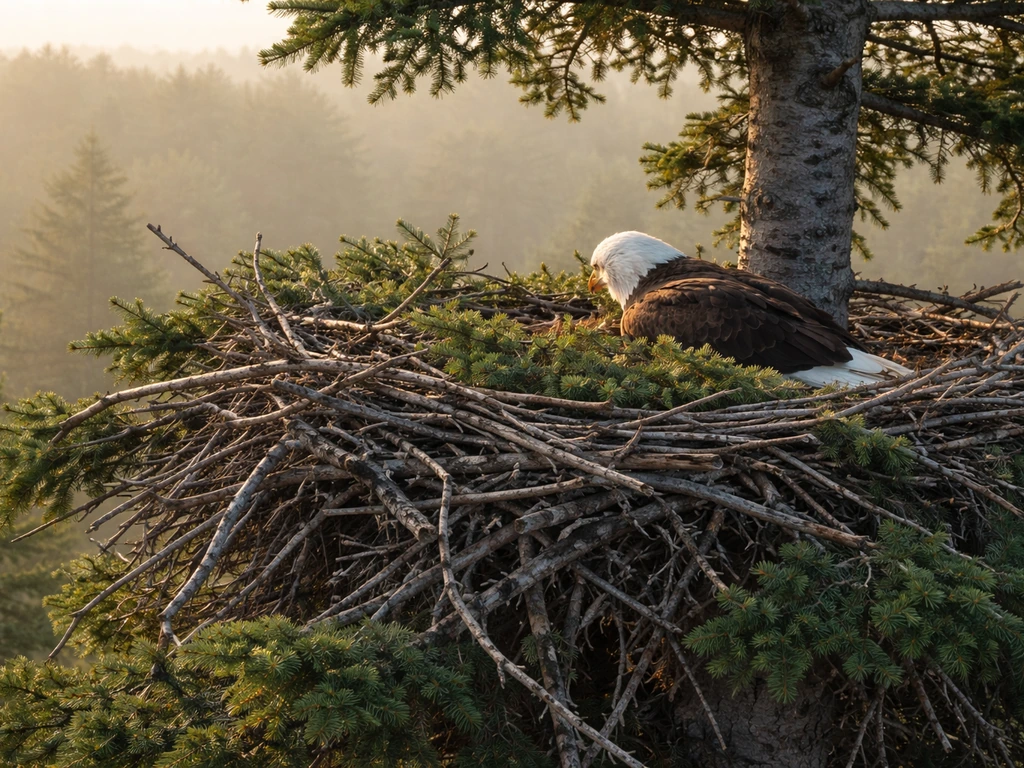
- Bald eagles and golden eagles: the same pair returns to the same nest (called an eyrie) for decades, adding sticks and material each year. Some eagle nests exceed 10 feet deep and weigh over a ton after years of additions.
- Ospreys: highly loyal to nest sites, often returning within days of spring migration to the exact same platform or tower.
- Great blue herons: nest colonially in rookeries and reuse stick platforms year after year.
- Barn swallows and cliff swallows: mud nests are difficult to build and are reused the following season. The same pair or their offspring often return to the same structure.
- House sparrows and European starlings: cavity and crevice nesters that readily reuse or renovate existing nests, including the work of other species.
- American robins: sometimes reuse their own mud-lined cup nests for a second brood within the same season, or use the same general site the following spring.
- Mourning doves: frequently reuse the same flimsy platform nest for multiple broods across a season.
Rarely or never reuse
- Most wood warblers: build a fresh cup nest for each brood; old nests are left behind.
- Yellow warblers and song sparrows: new nest each season; old nests frequently taken over by cowbirds, which is actually one reason these species abandon rather than reuse.
- Hummingbirds: tiny lichen-and-spider-silk nests deteriorate quickly; a new one is built each year, sometimes in the same tree or shrub.
- Most sparrow species: one brood per nest, then the nest is abandoned even if a second brood follows in a different location.
- Shorebirds and ground-nesters (killdeer, meadowlarks): scrapes in the ground are essentially rebuilt fresh each season.
It is also worth understanding that 'reuse' and 'occupy by another bird' are two different behaviors. The same species returning to their own nest is reuse. A completely different species moving into a vacated nest is a separate phenomenon worth watching for, and it happens more often than most people expect, especially in cavity nests and large stick platforms. A bird may later use an abandoned nest if the structure is still suitable and the species recognizes it as a safe spot.
How to tell active vs inactive and whether reuse is likely
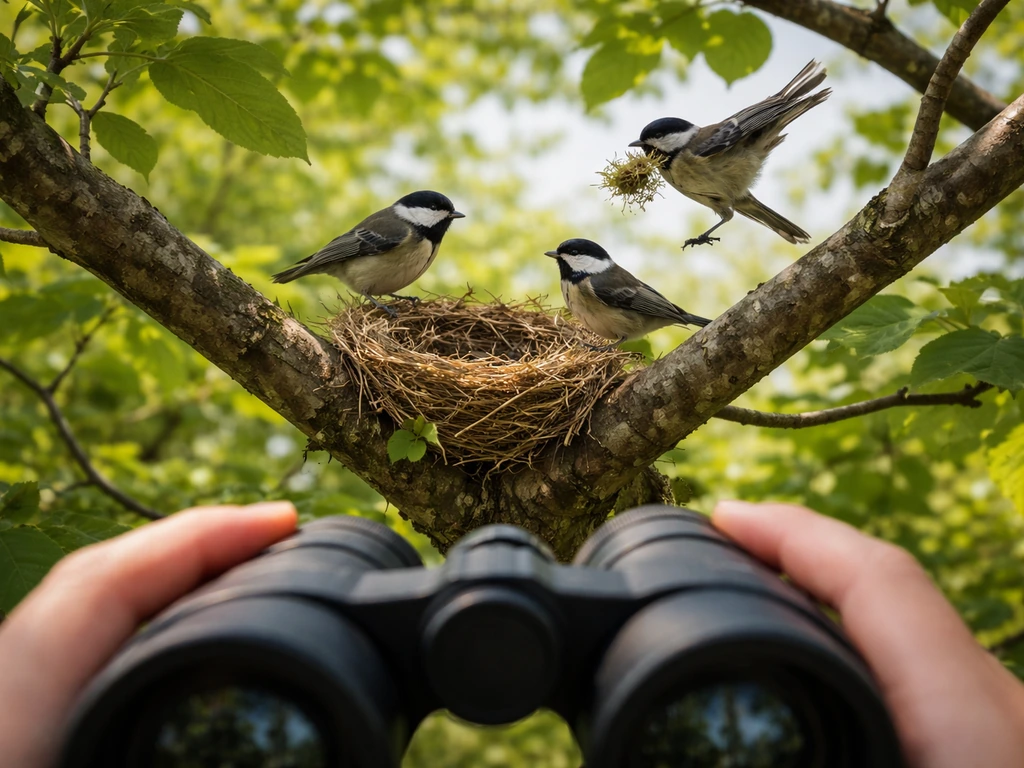
The safest and most accurate method is observation from a distance, ideally with binoculars. A nest that looks empty may have eggs you cannot see from below, and a nest that looks occupied may have been abandoned. Give yourself at least 20 to 30 minutes of quiet observation before drawing any conclusion.
Signs a nest is currently active
- Adult birds visiting repeatedly, especially carrying food or nesting material
- Audible chick calls from inside the nest structure
- An adult sitting low and still in the nest (incubating eggs) for long periods
- Fresh droppings on the rim or just below the nest
- Nest lining looks clean, compressed, and recently shaped
Signs a nest is inactive or abandoned
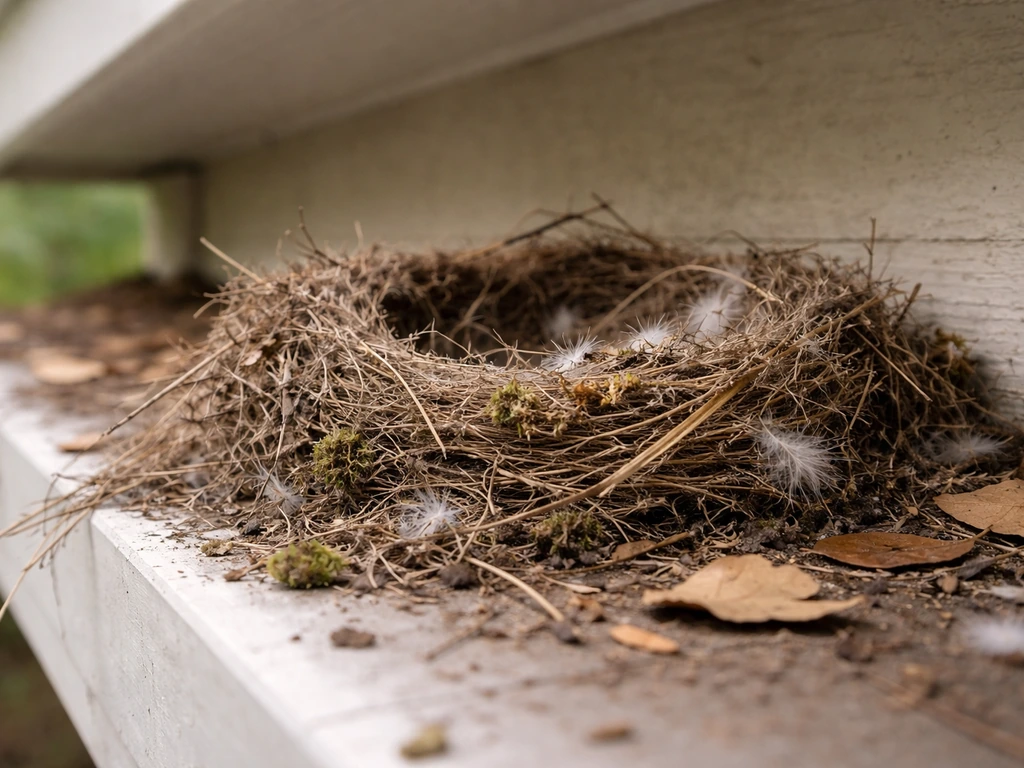
- No adult bird visits after 30 to 60 minutes of observation on multiple days
- Nest material is visibly weathered, disheveled, or falling apart
- Accumulated debris, leaves, or insect webs inside or on top of the nest
- No droppings below the nest and no feathers or food scraps nearby
- Eggs present but cold, discolored, or cracked (do not touch to check)
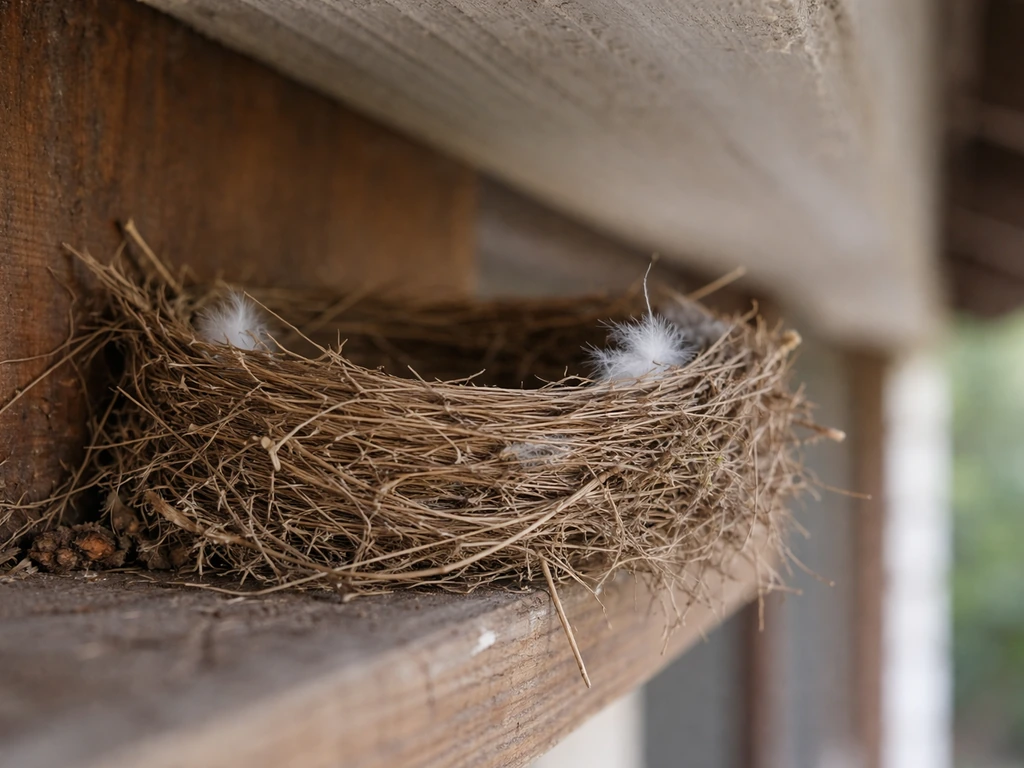
To assess reuse potential specifically, look at the nest's structural integrity. A nest that has held its basic cup shape, has a clean or lightly soiled lining, and is in a sheltered location (under an eave, inside a dense shrub, within a cavity) is a stronger candidate for reuse than one that is open, sagging, and filled with mold or debris. Take a photo from directly below and from the side without disturbing the site. Photos with timestamps are genuinely useful if you later need to consult a wildlife authority.
Why birds reuse or abandon nests (parasites, damage, and territory)
Understanding why a bird chooses to reuse or walk away from a nest helps you predict what will happen next and whether any action on your part is appropriate.
Reasons birds return to the same nest
- Energy savings: a structurally intact nest requires far less work to repair than building from scratch. For species like ospreys and eagles that build massive stick platforms, the investment in reuse is obvious.
- Site fidelity: many birds, especially cavity nesters, are strongly attached to a proven location that was safe and productive before.
- Mate attraction: some species use nest quality and location as part of pair bonding. A male house wren, for example, fills multiple cavities with sticks to attract a female, and an established site with a prior nest is a head start.
- Territorial signaling: returning to and maintaining a nest is a way of asserting territory before competitors arrive in spring.
Reasons birds abandon a nest site
- Ectoparasites: blowfly larvae, mites, and lice accumulate in nest material after a brood. Many small passerines abandon nests specifically to avoid reinfesting chicks. This is the primary reason most small songbirds do not reuse nests.
- Predation pressure: if a nest was raided by a snake, raccoon, or crow during the previous season, birds often recognize the site as compromised and choose a new location.
- Structural failure: weather damage, vandalism, or material decay may make the nest unusable without a full rebuild, which is functionally equivalent to starting over.
- Brood parasitism: species like the brown-headed cowbird lay eggs in other birds' nests. If a warbler or vireo was parasitized, it may build a new nest to escape rather than return.
- Human disturbance: repeated close human approach during nesting creates lasting avoidance of a site, even if the nest itself is undamaged.
What to do today if you find an old or seemingly reused nest
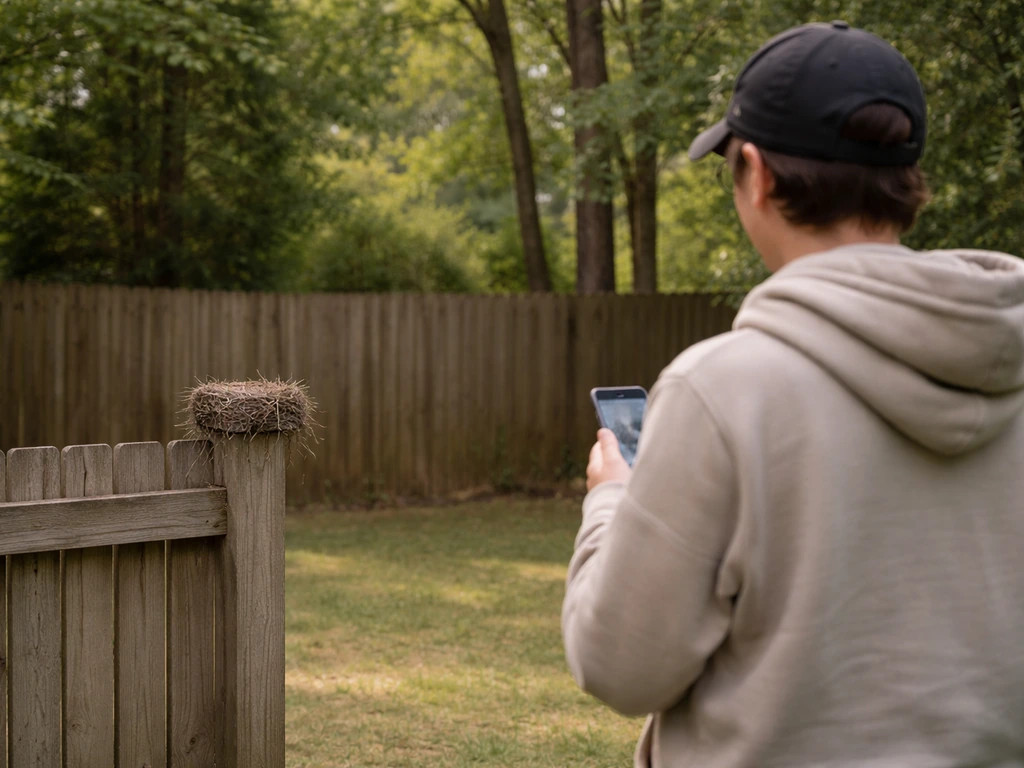
Here is a practical sequence to follow right now, in the order you should do it.
- Stop and observe from at least 10 to 15 feet away. Do not approach the nest, tap on the surface it is attached to, or make loud noises. Give it at least 20 to 30 minutes.
- Take clear photos: one from directly below (to see nest contents if visible), one from the side showing the nest attachment point, and one showing the surrounding habitat. Note the time, date, and location.
- Identify the nest type if you can. Cup-shaped and woven? Mud-plastered? Stick platform? Cavity or box? Material and construction style are your best clues to which species built it.
- Check the season. In late May (right now, as of late spring 2026), most North American songbirds are actively nesting or just finishing a first brood. Any nest you find this week has a higher-than-average chance of being active or soon to be reused for a second brood.
- If you see eggs or chicks, treat the nest as legally protected and back away. Under the U.S. Migratory Bird Treaty Act, disturbing or destroying an active nest with eggs or chicks is illegal.
- If the nest appears inactive, do not remove it yet. Wait at least one full week of no observed bird activity before assuming it is truly abandoned.
- If you suspect an injured bird or a nest that has fallen and contains living chicks, contact a licensed wildlife rehabilitator immediately. Do not attempt to relocate or rebuild the nest yourself without guidance.
Seasonal calendar: when reuse is most likely
| Season / Month | Reuse likelihood | What you may see |
|---|---|---|
| Late winter (Feb–Mar) | High for early nesters (great horned owls, eagles, osprey) | Adults arriving at and inspecting last year's nest, adding new material |
| Spring (Apr–May) | High across most species; peak nesting activity | New eggs in reused nests, fresh lining added to old structure |
| Early summer (Jun–Jul) | Moderate; second broods may reuse first-brood nest (robins, doves) | Same nest, second clutch of eggs within days of fledging |
| Late summer (Aug–Sep) | Low; most small birds finished for the year | Nests empty but still legally protected if recently active |
| Fall (Oct–Nov) | Very low; mostly inactive | Safe period to assess and, if confirmed empty, clean nest boxes |
| Winter (Dec–Jan) | None for most species; some raptors begin site inspection | Empty nests visible; good time for identification without disturbing birds |
Legal and ethical rules for removing or relocating nests
This is the part where a lot of well-meaning homeowners get into trouble. The U.S. blank" rel="noopener noreferrer">Migratory Bird Treaty Act makes it illegal to destroy, move, or interfere with a nest that contains eggs or living young. That applies to the vast majority of wild songbirds, shorebirds, raptors, and waterfowl. House sparrows and European starlings are not protected by the MBTA, which is why nest box guides often recommend removing their nests to protect native cavity nesters. A U.S. Army article notes that once a migratory-bird nest is built and occupied, it cannot be removed or destroyed, and it also outlines potential penalties for violations of the MBTA.
- Never remove a nest with eggs or chicks, even if the location is inconvenient. Wait until the young have fledged and the adults have stopped visiting.
- Do not relocate an active nest yourself. Even moving it a few feet can cause the adults to abandon it. Permits for active nest removal are issued by the U.S. Fish and Wildlife Service only in very specific circumstances, such as a direct and documented human health or safety risk.
- Inactive nests (confirmed empty, no recent adult visits) can generally be removed outside of nesting season without a permit for most common backyard species. When in doubt, wait.
- If a nest is on your property and is causing a health concern (accumulation of mites, fleas, or droppings in a living space), document the issue and contact your state wildlife agency or the USFWS for guidance before acting.
- Nest boxes you own and installed are a slightly different case: you can and should clean them between confirmed nesting cycles to reduce parasite load and encourage reuse by healthy birds.
- Photographing, watching, and documenting nests is always legal and encouraged. Share your observations with platforms like eBird or NestWatch to contribute to real conservation data.
After the birds leave: cleaning, repairs, and respectful creative options
Once you have confirmed a nest is fully inactive (no adult visits for at least a week, well past the local nesting season, or after confirmed fledging), you have a few practical and ethical options depending on what you want to do with the nest and the site.
Cleaning nest boxes to encourage future reuse
For nest boxes specifically, removing old nest material after confirmed fledging is one of the single best things you can do for birds. Sialis. org’s nest-box cleaning guidance also notes uncertainty about whether cleaning old nests during breeding season changes nesting attempts or fledging in at least one study [uncertainty about whether cleaning old nests during breeding season affects nesting attempts or fledging](https://www. sialis.
org/clean/). Old nests harbor blowfly pupae, mites, and bacteria. A clean box is far more attractive to returning birds or new occupants than one packed with last year's debris. Use gloves, scrape out all old material, and wipe the interior with a very dilute bleach solution (one part bleach to nine parts water).
Let it dry completely before resealing. Do this in fall or early winter, well outside nesting season.
Preserving or displaying a found nest
If you have a naturally fallen or confirmed-inactive nest you want to keep, there is no law against possessing an empty nest of a native migratory bird in the U.S., as long as it contains no eggs or feathers of protected species. To preserve it: let it dry fully in a warm, ventilated space for at least a week, then place it in a sealed bag with a few mothballs or cedar chips for 48 hours to kill any remaining insects. After that, it can be displayed in a dry indoor space. Avoid any treatment that involves sprays or lacquers that could be toxic if a curious child or pet contacts them.
Repairing nest sites to support future nesting
If a species you want to attract (barn swallows, bluebirds, wrens) has used a location before, do what you can to preserve the site conditions that made it attractive. For barn swallows, that means leaving the mud nest structure intact on the wall or beam rather than scraping it off.
COSEWIC’s Barn Swallow assessment notes evidence from colonies in New York that reusing the same nest site from the previous year can be beneficial, including in fledging success measures [For barn swallows, that means leaving the mud nest structure intact on the wall or beam rather than scraping it off. ](https://www. canada. ca/en/environment-climate-change/services/species-risk-public-registry/cosewic-assessments-status-reports/barn-swallow-2021.
html). The existing nest or its remnants serve as a foundation and a location cue for returning adults. For cavity nesters, it means having a clean, properly sized box available before birds arrive in late winter or early spring. A 1.
5-inch entry hole suits chickadees and bluebirds; a 2-inch hole is appropriate for tree swallows and house wrens.
One common misconception worth clearing up: finding an old nest in your yard does not mean reuse is already happening or is guaranteed. It means a bird chose that location once, which is useful information, but the species, season, and structural condition of the nest all determine what comes next. In a r/Ornithology thread, users discuss whether [bluebirds reuse nests in the same season](https://www. reddit.
com/r/Ornithology/comments/1klykg3), noting reuse of a nest box for another clutch but generally not the same nest cup. If you are wondering, will a bird reuse a nest, the answer depends mainly on the species, the nest structure, and whether the breeding season is still underway. Observe first, act later, and when in doubt, leave it alone a little longer. That patience is usually all it takes to stay on the right side of both the law and the birds.
FAQ
How can I tell whether a nest is inactive if I only saw it once?
Look for repeat adult activity from a distance over multiple days. A single quick visit does not prove active nesting, but no adult returns at all for about a week, plus timing that is past local fledging, is a stronger indicator. If you cannot confirm, treat it as active and delay any cleanup.
Is it ever okay to remove an old nest if I do not see eggs or chicks?
Only if you have confirmed it is inactive. “No visible eggs” is not enough because eggs can be hidden by foliage or nest depth, especially in cup nests. When in doubt, wait and observe for at least 20 to 30 minutes, then longer over days.
Do birds reuse the same nest every year, or just reuse the same site?
It varies by species. Many raptors and some waterbirds reuse the same structure for multiple years, while other birds reuse a location because it remains safe or familiar, even if they rebuild inside it. That distinction matters because rebuilding can mean the nest is protected again even if the site looks the same.
If a different species moves into a vacated nest, does that count as reuse?
Often, the behavior is best thought of as “occupying” rather than reuse. A species using another species’ abandoned nest structure is still using a nesting site, so you should protect the nest from disturbance during the new breeding attempt, even if you believe the previous occupants are gone.
What if I find a nest during spring but it looks old and dirty?
Spring timing plus old debris can still hide active nesting, and many birds add new material to older structures. Dirty or messy appearance does not reliably indicate inactivity. Use observation first, then consider that some species start by renovating rather than rebuilding from scratch.
Can I relocate a nest to a safer spot for my landscaping or pets?
Do not move nests. In the U.S., disturbing nests with eggs or living young is generally illegal under the Migratory Bird Treaty Act for covered species. Instead, change your routine temporarily, keep pets away, and use barriers to reduce access while you confirm inactivity.
What is the safest way to keep kids and pets away without interfering with the nest?
Create a physical buffer you can keep in place without touching the nest or nearby branches, like a temporary fence panel, closed-door access, or a yard leash zone. Avoid blocking the bird’s approach route. If the nest is on a walkway, redirect traffic rather than placing objects close to the nest.
Are all bird nests protected, or are there exceptions like starlings and house sparrows?
Protection depends on species. Many native birds are protected, while house sparrows and European starlings are not under the MBTA. Even so, local rules and animal welfare considerations can still apply, so if you are unsure about identification, treat it as protected and consult a wildlife authority.
How do I clean a bird nest box after breeding without harming future birds?
Remove old material only after confirmed fledging and during the off-season. Scrape out debris, use a very dilute bleach wipe, and let the box dry completely before resealing. Also avoid strong residual odors, and do not repaint or apply sprays that could leave harmful residues.
Can I keep an empty nest I found, for example in a garden display?
You can often possess an empty native migratory bird nest in the U.S. if it contains no eggs or feathers from protected species. Practical tip: let it dry thoroughly in a ventilated warm space for about a week before sealing it, then use a short, contained insect-control step (like cedar chips or mothballs) before indoor display.
What are common signs I should stop and contact someone instead of acting myself?
Stop if you cannot confidently confirm inactivity, if the nest is in a location that would require moving branches or the structure, or if you suspect an active cavity nest with hidden openings. Also pause if you see ongoing adult visits, begging calls, or visible chicks, and contact a local wildlife rehabilitator or authority for guidance.
Next Articles
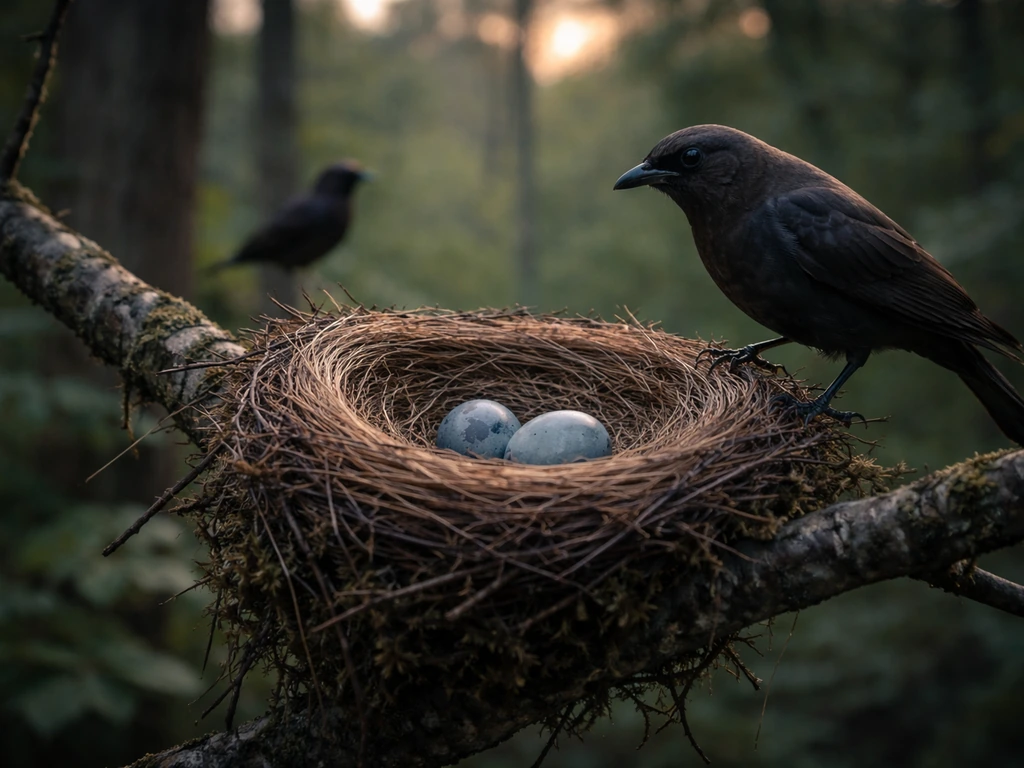
Which Bird Uses Other Birds Nests? ID Guide by Region
ID guide to nest parasites and nest usurpers by region, with egg, timing, and safety steps for confirmed cases.
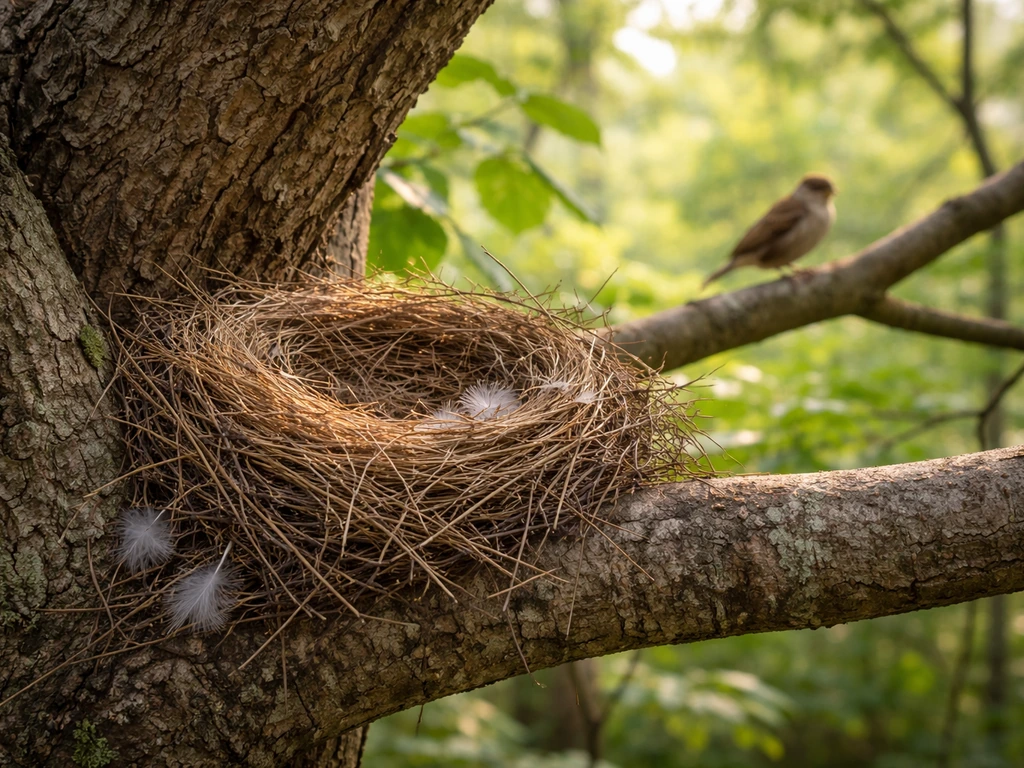
Are Bird Nests Only for Eggs? Uses, Activity Signs, What to Do
Bird nests are used for more than eggs: incubation, brooding, shelter, protection, and courtship. Learn activity signs a
Will a Bird Reuse a Nest? Signs, Timing, and What to Do
How to tell if a bird will reuse a nest, signs of active vs abandoned, monitoring timelines, and what to do safely.