You can legally remove a bird nest from a tree only when it is completely abandoned and the breeding season is over. If there are eggs, chicks, or adults still coming and going, the nest is protected under federal law in the U. S. (and equivalent legislation in the UK), and touching it puts you on the wrong side of the law.
How to Get Rid of a Bird Nest in a Tree Legally

Maya Bennett
20 May 2026
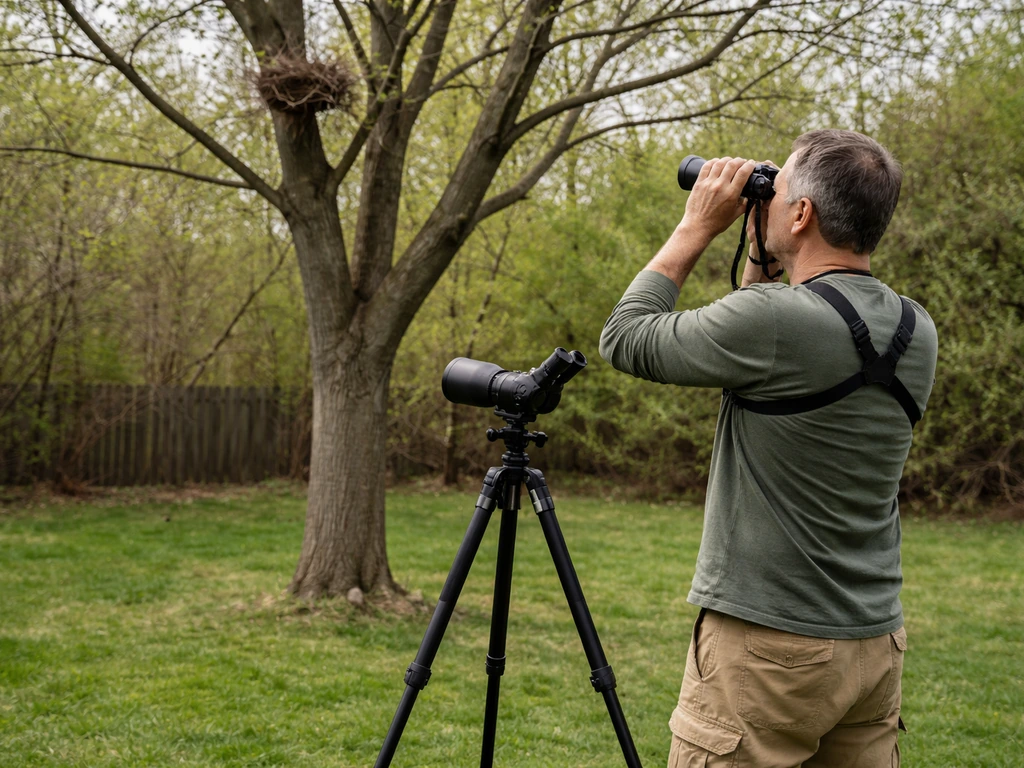
The right path forward starts with identifying exactly what you have, then choosing the least-disruptive option first. Here is how to do all of that in the right order. If you are specifically trying to get a bird nest down, the key is to wait until it is truly abandoned and then use the least disruptive option first Here is how to do all of that in the right order. .
Identify the nest before you do anything else
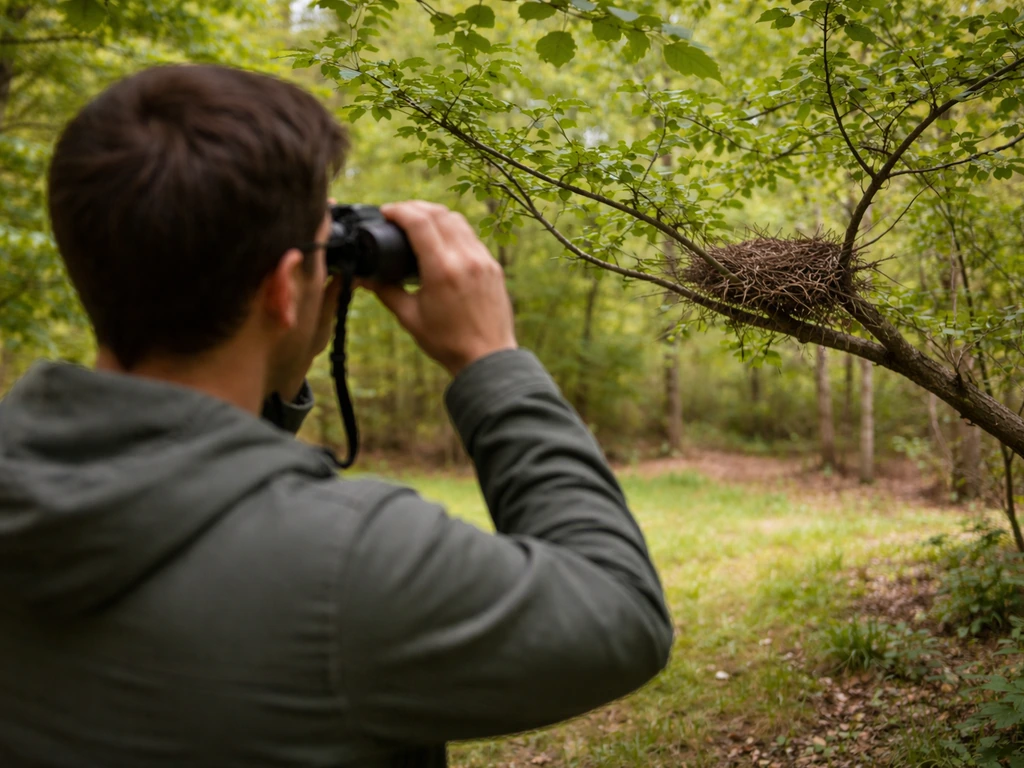
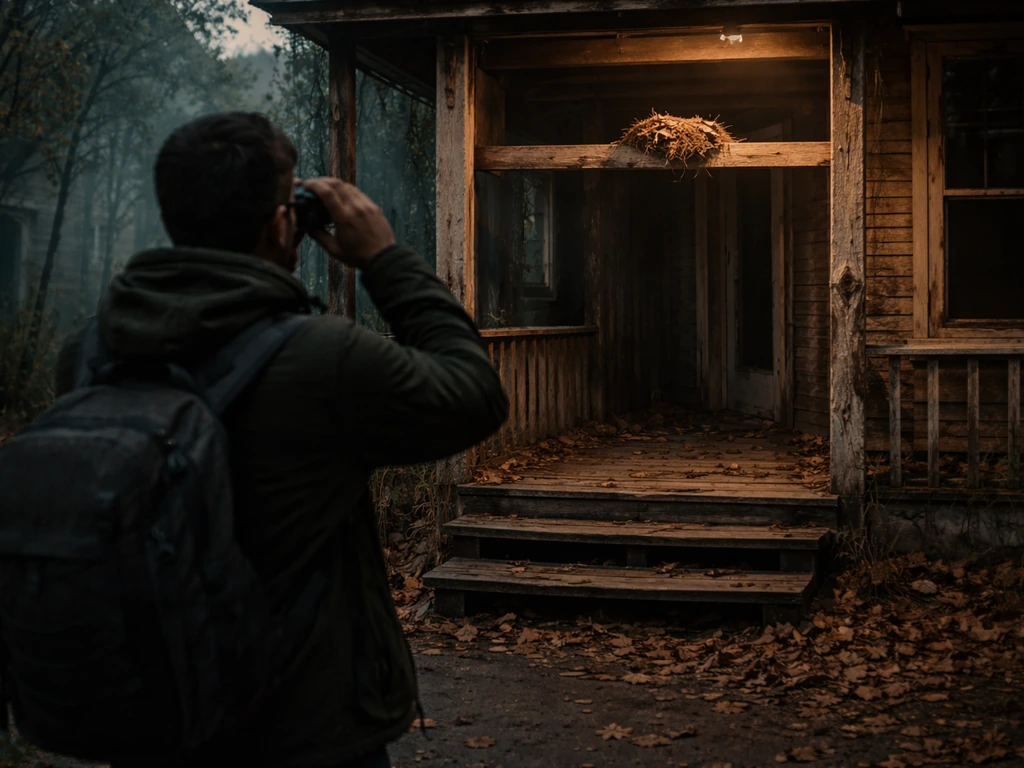
Everything depends on whether the nest is active. A quick 10-minute observation session from a respectful distance (at least 10 to 15 feet) will tell you most of what you need to know. Bring binoculars if you have them, and take a few photos for reference. You are looking for four things: species clues, nest materials, nest type, and signs of current use.
Spot the species from a distance
You do not need to be an expert birder. Watch for 10 to 20 minutes and note what birds are visiting. Size matters a lot: a robin-sized bird building in a shrub fork is almost certainly an American robin; a large stick platform 2 to 3 feet wide near the trunk of a tall tree is far more likely a hawk or heron nest. If you see a bird carrying food or nesting material, the nest is definitely active. Loud chattering from several young birds calling for food is another dead giveaway of an active brood.
Read the nest materials and shape
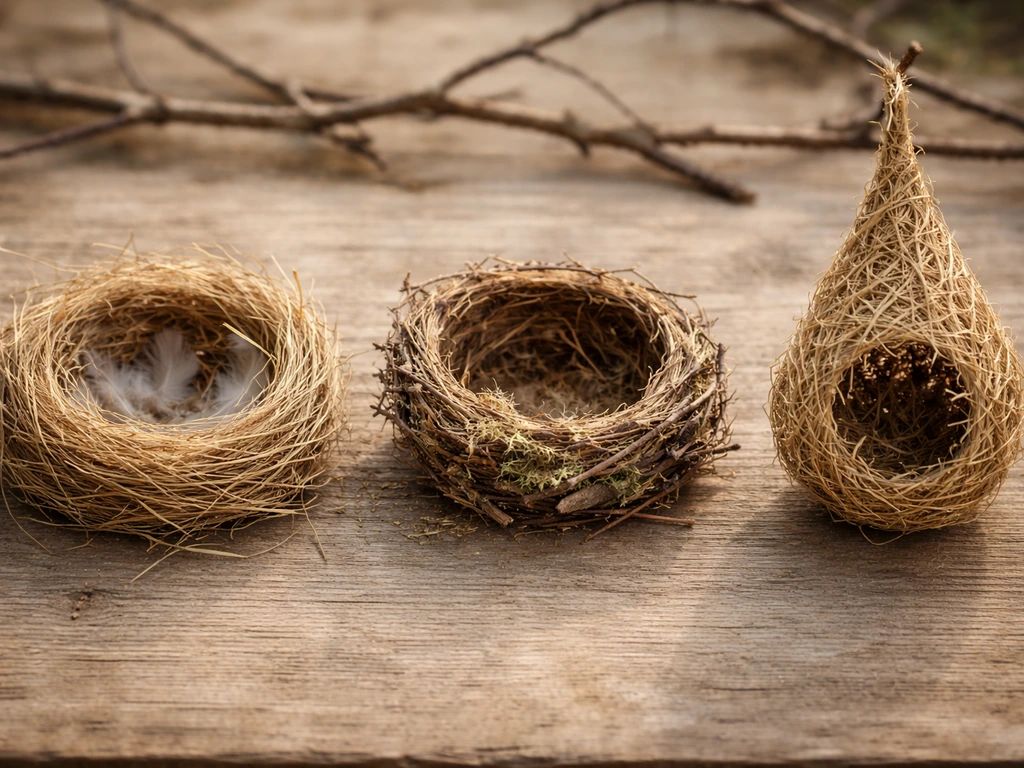
Nest design maps closely to species. Cornell Lab of Ornithology identifies five main nest types that cover almost everything you will find in a backyard tree. A compact mud-and-grass cup wedged in a fork is almost always a robin or thrush. A bulky open platform of large sticks near the top of a tall tree points to raptors or corvids. A tightly woven pendulous pouch hanging from a branch tip is an oriole. A small cup of plant down and spider silk is a hummingbird. Knowing the type helps you understand how long the breeding cycle lasts and what timeline you are working with.
| Nest type | Common builders | Typical placement | Approximate size |
|---|---|---|---|
| Open cup | Robins, thrushes, finches | Branch fork, 3–20 ft up | 3–6 inches across |
| Stick platform | Hawks, herons, crows | High in canopy or main trunk fork | 1.5–3 ft across |
| Pendulous pouch | Baltimore oriole | Dangling branch tip | 4–7 inches long |
| Domed/enclosed cup | Ovenbird, wrens (low shrubs) | Dense shrubs or low branches | 3–5 inches across |
| Cavity nest | Woodpeckers, bluebirds | Inside tree cavity or hole | Variable |
Is it active or abandoned?
Under U. S. Fish and Wildlife Service guidance, a nest is legally 'active' from the moment the first egg is laid until the fledged young are no longer dependent on it. In practice, watch for adult birds entering or leaving the nest, any sound from inside, or visible eggs or chicks from the ground with binoculars.
A nest that has been visibly empty for at least two weeks after the breeding season ends (late summer into autumn for most species) is likely abandoned. Look also at the nest's condition: fresh green moss or new material signals recent use, while a weathered, flattened, debris-filled structure that has survived a full winter is almost certainly done. If you are unsure, wait. A few extra days of observation costs you nothing.
Quick safety steps while you wait and watch
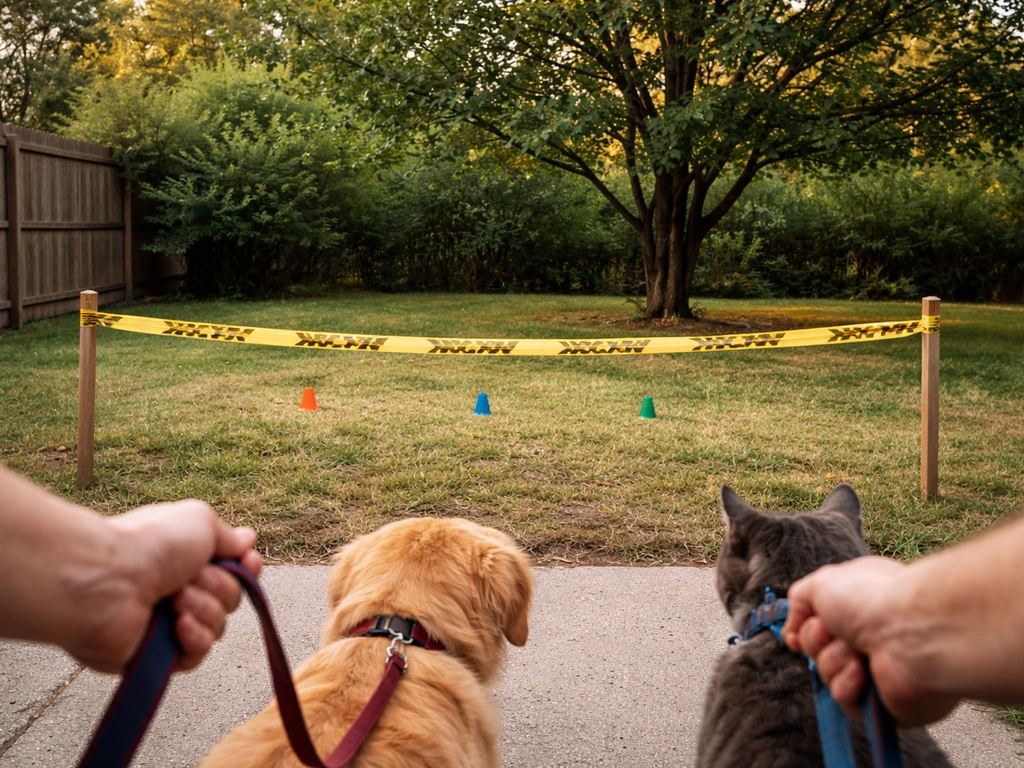
Before you do anything else, keep people and pets back. Many birds, especially raptors, corvids, and mockingbirds, will dive-bomb anything that approaches the nest. Keep children and dogs away from the base of the tree during the breeding season. If the nest is over a path or patio that people use daily, temporarily redirect foot traffic with a simple garden barrier or a cone. Do not attempt to peer into or touch the nest at this stage. Physical disturbance can cause adults to abandon chicks that are too young to survive on their own, and that outcome is both an ethical and, in many jurisdictions, a legal problem.
- Stay at least 10 to 15 feet from the tree while observing
- Keep pets leashed or indoors during the breeding period
- Redirect any foot traffic or outdoor furniture use away from directly under the nest
- Do not allow children to shake branches or throw objects near the nest
- If the nest is at head height near a doorway, use a temporary physical barrier (a tomato cage works) to deflect people away
- Check underneath the tree for fallen eggs or chicks before mowing or raking
What the law actually says
In the United States, the Migratory Bird Treaty Act protects roughly 1,100 native bird species, and that protection explicitly covers their nests and eggs. Destroying, moving, or even significantly disturbing an active nest is a federal offense. Permits for nest removal exist, but Fish and Wildlife Service guidance is clear: they are typically granted only when the nest poses a human health or safety risk, or when the birds themselves are in immediate danger. 'I don't like it there' is not sufficient grounds for a permit.
In the UK, the Wildlife and Countryside Act offers equivalent protection. The RSPCA and RSPB both emphasize that interfering with an active nest is illegal, and it is also illegal to block birds from accessing a nest they are using. The GL12 licence in England allows removal of abandoned or unsuccessful eggs from certain nest boxes, but only between 1 September and 31 January, and it explicitly excludes many open, exposed nest structures. The practical upshot on both sides of the Atlantic is the same: if the nest has eggs or chicks, or birds are actively using it, leave it alone.
The one area where you do have more flexibility is non-native, invasive species. House sparrows and European starlings in the U.S. are not protected under the MBTA, so their nests can be removed at any time. If you are confident in your species identification and the nest belongs to one of these two species, you have more legal latitude. When in doubt, confirm with your local wildlife agency before acting.
Bird-friendly ways to resolve the problem without removing the nest
If the nest is active and protected, deterrence and habitat adjustment are your real options right now. If the nest is in a chimney, use bird-safe removal steps and safety precautions rather than trying to dislodge it by force get bird nest out of chimney. The goal is to make the spot less appealing so birds do not return to the same location next season, without causing any harm to the current occupants.
Reduce what's attracting birds to that specific spot
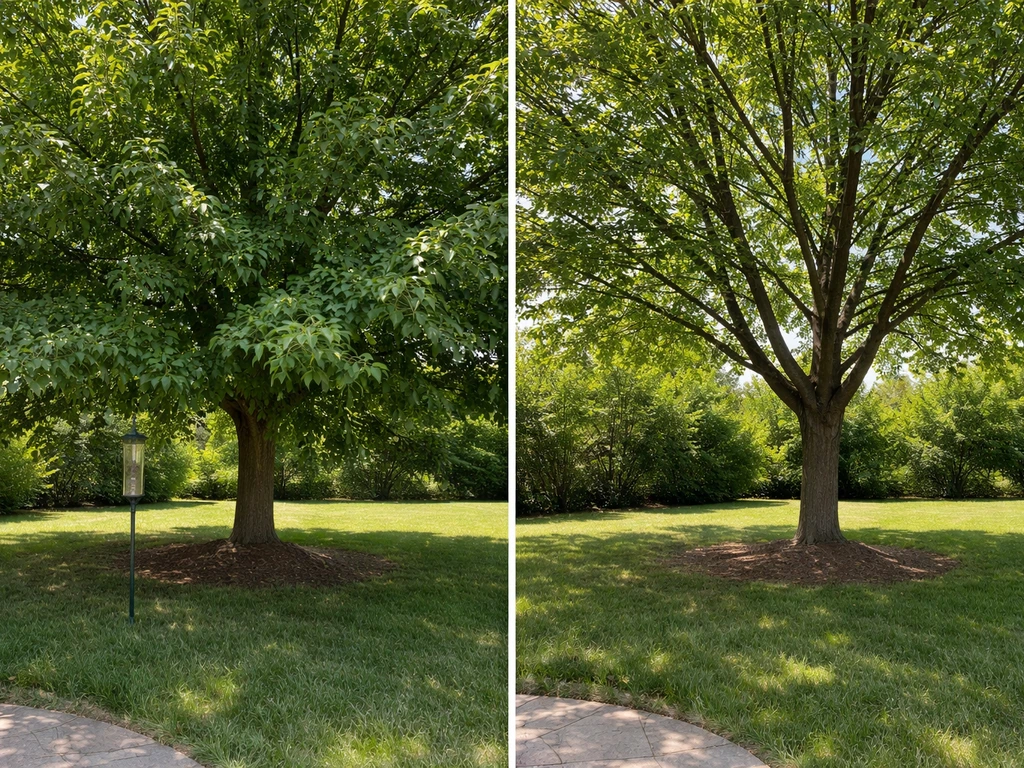
- Remove bird feeders within 20 feet of the problem tree for the remainder of the season
- Clear dense, low-hanging branches that create sheltered fork points preferred for cup nests
- Trim back any vines or ivy that add structural support or concealment to the nesting site
- Reduce standing water sources directly under the tree, which increase foraging activity nearby
- If a fruiting tree is the draw, consider netting the tree after the current nesting season ends
Physical deterrents that work (and how to install them safely)
For trees near a structure (like overhanging a porch, shed, or fence), physical deterrents can discourage birds from roosting and returning to rebuild. Bird-proof netting stretched over exposed rafters or porch beams creates what Massachusetts Audubon describes as a 'false ceiling,' preventing birds from accessing enclosed nesting spaces. Historic England's guidance on bird deterrents recommends physical exclusion barriers at known loafing and roosting areas as a first-line approach. If you use netting, follow RSPB guidelines closely: netting must be taut, properly secured at all edges, and checked regularly. Loose or improperly installed netting can trap and kill birds, which is both inhumane and illegal.
For open tree branches where a nest has been built, visual deterrents have limited effectiveness once a nest is established, but they can reduce the appeal of returning to rebuild. Reflective tape or old CDs hung nearby (after the current season ends) can deter some species. Predator decoys like plastic owls work briefly but lose effectiveness within a week or two unless moved regularly. For persistent, year-after-year nesting in the same fork, physical modification of the branch angle (done by a certified arborist) is a more durable solution.
When and how to actually remove the nest
Removal is straightforward once the nest is genuinely abandoned and the season is over. For most songbirds in North America, this means waiting until mid-autumn at the earliest, and ideally late October through February before the next nesting season begins in late winter. Watch the nest for two full weeks with no adult activity, no chick sounds, and no fresh material being added before you proceed. If you want more detail on how to get a bird nest down, focus on timing and legal status before you do anything remove the nest. If you are looking specifically for how to remove a bird nest, make sure your timing and method match the species and local protections.
- Confirm the nest has been completely inactive for at least two weeks
- Put on disposable gloves before handling: old nests can harbor mites, lice, and bacteria
- Place the nest directly into a sealed plastic bag
- Check the branch or fork for any structural damage to the tree; if the nest was large (a hawk or heron platform), call a certified arborist to assess and remove it safely rather than DIYing from a ladder
- Dispose of the bagged nest in your outdoor trash bin
- Wash your hands thoroughly after removing gloves
For large raptor nests, especially those built over multiple seasons on a main trunk fork, the platform can weigh 50 to 100 pounds or more and can be genuinely unsafe to dislodge alone. An arborist can remove it safely and advise on any tree damage the nest structure may have caused. If a nest has fallen from a tree and you are wondering whether chicks need help, that situation calls for a licensed wildlife rehabilitator rather than any DIY intervention.
If you are unsure whether the bird nest is active or abandoned, the safest move is to contact a licensed wildlife rehabilitator for guidance If a nest has fallen from a tree and you are wondering whether chicks need help. Similarly, if you find eggs in a fallen nest, contact a rehabilitator: moving eggs or young birds without a permit is still covered by federal protections.
If the problem is recurring and involves a legally unprotected species like house sparrows or European starlings, you can remove and discard active nests to discourage them from establishing. If you are dealing with the Days Gone version of nest-destroying objectives, the same basics apply: identify what is currently active, then remove or clear it only when the game mechanics allow it Days Gone how to destroy bird nests. Repeat removal early and consistently, before any eggs are laid, is the most effective approach for these species.
Stop them from coming back next season
Birds are strongly site-faithful. Many species return to the exact same tree, and sometimes the exact same fork, year after year. The window between when you remove the old nest (autumn or early winter) and when scouts begin checking sites again (late January to early March for many species) is your best opportunity to make that spot unattractive. Even so, you should avoid trying to destroy bird nests while birds are using them, since that can be illegal and harmful.
Seasonal checklist for preventing re-nesting
| Timing | Action |
|---|---|
| Late October to November | Remove abandoned nest once confirmed inactive for 2+ weeks |
| November to January | Prune or modify the branch fork that hosted the nest (consult arborist for large trees) |
| November to January | Install physical deterrents: netting over rafters/porch areas, spike strips on ledges near the tree |
| January to February | Check deterrents are secure and undamaged before birds begin spring scouting |
| February | Remove feeders from within 20 feet of the problem tree to reduce local bird activity |
| February to March | Do a visual check weekly; if a new nest starts forming, gently remove the early foundation material (before eggs are laid) for non-protected species only |
Pruning to change the fork angle is the single most durable long-term solution for cup-nesting species. Removing the horizontal fork or reducing the canopy density eliminates the structural feature the bird is drawn to. This is especially effective for robins, jays, and doves, which rely heavily on specific branch geometry. Have this done by a certified arborist in winter when the tree is dormant and birds are not yet scouting.
If you want birds in your garden but just not in that specific spot, consider installing a nest box in a different location at least 30 to 50 feet away from the problem tree. Cavity-nesting species like wrens and bluebirds often redirect readily to a purpose-built box. For open-cup nesters, a dense planting in another corner of the yard gives them an alternative. You get to keep the wildlife; you just shift the address.
When to call in a professional
Call a licensed wildlife rehabilitator if you find chicks on the ground, a nest has fallen from the tree, or any bird appears injured. Call a certified arborist if the nest is large (a stick platform over roughly 12 inches across), if it is located high in the canopy, or if removal requires climbing equipment. Contact your local wildlife agency (U.S. Fish and Wildlife Service, or the equivalent in your country) if you are uncertain whether the species is protected before taking any action. The few minutes it takes to make that call can save you a significant legal headache.
FAQ
What should I do if I cannot tell whether the nest is active or abandoned?
If you see eggs, chicks, or adult birds actively entering and leaving, treat the nest as active and stop. Even if the nest looks abandoned from a distance, confirmed activity (food delivery, begging calls, or fresh material) means you should not remove or disturb it. The safer move is to wait a few additional days and recheck from a distance (binoculars help), or contact a licensed wildlife rehabilitator to confirm status.
Is it okay to trim nearby branches if I do not touch the nest?
Using a ladder, shaking the branch, spraying water, or throwing objects at the nest can be considered significant disturbance even if you do not touch the nest itself. A practical rule is, once you have any reason to suspect active nesting, keep your hands and tools away from the tree and create a barrier to protect people and pets instead.
Can I use a pole saw or reach-in tools to remove a nest high up?
If the nest is in an inaccessible spot, you still need the same legal threshold. For active, protected nests, avoid DIY “access” attempts, such as climbing or using pole tools, and instead use non-contact deterrence only after the current occupants are no longer dependent. If it is a large raptor platform or high in the canopy, hire a certified arborist for any removal of the structure only after it is legally eligible.
If the birds stop visiting for a few days, does that mean I can remove the nest?
A nest can be abandoned but still protected indirectly because you must confirm the breeding cycle has ended. Do not remove just because the tree seems quiet for a day or two. Recheck for at least two weeks with no adult visitation, no sounds from inside, and no evidence of new nesting material before removing.
What if the nest falls or I accidentally knock it down?
If you accidentally knock the nest down, do not put it back or try to move eggs or chicks. Contact a licensed wildlife rehabilitator, especially if you find any live young, and keep pets and people away. Even “rescue” actions can create legal issues and increase mortality if birds are still dependent.
I found eggs, but I did not remove them, what should I do next?
If you find eggs in the tree or on the ground, assume they are protected and do not relocate or discard them. Call a wildlife rehabilitator to handle assessment and permitted next steps. Time matters, but the correct first action is professional guidance, not DIY cleanup.
Do bird deterrents like fake owls and reflective tape work reliably?
No. Decoys like plastic owls, reflective tape, and temporary noise devices can reduce return briefly, but they do not reliably stop nesting by species that are persistent and site-faithful. For long-term prevention, plan for the structural or habitat change (for example, branch geometry) or professional exclusion methods after the legally permitted waiting period.
What are common mistakes that make netting unsafe for birds?
Netting must be installed correctly to be safe. If any birds are currently nesting, do not trap them with improper barriers, and avoid DIY “partial” netting that could entangle adults or chicks. Only use exclusion after confirming the nesting period is over, and secure edges so birds cannot access underneath.
How confident do I need to be about the species before removing a nest?
For house sparrows and European starlings in the U.S., you generally have more latitude because they are not protected under the Migratory Bird Treaty Act. That said, local rules can still apply (property, nuisance, or enforcement practices), so if identification is uncertain or the nest appears to belong to another species, confirm with your local wildlife agency before acting.
What if someone else is insisting I remove the nest right away?
If neighbors or tenants report “bird nuisance,” you can still be responsible if you disturb an active nest. Communicate that the correct approach is to verify activity, keep people and pets away, and defer any removal until the nest is truly abandoned and legally eligible.
What is the safest immediate action while I’m figuring out whether removal is legal?
The safest “universal” option is to restrict access and make the area boring for birds without contacting the nest. Redirect foot traffic with a temporary barrier, keep pets leashed, and wait out the breeding window. This avoids the most common legal and ethical mistake, disturbing occupied nests.
After I remove an abandoned nest, what should I do to stop it from coming back?
Once the nest is removed (after the waiting period), prevention is most effective when you address the reason the birds chose the spot. A good next step is to schedule an arborist visit in winter to modify the branch structure for cup-nesting species or to plan exclusion for access points, ideally before scouting begins.
Next Articles
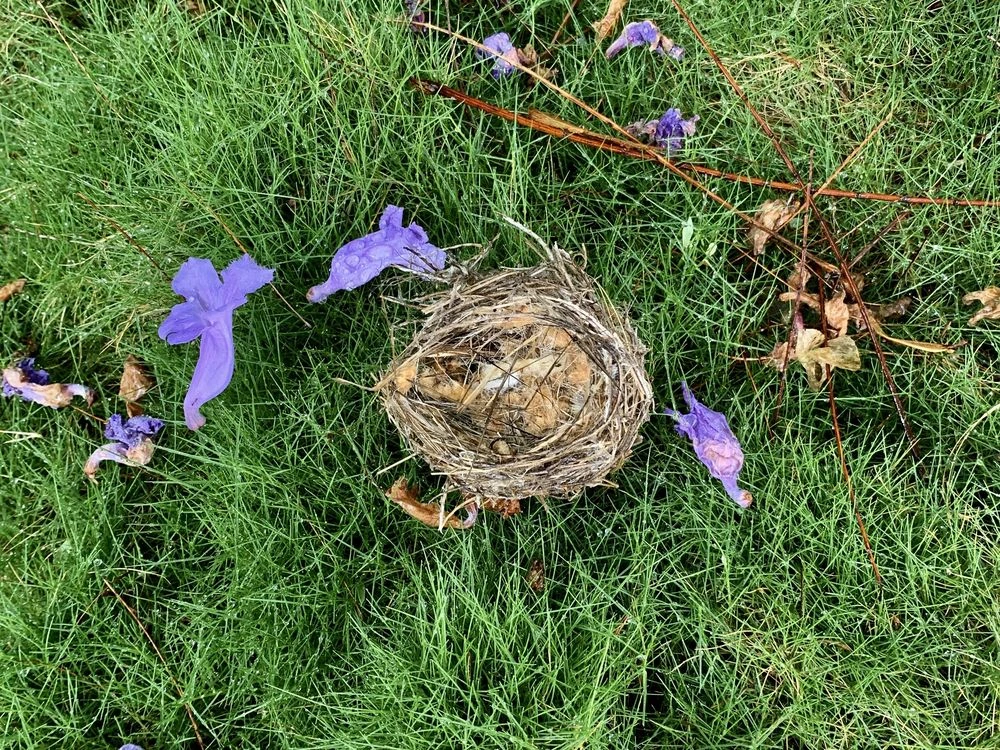
What to Do If a Bird Nest Fell Out of a Tree
Step-by-step emergency actions for eggs, nestlings, or fledglings, plus ethics, safety, and when to call wildlife rehab.
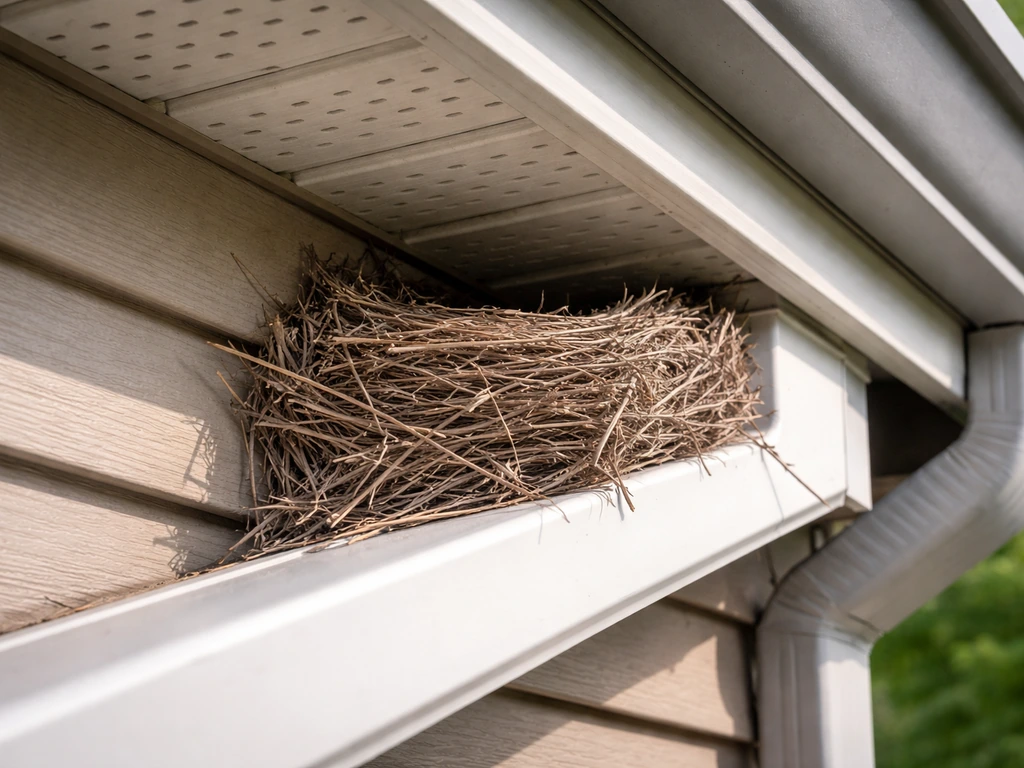
How to Get a Bird Nest Down Safely and Humanely
Step-by-step humane ways to get a bird nest down safely, check if active, follow laws, then prevent it returning.
Days Gone How to Destroy Bird Nests: Ethical Removal Steps
Ethical, legal steps to stop nesting in Days Gone style scenarios: identify nests, avoid active removal, use exclusion a